

-
 [Current Affairs Analysis]
Digital Sovereignty in the AX Era: Assessing the Coupang Incident and Rule of Law in the ROK–U.S. Data AllianceImplications for Security Governance and Alliance Modernization Chi-beom ShinProfessor, Department of Military ScienceKonyang UniversityPlanning Director, Future Society AssociationA New Paradigm of Digital Territory and SovereigntyIn contemporary international relations, the concept of national security is no longer confined to physical domains such as territory, airspace, or territorial waters. It is rapidly expanding into cyberspace and data governance. The “AX (AI Transformation) Era” represents a structural inflection point in which computational capacity, connectivity, and machine intelligence collectively redefine the foundations of national power.In this environment, data is no longer merely informational; it has become a strategic asset central to economic competitiveness, societal stability, and national security. For the Republic of Korea, one of the most consequential challenges of the 21st century is establishing the rule of law within this emerging “digital territory” and modernizing the traditional ROK–U.S. military alliance into a comprehensive data and cyber security partnership.The recent large-scale personal data breach at Coupang is emblematic of these challenges. Affecting approximately 33.7 million individuals—nearly 65 percent of South Korea’s population—the incident far exceeds the scope of an ordinary corporate security failure. It constitutes a critical test of state responsibility in the platform economy and of institutional maturity within the ROK–U.S. alliance in the AX era.The Rule of Law as the Foundation of the AX EcosystemThe rule of law constitutes the indispensable foundation of both the market economy and the AX ecosystem. The state’s most fundamental obligation is to protect the lives, property, and fundamental rights of its citizens. Market freedom derives legitimacy only when paired with commensurate responsibility, and innovation can flourish only within a trusted legal framework.At the core of the AX era lies large-scale data integration and interoperability, which presuppose robust governance and institutional trust. The Coupang incident, however, revealed a clear breakdown of that trust. Investigations indicate that the breach resulted from systemic management failures—specifically, the abuse of internal system access privileges by a former employee who retained credentials after departure. This was not an unavoidable technical accident, but a preventable, human-induced failure of security governance.In this context, the South Korean government’s decision to establish a cross-ministerial task force and pursue rigorous enforcement measures represents a legitimate exercise of sovereign authority grounded in constitutional principles. Law enforcement actions and investigations by the Personal Information Protection Commission constitute standard legal procedures that apply equally to all firms operating within South Korean jurisdiction, irrespective of nationality.Coupang’s initial effort to minimize the scope of the breach by asserting that only approximately 3,000 records were affected further underscores the problem of corporate moral hazard. Strict application of the law is therefore not punitive but corrective, aimed at restoring trust and preserving the integrity of the market ecosystem.The Distorted “Lobbying” Narrative and Its ImplicationsDespite these facts, some voices within U.S. political circles have characterized Korea’s enforcement actions as discriminatory treatment of an American company. Such framing obscures the central issue: failures in security controls and corporate governance. Public criticisms by figures such as former National Security Advisor Robert O’Brien and Congressman Darrell Issa tend to reduce a complex regulatory and security matter to a simplistic political narrative.It is also relevant to note that since its New York Stock Exchange listing, Coupang Inc. has reportedly spent approximately $10.75 million on lobbying activities over the past five years. While lobbying itself is a lawful practice, the mobilization of political pressure to delegitimize a partner nation’s law enforcement actions raises serious concerns about alliance trust.The ROK–U.S. alliance is strengthened not by political convenience, but by mutual respect for sovereignty and shared adherence to universal norms. The United States itself applies stringent standards to data breaches and corporate disclosure failures. Labeling South Korea’s lawful enforcement as a trade barrier reflects a double standard. More fundamentally, attempts by private firms to leverage political influence against the regulatory authority of an allied government risk eroding the normative foundation of the alliance.Global Standards and Investor ProtectionAn often-overlooked dimension of this case is that South Korea’s enforcement actions ultimately serve the interests of U.S. investors. As a company listed on the New York Stock Exchange (NYSE), Coupang is subject to U.S. Securities and Exchange Commission (SEC) regulations requiring the disclosure of material cybersecurity incidents within four business days of determination.According to publicly available information, Coupang delayed disclosure for approximately one month after becoming aware of the breach. During this period, the company’s share price declined sharply, erasing more than $8 billion in market capitalization and imposing substantial losses on shareholders, including U.S. investors.Ongoing shareholder class action litigation in the United States centers precisely on these issues of delayed disclosure and alleged investor deception. From this perspective, the Korean government’s efforts to clarify the facts and assign responsibility contribute directly to reinforcing global disclosure norms, enhancing transparency in capital markets, and protecting investors—including American ones.Future-Oriented Tasks for the ROK–U.S. Data Alliance in the AX EraA genuine alliance is not one that avoids friction, but one that builds durable trust by addressing challenges through shared principles and the rule of law. This logic is even more compelling in the AX era. While respecting each other’s data sovereignty, the Republic of Korea and the United States should institutionalize a “digital mutual defense framework” encompassing shared standards, coordinated responses, and clearly defined responsibilities for countering transnational cyber and data threats.Just as militaries are pursuing AI-driven modernization through initiatives such as South Korea’s Defense AX Strategy, the center of gravity in national security has already shifted toward data resilience and cyber capabilities. Data now constitutes the foundational infrastructure of both economic vitality and security.A rigorous resolution of the Coupang incident can therefore serve two purposes: affirming South Korea’s digital sovereignty and providing a strategic inflection point for expanding the ROK–U.S. alliance beyond traditional military and economic domains into comprehensive data security cooperation.The rule of law is not negotiable. The South Korean government must continue to investigate thoroughly and assign responsibility transparently, grounded in public trust. The United States, for its part, should view this case not as an opportunity for political pressure, but as a platform for cooperative norm-setting that strengthens the alliance’s data ecosystem. When principled enforcement and institutionalized joint responses proceed in parallel, the alliance advances concrete mutual interests. This is the true starting point of digital sovereignty in the AX era.
26.01.16 -
 Wonsan-Kalma rerort...Will the E.N.D begin? 26.01.09
-
 [Feature Article]
President Lee Jae-myung’s Visit to China: Strategic Significance and Policy Implications- Ending a Nine-Year Hiatus and Reanchoring Practical Diplomacy in South Korea–China Relations - Sang-man LeeInstitute of Far Eastern Studies, Kyungnam University(Visiting Professor, Shandong University)1. A Visit After Nine Years: Resuming Shuttle Diplomacy and Restoring a “Manageable Relationship”As the international system increasingly enters an era of managed strategic competition, both South Korea and China appear to be recalibrating their bilateral relationship on the basis of converging interests and pragmatic considerations.President Lee Jae-myung’s official visit to China from January 4 to 7, 2026, carries notable symbolic weight as the first such visit by a South Korean president in nine years, following President Moon Jae-in’s trip in December 2017. Yet the significance of the visit extends well beyond the mere resumption of long-suspended diplomatic engagements.At its core, the visit represents an effort to normalize summit-level diplomacy between Seoul and Beijing after years of stagnation. It signals a shift in South Korean foreign policy toward a more pragmatic and balanced trajectory amid rapid changes in the Northeast Asian strategic environment.Particularly significant is the fact that the summit took place only two months after the South Korea–China leaders’ meeting held in Gyeongju in November 2025. This rapid succession suggests that top-level shuttle diplomacy—effectively dormant for several years—has entered a renewed and operational phase.Regularized communication at the summit level is widely regarded as a key indicator of mutual trust and of a state’s capacity to manage bilateral relations. The reestablishment of an ongoing dialogue mechanism, rather than a one-off engagement, indicates that South Korea–China relations may be transitioning toward what can be characterized as a “manageable relationship.” In this sense, the meeting marked an important inflection point by restoring top-down communication channels and reinforcing institutionalized top-level engagement.Historically, shuttle diplomacy between South Korea and China showed signs of stabilization following President Park Geun-hye’s participation in China’s Victory Day commemorations in September 2015 and President Xi Jinping’s visit to South Korea in July 2014. However, this momentum dissipated rapidly after Seoul’s decision to deploy the THAAD missile defense system in July 2016, leading to a prolonged suspension of high-level exchanges. Against this backdrop, President Lee’s visit can be understood as an effort to restart summit-level communication and reconstruct the basic framework necessary for effective bilateral management.Accordingly, the central objective of the summit was not a wholesale “reset” of relations but their “normalization.” This entails institutionalizing shuttle diplomacy, restoring high-level strategic dialogues across the foreign policy, security, and economic domains, and establishing mechanisms to prevent issue-specific disputes from escalating into broader political or security confrontations. In effect, the visit marked a structural revival of Korea–China summit diplomacy that had remained largely dormant since 2017.2. Korea’s Pragmatic Position in U.S.–China Strategic Competition: Conditional Strategic FlexibilitySince assuming office, the Lee Jae-myung administration has consistently emphasized a pragmatic, national-interest–driven approach to diplomacy, grounded in an acknowledgment of the dual realities of global competition and cooperation. The visit to China should be understood within this broader effort to expand South Korea’s diplomatic autonomy and strategic space, rather than as a policy shift directed against any specific country or aligned with bloc-based logic.The summit agenda reflected this orientation. Discussions extended beyond economic and industrial cooperation to address several long-standing issues that have weighed on bilateral relations. The participation of approximately 400 business leaders from both countries in the South Korea–China Business Forum—resumed after a nine-year hiatus—was particularly noteworthy. It underscored strong private-sector demand for renewed economic engagement, suggesting that, despite political frictions, market-driven incentives for cooperation remain substantial.Key areas highlighted included supply chain stabilization for strategic industries such as semiconductors, batteries, and rare earth elements; improvements to the operating environment for South Korean firms in China and the mitigation of regulatory risks; and follow-up discussions on expanding the South Korea–China FTA to cover services, digital trade, and environmental sectors.Notably, economic cooperation was placed at the forefront of the summit agenda, while political and security issues were relatively de-emphasized. This sequencing suggests South Korea’s deliberate strategy aimed at managing interdependence rather than pursuing economic decoupling from China.In an environment where U.S.–China strategic competition is increasingly prolonged and structural, South Korea faces the challenge of managing complex relationships while minimizing exposure to strategic risk. Rather than being compelled into binary choices, Seoul appears intent on positioning itself as an actor focused on risk management and diplomatic flexibility.From this perspective, maintaining stable relations with China is not optional but a structural necessity, and the summit can be interpreted as an effort to reframe Korea–China relations from a source of strategic volatility into an object of active management.Cultural and people-to-people exchanges were also addressed, particularly the long-standing restrictions on Korean cultural content in China (commonly referred to as Hanhanryeong). While these measures have constrained the global expansion of the Korean Wave, such exchanges have historically functioned less as direct instruments of political pressure and more as buffers that mitigate tensions and foster mutual understanding. Rather than framing the issue in confrontational or demands-based terms, the Lee administration has pursued incremental progress through confidence-building measures and the normalization of exchanges. The leaders’ agreement to gradually expand cultural and people-to-people interactions should be viewed positively in this context.On the Taiwan issue—one of Beijing’s core interests—the South Korean government clarified its position by treating the matter as an internal issue for China and reaffirming respect for the One China principle. This represents a departure from the previous administration’s indirect references to opposing unilateral changes to the status quo by force. The adjustment reflects a realist recalibration, undertaken within the framework of the ROK–U.S. alliance, aimed at avoiding unnecessary entanglement in U.S.–China strategic competition over Taiwan.Regarding China’s installation of structures in the West Sea, the two leaders agreed to pursue constructive consultations aimed at transforming the area into a zone of peace and shared prosperity. Rather than framing the issue as a sovereignty dispute, both sides emphasized stable maritime management and the prevention of accidental clashes. This approach reinforces their shared intent to address sensitive issues through practical and managerial mechanisms rather than escalation.3. China’s Role in Inter-Korean Affairs and the Limits of Recognizing the Changed Reality on the Korean PeninsulaThe Lee Jae-myung administration views China’s role as increasingly consequential amid recent shifts on the Korean Peninsula. North Korea has explicitly redefined inter-Korean relations as those between “two hostile states,” while continuing to advance its nuclear and missile programs. These developments risk entrenching structural tensions and underscore the limits of managing the situation through existing policy frameworks alone.At the same time, the effectiveness of the international sanctions regime against North Korea has eroded over time. Prolonged reliance on sanctions and pressure has revealed clear constraints in shaping Pyongyang’s strategic behavior. Under these conditions, the task of managing tensions and creating conditions for renewed dialogue inevitably places greater emphasis on the role of neighboring states—most notably China.Against this backdrop, it is notable that the summit’s outcome merely reaffirmed general commitments to peace and stability in Northeast Asia, without explicit reference to North Korea or the denuclearization of the Korean Peninsula. This omission underscores both the continued resilience of China–North Korea ties and the inherent limits of China’s role as a “stability manager” vis-à-vis Pyongyang. While Beijing remains a critical actor, the summit highlighted the constraints it faces in reshaping North Korea’s strategic trajectory.
26.01.09 -
 [NK Focus]
North Korean Society in 2025 Through Keyword Analysis: System Defense, Strategic Deterrence, and Regional Development Lee Seung-hyunPh.D in Public AdministrationResearch Fellow, SAND InstituteOverviewAn analysis of North Korean society in 2025 indicates that three interrelated concepts—system defense, strategic deterrence, and regional development—constitute the regime’s core governing logic. These findings are based on a monthly, AI-driven keyword analysis of large-scale textual data drawn from the Ministry of Unification’s North Korea Information Portal, as summarized in Table 1.Although monthly fluctuations are evident, the dominant keywords appearing consistently throughout 2025 include policy, nuclear, strategy, military, and economy, excluding references to Kim Jong Un himself. Taken together, the data suggest that official North Korean discourse in 2025 was structured less around leadership narratives and more around institutional continuity, deterrence credibility, and tightly managed development.Accordingly, the overarching themes defining North Korean society in 2025 can be distilled into three keywords: system defense, strategic deterrence, and regional development.Core Keywords and Their Policy Implications1. System DefenseThe most prominent keyword shaping North Korean society in 2025 is system defense. Throughout the year, Kim Jong-un repeatedly emphasized the role of state security institutions, including internal security agencies and judicial and law enforcement bodies.In December, the regime staged large-scale commemorative events marking the 80th anniversaries of the Ministry of State Security, the Ministry of Social Security, the Supreme Court, and the Central Public Prosecutors Office.These events were not merely ceremonial. Rather, they served as clear political signals reaffirming that regime durability continues to rest on robust internal control mechanisms and institutionalized loyalty. The emphasis on security and judicial organs underscores the regime’s prioritization of preventive governance and internal discipline as foundational pillars of political stability.2. Strategic DeterrenceThe second core keyword is strategic deterrence, which remains central to North Korea’s military doctrine. In 2025, Pyongyang consistently framed its nuclear and missile capabilities not as bargaining instruments but as permanent and non-negotiable deterrents. This narrative was reinforced through a series of weapons tests and official statements throughout the year.The December test of a long-range strategic cruise missile marked the culmination of this deterrence narrative. Externally, it signaled sustained and credible military capability. Internally, it reinforced the regime’s long-standing claim that military strength constitutes the ultimate guarantee of state survival. In this sense, strategic deterrence functioned both as a tool of external signaling and as a pillar of domestic legitimacy.3. Regional DevelopmentThe third key concept is regional development, most prominently embodied in the “Regional Development 20×10 Policy,” which emerged as the regime’s flagship social policy initiative in 2025. The completion of hospitals, factories, and power plants in provincial areas was framed not merely as economic progress but as tangible evidence of the regime’s governing capacity and benevolence.Kim Jong Un’s personal attendance at completion ceremonies and his direct addresses to local residents carried clear political significance. By explicitly identifying regional populations as beneficiaries, the regime sought to link localized development outcomes with central leadership authority, thereby reinforcing vertical legitimacy.4. Selective External ExposureA fourth keyword evident in 2025 is selective external exposure. North Korea carefully calibrated its international engagement, combining confrontational rhetoric toward the G7, ROK–U.S. joint military exercises, and U.S. sanctions with visible diplomatic and symbolic exchanges with friendly states such as Russia and Laos.This pattern reflects a pragmatic strategy aimed at managing external pressure through selective solidarity rather than comprehensive diplomatic isolation. By highlighting ties with politically aligned partners, Pyongyang sought to demonstrate international relevance while maintaining strategic autonomy.5. Achievement-Centered Social ManagementThe final key concept is achievement-centered social management. Throughout 2025, North Korean society continued to be governed through narratives emphasizing accomplishment and progress.Agricultural settlement distributions, exhibitions, facility completion ceremonies, and reports highlighting exemplary cases were repeatedly employed to reinforce perceptions of regime viability and functionality.At the same time, structural challenges—including shortages, economic hardship, and systemic inefficiencies—were systematically excluded from official discourse. This selective narrative management underscores the regime’s continued reliance on symbolic performance and the visibility of success as instruments of social control.AssessmentIn sum, North Korean society in 2025 was managed within a framework in which crisis and stability coexisted. Kim Jong Un’s public activities and policy messaging consistently revolved around three core pillars: regime defense, strategic deterrence, and regional development. This pattern suggests a strategic emphasis not on short-term crisis response but on reinforcing a medium- to long-term governance architecture.Rather than signaling reform or transformation, the regime appears to have devoted 2025 to consolidating the existing political order as a “functional system.” The emphasis was less on change than on continuity, institutional resilience, and controlled adaptability under conditions of persistent internal and external pressure.
26.01.09 -
 [Feature Article]
China as the Structural Beneficiary of the Russo-Ukrainian War: Implications for South Korea’s Diplomatic and Security FlexibilityProfessor. Choi Jae dukSeoul School of Integrated Science and TechnologyNew Structural Dynamics Revealed by the WarThe Russo-Ukrainian War has fundamentally disrupted Europe’s post–Cold War security architecture and, more broadly, reshaped the strategic context of U.S.–China competition. Far from being a contained regional conflict, the war has produced second- and third-order effects that extend across Eurasia. While Ukraine has borne the immediate devastation and Russia has faced unprecedented sanctions pressure, China has emerged as the actor securing the most substantial long-term structural advantages.The conflict has afforded China time and strategic space to recalibrate and expand its influence amid the economic and geopolitical vacuum created by the war. Europe has absorbed heavy costs—diverting resources toward energy security, food supply stabilization, and accelerated weapons procurement—while undertaking an urgent restructuring of supply chains.The United States, for its part, has committed significant financial and military resources to supporting Ukraine, inevitably diluting the attention and capacity that might otherwise have been directed toward its Indo-Pacific strategy and long-term China competition. As the war moves toward potential negotiations, China’s influence is likely to manifest less at the negotiating table than through the enduring structural transformations the conflict has set in motion.Economic Realignment: China as Russia’s Primary Economic PartnerIn the economic domain, the war has precipitated a rapid realignment. As Western firms withdrew en masse from the Russian market, China moved quickly to fill the resulting void. According to China’s General Administration of Customs, bilateral trade between China and Russia reached approximately $240 billion in 2023, marking a record high and an increase of roughly 26 percent year-on-year.This expansion reflects more than temporary substitution: Chinese products are structurally replacing Western goods across key sectors, including automobiles, home appliances, machinery, and industrial equipment.Financial integration has also deepened. In response to Russia’s exclusion from SWIFT, Moscow has expanded its reliance on China’s Cross-Border Interbank Payment System (CIPS). Reports from major research institutions during 2023–2024 indicate that the renminbi’s share of Russia’s foreign exchange reserves and trade settlements has reached historic highs. These developments point to a shift from ad hoc cooperation toward more institutionalized forms of economic interdependence.Energy cooperation further underscores this trend. Projects such as the proposed Power of Siberia-2 pipeline and long-term energy supply contracts reinforce China’s strategic position as Russian energy exports pivot from Europe to Asia, consolidating Beijing’s role as Moscow’s principal economic partner.Geopolitical Effects: U.S. Strategic Diffusion and China’s Strategic LatitudeThe war has also reshaped the configuration of U.S. strategic priorities. While sustaining extensive military and financial support for Ukraine, Washington has simultaneously invested heavily in reinforcing NATO’s defense posture. U.S. strategic documents from 2023–2024 repeatedly underscore the growing burden of managing major security commitments in both Europe and the Indo-Pacific.As the conflict persists, U.S. strategic attention remains anchored to the European theater, effectively affording China additional strategic time and latitude. With its immediate security environment comparatively stable, Beijing has been able to recalibrate its diplomatic and economic initiatives while cautiously expanding its influence across Northeast Asia and Eurasia.Crucially, China’s expanded room for maneuver stems not from leverage at the negotiating table, but from the structural dispersion of U.S. and European resources. In this sense, China’s gains are environmental rather than transactional—rooted in systemic shifts in the international order rather than in discrete diplomatic outcomes.Strategic Adjustment: From Europe to Northeast AsiaPrior to the war, a key axis of China’s Belt and Road Initiative (BRI) passed through Ukraine as part of the New Eurasian Land Bridge connecting China to Europe. The destabilization of this corridor has compelled Beijing to recalibrate its strategic focus toward Northeast Asia and northern development.In this context, renewed attention to the Greater Tumen Initiative (GTI) is particularly noteworthy. The GTI—linking China’s northeastern provinces with Russia’s Far East, Mongolia, and South Korea—aligns with China’s broader effort to adjust its economic and diplomatic engagement in response to postwar uncertainty.Although North Korea withdrew from the GTI in 2009, its potential re-entry could expand the framework’s relevance, offering a possible platform for broader Northeast Asian economic cooperation, including indirect avenues for inter-Korean engagement.Opportunities and Constraints: China’s Expanding Risk ProfileChina’s structural gains from the war have been accompanied by a commensurate expansion of strategic risk. First, deepening economic reliance on Russia may constrain Beijing’s long-term strategic autonomy. Second, European perceptions of China as a strategic competitor have intensified since 2023, contributing to a more cautious and, in some areas, restrictive EU policy posture.Third, the war has furnished additional justification for the United States and its allies to strengthen coordinated measures aimed at constraining China, particularly in the domains of technology control, supply-chain resilience, and security cooperation.Accordingly, interpretations that frame the war as delivering unqualified benefits to China are overstated. Beijing now faces an increasingly complex and ambivalent strategic environment. Nonetheless, despite risks largely beyond its direct control, China has emerged as the actor that has experienced the greatest expansion of strategic maneuvering space relative to the costs incurred.China’s Post-War Role: Limited Participation, Enduring InfluencePostwar reconstruction in Ukraine is likely to be led primarily by Western actors. While Chinese firms may participate selectively in rebuilding efforts in Russian-controlled areas, China’s role in Ukraine’s broader reconstruction will remain constrained by EU regulatory frameworks and Western financial mechanisms.Even so, China does not require a central role in peace negotiations or reconstruction leadership to expand its influence. The war’s more consequential legacy lies in the structural reconfiguration of Eurasian economic and strategic networks, which continues to generate indirect but durable advantages for Beijing.China as a Structural Beneficiary and South Korea’s Strategic ImperativeThe Russo-Ukrainian War constitutes a systemic shock reshaping European security, global energy flows, U.S.–China strategic competition, and broader Eurasian cooperation frameworks. The United States and Europe have borne substantial political, economic, and security costs, while Russia has struggled to sustain economic autonomy under the weight of comprehensive sanctions. China, by contrast, has emerged as a structural beneficiary—accruing economic and strategic advantages without incurring the direct costs of wartime engagement.For South Korea, the implications of the conflict are far from peripheral. Shifts in Northeast Asia’s strategic environment and the reconfiguration of northern economic and logistical networks bear directly on Seoul’s diplomatic and security calculations. While the long-term trajectory of U.S.–China competition remains fundamentally unchanged, the post-war landscape points to a China operating with greater strategic latitude and a United States acting under heightened urgency and resource constraints.As discussions surrounding a possible conclusion to the war gather momentum, South Korea stands at a critical juncture. It must recalibrate its diplomatic and security posture with greater flexibility—reinforcing alliance commitments while preserving strategic autonomy, mitigating risks while expanding policy space. Such an approach is consistent with pragmatic, interest-based diplomacy and provides a realistic foundation for South Korea to assume a more proactive role within an increasingly complex and competitive international order.
25.12.19 -
 [Current Affairs Analysis]
The New Cold War in Northeast Asia and South Korea’s Strategic Choice: The Strategic Significance of the Lee Jae-myung Administration’s Peace InitiativeKim Nam-eunChungnam National UniversityI. The New Cold War in Northeast Asia and the Strategic Reorientation of South Korean DiplomacyBy 2025, a Cold War–like confrontational structure has become increasingly pronounced in Northeast Asia. The convergence of intensifying U.S.–China strategic competition, the deepening China–Russia alignment, and Japan’s expanding military posture has significantly heightened external pressures on the Korean Peninsula.Under these conditions, South Korea’s North Korea policy can no longer remain confined to the management of inter-Korean relations alone: it is increasingly compelled to function as a response mechanism to broader shifts in the regional order.Escalating maritime and economic security tensions between China and Japan—particularly in the East China Sea and the Taiwan Strait—have further constrained the strategic environment in which a Korean Peninsula peace vision might be implemented. As a result, peace on the Korean Peninsula has ceased to be a solely inter-Korean issue and has instead become a regional security challenge embedded within Northeast Asia’s evolving power structure.Against this backdrop, the Lee Jae-myung administration’s peace initiative is taking shape as a comprehensive regional strategy aimed at stabilizing the Northeast Asian order. The administration’s articulation of “national interest–centered diplomacy and security” as a core policy objective, alongside its parallel pursuit of a stable ROK–U.S. alliance, balanced regional diplomacy, and expanded multilateral cooperation, reflects an effort to institutionalize this strategic reorientation.President Lee’s public statements reinforce this orientation. At the Korea–Egypt summit on November 20, he characterized both countries as “peace facilitators,” underscoring South Korea’s aspiration to expand its diplomatic role. Upon returning from the G20 summit on November 23, he emphasized the need to “coolly observe the China–Japan conflict” in order to safeguard and maximize South Korea’s national interests, framing regional rivalry not solely as a risk but as a strategic variable to be managed. Similarly, at a foreign press conference on December 2, he stated that “mediation and coordination are preferable to taking sides,” clearly signaling an ambition to reposition South Korea as a mediator state.These moves extend beyond rhetorical positioning. They represent a strategic trajectory that inherits the Moon Jae-in administration’s “New Korean Peninsula System” while recalibrating it in a more pragmatic and operational form.Rather than reiterating peace discourse, the Lee administration places the management of regional conflict at the center of South Korea’s diplomatic identity. In an environment characterized by intensifying great-power rivalry, this attempt to institutionalize a buffering and mediating role provides a critical diplomatic foundation for sustaining the feasibility of a Korean Peninsula peace initiative.II. The Lee Jae-myung Administration’s Three Core Objectives for Peace and Their Regional ImplicationsAt the inauguration of the 22nd Advisory Council for Democratic Peaceful Unification on December 2, 2025, the Lee Jae-myung administration articulated three overarching objectives: the institutionalization of peaceful coexistence; the construction of a foundation for shared growth; and the realization of a Korean Peninsula free of war and nuclear weapons.These objectives complement the administration’s August 15 policy principles—respect for the North Korean system, rejection of absorption unification, and cessation of hostile acts—as well as the END Initiative (Exchange–Normalization–Denuclearization) announced at the UN General Assembly on September 23.Taken together, these goals do not constitute a simple aggregation of policy measures. Rather, they reflect a paradigm shift that repositions the Korean Peninsula as a variable within the broader Northeast Asian order.1. Institutionalizing Peaceful Coexistence: Linking Inter-Korean Stability to Regional SecurityThe institutionalization of peaceful coexistence represents a strategic departure from policies focused primarily on crisis management or tension reduction. Rather than treating inter-Korean relations as an exceptional case, this approach seeks to embed them within a normative framework grounded in mutual system recognition and the cessation of hostile acts.Unlike the traditional “denuclearization first, dialogue later” paradigm, it treats norms as the point of departure for peace-building, prioritizing minimum standards of conflict management over immediate disarmament outcomes.This approach carries implications beyond the Korean Peninsula. Institutionalized peaceful coexistence could help reduce friction at regional military flashpoints where the U.S.–ROK and U.S.–Japan alliances intersect with U.S.–China rivalry and Sino-Japanese tensions. In a regional environment prone to escalation through chain reactions, the stabilizing value of such a normative buffer should not be underestimated.Moreover, restored confidence-building measures (CBMs) between North and South Korea could serve as a prototype for broader regional crisis-management mechanisms applicable to the Yellow Sea, the East China Sea, and even the Taiwan Strait. In this sense, the Korean Peninsula could function as a testing ground for institutional approaches to security cooperation in Northeast Asia, reinforcing South Korea’s role as a mediator and stabilizing actor.2. Building a Foundation for Shared Growth: Public Goods Cooperation in Northeast AsiaThe objective of building a foundation for shared growth reflects an effort to decouple inter-Korean relations from a narrowly defined military-security framework and to anchor peace in sustainable economic, social, and environmental cooperation. President Lee’s emphasis on transforming the costs of division into engines of growth underscores a shift in perspective: peace is treated not merely as a declarative objective but as a policy domain capable of accumulation and management over time.The initial focus is deliberately placed on public goods—such as climate change mitigation, disaster response, and public health—areas that carry relatively low sanctions risk and can sustain cooperation even amid political tension. Rather than presupposing large-scale economic engagement, this approach emphasizes incremental trust-building through functional cooperation.Importantly, this framework is not confined to the Korean Peninsula. Climate cooperation can be scaled up to the Northeast Asian level; infectious disease response can be integrated into regional health security mechanisms; and disaster response and maritime safety can evolve into multilateral initiatives. Within this process, South Korea’s role is less that of an agenda-setter than that of a coordinator and mediator, linking peace-building on the Korean Peninsula to the construction of a broader cooperative regional order.3. A Peninsula Free of War and Nuclear Weapons: Managing the Denuclearization ProcessThe vision of a Korean Peninsula free of war and nuclear weapons represents a conceptual broadening beyond a North Korea–centric denuclearization framework. By characterizing denuclearization as a complex and long-term process, the Lee administration acknowledges the political and strategic realities that preclude rapid resolution. Denuclearization is thus reframed as a gradual, structural process intertwined with trust-building and normalization.The END Initiative embodies this logic. By sequencing exchange and normalization ahead of denuclearization, the initiative seeks to replace the rigid “denuclearization first” paradigm with a cyclical process in which improved relations both enable and are reinforced by progress toward disarmament.This approach, however, is not without risk. Critics argue that advancing exchanges in the absence of concrete denuclearization steps could amount to tacit acceptance of North Korea’s nuclear status. How South Korea calibrates reciprocal measures and coordinates with allies at each stage of END will therefore be critical to its credibility and sustainability.Nonetheless, given that North Korea’s nuclear capabilities have been a key justification for Japan’s military expansion and the tightening of U.S.–Japan security cooperation, meaningful progress toward denuclearization could create structural space for easing regional arms competition.Over time, if END were to expand into U.S.–DPRK and Japan–DPRK dialogues, and eventually into trilateral or multilateral frameworks, it could even lay groundwork for discussions on a Northeast Asia Nuclear-Weapon-Free Zone. In this sense, denuclearization is increasingly intertwined with the broader realignment of the Northeast Asian order, rather than remaining a narrowly defined Peninsula issue.III. Implementation Strategy for the Peace Initiative: Mitigating Sino-Japanese Tensions and Managing the Northeast Asian Order1. Regional Preconditions for the Peace Initiative: Managing Sino-Japanese Tensions and Reordering Northeast AsiaThe Korean Peninsula peace initiative cannot be pursued as a standalone inter-Korean policy. Its practical viability depends on integration with a broader regional order–management strategy that addresses Northeast Asia’s structural tensions, where U.S.–China strategic competition intersects with persistent Sino-Japanese rivalry.Accordingly, implementation of the peace initiative must proceed in tandem with a regional diplomatic strategy aimed at mitigating the core drivers of conflict in Northeast Asia, rather than through an isolated approach focused solely on advancing inter-Korean relations.A fundamental challenge is that these regional conflicts have already become structurally embedded and are largely beyond Korea’s direct control. In particular, enduring tensions between China and Japan over the East China Sea and the Taiwan Strait have consistently functioned as external constraints on the diplomatic environment surrounding the Korean Peninsula.From this perspective, efforts to reduce Sino-Japanese tensions to a manageable level should not be treated as peripheral or secondary diplomacy, but rather as a central pathway for expanding the political and strategic conditions necessary to advance the Korean Peninsula peace initiative itself.2. South Korea’s Transition from Non-Party to Mediator: Strategic Intermediation in Sino-Japanese RelationsSouth Korea’s contribution to mitigating Sino-Japanese tensions will remain unsustainable if confined to ad hoc mediation attempts or episodic diplomatic messaging. What is required instead is the proactive construction of an institutional environment and diplomatic role identity that enables it to function consistently as a conflict buffer and coordinator. The core issue is not whether South Korea possesses the willingness to mediate, but whether it can design and institutionalize mechanisms capable of managing conflict over time.Accordingly, South Korea’s mediation strategy must evolve beyond reactive engagement with individual disputes and focus instead on revitalizing Northeast Asia’s regional cooperation architecture itself. This shift from issue-based mediation to structural coordination is essential for ensuring durability and long-term strategic relevance.2-1. Institutionalizing South Korea’s Role as Conflict Buffer and Mediator: Revitalizing the South Korea–China–Japan Cooperation FrameworkThe South Korea–China–Japan cooperation framework has historically functioned as a minimal yet resilient institutional platform, preserving channels of dialogue and mechanisms for coordination even during periods of heightened Sino-Japanese tension. Restoring and strengthening this framework is therefore a necessary condition for South Korea’s transition from a temporary mediator to a structural coordinator.At the same time, sustainability requires institutional designs capable of insulating cooperation from political and security spillovers. Key implementation measures include the following:▪ Regularization of the ROK–China–Japan Summit ProcessAlthough the regularization of trilateral summits was agreed upon at the May 2024 Seoul Summit, substantive follow-through has been delayed amid shifts in China’s strategic posture. To overcome this impasse, South Korea must actively leverage its intermediary position between China and Japan to sustain leader-level dialogue. Crucially, South Korea should function not merely as a passive agenda-taker but as an agenda-setter, proactively proposing discussion frameworks and priority themes.▪ Creation of Sector-Specific ‘Separate Dialogue Mechanisms’To prevent sensitive political or security disputes from paralyzing all forms of cooperation, dialogue channels in diplomacy, security, and economic affairs should be institutionally separated and independently managed. Such functional compartmentalization can structurally reduce the risk of cooperation breakdown by limiting the spillover effects of discrete conflict issues.▪ Prioritization of Non-Political Cooperation AreasOnce an institutional baseline is reestablished, cooperation should resume first in areas relatively insulated from political contention—such as climate change, public health, and disaster response. This gradual trust-building approach represents the most realistic near-term strategy for restoring cooperative momentum while offering immediate policy feasibility.▪ Normative Expansion of Inter-Korean Confidence-Building ExperienceBuilding on accumulated cooperative outcomes, South Korea’s experience with inter-Korean military confidence-building measures (CBMs) and maritime encounter rules (CUES) can be adapted and expanded into trilateral South Korea–China–Japan crisis-management norms. Such standardization would strengthen regional safeguards against accidental conflict while enhancing Korea’s mediating role as a provider of distinctive diplomatic value.Refunctionalizing this cooperative framework provides the institutional foundation for South Korea to move beyond participation and position itself as a regional platform for mediation and trust-building. Nonetheless, tangible outcomes will require at least a minimal reduction in political tensions among South Korea, China, and Japan. While recognizing that sensitive issues—particularly Taiwan-related dynamics and territorial disputes—will remain persistent constraints, diplomatic strategy must ultimately aim easing the underlying structural tensions themselves.2-2. Managing Maritime and Economic Security FrictionsBeyond ideological or historical grievances, Sino-Japanese tensions are most acutely manifested in practical policy domains such as maritime rights, supply chains, and technology security. These arenas are characterized by elevated collision risks, yet they also offer substantial opportunities for tension mitigation through institutional management and normative coordination.Building on its experience in maritime governance, supply-chain cooperation, and technological norm-setting, South Korea is well positioned to play a substantive mediating role in managing Sino-Japanese frictions before they escalate into military confrontation. These domains are particularly conducive to institution- and norm-based diplomacy, where tension management can prove more effective than reliance on deterrence alone. Concrete measures include:▪ Proposal for an East China Sea Maritime Conflict Risk Management (MCRM) AgreementThis initiative would establish a multilayered mechanism designed to prevent accidental maritime clashes. As disputes between South Korea and China in the Yellow Sea intensify—particularly those involving PMZ-related structures—South Korea must demonstrate its capacity to balance national interests with regional trust-building. Presenting an operational model for maritime cooperation in the East China Sea would be a prerequisite for enhancing the credibility of South Korea’s mediation diplomacy.▪ Strengthening Naval and Coast Guard Encounter Rules (CUES)Internationally recognized encounter rules should be operationalized and adapted to the specific operational environments of the South Korean, Chinese, and Japanese navies and coast guards. Establishing clear behavioral standards for routine operations and emergency situations can reduce operational-level tensions and enable technical norms to buffer broader political disputes.▪ Establishment of a Trilateral Supply Chain Stability ForumIf maritime tension management achieves initial success, cooperation can be extended into the economic security domain through the establishment of a forum focused on stable procurement and technological coordination in key sectors such as semiconductors, batteries, and rare earths. This initiative should be understood not as a step toward comprehensive economic integration, but as a minimal institutional mechanism designed to manage competition within controllable bounds.▪ Constraining Political Overreach in Technology Security CompetitionBuilding on supply-chain cooperation, a normative framework could be explored to moderate the rapid escalation of Sino-Japanese technological decoupling amid intensifying U.S.–China competition. While immediate visibility may be limited, this domain holds significant long-term potential for structurally buffering regional tensions.Collectively, these conflict-management approaches offer a realistic pathway for easing tensions without military escalation and serve as a concrete implementation model for operationalizing the concept of “building a foundation for shared growth” in Northeast Asia.2-3. Strategic Linkage Between Mediation Diplomacy and the END InitiativeMitigating Sino-Japanese tensions is not an end in itself but a strategic means of reducing broader regional frictions and expanding the feasibility of restarting the Korean Peninsula peace process. As regional tensions ease, the political and diplomatic burdens associated with inter-Korean dialogue and denuclearization discussions can likewise be reduced.In this context, South Korea’s mediation diplomacy acquires strategic significance only when it is directly linked to the END Initiative. Such linkage transforms the peace vision from a declaratory aspiration into a practical policy instrument. The causal pathway can be summarized as follows:▪ Mitigation of Sino-Japanese tensions → reduction of regional tensions → expanded space for inter-Korean dialogue▪ Strengthened regional stability → reduced Japanese threat perceptions → improved environment for denuclearization talks▪ Northeast Asian stability → more favorable conditions for advancing the END InitiativeThrough this linkage, South Korea’s mediation diplomacy can function as a regional coordinating mechanism that amplifies the impact of the Korean Peninsula peace initiative. With sufficient institutional support, the initiative is well positioned to contribute meaningfully to the construction of a Northeast Asian stability architecture.At the same time, minimal North Korean responsiveness remains a necessary precondition. Given Pyongyang’s current rejection of inter-Korean engagement, it must be acknowledged that reactivating dialogue with North Korea is a structural requirement for the END Initiative to function as an operational policy rather than a conceptual framework. This constraint should be managed as a central variable in future policy calibration, reflecting both the limitations and opportunities inherent in the initiative.IV. Conclusion: South Korea’s Strategic Choices for Northeast Asian StabilityThe Lee Jae-myung administration’s vision for peace on the Korean Peninsula extends beyond inter-Korean relations and raises a fundamental strategic question: what role should South Korea assume in Northeast Asia as a new Cold War–like order solidifies?The three pillars—institutionalizing peaceful coexistence, building a foundation for shared growth, and realizing a Korean Peninsula free of war and nuclear weapons—are not confined to peninsular stability. Rather, they offer a coherent framework for easing regional tensions at the intersection of U.S.–China strategic competition and persistent Sino-Japanese rivalry.These pillars cannot be pursued in isolation. Only when properly sequenced and strategically integrated can they function as a unified and credible regional strategy.External variables—including intensifying U.S.–China competition, North Korea’s continued military provocations, and shifts in Japan’s security posture—will inevitably constrain the implementation of this approach. Yet precisely because uncertainty is increasing, South Korea must move beyond a posture of passive adaptation and assume a more active role in shaping the Northeast Asian order through principled and balanced diplomacy.Sustaining the ROK–U.S. alliance while advancing regional peace under the structural conditions of U.S.–China rivalry requires strategic judgment that combines prudence with clarity. This approach reflects the practice of interest-based, principled diplomacy rather than reliance on strategic ambiguity.Peace on the Korean Peninsula is no longer a challenge that can be addressed by the will of a single actor alone. It has become a core variable embedded within Northeast Asia’s broader stability architecture, with its trajectory shaped by the consistency and credibility of South Korea’s performance in coordination, cooperation, and norm-setting.Viewed from this perspective, the Lee Jae-myung administration’s peace vision should not be understood as a policy promising definitive outcomes. Rather, it constitutes a starting point for redefining the scope and strategic purpose of South Korea’s diplomacy.When integrated with Northeast Asia–level tasks—such as managing Sino-Japanese tensions, mitigating regional crises, and fostering conditions conducive to denuclearization—this vision represents a meaningful effort to explore a new framework for regional stability that extends beyond the Korean Peninsula itself.
25.12.19 -
 [Feature Article]
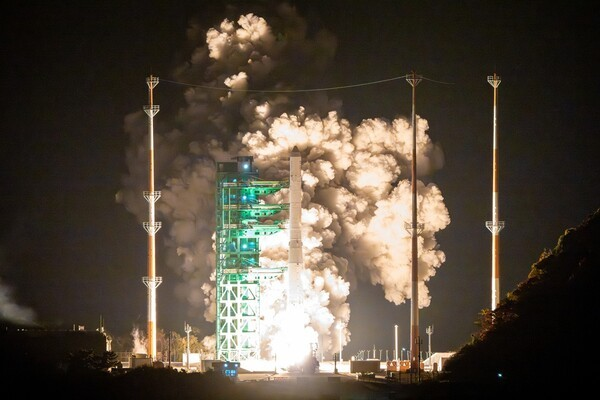
Assessing North Korea’s Response and Likely Countermeasures Following the Fourth Nuri LaunchLee Ho RyungCenter for Security and Strategy, KIDASouth Korea’s successful second launch of the Korean Space Launch Vehicle-II (KSLV-II) on June 21, 2022, significantly accelerated the country’s indigenous launch vehicle development program. With this achievement, South Korea became the world’s seventh nation capable of deploying practical-class satellites—those weighing more than 1,000 kilograms—using a domestically developed rocket launched from its own territory. This milestone marked a major inflection point in more than three decades of Korean space development, affirming Seoul’s ability to place satellites into orbit at the time and place of its choosing.The South Korean government subsequently articulated a series of follow-on objectives, including four additional Nuri launches between early 2023 and 2027 to further improve technical reliability. It also set a target of landing an unmanned spacecraft on the lunar surface by 2031 using domestically produced launch capabilities.The fourth Nuri launch on November 27, 2025, was particularly noteworthy as the first in which Hanwha Aerospace led the end-to-end assembly process, reflecting the government’s long-term strategy to transition space technology to the private sector. The launch successfully placed 13 satellites, including the primary payload, CAS500-3, into a 600-km orbit. The mission therefore stands out not only for its technical achievement but also for its expanded private-sector participation and its unequivocally civilian orientation.With the onset of a corporate-driven launch era led by firms such as Hanwha Aerospace, the South Korean government has elevated its ambitions to join the ranks of the world’s top five space powers. It has committed comprehensive support, spanning policy, industry, national security, and diplomacy, to sustain this trajectory.North Korea’s Silence: Strategic Calculations and Domestic ConstraintsNotably, Pyongyang has issued no formal response to the fourth Nuri launch, a departure from its earlier pattern of rapid messaging. During the first Nuri launch in October 2021, North Korea aired a 2020 Korean Central Television documentary highlighting the Kwangmyongsong-4 satellite and quickly ridiculed the mission’s partial failure. By contrast, following the second Nuri launch in 2022, Kim Jong-un convened an expanded Central Military Commission meeting, signaling heightened alarm.Several factors likely explain the current silence.First, North Korea’s own satellite program remains stalled. Although the regime declared its Mangyongbong-1 military reconnaissance satellite launch a success in November 2023, the satellite reportedly lacks functional reconnaissance capability. Moreover, despite announcing plans for three additional launches in 2024, the first attempt in 2024 ended in a first-stage explosion attributed to problems with new fuel and engine design, an assessment North Korean state media partially acknowledged by citing combustion system faults.Since that failure, there have been no observable preparations for subsequent launches. In this context, public commentary on South Korea’s progress would risk highlighting the widening technological gap between the two Koreas, both domestically and internationally.Second, the timing coincides with preparations for North Korea’s upcoming 9th North Korean Workers’ Party Congress. The regime must consolidate sector-by-sector “achievements,” including progress toward the five major strategic weapons goals set at the 8th Party Congress, and finalize policy direction for the next five-year period.Although Pyongyang claimed accelerated progress in late 2023 with the introduction of the solid-fuel Hwasong-18, the Chollima launch vehicle, and Mangyonggong-1, the failed 2024 satellite launch forced a narrative adjustment. The regime subsequently spotlighted the test of the new Hwasong-19, characterizing it as a “final version ICBM,” and unveiled the Hwasong-20 multiple-warhead system during the military parade celebrating the 80th anniversary of the Party’s founding.Given these political dynamics, Pyongyang may judge that its broader messaging at the 9th Party Congress, framing “successes” in defense and foreign policy and outlining future space and military development priorities, can sufficiently address the implications of the Nuri program without directly referencing the latest South Korean launch.Finally, North Korea is likely to situate its criticism of South Korea’s expanding space capabilities within a broader narrative challenging the U.S.–ROK alliance posture, emerging trilateral cooperation among the United States, South Korea, and Japan, and discussions surrounding nuclear-powered submarine development. In keeping with past rhetoric accusing Seoul and Washington of “double standards,” Pyongyang will likely portray even civilian or commercial satellite launches as destabilizing acts that exacerbate regional arms competition.It may attempt to frame these developments as evidence of an emerging confrontation between the “ROK–U.S.–Japan” bloc and the “DPRK–China–Russia” axis. Such framing would support North Korea’s efforts to secure deeper technological cooperation from Beijing and Moscow while positioning itself as part of a broader coalition resisting U.S. strategic influence.Future OutlookIn response to South Korea’s expanding space and reconnaissance capabilities, North Korea is expected to resume efforts to launch a military reconnaissance satellite at the earliest feasible opportunity. As the regime approaches the 9th Party Congress, it is likely to double down on its policy of simultaneously advancing nuclear and conventional forces while accelerating modernization in emerging domains such as space, electronic warfare, cyber operations, and unmanned systems.Pyongyang will likely intensify its long-standing narrative of “double standards” to extract diplomatic concessions or sanctions relief, portraying its satellite and missile tests as legitimate measures of national self-defense. At the same time, it will seek both domestic and international justification for the continued development of strategic weapons, using repeated tests and public demonstrations of new systems to reinforce its claimed sovereign rights in space and military technology.
25.12.12 -
 [Current Affairs Analysis]
Assessing the Lee Jae-myung Administration’s North Korea Policy: Strategic Goals and Policy TrajectoryWang Seon-taekAjunct ProfessorCollege of Media, Arts, and ScienceThe National Unification Advisory Council convened its inaugural session at KINTEX in Ilsan on December 2, drawing significant attention in anticipation of President Lee Jae-myung’s keynote address. Many observers expected the President to articulate the administration’s three core objectives for North Korea policy.Although President Lee offered several notable insights relevant to inter-Korean relations, he refrained from outlining the so-called “three major goals” in a formalized manner. While some may interpret this as an omission, the strategic environment has not yet matured to a point where such goals can be publicly codified.The primary reason the administration has yet to present a fully structured North Korea policy—more than six months into its term—is the sober assessment that Pyongyang is unwilling to engage. North Korea has consistently signaled, including through Kim Yo-jong’s July statement and Chairman Kim Jong-un’s September address, that it has no intention of entering dialogue with the new government in Seoul.Under such circumstances, prematurely announcing detailed policy architecture risks creating the appearance of rhetorical overreach and could unnecessarily constrain the administration’s future diplomatic room to maneuver. In this light, President Lee’s restraint reflects not passivity but pragmatic judgment.Nonetheless, efforts to improve inter-Korean relations must proceed despite the highly unfavorable circumstances. Clarifying the characteristics, prospects, and policy implications of the Lee administration’s approach remains an essential task, both for shaping a more conducive environment and for preparing to seize openings when they emerge.Guiding PrinciplesEven without a formal unveiling of “three major goals,” the defining elements of the Lee administration’s North Korea policy are already discernible. President Lee has articulated a central guiding principle: to build a Korean Peninsula free from the fear of war and nuclear coercion, and ultimately to pursue unification through peaceful and democratic means.He has repeatedly emphasized a key dictum from The Art of War—that preventing the conditions for conflict is wiser than prevailing in one. The President’s foundational view is that genuine prosperity is only possible once the threat of war has been mitigated; peace is understood as the bedrock of national economic stability.From this principle flow three natural objectives: peaceful coexistence, shared growth, and denuclearization.Peaceful coexistence entails reducing military tensions and hostile rhetoric through sustained dialogue, restoring communication channels, and normalizing basic inter-Korean interaction.Once minimal trust begins to form, shared growth can be pursued through calibrated economic cooperation that leverages complementarities between the two very different systems. Precedents such as the Gaeseong Industrial Complex and Mount Geumgang tourism demonstrate the potential of such initiatives. Future projects might also include multilateral frameworks related to Tumen River basin development or exploratory cooperation along the Northern Sea Route.However, progress on coexistence and shared growth remains structurally constrained as long as the nuclear issue stands unresolved. North Korea’s nuclear program, coupled with ongoing UN sanctions, makes large-scale economic cooperation effectively impossible within the current international regime. For this reason, denuclearization is not an optional component but an indispensable precondition.The administration’s END initiative—Exchange, Normalization, Denuclearization—outlines a phased process aimed at stabilizing inter-Korean ties and broader regional relations through exchanges, ultimately culminating in a three-stage denuclearization sequence of suspension, reduction, and abandonment.Principles for EngagementIn pursuit of negotiations to advance these goals, President Lee has pledged adherence to three core principles: respect for the North Korean regime; opposition to unification by absorption; and abstention from hostile acts toward Pyongyang. These principles are intended to help rebuild the trust that has eroded sharply in recent years. They serve both as immediate confidence-building messages and as long-term norms the administration intends to maintain, even in periods of improved relations.Taken together, the administration has already outlined the essential architecture of its North Korea policy, even if it has not formally packaged it as such. While Pyongyang remains unresponsive, several factors suggest that it may reassess its stance following the 9th Workers’ Party Congress scheduled for early next year. Chairman Kim Jong-un’s deep hostility toward former President Yoon Suk-yeol, coupled with President Lee’s overt willingness to improve inter-Korean relations, may influence Pyongyang’s strategic calculus. Furthermore, President Donald Trump’s stated desire to meet Chairman Kim early in his second term may create additional incentives for diplomatic repositioning. Kim Jong-un’s participation in Beijing’s Victory Day parade last September, his first major appearance on a multilateral diplomatic stage in years, could also be interpreted as part of a broader effort to recalibrate his external strategy.ProspectsIf the Lee Jae-myung administration maintains a consistent, patient, and strategically disciplined approach aimed at reducing war risks and nuclear threats on the Peninsula, significant qualitative shifts in inter-Korean dynamics could materialize as early as the first half of next year.While such outcomes are far from guaranteed, they remain plausible given current structural trends. Importantly, policy must continue to account for worst-case scenarios; inter-Korean relations in recent years have reached a level of deterioration unprecedented in the post-Cold War era.However, both domestic and international environments are showing signs of gradually moving beyond the most difficult phase. If the administration employs measured tactics, prioritizes rational objectives, and refrains from actions that could unnecessarily provoke Pyongyang, or destabilize relations with neighboring states, the prospects for meaningful progress in the coming year fall well within the bounds of strategic reason.
25.12.12 -
 [Feature Article]
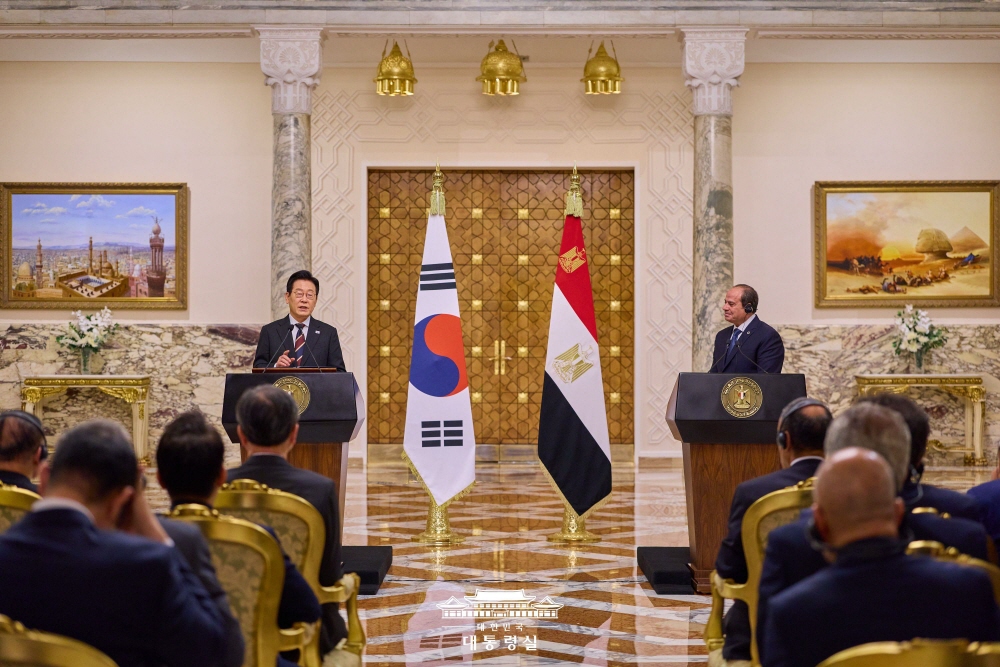
SHINE Initiative: Building a Radiant Peace Together on the Korean Peninsula and in the Middle EastSo Yeon AhnSeoul National University Asia Center, Co-ResearcherThroughout 2025, South Korea’s diplomacy moved at a rapid pace, including hosting the APEC Summit. Within this context, a notable shift has emerged in South Korea’s Middle East policy. By late 2024, the seemingly resilient authoritarian regime of Bashar al-Assad in Syria collapsed. The South Korean government, which had previously refrained from establishing diplomatic relations with Syria due to its perceived alignment with North Korea, responded swiftly to the regime change.In April 2025, South Korea formalized diplomatic relations with Syria, aiming to expand its political influence in the Middle East. Subsequently, President Lee Jae-myung, only six months into his term, chose the Middle East as his second overseas destination for a state visit, following Japan and the United States. This early visit signals a clear reorientation of South Korea’s Middle East policy.The shift aligns with the Lee administration’s broader foreign policy agenda, which seeks to establish South Korea as a “global leading nation” through “national interest-centered pragmatic diplomacy.” President Lee selected the United Arab Emirates, Egypt, and Türkiye as primary destinations.During these visits, agreements were reached to expand cooperation across multiple sectors, including defense, nuclear energy, culture, and artificial intelligence (AI), reflecting a pragmatic diplomatic approach. The most significant outcome was South Korea’s demonstration of a willingness to assume a proactive role in advancing regional peace. Historically, the Middle East has been a key energy supplier and investment destination for South Korea, but the country has largely remained passive in pursuing a political role. This tour marked a strategic shift, as President Lee articulated, for the first time, a comprehensive vision for the Middle East.In a speech at Cairo University in Egypt, President Lee introduced the SHINE Initiative, an acronym for Stability, Harmony, Innovation, Network, and Education. The SHINE Initiative can be understood through three principal dimensions. First, it aims to promote peace on the Korean Peninsula and in the Middle East by emphasizing Stability and Harmony. South Korea pledged $10 million to the Egyptian Red Crescent Society to aid in the Gaza crisis and expressed its commitment to participate in Egypt’s Gaza reconstruction program.The second dimension seeks to foster shared innovation and mutual prosperity. South Korea and Egypt agreed to advance the Korea-Egypt Comprehensive Economic Partnership Agreement (CEPA), strengthen collaboration in energy and construction, and expand cooperation in emerging technologies such as AI.The third dimension seeks to broaden engagement beyond economic collaboration through the development of networks and educational exchanges, including expanding academic cooperation, enhancing institutional support, and promoting cultural exchanges such as K-Culture.The SHINE Initiative, evoking the legacy of the Sunshine Policy of the Kim Dae-jung administration toward North Korea, signals South Korea’s commitment to enduring peace. In his Cairo University speech, President Lee referenced prior South Korean presidents, including Kim Dae-jung, who pioneered engagement with North Korea, and commended Egyptian President El-Sisi for his leadership in the recent Gaza ceasefire alongside President Trump.The Lee administration emphasized its intention to conclude the era of confrontation on the Korean Peninsula, ushering in a period of peaceful coexistence and shared growth. The initiative underscores a broader vision: that peace and stability in the Middle East can serve as a foundation for long-term security and reconciliation on the Korean Peninsula. Like the Sunshine Policy, the SHINE Initiative prioritizes gradual change through dialogue, cooperation, and harmonization, extending this principle from the Middle East to East Asia.President Lee’s announcement of the SHINE Initiative in Egypt was highly strategic. Egypt possesses a long history of civilization and controls the Suez Canal, a key global transit route. It was the first Arab nation to establish diplomatic relations with Israel, signaling pragmatic diplomacy.Recently, Egyptian President El-Sisi, in coordination with President Trump, brokered a ceasefire between Israel and Hamas and advanced a peace vision for Gaza in Sharm El-Sheikh. Presenting an initiative emphasizing stability and prosperity for both the Korean Peninsula and the Middle East in Egypt, a symbol of regional peace, carries significant symbolic and strategic weight.The Middle East remains a major global conflict zone, characterized by ongoing interstate wars and civil conflicts. The Gaza War, triggered by Hamas’s 2023 attack on Israel, escalated tensions into a broader confrontation between Israel and Iran, further intensified in July by U.S. military action against Iran, with implications for global security. These conflicts are not remote issues for Korea.North Korea has historically engaged in military and weapons cooperation with Iran, supporting actors such as Hezbollah, Hamas, and Houthi rebels, and maintaining military ties with the Assad regime in Syria. Israel’s July strike on Iranian nuclear facilities carries important implications for the Korean Peninsula, likely reinforcing Iran’s determination to pursue nuclear capabilities. Observing these developments, North Korea may interpret nuclear weapons as critical to its survival. Moreover, North Korea could adopt advanced conventional weapon systems, strategies, and tactics observed in the Middle East, intensifying its military capabilities. Thus, instability in the Middle East increases strategic uncertainty on the Korean Peninsula.Emerging signs of shifts in the international order in the Middle East are evident. Early in his term, President Trump selected the Middle East as his first overseas destination, emphasizing maximum pressure on Iran while leaving space for negotiation. In October, he brokered a ceasefire between Israel and Hamas and facilitated the Gaza Peace Agreement for reconstruction efforts. By stabilizing the region, the U.S. intends to reshape the Middle East’s power dynamics while cultivating a peacemaker image.If the Middle East stabilizes according to these intentions, U.S. attention may increasingly focus on Indo-Pacific security issues, including North Korea. At the recent APEC summit, President Trump expressed readiness to engage directly with North Korean leader Kim Jong-un, suggesting that progress in the Middle East could enhance prospects for U.S.-North Korea dialogue.Stability in the Middle East encompasses more than the cessation of conflict. It intersects with U.S.-China competition, external interventions, denuclearization, terrorism, and energy security, often generating new challenges. Within this complex system, enhanced Middle East stability can catalyze positive changes across the broader international order.The SHINE Initiative seeks not only to solidify Korea’s role as a partner for regional peace and prosperity but also to position South Korea as a proactive peace builder in the Middle East and beyond. By extending stability and development from the Middle East to the Korean Peninsula, the initiative represents Korea’s commitment to a global vision of enduring peace and shared prosperity.
25.12.05 -
 [Current Affairs Analysis]
Fourth Successful Launch and the Future of Nuri RocketChae Yeon-seokFormer DirectorKorea Aerospace Research InstituteSouth Korea overcame numerous technical and operational challenges to develop its own space launch vehicle, an achievement essential for independent access to space. This capability enables the nation to place satellites into Earth orbit on demand or send probes to the Moon and asteroids. The launch vehicle is also critical for transporting cargo to and from space stations. Moreover, successful satellite launches serve as a demonstration of the country’s scientific and technological capabilities, enhance its international standing, and inspire young people to pursue careers in science and engineering.When the Korea Aerospace Research Institute (KARI) was established in 1989, I was assigned to lead the Space Propulsion Systems Laboratory. Its mission was to research and develop propulsion systems for space launch vehicles and satellites. Developing a space launch vehicle requires either liquid-propellant rocket engines or solid-propellant motors. At that time, South Korea could only produce small solid-propellant rockets capable of flights under 180 kilometers.These small rockets were insufficient for a space launch vehicle, necessitating the development of liquid-propellant engines. Liquid engines are highly sensitive to unstable combustion in the chamber, which can trigger sudden pressure surges and catastrophic failure, particularly in large-diameter, high-pressure chambers.Resolving these challenges is time-intensive, making liquid rocket engine development a lengthy and demanding process. KARI began researching liquid-propellant engines in 1991, initially focusing on small-scale systems for future space launch vehicles.The first liquid-propellant engine, rated at 186kgf of thrust, successfully completed ground combustion tests in September 1995. Building on this achievement, South Korea’s first liquid-propellant scientific rocket, KSR-3, was developed in December 1997, for which I served as project manager.KSR-3, funded with 80 billion won, measured 14 meters in length, one meter in diameter, and weighed six tons. It used a pressurized system to deliver liquid oxygen (LOX) and kerosene to the combustion chamber, generating 13 tons of thrust. KSR-3 was launched on November 28, 2002, reaching an altitude of 43 kilometers and a flight distance of 80 kilometers. In 2003, construction of the Naro Space Center commenced to enable space launches, and development of a 30-ton thrust engine with a turbopump and large oxidizer tank began. Development of a 75-ton thrust engine for next-generation launch vehicles started in 2008. The Naro rocket, using a Russian-supplied first-stage engine, was successfully launched on January 30, 2013, with South Korea producing the second-stage solid-propellant rocket and the 100kg Naro Science Satellite.The Nuri project, employing a 75-ton thrust liquid engine as the main propulsion system, began in 2010. The vehicle stands 47.2 meters tall, with first- and second-stage diameters of 3.5 meters and 2.6 meters, respectively, and a launch weight of 200 tons. The first stage combines four engines, each producing 75 tons of thrust, for a total of 300 tons.The second stage utilizes a single 75-ton engine, while the third stage employs a seven-ton engine. The 75-ton engines generate thrust by combusting kerosene and liquid oxygen at 60 atmospheres and 3,500 degrees Celsius, effectively functioning as high-pressure furnaces in space.The technical complexity and extreme operational conditions make these engines exceptionally difficult to develop. Furthermore, many liquid rocket components, including engines and guidance systems, are restricted under the Missile Technology Control Regime (MTCR), preventing their acquisition or technical support from other nations.Consequently, independent development was the only viable path. South Korea independently designed all systems, producing 370,000 components from KSR-3 to Nuri. Engineers and scientists with KSR-3 experience played a central role in Nuri’s development.Stable liquid engine performance requires extensive ground testing. For Nuri’s first-stage 75-ton engine, 33 units were built and tested 184 times, totaling 18,290 seconds of combustion. Twelve third-stage engines, rated at seven tons, underwent 16,925 seconds of testing. These extensive tests account for the reliable engine performance observed in all five launches to date.Nuri uses kerosene and liquid oxygen, the most widely adopted propellant combination in modern launch vehicles, including SpaceX’s Falcon 9, due to its performance and cost-effectiveness. Liquid oxygen and liquid hydrogen provide higher efficiency but lower ground thrust and require booster systems, as seen in the U.S. Space Shuttle, Japan’s H-3, and Europe’s Ariane V.Launch vehicle structures must be both lightweight and robust. Nuri’s propellant tanks, the largest-volume components, carry 182.5 tons of the 200-ton liftoff weight, or 91.25 percent of the total mass. The tanks are specially constructed to store cryogenic liquid oxygen at −183°C while withstanding launch velocities of up to 7.5 km/s.Nuri was initially designed to place a 1.5-ton satellite into a 700km circular orbit. Through four iterative improvements, it now supports payloads of up to 1.9 tons. In November 2018, a test launch of a 26-meter vehicle weighing 53 tons and equipped with a single 75-ton engine reached 230km, validating engine performance and guidance systems. The first Nuri launch, on October 21, 2021, failed to reach orbit due to a 46-second shortfall in third-stage burn time.The second launch, on June 21, 2022, successfully deployed a 180kg verification satellite into a 700km orbit. Nuri No. 3, launched on May 24, 2023, placed a 180kg Next-Generation Small Satellite No. 2 along with seven CubeSats into a 550km orbit. Nuri-4, launched at 1:13 a.m. on November 27, 2025, completed the first night launch, achieving precise stage separations, placing the Next-Generation Medium Satellite No. 3 into a 600km orbit, and deploying twelve CubeSats at 20-second intervals. Launches five and six are scheduled for 2026 and 2027, respectively.Nuri’s development, involving 370,000 parts and over 3 trillion won in funding over three decades, represents the largest R&D program in South Korea’s history. Its successful, independent development demonstrates South Korea’s high level of scientific and technological capability as well as its economic strength. Globally, only six entities operate Nuri-class vehicles: the United States, Russia, China, Japan, India, and the European Space Agency.Future ChallengesTo sustain and enhance the competitiveness of South Korea’s space launch industry, KARI and its domestic sector must continue collaborative R&D on advanced technologies, including reusable first-stage rockets and high-performance engines using liquid oxygen an liquid methane. The government must also ensure at least one to two launches per year to provide continuous testing and operational experience. These steps are critical to the development of a sustainable domestic space industry.
25.12.05 -
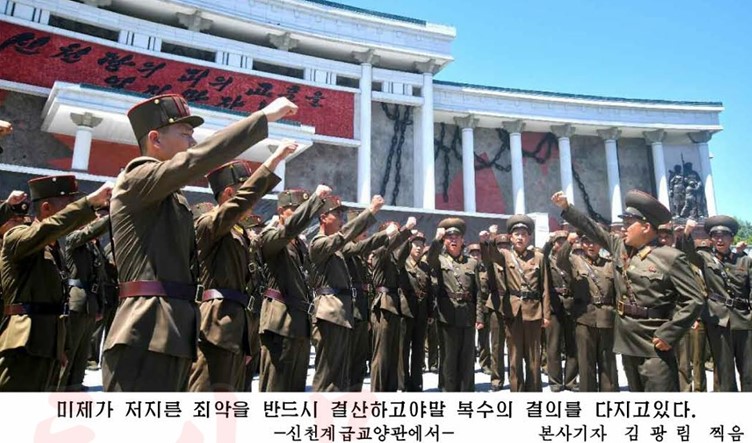 [Feature Article]
The Second Trump Administration and North KoreaJihwan HwangUniversity of SeoulI. Trump 2.0 and U.S. Foreign PolicyThe inauguration of the second Trump administration in the United States, the prolonged Russia–Ukraine war, the bombing of Iran’s nuclear facilities, and the strengthening of trilateral cooperation among North Korea, China, and Russia have all accelerated the transition from a unipolar to a multipolar international order. Amid these shifts, the Korean Peninsula faces a new wave of security uncertainty.The return of Donald Trump to the White House signifies more than a mere change of administration; it represents the resurgence of “America First” (MAGA) diplomacy. This approach raises the likelihood of instability within the U.S.–ROK alliance, neglect of the North Korean nuclear issue, and growing asymmetry in regional order.At the same time, North Korea seeks to capitalize on this evolving environment by deepening its relations with Russia and China and expanding its strategic space within the emerging multipolar order. Against this backdrop, it is necessary to undertake a comprehensive assessment of the Trump administration’s North Korea strategy, Pyongyang’s diplomatic approach toward Washington, and the broader implications of the deepening North Korea–China–Russia alignment.The Trump administration’s North Korea policy appears inherently contradictory. While Trump has at times made remarks suggesting de facto recognition of North Korea as a “nuclear power,” he has simultaneously reiterated calls for the “complete denuclearization of North Korea,” revealing a lack of consistency. This incoherence seems to stem from poor coordination with the State Department, an impulsive diplomatic style, and a transactional conception of foreign policy.At the 2018 Singapore Summit, Trump declared that even adversaries can become friends, momentarily raising expectations for a shift in U.S.–DPRK relations. However, his policy actions failed to meet such expectations. His approach has been characterized by what might be described as “unstrategic impatience.” Driven by a desire for personal achievement but inattentive to structural solutions, Trump’s diplomacy yielded little substantive progress on the North Korean nuclear issue.Similar tendencies are likely to persist in his second term. Although Trump may once again pursue summit diplomacy with Kim Jong Un to showcase his foreign policy achievements, meaningful progress in negotiations remains unlikely. Unless the U.S. national interests are clearly served, Trump is unlikely to prioritize the North Korea issue—potentially producing adverse effects on the U.S.–ROK alliance.Moreover, trilateral cooperation among the United States, South Korea, and Japan remains fragile. Although security coordination temporarily strengthened following the 2023 Camp David Summit, domestic political transitions and leadership changes in each country have since eroded its momentum. As a result, regional mechanisms to counter shifts in the Indo-Pacific order and North Korea’s increasingly assertive posture appear to be weakening.II. North Korea: From Heads-on Breakthrough to Multipolar DiplomacyIn contrast, North Korea’s foreign strategy remains an extension of its so-called “heads-on Breakthrough campaign.” Since the failure of the Hanoi Summit, Kim Jong Un has harbored deep mistrust toward the United States, declaring that there is nothing left to explore through negotiations with Washington. This sentiment has significantly reduced the likelihood of renewed U.S.–DPRK dialogue.Yet Kim’s approach goes beyond mere criticism of the United States. He perceives the global order as fundamentally multipolar, viewing American hegemony as already in decline. On this basis, Pyongyang seeks to expand cooperation with Russia and China and to craft a new external strategy suited to the evolving multipolar structure.North Korea’s support for Russia during the Ukraine war, including personnel or logistical assistance, has elevated bilateral relations to what some analysts describe as a quasi-security alliance, symbolizing a transformation in the strategic landscape of the Korean Peninsula.However, this North Korea–Russia partnership is unlikely to be permanent. Once the war ends and Russia’s strategic need for North Korea diminishes, Pyongyang’s relative importance may also decline. Anticipating this, North Korea is attempting to reestablish a long-term safety net through rapprochement with China. Kim Jong Un’s attendance at China’s Victory Day celebrations reflects this strategic calculation—a move aimed at recalibrating North Korea–China relations and pursuing a form of “balancing diplomacy” within the emerging multipolar order.The joint appearance of Xi Jinping, Vladimir Putin, and Kim Jong Un at the Victory Day event reignited speculation about a North Korea–China–Russia trilateral alignment. Nevertheless, its long-term prospects remain uncertain. China continues to maintain an image of neutrality on the Korean Peninsula, while Russia appears to treat North Korea primarily as a strategic instrument. Consequently, the so-called “new Cold War” configuration—pitting the United States, South Korea, and Japan against North Korea, China, and Russia—has yet to solidify into a durable structure.Nonetheless, these developments have further intensified security instability on the Korean Peninsula, narrowing South Korea’s strategic maneuvering space. The convergence of U.S. diplomatic inconsistency, North Korea’s multipolar diplomacy, and China’s calculated regional strategy is collectively driving Northeast Asia toward a state of “unstable multipolarity.”Recently, North Korea has also sought to redefine inter-Korean relations—from the traditional conception of a “special relationship aimed at unification” to that of two mutually hostile, belligerent states. The Kim regime’s policy evolution—from the Byungjin line (pursuing simultaneous nuclear and economic development) in 2013, to the declaration of nuclear deterrence completion in 2017, the heads-on breakthrough campaign in 2020, and the “state of war” doctrine in 2024—illustrates a decisive shift away from the discourse of unification toward a more assertive, security-oriented national strategy.Since the collapse of the Hanoi Summit in 2019, Pyongyang has ceased to regard Seoul as a negotiation partner, designating it instead as its “principal enemy.” It now treats the rhetoric of “national unity” and “reunification” as empty slogans devoid of practical utility. Within the evolving multipolar context, this transformation represents an active strategic response by North Korea—one that seeks to exploit the competition among the United States, China, and Russia to enhance its regime survival, strategic autonomy, and military leverage.III. South Korea’s Strategic Choice in an Unstable World OrderThe Trump administration’s second-term policy toward North Korea can be summarized in two words: uncertainty and impulsiveness. North Korea seeks to exploit these tendencies to expand its strategic space; however, excessive dependence on Russia and China could in turn create new risks. The weakening of U.S. leadership and the growing alignment among North Korea, China, and Russia together pose new security threats to the Korean Peninsula, presenting South Korea with a fundamental challenge in crafting its diplomatic and security strategy.South Korea must now develop a strategy that simultaneously strengthens its independent deterrence capabilities and advances a diplomacy suited to the emerging multipolar order. Seoul should seek to expand its diplomatic maneuvering space within this order—mitigating the cohesion of the North Korea–China–Russia bloc—while strengthening the U.S.-ROK alliance.The ongoing transition toward multipolarity thus constitutes both a crisis and an opportunity. If South Korea can secure strategic flexibility amid these transformations, it will be better positioned to maintain a balance between peace and security in an increasingly unstable regional environment.With regard to North Korea policy, South Korea should uphold the constitutional commitment to peaceful unification and the spirit of the 1991 Basic Agreement, even as Pyongyang abandons its own unification discourse. At the same time, Seoul must pursue a long-term strategy aimed at inducing gradual change within the North Korean system. This requires an approach that emphasizes public diplomacy for unification—one capable of earning the support and trust of the North Korean people.Furthermore, while reinforcing extended deterrence through the U.S.–ROK alliance, South Korea must also craft a calibrated and sophisticated diplomatic strategy that avoids unnecessarily provoking the North Korea–China–Russia alignment. In the short term, stabilizing inter-Korean relations and fostering conditions for sustainable peace on the Korean Peninsula should remain central to South Korea’s strategic priorities.O This commentary was originally presented at the KINU International Conference, “The END Initiative and the Future of the Korean Peninsula,” held on November 10, 2025.
25.11.21 -
 [Current Affairs Analysis]
Alliance Logic behind the Joint Fact Sheet on the ROK-U.S. Summit Laid Out amid the Transitional International OrderBAN Kil JooKNDAI. The Joint Fact Sheet Laid out under a Chaotic WorldThe post-war security order is at stake and transitional, where neither a realist lens nor a liberal lens is relevant to explain what is going on. In this sense, our world is chaotic in a sense. To top it off, the previously working alliance formula is less functional, surrounded by a transactional approach under the Trump administration. With this in mind, the Joint Fact Sheet, which was open to the public on 14 November 2025, is better placed to grapple with challenges that both South Korea and the U.S. confront in the sense that it leads the alliance to make a win-win architecture. On the security front, differences between Seoul and Washington appear to be addressed, contributing to alliance cohesion.First, the Sheet clarifies that South Korea will put more effort into enhancing its capability to defend itself, and in return, the USFK will remain committed while deterring North Korea as its primary mission. Second, South Korea and the U.S. agreed to maintain the 2006 strategic flexibility, which means the USFK will not be dispatched for missions off the Korean Peninsula without consultation with South Korea. Meanwhile, the economic front was much trickier, mainly because U.S. President Trump focuses more on trade than security, and he defines himself as the best dealmaker. Despite this quagmire, Seoul was relatively successful in the negotiation with Washington in the sense that a tariff on automobiles turned out to be reduced, and the most-favored-nation status for semiconductors was secured with an original investment of 350 billion dollars.Moreover, a 20 billion dollar investment per year is expected to be safe enough not to be entrapped in the foreign currency market crisis. In this sense, South Korea seems to have defended itself from harsh demands by the Trump administration relatively well. If so, what are the implications for the Joint Fact Sheet in analytic ways?II. The Joint Fact Sheet as a Reference Point for Alliance ModernizationThe Joint Fact Sheet could serve as a reference point to take a snapshot of whether the ROK-U.S. alliance architecture continues to be cohesive under an unpredictable and chaotic world or not. The Sheet can be summarized by the three points: 1) making exchanges between America’s economy and South Korea’s security, 2) mitigating alliance risks, and 3) making deals with unprecedented items. First of all, the Sheet is the result of the congruence between South Korea’s focus on security and the U.S.’s focus on the economy. In return for South Korea’s acceptance of the U.S.’s request for massive investment based on a manageable calculation, the U.S. promised to guarantee its commitment to the Korean Peninsula and help South Korea enhance its military capabilities, such as nuclear-powered submarines. In this sense, this deal is not a trade-off between the two states but a win-win architecture. Second, the Sheet contributes to mitigating alliance risks between Seoul and Washington. As the Trump administration is little interested in differentiating between allies and enemies. alliance risks are on the rise around the world. The Trump administration believes that its allies have taken advantage of the U.S. more than its adversaries, such as China.Thus, the U.S. rushes to revise alliance architecture significantly, leading to the rise of alliance risks. These risks are on the rise around the world, including the NATO (North Atlantic Treaty Organization) alliance. Meanwhile, alliance modernization, which is specified in the Joint Fact Sheet, serves as a remedy to ease alliance risks in the sense that both sides remain committed to the value of the ROK-U.S. alliance. Third, the Sheet shows that unprecedented items are on the table, and furthermore, they agreed to those, leading the alliance to be cohesive more comprehensively. New agendas that have never been made before appeared in the joint fact sheet, which includes uranium enrichment and spent fuel reprocessing as well as nuclear-powered submarines. The inclusion of very new items is expected to make the ROK-U.S. alliance robust in the sense that an old and weakening alliance finds it hard to raise new items. All these points allow the ROK-U.S. alliance to become more symmetric than before. In this sense, the Joint Fact Sheet could serve as a symbolic moment for the more symmetric ROK-U.S. alliance. III. Follow-up Tasks and Challenges AheadThe Joint Fact Sheet serves as a positive sign to evolve the ROK-U.S. alliance, but challenges ahead should be paid attention to in an effort to make the alliance upgrade its symmetry much more. This point particularly matters in the sense that Trump’s negotiation formula is endless, and new items are hard to maintain without bipartisan support from both sides. Challenges will be on the rise without polishing follow-up tasks, such as clarifying the burden-sharing cost, determining a way of constructing submarines, and revising the 123 agreement. First, the Sheet includes the new item, 33 billion dollars, which appears to be related to the burden-sharing cost, while explaining that this will be spent for comprehensively supporting the USFK. Through follow-up working-level talks, this ambiguity needs to be fully tackled in an effort to prevent both sides from making miscalculations later on.At first glance, this item seems a burden-sharing cost related to the SMA (Special Measures Agreement), but this could help Seoul step up its leverage over Washington on other agendas if Seoul designs a smart strategy in the process. These multi-functions need to be taken into consideration.Second, how to complete South Korea’s nuclear-powered submarines should be determined in a timely manner. In particular, a way of constructing nuclear-powered submarines should be determined with the two factors: 1) maximizing South Korea’s world-class shipbuilding capability, and 2) creating synergy for the MASGA project. How to accomplish this program should contribute not only to enhancing the MASGA project but also to expanding K-shipbuilding to the world.Third, how to acquire nuclear fuel should not be procrastinated. To that end, South Korea and the U.S. should find a way to enrich uranium and reprocess spent fuel under the current 123 agreement, with a possibility of revising it in the near future. Public diplomacy, as well as government diplomacy, will be important to get things done. IV. Conclusion: More Symmetric Alliance as a Sustainable RemedyThe Joint Fact Sheet is expected to serve as a stepping stone for a symmetric alliance between South Korea and the U.S. However, this is not the end of a symmetric alliance but the first step of a fulfilled symmetric alliance. In this sense, Seoul continues to prepare for any contingencies because Trump’s deal-making formula is an ongoing process without an end.To top it off, since the U.S.’s National Security Strategy has not been published, South Korea should closely monitor what it looks like in an effort to ensure that the Sheet is harmonized with this document. South Korea should seize the golden moment to make the alliance much more symmetric indeed, leading it to a win-win architecture.
25.11.21 -
 [Feature Article]
The Greater Tumen Initiative (GTI): A Strategic Platform for an Inter-Korean Peace EconomyChoi Jae-dukProfessorSeoul School of Integrated Science and TechnologyChina’s renewed efforts to integrate the development of its northeastern provinces and the Tumen River basin—shared with Russia and North Korea—into the Belt and Road Initiative (BRI) have brought fresh attention to the region. As Beijing seeks to connect continental and maritime routes through its northern borderlands, the Tumen River area is once again emerging as a focal point for Northeast Asian regional cooperation.Originally launched in the early 1990s under the auspices of the United Nations Development Programme (UNDP), the Greater Tumen Initiative (GTI) was once celebrated as a “laboratory for Northeast Asian cooperation.”Yet progress has been remained largely stagnant since North Korea’s withdrawal in 2009, further hindered by regional geopolitical tensions and sanctions on Russia. In recent years, however, China’s plans to align the GTI with the northern corridor of the BRI suggest a renewed impetus for regional economic integration.Chinese provincial and central documents increasingly emphasize “securing maritime access through regional cooperation.” The Jilin Provincial Government has explicitly stated its intent to “promote development in the Tumen River area and strengthen border cooperation with Russia and North Korea,” signaling an ambition that extends beyond basic trade to encompass logistics, maritime transport, and regional development corridors.For South Korea, this evolving landscape presents both opportunities and strategic challenges. On the opportunity side, Seoul could position itself as a “coordinator and innovation partner” within a revitalized GTI framework. Despite ongoing constraints such as Pyongyang’s absence and sanctions on Moscow, South Korea retains comparative advantages in sustainable development, smart logistics, and green infrastructure. A “GTI 2.0” model centered on sustainability, smart innovation, and people-to-people exchanges would align well with its technological and institutional strengths.Major risks and constraints persist, however. GTI-related discussions still lack executable business models, and proposed initiatives, ranging from inter-Korean rail linkages to East Sea logistics networks and environmental cooperation in the Tumen River basin, face diplomatic and security barriers. Moreover, given the uncertainty surrounding North Korea policy and ongoing sanctions, investment protection and long-term project viability remain difficult to ensure.The decisive variable is North Korea’s participation. Though Pyongyang was among the GTI’s founding members, its 2009 withdrawal effectively detached the initiative from broader regional cooperation. Chinese academic and policy circles have recently revisited the prospect of North Korea’s reentry, emphasizing that “revitalization of the GTI is feasible if the conditions for North Korea’s participation are restored.”Signs of this possibility are emerging. Kim Jong-un’s prominent appearance beside Xi Jinping at China’s 2024 Victory Day ceremony, the reopening of the New Yalu River Bridge, and the refurbishment of customs facilities suggest a partial normalization of North Korea–China economic relations. These developments indicate that the preconditions for Pyongyang’s return to the GTI may be gradually aligning.South Korea’s strategic engagement in the GTI framework should therefore be conceived not merely as participation in a China-led project, but as a platform for restoring inter-Korean economic cooperation. While direct bilateral engagement with Pyongyang remains constrained, multilateral frameworks like the GTI provide a more politically manageable environment for incremental cooperation. Should North Korea rejoin the initiative, opportunities could reopen for collaborative infrastructure projects, such as reconnecting inter-Korean railways, establishing energy and power grids, and managing ecological and tourism assets in the Tumen River basin.Ultimately, the GTI has the potential to evolve into a peace economy platform for Northeast Asia. As China intensifies its development of the three northeastern provinces, South Korea must calibrate its engagement carefully—participating not as a subordinate actor in northern development schemes, but as a co-architect of a balanced regional cooperation model.The optimal timing for South Korea’s proactive participation would be when inter-Korean communication channels are reestablished or when Pyongyang reenters the GTI. At that point, a cooperative equilibrium among South Korea, North Korea, China, and Russia could take shape, one in which Seoul can exercise genuine bargaining power, minimize political risk, and expand economic opportunity.The Tumen River region is more than a borderland between three states: it can serve as a “new coordinate for regional cooperation” and a testing ground for the Korean Peninsula’s peace economy. The founding spirit of the GTI was not limited to economic growth but aimed at transforming closed borders into zones of cooperation. North Korea’s re-engagement would represent a crucial step toward that vision.As a GTI member, South Korea should closely monitor China’s northeastern development strategy and broader regional dynamics while clarifying its strategic role within the initiative. Even as inter-Korean economic cooperation remains at an impasse, new pathways are opening through multilateral mechanisms like the GTI. If Seoul articulates substantive proposals and a credible implementation roadmap, the Tumen River could emerge as a “corridor of cooperation” linking the Korean Peninsula with the wider Northeast Asian region.In this sense, South Korea’s participation in the GTI is not a question of speed, but of timing.
25.11.13 -
 [Current Affairs Analysis]
Peace Regime on the Korean Peninsula: Current Status and Policy ChallengesEunju ChoiPh. D. in Economics; Research Fellow,The Sejong InstituteThe contemporary security environment surrounding the Korean Peninsula has entered a period of structural instability that renders past policy approaches inadequate. At the global level, the intensifying U.S.–China strategic rivalry and the protracted Russia–Ukraine conflict have increased systemic uncertainty.At the regional level, North Korea’s concurrent pursuit of nuclear and conventional capabilities, combined with the collapse of crisis-management mechanisms such as inter-Korean communication lines, has significantly eroded the Peninsula’s stability architecture.In this context, a reactive or declarative peace framework is inadequate. Addressing this environment requires a comprehensive strategy that integrates military deterrence, diplomatic engagement, and strategic discourse, supported by an implementable operational design. The objective must be to construct a sustainable peace architecture, beginning with measures to reduce military tensions and build trust, and evolving toward substantive inter-Korean exchanges and institutionalized cooperation.1. Structural Transformation of the Peninsula’s Strategic LandscapeThe strategic landscape of the Korean Peninsula today differs fundamentally from that of the past. The intersection of three key developments—the redefinition of North Korea’s inter-Korean policy, the institutionalization of North Korea–Russia alignment, and the consolidation of U.S.–China strategic competition—has created a qualitatively new environment.At the 2025 plenary session of the Workers’ Party of Korea (WPK) Central Committee, Pyongyang formally redefined inter-Korean relations as state-to-state—specifically, as relations between two hostile states in conflict. This shift was institutionalized through follow-up measures by the Supreme People’s Assembly, which abolished inter-Korean and unification-related agencies. Building on the ideological framework of “Our State Firstism,” the North has entrenched its national identity while closing institutional pathways for inter-Korean functional cooperation. The result is a sharply reduced space for civilian, social, and economic exchanges that previously helped mitigate tensions.2. Escalation of Military and Security RisksIn the military domain, the codification of North Korea’s nuclear force policy has been followed by frequent on-site inspections by Kim Jong Un, accelerating the testing and deployment of tactical nuclear systems, solid-fuel ICBMs, hypersonic glide vehicles, and reconnaissance satellites. The severing of inter-Korean hotlines and military communication channels has amplified the risk of inadvertent escalation.South Korea now faces a threefold security challenge: strengthening the credibility of extended deterrence, managing the influence of external actors, including China and Russia, and ensuring crisis control in emergency contingencies.Simultaneously, the North Korea–Russia Comprehensive Strategic Partnership Treaty has transformed bilateral relations into a quasi-alliance. Institutionalized cooperation now spans a wide range of sectors, military, energy, ICT, agriculture, health, and even peaceful nuclear technology and AI, providing Pyongyang with expanded avenues to circumvent sanctions and enhance strategic autonomy.3. Policy Constraints in the Era of Structured U.S.–China CompetitionThe growing systemic rivalry between Washington and Beijing, encompassing security, technology, and economic domains, poses a dual strategic burden for Seoul: maintaining the coherence of the ROK–U.S. alliance while managing relations with China.North Korea, meanwhile, is pursuing a diversified foreign policy: economic engagement with China, military and scientific collaboration with Russia, and renewed outreach to socialist states such as Vietnam. From Pyongyang’s perspective, the functional necessity of South Korea as an economic partner is diminishing.4. Constraints and Emerging OpportunitiesDespite these constraints, opportunities persist. North Korea’s hardline “two-state theory” and absence of dialogue mechanisms raise the risk of miscalculation, while domestic political polarization in South Korea undermines policy continuity.Nonetheless, renewed U.S.–North Korea summit diplomacy remains conceivable, and Seoul retains diplomatic space to serve as a facilitator within multilateral cooperation frameworks involving China, Russia, and Japan, particularly in non-political, less politically sensitive areas.North Korea’s growing emphasis on regional development and livelihood improvement has generated increasing demand for external resources and technology. The regime has also shown pragmatic openness toward cooperation in areas such as public health, education, forestry, climate adaptation, and disaster response. These domains represent practical entry points for South Korea to propose humanitarian assistance and technical exchanges that could reopen channels of dialogue.5. Rethinking the Framework of Inter-Korean CooperationGiven the difficulties in bilateral engagement, Seoul must expand coordination with international organizations and regional partners. Past South Korean cooperation models, focused on infrastructure, material provision, and labor-intensive processing, are now less viable amid China’s logistical dominance and Russia’s reemerging economic role. Future cooperation must therefore aim for complementarity rather than competition with North Korea’s existing partnerships.Seoul should redefine its strategic role in supporting improved U.S.–North Korea relations. Even in the absence of direct coordination with Pyongyang, South Korea can jointly design, with Washington, a suite of cooperative initiatives in nontraditional security areas such as health, food security, disaster management, and supply chain resilience. In doing so, Seoul can assume responsibility for planning and implementing components of these projects, transforming itself from a passive observer to an active co-designer.This would help create a virtuous cycle: progress in U.S.–North Korea relations leading to progress in inter-Korean relations, thereby institutionalizing peace through practice rather than declarations.6. Building a Sustainable Peace RegimeDenuclearization remains both the objective and baseline of a peace regime on the Korean Peninsula. To move toward a nuclear-free peninsula, South Korea must focus on building an operational ecosystem that balances deterrence and diplomacy, integrates multilateral coordination, and aligns with global norms.Rather than focusing on the magnitude of aid or investment, South Korea should give priority to developing an institutional design: creating mechanisms, standard procedures, and ready-to-launch cooperation packages that can be activated when conditions permit. By transforming political momentum into procedures and institutions, Seoul can shift inter-Korean relations from “managed disconnection” to “managed engagement,” turning risk into a strategic asset.ConclusionSustaining peace on the Korean Peninsula demands more than rhetoric: it requires strategic coherence, institutional readiness, and actionable policy design. South Korea must act as both coordinator and architect, navigating between great-power competition and regional transformation. By doing so, Seoul can translate the complexity of the current crisis into an opportunity—transforming volatility into structured engagement and embedding peace within a sustainable regional framework.
25.11.13 -
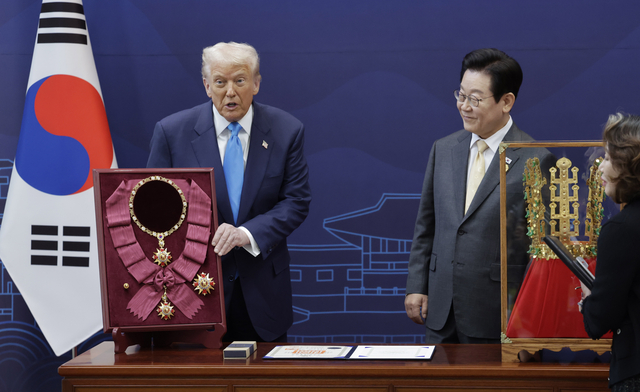 [Thematic Analysis]
Alternative Thinking on the North Korean Nuclear Issue and Peace on the Korean PeninsulaJungsup KimPrincipal Fellow, Sejong Institute1. Evolving DynamicsNorth Korea’s nuclear capabilities have advanced well beyond rudimentary deterrence, reaching the level of a de facto nuclear-weapon state. Although estimates differ across institutions, Pyongyang is widely assessed to possess approximately 50 nuclear warheads.It is also nearing completion of a strategic ICBM force capable of threatening the U.S. mainland. After a successful test of Hwasong-15 in 2017—with an estimated range of 13,000 km—North Korea unveiled the Hwasong-19 in 2024 and the Hwasong-20 in 2025.Notably, its tactical nuclear strike capabilities have developed dramatically since the 2019 Hanoi summit. North Korea has introduced short-range missiles such as the KN-23/24/25, developed the strategic cruise missile “Arrow,” and launched the “Manrikhyung-1” military reconnaissance satellite. To complete its credible second-strike capability, North Korea is advancing underwater nuclear deterrence through assets like the SLBM Pukguksong-5-S and a 3,000-ton tactical nuclear-powered submarine, which is currently under construction.Beyond technical progress, Pyongyang’s political resolve to maintain its nuclear arsenal has also hardened. In September 2022, it adopted the Nuclear Forces Policy Act, codifying an offensive nuclear doctrine. The following year, it amended its constitution to enshrine “the strengthening of nuclear forces,” thereby institutionalizing its nuclear permanence. Kim Jong-un has since declared nuclear weapons an “eternal strategic asset.”The broader strategic environment has also shifted. The war in Ukraine and the tightening North Korea-Russia alignment have largely neutralized the impact of international sanctions. With external pressure diminished, momentum toward denuclearization has eroded. Pyongyang now enjoys its most favorable strategic position since the end of the Cold War—being able to pursue survival and development without dependence on the United States or South Korea.Meanwhile, the Trump administration appears inclined toward dialogue with North Korea, while tacitly accepting its nuclear status. At the same time, Pyongyang has redefined inter-Korean relations as a “hostile relationship between two sovereign states,” cutting off all contact and communication. Under these conditions, neither inter-Korean rapprochement nor progress on denuclearization can be achieved through Seoul’s efforts alone.2. The Lee Jae-myung Administration’s Pragmatic ApproachIn response to this new environment, the Lee Jae-myung administration has adopted a pragmatic and phased approach to both inter-Korean relations and denuclearization. Recognizing the limited room for immediate progress, Seoul is looking to a possible U.S.-North Korea dialogue as the next political inflection point. President Lee’s remark during his summit with President Trump—that he would act as a “pace-setter” rather than a “peacemaker”—reflects an adjustment to these new strategic realities.The administration has proposed a three-step denuclearization process (suspension → reduction → dismantlement) and the E.N.D. (Exchange → Normalization → Denuclearization) Initiative. These represent a practical, incremental strategy toward nuclear risk management and peace-building.However, achieving tangible progress remains challenging. For the foreseeable future, it is unlikely that substantive denuclearization talks or a renewed peace process will resume. Even if a U.S.–North Korea summit were held, meaningful agreements would be difficult to reach.Potential outcomes can be envisioned in tiers:Minimal level: A limited “stabilization exchange,” where North Korea halts ICBM and nuclear testing in return for scaled-back ROK-U.S. joint exercises and restraint in strategic asset deployments.Intermediate level: A freeze, in which Pyongyang suspends fissile material production and expansion of its warhead stockpile.Advanced level: Disablement, such as the verified closure of Punggye-ri or dismantlement of Yongbyon facilities.Final stage: Full denuclearization, involving verified removal and disposal of all existing warheads.At present, the minimal stabilization exchange appears to be the most realistic expectation. Still, improved U.S.–North Korea relations could help manage tensions and create conditions for gradual progress. Accordingly, close Seoul-Washington coordination to support renewed dialogue remains essential.In the interim, inter-Korean efforts should prioritize reducing hostility, managing military risks, and building political trust—laying the groundwork for a long-term peace process rather than immediate breakthroughs.3. Toward a Forward-Looking Peace FrameworkBuilding sustainable peace on the Korean Peninsula requires a realistic and forward-looking strategy.First, to reduce military tension, Seoul should consider reinstating key provisions of the 2018 September 19 Military Agreement, suspended under the Yoon Suk-yeol administration. Restoring land and maritime buffer zones could include halting artillery drills within 3km of the DMZ, ceasing live-fire exercises near the West Sea’s Northern Limit Line (NLL), and resuming inland rotational training for Marine artillery units on the five northwest islands—contingent on reciprocal restraint from Pyongyang.Second, Seoul must work to shape a favorable international environment. Close consultation with Washington, both before and after any U.S.–North Korea engagement, is essential. Moreover, broader diplomatic efforts should aim for cross-recognition among the four major powers—the U.S., China, Japan, and Russia—an opportunity which was missed after the Cold War. Normalizing North Korea’s relations with the U.S. and Japan, while simultaneously repairing South Korea’s strained ties with China and Russia, would help reduce Northeast Asia’s bloc confrontation and create a more conducive setting for managing the nuclear issue.Third, it is time to reframe the relationship between denuclearization and peacebuilding. Whereas conservative governments prioritized “denuclearization first,” and progressive ones pursued “parallel progress,” the current reality renders both paths difficult. A more flexible dual-track approach—advancing peace and deterrence management separately—may now be the most viable.In this context, Seoul must define what kind of relationship it seeks with a nuclear-armed North Korea. The challenge is to combine credible deterrence with diplomatic engagement to reduce risk. What is needed most is alternative thinking—a strategic confidence that the North Korean nuclear threat can be managed, not merely contained or matched by nuclear armament.Concerns about the credibility of U.S. extended deterrence, including the so-called “torn nuclear umbrella,” are often overstated. Deterrence operates not solely on certainty but also on probability and perception. Despite lingering doubts, Pyongyang cannot ignore the potential consequences of a U.S. nuclear response. As long as U.S. Forces Korea remain on the peninsula, a North Korean nuclear strike remains highly improbable.Additionally, South Korea’s growing non-nuclear deterrence capabilities—including advanced conventional precision strike systems, missile defenses, and ISR assets—further strengthen stability. The belief that “only nuclear weapons can deter nuclear weapons” is a misconception. Effective deterrence is rooted in fear, not parity.Thus, the North Korean nuclear threat can be strategically managed if the ROK-U.S. alliance remains robust, conventional military superiority continues to expand, and Seoul carefully manages relations with Beijing and Moscow. Based on this premise, it is time to envision a forward-looking peace architecture for the Korean Peninsula—anchored in pragmatic deterrence, diplomatic engagement, and strategic patience.
25.11.07 -
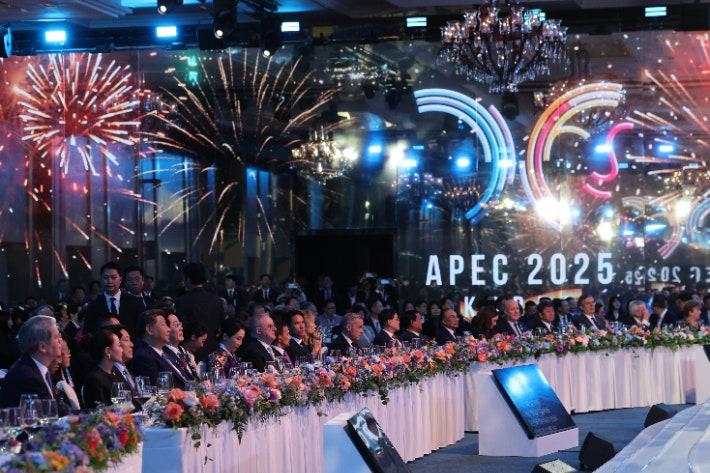 [Current Affairs Analysis]
Gyeongju APEC: Assessing the Strategic Implications of the ROK-U.S. and U.S.-China Summits on the Korean PeninsulaJin-Ha KimSenior Research FellowKorea Institute of National Unification (KINU)The 2025 APEC Summit, held on November 1 in Gyeongju, concluded with the formal adoption of the “Gyeongju Declaration.” The summit came at a time of intensifying geopolitical conflict and escalating tariff disputes, underscoring the urgent need to restore the spirit of solidarity and cooperation and to chart a sustainable path toward shared prosperity.As the host nation, the Republic of Korea (ROK) guided the summit under three priority themes—Connect, Innovate, and Prosper—in pursuit of the Putrajaya Vision 2040, which seeks to build an open, dynamic, resilient, and peaceful Asia-Pacific community by 2040. The summit served as an opportunity for Korea to demonstrate both its determination and its capacity to lead in advancing international peace and future-oriented economic development grounded in cooperation, mutual benefit, and inclusivity.Parallel to the APEC plenary, a series of high-stakes bilateral summits—notably among South Korea, the United States, Japan, and China—intensified diplomatic activity. In particular, the ROK-U.S. and U.S.-China summits drew global attention for their potential to reshape the trajectory of the U.S.-ROK alliance, the Korean Peninsula’s security environment, and the broader strategic balance in Northeast Asia. This analysis focuses on the key outcomes and strategic implications of these two meetings.The ROK-U.S. Summit: Alliance Stability and Economic Burden-SharingSince the beginning of President Trump’s second administration, the stability of the U.S.-ROK alliance has faced challenges on both economic and security fronts. Seeking to address the United States’ fiscal and trade deficits, the Trump administration and the MAGA policy circle have pursued a tariff negotiation strategy characterized by steep tariffs and conditional tax cuts—essentially leveraging trade barriers to secure large-scale investments in the United States from key allies.The European Union and Japan, for example, pledged investments of $600 billion and $550 billion, respectively, concluding agreements that capped tariff increases on major sectors such as automobiles at 15%. South Korea initially negotiated toward an investment commitment of $350 billion, but unlike the EU and Japan, it continued to face a 25% tariff on its automobiles and other goods—fueling anxiety in Seoul over potential economic repercussions.While contributing to U.S. economic and industrial revitalization is vital, given Washington’s central role in maintaining the liberal international order, the proposed scale of South Korea’s investment appeared disproportionately large. According to the U.S. non-profit Reshoring Initiative, South Korea already ranked as the top direct investor in the United States in the first quarter of 2025, substantially contributing to American job creation.In terms of GNP, Korea’s direct investment ratio (18.7%) far exceeds that of Europe (6.9%) or Japan (13.7%)—an unsustainable level for an economy half Japan’s size, with only about $400 billion in foreign reserves. Domestic observers have warned that lump-sum payments could rapidly deplete foreign currency reserves, potentially triggering a liquidity crisis.At the second ROK-U.S. summit in Gyeongju on October 29, both sides reportedly reached a final agreement on tariff negotiations. The finalized $350 billion investment package comprises $200 billion in cash investments (capped annually at $20 billion) and $150 billion in cooperative projects in the shipbuilding and manufacturing sectors.The deal reportedly includes safeguards ensuring commercial viability and guarantees on principal and interest. In exchange, Washington agreed to reduce tariffs on Korean automobiles from 25% to 15% and to apply semiconductor tariffs no less favorable than those under negotiation with Taiwan.While still a heavy financial commitment, the agreement eases previous concerns, reducing Korea’s overall burden and reaffirming the alliance’s economic foundation. It also rekindles momentum for the U.S.-ROK Shipbuilding Cooperation Package (“Make American Shipbuilding Great Again (MASGA)”) and marks a milestone in technological collaboration through the U.S.-ROK Technology Prosperity Deal, which institutionalizes cooperation on artificial intelligence and advanced technologies.Although the immediate economic gains skew in favor of the United States, Seoul stands to benefit strategically. Through substantial economic concessions, South Korea has restored confidence in the alliance at a time when Washington’s “offshore balancing” strategy and reduced forward commitments had raised doubts about the credibility of U.S. extended deterrence. The summit’s outcomes therefore not only reaffirmed alliance cohesion but also enhanced South Korea’s strategic position in Northeast Asia, linking economic cooperation to security stability.Notably, immediately following the summit, President Trump declared via Truth Social that the U.S.-ROK military alliance was “stronger than ever” and endorsed Seoul’s pursuit of nuclear-powered submarines (SSNs)—a symbolic gesture placing the alliance on par with AUKUS.This development envisions a future in which the ROK and the U.S. jointly develop next-generation defense technologies—“Korean-style” nuclear submarines under the Mars Project—solidifying the alliance’s commitment to regional order and deterrence. It also serves as a strategic warning to Beijing and Moscow, whose tacit acceptance of Pyongyang’s nuclear ambitions continues to unsettle regional security.The U.S.-China Summit: A Fragile Truce and Korea’s Mediating RoleMeanwhile, the U.S.-China summit produced a provisional truce in the ongoing trade confrontation triggered by China’s rare-earth export restrictions and Washington’s retaliatory tariff threats. Although the agreement constitutes merely a temporary crisis-management framework subject to annual extensions, it contributed to reducing immediate geopolitical tensions in Northeast Asia.South Korea’s diplomatic facilitation as APEC chair was critical in providing a strategic space for negotiation and compromise, reaffirming Seoul’s potential role as a “pivotal platform nation” capable of mediating U.S.-China competition while contributing to stability on the Korean Peninsula. Through such initiatives, South Korea can also expand its strategic bandwidth to advance the Engage, Normalize, and Denuclearize (END) vision toward North Korea, with support from both Washington and Beijing.The Elusive U.S.-North Korea Summit and Pyongyang’s EscalationDespite expectations, a U.S.-North Korea summit did not materialize during the APEC period. Pyongyang instead signaled defiance by conducting a ballistic missile launch on October 22—just over a week before the summit—effectively rejecting the prospect of renewed dialogue.On November 1, as the South Korea-China summit convened, North Korean Vice Foreign Minister Pak Myong-ho denounced Seoul’s discussion of denuclearization as “a delusional act of ignorance denying the DPRK’s nuclear status.”North Korea continues to condition any dialogue on de facto recognition of its nuclear arsenal and the lifting of “hostile policies.” Such preconditions render engagement nearly impossible. Nevertheless, Pyongyang should reconsider its stance in light of Seoul’s END initiative and the collective calls from Washington, Beijing, and Tokyo for a stable and prosperous Northeast Asia. It must heed the international community’s appeal for peace on the Korean Peninsula.
25.11.07
News Letter
We are leading the global communication via Newsletter.
We will deliver the latest information and proven facts on Korean Peninsula status including North Korea situation.