

Our esteemed leader, Kim Jong-il, emphasized the following instructions:
"It is imperative for our nation to comprehensively control all grain resources and establish a robust system of distribution and consumption based on national regulations, effectively preventing any wastage of food."
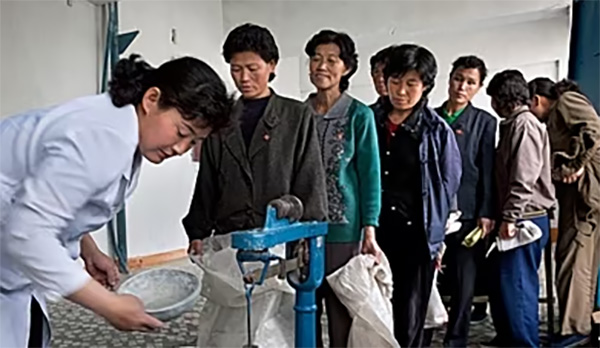
Grains, serving as both essential sustenance for the people and vital raw materials for industries, are universally recognized as valuable national assets. Therefore, their proper management is considered a critical policy matter for the country. The grain distribution system is an integral part of the national economic plan, contributing to the improvement of people's livelihoods and the advancement of our economic prowess.
In pursuit of these goals, the state maintains tight control over grain management, working diligently to implement a centralized system that ensures effective regulation and orderly distribution of grains. In our country, we adhere to a well-defined grain management framework, securing an abundant supply of grains and stabilizing overall grain prices through distribution to residents. This proactive approach significantly contributes to the enhancement of our national economy.
It is important to note that the sale of grains is restricted to authorized food supply centers sanctioned by the state. However, there have been instances where certain urban and military commercial business have engaged in illicit practices, clandestinely acquiring grains and selling them in a disorderly manner, prioritizing their own interests over the rule of law.
Such actions, irrespective of their magnitude, undermine the established regulations governing grain management and hinder the realization of our vision for an economically prosperous nation. In order to address this issue, our government has taken measures by implementing the Grain Sales Center Regulations, as stipulated in Article 16 of the Cabinet Decision on March 25, Juche 108 (2019). These regulations aim to establish a well-structured and organized system for grain sales.
So, what are the essential legal requirements for grain sales?
First and foremost, the organization of grain sales centers must be carried out meticulously. This involves determining clear criteria for their placement. These centers should be conveniently and rationally organized, taking into account factors such as population size, grain demand, and transportation accessibility in the respective areas. This thoughtful approach ensures that residents can easily utilize, manage, and operate these centers to meet their grain-related needs.
To achieve this, relevant institutions, including the National Construction Supervisory Agency, are responsible for establishing precise guidelines for the placement of grain sales centers. Subsequently, they must obtain the necessary ratification from the cabinet. Additionally, it is essential to establish grain sales centers within the framework of grain management offices.

Secondly, strict adherence to legal requirements must be observed during the purchase and sale of surplus grains. Grain sales centers should exclusively conduct the purchase and sale of surplus grains through authorized grain management offices. It is strictly prohibited for other institutions, enterprises, organizations, and individual citizens, with the exception of grain sales in the market and grain exchanges facilitated through exchange markets, to engage in the purchase and sale of surplus grains.
Therefore, it is crucial for our nations to fully mobilize available surplus grain resources. The sources of surplus grain include:
- Grains produced by agricultural organizations, including farms, as part of the national surplus grain plan and for the normalization of production;
- Surplus grain cultivated by individual farmers and residents;
- Other grains as separately designated
Agricultural organizations, including farms, should procure the necessary portion of surplus grain, suitable for agricultural inputs and other operational activities, through contracts with the respective grain management offices.
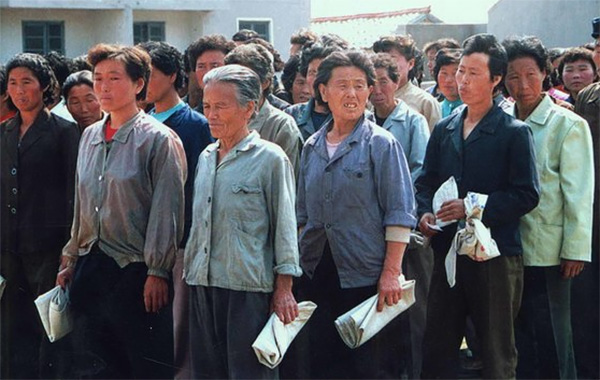
Thirdly, adherence to the regulations governing the operation of grain sales centers is essential. The Supreme People's Assembly should appropriately determine the working hours and rest days of grain sales centers in accordance with the actual circumstances. Effective management of labor and finances should also be ensured.
The allocation of labor in grain sales centers should follow the labor allocation criteria set by the state. Grain sales centers should process and sell grains according to the demands of residents, gradually lowering the selling prices to stabilize grain prices and contribute to the well-being of the people. The selling prices should be set lower than market prices, compensating for distribution costs while enabling a certain level of income generation. Grain production organizations should register and apply the purchase prices for grain procurement, while grain sales centers should register and apply the selling prices for grains and their processed products in accordance with the national price regulations.
Grain sales centers are authorized to sell various types of grains, including rice, flour, and other grains used for food production, such as noodles and rice cakes. However, they should refrain from selling other food and industrial products.
When individual citizens engage in the purchase and sale of grains, they should adhere to the specified limits. Any transactions exceeding these limits require permission from the grain management office.
Transactions related to grain procurement and sales should be conducted through contracts and financial settlements between grain sales centers and grain management offices, institutions, enterprises, and organizations. When procuring and selling grains in other regions, contracts should be established with the respective regional or military grain management offices.
Signboards, operating hours, rest days, and price lists should be displayed in designated locations. Necessary permits, such as English permits and hygiene permits, must be obtained and displayed accurately. Various service organizations should be established to facilitate order placement, delivery services, and efforts should be made to maximize the service-oriented mindset of sales personnel.
Strict adherence to measurement standards is essential. Measuring instruments should be registered and regularly inspected by the "Measurement Verification Supervisory Institution."
Administrative responsibilities will be imposed on institutions, office managers, officials, and individuals involved in the following cases:
- Failure to operate grain sales centers properly, causing inconvenience to the people's livelihoods;
- Inadequate approval for the organization of grain sales centers (or food supply center sales) or failure to obtain proper business licenses;
- Unauthorized operation of grain sales centers;
- Procuring or purchasing grains from grain production organizations that failed to execute the national surplus grain plan;
- Other institutions, business offices, organizations, or individual citizens engaged in purchasing, storing, transporting, or selling grains for their own sales purposes;
- Grain sales centers that sell grains to entities that are not the intended recipients, including those involved in trade and foreign currency transactions;
- Grain sales centers that sell products other than grains and their processed goods.
- Grain sales centers selling grains at prices higher than the registered prices;
- Misusing the funds generated from grain sales;
- Violations of other regulations
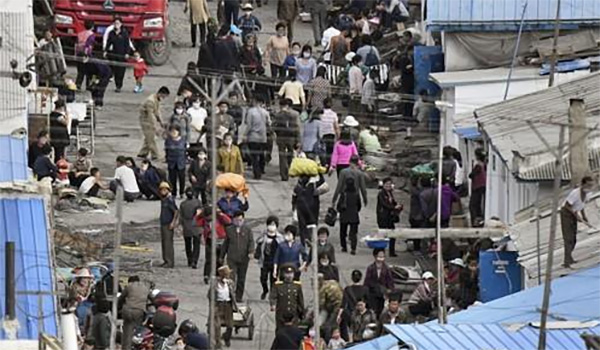
According to Article 75 of the Administrative Punishment Law of the Democratic People's Republic of Korea (DPRK), individuals engaged in business activities through illegal means may be subject to warnings, severe warnings, fines, or unpaid labor for a period not exceeding three months. In more serious cases, unpaid labor for more than three months, imprisonment, dismissal, or demotion may be imposed, as stipulated in Article 103 of the Criminal Law, which imposes labor training for those engaged in illegal business activities.
All workers and employees should be well aware of the legal requirements related to grain sales and strictly adhere to them. They must fulfill their fundamental obligations as citizens in order to stabilize the livelihoods of the people.
-
PREV [NK Focus]
-
NEXT [North Korea Glossary]