


Kim Myungsung
US Soldier Who Ran Across the Border to North Korea Leaves Fate Uncertain
- Past Cases Reveal Possible 'Torture' and Ideological Education
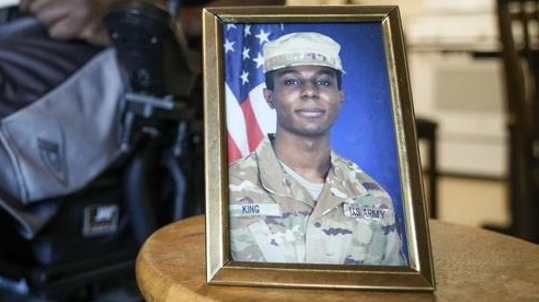
On July 18th, Pvt. Travis T. King, a private in the US Forces Korea, willfully crossed the inter-Korean border during a group tour of the Demilitarized Zone (DMZ). Over ten days have passed, and his fate and survival status remain unconfirmed. CCTV cameras at the Joint Security Area (JSA) in Panmunjeom captured the scene of his defection, and South Korean and US authorities revealed that he was immediately apprehended by North Korean forces and taken to the North Korean Unification Pavilion in the JSA before being transported in a vehicle. There is a possibility that King is currently under investigation by North Korean authorities.
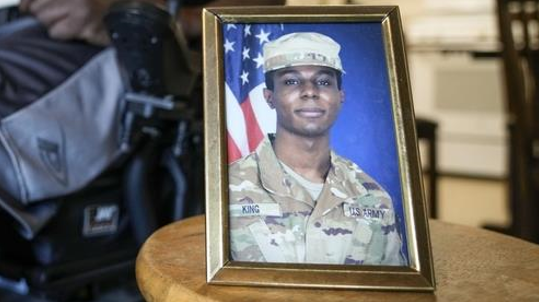
Travis T. King, a private in the US Forces Korea, who defected to North Korea through the Joint Security Area (JSA) in Panmunjeom on the 18th. - Photo by Yonhap News Agency
The United Nations Command (UNC) has taken action, initiating discussions with North Korea concerning King's defection. Andrew Harrison, Deputy Commander of the UNC, confirmed this during a briefing for foreign media, stating that "discussions with the North Korean military have begun through the established mechanism under the Armistice Agreement regarding Private King." Through telephone conversations with their North Korean counterparts, the UNC aims to gather specific information about King's health and whereabouts.
North Korea, on the other hand, has maintained complete silence regarding the incident. Neither domestic nor foreign media outlets have reported on it, and no statements or remarks have been issued, leading to speculation that North Korea may have been caught off guard, leaving them contemplating how to respond.
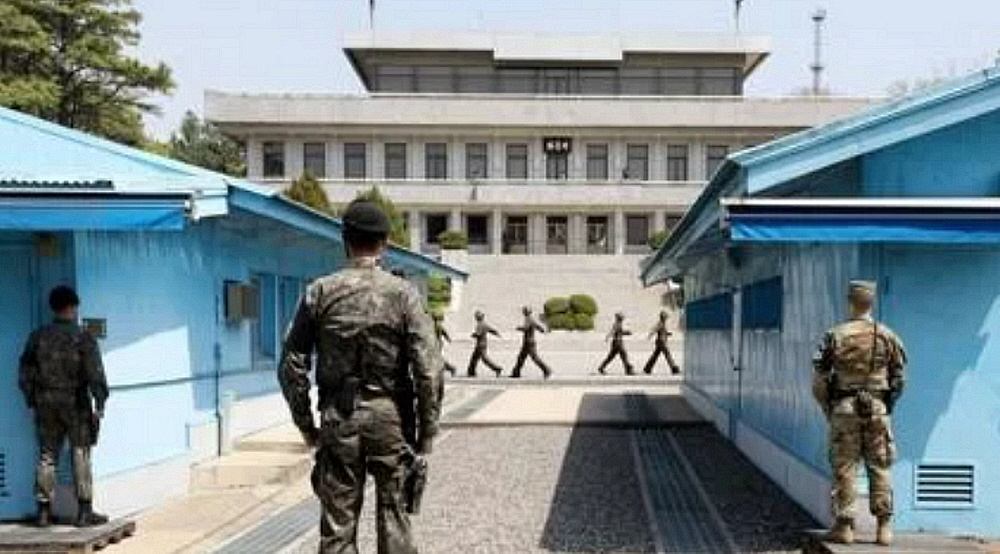
Joint Security Area (JSA) in Panmunjeom
After being detained in South Korea for nearly two months due to assault and other charges, King was scheduled to be sent to Texas, USA, for further disciplinary action on the 17th. However, he escaped at Incheon International Airport, avoiding boarding the plane, and defected to North Korea while participating in a tour of the JSA the next day.
This incident has brought attention to the lives of other US soldiers who have chosen to defect to North Korea in the past. King's case is not the first instance of a US soldier defecting to the North. There have been a total of five defection cases in the past. The first case occurred in May 1962 when Private Larry Allen Abshier defected. In the same year, in August, Private James Joseph Dresnok forged a pass to go outside the base and, facing punishment, chose to defect to the North. In 1965, three years later, Privates Jerry Wayne Parrish and Charles Robert Jenkins defected to North Korea, with Parrish doing so for personal reasons and Jenkins out of fear of being sent to Vietnam.
North Korea has extensively promoted the narrative that US soldiers have forsaken the capitalist life of the West and willingly embraced the socialist paradise by defecting to North Korea.
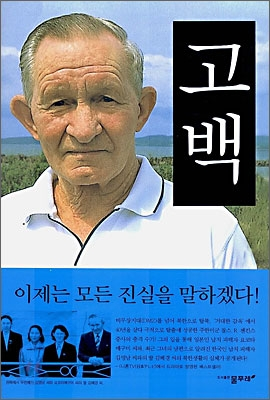
Charles Robert Jenkins' memoir 'Confession' after his defection to North Korea in 1965 and return to his homeland in 2004:
In 1966, those who couldn't adjust to life in North Korea attempted to seek asylum through the Soviet Embassy, but their pleas were rejected, leaving them trapped in the country. Consequently, they were coerced into playing villainous roles in North Korean propaganda films, gaining nationwide recognition as stars. They even found themselves teaching English at foreign language educational institutions. In his memoir, Jenkins, the sole US soldier who defected to North Korea in 2004 and later returned to his hometown, revealed the hardships they faced, including extensive self-criticism and compulsory learning of Kim Il-sung's Juche ideology for more than 10 hours a day.
The US soldiers who defected to North Korea faced a distressing fate as they were coerced into marrying women who had been kidnapped from Japan and Southeast Asian countries. Jenkins' wife, Hitomi Soga, was among those abducted in Japan in 1978. Abshier and Parrish defected in 1983 and 1998, respectively, while Dresnok, another defector, was reported to have passed away in North Korea in 2016. Jenkins, who eventually settled in Japan, passed away due to illness in 2017. The recent case of Travis, who crossed the border to North Korea on the 18th, exhibits similarities to past instances of US soldiers who defected to North Korea and faced disciplinary action upon returning to the US.