

Blood Pacts, Secret Societies, and Drug Use:
North Korea Admits to Serious Social Fractures

<A scene where North Koreans at local Jangmadang markets share and discuss foreign videos, including South Korean dramas they've seen. /photo by SAND Institute English Newsletter Team>
It has come to light that in North Korea, alarming societal trends such as young people making blood pacts and forming secret societies are surfacing, causing cracks in the regime's facade. These developments follow the infiltration and spread of South Korean dramas and are accompanied by details concerning the abuse of psychoactive medications like Diazepam and Methamphetamine and the manufacturing and trafficking of drugs. This information was disclosed in an internal educational video intended for North Korean citizens, believed to be produced by the North Korean authorities in 2022; the SAND Institute English Newsletter Team secured a copy.
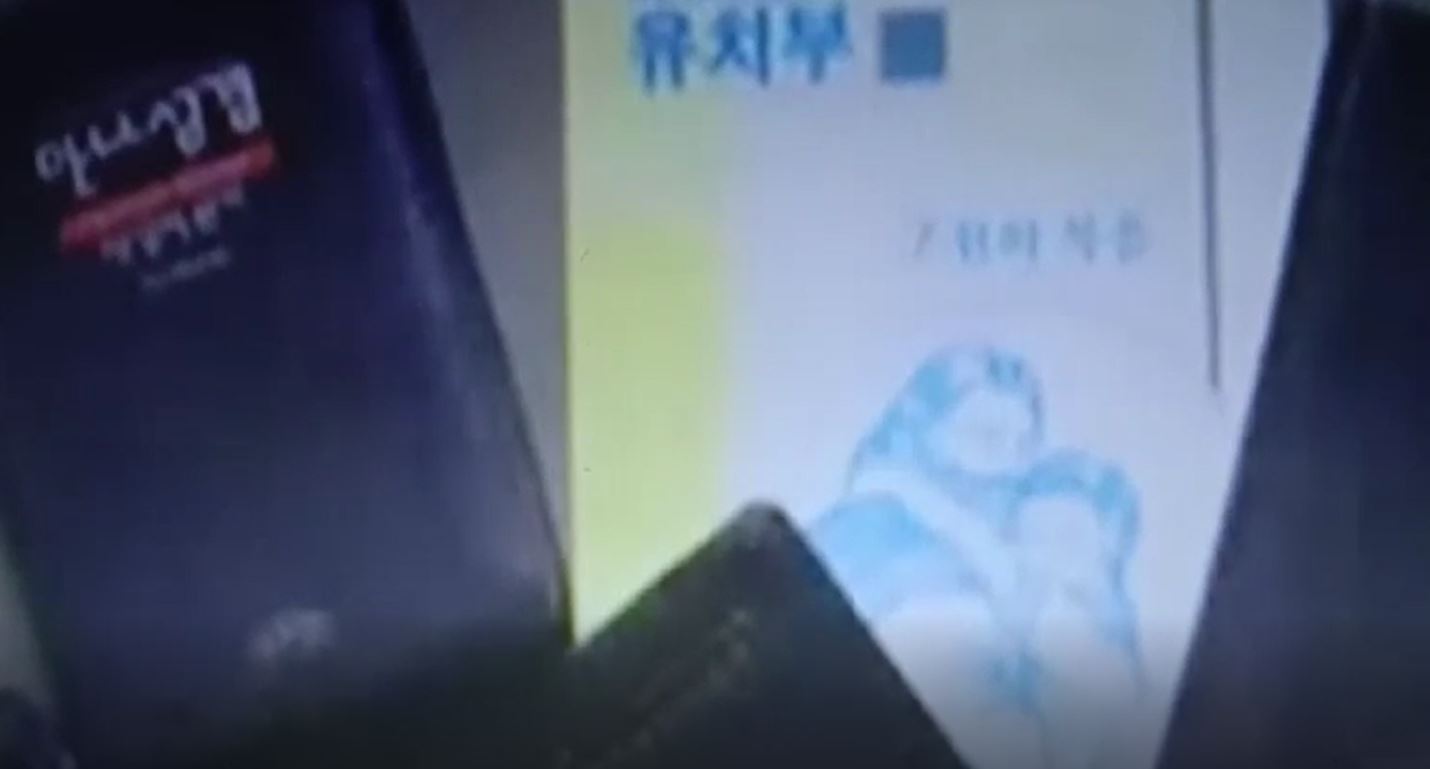
<Bibles and other external publications smuggled into North Korea, as revealed by internal footage /photo by SAND Institute English Newsletter Team>
The video addresses numerous criminal activities, identifying them as widespread societal problems within North Korea.
Crimes listed by the North include the introduction and circulation of South Korean content and other deemed subversive materials, the spread of religion and superstitions, and criticizing the North Korean state and policies after viewing foreign content. Additionally, acts seen as counter to the collective societal norm, such as forming blood pacts and secret societies among the youth, were extensively cited.

<A scene from the video depicting North Korea's emphasis on preventing the inflow of foreign media by implementing measures against overseas travel and smuggling
/photo by SAND Institute English Newsletter Team>
Additionally, the video explores the abuse of substances such as Diazepam and Methamphetamine, along with other medications for anxiety and ADHD, underscoring the problem of drug manufacturing and trafficking. It indicates increasing concern about the threat that foreign cultural infiltration poses to the regime. South Korean content and comparable materials are identified as key factors in changing the ideologies of citizens, prompting calls for a comprehensive confrontation against such influences.
The footage declares, “we must completely obliterate the roots of anti-party and anti-national crimes by thoroughly preventing the entry of subversive materials, and by reporting and eliminating any cases of viewing or distributing such materials.”
The video also addressed concerns about the influx of external propaganda materials, whether through overseas trips or smuggling. It highlighted instances where individuals might inadvertently bring back such materials hidden during business travels, receive them as souvenirs from foreigners, or purchase them through smuggling or illicit trade. Additionally, it pointed out behaviors such as criticizing domestic institutions and policies after exposure to such materials, consuming “impure” content, or attempting to share or acquire such materials.

<Propaganda slogans within internal footage urging for the halt and containment of foreign media influx /photo by SAND Institute English Newsletter Team>
Furthermore, the video urged for reporting and cracking down on various concerning practices—
copying and distributing “impure” materials via USB drives or mobile phones, profiteering from their sale, spreading related content publicly, covertly mass-producing CDs for profit, and circulating the video recordings and unpublished books via mobile phones.
Particularly, it emphasizes strict measures to prevent youth from accessing and spreading South Korean content and similar materials. This internal stance showcases the regime’s concerns over its contradictions and shifting public mood, keeping such insights as internal educational content. The North Korean stance, framing South Korea as the "main enemy" and indicating a complete cut-off in relations, suggests a view of the Korean Wave as a significant threat to the regime's stability, with intentions to staunchly block its entry.