

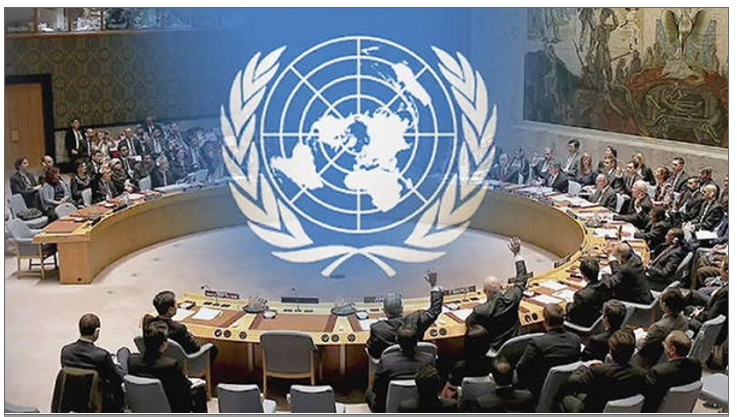
End of UN Panel of Experts on North Korean Sanctions and the Future Trajectory

Jeong Jun-hee
Former Analysis Division Director at the Ministry of Unification,
Ph.D. in Political Science
Dilution of the North Korean Sanctions Framework: A Growing Concern
The Panel of Experts (PoE) for North Korea, established by the United Nations Security Council (UNSC) following North Korea's second nuclear test in 2009 under Resolution 1874 to oversee sanctions compliance, ceased its activities due to Russia's veto against renewing its mandate.
The PoE had been key in impartially investigating and reporting on North Korea's breaches of sanctions, aiding the UNSC and member states in evaluating sanction adherence. The discontinuation of the panel represents a notable setback, undermining the sanctions regime's effectiveness against North Korea by removing a critical element of its monitoring framework.
The United Nations Security Council (UNSC) distinguishes between comprehensive sanctions, targeting an entire nation, and targeted sanctions, aimed at particular individuals or entities responsible within that nation. North Korea initially was subject to targeted sanctions after its first nuclear test in 2006. Following its fourth nuclear test in 2016, the approach shifted to comprehensive sanctions with the adoption of UNSC Resolution 2270 in March 2016, which introduced trade sanctions aimed at maintaining US-China diplomatic relations.
Between Kim Jong-un's nuclear completion announcement in November 2017 and the preceding 20 months, five UNSC resolutions expanded trade sanctions on North Korea. These now covered a range from gold, titanium ore, vanadium ore, and rare earths to iron ore, coal, seafood, textiles, and refined petroleum products affecting both WMD capabilities and civilian livelihoods, marking a significant shift from targeted to comprehensive sanctions.
Impact of Sanctions on North Korea
The efficacy of sanctions in altering North Korea's stance remains a contentious issue. Critics of the sanctions argue that they have been ineffective, suggesting that the North Korean leadership has demonstrated 'totalitarian resilience' by shifting the sanctions' burden onto the society and its citizens.
During border lockdowns, North Korea managed to sustain itself by minimizing the import of consumer goods and engaging in state-level smuggling. It increased the state's food purchase to keep the low-wage system for city workers, and tightly controlled foreign currency usage to curb inflation and exchange rate spikes. Furthermore, with the shifting international dynamics, North Korea has been seen to bolster its ties with authoritarian forces like China and Russia, rendering the sanctions nearly ineffective. Even the 2023 Security Council reports indicated ongoing activities such as refined oil smuggling, potential arms dealings, and the expansion of sending workers abroad, suggesting the persistence of sanction evasion tactics.
Despite North Korea's efforts to circumvent sanctions, there exists a significant viewpoint that argues for the continued effectiveness of these measures. Given the lack of concrete evidence to conclusively assess the impact of North Korean sanctions, it seems that both proponents and critics of the sanctions have valid points. The debate over the efficacy of sanctions, rather than being a matter of objective evidence, often reflects differing political perspectives and agendas.
The Essential Continuation of North Korean Sanctions and Looking Ahead
Despite ongoing debates over their efficacy, it is crucial for the international community to remain vigilant in upholding sanctions against North Korea. While the ultimate aim of complete denuclearization may seem distant, sanctions play a crucial role in impeding North Korea's procurement of technology and vital components, thus preventing it from becoming a fully capable nuclear state. Additionally, easing sanctions without any shift in North Korea's stance could undermine the global disarmament framework, posing a threat to world peace and security, especially if nuclear arms proliferate and fall into the hands of terrorists.
Furthermore, maintaining sanctions aligns with the interests of the five recognized nuclear states. Though North Korea's nuclear ambitions may offer short-term advantages to nations like China and Russia, sustaining the current non-proliferation framework bolsters their leadership in global politics over the long term.
The cessation of the PoE on North Korea demands a comprehensive reevaluation of our sanctions approach, inviting us to reconsider both its aims and methods. Far from signaling the termination of sanctions, this development offers a unique opportunity to refine and strengthen our sanctions framework. This effort aims to more effectively stimulate behavioral changes within North Korea, emphasizing the need for strategic adjustments to encourage compliance and reform.
Firstly, establishing international regimes to investigate sanction evasion, akin to the expert panel's work, is necessary. Given the difficulty of resuming such investigations under the UN's auspices, forming a multinational intelligence-sharing coalition like the Five Eyes to exchange and validate information on illicit activities could exert considerable pressure on North Korea and its allies. Especially, enhancing the effectiveness of third-party sanctions requires a robust mechanism for monitoring and evaluating compliance.
Secondly, diplomatic efforts must be ramped up to keep global attention on North Korean sanctions high, encouraging broader international participation.
Thirdly, a reevaluation of the sanctions' goals and limitations is necessary. We need to consider whether to continue targeting North Korea's complete denuclearization or to adjust the level of sanctions to incentivize policy changes within North Korea.
Lastly, developing a 'Plan B' that emphasizes dialogue and cooperation could be beneficial for encouraging regime change in North Korea or achieving complete denuclearization. This strategy involves harnessing international cooperation. Recognizing China's crucial influence, due to its provision of essential goods to North Korea, is vital for devising effective sanctions strategies and realizing their ultimate objectives.