

Kim Myongsung’s Inside North Korea
· Notification of North Korean Soldiers' Deaths: Families Ordered Not to Mourn Publicly
· Will North Korea Send More Troops? Russian Minister Requests Troops for Russia’s Victory Day Parade
· 70% of North Korean Wigs Exported to China Produced Through Forced Labor in Concentration Camps

Kim Myong-sung
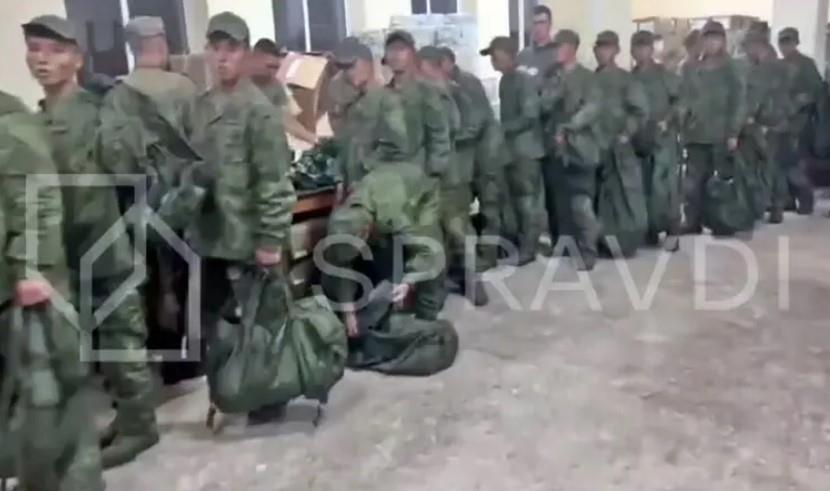
International media and monitoring agencies are scrutinizing North Korea's military involvement in Russia amid concerns it may violate UN sanctions. The international community has warned of potential consequences for North Korea’s expanding military ties with Russia.
The ban on public mourning appears aimed at preventing news of troop casualties from fueling dissatisfaction with the regime. Critics argue that this policy underscores the regime's brutal suppression of even private expressions of grief to maintain political cohesion.
North Korea's troop deployments and military support to Russia appear to be efforts to gain economic aid and reduce international isolation. However, increasing soldier casualties could lead to domestic criticism, raising concerns about the war's legitimacy and inadequate compensation, potentially undermining the regime's stability.
Russia’s Defense Minister recently met with Kim Jong-un, inviting North Korean military units to join the 80th-anniversary Victory Day parade in May 2025, marking Russia’s World War II victory. Kim expressed strong support for Russia's policies, noting the meeting would strengthen defense ties. This raises the possibility of more North Korean troops being deployed, with speculation that Kim may attend the parade's reviewing stand.

North Korean leader Kim Jong-un watched the performance on the 29th with Russian Defense Minister Andrei Bellowsov,
who visited North Korea, the Korean Central News Agency reported on the 30th.
According to the Russian news agency Tass, Defense Minister Andrey Belousov met Kim Jong-un on October 29, stating he was awaiting a favorable decision on North Korean troop participation in the parade.
Historically, Russia has hosted Victory Day celebrations each May in Moscow’s Red Square, with next year’s event marking a major milestone—the 80th anniversary. North Korean involvement in such a significant event could have far-reaching implications.
Speculation suggests Kim Jong-un might personally lead participating units to Russia, with North Korean troops, possibly from the elite Storm Corps, performing under his supervision. Additionally, weapons supplied by North Korea, such as the KN-23 ("North Korean Iskander"), multiple rocket launchers, and suicide drones, may be featured in the event.
Hints of additional troop deployments were further reinforced by remarks from Kim Jong-un. According to the Korean Central News Agency, Kim pledged that North Korea’s government, military, and citizens will unwaveringly support Russia’s efforts to safeguard sovereignty and territorial integrity against imperialist pressures.
Both sides reportedly exchanged views on defense matters, reaching a mutual agreement. While details remain undisclosed, experts believe the talks likely involved further troop deployments, with Russia potentially offering advanced military technology or conventional weaponry in return.
70% of North Korean Wigs Exported to China Produced Through Forced Labor in Concentration Camps
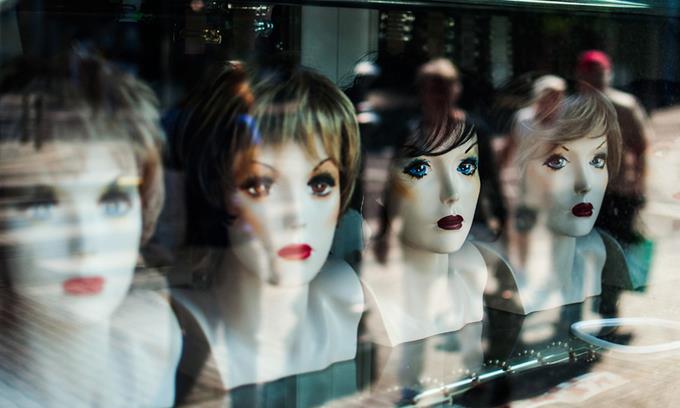
A recent analysis reveals that approximately 70% of wigs exported to China—one of North Korea's major sources of foreign currency under international sanctions—are produced through forced labor by women held in concentration camps.
On October 29, the Citizens' Alliance for North Korean Human Rights released a report, Global Supply Chains Fueling Slavery in North Korean Reeducation Camps, highlighting forced labor at Chongori Concentration Camp, which mainly detains repatriated female North Korean defectors.
The report includes testimony from about 30 witnesses, including former North Korean prosecutors, police officers, Ministry of State Security agents, customs officials, and defectors once detained at Chongori Concentration Camp. Originally for male criminals, Chongori became a predominantly female camp around 2008, following a spike in repatriated defectors from China around the Beijing Olympics. The camp is said to house around 1,000 women annually and operate approximately 10 production units.
Getty Images Bank
The report states, "Raw materials from China are processed into wigs through forced labor in these camps," adding, "The finished products are labeled 'Made in China' via China's offshore processing trade system, allowing them to evade sanctions and enter global markets." With average work hours and production rates, it’s estimated that detainees at Chongori produce around 9,000 wigs annually. According to China’s General Administration of Customs, Chongori accounted for 42% of North Korea’s wig exports to China in 2020 and 71% in 2021.
The report estimates that wig exports tied to forced labor generated about $1.23 million (17.1 billion KRW) in revenue for the North Korean regime between 2016 and August 2024. It also emphasizes that the targeted arrest, repatriation, detention, and forced labor of North Korean women, coordinated by North Korea and China for economic gain, resemble slave trade and state-sponsored human trafficking.
-
PREV [Analysis of issues]
-
NEXT [NK Focus]