

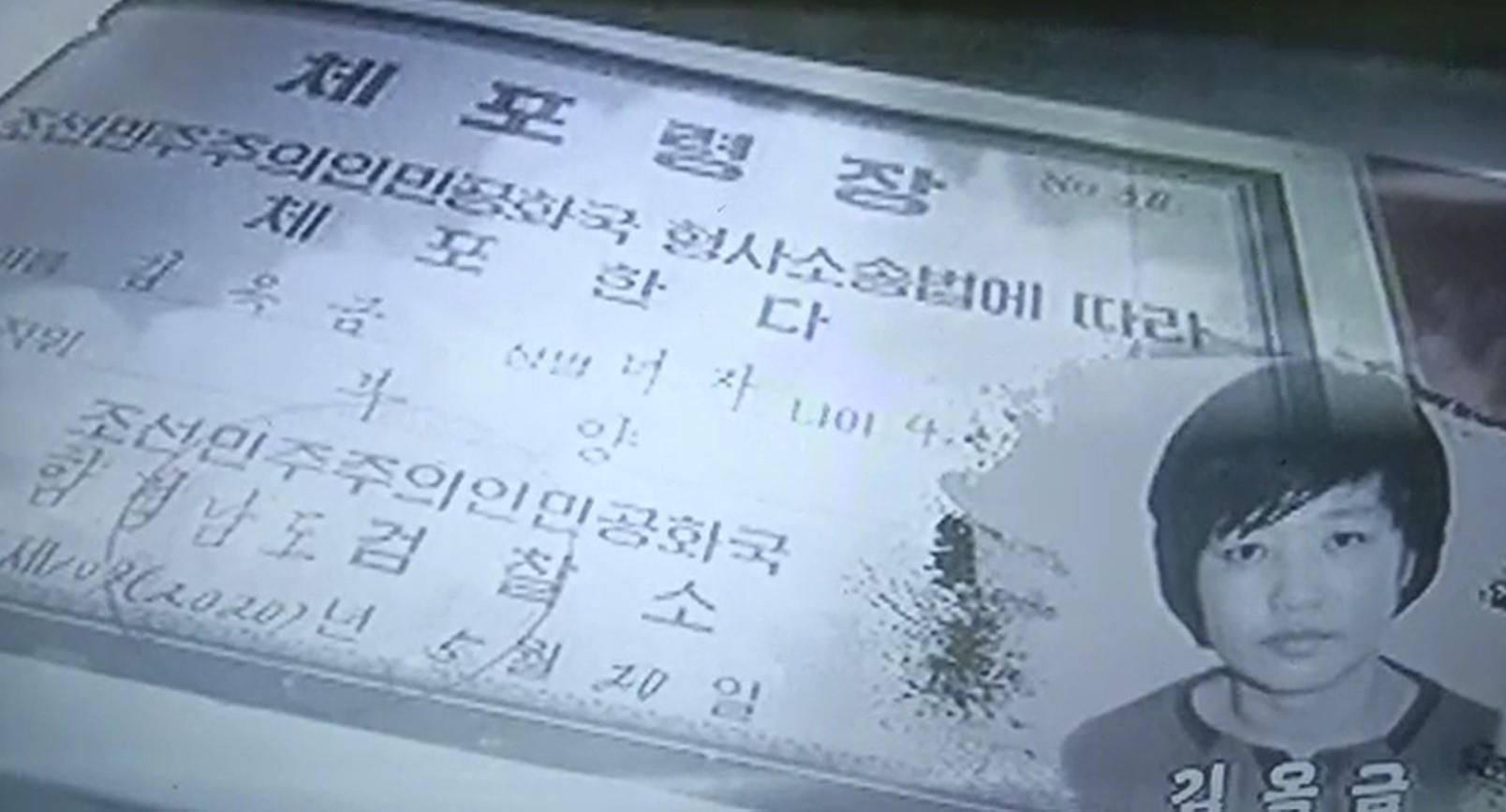
North Korean Woman Produces and Sells 4kg of Drugs at Home as Drug Crisis Reaches Pyongyang
SAND Institute English Newsletter Team
Drug use in North Korea has reached alarming levels, with a woman arrested for producing and selling 4kg of drugs from her home. This case underscores the nation’s drug crisis, now affecting even the capital, Pyongyang, as a societal issue rather than merely a criminal one. The SAND Institute Newsletter Team obtained videos from North Korean authorities (2021–2022) detailing drug production, trafficking, and use within the country.
The video reveals that Kim Ok-geum, a housewife from South Hamgyong Province, was previously caught twice for drug production and trafficking. Despite lenient punishments and rehabilitation opportunities, she deepened her involvement in the trade. In 2018, she enlisted her husband, Seo Seong-il, to procure ingredients and produced over 500g of drugs in her home.
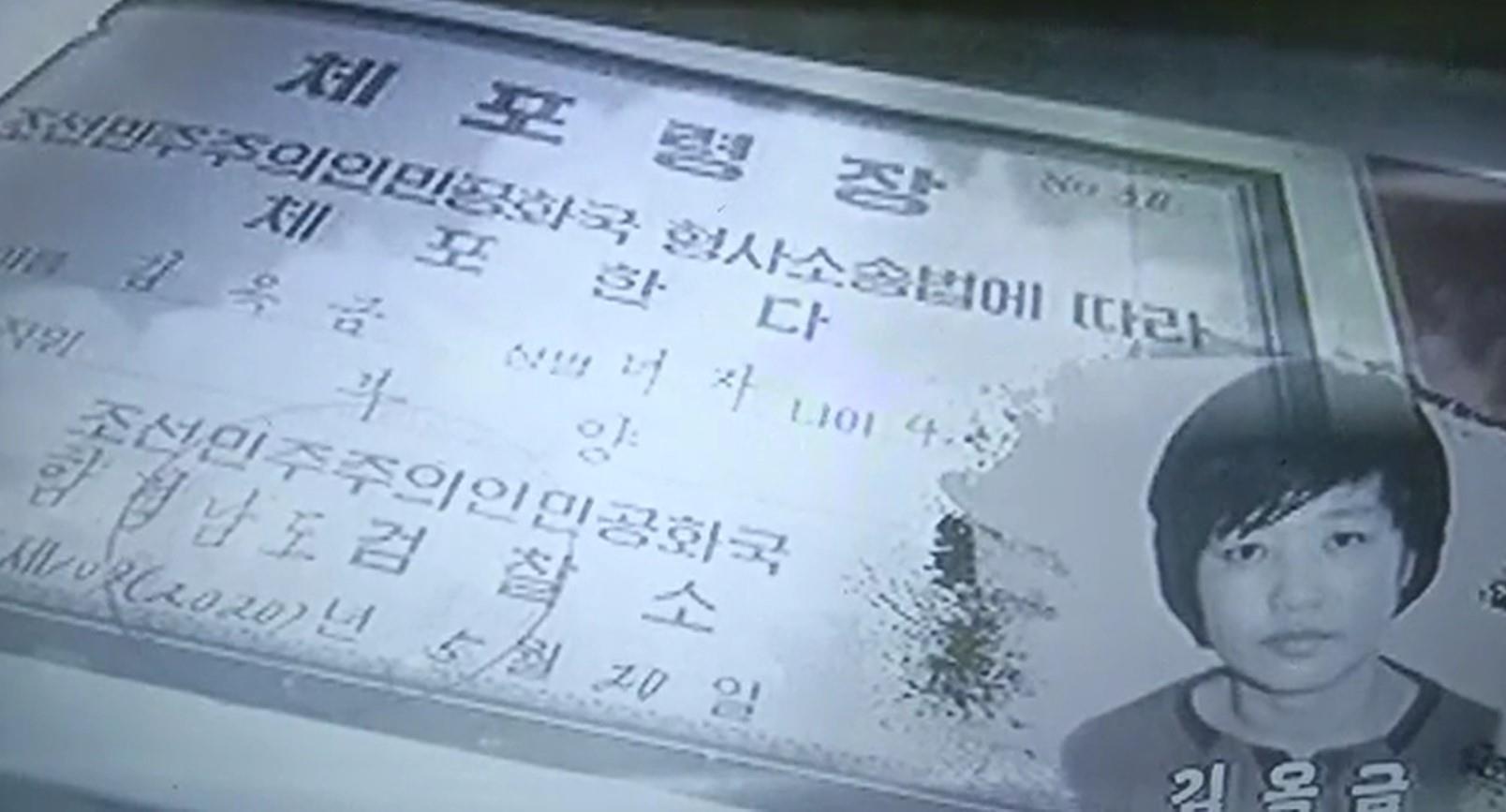
Kim Ok-geum, a North Korean resident shown here, was issued an arrest warrant on May 20, 2020,
for drug production, distribution, and use / SAND Institute Newsletter Team
North Korean judicial authorities reported that Kim obtained dozens of kilograms of raw drug materials from brokers like Sim Ho-yeol in over 20 transactions between 2017 and 2020. She used these supplies to produce more than 4kg of drugs, profiting from trafficking while also using the drugs herself.
Her arrest warrant, issued by the South Hamgyong Prosecutor’s Office on May 20, 2020, and her photo, were featured in the video, which warned about the dangers of addiction and its irreversible consequences.
The problem of drug use has also infiltrated Pyongyang, the nation’s capital. For example, Kim Myung-sook, a resident of Rangrang District, was caught manufacturing and distributing drugs in collaboration with accomplices, operating as part of an organized crime network. Kim and her group were found trafficking large quantities of drugs across the city. The video described this as a cautionary tale about greed and its devastating effects, stating, “Kim Myung-sook abandoned her conscience and family for personal gain, leading to the collapse of her home and life.”
The spread of drugs is having widespread negative effects on North Korean society. Experts note that stimulants like methamphetamine have become alarmingly common, turning drug use into a routine issue. This surge is linked to economic hardship and sanctions, which have driven illegal production and trade, as well as an increasing reliance on drugs to escape stress and harsh living conditions.
In regions like South Hamgyong, drug production has become an informal part of the economy, with residents manufacturing or selling drugs to make ends meet. This has further entrenched the drug trade in local communities, making it harder to eradicate.
Defectors' testimonies reveal that North Korean elites and military officials are involved in the drug trade, using it to generate foreign currency amid economic struggles. Smuggling drugs, especially to neighboring China, has escalated the problem internationally.
The rising number of drug addicts in North Korea has created a cascade of societal problems. Addiction negatively impacts individual health, contributes to domestic violence, increases crime rates, and reduces labor productivity. Family breakdowns are also common, with addicted parents neglecting children or causing harm within the household.
Adolescents are particularly vulnerable, with many turning to drugs as an escape from their difficult circumstances. This trend poses a long-term threat to the country’s social stability.
The government has intensified its efforts to crack down on drug crimes, labeling them a severe threat to society. However, with covertly organized distribution networks and potential involvement of high-ranking officials, full control remains elusive.
In deflecting responsibility, the authorities blame external forces, particularly South Korea and the United States, accusing them of deliberately spreading drugs to destabilize North Korean society. State propaganda denounces drug crimes as anti-state acts aligning with foreign conspiracies.
Choi Kyong-hui, president of SAND Institute, explained, “Drugs, once confined to a small elite, have now become widespread, permeating all levels of society. Without political reform and relief from economic hardship, eliminating drug-related crimes will remain an uphill battle.”