

Evaluation and Prospects of Regional Development Policy in the Kim Jong-un Era: Focusing on the ‘20×10 Regional Development Policy’

Choi Eun-ju
Research Fellow, Center for Korean Peninsula Strategy, Sejong Institute
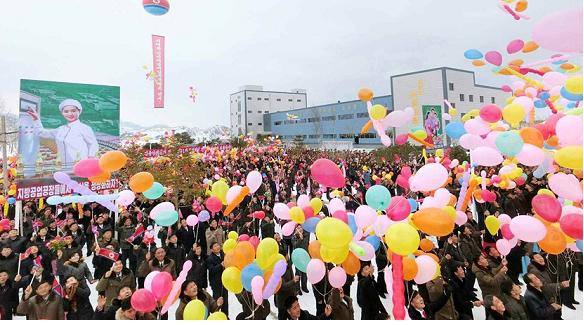
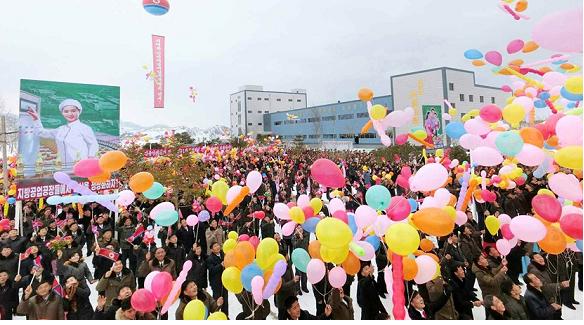
On February 12, 2025, North Korea completed the first year of its 20×10 Regional Development Policy with the inauguration of a local industrial factory in Kim Hyong Jik County, Ryanggang Province. This policy aims to boost regional economies and improve living standards. While North Korea has long pursued local development, this initiative introduces distinct features that set it apart from past efforts. Whether it will yield tangible results remains to be seen.
North Korea’s local economy relies on independently sourcing and utilizing production factors to supply essential consumer goods. Achieving this requires a broad approach spanning agriculture, construction, light industry, distribution, services, and trade. A key goal is creating a mutually reinforcing relationship between agriculture and industry, where local factories support farming, and agriculture provides raw materials for industry. The government promotes self-sufficient regional development, urging localities to craft tailored economic plans.
Since taking power, Kim Jong-un has prioritized regional economic development through various initiatives. In 2012, policies were introduced to strengthen local industries and improve livelihoods, with a more structured mid-to-long-term vision emerging after 2015. At the 7th Congress of the Workers' Party of Korea in 2016, the Regional Development Policy was officially introduced, designating counties as key economic hubs. Efforts followed to modernize and construct local factories, but the rural-urban economic gap remained a major challenge.
In 2021, North Korea revised its strategy to strengthen cities and counties by expanding infrastructure and improving urban-rural integration. The 8th Congress of the Workers' Party of Korea that year further expanded the 20×10 Regional Development Policy, emphasizing a self-sustaining economy based on local industry and rural development. In December, the Rural Development Strategy was introduced to boost agricultural productivity and living conditions, aiming to create a cycle where improved livelihoods motivate farmers, helping to address food shortages and raise incomes.
In 2024, North Korea introduced the 20×10 Regional Development Policy as a new strategy for regional economic growth. During the Supreme People’s Assembly in January, Kim Jong-un criticized the slow progress of local industrial development and proposed this initiative to reduce regional disparities. The plan aims to build factories in 20 counties annually over the next decade, eventually covering all 200 counties. These factories—producing food, clothing, and daily necessities—will directly supply essential goods to local communities.
To implement the policy, North Korea restructured its administrative system. In January 2024, Party secretaries received training, and the Local Industrial Construction Guidance Department was established under the Central Committee’s Organization and Guidance Department. Central and Provincial Promotion Committees were formed to improve execution, while the 124th Military Unit handled factory construction. Researchers and university experts provided technical support, while local efforts focused on worker training and raw material procurement.
A key aspect of this policy is the expanded role of the central government. Previously, regional governments developed and implemented their own economic plans, but now, the Party’s leadership directly oversees industrial development to ensure balanced growth. Without a basic industrial foundation, expecting regions to drive their own development would only widen disparities—better-equipped areas might progress while underdeveloped ones lag further behind. To address this, the government has adopted a centrally led approach, prioritizing nationwide factory construction to establish essential conditions for local economic growth.
Despite its ambitious scope, the policy faces several challenges. First, a structured approach is necessary to prevent uncoordinated development. Without adequate infrastructure, newly built factories and public facilities may struggle with operational inefficiencies. Second, securing financial resources is crucial. The policy now includes hospitals, cultural centers, and grain management facilities, making funding a decisive factor in its success. Third, effective oversight is essential. Given the aggressive construction timeline, there is a high risk of substandard building quality, and ensuring a stable supply of materials and equipment remains a significant challenge.
For the policy to achieve sustainable success, further considerations are needed. Expanding local governments’ financial autonomy could enable more independent economic growth, but current restrictions on budget control require institutional reforms. Additionally, the policy’s goal of creating a mutually reinforcing relationship between agriculture and industry depends on agricultural productivity. If farming yields fall short, raw material shortages could disrupt industrial operations, making a stable agricultural output critical.
In conclusion, the 20×10 Regional Development Policy aims to promote balanced regional growth in North Korea by building an industrial base, reducing economic disparities, and improving living standards. However, its success hinges on thorough planning, stable funding, strict oversight, and greater local economic autonomy. If effectively implemented, it could strengthen self-sufficiency, support regional economies, and enhance overall living conditions for North Korean citizens.