

Kim Myongsung’s Inside North Korea
· NK’s Military Youth to Reach 600,000 by 2030; May Face Unchecked Discontent
· Two North Korean Soldiers Captured: South Korean Broadcasts Reveal Orders for "Suicide" and "Execution of Wounded"
· Kim Jong-un's Factories Show No Heat Signals, Likely Non-Operational

Kim Myong-sung
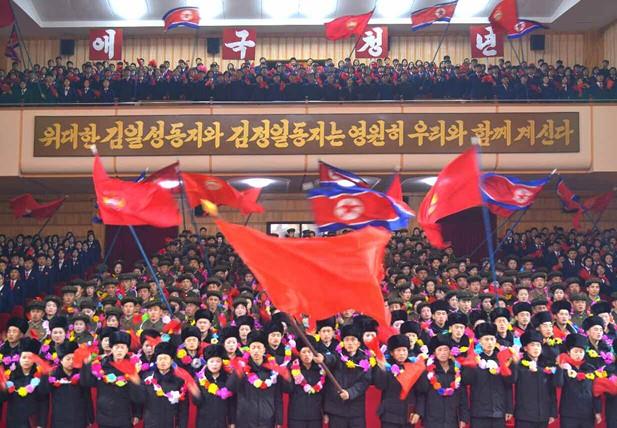
North Korean City Young People Go Into Troughs/Rodong Shinmun
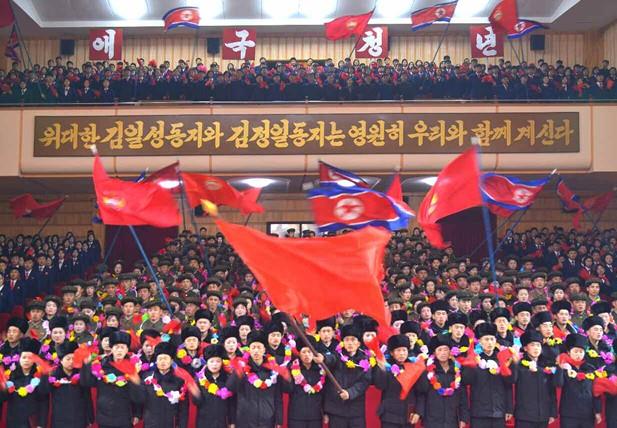
A trend among young North Koreans imitating Kim Jong-un’s hairstyle and clothing has drawn the regime’s attention. Authorities have banned it, with Ko suggesting they perceive it as "mockery" rather than admiration.
Ko drew parallels to South Korea’s history, noting that policies like the 1976 “long hair crackdown” sparked anti-government sentiment, leading to the 1979 Busan–Masan Uprising. He suggested similar frustrations among North Korea’s youth could lead to resistance.
Some suggest that the regime's intensified focus on nuclear armament is contributing to growing discontent and divisions within the military.
Ko argued that North Korea's decade-long nuclear expansion has upset traditional hierarchies among military units, including forward-deployed corps, artillery, and strategic forces, warning that these divisions could heavily impact the military's response to a youth-led uprising.
Ko emphasized that historical examples of collapsed authoritarian regimes reveal a common factor: the military's attitude often determines the outcome. Even when their privileged status was at risk, military forces in some regimes refrained from suppressing protests, choosing instead to remain neutral or align with demonstrators.
For instance, in 1979, Iran’s Shah Mohammad Reza Pahlavi abdicated when the military sided with Ayatollah Ruhollah Khomeini’s supporters. Similarly, in 1986, Philippine President Ferdinand Marcos was ousted after his loyal security forces defected.
Ko explained that in the collapse of Eastern Bloc communist regimes and Middle Eastern dictatorships, militaries often stayed passive, gave limited support, or opposed their governments through coups. These actions were driven by reformist tendencies, empathy with protestors, and internal divisions.
He analyzed that neutrality was driven by factors such as reformist tendencies, generational empathy with protesters, and internal divisions, leading some military factions to adopt anti-government stances. Ko also argued that, like past dictatorships, the North Korean regime could collapse quickly despite its long rule.
Romanian leader Nicolae Ceausescu’s 24-year rule ended just eight days after mass protests began, while Libya’s Muammar Gaddafi was overthrown in eight months despite ruling for 42 years. Similarly, Egypt’s Hosni Mubarak stepped down within two weeks of demonstrations following 40 years of governance.
Tunisia’s Zine El Abidine Ben Ali, after 23 years in power, resigned within a month of protests, while the 22-year rule of Philippine President Marcos ended within 18 days of public resistance, forcing him into exile.
Amid North Korea’s silence on troop deployments and casualties, South Korea’s military informed North Korean soldiers and civilians about the capture of two soldiers via loudspeaker broadcasts. The broadcasts also revealed instructions from a battlefield notebook, ordering soldiers to "suicide or self-detonate before capture" and to "execute or disfigure wounded comrades to conceal their identities."
On January 16, South Korea's Psychological Operations Group announced via Voice of Freedom that the National Intelligence Service (NIS) confirmed two North Korean soldiers were captured by Ukrainian forces on January 12 in the Russian Kursk battlefield. The broadcast also stated that the NIS would continue sharing updates through cooperation with Ukrainian intelligence.
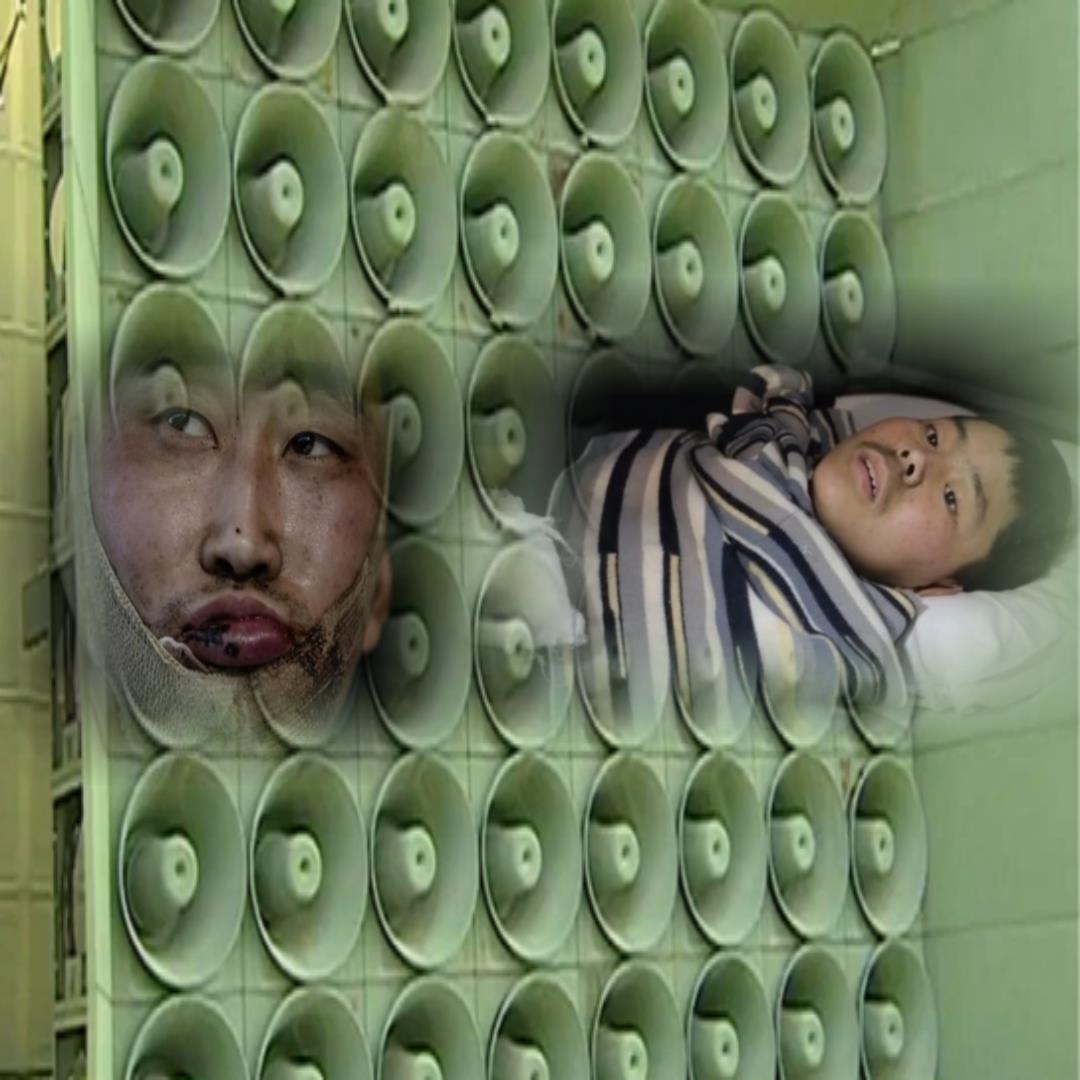
According to the NIS, the two injured soldiers, born in 1999 and 2005, were captured on the Kursk front. They were identified as members of the Reconnaissance General Bureau and had reportedly served in the military since 2016 and 2021, respectively.
Voice of Freedom revealed that documents left by fallen North Korean soldiers in Ukraine contained WPK instructions urging suicide or self-detonation, and some soldiers hoped to join the WPK or receive pardons. The broadcast speculated that Kim Jong-un might visit Russia to negotiate military and economic benefits for troop deployments.
The possibility of sending the captured soldiers to South Korea was also discussed. Voice of Freedom cited a Ministry of Foreign Affairs briefing from January 14, stating, "As the captured North Korean soldiers are constitutionally South Korean citizens, discussions with Ukraine will proceed if they request defection." The ministry confirmed ongoing communication with Ukraine regarding the prisoners of war.
However, Voice of Freedom highlighted that North Korea has not acknowledged the deployment of its troops to Russia, and the captured soldiers are not considered lawful combatants under international law. The broadcast noted, "Ukraine seeks to exchange the captured North Korean soldiers for Ukrainian prisoners of war, but Russia has opposed this, complicating their repatriation to South Korea.“
North Korea has remained silent on the capture or deaths of its dispatched soldiers. State media, like Rodong Sinmun, has rarely mentioned the Ukraine war this year, despite frequently covering Western arms aid to Ukraine and supporting Russia's stance until early December last year.
This shift may suggest that rising casualties among North Korean soldiers are spreading within the country, leading authorities to avoid the issue to prevent public backlash. The NIS reported that North Korean authorities are issuing death certificates to the families of fallen soldiers.
Kim Jong-un's Factories Show No Heat Signals, Likely Non-Operational
North Korea's construction of factories under the "20x10 Regional Development Policy" for balanced regional development appears to have resulted in non-operational facilities, according to a Radio Free Asia (RFA) report on January 19.
RFA analyzed thermal infrared images from NASA’s Landsat satellite taken on January 11, showing that the temperature at the Unpha County Local Industrial Factory in North Hwanghae Province was 4–5°C below zero, colder than the surrounding areas.
Similarly, the factory site in Jaeryong County, South Hwanghae Province, recorded temperatures of 6–7°C below zero, consistent with nearby residential areas. Both facilities were promoted as part of Kim Jong-un’s regional development policy earlier this year.
Kim Hyuk, a senior researcher at the Korea Rural Community Corporation’s Rural Research Institute, commented to RFA, "If no heat is detected at these factories, it is highly likely they are non-operational." He suggested that the factory inaugurations may have been staged for propaganda purposes.
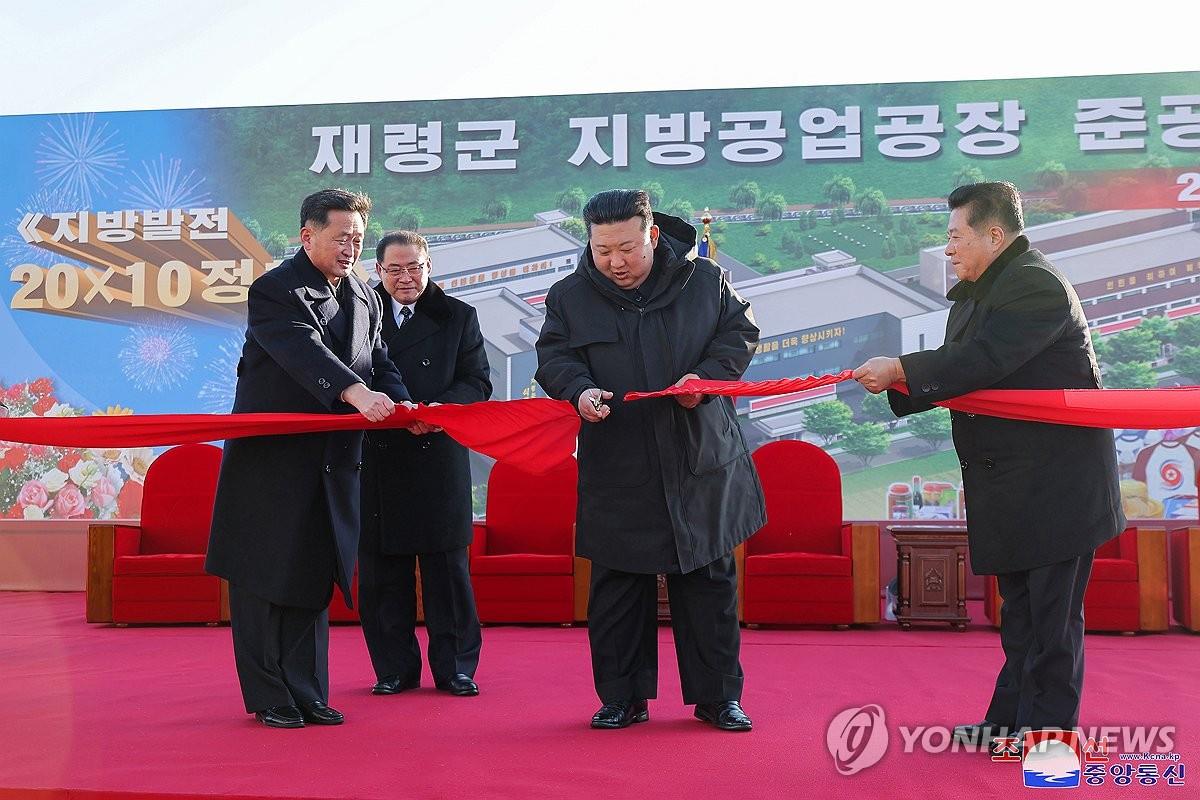
North Korean leader Kim Jong-un attended the completion ceremony of the local industrial plant in
Jaeryeong-gun on the 7th. /Korea Central News Agency
However, the fact that January 11 was a Saturday raises the possibility of different operational schedules.
Images from Planet Labs on January 11 showed the Sukchon County Local Industrial Factory in South Phyongan Province, where, despite the surrounding roads being cleared, the building roofs remained covered in snow, indicating inactivity.
Similarly, satellite photos of the Sinpho City marine farming facility in South Hamgyong Province, completed on December 28 last year, also showed snow-covered roofs.
Jacob Bogle, an American satellite analyst, explained, "If heat were being generated inside the buildings, the snow on the roofs would have melted. The fact that snow remains suggests no internal activity."
-
PREV [NK Focus]
-
NEXT [NK Focus]