

Kim Myongsung’s Inside North Korea
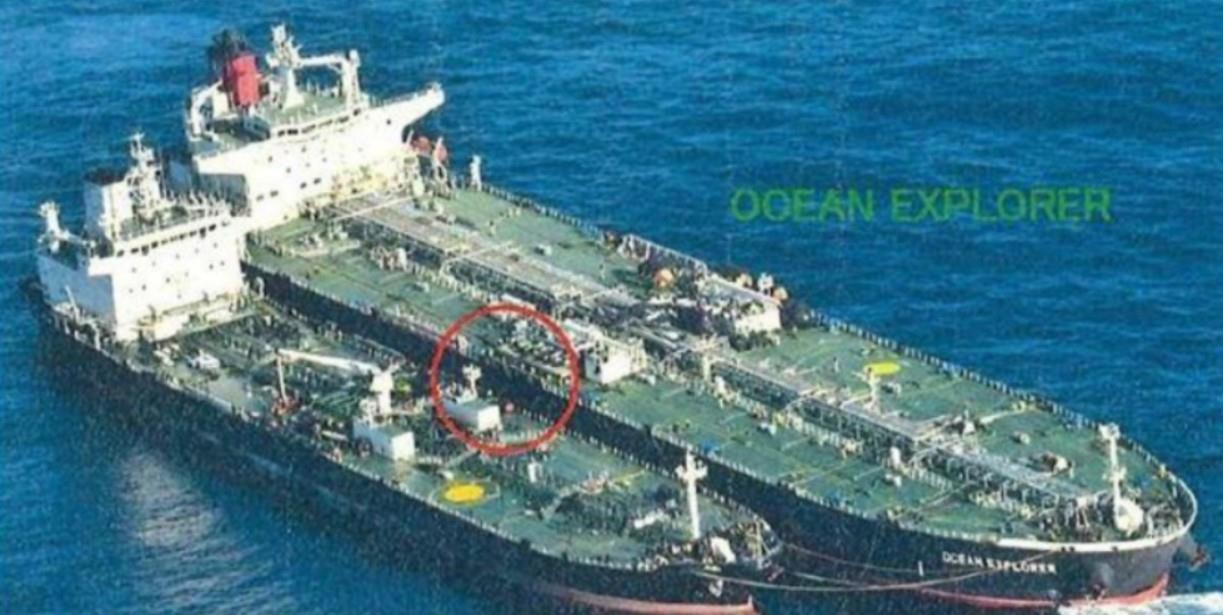
· North Korean Smuggling Ship Sinks After Collision with Chinese Vessel, Killing 20
· North Korea Prepares to Demand Compensation from Russia as War Nears Its End?
· Three Young North Koreans Publicly Executed for Attempted Sea Escape … A Brutal Warning Against Defection

Kim Myong-sung
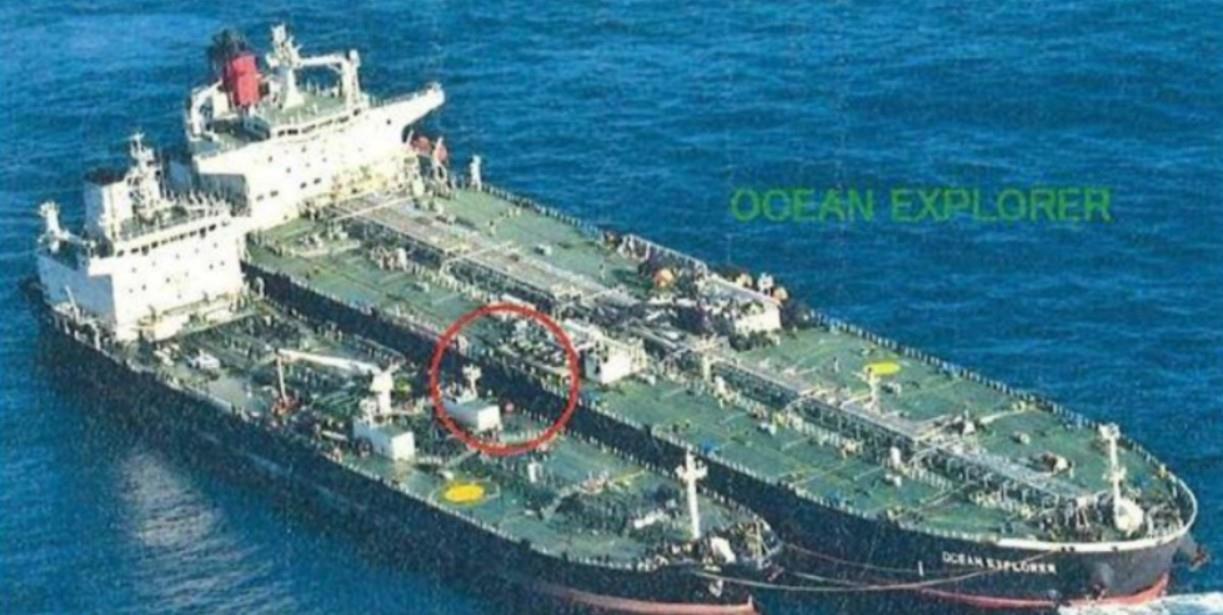
This isn’t the first incident. In March 2017, a North Korean cargo ship without proper tracking sank after colliding with a Chinese vessel near Jiangsu Province. However, all crew members were rescued, and China’s Transport Ministry acknowledged the accident.
Coal is one of North Korea’s key exports. In April last year, the U.S.-based media outlet NK News reported that a Russian-operated cargo ship had docked at North Korea’s Rason Port, raising suspicions of smuggling between North Korea and Russia.
In 2022, Japan’s Nihon Keizai Shimbun analyzed ship tracking data and satellite images, reporting that China was secretly importing North Korean coal. Meanwhile, in 2019, South Korea’s National Intelligence Service detected a vessel suspected of smuggling North Korean coal.
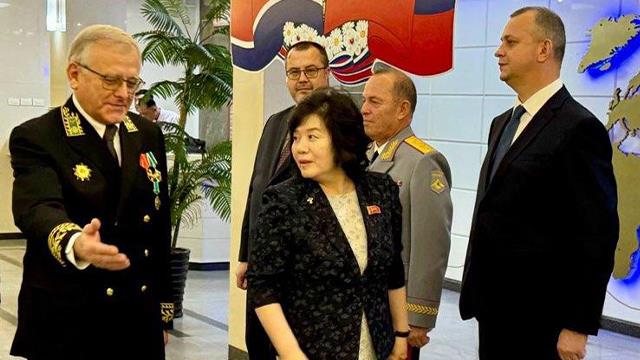
North Korean FM Choe Son-hui Meets Russian Deputy FM Rudenko, Sparking Speculation on POW Repatriation.
As the Ukraine war nears peace talks post-Trump, North Korea and Russia are moving quickly. Having sent troops, North Korea seems poised to present its demands to Russia.
On March 16, reports confirmed that Choe Son-hui met with Russian Deputy Foreign Minister Andrey Rudenko, likely discussing North Korean troops in Ukraine and the repatriation of captured POWs. Rudenko also met with North Korean Vice Foreign Minister Kim Jong Gyu.
According to North Korean state media, the high-level talks were conducted in a “friendly atmosphere.” Both sides reportedly discussed concrete measures to strengthen bilateral exchanges and mutual support on the international stage.
Since both Rudenko and Kim played key roles in last year’s North Korea-Russia treaty ratification, their talks likely included discussions on North Korea’s troop deployments and broader military cooperation.
With Ukraine reportedly capturing two North Korean soldiers, Pyongyang may have pushed for their repatriation. If the U.S.-mediated peace talks lead to an end to the war, prisoner exchange negotiations between Russia and Ukraine will likely take place.
If this happens, South Korea’s efforts to secure the defection of North Korean POWs could face difficulties. Russia may claim the captured soldiers as its own and demand their return.
Since neither North Korea nor Russia officially acknowledges North Korean troop deployments, the captured soldiers were reportedly carrying forged Russian military IDs. Ukraine, prioritizing the return of its own POWs held by Russia, might struggle to refuse Russia’s demand for their repatriation.
Meanwhile, North Korea and Russia are accelerating economic and scientific cooperation. On March 18, Rodong Sinmun reported that North Korea’s Minister of External Economic Relations, Yun Jong-ho, led a government delegation to Russia for trade and technology discussions.
Yun Jong-ho is North Korea’s chairman of the North Korea-Russia Trade, Economic, and Scientific-Technical Cooperation Committee. That same day, a Ministry of Public Health delegation, led by Vice Minister Jon Sol-ryong, also left for Russia.
North Korea has not disclosed the specific purpose or schedule of these visits, but the discussions are expected to be part of efforts to implement the "Comprehensive Strategic Partnership Agreement" signed during the North Korea-Russia summit last June.
There is also speculation that North Korea, which has supported Russia through troop deployments, may now push more actively for compensation. Reports indicate that North Korea sent over 12,000 troops last year and deployed at least 1,000 more at the start of this year, with a significant number of them suffering injuries.
North Korea may seek financial compensation by expanding trade and cooperation. Along with securing resources and technology, it might push for more Russian tourists or increased North Korean labor exports to earn foreign currency.
The Ministry of Public Health delegation is expected to discuss securing medical equipment, personnel, and technological assistance for new hospitals set to open in North Korea.
Three Young North Koreans Publicly Executed for Attempted Sea Escape … A Brutal Warning Against Defection
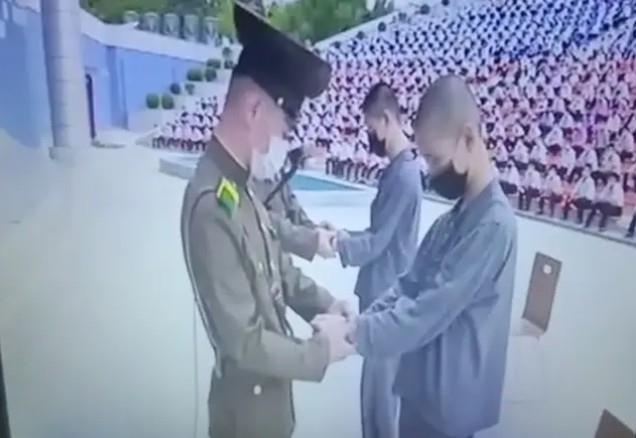
North Korean authorities recently carried out a public execution of three young men who attempted to defect by sea, even burning their bodies afterward, according to a report by Radio Free Asia (RFA).
Since North Korea officially designated South Korea as a "hostile nation," it has intensified punishments for defectors. This execution appears to serve as a chilling warning: "Going to South Korea means death."
On March 10, RFA, citing an internal source from North Pyongan Province, reported that the three men were caught while trying to escape to South Korea using a wooden boat from North Korea’s east coast.
The executed individuals were two brothers surnamed Kim and their friend Lee, all in their 30s. After months of preparation, they purchased a wooden boat and set off southward in January. However, they got lost in thick fog and were intercepted by a North Korean patrol boat.
Mistaking the vessel for a South Korean fishing boat, they reportedly shouted, "We are defectors trying to go to South Korea. Please save us!" but were immediately captured and later executed.
On February 20, North Korean authorities publicly executed them by firing squad in South Hwanghae Province. Hundreds of residents from factories, farms, and schools were forcibly gathered to witness the event. A source described the horrific scene: "Children screamed in terror, and some residents fainted from shock."
North Korean authorities reportedly burned the bodies after the execution to instill fear and prevent further escape attempts.
A resident told RFA, "At the execution site, we were told that defectors heading to South Korea would no longer be sent to reeducation camps but executed immediately." They added, "In the past, defectors faced up to 15 years of reeducation, but the punishment has completely changed."
A North Korean insider stated, "Hundreds of residents were forced to watch the public execution. Burning the bodies was intended to create an atmosphere of fear, ensuring that no one would even consider defecting." The execution was meant to send a clear message to the public: "Going to South Korea means death."
When asked about the report, security officials said they cannot verify individual cases.
-
PREV [News&Issue]
-
NEXT [Feature Article]