

Pyongyang Soft-Pedals Israeli Attack on Iran, Possibly to Avoid Stirring Domestic Anxiety

Kim Dong-su,
Former North Korean Diplomat
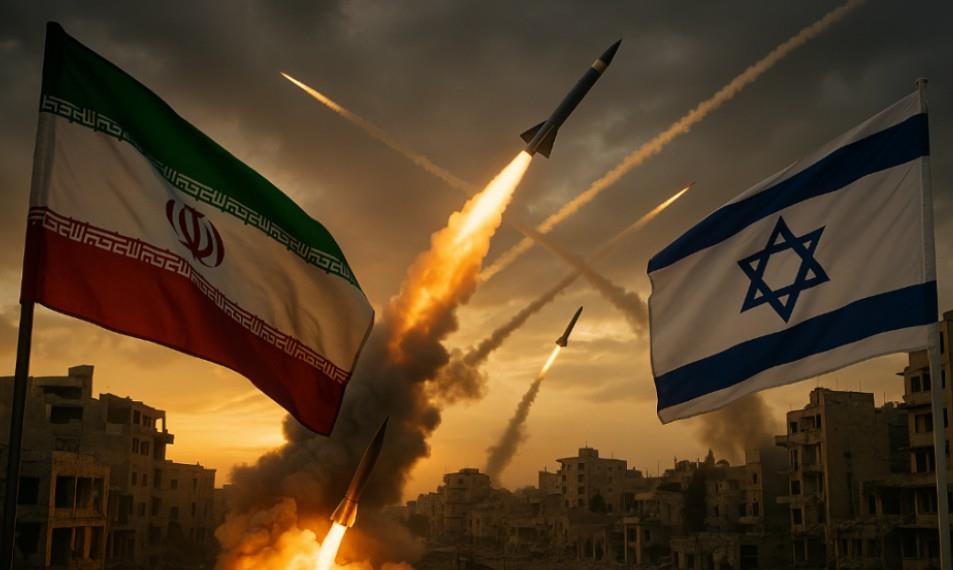
On June 13 (local time), Israel launched a surprise strike on Iran’s nuclear and military facilities, reportedly killing much of its top military leadership. Nearly a week later, North Korea issued a brief and muted report, prompting speculation over its delayed response.
In its June 18 edition, Rodong Sinmun, the North’s official newspaper, mentioned “Israel’s military attack and Iran’s retaliation” but avoided reporting the deaths of senior Iranian commanders and key nuclear scientists. Instead, it emphasized civilian casualties and Iran’s response.
Interestingly, on June 12—just before the strike—North Korea had highlighted Iran’s warning to retaliate against Israeli nuclear sites. But once the conflict erupted, it remained silent for more than three days.
Even as Israel bombed Iran’s strategic sites with drones and jets, and missile exchanges followed, Rodong Sinmun continued to focus solely on civilian suffering in Gaza—widely seen as a deliberate attempt to sidestep the broader conflict.
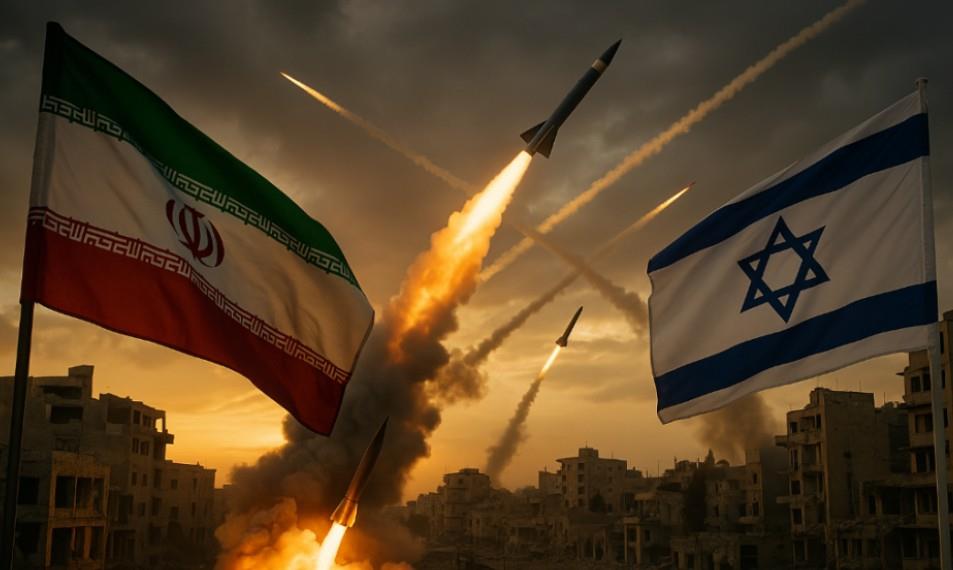
The paper claimed over 240 deaths and 1,270 injuries in the June 13 strike,
with more than 90% being civilians, and detailed Iran’s retaliation with guided weapons.
The article provided detailed accounts of Iran’s retaliatory strikes using precision-guided weapons but made no mention of the deaths of Iran’s Chief of Staff, his deputy, or key nuclear figures.
North Korea and Iran have long been aligned within the anti-Western bloc, especially in nuclear and missile development. Both nations have consistently viewed the U.S. and Israel as common foes, maintaining close military and diplomatic ties. Since the 1980s Iran-Iraq War, North Korea has reportedly supplied arms to Iran and is widely suspected of sharing missile and nuclear technology.
Still, North Korea’s minimal coverage of Iran’s losses suggests Pyongyang may have been rattled by the extent of the damage. The destruction of nuclear facilities and the loss of key military and scientific personnel likely raised concerns about the vulnerability of North Korea’s own nuclear infrastructure.
A source familiar with North Korean affairs noted that the incident could spark fear among citizens that their own nuclear sites and leaders are just as vulnerable. “Since nuclear weapons are key to regime security,” the source said, “Pyongyang likely withheld details to avoid internal unrest.”
Despite Iran’s setback, North Korea continues to maintain close ties. Though it recently exchanged economic delegations with Iran, it appears to be following China and Russia’s lead in keeping official statements minimal and media coverage restricted.