


Kim Myongsung’s Inside North Korea
· Extreme Heat and Forced Labor in North Korea: Mounting Fatalities Amid State-Driven Mobilization
· North Korea’s “Imperial” Narrative and the Political Rise of Kim Ju-ae
· Ri Sol-ju’s Reappearance Suggests Elite Power Struggles Behind the Scenes in Pyongyang

Kim Myong-sung
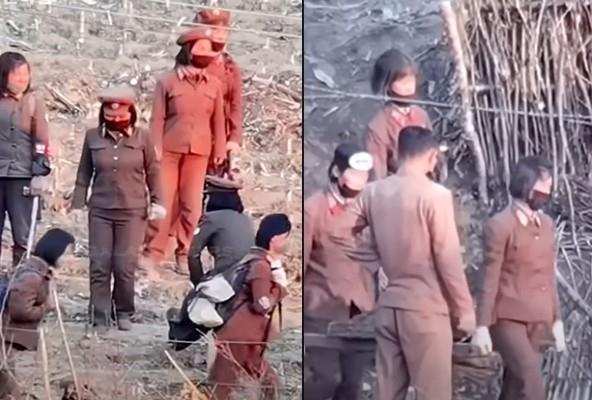
In early July, a female soldier reportedly died while working at an industrial construction site in Pyongsong City, South Pyongan Province. Her family, visiting the site to deliver food, witnessed her sudden collapse while digging with a shovel. She was already deceased by the time aid arrived. According to the source, the family’s reaction was one of profound grief and alarm: “How can a person die like that? How can we send our son to the military now?”
The incident is one of several emerging from across the country. North Korea is currently pursuing an aggressive "socialist construction" initiative, which involves the mass mobilization of female soldiers and housewives for manual labor. These efforts often take place under extreme heat, without basic protections such as shaded rest areas, adequate hydration, or regulated work hours.
A local source noted: “Accidents from working under the blazing sun are ongoing,” emphasizing that female soldiers are especially vulnerable due to both harsh conditions and malnutrition. Despite nationwide heat advisories, authorities continue to enforce labor quotas and construction deadlines. Fatalities are reportedly underreported, and internal directives related to heat safety are routinely ignored at the local level.
Heat-related deaths are also being reported in agricultural regions. According to Daily NK, on July 10, two individuals—one in his 50s and another in her 60s—died while weeding in Jaeryong County (South Hwanghae Province) and Goksan County (North Hwanghae Province). Temperatures at the time exceeded 35°C (95°F). Local regulations prohibit outdoor work between noon and 3 p.m., but residents often disregard these rules out of economic necessity. “If crops fail, people starve,” one source said.
In another case, a man in his 50s died of acute heatstroke in Gilju County, North Hamgyong Province, after more than four hours of field labor under direct sunlight without any protective gear. He was participating in what authorities dubbed a “Weeding Battle,” a campaign that mimics wartime mobilization. Several workers reportedly experienced dizziness that day, underscoring the risks of these state-led efforts.
A local hospital confirmed the cause of death as acute heatstroke, and the provincial Military Agricultural Management Committee has launched an investigation. One source emphasized, “This is not simply about individual health; it is a systemic failure—arguably a man-made disaster caused by organizational negligence.”
While the central government has issued orders to shorten working hours during heatwaves, field-level enforcement appears negligible. In many areas, malnourished workers are still ordered to “endure with political resolve,” with little regard for their physical limits. “Even if they die from exhaustion, it is blamed on their ideological weakness,” said one source.
The humanitarian risks are not confined to rural areas. Similar conditions are reported at construction sites and even within urban environments, where air conditioning is virtually non-existent. As a result, the state is increasingly being criticized—albeit quietly within the country—for placing its population at risk of preventable, labor-related deaths.
North Korea is currently experiencing sustained heat levels in the mid-30s Celsius (mid-90s Fahrenheit). With climate change expected to exacerbate such conditions annually, the lack of institutional preparedness and the prioritization of political campaigns over public health raise serious concerns.
To date, the North Korean regime has issued no public acknowledgment of heat-related fatalities and has released no guidance or statistical reporting regarding the scope of the crisis.
North Korea appears to be laying ideological groundwork for a potential dynastic succession involving Kim Ju-ae, the daughter of Kim Jong-un, by invoking historical justifications for the use of the title “emperor” within the Korean tradition. The move is interpreted by analysts as part of a broader political strategy to elevate Kim Ju-ae's status and reinforce the deification of the Kim family under the evolving conditions of the Kim Jong-un regime.
In two consecutive issues of the Social Sciences Academy Bulletin—the flagship publication of the North Korean Academy of Social Sciences—state-affiliated scholars argued for the historical legitimacy of the imperial title in premodern Korean history. In a 2022 article, Professor Kim Seung-an asserted that the titles “emperor” and “son of heaven” were used from ancient Joseon through Goguryeo, Balhae, and the late Joseon Dynasty. A subsequent 2023 article by Dr. Kang Se-kwon emphasized that the kings of Goguryeo were equal in stature to Chinese emperors, citing the example of King Sosurim's purported use of the imperial title in 370 CE.
These publications coincided with the public debut of Kim Ju-ae at the launch site of the Hwasong-17 intercontinental ballistic missile (ICBM) on November 18, 2022. The deliberate timing has led experts to view the academic claims not as isolated historical scholarship but as part of a coordinated campaign to construct ideological legitimacy for a fourth-generation succession. By associating Kim Ju-ae with North Korea’s most powerful nuclear weapon and evoking the Baekdu bloodline narrative, the regime appears to be crafting a public image of hereditary leadership grounded in historical continuity and militarized nationalism.
Traditionally, North Korean historiography has emphasized the independence and sovereignty of ancient Korean states such as Gojoseon, Goguryeo, and Balhae—often to assert parity with or resistance to Chinese influence. However, the explicit focus on the imperial title marks a notable shift in the regime’s messaging. Analysts suggest that this may be part of a larger attempt to establish a quasi-monarchical or theocratic framework for governance under socialism—potentially resembling a de facto constitutional monarchy.
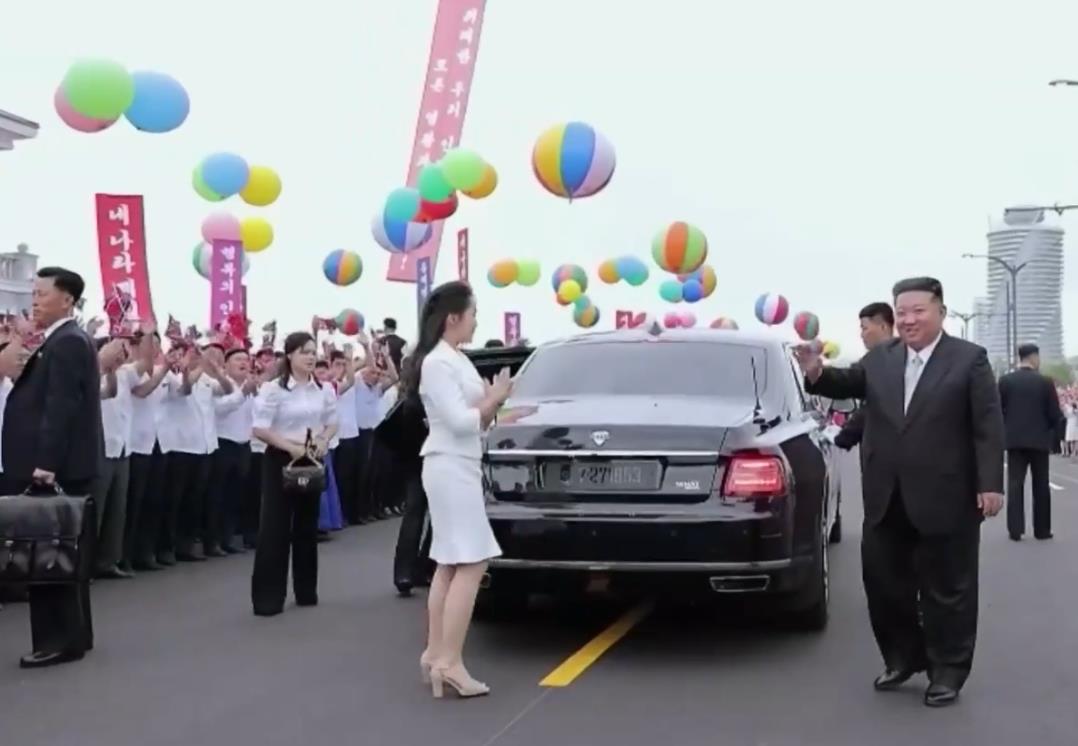
Testimony from a former North Korean diplomat supports this interpretation. According to the defector, in 2017 the Ministry of Foreign Affairs instructed officials to gather information on European and Japanese monarchies and their respective constitutional systems. These efforts, some believe, reflect long-term planning to “imperialize” the Kim family brand and formalize succession structures through symbolic and institutional innovations.
Since the COVID-19 pandemic, Kim Jong-un has increasingly delegated day-to-day management of party and state functions to close confidants. His sister Kim Yo-jong has emerged as a key actor in inter-Korean and foreign policy messaging, while figures like Cho Yong-won now oversee core party operations. At military events, official rhetoric such as the “resolute defense of the Baekdu bloodline” has reinforced the narrative of dynastic legitimacy.
Institutional reforms have accompanied this ideological shift. In 2023, North Korea reorganized its agricultural management system under the rubric of the “socialist enterprise responsibility management system” and introduced, for the first time in its history, a multiple-candidate system in local elections—likely more symbolic than substantive, but nonetheless indicative of a strategic attempt to reshape the optics of governance.
The promotion of the “emperor” concept may also serve foreign policy objectives. By invoking indigenous imperial legitimacy, Pyongyang may be seeking to rhetorically distance itself from historical and contemporary subordination to China. The assertion by North Korean scholars that “Goguryeo was not a vassal state” and that it exhibited “no servile attitude toward China” appears designed to counter interpretations of North Korea as a junior partner in the Sino-DPRK relationship. This counters narratives like the “Northeast Four Provinces Dependency Theory” and reinforces North Korea’s claim to ideological and historical parity with Beijing.
Taken together, these developments suggest that Kim Jong-un is not only consolidating his personal authority but also preparing the ideological and institutional scaffolding for the elevation of Kim Ju-ae as a possible successor. By blending hereditary rule with the vocabulary of historical nationalism and nuclear statehood, North Korea may be attempting to engineer a new model of dynastic socialism with the veneer of monarchical legitimacy.
Ri Sol-ju’s Reappearance Suggests Elite Power Struggles Behind the Scenes in Pyongyang
Ri Sol-ju, the wife of North Korean leader Kim Jong-un, appeared in public for the first time in approximately 18 months, prompting renewed speculation about internal friction within the ruling elite over access to power and economic interests.
Multiple sources with knowledge of internal developments in North Korea suggest that Ri’s long absence may be tied to a reduction in her influence, particularly following the rise in prominence of Kim Jong-un’s daughter, Kim Ju-ae. This shift is reportedly not merely symbolic but reflects an intensifying struggle over business interests and elite privilege, in which key figures, including Kim Yo-jong—Kim Jong-un’s sister and a powerful political operative—play a central role.
According to sources, Ri Sol-ju’s family accumulated significant wealth and influence through control of foreign currency-generating businesses in Pyongyang following the execution of Jang Song-thaek in 2013. The family reportedly secured lucrative rights in sectors such as tourism and taxi operations, at one point replacing a majority of the capital’s taxis with Chinese-made vehicles. These activities reportedly generated considerable profit under the tacit approval—or deliberate inaction—of the Party’s Organization and Guidance Department.
However, this de facto autonomy appears to have come under increasing scrutiny. Kim Yo-jong, who previously tolerated Ri's economic activities, is now said to be actively reining them in, particularly after marrying a senior official in the General Political Bureau of the Korean People’s Army—a figure reportedly trusted by Kim Jong-un. This development suggests not only a reconfiguration of power within the Kim family but also a possible recalibration of loyalties in the upper ranks of the regime.
While some observers had interpreted the increased visibility of Kim Ju-ae as evidence of Kim Yo-jong’s waning influence, recent public events suggest otherwise. Kim Yo-jong accompanied Kim Jong-un on his July 14 inspection of a major aquaculture facility, reinforcing her status as a key political confidante. Her continued public presence and reported efforts to check Ri Sol-ju’s business influence point to a sustained, if informal, power rivalry.
The case underscores how North Korea’s political dynamics cannot be understood solely through formal titles or state ceremonies. Economic power, often tied to foreign currency-generating enterprises operating under military, party, or cabinet auspices, plays a critical role in shaping influence. These operations are frequently the subject of internal contestation.
A source familiar with North Korea noted that Kim Yo-jong is also believed to oversee her own foreign currency-earning enterprise, hinting at a growing institutionalization of elite-led commercial ventures. This creates a combustible mix of familial rivalry and bureaucratic turf battles that may have lasting implications for regime cohesion.
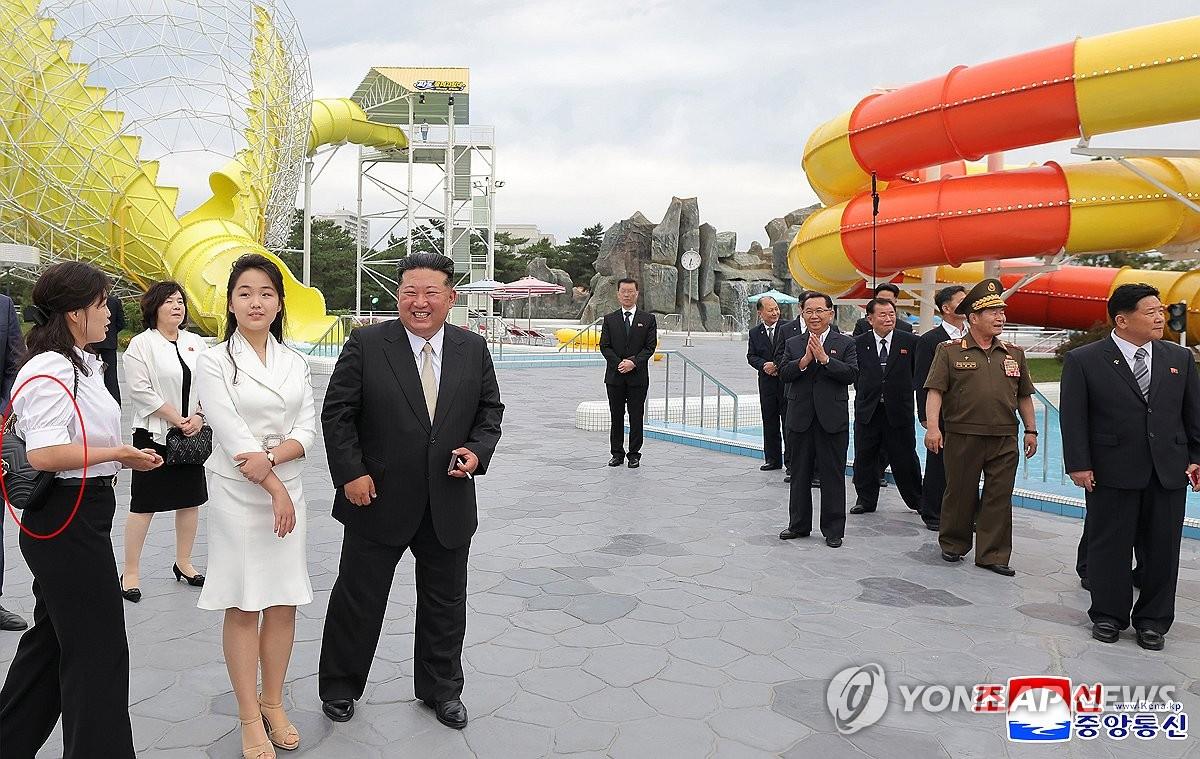
The occasion of Ri Sol-ju’s return to public view—Kim Jong-un’s attendance at the completion ceremony of the Wonsan Kalma Coastal Tourist Zone on June 26, accompanied by both Ri and Kim Ju-ae—was interpreted by some as a carefully staged image of family unity. Yet Ri’s subdued presence, clad in a conservative black pantsuit and stepping back to allow Kim Ju-ae the spotlight, suggested a recalibrated role.
Adding another layer of intrigue, Ri was seen carrying a luxury Gucci handbag reportedly worth approximately 3 million won (roughly $2,200), in apparent violation of UN Security Council Resolution 1718, which bans luxury goods imports to North Korea. North Korea is known to import high-end items via diplomatic channels for use among the elite—a practice previously documented in the appearances of both Kim Yo-jong and Kim Ju-ae with Dior accessories.
While symbolic optics continue to dominate media narratives about the Kim family, these developments suggest deeper currents of elite maneuvering in Pyongyang, where political authority and economic privilege remain tightly interwoven.
-
PREV [Current Affairs Analysis]
-
NEXT [News&Issue]