

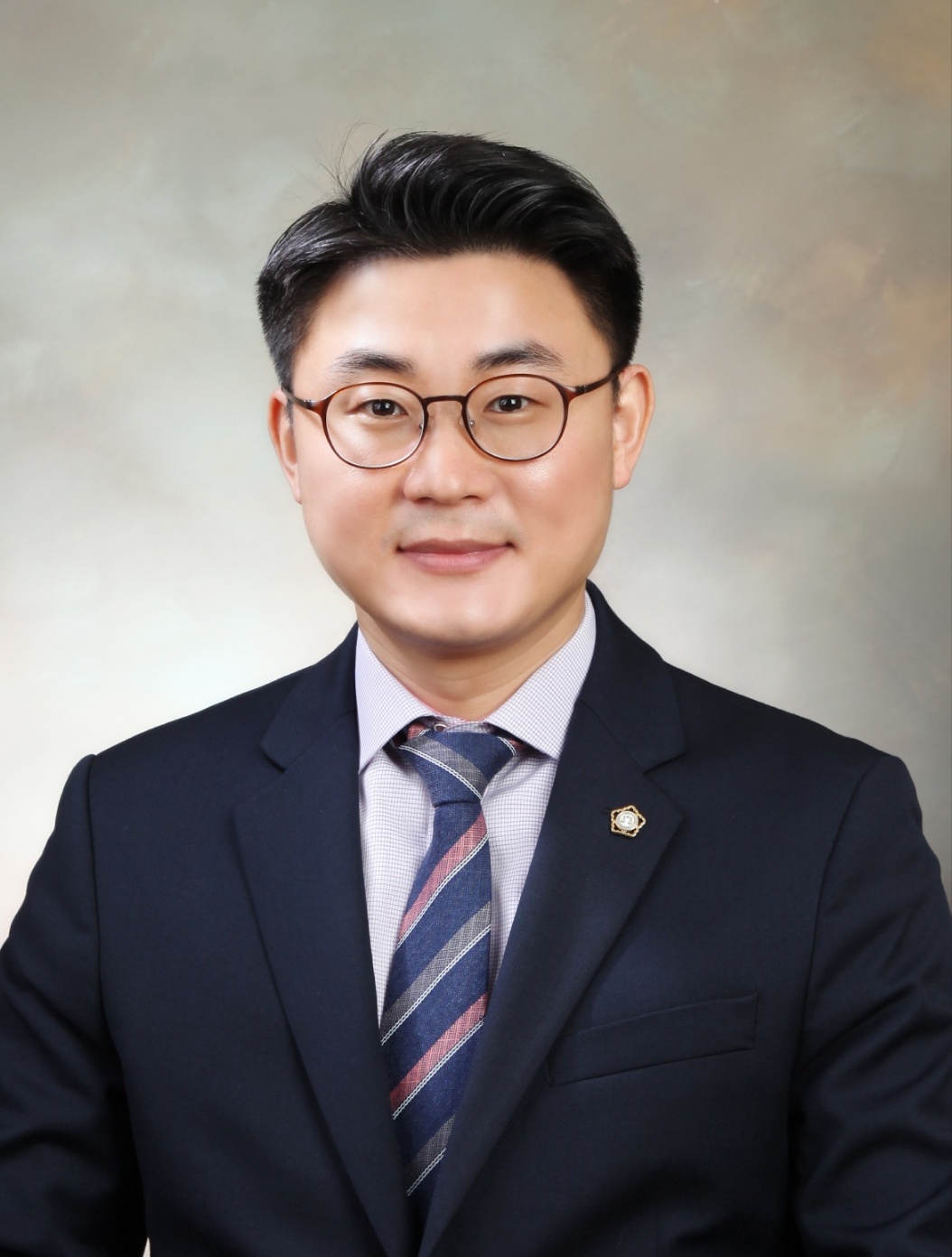
Lee Young-hyun, partner in incorporated law firm IRE (first North Korean defector lawyer)
In North Korea, April 5, or the birth anniversary of North Korea’s founder and first leader Kim Il-sung is commemorated as the Day of the Sun and this year marks its 111th anniversary. Large-scale celebrations straddle across the state on this day, ranging from fireworks to resolution rallies, visits to historic sites, and cultural performances. The North Korean regime sometimes mobilizes military marches or rocket and missile launches as a means to showcase its military prowess to the people. Around this time of the year, South Korea stays on alert raising its guards.
It's amazing how much money North Korea lavishes on this single anniversary each year. By some estimates, over USD 2 billion or about 30% of North Korea’s annual budget is spent on celebrating the Day of the Sun, a phenomenon witnessed since Kim Jong-un came to power. This costly political show has been continued while the entire country is grappling with perennial food shortages and economic hardship. This year will be no exception.
North Korea funnels extravagant expenditures into honoring the Day of the Sun and for a reason: to deify North Korea’s founder Kim Il-sung beyond the cult of personality and emphasize the legitimacy of the hereditary succession of the Mount Paektu bloodline spanning three generations from Kim Il-sung to Kim Jong-il and now to Kim Jong-un. The North Korean regime seeks to justify dictatorship by Suryong or the supreme leader and to consolidate the hereditary succession of power. The utmost value pursued by the dictatorship regime is just to maintain its grip on power, with nothing to do with North Koreans' livelihood. Truth be told, the North Korean regime is the fundamental culprit of human rights violations witnessed in the state. North Koreans' human rights and freedom can not be assured without changes to the dictatorship regime as neither is compatible with the other.
Human rights issues will never be resolved by aggressive exchange and cooperation with the North as long as the totalitarian dictatorship is acknowledged as a legitimate regime. While maintaining cooperative activities on the one hand, we should be able to voice our criticism against the North Korean regime on the other. Unfortunately, the previous government of South Korea turned a blind eye to human rights violations in the North while obsessed with putting up fake peace with Kim Jung-un. Return on these fallacies was the bombing of the inter-Korean liaison office, the launch of ballistic missiles, and boiled ox heads. Fostering peace on the Korean Peninsula remains a fantasy when human rights are left ignored in North Korea. The former South Korean government handed the Kim Jong-un regime a lifeline to keep it afloat despite its isolation from the international community, only to help prolong the human rights abuse and oppression of North Koreans.
We can truly realize peace on the Korean Peninsula only if the government of South Korea spearheads the resolution of human rights issues in the North. We should keep raising issues with human rights violations to make a difference. We should also share the same voice with the United Nations and the international community, thus mounting pressure on the North Korean leader Kim Jong-un to learn a lesson the hard way that reforms and opening are the only paths to saving the state. It is encouraging to see the incumbent government of South Korea take a step in the right direction regarding North Korean policies. Last July, the North Korean Human Rights Ambassador was appointed after five years of the position being left vacant. On April 4 this year, South Korea made a comeback as a co-sponsor first time in five years for a resolution on North Korean human rights adopted by the United Nations Human Rights Council. The Ministry of Unification unveiled the human rights report on North Korea for the first time as part of its aggressive effort to draw the attention of the international community to the appalling reality of North Koreans' human rights violations. Quite encouraging developments indeed.
When it comes to North Korean human rights issues, the South Korean government should take a firm and steadfast stance that survives the change of power and uphold the principles of universality, absoluteness, consistency, and non-political nature. It should work together with civic groups, and further collaborate with countries sharing the same values of freedom and human rights as well as international organizations, such as the UN.
-
PREV [Issue]
-
NEXT [From the Editor-in-chief]