

Aspirations for the Inaugural ‘North Korean Defectors Day’
on July 14, 2024
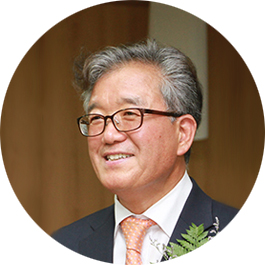
Sohn Kwang-joo
Former President of the Korea Hana Foundation
1. Reflecting on 30 Years Since Kim Il-sung's Passing
July 8, 2024, marks the 30th anniversary of Kim Il-sung's death, an event that signified the end of an era. Like the unification of East and West Germany in 1990 and the collapse of the Soviet Communist Party in 1991, North Korea had an opportunity to move away from its old communist regime towards a new era of reform and openness.
Yet, when Kim Jong-il assumed power, he reinforced the dictatorial regime with severe repression, fear tactics, nuclear development, and a military-first policy under the so-called 'Arduous March.' During the mid-1990s great famine, which claimed the lives of three million people, many North Koreans began crossing the Amnok and Tuman Rivers seeking freedom and survival. It was around this time that the term 'North Korean Refugee' started to appear in South Korean and international media.
On January 13, 1997, the 'North Korean Defectors Protection and Settlement Support Act' was passed by the National Assembly and came into effect six months later on July 14. This act aimed to provide legal support for the settlement of North Korean defectors in South Korea as a practical step towards reunification.
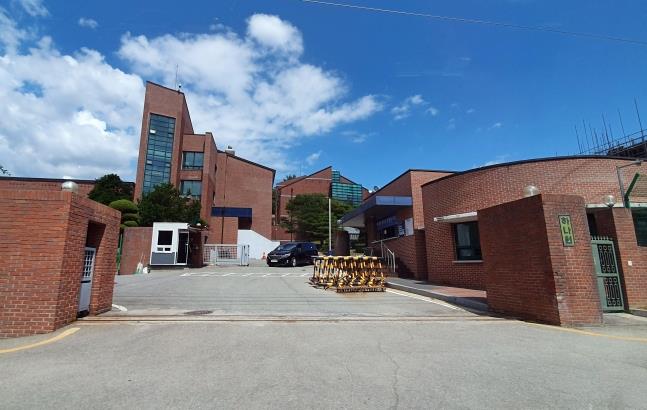
A view of Hanawon, a facility for education and settlement support for North Korean defectors
located in Anseong, Gyeonggi-do/Ministry of Unification
Selecting July 14, the day this law was first implemented, as 'North Korean Defectors Day' is a decision that perfectly captures both the significance and spirit of the occasion.
2. The Second Generation of North Korean Defectors Paving the Way for Reunification
North Korean defectors started arriving in South Korea in the 1990s, and their numbers continued to grow through the 2000s. From 2006 to 2011, more than 2,000 defectors entered South Korea each year. In 2009 alone, 2,914 defectors arrived, nearly reaching 3,000. However, during Kim Jong-un's regime, this number dropped, with an annual average of around 1,300. In 2021, only 63 defectors arrived, followed by 67 in 2022. Last year, 196 defectors entered South Korea, bringing the total number to 34,078 by the end of 2023.
A generation is generally considered to span about 30 years. This year, as the 30th anniversary of Kim Il-sung's death is commemorated, it also marks a generation since the first North Korean defectors arrived in South Korea in the mid-1990s.
Three decades into the wave of North Korean defection, it is crucial to focus on the progress of both the defectors and their second generation in South Korea. While the total number of 35,000 defectors may not seem large, their impact as the "first unifiers" will be exponentially significant in the future. The 30-year history of North Korean defection is a considerable journey.
Attention is now shifting to the second generation of North Korean defectors. Thanks to their parents' dedication, these young defectors are not only integrating into South Korean society but also making their mark globally. Emerging professionals such as lawyers and accountants, along with those excelling at prestigious institutions like Harvard and Columbia in the United States, are already becoming pivotal figures in a reunified Korea.
Given this, designating the first ‘North Korean Defectors Day’ on July 14, with the theme 'From 30 Years of North Korean Defection to a Thousand Years of Reunified Korea,' seems fitting.
A vision of collaboration between the second generation of North Korean defectors in South Korea and the jangmadang generation in North Korea is inspiring. Picture a unified generation of young adults in their 20s and 30s from both North and South Korea, setting new agendas for the peninsula and leading East Asia into the 21st century as a global powerhouse.
Society today appears to have lost its collective dream. Without a shared vision, politics devolves into petty disputes and populism. This trajectory could endanger the nation in a decade. It seems that the time has come for the young generation of North Korean defectors to step forward and lead.
Elevating the issues of North Korean freedom, human rights, and reunification to the top of the agenda is essential, along with striving to connect with the jangmadang generation in North Korea. Additionally, reaching out to young North Korean human rights activists worldwide—in the United States, Japan, Europe, Canada, and Australia—can help collectively dismantle the barriers of the dictatorship.
‘North Korean Defectors Day’ should not merely be a celebration for defectors but a day to pave the way for reunification, thereby capturing its true essence.
-
PREV [Column1]
-
NEXT [Current Affairs Review]