

North Korean Young Generation Administrative Officials
Defying the WPK-Led Control

Han Jin-myung
Former Diplomat of the North Korean Embassy in Vietnam
Each of North Korea's past leaders governed with distinct ideologies, using these beliefs to consolidate power and control the population. Kim Il-sung's era was marked by People-First Politics, while Kim Jong-il's rule was defined by Military-First Politics.
But what characterizes Kim Jong-un's leadership approach?
At the beginning of his rule, Kim Jong-un promoted a system based on the rule of law and public order, seemingly in an attempt to mirror democratic states. However, given North Korea's lack of basic human rights and democratic examples, this was nothing more than an unrealistic, regressive initiative. Ultimately, Kim Jong-un couldn’t abandon the "Ten Principles for the Establishment of a Monolithic Ideological System," which underpins the regime, and continued to rule with absolute power.
To begin, it's important to examine the shift from Kim Jong-il's Military-First approach to Kim Jong-un's WPK-centered governance, marked by the dismissal of Hwang Byong-so, former Director of the General Political Bureau of the Ministry of National Defence.
As noted in Thae Yong-ho’s book, a former North Korean diplomat in the UK, various North Korean ministries submit daily reports to Kim Jong-un. However, one day, a serious incident occurred when all the documents and equipment from the Ministry of National Defence's political department were destroyed by fire.
Hwang reported the situation to Kim Jong-un and suggested that, temporarily, reports be submitted through the WPK Secretariat. This suggestion angered Kim, who declared furiously, "Is the WPK Secretariat a department anyone can use at their convenience? From now on, treat the Central Committee of the Workers' Party of Korea with respect."
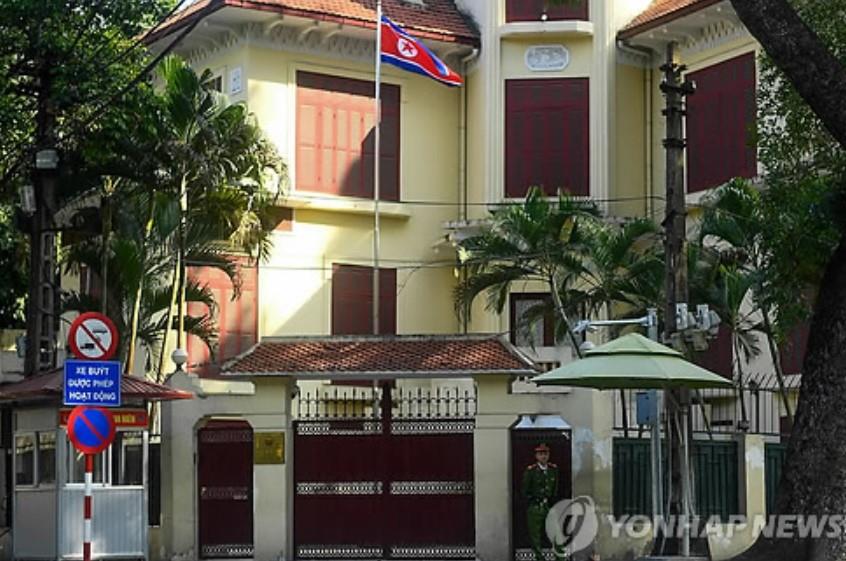
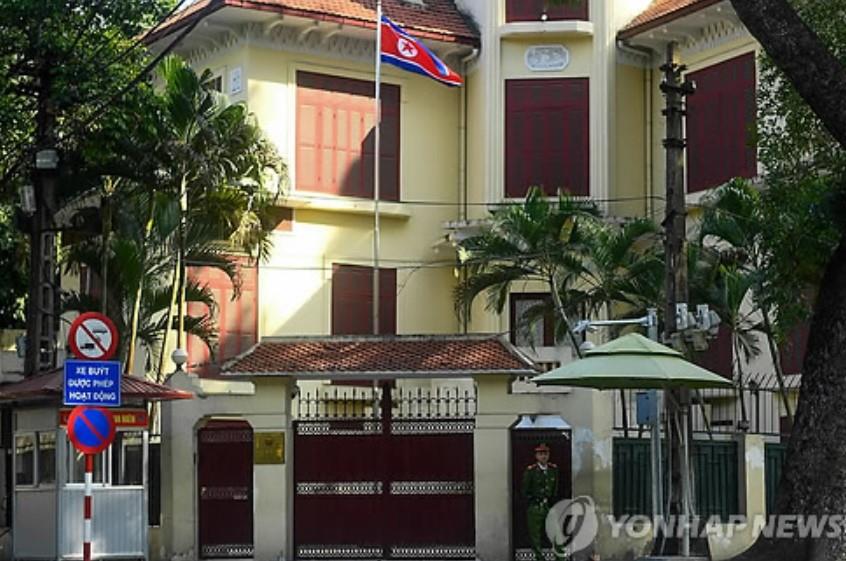
North Korean Embassy in Vietnam / Yonhap News Agency
After this reprimand, Hwang was dismissed, marking a turning point where the military's influence over state power diminished, and the WPK's authority grew. Seizing this opportunity, Kim began implementing his WPK-led state management system. Through a series of party assemblies across the country, the WPK asserted its dominance, ensuring that North Koreans understood that the party was now in charge.
Even North Korea’s Ministry of Foreign Affairs was not immune to this shift. The WPK’s International Department, which traditionally focused on relations with socialist and anti-American countries, has recently begun interfering with the Ministry of Foreign Affairs.
This interference is evident in changes to the format of reports to Kim Jong-un. Previously, documents stated, "Agreed upon with the relevant WPK department," but now read, "Reported to the relevant WPK department," elevating the party's role from partner to authority. Additionally, WPK International Department officials have begun meddling in the daily operations of the foreign ministry, exerting pressure on its departments.
According to Ri Il-kyu, a former North Korean diplomat in Cuba, these officials receive daily updates on the status of other countries through the heads of comprehensive departments. This illustrates a new era under Kim Jong-un, where the party leads every aspect of governance. However, there are emerging signs of resistance to Kim Jong-un’s party control within North Korea.
One significant difference is the changing mindset and behavior of the young generation. North Korea has long relied on a system of strict obedience to administrative orders, but cracks are starting to appear in this tradition. The young generation is refusing to follow the submissive and unquestioning behavior expected toward their seniors. They are reportedly asking, "Why should we follow their outdated ways?"
Administrative officials are struggling to manage and control the disobedience of the young generation. They admit, "It’s too hard to control the newly recruited staff. They refuse to accept guidance from their seniors, and the work environment has changed significantly." Like small streams converging into a river, these small shifts in North Korea may signify more significant changes ahead.
Kim Jong-un may strengthen party influence to tighten control, but he cannot suppress fundamental human instincts. The North Korean people's long-suppressed desires for human rights, freedom, and democracy—repressed by the Kim family for over 70 years—are on the verge of becoming a reality.