

When the Portraits No Longer Mattered
Lee Jong-woo,
Former Judicial and Prosecutorial Officer, Workers' Party of Korea
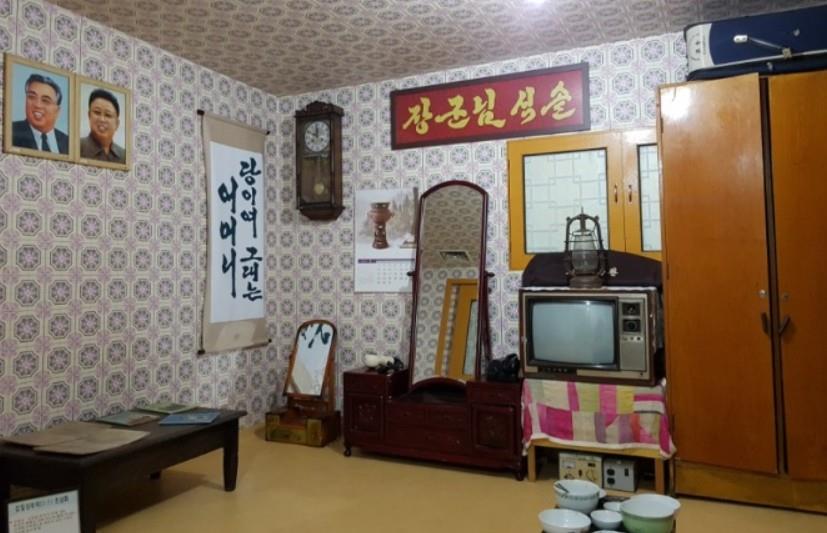
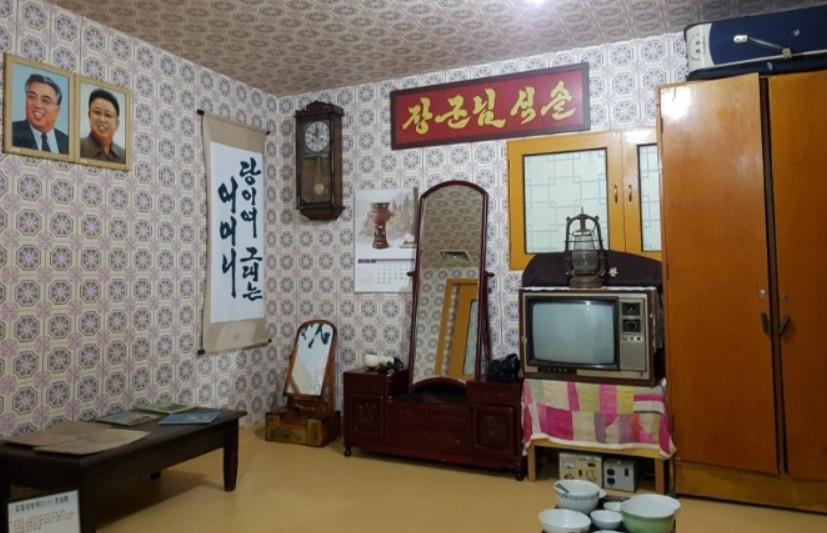
I recently heard something startling from a contact in North Korea’s judicial system: during the 2024 floods in Sinuiju and Uiju, not one person took portraits of Kim Il-sung or Kim Jong-il while fleeing.
In North Korea, this isn’t just surprising—it’s hard to imagine. That no one tried to save the Suryong’s portraits during a disaster affecting tens of thousands is unprecedented.
Portraits of Kim Il-sung and Kim Jong-il hang in every home, school, office, and farm across the country. The long-standing rule—“If there’s a fire, save the portraits first”—has been etched into people’s minds like a survival commandment.
Stories once praised as heroic include students dying to retrieve portraits from burning classrooms, or ship captains drowning with the leaders’ images wrapped in waterproof covers held to their chests.
But the Sinuiju flood told a different story. Faced with disaster, people chose their lives over ideology. Though authorities demanded self-criticism letters, the response was milder than before. Even Party officials left the portraits behind. Kim Jong-un was reportedly displeased, but no one was punished—in fact, some victims were invited to Pyongyang for comfort.
This wasn’t just a one-time exception. It showed the portraits no longer carry the sacred status they once held—their symbolic power is starting to fade.
And that shift is spreading. Lately, North Koreans have quietly begun using Rodong Sinmun pages—especially those with the leader’s face—turned backward as wallpaper. In the past, even folding a photo of the leader was taboo. Placing objects on it, sitting nearby, or stepping over it could bring serious charges of disrespect.
Yet now, people are discreetly covering the leaders’ faces and pasting the newspaper’s blank sides to their walls. It’s subtle, but the symbolism is powerful.
North Korea is still a dictatorship, built on surveillance, punishment, and control. But its symbolic power—the emotional and ideological hold over the people—is weakening. Leaving behind portraits of the Kim family points to a deeper shift: the regime’s spiritual grip is slipping.
The flood in Sinuiju may have been a natural disaster, but within it, people made a conscious choice. The portraits no longer held absolute importance. The instinct to protect life outweighed the conditioned duty to show loyalty.
In that moment, the regime faced a true test. What once symbolized absolute power was reduced to paper—buried beneath wallpaper, both literally and figuratively.
This quiet yet powerful shift in how North Koreans think shouldn’t go unnoticed. In place of Kim Il-sung and Kim Jong-il’s portraits, new values are taking hold—ones grounded in freedom and the dignity of individual life.
What’s been discarded is just paper, but what’s emerging is a quiet hope for a future written by the people.
-
PREV [News&Issue]
-
NEXT [Opinion]