

The Day I First Met Freedom—and the Mirror of Emotion
Lee Eun-pyeong,
President, Unification Talent Development Association
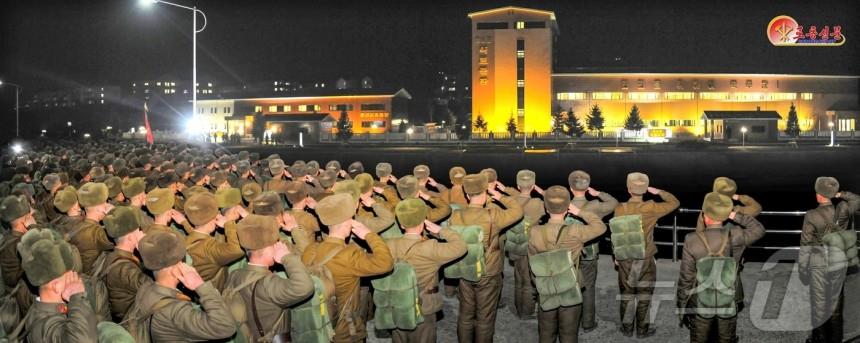
In 2017, while serving in the North Korean military, I was sent to Russia as a construction worker. Under such tight control, I had no real sense of freedom—or even my own emotions.
Looking back, I realize I didn’t just live without freedom—I didn’t even know it was missing. In North Korea’s closed-off world, “freedom” was just a textbook word, distorted and dismissed as a dangerous capitalist temptation.
Everything shifted when I made it to South Korea.
And for the first time, I discovered that freedom wasn’t just a word—it was something alive. It had feelings. It had weight. It came with responsibility.
After the upheaval of defection, I found myself at a university surrounded by unfamiliar faces. There, reading a book called Capturing Freedom with classmates my age, we began to open up and share our stories.
The book suggested that freedom isn’t some fixed ideal—it’s something we recognize in fleeting emotional moments.
One line stuck with me: “Freedom begins with choices we take responsibility for.” As I read it, memories of my past life in North Korea came flooding back.
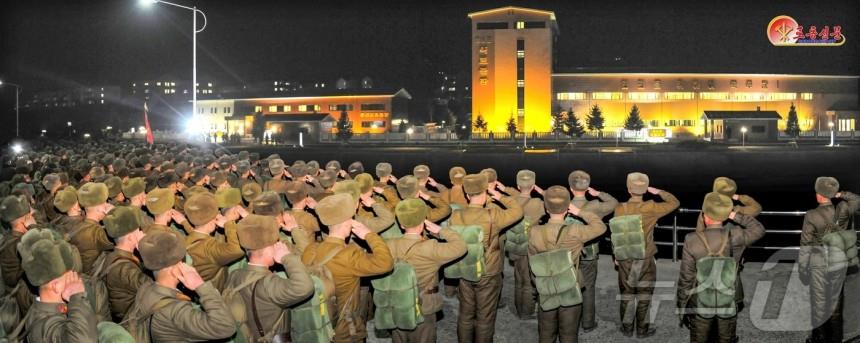
Back then, everything was decided for me. Orders were absolute, and having options was unheard of. Now, I choose what to wear, what to read, and what to say—and with that freedom come even deeper, more difficult questions.
“Am I really free?” “Do I truly own the choices I make?”
In our group discussions, we came to see freedom not just as something we deserve individually, but as a shared value that needs to respect others’ boundaries too.
One person saw freedom as a path to happiness; another, as a way to express their identity.
Each person’s words were more than reflections—they were lived truths. For those of us starved of freedom, it felt like discovering a language of our own.
Our next book was Emotion Class by Kang Shin-ju.
This book felt like another mirror, one that showed me the emotions I’d buried deep—anger, sorrow, fear, and emptiness.
Even while dreaming of a free life, I often found myself overwhelmed by my emotions, believing that made me weak.
But the book offered something different. It said, “Don’t silence your emotions—listen to what they’re trying to tell you.” That message changed me.
I finally understood that freedom isn’t about holding back your feelings—it’s about recognizing them, understanding them, and standing back up again.
I also came to see that pain doesn’t destroy us. It builds the foundation for strength.
As we read and shared, healing began. One person opened up about their anger. Another spoke of grief. Each story was a step in learning how to live freely.
I no longer run from where I am. I’ve come to believe that freedom begins the moment we stop hiding and start facing how we truly feel.
Now, mornings no longer feel unfamiliar. Even when I stumble or fall, every choice, struggle, and doubt is proof that I’m living freely.
And today, once again, I face the mirror of emotion. To live freely, to better understand myself, and to open my heart to others—this is how we keep growing, day by day.
-
PREV [Analysis and suggestion]
-
NEXT [Column]