

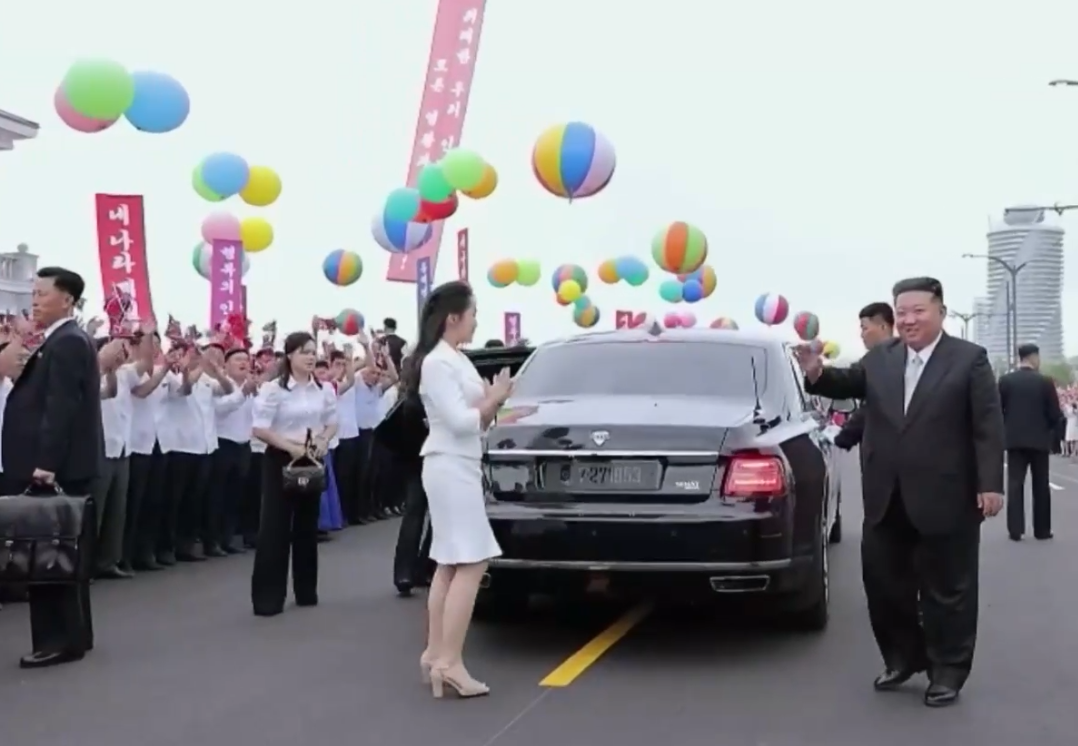
How Do North Korean Residents View Kim Ju-ae’s Emergence?

Kim Dong-soo
Former North Korean Diplomat
Over the past two years, Kim Ju-ae—the daughter of North Korean leader Kim Jong-un—has made multiple public appearances: observing missile launches, attending high-profile national ceremonies, and even being referred to as the “Respected Daughter” by the Korean Central News Agency (KCNA). These appearances have fueled speculation about North Korea’s leadership succession plan. But how do ordinary North Koreans perceive this development?
For most North Koreans, the Kim family remains a deified symbol encountered solely through state-controlled media. Kim Ju-ae’s emergence is therefore regarded with caution, within a tightly restricted context. In a society where open discussion or dissent is virtually impossible, reactions tend to be private, subdued, and often couched in coded language. What prevails is not open commentary, but whispered speculation and quiet ambivalence.
Among older and middle-aged North Koreans, a common reaction is that Kim Ju-ae is “still too young.” They recall that Kim Jong-un did not appear in the political spotlight until his mid-twenties, after an extended period of elite grooming. In contrast, Kim Ju-ae is believed to be in her early teens. For many, it seems premature to speak seriously of succession.
More critically, some residents interpret her repeated appearances as a sign of regime insecurity. The question, “Why is he revealing his daughter now?” is quietly understood as a strategic move to counter rumors about Kim Jong-un’s health or internal instability. By projecting dynastic continuity so early, the regime may inadvertently highlight its own fragility.
If Kim Ju-ae is being positioned as a future leader, she would represent a historic first as a female successor in North Korea’s political system. However, the country remains deeply patriarchal, and the ruling elite is overwhelmingly male.
As a result, there is widespread skepticism about the plausibility of a woman ascending to supreme leadership—less because of gender alone and more as a reflection of the regime’s conservatism and institutional rigidity.
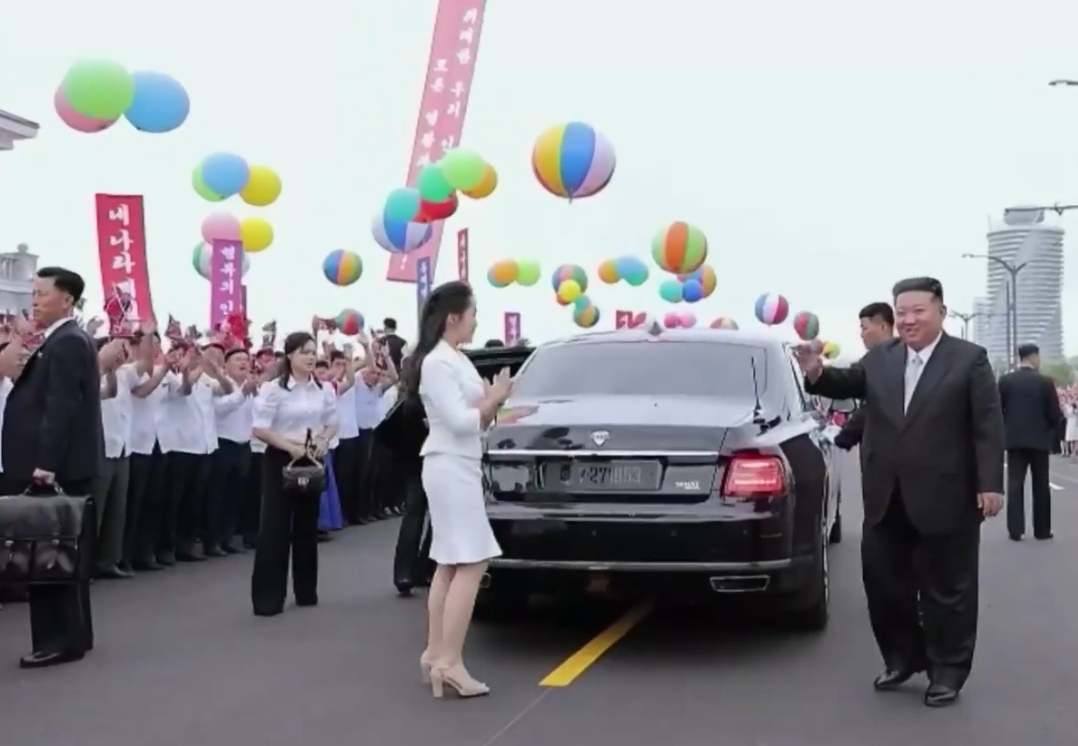
Notably, Kim Jong-il kept his family entirely out of public view, reinforcing the myth of solitary, god-like leadership. Kim Jong-un has charted a different course, allowing appearances by both his wife, Ri Sol-ju, and now his daughter. Some analysts view this as a break from the traditional strategy of mystification.
While such visibility may aim to humanize the leadership, it also risks diluting the aura of invincibility that has traditionally insulated the regime. In this context, Kim Ju-ae’s frequent appearances may reflect not confidence, but anxiety about internal cohesion and legitimacy.
The regime’s message is clear: Kim Ju-ae symbolizes dynastic legitimacy, bloodline purity, and leadership continuity. Yet the public’s interpretation is more nuanced.
Having already experienced two hereditary successions, North Koreans are no longer passive consumers of state narratives. Many have developed what could be called a “dual consciousness”—the ability to distinguish between official propaganda and lived reality.
In the final analysis, Kim Ju-ae’s emergence may mark the early stages of a carefully managed succession, or it may simply serve as a temporary gesture to project stability. Either way, North Koreans are watching cautiously—neither fully embracing nor rejecting the narrative—as they quietly assess what her presence may mean for the regime’s future.
-
PREV [Column]
-
NEXT [Current Affairs Analysis]