

Alternative Approaches:
Reflecting on the July 4 South-North Joint Statement and Unification Formula

Kim Hyung-suk, Professor of Daejin University,
Former Vice Minister of the Ministry of Unification
Significance and Details of the July 4 South-North Joint Statement
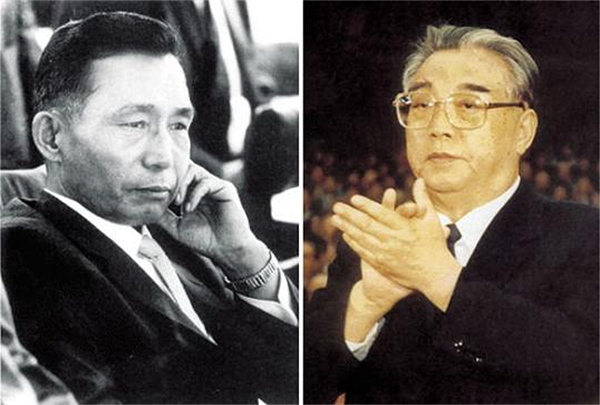
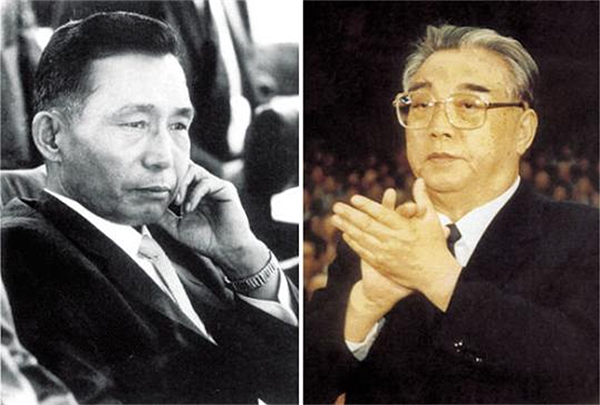
The "July 4 South-North Joint Statement," jointly announced by South and North Korea in 1972 as the first agreement between the authorities, was considered "Big News" for the South Korean citizens who had fears and concerns about North Korea due to their experiences during the Korean War, the Blue House raid, Uljin-Samcheok Landings, and more. This agreement, founded on the principles of "Independence, Peace, Unity," aimed to halt armed provocations and foster mutual exchanges between the two Koreas. Additionally, it facilitated the installation of direct distance dialing, fostering hope for peaceful unification through dialogue between the authorities. The announcement of this agreement generated tremendous anticipation and excitement among Korean people, especially for displaced persons, as it instilled significant hope for a peaceful reunification process.
Subsequent Inter-Korean Relations
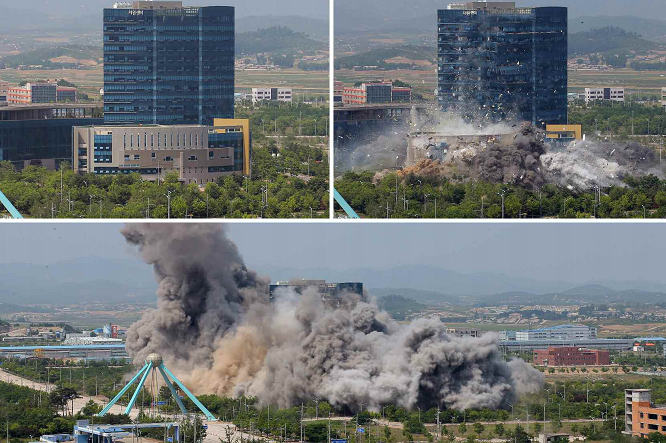
However, subsequent inter-Korean relations did not go as anticipated. Despite the citizens' high hopes, the South-North Coordinating Committee, through multiple meetings, fell short of achieving significant outcomes due to political and ideological differences. The main issue stemmed from a divergence in the interpretation of the three principles. North Korea approached these principles in a manner that South Korea found difficult to accept. They viewed "independence" as a closed self-reliance stance, rejecting external influences like the United States. Their perception of "peace" appeared as a pretext for the withdrawal of U.S. forces stationed in South Korea, potentially compromising defense capabilities. Furthermore, they advocated for the abolition of the National Security Act while addressing "national unity," a stance challenging for South Korea to embrace. Subsequently, the two Koreas entered a phase of competitive coexistence. However, there were notable advancements in inter-Korean dialogue, the Mount Kumgang tourism project, and the Kaesong Industrial Region for economic cooperation, especially during the late 1980s when the communist bloc was waning and North Korea faced economic challenges. Despite these developments, present-day inter-Korean relations encounter significant hurdles due to North Korea's emphasis on strengthening its military capabilities, including the pursuit of nuclear weapons, and its passive stance towards active engagement and cooperation with South Korea. The public demolition of the Inter-Korean Liaison Office in 2023 serves as a poignant representation of the current state of affairs.
Reflection on Unification Approaches
As we commemorate the 78th anniversary of the division between South and North Korea in 2023, it is important to reflect on the continuous efforts for peaceful unification of the Korean Peninsula. Despite disagreements and debates on unification policies between conservative and progressive factions, the goal of achieving unification through peaceful means has transcended political affiliations. It is a shared objective irrespective of conservative or progressive views, ruling or opposition parties. However, inter-Korean relations have been subject to fluctuations largely influenced by North Korea. The problem lies in North Korea's rigid mindset and reluctance towards openness, as observed in its approach of "Limited Openness," which has hindered the unification efforts. The proposed unification approach, the "National Community Unification Formula," is based on the principles of Independence, Peace, and Unity. It envisions a three-stage unification process: "Reconciliation and Cooperation between North and South," "North-South Union," and the establishment of a "Unified Nation." The unification approach itself is robust, but the lack of cooperation and responsiveness from North Korea, as presumed in the approach, raises doubts about its effectiveness.
Alternative Proposals
Some have proposed considering a "Korean Confederation" as the ultimate state instead of pursuing a "Unified Single Country" as outlined in the Korean National Community Unification Formula. However, this viewpoint is widely regarded as unrealistic and a means of evading the practical challenges associated with unification. The concept of confederation is already encompassed within the existing two-stage unification approach of the North-South Union, and completely abandoning the goal of full unification is not desirable. Therefore, a more suitable approach would be to complement the current unification strategy with a realistic perspective.
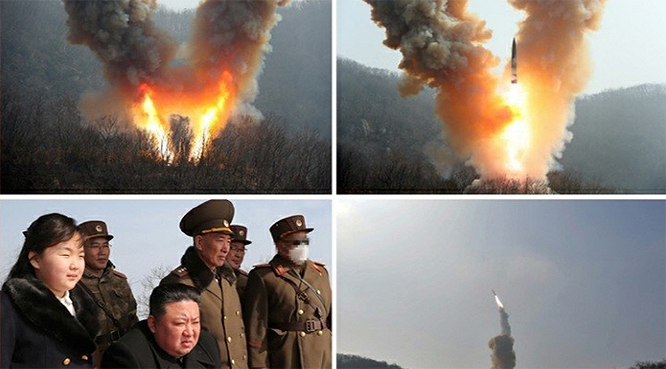
Instead of introducing an entirely new unification approach to replace the National Community Unification Formula, the focus should be on realistically addressing its limitations. This involves considering the presence of nuclear weapons in North Korea and its alignment with countries such as China and Russia. It also necessitates recognizing North Korea's persistent emphasis on military strengthening and its ability to shape its own future. Understanding that the true catalysts for change in North Korea are its own people, as evidenced by the transformation of the East German authorities through the actions of East German residents, can help foster a mindset of openness within North Korea.
Furthermore, it is crucial to establish a framework for Northeast Asia Multilateral Security Cooperation. This framework should seek support and collaboration from the international community, including key stakeholders such as the United States, China, and Russia, to facilitate the unification of the Korean Peninsula. Additionally, addressing the issue of military force balance within the Korean Peninsula should be an integral aspect of this framework.
References
“White Paper on Korean Unification 2023" by Ministry of Unification / Seoul: Ministry of Unification, 2023
"Knowledge Dictionary on South-North Relations" by Ministry of Unification National Institute for Unification Education / Seoul: Ministry of Unification, National Institute for Unification Education, 2011
"Understanding Unification Issues 2023" by Ministry of Unification National Institute for Unification Education / Seoul: Ministry of Unification, National Institute for Unification Education, 2023
Three principles: Independence, peace, unity
Limited Openness
National Community Unification Formula
Fostering a Mindset of Openness within North Korea
Multilateral Security Cooperation in Northeast Asia