

Illuminating North Korea's Human Rights Crisis:
The Role of the International Community

Hanna Song
Executive Director
Database Center for North Korean Human Rights
The international community has a long history, marked by various milestones, notably at the United Nations, to address the dire human rights situation. Through civil society’s relentless advocacy, the UN has passed resolutions on North Korean human rights for over twenty years, creating mandates for the Special Rapporteur on the situation of human rights in the Democratic People’s Republic of Korea and establishing the UN Human Rights Office in Seoul. Yet, decades on, the crisis in North Korea remains dire and frighteningly overlooked in the midst of growing global crises around the world.
The landmark milestone was achieved more than ten years ago, in 2013, when a group of independent experts were mandated by the United Nations to investigate the “systematic, widespread and grave violations of human rights in the Democratic People’s Republic of Korea with a view to ensuring full accountability, in particular for violations which may amount to crimes against humanity.” The decision to create a Commission of Inquiry on Human Rights in the Democratic People’s Republic of Korea (COI) was driven by civil society’s calls and widespread concerns at the UN about the human rights situation in North Korea, a nation long recognised as one of the most closed and repressive regimes in the world.
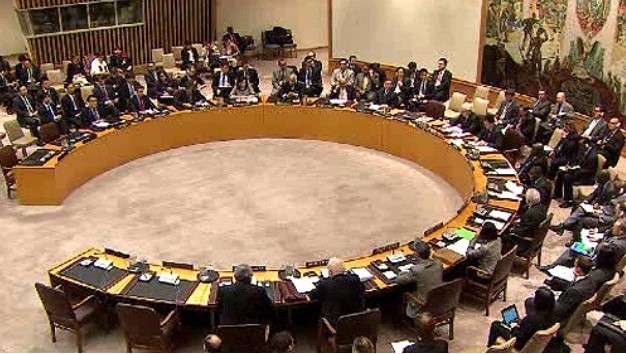
UN Human Rights Council passing the North Korea Human Rights Resolution on March 22, 2013 / Photo: SBS
Ten years since it has been published, the COI report has had a profound impact on the human rights movement. It provided a clear and detailed picture of the human rights situation in the country, and helped to galvanise international support for human rights activism. Moreover, it helped to strengthen the international legal framework for addressing human rights abuses in North Korea. The conclusion that “violations of human rights found by the commission constitute crimes against humanity” have been used to support efforts to hold the North Korean government accountable for human rights abuses, and to encourage the international community to take action to address the issue. The COI’s findings and recommendations once reverberated throughout the international community. For the first few months after the report was released, it prompted increased scrutiny and condemnation of the DPRK and catalysed efforts to hold the regime accountable for its actions. There was a moment in time in which victims and the human rights community held their breath as the UN called for North Korea’s crimes to be held accountable at the International Criminal Court. However, ten years later, the North Korean human rights issue is being met with indifference.
Since the COI for North Korea, there have been forty-four international commissions of inquiry and fact-finding missions mandated by the United Nations: Syria, Sri-Lanka, Eritrea, Yemen, Mali, Palestine, Myanmar, Ukraine… the list goes on. At the same time, there have also been proposals for less mechanisms to address human rights issues. Against the backdrop of evolving geopolitical dynamics and the ongoing conflict in Ukraine and in Gaza the North Korean human rights issue finds itself in a disheartening predicament, grappling with waning international attention and a growing sense of fatigue. While the plight of North Korea’s population remains deeply troubling under Kim Jong Un’s continued isolation of the country, the shifting global focus has had profound implications for the prioritisation of this critical concern.
While human rights issues are met increasingly with a shrug, North Korea’s supply of munitions to Russia has dominated international headlines as the geopolitical realities once again overshadowed human security. The North Korean conundrum is characterised not only by its nuclear ambitions and security implications but also by pervasive human rights abuses that have been consistently documented over the years. Yet, the international community struggles to recognise the significance of finding a nexus between human rights and security issues in North Korea. It is increasingly evident that security and human rights in North Korea are intrinsically linked. The North Korean regime’s determination to maintain its grip on power through suppression, forced labour camps, and widespread human rights violations contributes to regional instability. These abuses can also serve as a source of discontent and desperation among North Koreans, potentially leading to further unrest or mass refugee flows. Moreover, focusing solely on security matters could signal to the North Korean leadership that human rights violations carry no consequences, thereby perpetuating a cycle of impunity. To address North Korea comprehensively, a paradigm shift is necessary. Security and human rights concerns should not be viewed as separate silos but as interconnected elements of the same complex issue.
This month, the United Nations Security Council (UNSC) held an official meeting on North Korean human rights issues, as South Korea, serving as this month's UNSC president, seeks to highlight the link between the North's security challenge and its repressive political climate. Raising human rights issues at the UNSC is essential because it connects human rights abuses to peace and security concerns. The systematic nature of North Korea’s human rights violations clearly show that the exploitation of labour, allocation of resources and prioritisation of state policy is all focused on the development of missiles. The North Korean government has failed to prioritise its people over missiles, but that does not mean the international community should do the same.
At the same time, member states should also recognise and utilise the significance of engaging the North Korean government directly on human rights issues. One example is the UN Human Rights Council’s process, known as the Universal Periodic Review (UPR). The public human rights forum enables member states to assess and evaluate each other’s human rights records. Since its first UPR in 2009, North Korea has participated in three cycles thus far and is expected to undergo its fourth review in November 2024. North Korea is known for its isolationist policies and lack of transparency when it comes to human rights issues. The UPR offers a rare opportunity for the international community to engage with North Korea on these matters. It is one of the limited channels through which North Korea participates in human rights discussions. Through the UPR, North Korea is required to submit a national report detailing its human rights situation and the measures it has taken to address human rights concerns. This report, along with information provided by civil society organisations, offers a valuable source of information about the human rights situation in North Korea. It allows for the exchange of data and perspectives among UN member states and the international community. While the UPR alone may not bring about dramatic changes in North Korea's human rights practices, it plays a crucial role in shedding light on the situation and promoting international dialogue on the issue. It offers a platform for information exchange and diplomatic engagement, which can be important steps toward addressing human rights concerns in a country that has traditionally been highly secretive and resistant to external scrutiny.
Despite the challenges that exist with the fatigue and lack of information, it is crucial to underscore that the North Korean human rights issue remains an enduring and fundamental concern. While geopolitical dynamics may ebb and flow, the urgency of addressing the grave human rights abuses within North Korea must not be forgotten. Advocates, activists, and international organisations must continue their tireless efforts to ensure that the plight of North Korea’s citizens is not lost amidst the complexities of global geopolitics and conflicts.
In the most recent human rights council resolution, member states called on the UN High Commissioner for Human Rights to "comprehensively update" the 2014 report of the UN Commission of Inquiry (COI) on human rights in North Korea and submit it to the 60th session of the Human Rights Council, which is scheduled to take place in September 2025. This is an important opportunity to provide a platform for North Korean victims, particularly those who have suffered since Kim Jong Un took power, and amplify their stories on the international stage. While the 2014 COI report certainly made a diplomatic impact and informed efforts led by civil society, only a few, if any, judicial measures have succeeded to bring even a modicum of accountability for these widespread abuses.
The COI concluded that North Korean institutions and officials have committed numerous serious human rights violations, including acts that qualify as crimes against humanity “so as to merit a criminal investigation by a competent national or international organ of justice.” However, there remains a critical gap: the limited understanding and participation of the victim and survivor community. Their involvement is crucial for a victim-centered approach to shaping the future of transitional justice and ensuring effective accountability efforts. Understanding accountability mechanisms and processes is indispensable to victims’ healing and empowerment. Victim-engagement further enhances the efficacy of accountability efforts, ensuring the collection of relevant documentation and assisting international advocacy movements intended to strengthen access to justice. An updated COI report should be used to demonstrate how widespread and systematic abuses constituting crimes against humanity have persisted under the Kim Jong Un regime. This presents a crucial opportunity to illustrate that these violations are ongoing and that accountability is urgently needed now more than ever. It is also essential that this process prioritizes the victims of these violations and serves as a platform for truth-telling within a comprehensive approach to accountability.
While the spotlight may temporarily dim, the moral imperative to address human rights abuses remains undiminished. The UN mechanisms offer a structured and diplomatic approach to addressing North Korean human rights abuses. With South Korea, Japan, and the U.S. set to be members of the UNSC in 2024, there is a unique opportunity for these countries to work together and make a meaningful impact. By leveraging their positions, advocating for change, and coordinating their strategies, they can contribute to a more hopeful future for the people of North Korea and demonstrate the UN’s commitment to upholding human rights worldwide. However, they must be prepared for the challenges and complexities that lie ahead in this endeavour.
-
PREV [Current Affairs Analysis]
-
NEXT [Column1]