

The Reality of Life for North Korean Citizens Under Judicial Oppression
Lee Jong-woo
Former Official in Charge of Judicial and Prosecution Affairs at the Workers' Party of Korea
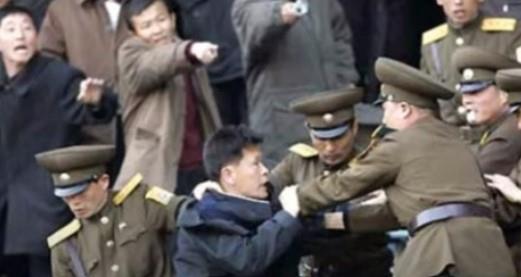
North Korea’s judicial institutions and their affiliates have faced violent backlash from citizens. During my tenure overseeing judicial and prosecution affairs for the Workers' Party of Korea, I witnessed residents venting their anger over oppressive and unjust practices, targeting not only prosecutors, judges, and state security agents but also their families in acts of revenge.
My personal experiences in North Korea included several instances of physical attacks. On one occasion, as I was riding my motorcycle home, I encountered a trap set in an alley—a rope strung at neck height. The sudden impact threw me from my bike, which continued to skid forward. Fortunately, my injuries were minor, but the attack could have been fatal. It was likely orchestrated by a family member of someone I had imprisoned, driven by a desire for vengeance. To prevent a cycle of retribution, I decided against pursuing the perpetrator and chose to let the matter drop.
Threats to judicial officials' families are commonplace. It’s not unusual for individuals to attack a judge’s spouse while the judge is at work or even kidnap their children as a form of retaliation.
After defecting and settling in South Korea, a nation governed by democracy and the rule of law, I began to understand the circumstances driving North Koreans to such desperate actions. Unlike South Korea, where judicial institutions aim to safeguard human rights, North Korea’s judicial system functions as a tool of repression, forcing citizens into submission. Victims of excessive torture, unfair trials, and draconian policies often lose their families or livelihoods. For them, striking back at the enforcers of such oppression becomes one of the few ways to express their anger and resist.
North Korean judicial officials reportedly consider the risk of retaliation when enforcing punishments. In February 2023, the Ministry of Social Security declared that violence against judicial workers or their families would be deemed “anti-Party and counter-revolutionary acts,” punishable with severe penalties. However, such harsh measures are likely to escalate tensions, as widespread dissatisfaction with oppressive policies may only incite further resistance and retaliation.
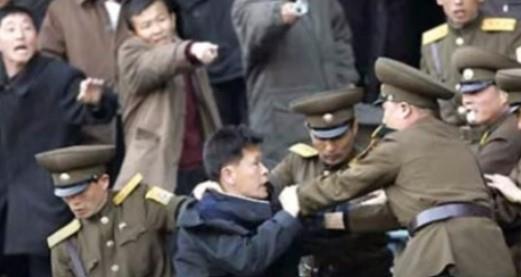
The North Korean regime has relied on an oppressive judicial system and forced law enforcement to maintain control. Yet, these tactics are increasingly backfiring. Public anger, fueled by such repression, is now turning into acts of violence that challenge the very foundation of the regime. The constant fear of retaliation faced by judicial officials starkly reveals the vulnerability of the system.
The hostility directed at judicial officials is not simply a matter of personal grievances. It reflects deeper resentment toward the judicial institutions that symbolize the regime’s oppressive nature. This vicious cycle of oppression and revenge will persist unless fundamental reforms are introduced.
The violent retribution in North Korea carries significant implications for the international community. As the regime's oppressive practices persist, citizens' anger will continue to erupt, jeopardizing both the regime’s stability and regional security. This issue extends beyond North Korea, posing a pressing challenge for its neighbors and the global community.
The international community must take note of the systemic failures and the plight of North Korean citizens. Supporting initiatives that offer alternatives to violent resistance and foster hope for change is essential. The issues of violence and repression within North Korea must not be dismissed as internal matters but addressed as part of a collective effort to uphold human rights and freedom worldwide.
Breaking the endless cycle of oppression and retaliation requires comprehensive systemic reform. The acts of vengeance by North Korean citizens are expressions of their despair and anger. Transforming this despair into hope will require the international community to offer viable alternatives to the current judicial system and take responsibility for helping citizens envision a better future.
The crisis within North Korea’s judicial system is indicative of broader vulnerabilities within the regime. To prevent further repercussions, it is crucial to hear the voices of the people and take meaningful steps toward lasting change.
-
PREV [Column]
-
NEXT [Defectors' Podium]