

North Korean Officials Criticize Kim Jong-un Over South Korean Dramas
Lee Jong-woo
Former Official in Charge of Judicial and Prosecution Affairs at the Workers' Party of Korea
In the late 1990s, the Korean Wave (Hallyu) and foreign cultural influences began reshaping North Korean society. South Korean movies and dramas quickly gained popularity, captivating the youth and even influencing government officials.
North Korean officials, myself included, were both fascinated and unsettled by South Korean culture, which revealed stark social disparities and unfamiliar sophistication. As a judicial official for the Workers' Party of Korea, I secretly watched South Korean dramas and movies—alone, with family, or trusted colleagues—and often shared them with close judicial peers.
We often gathered at my home or a friend’s place—usually someone from the Ministry of State Security—to watch popular South Korean dramas. Afterward, we would summarize the stories, share our thoughts, or playfully mimic the characters’ speech patterns. One colleague was struck by the depiction of pure love and family bonds, saying, “These are stories we can barely imagine in our reality.” Others kept things light by imitating the characters and joking about their mannerisms.
A friend from the Ministry of State Security, while watching a South Korean film, was astonished by its advanced production quality, remarking, “It’s incredible that South Korean filmmaking has reached this level. Should we simply treat this as something to ban?” Another judicial official suggested that creating similar dramas might let North Koreans enjoy entertainment without undermining the loyalty.
Watching these dramas with our families gave us a chance to experience South Korean culture and values firsthand. Titles, phrases, and expressions from the shows became popular in our households, and before long, South Korean terms found their way into our daily conversations as officials.
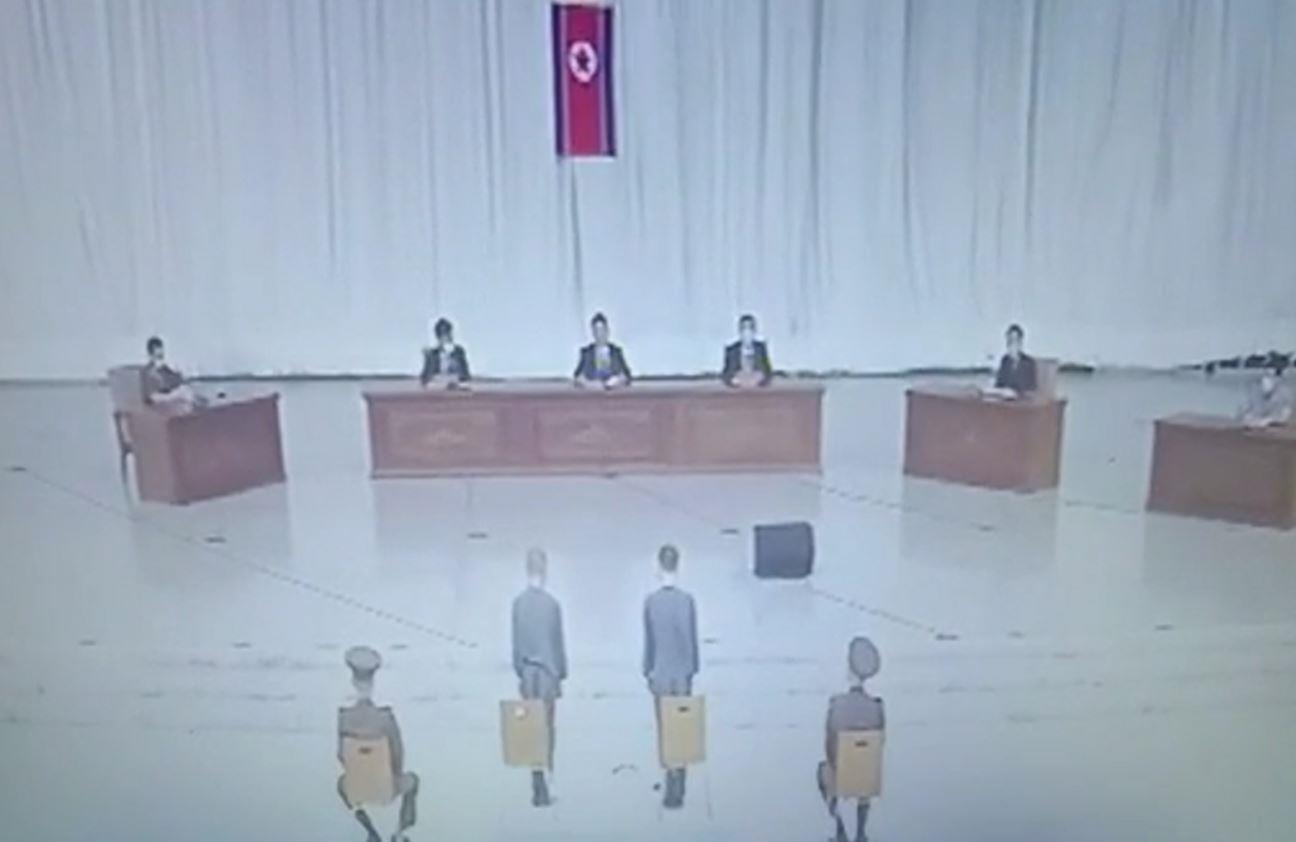
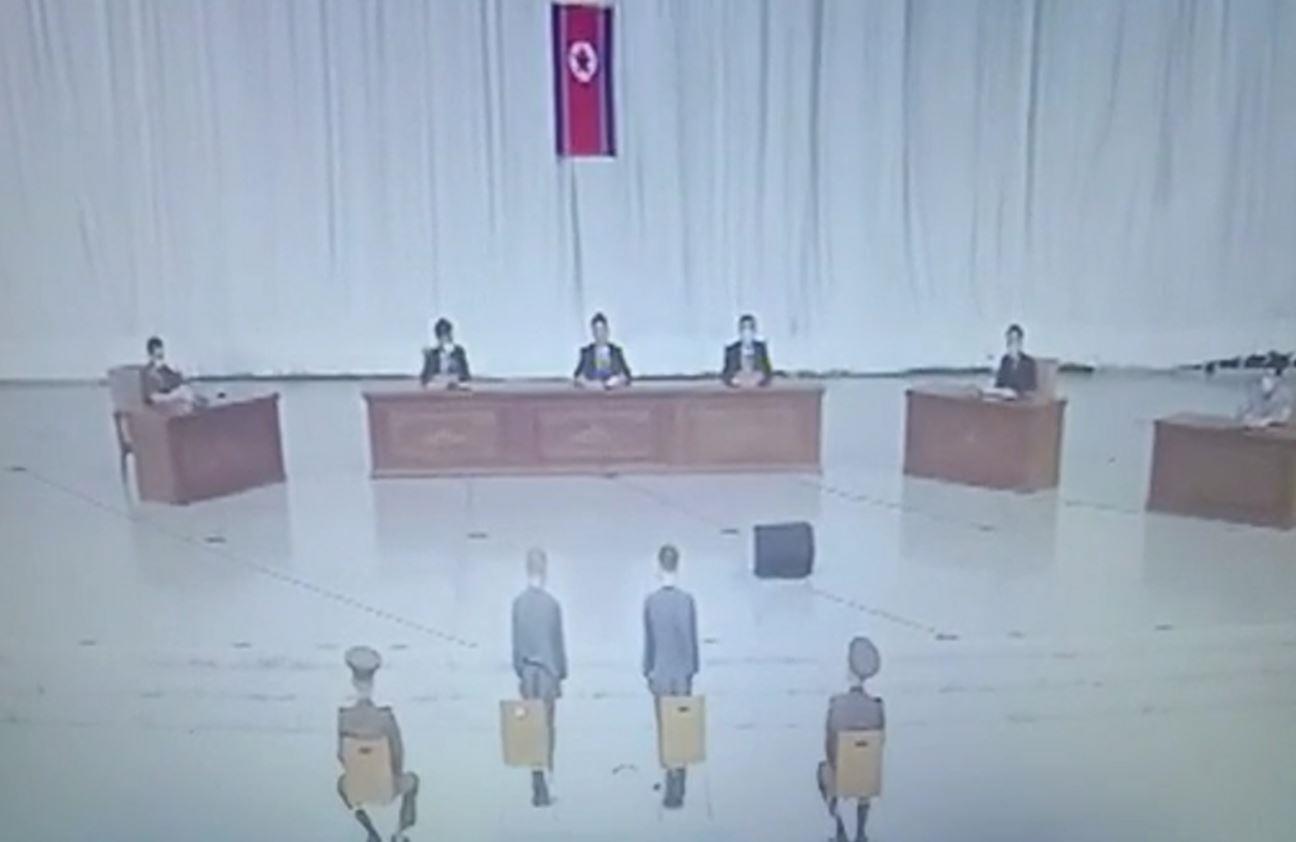
North Koreans on trial for watching South Korean dramas/SAND newsletter team
For us, South Korean media was more than entertainment—it offered a glimpse into a freer, more sophisticated world, highlighting the stark contrast with our restrictive regime and sparking dissatisfaction.
In some cases, some officials’ loyalty began to falter. Where they once shed tears of devotion at the sight of Kim Jong-un’s image on TV, many now turned off the screen when he appeared. Prolonged economic hardship fueled this discontent, and comparisons with South Korean dramas led to open criticism of Kim’s policies. Some even secretly referred to him by the mocking nickname Jjoman-sae (“shorty”), reflecting their growing disillusionment.
The influence of South Korean media extended beyond the public, penetrating North Korea’s power structures. Alarmed, the regime held emergency meetings, with the WPK’s Propaganda and Agitation Department warning that such content was eroding loyalty to Kim Jong-un and the Party. In response, they formed the “109 Grupa,” a task force involving the Ministry of State Security, judicial institutions, the Socialist Patriotic Youth League, and the People’s Committees, to crack down on foreign media consumption.
The 109 Grupa’s methods were thorough and invasive. Inspectors visited our homes, checked devices for unauthorized content, and even measured the temperature of video players to detect recent usage. To evade detection, we devised clever strategies, turning these efforts into organized drills. Knowing inspectors checked video player temperatures, we kept two devices: one for show and another for actual use, quickly swapping and hiding the latter under blankets or in closets during inspections. We also practiced cooling recently used players and assigning family roles to act efficiently when inspections were anticipated.
We even rehearsed responses for random inspections, practicing lines like “We weren’t watching anything” to make them sound convincing. We prepared hiding spots for CDs or USB drives so they could be quickly retrieved after inspectors left. At home, we ran several drills, pretending inspectors had barged in, swiftly hiding items and staying calm. We also collaborated with neighbors, using discreet signals—like specific sounds or gestures—to warn each other of inspections and buy extra time to conceal restricted materials.
We were not immune to these crackdowns. Some of us openly discussed countermeasures during briefings, asking one another, “Is your family also preparing for inspections?” Despite our precautions, the risk of punishment remained severe. Those caught could face arrest, confiscation of property, or even deportation to political prison camps.
Yet, the Korean Wave proved resilient. We continued watching South Korean dramas, and they remain popular as people use increasingly sophisticated and covert methods to bypass government scrutiny. The cultural appeal of South Korean content has transcended the regime’s efforts to suppress it, becoming both a symbol of resistance and a harbinger of change.
The rise of Hallyu in North Korea is more than a cultural trend—it reveals cracks in the regime’s control. Even under Kim Jong-un, South Korean culture challenges loyalty to the state and sparks hope for freedom. As the saying goes, “The will of the people is the will of heaven.” Despite strict crackdowns and laws like the "Reactionary Ideology and Culture Rejection Law," North Koreans' admiration for South Korean culture and desire for change persist.