

Between Two Flags — And Reading ‘Facing History’
Lee Eun-pyeong,
President, Unification Talent Development Association
I escaped North Korea.
I was born and raised in the North—once singing for the Supreme Leader, wearing a red scarf, and joining the Socialist Patriotic Youth League. Now, I’m in a Seoul university classroom, writing these words.
Not long ago, a professor recommended Facing History: A Historian’s Korean War Diary by Kim Sung-chil, a historian at Seoul National University. While most South Koreans know the Korean War well, the book held a very different meaning for someone like me—raised in the North.
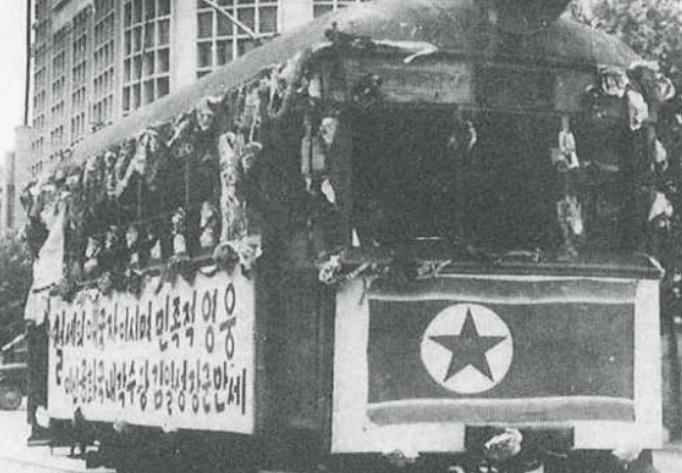
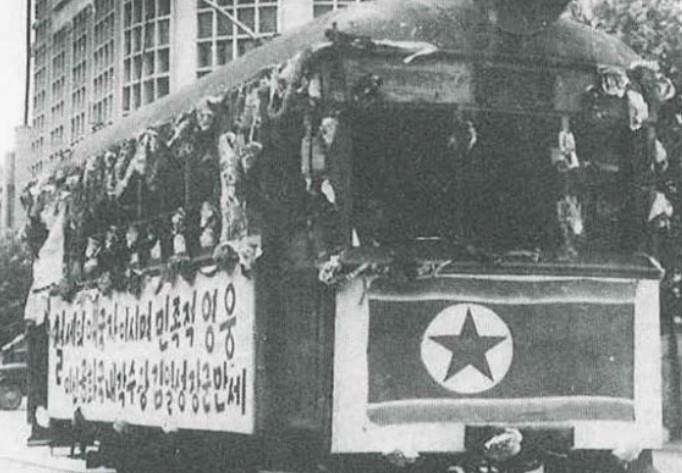
As I turned each page, I felt both distant and strangely familiar. The North Korean troops entering Seoul, replacing the Taegeukgi with their own flag, mirrored scenes I saw growing up. Under that red banner, we learned everything—believing it was the only truth.
Professor Kim wrote with quiet honesty about the fear, confusion, and helplessness of those days. He first admired the discipline of Northern troops, but soon grew disillusioned by their propaganda, violence, and the hunger they brought. Reading that, I lowered my gaze—his reflections mirrored my own path: believing lies, unaware of the truth.
One line struck a chord with me: “It felt like a long-lost brother had come home.”
That’s how the people of Seoul initially viewed the North Korean soldiers. But when those “brothers” soon turned weapons on them, the public longed for liberation—even if it meant enduring U.S. bombings.
That part made me think of my own family, still in the North.
I couldn’t hold back tears reading about Seoul’s liberation and the return of the Taegeukgi. Kim’s wife took theirs from a closet. I remembered doing the same when I arrived in the South—quietly hanging a small flag in my worn-out room. No one saw it, but each night I looked at it and whispered, “This is my country now.”
This book made me reflect on the two flags that have shaped my life.
The red badge I wore as a child, the North Korean flag fluttering in the schoolyard, and now the Taegeukgi in my hands—its colors of blue, red, and black flowing together like a promise.
Professor Kim’s diary gives voice to the pain and hope of those caught between two nations. Though today’s Seoul is vastly different from the war-torn city he described, the truth remains: freedom is priceless.
Even today, in the university library, I make a quiet vow. I will never again live under a false banner. I may not be able to rewrite history, but I can choose to live truthfully today. That, above all, is what Facing History has taught me.