

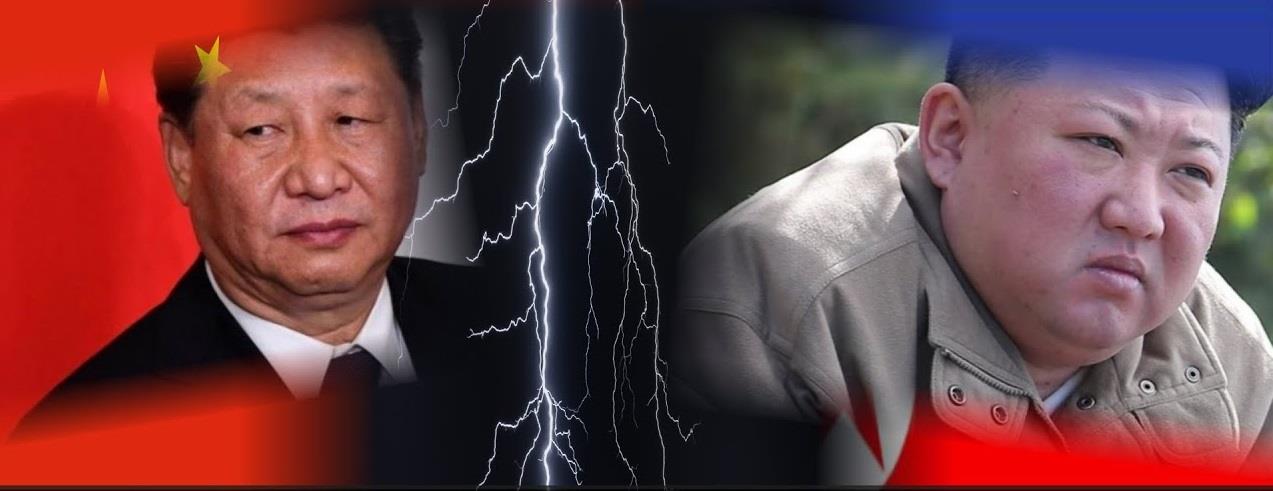
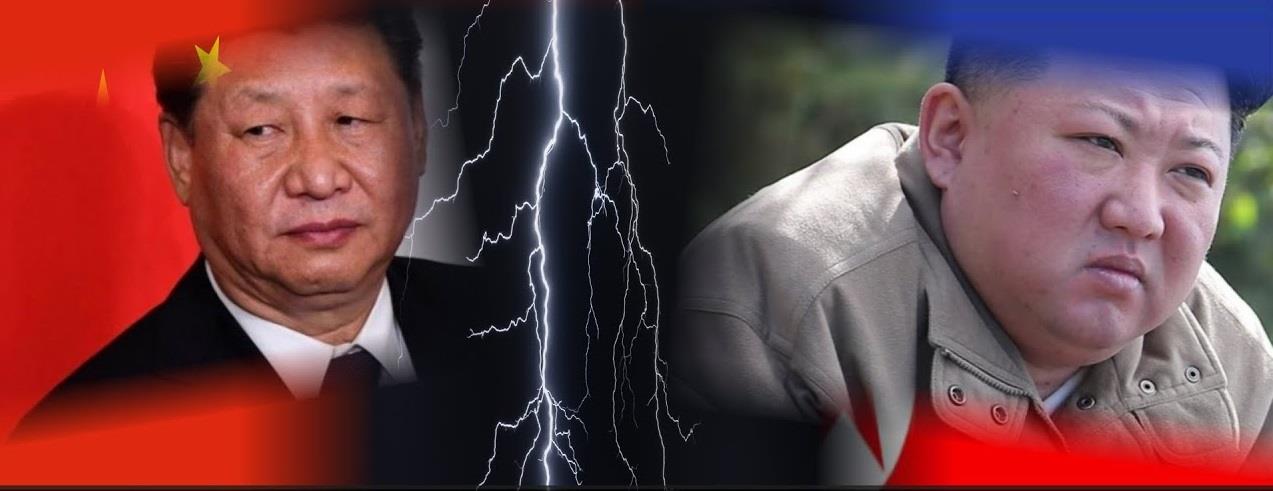
Chilly DPRK-China Ties Mark 75 Years as Closing Ceremony Is Scrapped

Kim Dong-soo
Former North Korean Diplomat / Ph.D. in Political Science
The "Year of DPRK-China Friendship," which began in April, has yet to conclude with its planned closing ceremony as December nears its end. On November 26, a Chinese Foreign Ministry spokesperson sidestepped questions about the event, stating, “If there is any news, we will announce it promptly.” With both nations focused on year-end activities, the ceremony appears to have been quietly shelved.
This year, marking the 75th anniversary of DPRK-China diplomatic ties, the "Year of Friendship" began with an April ceremony in Pyongyang. Zhao Leji, China’s third-ranking official, attended and met Kim Jong-un, highlighting their apparent camaraderie.
Zhao’s visit was notable, as he was the highest-ranking Chinese official to travel to Pyongyang since North Korea sealed its borders due to the COVID-19 pandemic in 2020. At the time, optimism surged about the potential resumption of exchanges between the two countries. However, since April, there have been no high-level interactions, hinting at continued friction in the bilateral relationship.
The absence of Chinese Ambassador Wang Yajun at July’s Korean War Armistice commemoration in Pyongyang was striking. Given China’s historic role in aiding North Korea during the war and signing the armistice, the snub was highly unusual and underscored strained relations.
sand
DPRK-China relations have experienced turbulence long before Xi Jinping’s presidency. Though often called a “blood alliance,” their ties have fluctuated with political circumstances. While the Korean War solidified their bond during Kim Il-sung’s era, the Cultural Revolution in China caused significant strain before relations were later repaired.
Under Kim Jong-il, relations deteriorated again as North Korea distanced itself from China following Beijing’s 1992 diplomatic ties with South Korea. Pyongyang criticized China’s capitalist shift and pursued nuclear weapons, citing growing distrust of its neighbor.
Kim Jong-il frequently warned that in the event of war or sudden upheaval on the Korean Peninsula, China would be the first to betray North Korea. He criticized China harshly, claiming it would undermine North Korea with the "capitalist mindset" and urged officials to resist China’s great power chauvinism.
He advised his officials to resist China’s influence, even instructing them to avoid meeting Chinese officials when transiting through Beijing. As a result, North Korean delegations often avoided leaving the airport during layovers in China.
Kim Jong-un’s era saw further deterioration in relations, especially due to nuclear tests and missile launches. Although Kim and Xi Jinping held an emergency meeting before the 2018 U.S.-North Korea summit, mutual distrust persisted. Publicly, Kim Jong-un emphasized the alliance, but privately, he viewed China as an adversary.
This sentiment was echoed in remarks revealed in former U.S. Secretary of State Mike Pompeo’s memoir. According to Pompeo, Kim told Donald Trump, “I don’t trust China, especially Xi Jinping. U.S. forces in South Korea are a vital shield against China’s military influence in Northeast Asia. It’s essential to develop U.S.-North Korea ties to counterbalance China.” Xi Jinping was reportedly furious when he learned of this.
In response, Xi allegedly ordered a halt to Chinese aid to North Korea and the repatriation of North Korean workers from China, while prioritizing economic ties with South Korea.
The recent deployment of North Korean troops to Russia has only worsened the situation. China views this move as disregarding its security concerns and has expressed its discontent. As a result, the once-vaunted “blood alliance” now appears to have devolved into little more than superficial diplomatic gestures.
Under Xi Jinping, DPRK-China relations are likely to remain largely symbolic, confined to formalities like exchanging National Day greetings. Meanwhile, North Korea is focused on internal stability and strengthening ties with Russia, rather than rebuilding its partnership with China.
The abandoned closing ceremony for the "Year of DPRK-China Friendship" symbolizes the growing rift between the two nations. It highlights their strained relations and reflects shifting dynamics on the Korean Peninsula, presenting South Korea with both opportunities and challenges in navigating the region's complex geopolitics.