

Marketing In North Korea (17)
- The Smiling Faces of Socialism: North Korea’s Brand Characters
Why Is Brand Character Important?

Jeon Byung-kil
Senior Consultant of YESInnovation
former of Secretary General of UniKorea Foundation
What do KFC, Pringles, Duracell, Michelin, Coca-Cola, and Jinro have in common? They all use mascots to connect with people. KFC has Colonel Sanders, Pringles has Mr. P (the guy with the mustache), Duracell has the pink bunny, Michelin has the white, puffy Michelin Man, Coca-Cola has the polar bear, and Jinro has the toad. These mascots instantly remind us of their brands—no need for a long explanation.
A brand character (or mascot) is a fictional person, animal, or even an object that represents a brand. It doesn’t have to be a real person or creature, but it’s usually designed with human-like features so people can relate to it. Since a brand’s values and identity can be hard to explain in words, a fun and recognizable mascot makes it easier for consumers to connect with the brand.
Marketing is all about building connections. But words and flashy designs can only do so much. A character is simple and visual, which makes it more powerful. Instead of reading a long explanation, people can instantly understand a brand’s message just by seeing its mascot. This makes the brand feel more like a familiar friend.
Brand mascots also create emotions. They can make people feel happy, nostalgic, excited, or comforted. Their expressions, poses, and movements bring the brand to life. Over time, people start to see the mascot as a reflection of the brand itself, forming a strong emotional connection.
North Korea's Brand Characters
To create a successful product, several factors matter—design, usefulness, uniqueness, and affordability. Since Kim Jong-un took power in 2012, North Korea has been focusing more on design. Since the 2000s, it has copied foreign products and their brand mascots. For example, it has made products featuring Japan’s Hello Kitty, children’s clothing with "Lots-o'-Huggin' Bear" (the pink bear from Toy Story 3), and sweets with a character resembling Winnie the Pooh.
However, North Korea has not just copied foreign brands; it has also developed its own. Some of these brands have even been registered internationally with the World Intellectual Property Organization (WIPO). Among them, five feature mascot-like characters:
● Samjiyon Potato Powder Production Factory
● Rhyukyong Mushroom Factory
● Rhyukyong Kimchi Factory
● Taesongsan Ice Cream Factory
● ‘Konmangul’, Pyongyang Children's Foodstuff Factory
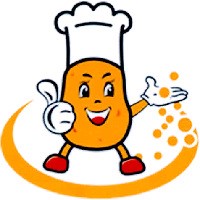
Samjiyon Potato Powder Production Factory
This factory, located in Samjiyon, Ryanggang Province, specializes in potato flour. The region is known for its high-quality potatoes. The brand’s mascot is a potato-shaped character wearing a sanitary cap, tossing potatoes in the air and giving a thumbs-up.
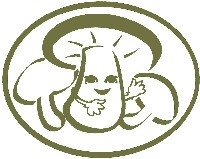
Rhyukyong Mushroom Factory
This brand features an anthropomorphic mushroom character holding another mushroom in its hand. North Korea actively promotes mushroom farming, considering mushrooms a key agricultural product alongside ginseng. Mushrooms are seen as a luxury food item in North Korea.
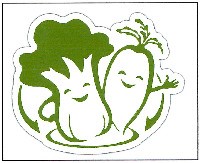
Rhyukyong Kimchi Factory
Located in Pyongyang, this factory produces not just kimchi but also pickles and processed mushrooms. Its products are especially popular among housewives in Pyongyang. The factory’s mascot represents the main ingredients of kimchi—Kimchi cabbage and radish—personified into a friendly character.
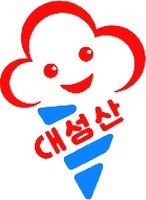
Taesongsan Ice Cream Factory
This company produces ice cream and uses a simple, recognizable logo: an ice cream cone with the word Taesongsan wrapped around it. North Korea registered this trademark with WIPO before launching production in 2023.
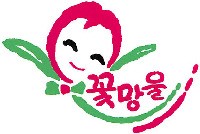
‘Konmangul’, Pyongyang Children's Foodstuff Factory
This factory produces baby food, including soy milk and powdered milk, which are popular among Pyongyang parents. The factory’s logo is a flower, representing childhood innocence and joy. The mascot’s name, Konmangul, means "flower bud."
"Clever Raccoon Dog" as a Children's Product Mascot
Since Kim Jong-un took power, North Korea has started using animated characters on children's products. One of the most popular is Clever Raccoon Dog, a character from a well-known North Korean animated series.
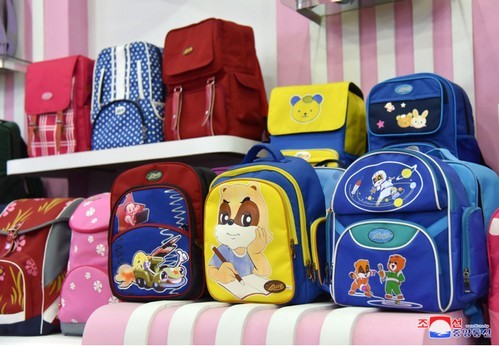
Clever Raccoon Dog first aired in 1987 and has over 60 episodes. The main character is a smart raccoon with a big belly and short legs. He is joined by his friends—a clueless but lovable bear and a cute cat.
The show helps children learn about subjects like math, physics, chemistry, and biology in a fun way. In each episode, the raccoon uses scientific knowledge to solve problems while playing or competing with his friends. Because of its popularity, Clever Raccoon Dog has been featured on various children's products, including backpacks, notebooks, and soy milk packaging.
Despite economic difficulties, North Korean authorities are working to provide basic school supplies and nutritious snacks. To make these products more appealing to kids, they have put Clever Raccoon Dog on them.
North Korean Brand Characters: Going Global
Right now, North Korea’s brand characters are mostly copies of foreign ones or used on a limited number of products. However, to build a strong brand identity, North Korea needs a more strategic approach. Instead of just promoting products, unique characters should be developed to create emotional connections with consumers and reflect North Korean culture and values.
To achieve this, storytelling is key. A good story helps consumers naturally connect with a brand’s identity and values. The design should also blend tradition with modern elements to make the characters more appealing. Additionally, these characters should be adapted for digital and global markets. Most importantly, they should provide a friendly and emotional brand experience that people can relate to.
For a North Korean brand character to succeed, it must become more than just a marketing tool—it should represent the brand’s identity. By using characters to tell compelling stories and build long-term relationships with consumers, North Korean brand characters can gain greater influence both at home and abroad.