

North Korea’s “20x10 Regional Development Policy”:
Current Status and Future Outlook

Kang Mi-jin
CEO, NK Investment Development
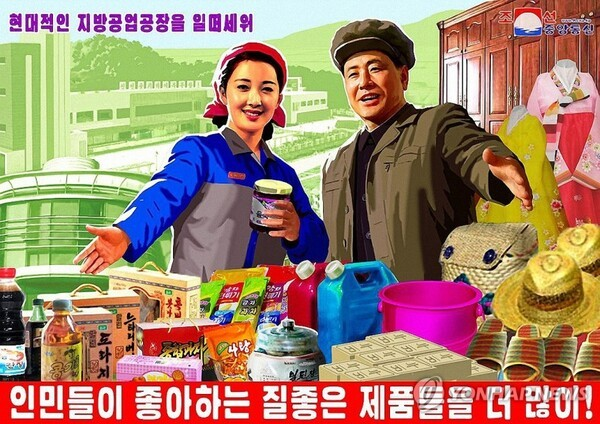
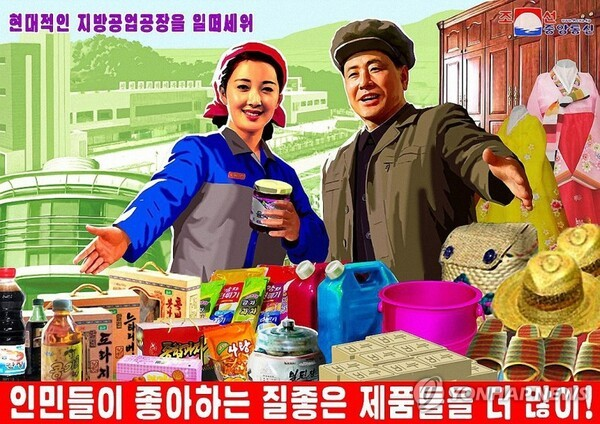
North Korea unveiled its “20x10 Regional Development Policy” at the 10th Session of the 14th Supreme People’s Assembly in January 2024, outlining plans to build modern industrial factories in 20 counties each year. The goal is to raise material and cultural living standards nationwide within a decade.
To implement the policy, the government formed a central temporary committee and corresponding provincial bodies. The first project began in Songchon County, South Phyongan Province, followed by similar initiatives in 20 other regions.
North Korean state media, including the Rodong Sinmun, has actively promoted the policy by highlighting factory completion ceremonies and early production achievements. Images of smiling residents and functioning facilities present an optimistic narrative.
However, observers remain skeptical about its viability under ongoing international sanctions. While some analysts view it as a strategic effort by the Kim Jong-un regime to boost living standards and narrow urban–rural and industrial–agricultural divides, doubts persist over the regime’s ability to secure sustainable funding.
A domestic research institute suggests that if successful, the policy could improve local living conditions by expanding consumer goods supply and stimulating regional markets, ultimately reducing the central government’s financial burden. Flexible pricing of light industrial goods may also boost market activity and promote decentralization in production, consumption, and trade.
However, the same report concluded that the policy’s broader political and economic impact would likely be limited. Some South Korean media echoed this concern, warning it could even deepen regional imbalances.
Inside North Korea, public opinions about the policy are also split. On the positive side, residents appreciate being able to purchase daily necessities locally, saving time and money while enjoying greater convenience. They also noted that economic returns from locally produced goods are helping to drive regional economic growth.
On the other hand, some respondents raised concerns about long-term sustainability, particularly regarding the availability of raw materials. One local investigator remarked, “We’re currently managing, but if raw materials take years to cultivate or are in short supply, we’ll need careful planning to keep production stable.” These concerns point to the importance of securing reliable material bases to sustain the initiative.
The “20x10 Regional Development Policy” originated in Kimhwa County, Kangwon Province, where the government launched housing reconstruction following typhoon and flood damage in 2020. Alongside this, the county independently set up textile, paper, and household goods factories on a former food plant site. To support production, it established a raw material forest and expanded sesame farming.
These efforts laid a strong foundation, making Kimhwa a model for nationwide development. Local production based on local resources became a key principle. Today, Kimhwa produces various light industrial goods, including soap from oil by-products, and even sells cooking oil at lower prices than neighboring areas—earning admiration from nearby counties. North Korea now aims to scale this model across the country through the 20x10 policy.
Through its research, NKID identified both positive outcomes and resident concerns. Some of the challenges appeared to be region-specific. For example, while certain areas had sufficient labor and resources, others assigned recent high school graduates to factories regardless of their educational background, causing discomfort for those placed in unfamiliar roles.
Another issue emerged when workers were relocated to factories farther from their homes, leading to longer commutes and the need to purchase bicycles for transportation. In the past, many residents could walk to nearby workplaces, but these relocations have disrupted that convenience.
These inconveniences, however, are relatively minor compared to broader concerns. A more pressing issue is whether the factories can operate sustainably over time. Residents are increasingly being mobilized to help develop raw material bases, often through voluntary efforts that can unintentionally pressure others to follow suit.
For instance, when the wives of certain local officials volunteered, others felt compelled to participate as well. The government has also started offering incentives to volunteers, using their participation as a model to encourage broader involvement.
Regions with abundant natural resources such as seafood, chestnuts, or wild berries tend to have more stable access to raw materials. In contrast, areas without these advantages face greater challenges and are forced to invest significant effort into developing their own resource bases, leading to disparities in productivity. Sales channels also differ depending on the region.
In some cases, products from resource-rich areas are exported to countries like China or Russia, while factories producing everyday goods for domestic use must rely on local markets, which offer lower profit margins. To bridge these gaps, North Korea has been actively promoting successful factories and organizing experience-sharing programs aimed at spreading best practices across the country.
One frequently cited issue is the poor packaging quality of domestically produced goods, even when the products themselves are of decent quality. North Korean food, health supplements, and alcohol are often labeled as “natural,” a designation that appeals to consumers in China and elsewhere.
Producers hope to expand into export markets, but subpar packaging remains a significant barrier. Improving this aspect could substantially boost the export potential of locally made products.
Since its launch, the “20x10 Regional Development Policy” has evolved beyond industrial factories to include hospitals, schools, cultural centers, and grain facilities. While this broader rollout reflects ambitious goals, it has raised concerns about whether essential equipment and materials for institutions like hospitals and schools can be consistently secured.
One field investigator pointed out that the site designated for Kangdong General Hospital near Pyongyang was previously farmland, suggesting that food production may be losing priority. At the same time, building modern medical facilities demands substantial investment in equipment and infrastructure, adding to financial strain.
These challenges are compounded by the large-scale housing projects currently underway in Pyongyang, further increasing the overall burden of realizing the 20x10 policy.
Expectations for the policy’s success remain divided. However, NK Investment Development presents a more optimistic perspective. As North Korea deepens its ties with Russia and gradually restores relations with China, financial pressures may begin to ease. Strengthened diplomatic ties could also help open new trade routes for goods produced in regional factories.
If the policy is effectively carried out, it could help modernize North Korea’s economic structure, stimulate market development, and improve the livelihoods of its citizens. Furthermore, by establishing efficient distribution networks among regional factories and encouraging the exchange of locally produced specialty goods, the country could narrow regional disparities.
In the long run, the ambitious ‘20x10 Regional Development Policy’ may even contribute to raising the average GDP of the North Korean population.
-
PREV [Feature Article]
-
NEXT [Analysis and suggestion]