

South Korea-Russia Relations: Once Again Trapped in a Cold War Structure

Eom Gu-ho
Professor, Graduate School of International Studies, Hanyang University
September 30 marks the 35th anniversary of diplomatic relations between South Korea and Russia. The establishment of diplomatic ties with the Soviet Union in 1990 was one of the most consequential developments in modern South Korean diplomacy. With the advent of Gorbachev’s “New Thinking” diplomacy in 1985, an atmosphere of reconciliation emerged between the Soviet Union and the West.
The Roh Tae-woo administration seized this opportunity through its “Northern Policy,” securing relations not only with Moscow, but also with Beijing and Eastern Europe. These breakthroughs elevated South Korea’s international standing, fueled its economic transformation, and, above all, offered a pathway out of the Cold War constraints that had long defined the Korean Peninsula.
The trajectory of South Korea-Russia relations has, at times, been productive. In 2008, the bilateral relationship was upgraded to a “strategic cooperative partnership,” and South Korea became Russia’s fifth-largest trading partner.
However, the relationship began to contract following Moscow’s annexation of Crimea in 2014 and the subsequent imposition of Western sanctions. Hopes for normalization after the Minsk Agreement were derailed by the COVID-19 pandemic, and with the onset of the Russia-Ukraine war in February 2022, ties deteriorated to their lowest point since 1990.
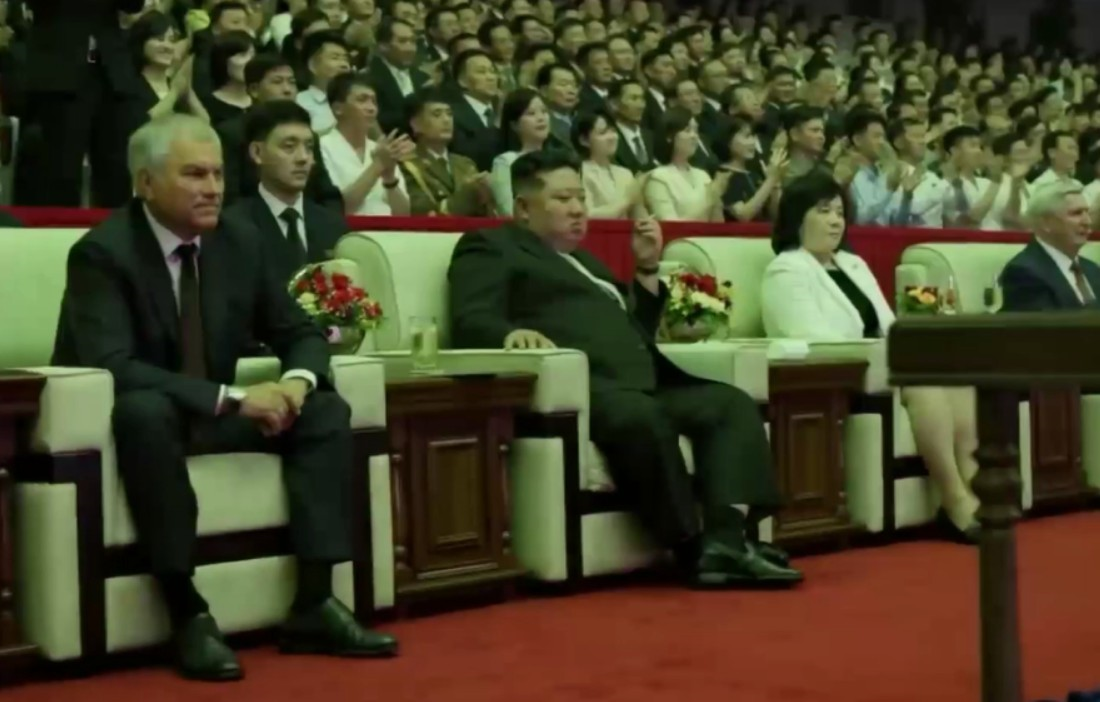
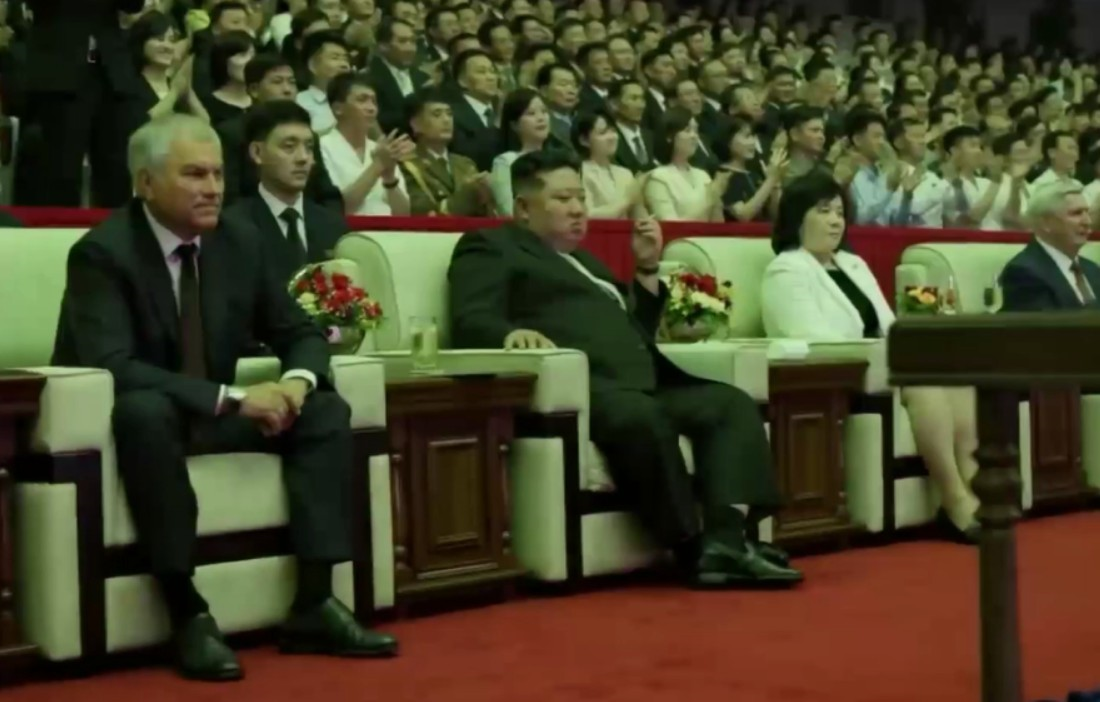
More troubling still, Moscow has drawn closer to Pyongyang, shifting from a position supportive of denuclearization to one that tacitly accepts North Korea’s nuclear arsenal, while deepening security cooperation with Pyongyang as part of its broader strategic realignment.
As global geopolitical fault lines have hardened, trilateral cooperation among North Korea, China, and Russia has expanded in parallel with South Korea’s strengthened security ties with the United States and Japan—reviving the specter of Cold War confrontation on the Peninsula.
With the political transitions underway in Washington and Seoul, discussions have begun regarding the potential for recalibrating South Korea-Russia relations. Although the outcome of the Russia-Ukraine conflict remains uncertain, its protracted nature has imposed severe costs on the international community.
In this context, Seoul must consider restoring relations with Moscow—if only partially—to blunt North Korea-Russia rapprochement and to mitigate the difficulties faced by South Korean businesses.
The Risks of a Renewed Cold War Structure
South Korean diplomacy must proceed from a clear recognition: a Cold War-style divide on the Peninsula represents a strategic dead end. For a resource-poor, export-driven economy, disruptions in supply chains and trade networks undermine both economic resilience and foreign policy autonomy.
The dynamism unleashed by South Korean engagement in Eurasia after 1990, and the precedent of Chinese and Russian support for UN sanctions on North Korea in 2017, demonstrate that Seoul’s interests are best served by sustaining cooperative ties with both Moscow and Beijing—while maintaining the strength of the U.S.-ROK alliance.
Principles for Restoring South Korea-Russia Relations
First, coordination with the United States is essential. Seoul’s ties with Moscow have historically been shaped by the broader U.S.-Russia relationship. In the current climate of heightened geopolitical competition, initiatives such as dispatching special envoys or reopening direct flights absent prior U.S. consultation would invite backlash from the West.
South Korea should prioritize steps that strengthen both ROK-U.S. and ROK-Russia relations. For instance, leading discussions with Moscow on the North Korean nuclear issue—pressing Russia to adopt a more forward-leaning position—would serve both alliances. Likewise, joint ventures in areas such as Arctic energy development could be structured to include U.S. participation, aligning the ROK-Russia agenda with broader transatlantic priorities.
Second, subnational engagement should complement central government diplomacy. Local governments face fewer political constraints and can provide a foundation for renewed cooperation. During the Moon Jae-in administration, a local cooperation forum brought together 18 regional governments from Russia’s Far East and Arctic.
The current administration’s plans to position Busan as a logistics hub for the Arctic shipping route, supported by industrial clusters in Busan, Ulsan, and Gyeongsangnam-do, could serve as a basis for practical cooperation in this forum.
Third, humanitarian cooperation should take precedence over commercial interests. Even if hostilities in Ukraine cease, sanctions on Russia are likely to endure. Humanitarian projects, however, may be exempt from such restrictions. With Moscow now shifting its Far East policy from infrastructure development to improving quality of life—including education, healthcare, and housing—South Korea could support these areas without entangling itself in sanctions-sensitive investment projects.
Fourth, cultural engagement should be prioritized alongside humanitarian efforts. Despite strained political relations, South Korean cultural exports continue to resonate deeply in Russia. With major Western streaming platforms having exited the Russian market, Korean dramas and films account for a significant share of Russian OTT content.
Enrollment in Korean studies programs is rising, and K-pop enjoys widespread popularity. Given Russia’s rich cultural tradition and high cultural sensitivity, Seoul should consider targeted investment in cultural industries and digital commerce rather than traditional manufacturing.
Russia’s Role in the North Korea Question
Ultimately, a durable breakthrough in ROK-Russia relations hinges on Moscow’s approach to the Korean Peninsula. North Korea’s foreign policy is driven by geopolitical imperatives, making its alignment with Russia likely to persist in the near term. Yet Russia retains influence over Pyongyang’s diplomatic posture.
If Moscow were to share Seoul’s perspective on denuclearization and lend support to efforts such as the resumption of inter-Korean dialogue, North Korea would find it harder to resist engagement. In turn, this would lay the groundwork for meaningful improvement in ROK-Russia ties, particularly in the security sphere.
Conclusion
Official and private-sector communication between South Korea and Russia has been largely dormant since the onset of the COVID-19 pandemic. After five years of stagnation, it would be unrealistic to expect a rapid restoration of ties. What is both necessary and feasible at this stage is the activation of multiple communication channels and the pursuit of sustained, candid dialogue. South Korea and Russia remain partners whose importance to one another cannot be disregarded.
-
PREV [Analysis and suggestion]
-
NEXT [Feature Article]