

North Korean Otaku in Japan and Japanese Culture in North Korea:
Which Japanese Songs Captivated North Koreans?
Lee Young-mi
North Korean Defector of Repatriated Korean Descent Residing in Japan
The Hallyu (Korean Wave) phenomenon has sparked a significant increase in the number of Japanese people interested in learning Korean. Likewise, a fascination with Japan has emerged in Korea’s travel and culture sectors. These trends are helping to build friendly relations between the two countries at a civilian level.
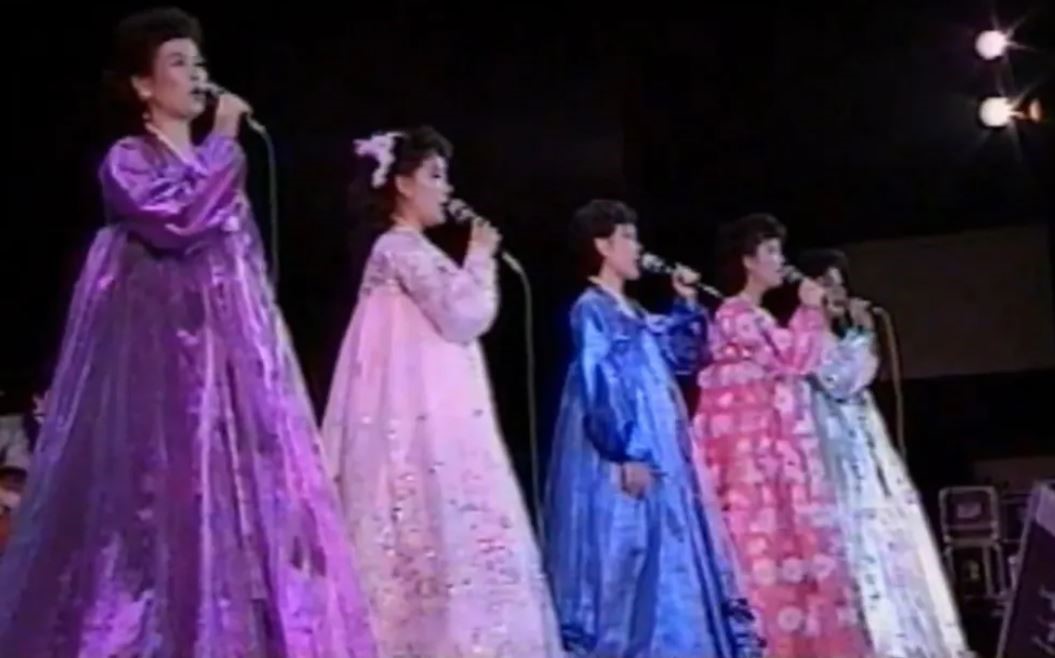
In 1991, singers from North Korea’s Pochonbo Electronic Ensemble visited Japan and performed / Namuwiki.
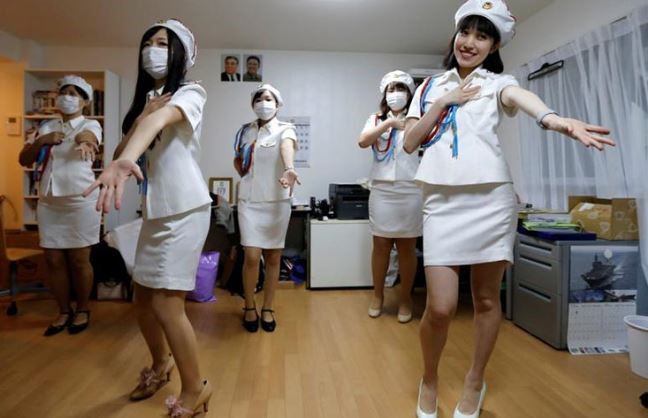
In 2017, a group of Japanese women who enjoy North Korean music and culture, called Sen-gun Girls,
dressed up as the North Korean girl group Moranbong Band / BBC News Japan.
Despite the halt in exchanges between North Korea and Japan, there are North Korean 'otaku' (enthusiasts) in Japan who are as devoted to North Korean culture as members of the General Association of Korean Residents in Japan.
How does North Korea, which rejects capitalist ideologies and culture, embrace Korean and Japanese cultures? While the Hallyu wave in North Korea is widely recognized, the perception of Japanese culture among North Koreans is less understood.
After the 1945 liberation and severing ties with Japan, North Korea established the General Association of Korean Residents in Japan in 1955. Beginning in 1959, the ‘great migration from capitalism to socialism’ saw 93,340 Koreans in Japan relocate to North Korea, introducing Japanese culture there.
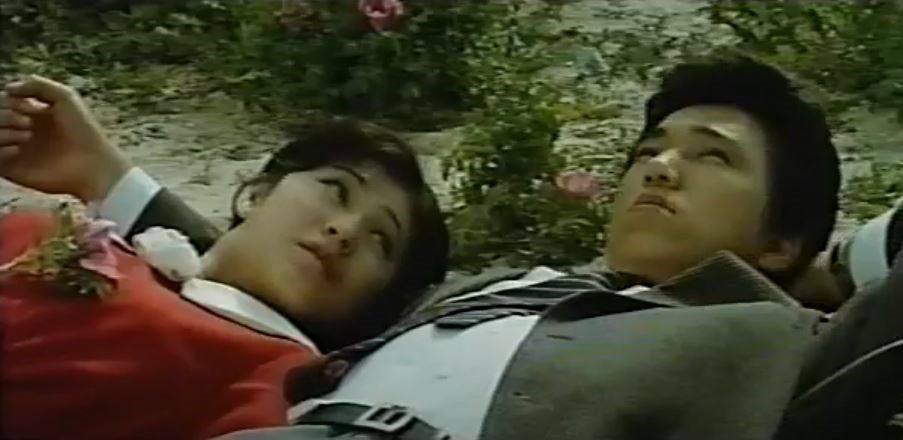
A scene from the North Korean movie ‘Thaw of Spring Day,’ depicting the love between young repatriates in Japan
/ Captured on YouTube
North Koreans, who were used to the rigid socialist cultures of the Soviet Union and China, were able to experience the softer capitalist culture of Japan through these repatriates.
Japanese cars, household appliances, clothing, and daily necessities brought by the repatriates were highly popular in North Korea as they were top-quality products rarely found domestically.
Ko Yong-hui, the mother of North Korean leader Kim Jong-un, was a repatriated Korean who settled in North Korea after arriving on a repatriation ship in 1962. Originally from Osaka, she caught the attention of Kim Jong-il while dancing with the Mansudae Art Troupe and became his consort, giving birth to Kim Jong-chol, Kim Jong-un, and Kim Yo-jong.
In 1982, Kim Jong-il invited Japanese chef Kenji Fujimoto to be his personal chef. Fujimoto developed a close relationship with the young Kim Jong-un and Kim Yo-jong. Their familiarity with Japanese culture, influenced by their repatriated Korean mother, was further deepened through this interaction.
Cultural exchanges between North Korea and Japan were mainly through the General Association of Korean Residents in Japan. In the early 1980s, North Korea produced films like ‘Silver Rod-like Hairpin’ and ‘Thaw of Spring Day’ based on the association. Despite criticizing capitalist Japan, these films offered North Koreans a glimpse into Japanese progress, and their theme songs became popular in North Korea.
The 1984 Joint Venture Law enabled North Korea to attract companies and funds from the General Association of Korean Residents in Japan, boosting understanding of the Japanese economy and culture.
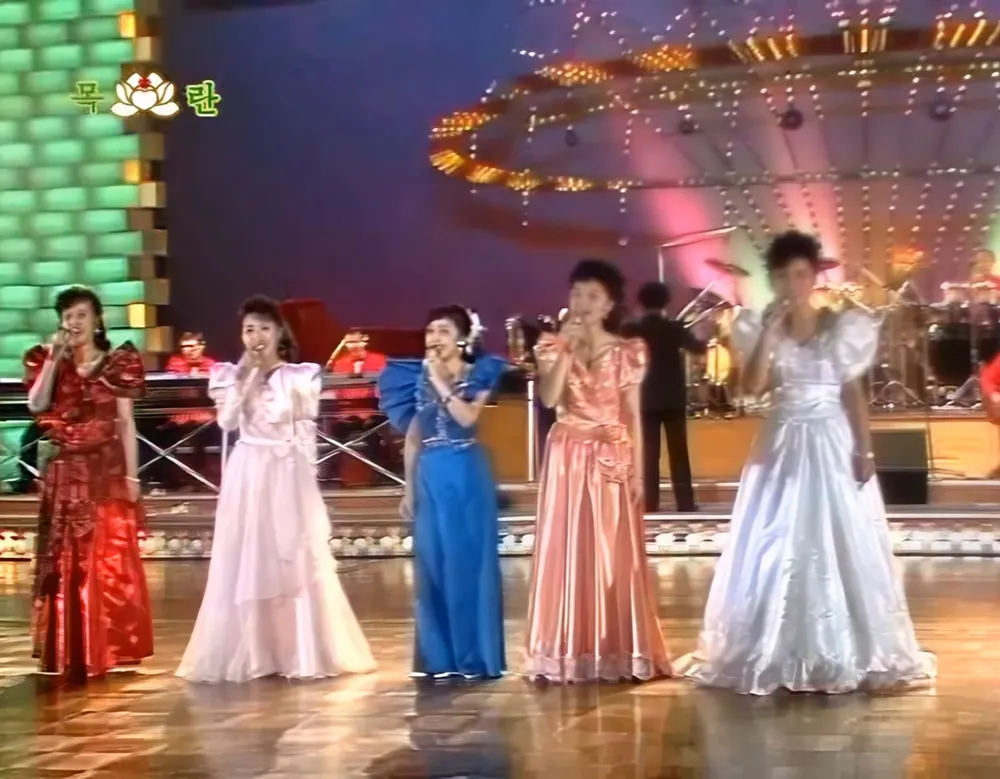
The Japanese culture craze in North Korea began with the 1991 performance of the Pochonbo Electronic Ensemble, managed by Kim Jong-il, in Japan.
The Pochonbo Electronic Ensemble, sponsored by NHK and The Asahi Shimbun and hosted by the association of history and culture for one Korea, toured Japan from September 17 to October 27, 1991, performing in cities like Tokyo, Sendai, Hiroshima, Kitakyushu, Osaka, Kyoto, Kobe, and Himeji.
The Pochonbo Electronic Ensemble performed both North Korean and Japanese songs, gaining considerable popularity among Koreans in Japan and pro-North Korean Japanese. The ensemble was featured on NHK news, and the singers appeared on Japanese TV shows.
North Korea broadcasted the Pochonbo Electronic Ensemble’s performance in Japan on Korean Central Television. Emotional Japanese songs like ‘Springtime in the North,’ ‘Seto No Hanayome,’ and ‘Tsugaru Strait - Winter Scene’ became popular in North Korea and remain nostalgic favorites among North Korean defectors in South Korea.
In 2007, cultural exchanges between North Korea and Japan halted due to North Korea's abduction of Japanese citizens and nuclear tests. The General Association of Korean Residents in Japan's influence declined, and the rise of Hallyu in North Korea further diminished Japanese culture's presence.
Despite the 'abduction issue' and unresolved 'colonial rule settlement' between North Korea and Japan, exchanges are nearly non-existent, with only occasional behind-the-scenes contact. If relations improve, North Korean 'otaku' in Japan and nostalgic repatriated Koreans could play key roles in revitalizing cultural exchanges.