


North Korea 30 Years After Kim Il-sung's Death: Past, Present, and Future (8)
The Hereditary, Feudal Monarchy Is Bound to Collapse

Kang In-deok
Former Minister of Unification of the Republic of Korea
What about today’s successor, Kim Jong-un? On April 6, 2012, five months after Kim Jong-il’s death, Kim Jong-un delivered his first speech to key officials of the Central Committee of the Workers' Party of Korea. He proclaimed, “The Kim Il-sung-Kim Jong-il ideology is a fully integrated Juche system of thought, theory, and methods, guiding our Juche generation. With it as our compass, we will drive forward party-building, revolutionary work, and construction. Songun(Military-first) is our independence, dignity, and lifeblood… We must constantly strengthen the People’s Army.” How, over his decade in power, have statements like these from Kim Jong-un shaped North Korea?
Kim Jong-un has rigorously pursued military-first politics, launching hundreds of ballistic and cruise missiles and large-caliber artillery nearly every year. Global analysts estimate that over 35% of North Korea’s GDP is directed to military spending, reflecting an intensity beyond that of his predecessors. Meanwhile, how effective is his ideological indoctrination work in elevating his personal cult? Following in his father’s footsteps, Kim adopted the "Ten Principles for the Establishment of a Monolithic Leadership System" in 2013, with only slight modifications to the previous version. It’s only natural that he cannot avoid criticism.
How has Kim Jong-un handled figures who might threaten his authority? He has upheld his predecessors' ruthlessness, eliminating perceived "dangerous figures." For example, Ri Yong-ho, one of seven officials who carried Kim Jong-il’s casket, was purged as an anti-Party factionalist on July 6, 2012. Later, on December 12, 2013, he ordered the execution of his uncle, Jang Song-thaek, branding him a "traitor attempting to overthrow the state," who was executed by anti-aircraft gun. Kim Jong-un also orchestrated the assassination of his half-brother, Kim Jong-nam, with nerve agent VX at Kuala Lumpur Airport.
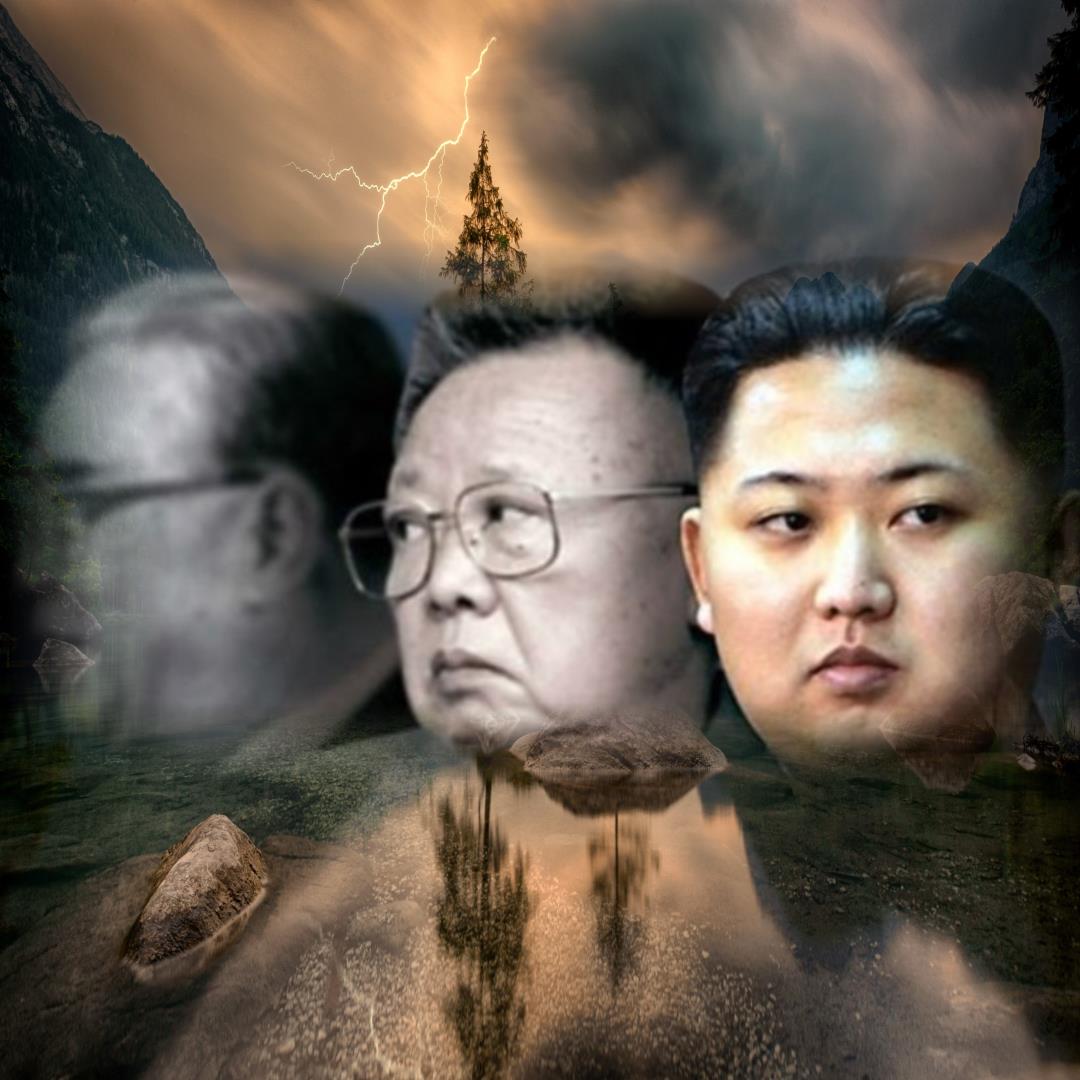
Beyond this, he conducted extensive purges of officials trusted by his predecessors, labeling them as potential threats to his rule. In his reports at the 7th and 8th Congresses of the Workers' Party, Kim Jong-un openly criticized officials as self-serving, pragmatic, and outdated conservatives. Such actions foster an atmosphere of fear, underscoring the climate of terror under Kim Jong-un’s leadership.
Can Kim Jong-un secure regime stability with these methods, as past leaders did? I believe this is unlikely. Over the 30 years since Kim Il-sung’s death, internal and external factors—especially advances in science and technology—have transformed the landscape. North Korea’s younger generation now holds new perspectives, making restrictive laws like the 'Reactionary Ideology and Culture Rejection Law,' the 'Youth Education Guarantee Law,' and the 'Pyongyang Cultural Language Protection Law' ineffective. High culture naturally seeps into societies with restrictive norms, despite containment efforts.
Given historical trends, North Korea’s current regime faces a mounting crisis, with increasing political, social, and cultural tensions. The anti-historical, anti-populist nature of North Korea's system leaves it vulnerable. The "People-First Politics" Kim Jong-un emphasizes cannot materialize with 35% of GDP dedicated to military-first policies. Goals like the "construction of 50,000 homes" and the "20×10 regional development policy" remain superficial and likely unachievable. Chinese-style reforms or opening the country would risk social collapse.
Can a regime truly rely on a nuclear arsenal for stability? The collapse of the Soviet Union showed that nuclear weapons don’t address hunger or poverty. Even with isolationist policies like 'two-state, two-nation,' resistance among North Koreans will continue to grow. Ultimately, North Korea’s system, like the feudal socialist regimes of Eastern Europe, will collapse. Just as East and West Germany reunited, I believe Korean unification will one day be achieved.
-
PREV [Analysis of issues]
-
NEXT [Feature Article Series]