

Marketing In North Korea (15)
- Inside Brand-driven Lifestyle of a College Student in Pyongyang

Jeon Byung-kil
Senior Consultant of YESInnovation
former of Secretary General of UniKorea Foundation
This is the story of a fictional 19-year-old college girl from Pyongyang, living a brand-driven lifestyle. Through her and the people around her, the narrative delves into capitalism, marketing, trademarks, brands, and the influence of the Korean Wave in North Korea.
Inside Brand-driven Lifestyle of a College Student in Pyongyang
Hi! My name is Kim Yoo-kyong(fictional character). I'm 19 years old, and I’m a sophomore at Jangcholgu Pyongyang University of Commerce. I live with my family on Kwangbok Street in Pyongyang. My family has four members: my father, who teaches at a high school, my mother, who works at the Rakrang Market (Old Unification Market), and my younger brother, who is also a high school student.
Start of the day
As a college student, my day starts at 6 a.m. I usually wake up to the sound of my cell phone alarm. My phone has access to the national internal communication network named Kwangmyong, which only works inside the country. The first thing I do in the morning is check the latest news. Even though I’m not very interested in politics, I read articles from the Rodong Sinmun newspaper to prepare for next week’s political thought exam.
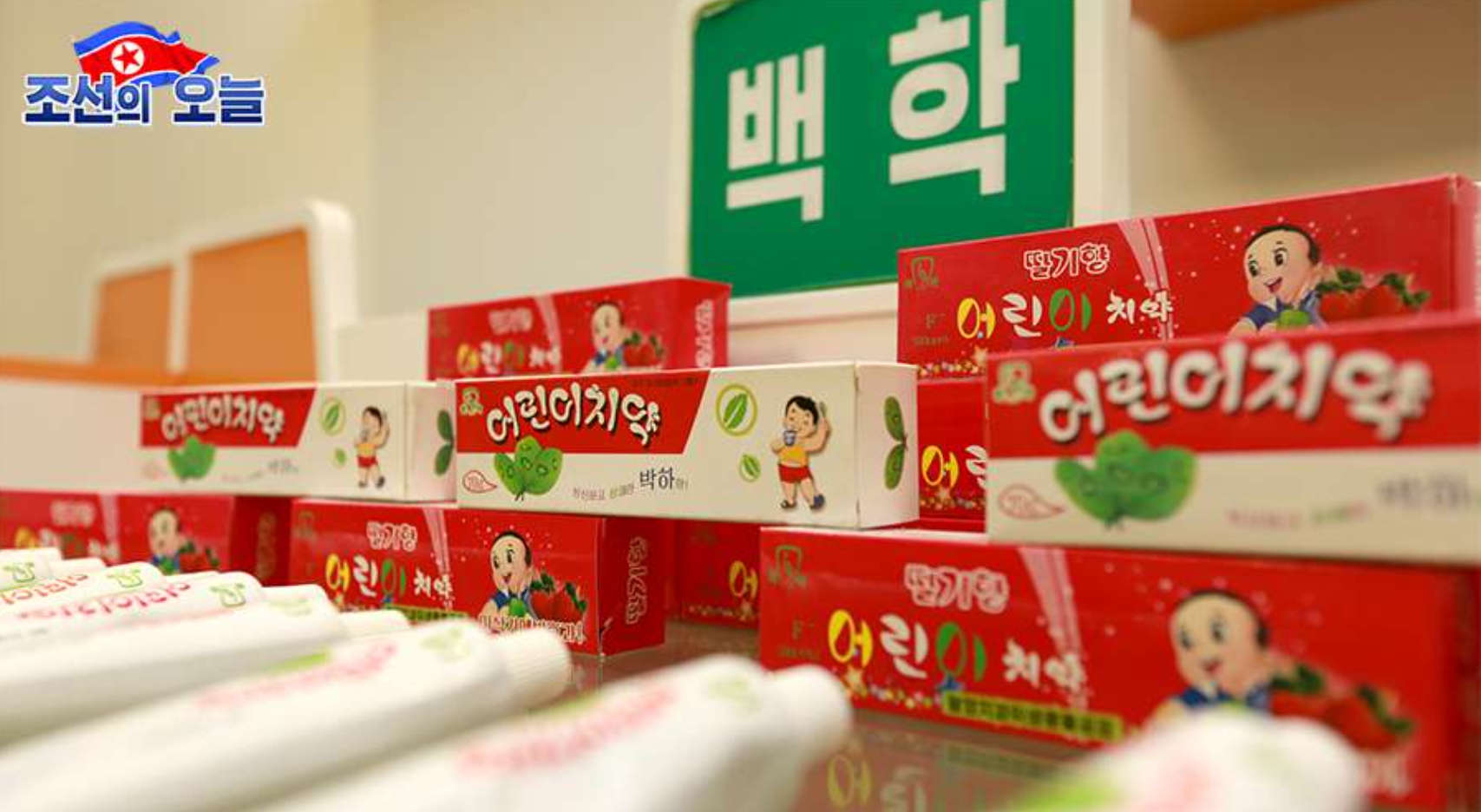
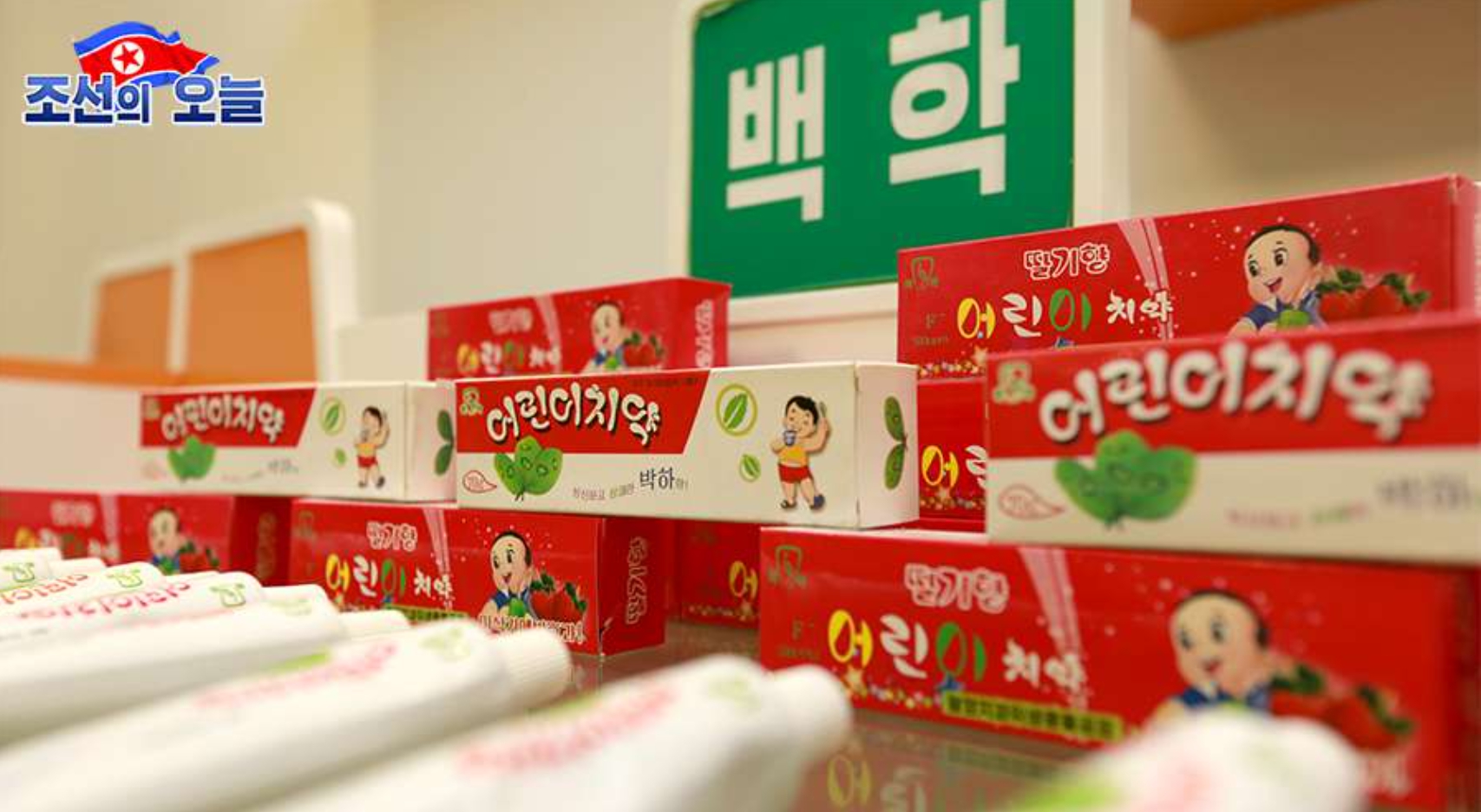
This morning, I stayed in bed for a while before my mom finally got me to wash my face. I brushed my teeth with a Soriggot (means Frost Flower) Toothbrush and Baikhak (means White Crane) Toothpaste. After that, I put on some basic makeup using Pomhyanggi (means Spring Scent), a popular cosmetic brand. Some of my friends prefer Unhsasu (means Milky Way), but I like Pomhyanggi better. The other day, a friend secretly gave me some colorful South Korean cosmetics, but I decided not to use them today since my school might notice.
At 7 a.m., my family gathers for breakfast. We usually eat rice, kimchi, and seasoned vegetables (namul). For kimchi, we buy packaged ones (500 grams) from the Ryugyong Kimchi Store. It’s a relatively new habit for us. Buying kimchi has made my mom’s life a lot easier, but in rural areas, North Korean people still make their own kimchi at home. Pyongyang’s economy is stronger than the countryside, but even here, people make large batches of kimchi in the fall to prepare for the winter when side dishes are limited.
For breakfast, we often eat "hatban" (instant cooked rice) made by a South Korean food company. My mom, who works at the Rakrang Market, has better access to South Korean products than most people. Honestly, I feel a little guilty about using them, but they make life so much easier! Whether it’s instant noodles, canned food, cosmetics, or rice cookers, everyone agrees once they try them—South Korean products are hard to beat.
After breakfast at 7:30 a.m., I get ready to leave for school. On my way out, I always debate what shoes to wear—ladies' shoes Maebongsan or sneakers Ryuwon. Today, I choose sneakers because I know I'll be walking a lot.
I take the subway from my home in Kwangbok Street, located in the Mangyongdae District, to Pyeongcheon District, where my school is. Pyongyang only has two subway lines, and it’s not as crowded as you might imagine. I usually arrive at school around 8:30 a.m.
Morning on campus
Before class, my friends and I chat about the latest Korean drama we secretly watched. Although the government has been cracking down harder on South Korean dramas and songs, people find new, secret ways to watch them. We talk about South Korean actors, girl groups, the stories in the dramas, and other things about South Korean culture. Everyone loves these conversations, but deep down, we are also scared. Watching South Korean entertainment could bring trouble to our families or friends.
My father, who is a teacher at a high school, was very strict about these things when I was younger. He always warned us about the dangers of "rotten capitalism," but I think he was more worried about protecting our family. Growing up, the only South Korean videos allowed at home were English lectures from EBS (a South Korean educational channel). However, now that I’m in college, he doesn’t restrict me as much. My younger brother, who is still in high school, isn’t as lucky—my parents are still very strict with him about watching South Korean entertainment.
Today is Friday, so I have morning classes at school and an afternoon session outside the school. My major is Department of Tourism Management. It’s a popular program because it offers good job prospects. When I graduated from advanced middle school, people expected me to go to prestigious universities like Kim Il Sung University or Kimchaek University of Technology because of my good grades. However, my parents encouraged me to choose a practical major where I could learn English, earn money, and have opportunities to work abroad. Looking back, I’m happy with my choice.
This morning’s class was about "Global Outreach," where we learned about the services offered by foreign hotels. It’s fascinating to hear about places I’ve never been to or even heard of before.
Friday afternoon satellite courses
After my theory class ended at 11 a.m., I had a long break before my 3 p.m. afternoon session. To pass the time, I went to the Pyongyang No. 1 Department Store near the Foreign Affairs Ministry. A National Commodity Fair was being held there, so I decided to go with my friends. At this fair, you can buy government-produced goods at low prices and see products inspired by foreign brands.
As a public service major, I often come across foreign products, and I’ve seen many luxury items through South Korean dramas. At fairs like this, I see local versions of foreign cosmetics, bags, and shoes. South Korean dramas sometimes talk about fake products, but to me, they seem impressive—we can make similar products ourselves.
At 3 p.m., I attended an online class at the Ministry of Foreign Affairs. The class was held in a satellite classroom, where we learned from experts in international service management. This online system started after the border closures in 2020. Today, we learned about the Michelin Guide, a famous guidebook that evaluates and ranks restaurants worldwide. I was surprised to learn how much restaurants around the globe want to be featured in this guide.
The instructor spoke in English, and then their words were translated into Korean. Listening to the English lecture reminded me of the EBS English classes I used to watch in high school. It made me realize that my English skills aren’t bad, but I still need to improve my conversational skills.
Grab a beer with friends and acquaintances
After the two-hour class, I went with my classmates and some tourism industry workers to a nearby Taedonggang beer restaurant to celebrate the end of the week. While enjoying the refreshing beer, we talked about the Wonsan Kalma District located on the eastern coast , a large tourism project soon to be open. They said that once the resort is complete, it will need young workers who speak English and learn the latest industry knowledge. The Wonsan Kalma District is part of a government project to attract foreign tourists, along with the Masikryong Ski Resort.
I’m not sure if I’ll work there one day, but it’s a possibility. However, I do wonder if I’ll adjust well to working in the countryside. Leaving Pyongyang can be challenging. Since I still have a few years before starting work, I decided not to worry about it just yet.

Cozy nights with the family
By 8 p.m., I was back home after a fun evening. My father and brother were already home, so we gathered in the dining room. We turned on our new digital TV and flipped through the channels, but nothing interesting was on. For my parents, who enjoy music, I played some classical music from a USB drive a friend had given me.
As we listened to the music, we snacked on fruit wine and fresh fruit from the Taedongang Fruit Processing General Factory, sweets from the Kumkhop General Food Factory for Sportspeople, and ice cream from the Taesongsan Ice Cream Factory. We talked about our day and shared our thoughts.
My father, who teaches at a high school, talked about the current state of education and advised my brother and me to always be careful about what we say and do. My mother, who works at the Rakrang Market, shared her frustrations about government rationing, the growing class divide, and the corruption that often involves bribery. She also highlighted the differences between life in Pyongyang and other regions of North Korea. Above all, she reminded us to prioritize our family’s safety.
My younger brother, who is going through puberty, has been quieter lately. I’ve noticed that his friends are watching more South Korean dramas these days, and it seems like he might have a crush on someone. I hope he navigates these moments without any trouble.
As I mentioned before, my day is often about studying and thinking about my future career. My interests in international trade, services, and Korean dramas have made me curious about trademarks and branding from different countries.
At day’s end
At the end of our family conversation tonight, my father asked me to order some gifts for his colleagues from two online shopping platforms, Manmulsang and Okryu. After I finished paying online and was about to head to my room, my father called my brother and me back. Once again, he reminded us to stay quiet and cautious. "Remember," he said, "someone is always watching."
It didn’t sound like much at first, but his words stayed with me. It was a subtle but important reminder to be careful in everything I do.
When I finally went to my room, I took out a USB drive containing the latest South Korean drama. A friend from school had secretly given it to me earlier in the day. I plugged it into my hard-earned video playback device, something I saved up for and bought myself. Before settling in to watch, I grabbed a yogurt from the Oil General Health Drink Factory
A Glimpse into North Korea's Consumer Culture
Kim Yoo-kyong, the fictional college student in Pyongyang, represents a life that only the top 10% of North Koreans can afford. Living in Pyongyang with both parents employed in the city and raising children who attend college or high school is a privilege few in North Korea experience.
This story is not meant to speak for the privileged class in North Korea or to promote the government. Instead, It created Kim Yoo-kyong’s persona—a young woman studying at a university in Pyongyang—to explore the marketing potential for brands in North Korea and to imagine future possibilities for cooperation between North and South Korea.
In South Korea, personas for research can be created based on diverse factors such as region, gender, profession, hobbies, or religion. However, North Korea’s limited political and economic environment makes its persona options much narrower. As one of the poorest countries in the world, where political freedoms and human rights are severely restricted, only a small segment of the population has the opportunity to engage with or influence consumer brands in their daily lives. Kim Yoo-kyong’s fictionalized story is based on these minimal qualifications.
Outside Pyongyang, young women in their 20s live in cities near the borders, such as Sinuiju in North Pyongan Province or Hyesan in Yanggang Province. Others live in cities along the east coast, like Wonsan and Chongjin, or in various interior provinces. Compared to Pyongyang residents, their economic situation is much worse, and their standard of living is significantly lower.
So why focus on Kim Yoo-kyong’s “brand driven life style”? It’s because her persona represents an early adopter in North Korea’s emerging consumer market. Early adopters are people who quickly embrace new trends and technologies. They are curious, enthusiastic, and willing to try new products or innovations before others. Typically, early adopters are young consumers in their 20s and 30s.
In North Korea, the early adopters are mainly young people in Pyongyang in their 20s and 30s. Their influence as consumers is likely to grow in the future, making them a key group to watch as the North Korean market develops.
-
PREV [Analysis and Prospects]
-
NEXT [Analysis of issues]