

US-ROK Relations Under President Trump:
Strengthening an Enduring Alliance Amid Uneasy Change

Dr. Roland B. Wilson
Peace and Conflict Studies Center Asia (PACSC Asia) Director, and Conflict Analysis and
Resolution Program Coordinator
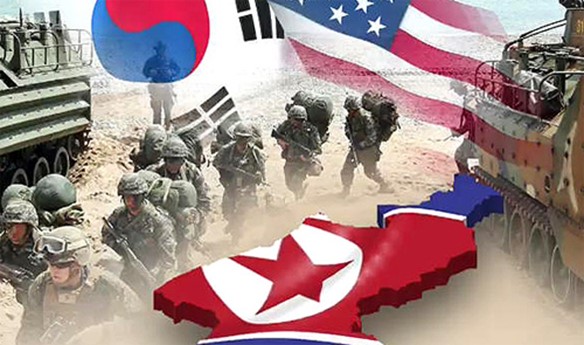
With President Donald J. Trump beginning his second term, the US-ROK alliance faces growing challenges and opportunities. A cornerstone of Northeast Asian peace and stability, this partnership now must navigate South Korea’s political turmoil and shifting US Foreign Policy priorities based on the Trump administration’s focus on “American First” and “Transactional Leadership.” Despite these challenges and uncertainties, a renewed commitment to peace and security, democratic values, and economic cooperation based on a shared history, security, and a desire for continued prosperity can reinforce the alliance's importance in the region.
Navigating South Korea's Political Crisis
South Korea is experiencing significant political upheaval following President Yoon Suk-yeol’s declaration of martial law in December 2024, widespread protests, impeachment, and impending criminal trial. These events highlight deep divisions within the nation’s political system, making strong US engagement at all levels crucial in ensuring continued stability and policy continuity.
The US Political Landscape under Trump
Domestically, President Trump’s second term brings renewed focus on national security, economic protectionism, and recalibrating alliances. His administration’s transactional approach to foreign relations underscores the expectation for allies to contribute more to defense costs and trade reciprocity. While critics argue that this could strain traditional partnerships, proponents believe it fosters fairer and more sustainable international cooperation while strengthening and preparing countries and alliances for contingencies in the 21st century. The evolving US political landscape will inevitably shape Washington’s engagement with South Korea and the broader Indo-Pacific Region.
Reaffirming Security Commitments
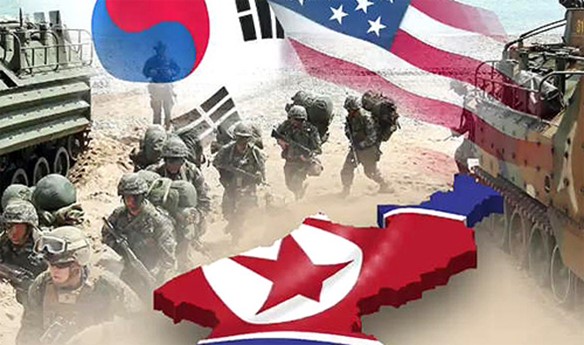
For decades, the US-ROK alliance has been the bedrock of regional security. Under Trump, renewed emphasis on deterrence, military preparedness, and burden-sharing is expected, pushing South Korea to take on greater security responsibilities while maintaining robust US military and political support. Engagement with North Korea will likely balance pressure with diplomatic opportunities, ensuring a proactive defense posture. Strengthening joint military exercises and missile defense cooperation will further reinforce stability.
Enhancing Trade and Economic Cooperation
Economic collaboration remains vital. The US-Korea Free Trade Agreement (KORUS FTA) has boosted trade. Still, Trump's "America First" approach may prompt renegotiations to address trade imbalances and expand South Korean investment in its security, as well as US industries, particularly semiconductors and emerging technologies. Strengthening economic ties through open markets, fair trade, and technological cooperation, including the development and use of AI, can help ensure a robust economic partnership despite domestic and regional uncertainties.
Countering Regional Challenges
China’s growing economic and military influence in the Indo-Pacific Region demands closer US-ROK coordination. Strengthened naval cooperation, cybersecurity measures, and trilateral collaboration with Japan and Australia will be critical. South Korea’s political uncertainty complicates its regional role, making sustained and consistent US engagement essential in maintaining relations and security commitments and addressing emerging threats.
Addressing the North Korea-Russia Nexus
North Korea’s expanding military ties with Russia pose new security risks. The transfer of military technology and resources between Pyongyang and Moscow and the recent deployment of North Korean troops to Ukraine threaten regional stability. The US and South Korea must counter these challenges through enhanced intelligence-sharing, bolstered military readiness, and deeper engagement with regional partners like Japan and Australia, and larger international organizations such as NATO.
Forging a Resilient Path Forward
Despite political turbulence and a changing world, the US-ROK alliance remains a pillar of stability and economic growth in the Indo-Pacific Region. Both nations can navigate uncertainties and emerge as a stronger alliance by focusing on shared democratic values, security objectives, balanced trade, and regional cooperation. A steadfast commitment to mutual defense, economic innovation, and strategic partnerships will strengthen this enduring alliance and ensure its resilience and prosperity in an evolving global landscape.
Dr. Roland B. Wilson
Program Coordinator and Professor of Conflict Analysis and Resolution
Director, Peace and Conflict Studies Center Asia (PACSC Asia)
George Mason University Korea
-
PREV [Feature Article]
-
NEXT [News & Issues]