

Ukraine Ceasefire Negotiations and Russia–North Korea Relations:
Prospects and Responses

Kim Ho-hong
Professor at Dongguk University
The Ceasefire Talks: Significance and Future Outlook
Since President Donald Trump’s inauguration, ceasefire negotiations in the Russia–Ukraine war have gained momentum. The war, sparked by Russia’s invasion in February 2022, has dragged on for over three years, causing severe human and material losses. Around 20% of Ukraine’s territory is under Russian control, with nearly 80,000 civilian and military deaths.
The extensive damage necessitates an estimated $480 billion for recovery and reconstruction over the next decade. Beyond the immediate region, the war has destabilized global peace and security, intensifying international tensions and contributing to a "new Cold War" atmosphere characterized by confrontation rather than cooperation. Notably, the deepening military collaboration between Russia and North Korea—including arms sales and troop deployments—poses direct security concerns for the Korean Peninsula. In this context, the Trump administration's initiatives offer a potential pathway to ending the conflict.
On March 18, Presidents Trump and Putin engaged in a phone conversation, resulting in an agreement on a 30-day "limited ceasefire" focusing on halting attacks on energy infrastructure. While differences remain on specific terms, this development signifies meaningful progress toward ending hostilities. Subsequent working-level discussions took place in Saudi Arabia from March 23 to 25, aiming to solidify more detailed agreements.
On March 26, the U.S. announced that the parties had agreed to ensure safe navigation in the Black Sea, refrain from using force, and prevent the militarization of commercial vessels. The Kremlin echoed this statement, adding that Russia would implement measures to monitor and prevent the military use of commercial ships. Ukraine also endorsed the agreement, emphasizing collective commitment to these principles.
The ceasefire negotiations carry major implications for both global politics and Korean Peninsula security, with the potential to reshape international power dynamics. Presidents Trump and Putin aim to end the war through direct talks between major powers. Although Ukraine’s exclusion has drawn criticism, it reflects the realpolitik nature of global diplomacy. Some analysts warn this could mark the rise of a “neo-imperialist era,” where great powers dictate the international order. The alignment of U.S. and Russian interests in these talks is particularly noteworthy.
President Trump, following his involvement in the Middle East, appears eager to end the Ukraine war under his leadership—strengthening his image as a global peace broker and boosting his chances for a Nobel Peace Prize. For President Putin, a favorable outcome would cement Russia’s strategic standing and position him as a central figure in shaping a new world order alongside Trump. Having long trailed China since the Soviet collapse, Putin is now pushing to elevate Russia’s status by steering the talks in his favor. These shared political ambitions may help drive the negotiations toward a conclusion.
Still, major obstacles remain. Russia has set firm conditions for ending the war: Ukraine must be denied NATO membership, Russia’s hold over occupied eastern territories must be acknowledged, ethnic Russians in Ukraine must be protected, and President Zelenskyy must step down. The key sticking points are likely to be the status of occupied regions and future security guarantees for Ukraine—issues that are both politically sensitive and difficult for President Trump to accept. So, while U.S.–Russia talks may align in principle on ending the war, resolving the specifics is likely to prove much harder.
Impact of Ceasefire Negotiations on Russia–North Korea Relations
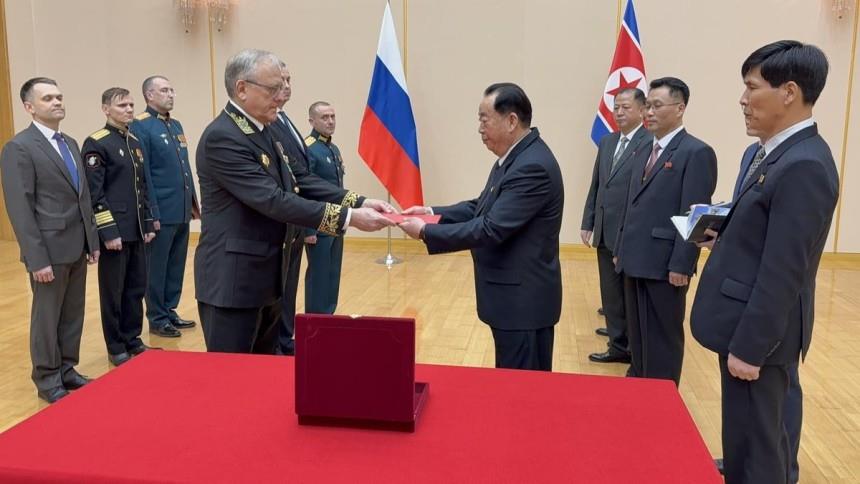
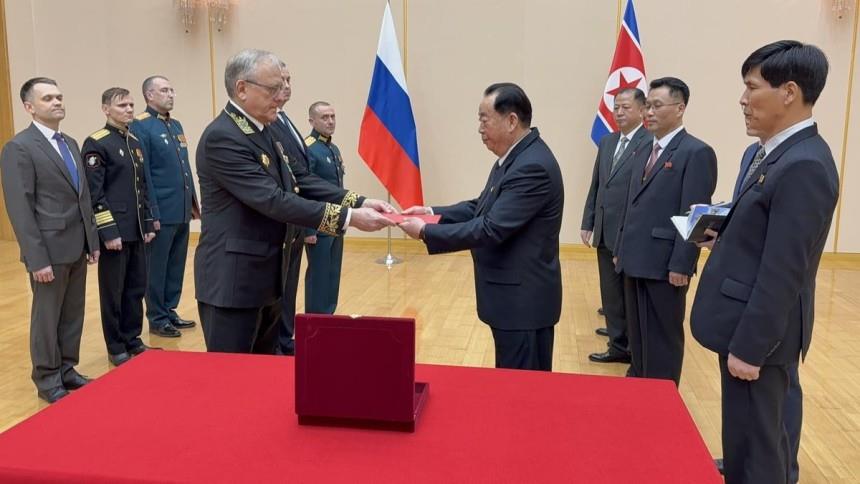
Russia and North Korea continue to showcase their close relationship, seemingly unaffected by the ongoing ceasefire talks. On March 21, Russian Security Council Secretary Sergei Shoigu visited Pyongyang and met with North Korean leader Kim Jong-un. During their meeting, Kim referred to Russia's actions in Ukraine as a "special military operation" and expressed unwavering support for Russia's efforts. Shoigu's visit underscores the resilience of Russia–North Korea ties amid broader geopolitical shifts.
North Korean media emphasized the commitment to fully implement the “Comprehensive Strategic Partnership Treaty” signed in June 2024. Shoigu’s visit likely included briefings on the ceasefire talks, discussions on compensation for North Korea’s military support, and handling of North Korean POWs. It’s also believed that Kim Jong-un’s planned visit to Moscow was coordinated at this time, following President Putin’s invitation during his June trip to Pyongyang. The visit is expected to take place around Russia’s Victory Day on May 9. Kremlin spokesperson Dmitry Peskov, speaking on March 24, confirmed that Kim has a valid invitation. The schedule, he added, will be finalized through diplomatic channels.
Given these developments, it is anticipated that the close Russia–North Korea relationship will persist during and after the ceasefire negotiations, driven by mutual strategic interests. Since 2023, North Korea has supplied Russia with weapons and, in October 2024, deployed over 10,000 troops to support Russian operations in Ukraine.
This collaboration led to the signing of the Comprehensive Strategic Partnership Treaty, encompassing military support provisions. Through this treaty, North Korea stands to gain access to advanced Russian military technology and potential economic benefits from participating in post-war reconstruction efforts.
North Korea is reportedly selecting skilled workers to be sent in phases to support Russia’s reconstruction efforts. Intelligence suggests that troops from the Korean People’s Army 8th Bureau—a construction-focused unit—have already entered Russia, and some North Korean soldiers on the frontlines may soon be reassigned to post-war rebuilding. For Russia, North Korea remains strategically useful. Maintaining influence over a nuclear-armed Pyongyang helps counter the U.S. Indo-Pacific strategy and could offer Moscow leverage in any future U.S.–North Korea talks.
Still, the end of the Ukraine war is likely to reshape the Russia–North Korea relationship. Their recent closeness has been largely wartime-driven. As the conflict dragged on, Russia offset some of its military losses with North Korean weapons and manpower. In return, Pyongyang—despite its own economic struggles—gained Russian economic support and relief from sanctions pressure. It also gained access to advanced military technology and high-grade weaponry essential for its nuclear ambitions.
In short, the two countries grew closer because they shared a common adversary: Ukraine. But once the war concludes, their strategic value to one another will likely decline, making it difficult to sustain this level of closeness. Russia, with little to gain from North Korea in peacetime, may shift its priorities and place less importance on relations with Pyongyang. This would leave North Korea, one of the war’s biggest beneficiaries, searching for new ways to ease its economic crisis. It may try to restore ties with China or even pursue nuclear talks with the incoming Trump administration.
South Korea’s Strategic Tasks
The Ukraine war has deepened a “new Cold War” divide—South Korea, the U.S., and Japan versus North Korea, China, and Russia. Within this split, Seoul’s ties with Moscow have cooled. Still, Russia has downplayed its alliance with Pyongyang as a threat to South Korea, noting Seoul’s restraint in not supplying lethal aid to Ukraine. This suggests Moscow may seek to reengage both Koreas as part of a postwar regional strategy.
Amid a limited ceasefire and ongoing negotiations, South Korea must reassess its diplomatic approach, which has focused on supporting Ukraine while keeping its distance from Russia. Restoring ties with Moscow should now be a priority. Relations have deteriorated since Russia’s invasion, with Seoul joining Western sanctions and Moscow labeling South Korea an “unfriendly nation” while strengthening its ties with North Korea.
However, if U.S.–Russia ties improve and the ceasefire talks yield meaningful progress, it could create an opening to restore South Korea–Russia relations. Since Moscow appears unwilling to let those ties deteriorate further, Seoul should take the initiative with proactive steps to rebuild trust. Strengthening relations with Russia could, in turn, weaken its alignment with North Korea—an opportunity South Korea must seize to reduce security risks on the peninsula.
Relations with Ukraine also matter. South Korea should demonstrate diplomatic leadership by playing an active role in post-war recovery. This would not only create economic opportunities but also elevate its global standing and signal support for the ceasefire effort to President Donald Trump. In that context, Seoul should engage actively in the Multi-agency Donor Coordination Platform for Ukraine (MDCP) and the Ukraine Recovery Conference (URC). Another key issue is how North Korean prisoners of war in Ukraine are handled. South Korea should help ensure they are dealt with according to humanitarian standards and offered viable options.
South Korea must also remain vigilant about North Korea’s growing military capabilities, boosted by its involvement in the Ukraine war and deepening ties with Russia. A comprehensive strategy is needed to monitor their defense cooperation, prevent the transfer of advanced Russian technology, and counter related threats through sustained, all-around efforts.