

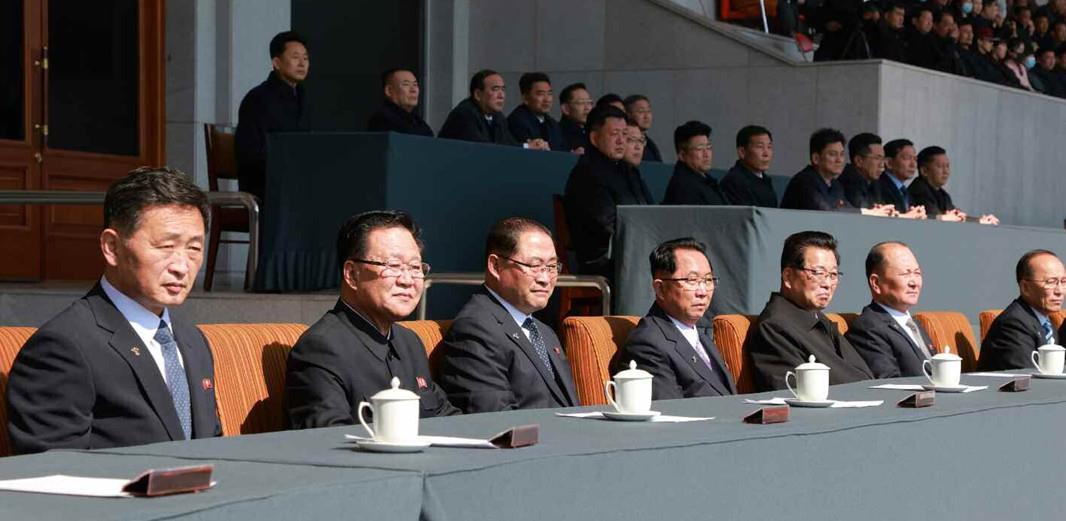
Choe Ryong-hae’s Solo Power Broker Role:
A Potential Risk to North Korea’s Stability

Lee Seung-yeol,
Analyst, National Assembly Research Service
In North Korea, political purges have long been seen as inevitable. In the early years of Kim Jong-un’s rule, it was almost routine for high-ranking officials to quietly disappear from view.
But the current power reshuffle marks a clear shift from those violent traditions. Since around 2017, purges have mostly disappeared, replaced by a system built on informal networks—with Choe Ryong-hae, Chairman of the Standing Committee of the Supreme People's Assembly, at its center.
Choe’s 2017 appointment as Director of the Organization and Guidance Department signaled Kim Jong-un’s formal backing. The powerful “party within the party” controls appointments, inspections, and reports. Choe is the first non-Paektu bloodline figure to hold the post since Kim Jong-il.
This move effectively confirmed Choe Ryong-hae as the second most powerful figure in the regime.
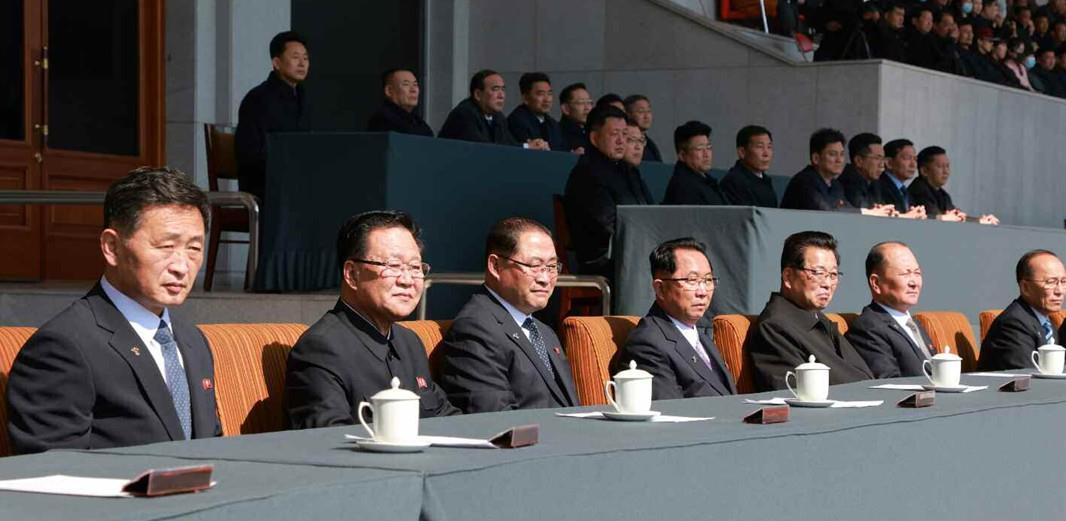
According to Chester Barnard’s Organizational Theory, informal groups are a natural part of human organization and can only become formal structures with top-down approval. Using this framework, we can draw a meaningful comparison between Choe Ryong-hae and Jang Song-thaek.
Jang built his base through the Socialist Patriotic Youth League and Party Administration Department, weaving informal ties into the formal system. But his monopoly on economic power sparked clashes with allies and led to his purge.
By contrast, Choe also facilitated the rise of key elites but focused on reducing internal friction and reinforcing the regime’s internal cohesion.
Military leaders Ri Yong-gil, Kim Su-gil, and No Kwang-chol, along with Party officials Kim Jae-ryong, Jong Kyong-thaek, and Ri Hi-yong, all rose from lower ranks through direct ties to Choe as he advanced in power.
A notable case is former Premier Kim Tok-hun. Despite a harsh rebuke from Kim Jong-un, he wasn’t purged but later reinstated to a top position—widely seen as a sign of Choe Ryong-hae’s protection.
Choe’s expanding network reshaped the regime’s power balance. Despite pushback from rivals like Kim Yo-jong and Jo Yong-won, he installed loyalists across the Organization and Guidance Department, military, and inspection bodies. By 2022, analysts dubbed it a “single power broker system.”
This isn’t just a personal power grab—it signals a structural shift in North Korean politics. In a system centered on the supreme leader, Choe’s quiet consolidation has brought stability. But with little elite competition, this centralization may limit adaptability, casting doubt on how lasting that “stability” truly is.
Ultimately, the future of the regime may hinge on whether Kim Jong-un’s symbolic authority and Choe Ryong-hae’s administrative control can continue to coexist in harmony.
-
PREV [Feature Article Series]
-
NEXT [Hacking & Coins]