

Marketing In North Korea (22)
The Rise of O-il: North Korea’s Health-Driven Beverage Brand

Jeon Byung-kil
Senior Consultant of YESInnovation
former of Secretary General of UniKorea Foundation
The O-il (May Day) Brand
In North Korea, the word "O-il" doesn’t mean "oil" like it does in English. Instead, it’s a short form of "May Day," a holiday celebrated on May 1st to honor workers. Just like South Korea has big sports venues like the Jamsil Sports Complex or Sangam World Cup Stadium, North Korea has the Rungrado May Day Stadium—known locally as the O-il Stadium.
The O-il Stadium was built in 1989 as a response to South Korea hosting the 1988 Seoul Olympics and building its own major stadium. With room for 150,000 people, it’s one of the largest stadiums in the world. Many Koreans recognize it as the site of major events, like the 2002 Arirang Festival or the 2018 speech by South Korean President Moon Jae-in in Pyongyang.
In 2008, a food factory opened near the stadium, making ice cream and frozen treats. It was named the O-il Healthy Drinks Factory because of its location near the stadium, and its logo is based on the stadium’s design.
North Korea started making ice cream back in the 1980s. But during the tough years of the 1990s—known as the “Arduous March”—production stopped. When the economy began recovering in the 2000s and local markets (called jangmadang) became more active, ice cream production and sales started again. Interestingly, instead of calling it "ice cream," North Koreans often use the word “Eskimo,” which refers to people living in the Arctic region.
Products from the O-il Healthy Drinks Factory started getting national attention around 2018, as North Korea began pushing for better product quality and more exports under Kim Jong-un’s leadership. As distribution networks improved, items made in Pyongyang could be found all over the country. Some of this packaging, with the O-il Factory logo, has even been found washed up on beaches along South Korea’s east and west coasts.
The Core Concept: Health
The O-il Healthy Drinks Factory started out by making ice cream. But as North Korean consumers began to want more variety, the factory expanded its product line. It added yogurt, milk, and juice, and by 2015, it began focusing more on producing drinks. Since then, the factory has specialized in health drinks, including energy drinks and beverages infused with hydrogen. These drinks are now widely available in North Korea.
In North Korea, it's unusual to name a factory based on what the product does. Most factories are simply named after what they make, like “Cosmetics Factory” or “Kimchi Factory.” That’s why the name “Healthy Drinks Comprehensive Factory” stands out.
It focuses on function—health—rather than politics or revolutionary ideals, which is rare in North Korea.
A Pro-North Korean newspaper called Choson Sinbo, described the factory in an article on November 7, 2021. The article said:
“This factory sterilizes the entire production process—from raw ingredients to final packaging—to make sure the products are safe and healthy. It also has strict systems for quality checks and product management.
The factory’s management strategy focuses on people’s health. It makes drinks that not only taste good but also offer health benefits.”
The main idea behind all of O-il’s products is health. Their product strategy is based on three key points:
1. What the product is and what it’s made of.
2. Why consumers should want to buy it.
3. What specific benefits the consumer gets from using it.
This way of thinking is also reflected in their advertisements.
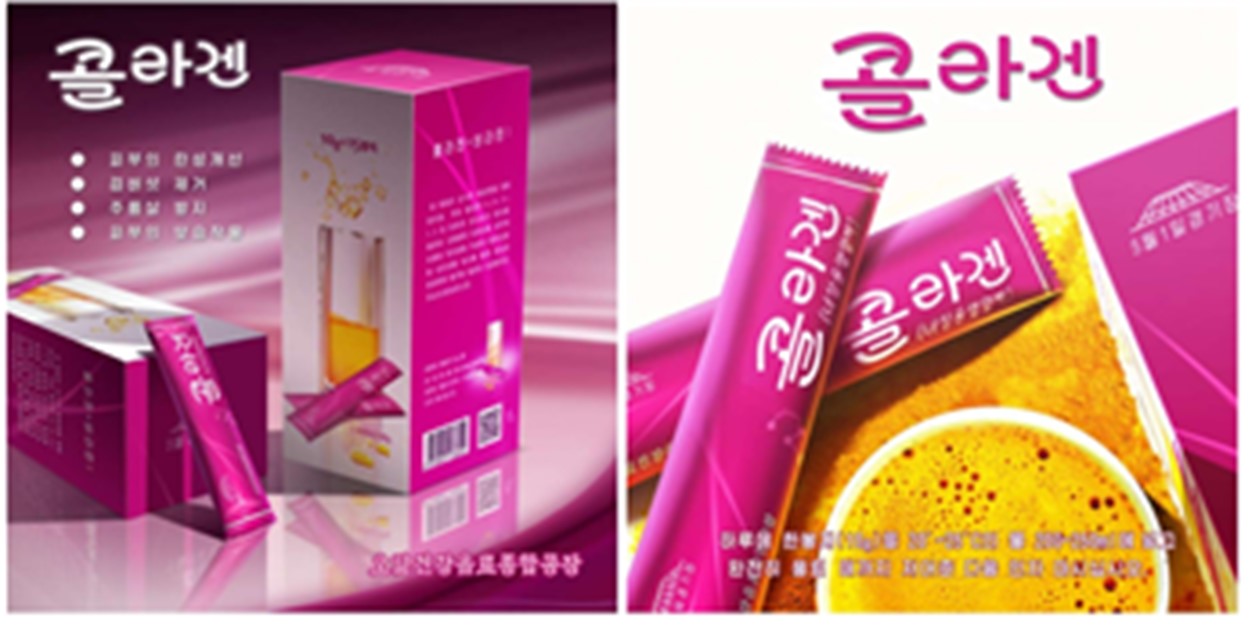
For example, on May 15, 2021, Choson Sinbo featured an ad for a health food product called Collagen, made by O-il. The ad clearly explained the product's concept—its ingredients, purpose, and benefits:
“This product is a daily nutritional supplement designed to improve women's skin. It includes pure collagen from fish, calcium, vitamins, and powerful antioxidants. It supports beauty and helps strengthen bones and tendons, making you feel younger.”
“Collagen is directly related to skin elasticity. As people age, collagen production decreases, which causes the skin to lose elasticity and form wrinkles.”
“Using this product regularly can improve skin elasticity, prevent wrinkles, and even reduce age spots. It delivers impressive results for skin health.”
According to the ad, the product type is a functional health supplement. The reason to buy it is that it contains collagen and other helpful nutrients. The benefits listed on the packaging include better skin elasticity, fewer wrinkles, age spot reduction, and better skin moisture.
Other products made by the O-il factory focus on similar health benefits. For instance:
• Bifidus yogurt is said to help prevent colitis and diarrhea, remove toxins from the body, and may even help prevent cancer.
• Brown rice milk is promoted as good for lowering blood pressure, preventing clogged arteries, reducing obesity, and helping prevent diabetes.
All of this fits with the factory’s strategy of promoting health as the main focus of its brand and products.
Expanding the O-il Brand: More Products, More Possibilities
North Korean media says that the O-il Healthy Drinks Factory is the top company in the country’s beverage industry. In 2018, reports claimed the factory was making around 200 types of drinks and 100 types of ice cream—more than 300 products in total. By 2021, that number had grown to over 400.
The factory’s products now include more than 10 types of items like milk, yogurt, sour milk (a tangy processed milk), juice, carbonated drinks, ice cream, and jelly. It’s widely known as North Korea’s leading food and beverage company.
The factory is expanding its product line by mixing new ingredients with existing products. For example, yogurt now comes in different flavors and types, like:
• Bifidus Yogurt
• Probiotic Yogurt
• Red Grape Yogurt
• Goat Milk Yogurt
• Red Bean Yogurt
Milk has also been diversified into:
• Brown Rice Milk
• Black Tea Milk
• Peanut Milk
• Peach Milk
Using a variety of ingredients, the factory is creating new flavors. These include fruity drinks like strawberry, apple, banana, and mango, as well as health-based drinks made with ingredients like dongchongxiao (a medicinal fungus) and spirulina (a health supplement from algae).
Each product is designed around the core idea of health, either by adding functional ingredients or adjusting the sweetness or sourness to match what consumers like.
This approach is similar to what South Korean beverage companies did in the 1970s and 1980s when they began diversifying their products to meet growing demand.
North Korean media often says these changes are a response to the “people’s growing needs.” But it also shows how North Korea’s food and drink market is slowly changing.
In an article titled “It’s Delicious!” published on April 23, 2020, by the North Korean media outlet Choson Sinbo, the report explained:
“Food factories are constantly watching what people want and how they respond to new products by using different sales channels. They take what works well and improve what doesn’t, while continuing to develop new products.”
The O-il Healthy Drinks Factory continues to build its brand around the idea of health. It produces and sells various food and drink items to people all over North Korea. With enough support from the government and by copying the strategies of other countries, the factory could grow quickly.
But if the company wants to sell its products overseas or meet the higher standards of today’s North Korean consumers, it will face big challenges.
Will O-il stay safe by copying others and focusing only on its local market, or will it take risks, keep improving, and try to compete on a global stage?
In 2018, the O-il Healthy Drinks Factory registered the trademark “O-il Stadium” with the World Intellectual Property Organization (WIPO)
-
PREV [Feature Article]
-
NEXT [Current Affairs Planning]