

Marketing In North Korea (23)
North Korea’s Quest for Quality: Medals, Mistakes, and Modernization

Jeon Byung-kil
Senior Consultant of YESInnovation
former of Secretary General of UniKorea Foundation
North Korea’s Efforts to Improve Product Quality
Even though North Korea is one of the most closed-off countries in the world, it has still tried to improve the quality of its products and services in different ways.
Since 1981, North Korea has had a national system to check the quality of products made in its factories. In 1997, it even passed a law for quality control. On February 2, 1981, Kim Il-sung, the country’s leader at the time, held a big meeting with people in charge of quality supervision. He told them to take quality more seriously. After that, North Korea created a special certification system called the “February 2nd Product.”
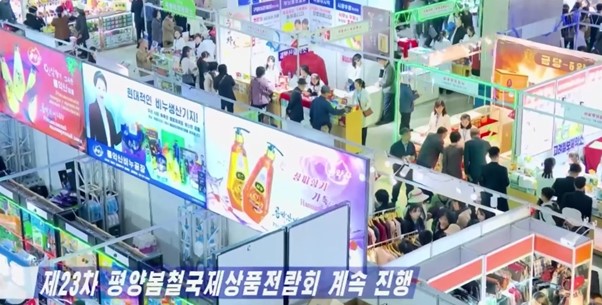
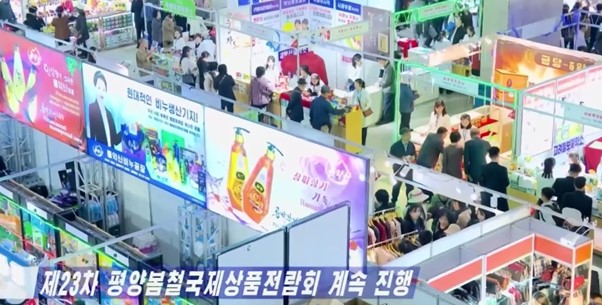
Each year, North Korea hosts a product exhibition where factories show off their goods. The government picks the best ones and gives them the “February 2nd Product” certification—more than 100 products get this award each year.
In December 2021, a North Korean news source called Choson Sinbo reported that products like student backpacks, kids’ raincoats, shampoo, soy milk, and even schisandra wine were awarded as February 2nd Products.
The “12th December Quality Medal”
Another quality award is called the “12th December Quality Medal.” It was created to honor a speech made by Kim Jong-un in 2012 about making better products and buildings. The medal has been awarded since 2014.
To win this medal, a product must meet at least one of the following standards:
1. It has to already be certified as a February 2nd Product and be good enough to compete in the global market.
2. It must be made using local materials and help improve everyday life for North Korean people.
3. It must use advanced technology and be one of a kind, both in North Korea and in other countries.
The first product to win this medal was a type of alcohol called “Pyongyangju,” made by the Taedonggang Food Factory. Since then, many different types of products—like food, clothing, and chemical goods—have received the medal.
Products with the 12th December Medal are also registered with the World Intellectual Property Organization (WIPO). This is a way for North Korea to prove that their products are good enough for export and to show the world that their items can be high quality.
But Not Everything Meets the Standard
While the government talks a lot about improving quality, not all products in North Korea are actually good. One example is the “8.3 Consumer Goods” program, which began in the mid-1980s.
The name “8.3” comes from August 3rd, and it refers to homemade products made by recycling leftover materials from factories. These goods were made outside the official state plans. The idea was to help fix the shortage of everyday items like clothes or soap. Most of these products were made at home by women and elderly people who didn’t work in factories. Because of this, the quality was often very low.
There were also many problems. Some workers secretly took raw materials from factories to use for their side jobs. People who did this were called “8.3 workers,” and the bribes they paid were called “8.3 money.” The whole system became known as the “8.3 business.”
Over time, the quality of 8.3 products became so bad that people started using “8.3” as a negative word. It came to mean something fake, low-quality, or unreliable. In fact, in North Korea, even secret romantic relationships are sometimes jokingly called “8.3 couples.”
North Korea Tries to Get International Quality Certifications
Since Kim Jong-un became the leader of North Korea, the country has worked not only on getting local (domestic) quality certifications but also on international certifications. Starting in 2017, North Korea made it a legal requirement for certain industries—like food, cosmetics, medicine, vehicles, electronics, medical tools, and pesticides—to follow global quality standards. This means they must meet international rules for safety, hygiene, and quality.
Many food and medical products made in North Korea now have international labels such as:
• HACCP: A system to make sure food is safe
• GMP: A system that ensures medicine is made safely and correctly
How North Korea Gets Certified
North Korea’s National Quality Supervision Committee is allowed to give out international certifications. This committee follows rules from international organizations like ISO (International Organization for Standardization).
Here’s how the process works:
1. A factory upgrades its production system to meet international standards.
2. It writes safety, hygiene, and quality control manuals.
3. It applies for certification through the committee.
4. The committee reviews the application and decides if it passes.
Some examples:
• Taedonggang Beer got ISO 9001 (quality management) in 2008. Later, it also received ISO 22000 and HACCP (food safety).
• Ryugyong Kimchi Factory and Pyongyang Foodstuffs Factory (which makes soju) also got ISO 22000.
International Help and Joint Projects
In 2005, with help from a South Korean group called KSM (Korea Sharing Movement), North Korea built its first modern factory for IV solutions (the fluids used in hospital drips). This factory followed GMP rules.
A company called Pyongsu Pharmaceutical, created with Swiss investment, received GMP certification in 2007. Later, many other factories followed, including the Sinuiju Cosmetics Factory, which makes the Pomhyanggi brand.
By the end of 2021, North Korea reported that over 320 types of medicine—including pills, creams, powders, and IV fluids—had received GMP certification. In fact, South Korea has found GMP-labeled IV fluid bags from North Korea floating on its western shores.
Why This Matters to North Korean Consumers
As North Korea’s market has opened up a bit and more foreign goods have entered the country, people have started comparing North Korean products with imported ones. They’ve become more aware of what high quality looks like.
A North Korean newspaper, Rodong Sinmun, wrote on March 17, 2020:
“If we keep blaming poor conditions for low-quality products, we will fail to meet our people’s needs. It will also hurt our economy and make people depend more on foreign goods.”
That’s why North Korea keeps promoting the idea of “quality first, quantity later.” This is their way of trying to improve the quality of products so that people will trust and use North Korean goods—both at home and (possibly) in other countries too.
What Is a Quality Differentiation Strategy?
North Korea’s idea of “quality first, quantity later” is similar to something in business called a quality differentiation strategy.
So, what does that mean?
A differentiation strategy is a plan companies use to stand out from their competitors. Instead of making the cheapest or the most products, they try to make better, more unique, or more useful ones. This helps them gain an advantage in the market.
To succeed with this kind of strategy, a company (or country) needs to have something special about its product—something better than what others offer. That could be better performance, design, service, or features.
If North Korea wants to follow this strategy, it needs to:
• Understand what customers want
• Focus on the most important parts of product quality
• Make sure customers can clearly see the difference in quality
That’s what North Korea is trying to do by following the “quality first, quantity later” principle.
Quality and Socialist Values in North Korea
In a video titled “Understanding the True Meaning of the Times – Quality First, Quantity Later,” Jeong Young-ran, the head of North Korea’s National Standards Institute, said:
“Even if someone only owns one house or one outfit, they still want it to be high quality and match our socialist lifestyle and modern style.”
In North Korea, improving quality is not just about making good products—it’s also tied to ideas like socialist values, patriotism, and national pride. The government says that high-quality products should reflect these ideals. However, in reality, not everyone has access to these higher-quality goods. The number of people who can actually use them is small.
How North Korea Can Succeed
To make the “quality first, quantity later” idea work, North Korea needs to:
• Use resources wisely
• Train workers and improve skills
• Follow a clear, organized plan
• Work with passion and care
If these steps are followed, the country has a better chance of making higher-quality products and improving life for its people.
In any quality strategy, the main goal is always customer satisfaction. No speech, slogan, or system can replace how important it is to make customers happy. Without satisfied users, no product can truly succeed.