

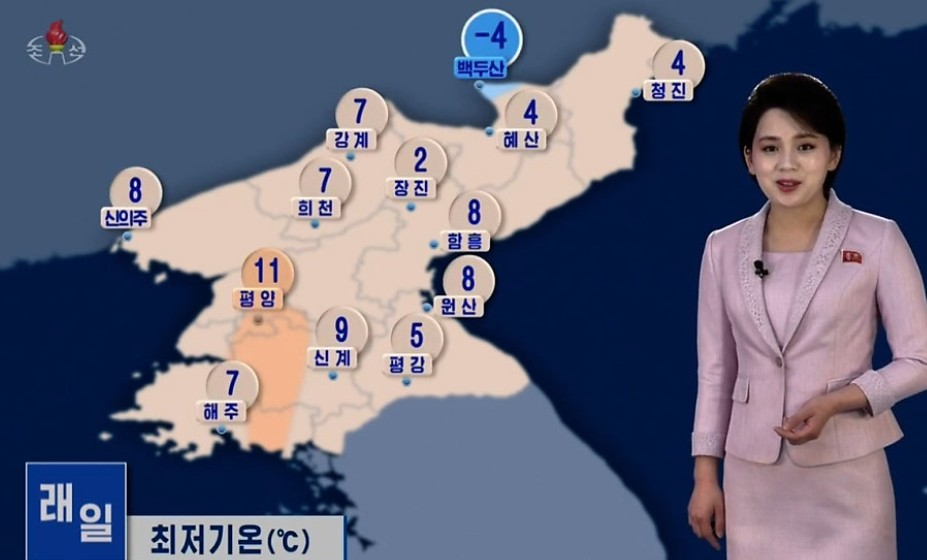
North Korea’s Climate Change Response and Opportunities for Cooperation with South Korea and the International Community

Chan-Kwon Jeong
Director, National Security and Disaster Management Research Institute
Climate change has emerged as one of the most urgent global challenges, increasing the frequency and severity of extreme weather events such as floods, droughts, heatwaves, and typhoons. Traditional disaster management systems—including early warning mechanisms, emergency supplies, and critical infrastructure—are increasingly inadequate in addressing these escalating risks. This shifting threat landscape calls for a new paradigm in disaster preparedness and response.
In North Korea, the challenge is further compounded by a fragile disaster management system. The country’s limited capacity to respond effectively amplifies both human and economic losses, and in turn, poses potential risks to regime stability.
Recognizing these challenges, the Kim Jong-un regime has positioned climate change response as a central pillar of its governance strategy. Since assuming power in 2012, Kim has emphasized environmental resilience as essential to regime stability—particularly in the context of chronic food insecurity and recurrent natural disasters.
In 2014, North Korea enacted the Disaster Prevention, Rescue, and Recovery Act, establishing a four-stage disaster management framework: prevention, preparedness, response, and recovery.
The government also created the National Emergency Disaster Countermeasures Committee and delegated disaster preparedness and emergency coordination responsibilities to provincial and local People’s Committees. More recently, in July 2025, Pyongyang established a new Disaster Prevention Bureau, reportedly aimed at reforming and consolidating the country’s existing disaster response institutions.
Alongside domestic reforms, North Korea has engaged with international climate governance frameworks. It is a party to the United Nations Framework Convention on Climate Change (UNFCCC), the Kyoto Protocol, and the Paris Agreement.
In 2019, it launched a National Climate Change Response Strategy to align with global adaptation and mitigation efforts. On paper, these developments mirror the institutional frameworks adopted by other countries. In practice, however, North Korea’s efforts are constrained by structural challenges: centralized governance, lack of transparency, outdated infrastructure, chronic resource shortages, and limited engagement with international partners.
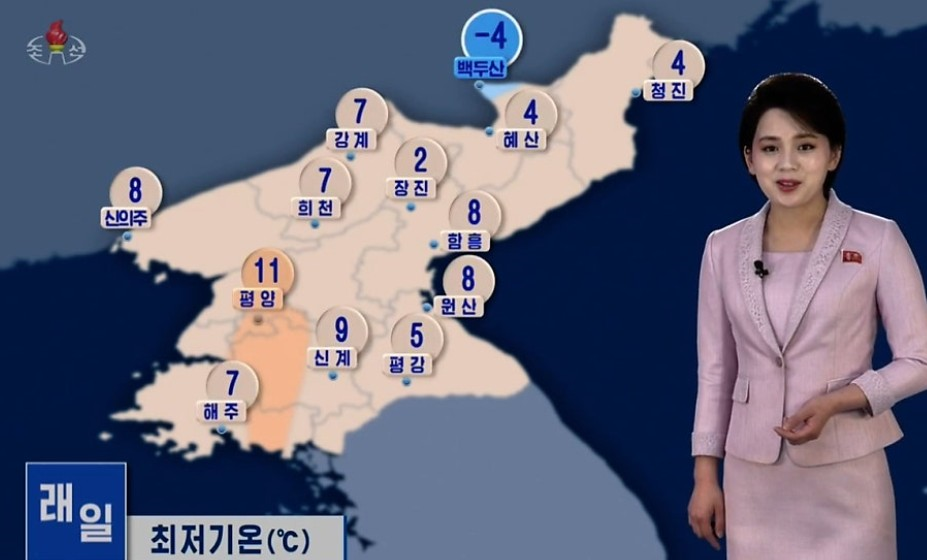
The impact of these limitations was starkly illustrated in July 2024, when severe flooding in Sinuiju submerged over 4,100 homes, 30 million square meters of farmland, and key transport infrastructure, forcing the relocation of 5,000 residents to Pyongyang.
Kim Jong-un is reportedly aware of the growing threat that large-scale natural disasters pose to North Korea’s economy, public health, and political stability. In this context, recent high-level exchanges—such as the July 2025 visit by Russia’s Deputy Minister for Emergency Situations—suggest a gradual opening toward external cooperation in disaster response.
Climate change transcends ideology and national borders. It is a shared threat that demands transnational solutions. North Korea lacks the technical and financial capacity to rebuild its degraded forests, manage transboundary water resources, disseminate early warnings, or effectively mitigate flood and drought risks without external assistance. Consequently, there are clear opportunities for cooperation with South Korea and the broader international community.
Past Precedents and Ongoing Potential
There are precedents for inter-Korean disaster cooperation. Following the 2004 Ryongchon Station explosion, South Korea provided $1 million in humanitarian assistance. After major flooding in 2006, Seoul sent rice, cement, steel bars, and medical supplies.
In 2007, it delivered tree saplings and pest control materials to support reforestation efforts. During the 2009 H1N1 influenza outbreak, South Korea supplied 500,000 antiviral doses along with sanitation supplies.
Beyond inter-Korean efforts, multilateral channels—such as the UNDP, FAO, UNICEF, the Green Climate Fund (GCF), and various international NGOs—have supported projects in food security, health, forest restoration, renewable energy, and disaster resilience. These examples suggest that humanitarian and environmental cooperation remains feasible, even amid ongoing political tensions.
To advance future cooperation, a depoliticized, pragmatic approach is essential—focusing solely on humanitarian and environmental goals while minimizing political or military entanglements.
South Korea, in particular, should prioritize data sharing, climate monitoring, and transparency through multilateral platforms such as the Green Climate Fund and UN agencies, rather than relying exclusively on bilateral channels.
However, several constraints remain: heightened political tensions, sanctions, North Korea’s reluctance to share disaster data, and institutional opacity continue to hinder progress. Overcoming these barriers will require shifts in North Korea’s external posture and greater flexibility in legal and institutional frameworks.
Pathways for Future Cooperation
If North Korea signals openness, the following initiatives could serve as meaningful entry points:
1. Joint Forest Restoration Projects
South Korea and international partners can provide financial and technical assistance, while North Korea contributes labor for pilot afforestation programs. These efforts could later be scaled nationwide to reduce the risk of flooding, landslides, and drought. Incorporating digital technologies and climate data would support the development of a sustainable forestry and agricultural management system.
2. Joint Disaster Response Training
Scenario-based drills involving South Korea, North Korea, and international actors could significantly enhance North Korea’s preparedness for floods, droughts, earthquakes, and other natural hazards. Exercises might include evacuation simulations for flooding along the Yalu River, seismic events near Mt. Baekdu, or emergency responses to potential releases from the Hwanggang Dam.
3. Integrated Water Resource Management
A peninsula-wide system for water management and disaster information sharing could reduce response times and minimize damage during environmental crises. In cases of marine pollution or extreme weather affecting shared waterways, a joint mechanism could facilitate timely alerts, mobilize equipment, and coordinate pollution control efforts.
4. Peninsula Climate Change Research Institute
A provisional joint institute could serve as a hub for climate data collection, policy development, and scientific collaboration. South Korea already hosts key institutions such as the National Climate Change Adaptation Center and the Greenhouse Gas Inventory and Research Center, but these efforts are limited by the absence of North Korean participation. Engaging the DPRK would strengthen regional research infrastructure and improve policy coordination.
Conclusion
North Korea’s pursuit of self-reliance in climate and disaster policy—combined with its isolation from South Korea and the broader international community—remains a significant obstacle to effective cooperation. Yet, if Pyongyang demonstrates even modest flexibility, increases transparency, and separates humanitarian concerns from political calculations, opportunities for meaningful engagement could expand considerably.
Climate resilience cannot be achieved in isolation. Just as determination can pierce the hardest barrier, and a seedling can sprout from frozen ground, sustained and steady efforts by both Koreas and the global community can pave the way for productive cooperation. In an era of shared environmental vulnerability, pragmatism, trust-building, and science-based collaboration offer the surest path forward.