

-
 [NK Focus]
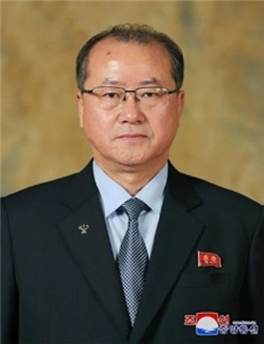
North Korea's "Goebbels" Ri Il-hwan, Secretary of Propaganda and Agitation Department, Involved in Traffic Accidents and Unlicensed Driving North Korea's Use of Influential YouTubers to Promote Regime PropagandaNorth Korea adopts new propaganda strategies by employing bilingual women proficient in English and Chinese, shifting from traditional media to platforms like YouTube.The YouTube channel believed to be operated by North Korean authorities, known as 'Echo of Truth,' has been showcasing the daily life and culture of Pyongyang through the "Un-a's Pyongyang Tour" series since May 2020. They have also made appeals for support in response to typhoons, floods, and disaster recovery efforts. Recently, a North Korean YouTuber named 'Yu-mi,' fluent in Chinese, has emerged and introduced innovative forms of content such as 'mukbang'.Kim Jong-un's emphasis on "innovative propaganda and agitation" during the 2nd Party Propaganda Workers Contest in March 2019 revealed North Korea's utilization of a new generation of female YouTubers for their propaganda purposes. Playing a pivotal role in this media transformation is Ri Il-hwan (age 63), the propaganda secretary of the Workers' Party of Korea (WPK), often referred to as the "second-generation North Korean Goebbels." The Propaganda and Agitation Department, along with the Organization and Guidance Department, forms the core of the Workers' Party of Korea.Kim Jong-il highlighted the importance of the Organization and Guidance Department and the Propaganda and Agitation Department, equating them to doctors and pharmacists. He personally initiated the first successor class at the Propaganda and Agitation Department, while Kim Yo-jong held the position of the 1st Deputy Director in the same department.Hailing from the Prestigious North Korean Academy: The Mangyongdae Revolution AcademyRi Il-hwan, born in Pyongyang in 1960, graduated from the prestigious "Mangyongdae Revolution Academy," a top military school for North Korea's elite. Despite losing his father at a young age, he excelled in his studies at the academy. In January 1974, Ri Il-hwan had the privilege of presenting a bouquet to Kim Il-sung, representing the academy at a national agricultural conference. Later that year, in December, he played a role in welcoming President Mobutu Sese Seko of Zaire alongside Kim Il-sung as a representative of the academy.After completing his university studies, Ri Il-hwan dedicated himself to youth-related activities. In January 1998, he was elected as the successor to Choe Ryong-hae, becoming the First Secretary at the 14th General Conference of the Socialist Patriotic Youth League. While reports claimed that Choe Ryong-hae was dismissed due to issues with new recruits, it is widely known that his reckless behavior led to his punishment. In January 1999, Ri Il-hwan led a delegation from the Youth League on a visit to Syria.5 Years of Revolutionary Labor from Unlicensed Driving AccidentOn October 3, 2001, Ri Il-hwan was relieved of his duties as the First Secretary at the 23rd General Conference of the Socialist Patriotic Youth League and went into hiding, making way for Kim Kyong-ho. Ri Il-hwan's dismissal was a consequence of a fatal accident. While on a business trip to South Hamgyong Province, he was driving without a license and the vehicle overturned on a cliff, resulting in the tragic death of a student secretary from the Socialist Patriotic Youth League who was accompanying him. Fearing the repercussions, Ri Il-hwan falsely reported that the accident was caused by the driver, rather than admitting his own responsibility. However, he was eventually exposed for his dishonesty, leading to his demotion as punishment. For five years, he was assigned to perform labor duties in the Deokseong Mine in South Hamgyong Province. According to North Korean defectors from the Socialist Patriotic Youth League, Ri Il-hwan insisted on driving without a license due to a promise made by Kim Jong-il to gift him a car. It is said that when Kim Jong-il found out about the false report, he expressed his anger by saying, "Today, you have caused the deaths of two people."Flourishing Under the Close Ties with Ko Yong-hui during Kim Jong-un's LeadershipFollowing the completion of his five-year revolutionary labor, Ri Il-hwan returned in 2007 to serve as the Deputy Director of the Propaganda and Agitation Department of the WPK. He actively engaged as a regional leader in South Hamgyong Province for the General Federation of Trade Unions of Korea. He made significant progress, particularly under the leadership of Kim Jong-un, who favored individuals with strong connections to his mother, Ko Yong-hui. One notable event was the construction of the Youth Hero Motorway between Pyongyang and Nampho in 2000, where Ko Yong-hui provided care and support to young workers. Ri Il-hwan, who was the 1st secretary of the Socialist Patriotic Youth League at the time, built a close relationship with Ko Yong-hui by providing assistance with clothing and food.As a result of these connections, Ri Il-hwan's career advanced further. In April 2013, he was appointed as the head of labor organizations responsible for the Socialist Patriotic Youth League, Socialist Women's Union of Korea, General Federation of Trade Unions of Korea, and Union of Agricultural Workers of Korea. He continued to climb the ranks, becoming a member of the Political Bureau in April 2014. In December 2019, he achieved significant promotions, assuming the positions of a political bureau member, deputy director of the party, and director of the Propaganda and Agitation Department of the WPK. Since 2021, he has frequently accompanied Kim Jong-un to key events.
23.07.17 -
 [NK Focus]
Kim Yong-chol, the main perpetrator of the ROKS Cheonan sinking, has returned as an advisor to the United Front Department of WPK In June 2023, at the eighth Plenary Meeting of the 8th Central Committee of WPK, Kim Yong-chol was appointed as a candidate member of the Politburo of KPK and an advisor to the United Front Department of the WPK / the Korean Central News Agency.Kim Yong-chol, who was previously implicated in the 2010 sinking of the ROKS Cheonan, has been reinstated as a candidate member of the Political Bureau of the Central Committee of the Workers' Party of Korea(WPK). The news of his appointment was reported by the Korean Central News Agency on June 19 during the eighth Plenary Meeting of the 8th Central Committee of WPK. Additionally, Rodong Sinmun featured a photo of Kim Yong-chol with the title 'Advisor to the United Front Department of the WPK.' The sinking of the ROKS Cheonan occurred on March 26, 2010, when a North Korean submarine launched a sudden torpedo attack, resulting in the loss of 46 South Korean soldiers. Kim Yong-chol, who was then the head of the North Korean Reconnaissance General Bureau, was reportedly involved in planning the attack. His return is seen as a reflection of North Korea's desire to strengthen its offensive capabilities and engage in negotiations to alleviate diplomatic isolation.Kim Yong-chol, born in Ryanggang Province in 1946, is known to have graduated from the Mangyongdae Revolution Academy and Kim Il Sung National Defense University. Starting with his role as the North Korean representative in the preliminary contacts for the high-level inter-Korean talks in February 1989, he has been involved in most of the contacts and meetings between North and South Korea over the past 30 years. His original name was Kim Dong-su, but it is said that Kim Il-sung requested him to change it to Kim Yong-chol.It is said that Kim Il-sung, who observed Kim Yong-chol's activities during the early 1990s inter-Korean talks, advocated the use of his current name. Since then, Kim Yong-chol has participated in the inter-Korean military talks as the North Korean chairman of the military subcommittee from March to August 1992, served as the chief representative for inter-Korean summit security talks, represented the North in the third to seventh inter-Korean general-grade military talks, and acted as the North Korean representative in the second inter-Korean defense ministers' meeting held in November 2007. He has been involved in major inter-Korean issues such as the Kaesong Industrial Region and the Mount Kumgang tourism project. On the second day of the 6th general-grade military talks, held on July 25, 2007, at the Inter-Korean Peace House in Panmunjom, the North Korean delegation, including Chief Representative Kim Yong-chol, is crossing the Military Demarcation Line. / by NewsisIn 2009, Kim Yong-chol assumed leadership positions in the Reconnaissance General Bureau, and the following year, he was involved in the ROKS Cheonan sinking incident. In 2013, he made threats of turning Seoul and Washington into a "sea of fire." In 2015, he was linked to a naval mine provocation near Panmunjom. In 2018, during a performance by a South Korean art troupe in Pyongyang, he sparked controversy by introducing himself as the person accused of the ROKS Cheonan sinking. From 2018 to 2019, he played a prominent role in inter-Korean and US-North Korea summits as the Workers' Party of Korea secretary in charge of North-South affairs, particularly during the presidency of Donald John Trump. However, following the inconclusive US-North Korea Summit held in Hanoi, Vietnam, in 2019, he faced dismissal from significant positions. In July 2018, Kim Yong-chol, the Vice Chairman of WPK, accompanied United States Secretary of State, Michael Richard Pompeo during his visit to Pyongyang for high-level US-North Korea talks and guided him to a luncheon at the Paekhwawon State Guest House. / AP via Yonhap News AgencyFormer US Secretary of State Michael R. Pompeo, who was Kim Yong-chol's counterpart, described him as "the most hateful person I have ever met" in his memoir published in January.In January 2021, Kim Yong-chol resumed his position as the head of the United Front Department of the Workers' Party of Korea. However, on September 9, 2022, he transferred his role to Ri Son-kwon and was also dismissed from the Standing Committee of the Supreme People's Assembly. Despite these changes, there have been observations of him advising Kim Jong-un during significant meetings. While he may have officially stepped back from key positions in the North Korean political arena, his involvement behind the scenes remains notable.Kim Jong-un, President of the State Affairs Commission (right), receiving a report on the results of Kim Yong-chol's visit to the United States in January 2019 / by Korean Central News AgencyKim Yong-chol's return to the party leadership, despite practically retiring from politics, carries significant political implications. The Ministry of Unification analyzed that North Korea's decision to bring back Kim Yong-chol, a hardliner in inter-Korean relations, as an advisor to the United Front Department of the WPK and as a candidate member of the Political Bureau, has the intention to strengthen their response in the inter-Korean field and carries meaning. Some analysis suggests that North Korea has shown its determination to drive a hardline approach in its relations with South Korea and the United States.It is also speculated that North Korea brought back Kim Yong-chol with the aim of enhancing its diplomatic efforts on the international stage. The North Korean Rodong Sinmun reported that in this plenary meeting, the Party's Political Bureau emphasized the need for a sensitive and nimble military, technological, political, and diplomatic response to the worsening security environment on the Korean Peninsula, which is caused by indiscriminate war provocations by hostile forces that ignore our patience and warnings.Some speculate that Kim Yong-chol's return as an advisor to the United Front Department of the WPK is in preparation for high-level discussions with Japan for a possible Japan-North Korea Summit. The Japanese government, under Kishida Fumio, proposed a North Korea-Japan summit to resolve the issue of North Korean abductions of Japanese citizens. North Korea responded unusually quickly on May 29 with a statement from the Ministry of Foreign Affairs, saying, "There is no reason not to." While maintaining a strong stance with the United States, there is a possibility that North Korea is seeking to break its diplomatic isolation through negotiations with Japan. We may soon see Kim Yong-chol in Tokyo.
23.06.30 -
 [News on North Korea]
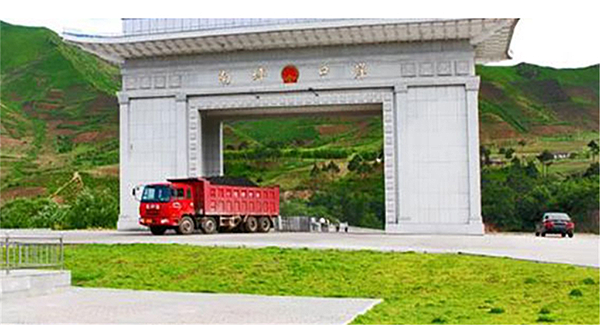
Kim Myungsung◇ Resumption of Nanping-Musan Customs between North Korea and China & a border security guard in Wonjeong-ri seen without quarantine suitsAccording to North Korean sources on June 22nd, the Nanping-Musan Customs, which connect Nanping in Jilin Province, China, and Musan in North Hamgyong Province, North Korea, reopened on June 20th after a closure of three years and five months. The Nanping-Musan Customs, situated across the Tuman River, had been shut down since the early stages of the COVID-19 pandemic in 2020. As efforts to reopen the border between North Korea and China progress, there are concerns about the potential forced repatriation of over 2,000 North Korean defectors currently held in China.A view of the Jilin Province Helong Nanping Customs in China during the summer of 2019, prior to the outbreak of COVID-19 / Cornerstone Ministries InternationalAccording to reliable sources, starting from the 20th of June, freight vehicles transporting essential goods and other commodities have been entering North Korea through the Nanping-Musan Customs. Additionally, there have been reports of freight vehicles observed coming from North Korea and entering China. This development comes after the reopening of the Dandong-Sinŭiju Customs and the resumption of train operations between North Korea and China in March. It seems that land trade has now been resumed through the Nanping-Musan Customs as well.There have been observations suggesting a possible connection between China's decision to open the Nanping-Musan Customs before the Changbai-Hyesan Customs, Hunchun-Wonjeongri Customs, and Tumen-Onsŏng Customs, and the issue of North Korean defectors. According to a reliable North Korean source, the Nanping-Musan Customs is situated in a relatively secluded area compared to other regions, making it an ideal location for secret defections. The source mentioned that detecting North Korean defectors being transported on buses from the nearby border guard station in Helong is challenging. Reports from the Database Center for North Korean Human Rights and other human rights organizations focused on North Korea indicate that the border guard station in Helong has undergone significant expansion of detention and confinement facilities. Satellite imagery reveals the construction of new fences and buildings in an area that previously only housed a guard post in 2019. During the COVID-19 pandemic, it is estimated that around 2,000 North Korean defectors were held in Chinese facilities, and there are concerns that they could potentially be repatriated gradually through the Nanping-Musan Customs.There is a potential for a significant increase in the export of iron ore from Bukhansan through the Nanping-Musan Customs. The iron ore deposit at Mount Musan is renowned as the largest open-pit mine in Asia. As per information from a reliable North Korean source, there is a possibility of a complete restoration of trade activities, including the export of iron ore and tourism.On June 26th, Yonhap News Agency reported an unusual sight at the trade zone in Wonjeong-ri, North Hamgyong Province, near the border with Hunchun, China. Sentinels stationed in the area were observed without wearing quarantine suits. This observation has raised speculation about a potential significant development, particularly regarding the reopening of the North Korean border with China and the resumption of cross-border traffic of individuals.◇ Following a failed military satellite launch, Kim Jong-un's recent appearance has revealed a puffy face, noticeable pimples, and dark circles.In a photo released by the Korean Central News Agency on June 19th, North Korea's General Secretary Kim Jong-un was depicted with a noticeably puffy face, dark circles, and prominent pimples on his cheeks. Experts have speculated that these physical manifestations may indicate health issues for Kim Jong-un, possibly linked to stress, sleep deprivation, and excessive alcohol consumption. The Korean Central News Agency shared multiple photos from the Plenary Meeting of the Central Committee of the Workers' Party of Korea, which took place at the Office Building of the Central Committee of the WPK from the 16th to the 18th of the same month. This marked Kim Jong-un's first public appearance since the unsuccessful military satellite launch on May 31st. In the released photos, Kim Jong-un is seen consistently seated, with a slightly lowered head. Notably, a distinct pimple, approximately 1cm in diameter, is visible on his left cheek, while his eye area displays swelling and dark circles.The North Korean Rodong Sinmun published a photograph on the 19th depicting Kim Jong-un, the General Secretary, in attendance at the Plenary Meeting of the Central Committee of the Workers' Party of Korea held in Pyongyang from the 16th to the 18th. In the image, his face appears visibly puffy, with noticeable pimples on his cheeks. /Rodong SinmunAccording to a reliable source, despite the media agency's efforts to carefully select a favorable photo of Kim Jong-un looking active and in good health, the noticeable physical changes still suggest that his well-being is not in a good state. Additionally, the National Intelligence Service recently reported in the National Assembly that Kim Jong-un has been suffering from worsening insomnia and relying on heavy alcohol consumption, including whiskey, due to work-related stress. His estimated weight is believed to be around 140kg.After analyzing the enlarged facial photo of Kim Jong-un, a dermatology professor at a university hospital in Seoul offered insights into the observed features. The appearance of facial pimples in a man of Kim Jong-un's age, around 39, is typically associated with the exacerbation of existing acne. However, considering that Kim Jong-un did not previously have acne, it is likely caused by an increase in stress hormones. As for the dark circles, the professor mentioned that they can be a temporary condition resulting from compromised liver function, fatigue and lack of sleep, which can lead to impaired blood circulation and dilated blood vessels.Following the failure of the military satellite, which Kim Jong-un had emphasized as a crucial project, there has been speculation about the increased stress he may be experiencing due to the impact on his prestige. The second stage engine's failure to function properly after the first stage separation likely contributed to this heightened stress. While Kim Jong-un did attend the Plenary Meeting of the Central Committee of the Workers' Party of Korea, it was noteworthy that he did not deliver a direct speech, which is a departure from his usual practice.◇ Kim Jong-un pushes for reckless missile development, resulting in accidents: TEL for ICBMs burns, military satellite crashes In the wake of North Korea's unsuccessful military reconnaissance satellite launch on May 31st, reports have emerged of previous accidents, including the burning of the Transporter Erector Launcher (TEL) during the launch of the 'Hwasong-17' intercontinental ballistic missile (ICBM) in November of last year. These incidents shed light on North Korea's persistent and misguided pursuit of its nuclear and missile capabilities since last year. The image depicts a vehicle, identified as the TEL (Transporter Erector Launcher), engulfed in flames during the launch of the 'Hwasong-17' ICBM on November 18th, 2022 / by Korean Central Television.In a video released by Korean Central Television on November 19th of last year, flames can be seen engulfing the rear portion of the TEL, marked as 'No. 321', during the test launch of the 'Hwasong-17' intercontinental ballistic missile. The flames from the missile launch entered beneath the TEL, resulting in the majority of the vehicle being consumed by fire. Speculation suggests that insufficient fire protection measures may have contributed to the burning of the TEL.Ten days later, on November 27th of last year, Kim Jong-un awarded the title of "Hero of the Republic" to the TEL marked as 'No. 321' used for the 'Hwasong-17' missile launch. A commemorative photo was taken with officials and the TEL receiving the title. However, in Kim Jong-un's photo, the TEL with the caption 'No. 322' can be seen, suggesting that the original 'No. 321' TEL suffered a malfunction during the ICBM launch and was replaced by the 'No. 322' TEL. Kim Jong-un, Chairman of the State Affairs Commission of North Korea, posing for a commemorative photo with the individuals who contributed to the 'Hwasong-17' ICBM launch on November 27th, 2022. Interestingly, the photo features the TEL marked as 'No. 322' instead of the expected 'No. 321'. / Korean Central Television, Yonhap News AgencyAfter a three-month repair period, the TEL 'No. 321' made a reappearance on February 8th of this year during the Military parade held to commemorate the 75th anniversary of the Military Foundation Day. The TEL 'No. 321', which previously launched the 'Hwasong-17' ICBM, made a prominent reappearance during the Military parade commemorating the 75th anniversary of the Military Foundation Day on February 8th, 2023. The TEL was seen with the ICBM loaded, showcasing its capabilities. / Rodong SinmunCho Han-bum, Senior Research Fellow at the Korea Institute of National Unification, stated, "Even during last year's flight training, North Korea experienced multiple crashes and accidents, such as TELs catching fire." He added, "Due to Kim Jong-un's impatience, accidents occurred as they pushed forward recklessly in a situation with technical limitations."The fact that North Korea awarded the title of Hero of the Republic to the TEL is believed to be due to the successful improvement in the mobility of ICBMs, which were previously launched only from Pyongyang International Airport with an asphalt runway. The launch on November 18th last year also took place in the Sunan District, but the location was slightly different from previous launches. There is speculation that it was launched near the Pyongyang-Nampho highway to demonstrate greater mobility capabilities
23.06.30 -
 [Analysis]
Kim Jong-un, facing a loss of confidence following the failed military satellite launch and economic challenges, refrained from delivering a speech at the Plenary Meeting The 8th Plenary Meeting of the 8th Central Committee of the Workers' Party of Korea (WPK) took place in Pyongyang from June 16th to 18th. This meeting, the third of its kind in the first half of the year, is a departure from the usual frequency. It is believed to be indicative of North Korea's economic challenges. Notably, Kim Jong-un's decision not to deliver a speech at the meeting has been interpreted as a manifestation of his wavering confidence. The meeting brought together Kim Jong-un, members and alternate members of the Politburo Standing Committee of the Chinese Communist Party, and members of the Central Committee of the Workers' Party. The participants engaged in discussions and deliberations on six agenda items of significance. The agenda of the meeting encompassed several key topics, including: Vigorous implementation of major policies for the current year's challenges, emphasizing bold and decisive actions; Introducing groundbreaking measures to enhance the development of the education sector; Significantly elevating the role and responsibilities of various People's Committees; Addressing issues concerning the strengthening of popular sovereignty; Implementing important measures to deepen the construction of party regulations; Discussing organizational matters related to the party's structure and functioning. The 8th Plenary Meeting of the 8th Central Committee of the Workers' Party of Korea took place from June 16th to 18th at the Office Building of the Central Committee of the WPK in Pyongyang, as reported by Rodong Sinmun on the 19th. / Rodong Sinmun One notable aspect of this meeting is that Kim Jong-un presided over it but did not deliver a speech. North Korean state media, including Rodong Sinmun and the Korean Central News Agency, reported on the 8th Plenary Meeting of the eighth Central Committee of the Workers' Party of Korea, which took place for three days from the 16th to the 18th. However, they did not cover the content of Kim Jong-un's report or speech. It is the first time since Kim Jong-un's leadership that no speech or statement has been reported after 15 previous meetings. The government speculates that this may be related to recent failures such as the military satellite launch and other lackluster achievements that were critically mentioned at the previous plenary session. The frequent convening of the Plenary Meeting in the first half of the year is unusual for North Korea, suggesting unfavorable internal economic conditions. In particular, the prices of rice and corn in the North Korean free market have been steadily increasing. As of June 11th, the price of rice reached 5,500-6,000 won per kilogram, while the average price of corn stood at 2,933 won per kilogram. These prices represent the highest in the past five years. According to the National Intelligence Service, there are reports of food shortages in North Korea estimated to be three times higher than usual. North Korean state media reports about the meeting lacked objective achievements in the economic and social sectors, with the exception of the construction sector. The Ministry of Unification, in separate reference materials, commented on the absence of Kim Jong-un's speech and the tendency to attribute difficulties to external and internal factors. This indicates a lack of confidence and a decline in the ability to overcome the shortcomings of the five-year plan. While North Korea claims to have overcome early-year instability and achieved high growth rates in the first half of the year, they did not provide specific achievements. They emphasized the achievement of irrigation construction goals and highlighted the supply of dairy products but fell short of presenting concrete results in other areas of the economy. In the military and external fields, North Korea admitted the failure of the military satellite launch and maintained a stance of confrontation with the United States. They revealed the previously undisclosed fact of the failed military satellite launch (on May 31) and acknowledged it as the "most serious shortcoming" in the military sector for the first half of the year. However, the responsibility was attributed to the personnel involved (showing his irresponsibility), and they pledged to relaunch it in the near future, announcing the establishment of an organization for space industry to be presented to the Supreme People's Assembly. North Korea had previously established the National Aerospace Development Administration under the cabinet in April 2013, and it is expected to expand its organization and functions as a comprehensive body in the future. Additionally, North Korea reiterated its position of attributing the deteriorating conditions to the United States and South Korea, emphasizing the need to strengthen self-defense capabilities. They vowed to respond with a powerful and offensive approach based on the principle of "action for action." They reaffirmed their commitment to ongoing nuclear capability reduction efforts and expressed solidarity with other nations opposing the United States. In the political arena, North Korea emphasized the importance of strengthening party control and delegated responsibility to local officials. They emphasized the role of chairpersons of provincial, city, and county people's committees and addressed underperforming chairpersons. As the term of the National People's Congress approached its end in July, North Korea hinted at potential changes in the election process. They emphasized the significance of establishing party rules and mentioned the convergence of the five-party line for party construction in the new era, as well as the strengthening of security and safety agencies. In terms of personnel changes, a notable development in the Central Committee of the Workers' Party of Korea is the replacement of the economic director. North Korea announced that Oh Su-yong has been appointed as the party secretary and the economic director. Oh Su-yong, who had been responsible for the electronics industry for more than a decade since 1999, previously held the position of Vice-Premier of the DPRK Cabinet and served as the party secretary and economic director from 2014. He stepped down as the economic director in June of the previous year but returned after a year. Hardliner Kim Yong-chol became an advisor to the United Front Department of the Workers' Party of Korea and entered the Politburo as a candidate member. Minister of Defense Kang Sun-nam was promoted from a candidate member to a full member of the Politburo. Kim Jae-ryong, the party's discipline secretary, was not identified, raising the possibility of personnel changes in the discipline sector.
23.06.30 -
 [Defectors' Podium]
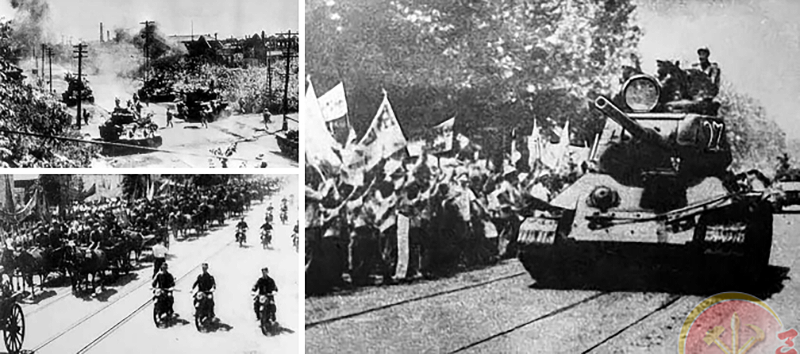
Distorted Paradox of the Korean War and its Historical Facts, and Experiencing Them FirsthandAhn Chan-ilResearch Director of the World Institute for North Korea Studies As June 25th approaches, it marks the 73rd anniversary of the outbreak of the Korean War. The Korean War, a tragedy that began with North Korean invasion of South Korea, was a fight between Koreans. However, in North Korea, the war's name and even basic facts are distorted and taught. Currently, North Korean residents perceive the Korean War as an invasion by the South.Even during my time as a soldier in North Korea, I was taught that the Korean War occurred due to South Korean invasion of the North.Since childhood, North Korea has referred to the Korean War as a war in which the United States and South Korea conspired to invade North Korea, calling it the "Day of Victory in the Great Fatherland Liberation War." Despite ample evidence and public disclosure that the Korean War was initiated by Kim Il-sung with support from Stalin and Mao Zedong, North Korea continues to assert the theory of South Korean Invasion of North, using the tragic event of the Korean War, considered the greatest national tragedy, to maintain its regime. In North Korean documentaries and films depicting the Korean War, they claim, "On June 25, 1950, imperialists from the United States launched a full-scale military invasion on our republic, which had been established just two years prior."There is a deliberate distortion in the depiction of the "Incheon Landing Operation" during the Korean War, with claims made that General Douglas MacArthur, despite commanding a sizable fleet and a force of 50,000 soldiers, faced defeat at Wolmido.By implementing anti-American education from a young age, North Korea promotes the narrative of the "South Korean Invasion of North Korea." The U.S. is depicted as a predatory entity targeting innocent people, with the "Sinchon Museum of American War Atrocities" playing a role in amplifying intense anti-American sentiments. Through the spread of propaganda that portrays U.S. soldiers committing horrific acts such as burning children and women alive, decapitation, and unimaginable cruelty, the hostility towards the U.S. among North Korean residents is further fueled. Kim Jong-un also capitalizes on the Korean War to uphold his regime. Following his rise to power, he undertook significant renovations of the "Victorious Fatherland Liberation War Museum" and orchestrated nationwide events dedicated to Korean War veterans. Furthermore, a play titled "Hydrochloric Acid" was adapted and broadcasted to foster animosity towards American missionaries.Nevertheless, despite North Korea's persistent distortion of the factual history, the perception of North Korean youth towards the Korean War is gradually shifting due to the exposure to external information, such as South Korean books and videos. The increasing number of residents who no longer believe in North Korea's propaganda about the "South Korean Invasion of North Korea" is attributed to their access to South Korean and American movies on enhanced versatile discs (EVD) and phones with USB memory or SD cards. In particular, the release of the movie "Brotherhood of War" in South Korea in 2004 caused a sensation among North Korean youth when it made its way to Pyongyang in the form of a CD. Witnessing the film's depiction, they were shocked to discover the true origins of the Korean War.Upon my defection to South Korea, I, too, experienced a profound shock when I discovered that the Korean War was, in fact, initiated by North Korea's invasion of the South under the leadership of Kim Il-sung. Previously, I had been taught that Kim Il-sung was a brilliant leader who successfully repelled invasions from the United States and South Korea, ultimately capturing Seoul, the enemy's capital, within a mere three days. Learning the truth was a complete reversal of what I had believed, leading to a deep sense of disillusionment towards Kim Il-sung and the North Korean regime.The distortion and propaganda surrounding the Korean War in North Korea continue to this day as a means of maintaining the regime. It is crucial that we increase the flow of information from the outside to enlighten North Korean residents about the true nature of the Korean War. By exposing them to the truth, we can gradually transform their perception.
23.06.16 -
 [News on North Korea]
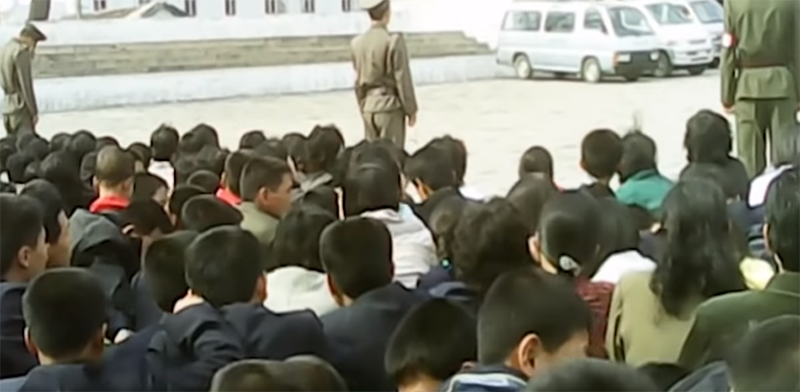
Kim Myungsung◇ Severe Food Shortages Lead to 3 Murders in Ryanggang Province in May: Family of 3 Killed, 15-Year-Old Boy Murders Liquor Store Owner and MoreIt has been revealed that North Korea is experiencing an increase in violent crimes, including murder, due to severe food shortages. According to North Korean sources, Ryanggang Province, a border region with China, specifically Hyesan City, witnessed three consecutive murder cases in May, plunging residents into fear. The local police and detention centers in Ryanggang Province are reportedly overflowing with prisoners involved in these murders.On May 24, a family of three in Hyesan City fell victim to a robbery and was brutally murdered. The family members included a high-ranking official from the Hyesan paper mill, his wife, who was involved in loan sharking at the Jangmadang (North Korea's Free Market), and their 13-year-old daughter. On the fateful night, two burglars broke into their home, killed them with an axe while they were asleep, and stole 20,000 Chinese yuan from the safe. Despite ongoing investigations by North Korean authorities, the perpetrator of the crime remains at large.Another incident occurred on May 30 in Pochon, Ryanggang Province, where a 15-year-old boy murdered the owner of a liquor store. Moonshine production and distribution using corn and other grains from private homes is thriving in North Korea. According to sources in Pochon, the boy, went to the local liquor store on the afternoon of the 30th at his father's request. When he arrived, he found the store door open but the owner was nowhere to be seen. He stole 6,000 North Korean won and 8 kilograms of corn, and attempted to leave with them. However, he encountered the owner who had just returned from the restroom. Startled, he grabbed a kitchen knife, stabbed the woman six times, put the body in the fireplace, and fled. Upon discovering his wife's deceased body, the husband immediately contacted the police, who proceeded to gather witness testimonies and successfully apprehended him, who had been concealing himself in the house. It has been reported that he is presently under investigation at the detention center in Ryanggang Province, where several individuals involved in murder cases are being held.On May 31, an additional incident unfolded in Chundong, Hyesan City. Motivated by hunger, two brothers in their 20s attempted to rob the residence of a military officer. The officer managed to apprehend the brothers, restraining and subjecting them to severe physical abuse before eventually releasing them. Tragically, the younger brother died the following day due to liver rupture. The officer denied any responsibility for the death, and it has been reported that the North Korean authorities remain silent about the incident. Believing that the young man died while involved in the robbery, the family chose to quietly lay him to rest in the hills behind their house without conducting a funeral ceremony.These consecutive crimes are a result of the challenging food situation in North Korea. In Ryanggang Province, the food shortage has reached such a severe level that people are expressing, "Even mice are starving to death." According to the National Intelligence Service, as of May 31, "North Korea's corn prices have risen by approximately 60% compared to the first quarter of the previous year, and rice prices have increased by nearly 30%, reaching their highest point since Kim Jong-un assumed power. Consequently, it is estimated that the number of deaths from starvation is three times higher than usual.◇ Ongoing Defections of North Koreans Working OverseasThere has been a notable increase in defections among North Korean overseas workers. One recent case involves , Park, a staff member of the trade representative office dispatched to the North Korean Consulate General in Vladivostok, and his wife, Kim Kum-sun (43), and their son, Park Kwon-ju (15), have gone missing, raising the possibility of their defection. Furthermore, there have been reports of defections of North Korean diplomats who were stationed in Europe. The growing dissatisfaction among North Korea's elite class is fueling a series of defections, indicating a potential chain of defections.On the 9th, a North Korean diplomat who was working in Europe defected a few weeks ago. The specific country of employment and the number of defectors accompanying the diplomat have not been confirmed. While North Korean diplomats stationed in Europe belong to the country's elite class, they have fallen into economic hardship and live in impoverished conditions.Thae Yong-ho, a defector and member of the People Power Party, recently shared on social media, "There is a notable trend of North Korean diplomats and overseas workers defecting. I frequently encounter acquaintances whom I believed were still in Pyongyang suddenly appearing in Seoul."The case of the family members of a North Korean consulate employee in Vladivostok who went missing is also regarded as a sign of another chain of defections. It is said that the mother among the missing North Koreans was held captive at the consulate and managed a North Korean restaurant on behalf of her husband. Previously, the assistant manager of the restaurant had attempted defection and was caught, resulting in restrictions on their movements.It is anticipated that defections will accelerate until the reopening of North Korea's borders following the relaxation of COVID-19 restrictions. A significant turnover of overseas personnel is expected, and there is a likelihood of additional defections among diplomats and individuals who are unwilling to return to their home country.◇ Kim Jong-un's Military Activities Show Doubled Frequency in the First Five Months of This Year Compared to Last YearKim Jong-un's military activities in the first five months of this year were twice as frequent as the total number of activities from last year. According to the Korea Institute for National Unification's "Kim Jong-un Public Activities Database," by the end of April, out of the 27 public appearances by Kim Jong-un, 12 were related to military activities. This represents a doubling in frequency compared to the military activities of Kim Jong-un in the same period last year (7 times) and in 2021 (6 times).Kim Jong-un engaged in 7 weapon inspections, attended military events, and convened the Central Military Commission of the WPK 3 times this year. In January, he oversaw the production ceremony of the 600mm multiple launch rocket system. February witnessed his presence at the 75th-anniversary military parade. In March, he participated in military exercises, observed firepower training, and supervised the launch of an Hwasong-17 ICBM. In April, he led the test launch of the solid-fueled Hwasong-18 ICBM and provided guidance to the NADA.Kim Jong-un's military activities reached a peak in 2014, totaling 50 occurrences since he assumed power. The number of military activities hit a low point in 2018 during inter-Korean dialogue, with only 3 instances. However, it rose significantly to 23 in 2019, coinciding with the DPRK-USA Hanoi Summit. The recent increase in Kim Jong-un's military activities is seen as a deliberate attempt to demonstrate tangible progress in the five-year plan aimed at strengthening the country's defense capabilities, as presented during the 8th Congress of the Workers' Party of Korea.
23.06.16 -
 [NK Focus]
Ri Pyong-chol, Kim Jong-un's Yes Man and North Korea's Top Military OfficialRi Pyong-chol, the deputy chairman of the Central Military Commission of the Workers' Party of Korea (WPK) and a prominent figure in the North Korean military, recently made headlines with his announcement of plans to launch the first military satellite next month. However, the much-anticipated missile launch on May 31 ended in failure as it crashed into the West Sea. Despite this setback, the prospect of a potential re-launch has generated significant attention around Ri Pyong-chol and his role in the initial military satellite launch plan.Ri Pyong-chol, born on August 2, 1948, has a mysterious background regarding his hometown and parentage. However, it is confirmed that he graduated from the Mangyongdae Revolution Academy, an esteemed institution exclusively attended by the offspring of high-ranking officials.After graduating from the Mangyongdae Revolution Academy, Ri volunteered for the Korean People's Army Air Force (KPAAF). He later enrolled at the Kim Il Sung National Defense University, the elite military academy, under the command of Kim Jong-il. It was during this time that he began his journey as an elite military officer under the leadership of Kim Jong-il.In 2007, Ri was appointed as the commander of the Air Force and had his first encounter with Kim Jong-un. He was promoted to general in 2010 and accompanied Kim Jong-il on his unofficial visit to Russia in 2011, ascending to the ranks of Kim Jong-il's close aides.August 24, 2011 – Ri Pyong-chol looking on while Kim Jong-il and Russian President Dmitry Anatolyevich Medvedev engage in conversationIn 2015, Ri served as the deputy director of the Central Committee of the Workers' Party of Korea during Kim Jong-un's inspection of the Korean People's Army Air and Anti-Air Force command headquarters. He played a crucial role in the development of nuclear weapons and missiles while serving as the deputy director of the Machine-Building Industry Department. In 2016, a photo was released showing Ri Pyong-chol smoking alongside Kim Jong-un during the successful test launch of a North Korean SLBM.Despite his lifelong focus on fighter aircraft, Ri Pyong-chol was assigned the task of missile development by Kim Jong-un. His intense drive led him to push his researchers relentlessly, but this approach caused him to lose favor with the people and face criticism from officials and military personnel. After being dismissed from his position in October 2017, Ri Pyong-chol was reinstated just four months later in February 2018. In 2019, he was promoted to a member of the Political Bureau and appointed as the head of the Machine-Building Industry Department, overseeing North Korea's arms industry.June 22, 2016 – Kim Jong-un (right), the Chairman of the WPK, embracing Ri Pyong-chol, Deputy Director of the Central Committee, while announcing the successful test launch of the BM-25 Musudan (Hwasong-10), a North Korean intermediate-range ballistic missile (IRBM).In 2020, Ri was elected as a member of the State Affairs Commission and became the deputy chairman of the Central Military Commission of the WPK. In October of the same year, he received the title of Marshal, along with Pak Jong-chon, the Chief of Staff, at a meeting of the Politburo of the WPK. In North Korea, the title of "Marshal" is the highest military honor bestowed upon ordinary soldiers, representing the pinnacle of the six-tier rank system—Marshal, Chasu, General, Lieutenant General, Major General, and Colonel. Ri Pyong-chol skipped the Chasu rank and was promoted directly from General to Marshal.February 8, 2023 – Ri Pyong-chol, Deputy Director of the Central Military Commission of the WPK, saluting beside Kim Jong-un on the occasion of the 75th anniversary of the founding of the Korean People's Army (Armed Forces Day)With the replacement of his rival, Pak Jong-chon, and the appointment of Ri Yong-gil as the deputy chairman of the Central Military Commission of the WPK, Ri Pyong-chol emerged as the sole military representative in the Political Bureau Standing Committee which comprises representatives from the party, the cabinet, the Supreme People's Assembly, and the military authorities.However, given Ri Pyong-chol's age of 75 and his underlying health conditions, including heart disease, there is a considerable concern about his well-being and the potential burden he poses to Kim Jong-un. Furthermore, there are ongoing power struggles and conflicts with high-ranking officials, and there is a possibility that those exploiting foreign currency mechanisms, riding on their close relationship with Ri Pyong-chol, may become weak points. In fact, Ri Pyong-chol was dismissed on June 29th, 2021 due to corruption issues among his closest associates but later reinstated. Therefore, it remains uncertain how long he will remain as Kim Jong-un's closest confidant.
23.06.16 -
 [Issue Brief]
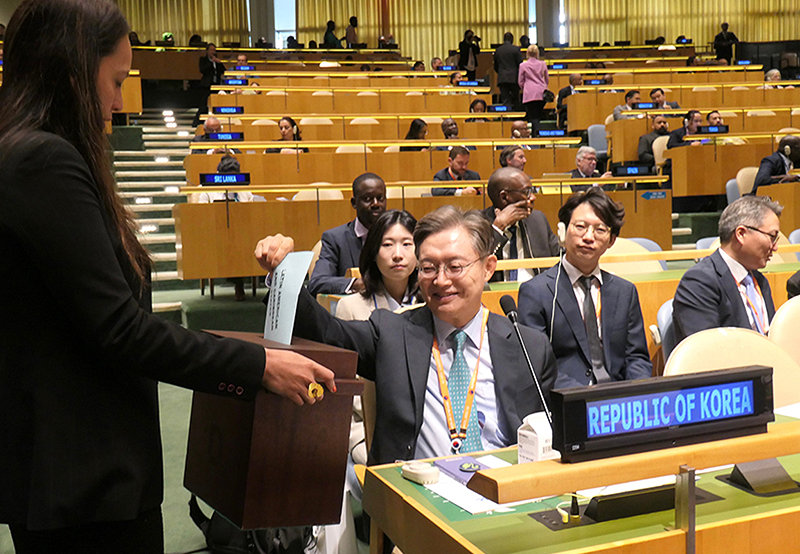
South Korea's Entry into the United Nations Security Council as a Non-permanent Member and International CooperationCho Han-bumSenior Research Fellow, Korea Institute of National UnificationThe new Permanent Representative of the Republic of Korea to the United Nations, voting for the election of the Non-permanent Member of the United Nations Security Council. ㅡ Ministry of Foreign AffairsOn June 6, the Security Council convened a plenary meeting to conduct the election of non-permanent members for the 2024-2025 term. South Korea, being the only candidate from the Asia-Pacific region, secured its position with resounding support from 180 out of 192 member states, excluding North Korea and others. This victory means that South Korea will soon resume its membership in the United Nations Security Council for the third time, an achievement of significant diplomatic value. This is particularly noteworthy given the escalating threats posed by North Korea's nuclear threats and the evolving landscape of global security dynamics.South Korea, positioned as a middle power nation, boasts the 10th largest economy and the 6th largest defense capability in the world. The global community has been captivated by the remarkable phenomenon known as the Korean Wave, showcasing South Korea's cultural influence on a global scale. Moreover, South Korea's dominance in cutting-edge technologies such as semiconductors and batteries remains unrivaled, while its defense industry has proven its mettle through active involvement in the Ukrainian War. Demonstrating its presence beyond regional boundaries, South Korea has firmly established itself as a global player. In line with this, the Yoon Suk-yeol government is steering the country towards a comprehensive global strategy, with the aim of assuming the role of a pivotal state in the international arena. To solidify this pivotal status, it is crucial for South Korea to expand its responsibilities and roles within the international community. In this regard, South Korea's entry as a non-permanent member of the United Nations Security Council holds great significance.Over the past three and a half years, humanity has faced an unprecedented challenge with the ongoing COVID-19 pandemic, while global security crises have intensified due to the Ukrainian War. The urgency of the climate crisis and the complexities of establishing a stable global supply chain further compound the situation. International cooperation is crucial not only in addressing traditional security threats but also in tackling emerging security challenges and navigating the demands of the new economic era. Resolving the Ukrainian War and recovering from its aftermath require a concerted effort from the international community. South Korea, drawing from the assistance it received during the Korean War, must fulfill its responsibilities as a non-permanent member of the United Nations Security Council and actively contribute to addressing and resolving the Ukrainian issue.South Korea's inclusion as a non-permanent member of the United Nations Security Council holds the potential to expedite international cooperation in establishing a rule-based global order. The current global landscape reveals a discernible trend of reconfiguration, with the democratic camp led by the United States and the authoritarian camp centered around China and Russia. China, aiming to assert its dominance, is actively seeking to alter the status quo in the East and South China Seas, employing an assertive form of diplomacy known as "wolf warrior diplomacy" to safeguard its diplomatic, security, and economic interests. Russia, isolated due to its unlawful incursion into Ukraine, is bolstering its ties with China. Notably, authoritarian states such as North Korea, Iran, and Syria have aligned themselves with China and Russia. In response to these challenges, the democratic camp endeavors to establish an international order grounded in values and principles. South Korea's participation as a non-permanent member of the United Nations Security Council presents a significant opportunity to reinforce solidarity and collaboration within the democratic camp.The significance lies in the timely opportunity to address the urgent issue of the North Korean nuclear crisis. The United Nations Security Council is undoubtedly the highest body responsible for international peace and security matters. On June 25, 1950, the day the Korean War broke out, the Security Council swiftly convened a meeting, categorizing North Korea's invasion as a breach of peace and authorizing the dispatch of United Nations forces to South Korea. Furthermore, the Security Council has implemented extensive sanctions on North Korea, adopting Resolution 2397 in 2017, in response to its first nuclear test in 2006. Additionally, the Security Council aims to address North Korea's human rights concerns through mechanisms such as the Special Rapporteur on the Situation of human rights in the Democratic People's Republic of Korea. Non-permanent members of the Security Council possess the same voting and speaking rights as permanent members, enabling South Korea's entry to serve as an effective opportunity to address the North Korean nuclear crisis and actively engage in resolving human rights issues within the country.Non-permanent members face inherent limitations as they lack the power of veto over substantial resolutions. The authority to veto resolutions in the United Nations Security Council rests solely with the permanent members, commonly referred to as the P5 (United States, United Kingdom, France, China, and Russia). Achieving consensus is essential for the adoption of resolutions, meaning that a single opposing vote can effectively block their passage. Regrettably, despite numerous violations of United Nations resolutions by North Korea since 2017, no additional sanctions or condemnations have materialized due to the non-cooperation of China and Russia. This phenomenon surrounding the North Korean nuclear issue is expected to persist, particularly given the ongoing Ukrainian War and the intensifying strategic competition between the United States and China.It is important to note that during the United Nations Security Council meeting held on May 31 in response to North Korea's military satellite launch, Deputy Director Kim Yo-jong expressed opposition. The effective utilization of such United Nations Security Council meetings can play a significant role in promoting international cooperation and increasing pressure on North Korea regarding its actions. South Korea's position as a non-permanent member of the United Nations Security Council should be utilized to exert pressure on China and Russia, urging them to take responsible actions given North Korea's clear violations of United Nations resolutions through military satellite launches, missile tests, and nuclear experiments. Additionally, strengthening international cooperation is essential for effectively addressing and finding practical resolutions to the human rights issues in North Korea.In order to address the urgent challenge of the North Korean nuclear crisis and tackle the complex global crises at hand, international cooperation becomes paramount. South Korea's accession as a non-permanent member of the United Nations Security Council presents a valuable opportunity to bolster its standing as a pivotal global player.
23.06.16 -
 [North Korea Glossary]
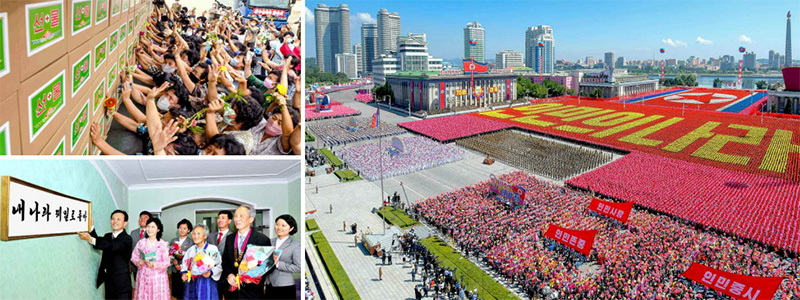
Our-Style Socialism is North Korea's governing ideology developed to block the waves of change occurring in other socialist countries and to maintain the regime. Based on the Juche Idea, North Korea's governing philosophy, Our-Style Socialism was first proposed in the late 1980s.In December 1978, shortly after China opted for reform and opening up, Kim Jong-il, in a speech at the Central Committee of the Workers' Party of Korea, first introduced the slogan "We live in our own way" as a means to enhance the party's combativeness and bring about a new transition in socialist construction. In the late 1980s, as socialist countries in the Soviet Union and Eastern Europe collapsed, North Korea began emphasizing Our-Style Socialism more extensively.Faced with the collapse of socialism in Eastern Europe and the dismantling of the Soviet Union, North Korea was greatly shocked and devoted its efforts to maintaining the regime. Our-Style Socialism emerged as a governing ideology to prevent the domino effect of socialist collapse and to monitor and control the residents to prevent the infiltration of change into North Korea. Kim Jong-il first used the term "Our-Style Socialism" in a speech on December 28, 1989, in front of the Central Committee of the Workers' Party of Korea.North Korea emphasized that the collapse of socialism in some countries today is a temporary phenomenon and that the law of history cannot be stopped when humanity advances towards socialism. They argued that the failure of socialism in these countries was due to the absence of ideologies like the Juche Idea and leaders like Kim Il-sung and Kim Jong-il. North Korea proclaimed that the Our-Style Socialism system guarantees the people an autonomous and creative life, describing it as the superior social system that ensures the true welfare of humanity. They educated their people to unite around the leader, the party, and the masses with one heart and mind, firmly adhering to the socialist system and fully completing the socialist tasks. In other words, Our-Style Socialism is claimed to be the most unique and superior form of socialism based on the "eternal and immortal Juche Idea," which realizes an ideal society where the true welfare of humanity is guaranteed. They also urged their people to remain steadfast in Our-Style Socialism, centered around Kim Jong-il, without hesitation or retreat, even in the face of any adversity.This ideology has continued under the regime of Kim Jong-un. In the 7th Party Congress Report in 2016, Kim Jong-un emphasized the unity of the leader, the party, and the masses, stating that a harmonious extended family is formed where everyone is bound together by the same ideology, belief, comradely love, and loyalty. He called for strengthening the struggle to uphold Our-Style Socialism. Through Our-Style Socialism, North Korea has differentiated itself from other socialist countries, utilizing it actively to prevent unrest among residents and maintain the regime. It demonstrates North Korea's intention to block external changes and reject the reform and opening-up approaches taken by other socialist countries.
23.06.01 -
 [News about North Korea]
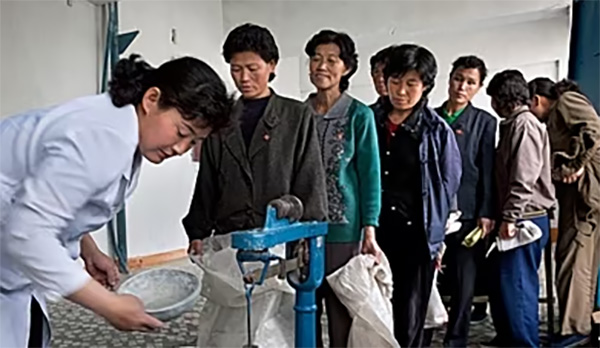
Our esteemed leader, Kim Jong-il, emphasized the following instructions:"It is imperative for our nation to comprehensively control all grain resources and establish a robust system of distribution and consumption based on national regulations, effectively preventing any wastage of food." Grains, serving as both essential sustenance for the people and vital raw materials for industries, are universally recognized as valuable national assets. Therefore, their proper management is considered a critical policy matter for the country. The grain distribution system is an integral part of the national economic plan, contributing to the improvement of people's livelihoods and the advancement of our economic prowess.In pursuit of these goals, the state maintains tight control over grain management, working diligently to implement a centralized system that ensures effective regulation and orderly distribution of grains. In our country, we adhere to a well-defined grain management framework, securing an abundant supply of grains and stabilizing overall grain prices through distribution to residents. This proactive approach significantly contributes to the enhancement of our national economy.It is important to note that the sale of grains is restricted to authorized food supply centers sanctioned by the state. However, there have been instances where certain urban and military commercial business have engaged in illicit practices, clandestinely acquiring grains and selling them in a disorderly manner, prioritizing their own interests over the rule of law.Such actions, irrespective of their magnitude, undermine the established regulations governing grain management and hinder the realization of our vision for an economically prosperous nation. In order to address this issue, our government has taken measures by implementing the Grain Sales Center Regulations, as stipulated in Article 16 of the Cabinet Decision on March 25, Juche 108 (2019). These regulations aim to establish a well-structured and organized system for grain sales. So, what are the essential legal requirements for grain sales?First and foremost, the organization of grain sales centers must be carried out meticulously. This involves determining clear criteria for their placement. These centers should be conveniently and rationally organized, taking into account factors such as population size, grain demand, and transportation accessibility in the respective areas. This thoughtful approach ensures that residents can easily utilize, manage, and operate these centers to meet their grain-related needs.To achieve this, relevant institutions, including the National Construction Supervisory Agency, are responsible for establishing precise guidelines for the placement of grain sales centers. Subsequently, they must obtain the necessary ratification from the cabinet. Additionally, it is essential to establish grain sales centers within the framework of grain management offices.Secondly, strict adherence to legal requirements must be observed during the purchase and sale of surplus grains. Grain sales centers should exclusively conduct the purchase and sale of surplus grains through authorized grain management offices. It is strictly prohibited for other institutions, enterprises, organizations, and individual citizens, with the exception of grain sales in the market and grain exchanges facilitated through exchange markets, to engage in the purchase and sale of surplus grains. Therefore, it is crucial for our nations to fully mobilize available surplus grain resources. The sources of surplus grain include: Grains produced by agricultural organizations, including farms, as part of the national surplus grain plan and for the normalization of production; Surplus grain cultivated by individual farmers and residents; Other grains as separately designated Agricultural organizations, including farms, should procure the necessary portion of surplus grain, suitable for agricultural inputs and other operational activities, through contracts with the respective grain management offices.Thirdly, adherence to the regulations governing the operation of grain sales centers is essential. The Supreme People's Assembly should appropriately determine the working hours and rest days of grain sales centers in accordance with the actual circumstances. Effective management of labor and finances should also be ensured.The allocation of labor in grain sales centers should follow the labor allocation criteria set by the state. Grain sales centers should process and sell grains according to the demands of residents, gradually lowering the selling prices to stabilize grain prices and contribute to the well-being of the people. The selling prices should be set lower than market prices, compensating for distribution costs while enabling a certain level of income generation. Grain production organizations should register and apply the purchase prices for grain procurement, while grain sales centers should register and apply the selling prices for grains and their processed products in accordance with the national price regulations. Grain sales centers are authorized to sell various types of grains, including rice, flour, and other grains used for food production, such as noodles and rice cakes. However, they should refrain from selling other food and industrial products.When individual citizens engage in the purchase and sale of grains, they should adhere to the specified limits. Any transactions exceeding these limits require permission from the grain management office.Transactions related to grain procurement and sales should be conducted through contracts and financial settlements between grain sales centers and grain management offices, institutions, enterprises, and organizations. When procuring and selling grains in other regions, contracts should be established with the respective regional or military grain management offices. Signboards, operating hours, rest days, and price lists should be displayed in designated locations. Necessary permits, such as English permits and hygiene permits, must be obtained and displayed accurately. Various service organizations should be established to facilitate order placement, delivery services, and efforts should be made to maximize the service-oriented mindset of sales personnel.Strict adherence to measurement standards is essential. Measuring instruments should be registered and regularly inspected by the "Measurement Verification Supervisory Institution."Administrative responsibilities will be imposed on institutions, office managers, officials, and individuals involved in the following cases: Failure to operate grain sales centers properly, causing inconvenience to the people's livelihoods; Inadequate approval for the organization of grain sales centers (or food supply center sales) or failure to obtain proper business licenses; Unauthorized operation of grain sales centers; Procuring or purchasing grains from grain production organizations that failed to execute the national surplus grain plan; Other institutions, business offices, organizations, or individual citizens engaged in purchasing, storing, transporting, or selling grains for their own sales purposes; Grain sales centers that sell grains to entities that are not the intended recipients, including those involved in trade and foreign currency transactions; Grain sales centers that sell products other than grains and their processed goods. Grain sales centers selling grains at prices higher than the registered prices; Misusing the funds generated from grain sales; Violations of other regulations According to Article 75 of the Administrative Punishment Law of the Democratic People's Republic of Korea (DPRK), individuals engaged in business activities through illegal means may be subject to warnings, severe warnings, fines, or unpaid labor for a period not exceeding three months. In more serious cases, unpaid labor for more than three months, imprisonment, dismissal, or demotion may be imposed, as stipulated in Article 103 of the Criminal Law, which imposes labor training for those engaged in illegal business activities. All workers and employees should be well aware of the legal requirements related to grain sales and strictly adhere to them. They must fulfill their fundamental obligations as citizens in order to stabilize the livelihoods of the people.
23.06.01 -
 [NK Focus]
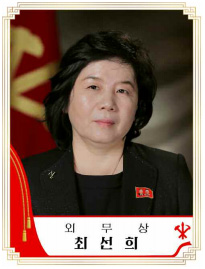
Choe Son-hui: From an Orphan to a Resilient Foreign Minister, Growing with Kim Jong-un's Confidence- Privileged upbringing under the guidance of her adoptive father- Tainted reputation due to aggressive nature and blunt speech- Involved in a long-term extramarital affair with former Foreign Minister Ri Yong-ho, leading to divorce- Despite a year in office, no significant progress in US-North Korea relationsThere are discussions about the possibility of North Korea's Foreign Minister, Choe Son-hui, attending the upcoming ASEAN Regional Forum (ARF) Foreign Ministers' Meeting in Jakarta, Indonesia, in July. Indonesia, as the host country, is said to be sharing relevant information with North Korea to facilitate Choe Son-hui's participation. The attention on Choe Son-hui, North Korea's first female foreign minister, is on the rise.Choe Son-hui was born in Pyongyang on August 10, 1964. At a very young age, she was sent to an orphanage and later adopted by Choe Yong-rim, a former Prime Minister and Secretary of the Standing Committee of the Supreme People's Assembly. Though specific details remain undisclosed, there are suggestions that Choe Son-hui's biological parents, who were North Korean agents, passed away, allowing her to be adopted into Choe Yong-rim's family due to this background.Choe Yong-rim, who hailed from the Mangyongdae Revolutionary School, played a significant role in North Korea. During the Korean War, he served by Kim Il-sung's side in the renowned "elite guard unit." He held various prominent positions, including a decade as Kim Il-sung's secretary, followed by stints as the Chief Prosecutor and Prime Minister.Growing up in a privileged environment as the daughter of a high-ranking official, Choe Son-hui had a comfortable upbringing. In 1976, during her middle school years, she pursued studies in China and later enrolled in Pyongyang University of Foreign Studies and Kim Il Sung University. During the 1980s, she enjoyed special privileges by studying abroad in countries like Austria and Malta to learn English.After graduating from university in 1988, Choe Son-hui joined the Ministry of Foreign Affairs at her father's encouragement. She began her career as an interpreter and language specialist. It was at the Six-Party Talks on the North Korean nuclear issue that she gained attention for her outspoken nature. During the third round of talks in 2004, when the South Korean chief representative praised Kim Kye-gwan, Choe Son-hui retorted sharply, questioning the significance of making a good impression.Her impolite and overbearing demeanor, such as refusing to engage in conversations with fellow interpreters during breaks, led to speculation about her background. However, it was later confirmed that Choe Son-hui indeed held a prominent position as the daughter of a high-ranking official. Her participation in the Six-Party Talks allowed her to solidify her position within the Ministry of Foreign Affairs, as she had the opportunity to meet Kim Kye-gwan, the chief representative of the North Korean delegation at the time.During that time, Kim Kye-gwan delivered a speech asserting that the 2019 DPRK-USA Hanoi Summit had achieved what no previous US president had accomplished, and Trump subsequently announced that the summit would proceed, thus ensuring Choe Son-hui's survival.Choe not only faced criticism from external sources but also had a negative reputation within North Korea due to her difficult personality. Particularly during her tenure in the Ministry of Foreign Affairs, it was widely known that she had a long-term extramarital relationship with former Foreign Minister Ri Yong-ho. Defectors from North Korean diplomatic circles have revealed that Choe Son-hui and Ri Yong-ho had an affair even while overseas. However, after the 2019 DPRK-USA Hanoi Summit, Choe Son-hui took on a more prominent role, overshadowing Ri Yong-ho, which created a sense of crisis for him. Eventually, their relationship came to an end when their infidelity was exposed.Following the failure of the "Hanoi No Deal," Ri Yong-ho and other high-ranking officials were dismissed, but Choe Son-hui, unexpectedly, was promoted to the position of First Vice Minister of Foreign Affairs just one month later in April 2019. Another factor contributing to Choe Son-hui's rise to power was her father's influence. There were rumors that Kim Jong-il served as the guarantor of her party entry, which meant that no one in the Ministry of Foreign Affairs dared to treat her with disrespect. With this background, Choe Son-hui advanced in her career effortlessly and fearlessly voiced her opinions.It is reported that Choe Son-hui's aggressive nature and the revelation of her extramarital affair eventually led to her divorce. Her husband, who worked for a foreign trade company, endured her infidelity due to fear of her influential family and openly spoke about the mistreatment and disregard he experienced.Since assuming the role of Foreign Minister in June 2022, Choe Son-hui has had a relatively uneventful year as the North Korea-US relationship remains deadlocked. Even if she attends the upcoming ARF, it is anticipated that she will avoid meetings with foreign ministers from South Korea, the United States, and Japan, and instead focus on cultivating positive relationships with counterparts from China and Russia.It could be seen as a stroke of luck for Choe Son-hui to find herself in this situation. Throughout her journey, she has benefited from the lingering aura of her influential father and has advanced by stepping on many others. However, Choe Son-hui herself is acutely aware that a single misstep could bring her down just like any other official. Considering North Korea's triple burden of sanctions, prolonged COVID-19 lockdowns, and natural disasters, along with Kim Jong-un's leadership style that values the dedication and achievements of officials, the verdict will soon be reached.
23.06.01 -
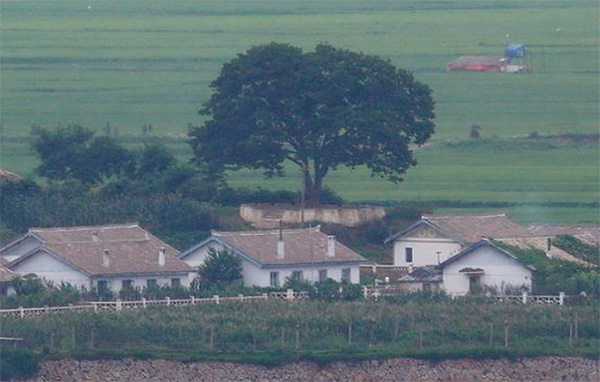 [News on North Korea]
Kim MyungsungA North Korean Man Found Dead with Methamphetamine Suspended from his LegA dead body of a North Korean man was discovered on May 19th in the vicinity of Ganghwa Island in Incheon, with methamphetamine hanging from his leg.The National Intelligence Service announced on May 27th that "our military discovered a corpse believed to be that of a North Korean male on the coastal area of Ganghwa Island on the 19th and conducted a joint investigation with relevant agencies."Authorities have requested a detailed analysis of the drug suspected object found in the body's belongings from the National Forensic Service. If the object is confirmed to be a narcotic substance, it will be disposed of according to relevant regulations.According to government sources, at the time of discovery, the body of the North Korean man had Styrofoam attached to his leg, and the investigation revealed the presence of Methamphetamine, which could be consumed by thousands of people. Although the reason for this man's defection has not been confirmed, there is a possibility of involvement in drug-related crimes. Authorities believe that the man may have drowned while attempting to cross the Northern Limit Line with the drugs in his possession.Kim Jong-un, No Eldest Son? Claims of "Daughter Kim Ju-ae as Eldest" Arise One After AnotherNew claims have surfaced regarding the birth order of Kim Ju-ae, known as the second child of North Korea's Kim Jong-un, suggesting that she might be the eldest. This challenges the prevailing belief that Kim Jong-un's first child is a son and sparks ongoing controversies surrounding the eldest child of Kim Jong-un.President Koh Yu-hwa of the Korea Institute for National Unification (KIN), a government-funded institute, stated during a meeting with the National Assembly Press Corps on May 26th that he personally sees a high possibility of Kim Ju-ae being the eldest and considers her a candidate for succession, although confirming the true successor can only be done when someone actually assumes the position.Senior officials from the South Korean government also met with reporters on May 22nd and stated that they are unsure about the existence of a first child above Kim Ju-ae, and if there is one, whether it is a son or not, based on their personal assessments.Previously, on May 25th, Radio Free Asia (RFA) reported that Kim Jong-un's close friend from his time studying in Switzerland, João Micaelo, stated, "This is the first time I've heard about Kim Jong-un having a son." He had met Kim Jong-un twice in North Korea, in 2012 and 2013.Former North Korean Ambassador to Kuwait, Ryu Hyun-woo, who had a close involvement in foreign affairs and financial management, also commented on the matter, stating, "During my time in North Korea, I was aware of Kim Jong-un's daughter, but I have never come across any information regarding a son."During an appearance on KBS Radio 1 in March, Kim Hong-geol, a South Korean lawmaker who visited North Korea in July 2019, made a statement regarding the matter. He said, "According to my understanding, Kim Ju-ae is Kim Jong-un's eldest daughter, and there is a son younger than her. In summary, Kim Jong-un has two daughters and one son."Kim Jong-un Visits Mentor Hyon Chol-hae's Tomb, Kneeling in Tribute During Succession PeriodNorth Korea's leader Kim Jong-un paid his respects to his mentor Hyon Chol-hae on the first anniversary of his passing. According to Korean Central Television (KCTV), Kim Jong-un visited Hyon Chol-hae's tomb and kneeled, offering a red rose as a tribute.On the 22nd, RodongSinmun highlighted Hyon Chol-hae's exemplary loyalty, noting that despite mentoring three generations of leaders, he never sought special privileges. He remains a revered figure and a source of inspiration for all.Hyon Chol-hae held influential positions within the Workers' Party of Korea, including the Political Bureau, Central Committee, and Central Military Commission. His close relationship with Kim Jong-il was evident when he accompanied him extensively during external events in 2008.Known for playing a pivotal role in Kim Jong-un's control of the military and assisting with his power succession during the heir apparent period, Hyon's passing deeply affected Kim, who was seen shedding tears in front of his mentor's remains.Kim Jong-un's act of kneeling and paying tribute reflects the loyalty demonstrated by Hyon Chol-hae towards the three successive leaders. It underscores Kim Jong-un's efforts to foster loyalty among the residents towards his regime.North Korea Showcases Yangdok Hot Spring Cultural Recreation Center in China, featuring a Mandarin Mukbang Video of 'Hot Spring Eggs'Amid expectations of increased border openings between North Korea and China, North Korean authorities recently promoted the Yangdok Hot Spring Cultural Recreation Center through a YouTube video.On her YouTube channel 'NEW DPRK,' Yonmi, a North Korean woman from Pyongyang, uploaded an engaging 8-minute and 42-second video titled 'North Korean Girl Explores Famous Hot Springs and Savors Delicious Hot Spring Eggs' on May 22nd. This is her fourth video on the channel, following her debut on April 11th.In the video, Yonmi spends one night and two days at the Yangdok Hot Spring Cultural Recreation Center, providing Mandarin commentary to introduce key facilities. Viewers can explore the resort's exterior, get a glimpse inside the hotel rooms, and experience the hot spring facilities. There are also scenes showcasing Yonmi's enjoyment of hot spring eggs.Recently, there has been a surge in the creation of new YouTube channels related to North Korea, as well as a resumption of activities that were previously halted. Observers suggest that North Korea, which has kept its borders closed for over three years due to the COVID-19 pandemic, is preparing to reopen its borders soon.
23.06.01 -
 [Disaster of Punggye-ri]
Jang Hee-junAsia Economy /Foreign Affairs and National Security from Diplomacy TeamThe Chernobyl nuclear disaster in April 1986, which occurred in the Soviet Union (now Ukraine), is considered one of the most catastrophic tragedies in human history. The haunting images of devastated individuals, ruined cities, and the birth of deformed babies are etched in our collective memory. The fear of invisible radioactive substances remains ever-present. Currently, there is a buzz surrounding the upcoming release of contaminated water from the Fukushima nuclear power plant in Japan. However, the most immediate threat to us is not far away; it lies just a few tens of kilometers from our shores at the Punggye-ri Nuclear Test Site in North Korea.For several years, there have been concerns regarding the possibility of radioactive material leaks from the nuclear test site. Kilchu County, located in North Hamgyong Province, is notable for its abundant groundwater and is home to the test site, which is situated within the vulnerable and extensively fractured granite bedrock of Mount Mantap. North Korea has conducted six nuclear tests at the same location, merely shifting the adit. The reasonable suspicion is that radioactive substances, flowing through the fractures, could spread via water. Additionally, the dubious technical capabilities and lack of safety consciousness of North Korea raise further concerns.The problem lies in the stance of the South Korean government, particularly during Moon Jae-in's presidency, where there was a policy of appeasement. Under this approach, the Ministry of Unification carried out two radiation exposure screenings in 2017 and 2018, involving 40 North Korean defectors from Kilchu County. The test results revealed potential radiation exposure in nine individuals, with one woman showing levels of exposure exceeding those of workers involved in the Fukushima disaster cleanup. However, concerns regarding radiation exposure were dismissed, with claims that "confounding variables cannot be excluded." Furthermore, the government went so far as to dismiss these concerns as "unfounded allegations." It appeared that a predetermined conclusion had been reached, asserting the safety of the North Korean nuclear test site.The passive approach to testing was seen as having political motives. For instance, the results of the initial test in 2017 were communicated through a "closed-door briefing," with only limited information released about a select few individuals. Within a week, Kim Jong-un made an announcement as the President of the North Korean State Affairs Commission, expressing his intention to participate in the Pyeongchang 2018 Winter Olympics held in South Korea. Instead of prioritizing the examination and preparation for issues that could potentially threaten citizen safety, more emphasis was placed on the political relationship and cooperation with Kim.Under the Yoon Suk-yeol government, there was a shift in approach within the Ministry of Unification. In late February, they made the decision to carry out comprehensive radiation exposure tests and commenced the first round of screening on May 15. As part of their plan for this year, they intend to examine 796 North Korean defectors, including the nine individuals who appeared to have been exposed to radioactive materials in previous tests. Furthermore, they have committed to disclosing the results of the water source investigation.The undisclosed results of the water source investigation during the Moon Jae-in government would provide crucial data for understanding the correlation between water and radiation exposure. It is concerning that the residents of Kilchu County still rely on groundwater and tap water supplied from the vicinity of the nuclear test site.Once the examination of all individuals is completed, a significant amount of data from over 800 individuals will have been collected. To ensure that the results are not concealed due to political motives, it is important to establish and carry out additional scientific research based on rigorous criteria. In the previous government, despite the recorded figure of 1386mGy (milligrays, internal radiation exposure dose) from the bodies of North Korean defectors, the discussions mainly revolved around factors like smoking habits and medical exposure. Even with radiation therapy, the expected range for daily life should be around 5-10mGy. The Ministry of Unification is now expected to play a crucial role in transparently disclosing all available data and supporting its tracking and research by the private sector.Until the day when we can directly examine Punggye-ri, we cannot conclusively determine if there has been any leakage of radioactive materials. However, the common health issues experienced by residents of Kilchu County and the previous results of radiation exposure tests undoubtedly serve as clear warning signs. To quote geological experts, it raises a "very scientific and rational suspicion." This issue demands thorough inspection on par with, if not more rigorous than, the case of the Fukushima Daiichi Accident. It is crucial to consider the possibility of North Korean agricultural and seafood products being smuggled as Chinese goods, as this poses a risk of radioactive substance accumulation in our bodies.Above all, these concerns expose the essence that connects the North Korean nuclear issue to human rights, extending beyond national security. It particularly sheds light on the level of disregard shown by the South Korean government towards "North Korean human rights." The initial doubts were raised in 2016 through the SAND Institute (South And North Development), and the report by the Transitional Justice Working Group, which has diligently tracked the issue, was published in February of this year. The government has shown little proactive action until then. Despite the grievances voiced by numerous North Korean defectors, their pleas have gone unheard. President Yoon Seok-yeol has recently emphasized "North Korean human rights" in the international community. Whether this is merely political rhetoric or a genuine commitment is something that warrants close observation.
23.06.01 -
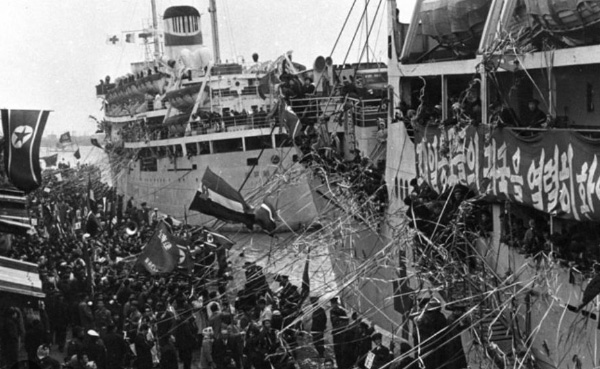 [Defectors' Podium]
Kim Ju-seongWriter, North Korean defectorMay 25 marks the 68th anniversary of the establishment of the General Association of Korean Residents in Japan (Chongryon) at the Asakusa Public Hall. At the founding conference, Korean-Japanese residents, mainly from North Korea, gathered and adopted slogans such as peace and unification of the homeland, advocacy of democratic and national rights of Korean residents in Japan, national education, and contributions to the friendship between North Korea and Japan and world peace. At the time of its establishment, Chongryon adopted a collective leadership system with six chairpersons, including Han Duck-soo. The organization started as an autonomous group with a strong pro-North Korean stance, consisting of leading figures from its predecessor, the Korean Residents Union.When I was born, my grandfather, who hailed from South Gyeongsang Province in Korea, was already a key leader within the organization ‘Chongryon’ and had been active as a leader since the era of the Korean Residents Union. As I grew older, I came to recognize the organization as a beacon of hope, a sanctuary that took responsibility for and protected the lives of all 600,000 Korean Japanese residents (referred to as such at the time). During that time, Chongryon had various institutions such as schools, universities, financial institutions, publishing companies, and cultural and artistic organizations that provided national education. The organization was able to assist many compatriots, and as a result, they developed close relationships based on mutual support and coexistence.As a private self-governing organization, Chongryon was funded solely by donations from Korean-Japanese. I recall witnessing my grandfather going door-to-door to collect donations when I was young, and I still vividly remember the sight of fellow Koreans complaining that they couldn't afford to contribute. Growing up, I learned that Chongryon initiated its lobbying activities using the funds collected through donations and achieved significant success in fundraising in the entertainment industry. The funds collected were used to pay salaries of employees of affiliated institutions and, more importantly, were sent to North Korea, which was regarded as their homeland.As a Korean-Japanese who attended a Chōsen gakkō, also known as "our school," from kindergarten, I am part of a generation that received consistent nationalist education. From a young age, we were taught to praise the North Korean system and idolize Kim Il-sung, which intensified our awareness of the division on the Korean Peninsula and fueled anti-South Korean, anti-American, and anti-Japanese sentiments. This indoctrination affected the 2nd and 3rd generations of Korean-Japanese who attended these schools. Through education, the perception of North Korea as a paradise and land of hope was reinforced to Korean-Japanese people who were living as foreigners in Japan and had never been there before. Chongryon strengthened its propaganda efforts for North Korea, which led to the Repatriation to North Korea program in 1959.The Repatriation to North Korea program resulted in over 95,000 Korean-Japanese moving to North Korea. When I personally went to North Korea with my grandparents through this program in the mid-1970s at the age of 12, I finally realized the truth. Chongryon, which was once a self-governing body for Korean-Japanese people, became a pro-North Korean organization that distributed vast amounts of money to North Korea in the 1980s.Even the core members of Chongryon willingly sent their children to North Korea, and those children were taken hostage by the North Korean regime, subjected to invisible pressures from North Korean authorities. Unable to leave the organization as their children lived in North Korea, they were put in a position where they could not express their grievances and had to cooperate. In addition, the underlying awareness that their children living in North Korea might face disadvantages if they left Chongryon also served as a mental constraint for them.We need to reconsider the purpose of Chongryon and who it serves. While many people have left the organization over time, leaving only a small number still holding positions, it is still important to examine the impact and influence of Chongryon. I often ponder how long the forced logic that denies the reality of North Korea and claims that Korean-Japanese people are proud overseas citizens of North Korea will continue to persist.I am now a citizen of South Korea who previously lived as a stateless person with a special permanent residency in Japan under the nationality of "Democratic People's Republic of Korea (DPRK)". I was later repatriated to North Korea and lived as a citizen there but then, as an adult, I defected from North Korea and became a citizen of South Korea. In a sense, I returned to South Korea, my grandfather's homeland, which is an undeniable reality of human history.If Chongryon truly works for Korean-Japanese people, they should stop the idolization education of the Kim family at the Chōsen gakkō and take down their portraits from the sacred education sites. This is a tragic chapter in history, where Korean-Japanese people who believed in the propaganda of Chongryon and moved to North Korea are now grieving and yearning to return to their true homeland. We must take a moment to reflect on their fate, buried deep in our hearts, and recognize the pain and suffering they have endured.
23.05.15 -
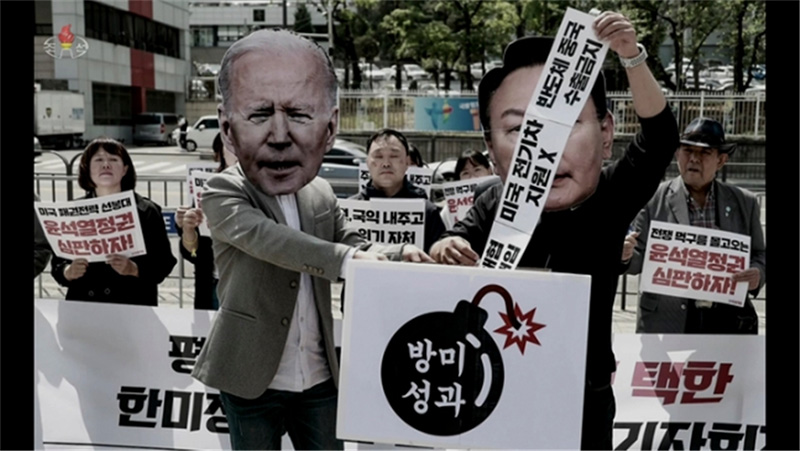 [News on North Korea]
Kim Myungsung◇ North Korea Holds "Yoon Suk-yeol and Joe Biden Effigy Burning Ceremony" in Response to the "Washington Declaration"North Korea has been showing increasingly nervous reactions to the "Washington Declaration," which includes strengthened measures for the "extended deterrence" between South Korea and the United States, including effigy burning ceremonies targeting South Korean and American leaders, following a series of protests by social organizations. On May 2, a meeting was held at the Sinchon Museum of American War Atrocities in Hwanghae Province, organized by the Cheongnyeon Alliance, where an effigy burning ceremony was also held. On this day, Korean Central Television (KCTV) reported that "the participants of the event held a burning ceremony, where they burned effigies of the invaders and provocateurs with a determination to give them death." This marks the first time since 2012, during the Lee Myung-bak administration, that North Korea has conducted such a ceremony targeting South Korea's president. The General Federation of Trade Unions of Korea, a North Korean labor group, held a "condemnation meeting" in Kaesong, a border town, and even staged a protest march, fueling anti-US and anti-South Korean sentiments.According to KCTV, the North Korean Women's Association held a "vengeance resolution meeting" in the courtyard of the National House of Class Education in Pyongyang. This was in response to the "Washington Declaration" adopted by the US and South Korea, which North Korea has taken as a sensitive issue. The TV station also announced that they strongly condemned the "wicked antagonistic party," which had turned South Korea into a "nuclear powder keg and a forward base," and that they had exposed the blatant nuclear war plans of the US imperialist aggressors.North Korea is concerned that their nuclear and missile development efforts may be rendered useless due to strengthened nuclear capabilities between the US and South Korea. Kim Yo-jong, who oversees North Korea's foreign policy, has taken a hardline stance against the US and South Korea, referring to President Biden as an "old man." North Korean media did not release any photos or videos of the effigy burning ceremony, possibly to avoid controversy. The South Korean Ministry of Unification expressed regret over the event, stating that North Korea went too far.◇ North Korean Fashion Show Features Knockoff Bags from Luxury Brands like Louis Vuitton and CelineIn the midst of hosting a large-scale women's clothing exhibition specializing in spring and summer attire, North Korea unveiled products imitating the designs of foreign luxury brands, just as they did last year. According to a North Korean media outlet on May 6th, the "Spring Women's Clothing Exhibition-2023" opened in Pyongyang on April 24th and closed on May 4th. North Korea's state-run media outlet, the Korean Central News Agency (KCNA) has reported that new spring and summer clothing, created by Korea Unha General Trading, the Pyongyang Clothing Industry Management Office, and the Kyungheung Trading Company, received high praise for their ability to meet the preferences, hobbies, and body types of North Korean women while also enhancing their beauty and practicality for activities.The exhibition showcased a variety of colorful spring and summer clothes, including one-piece dresses, suits, two-piece suits, shirts, skirts, and sportswear tailored to fit different age groups, professions, and body types. In addition, knockoff bags resembling designs from luxury brands such as CÉLINE Belt Bags and Louis Vuitton Montaigne Bags were also featured, as seen in photos of female models carrying them.At the previous exhibition, a large number of knockoff products with luxury brand logos were captured. Bags with the Chanel logo, bags with patterns similar to Burberry's check design, and perfume bottles imitating Dior's design were all present at the exhibition. At the time, North Korea's propaganda outlet 'Tongil Voice' explained that "everything here at the exhibition is our own product, made with our technology and materials. Shoes, clothes, and groceries all have our trademarked products." North Korea encourages the development and exhibition of domestically produced goods and opens them to the public in order to prevent the relaxation of social norms under the pretext of promoting "our socialist way of life."◇ North Korea Changes Farm Committee Chairman and Vice Chairman's Titles to Chinese-Style "jīnglǐ" and "jīnglǐ Assistant", Respectively, Meaning "Head" and "Head Assistant"North Korea has changed the titles of the Committee Chairman and Vice Chairman at Cooperative farms to Chinese-style titles "jīnglǐ" and "jīnglǐ Assistant," respectively. The previous title of "chairman" has been replaced with "head," while the Vice Chairman is now referred to as "head assistant". KCTV and other North Korean state media outlets introduced the title of ‘jīnglǐ’ for the chairman of the Cooperative Farm in their coverage of the spring planting season on March 17th. On May 6th, KCTV reported on an interview with Li Yong-san, the head assistant of the Ryongjeon Fruit Farm in North Pyongan Province. According to North Korean sources, the titles of both the head and head assistant of the Cooperative Farm were changed to ‘jīnglǐ” and ' jīnglǐ assistant,' respectively, earlier this year, in what was described as a move to adopt a Chinese-style system.North Korea's adoption of Chinese-style titles like "Jingli (head) " for its farm chairman is seen as an attempt to emulate China's rural reforms, as the country emphasizes the importance of agriculture and grain production. The decision to use "Jingli" for the farm management committee may have been made to avoid the repetition with Kim Jong-un's title. North Korea previously changed Kim Jong-un's title from "President" to "General Secretary" and all positions in the Workers' Party of Korea from "President" to "General Secretary," but still uses the title "President" for bodies like the State Affairs Commission and the Central Military Commission of the Workers' Party of Korea.
23.05.15 -
 [NK Focus]
From K-Pop Trainee to Kim Family Nanny: The Dramatic Life Transformation of Hyon Song-wol, Deputy Director of the Propaganda and Agitation Department of the Workers' Party of KoreaAs a Deputy Director of the Central Committee of the Workers' Party of Korea, Hyon Song-wol is a key figure who holds actual power and closely advises and assists Kim Jong-un, the President of the State Affairs Commission of North Korea. Her life is a tale of dramatic transformation, having been born into an ordinary family but achieving a position of privilege and influence.Hyon Song-wol was born on September 17, 1977, in an ordinary household in Pyongyang, but she was fortunate from a young age. Her musical talents caught the attention of Kim Cho-sim , who provided her with the opportunity to attend Kum Song School and Pyongyang Kim Won Gyun University of Music and Dance, which are known to be the training grounds for North Korean entertainers. However, her real stroke of luck came when she met Kim Jong-un and his sister Kim Yo-jong while at Kim Jong-il's secret villa.Ko Yong-hui, the wife of Kim Jong-il and a former dancer, was informally involved in various artistic projects, including the "trailblazer singer program". In North Korea, the first singer holds a special status, accompanying Kim Jong-il to his secret parties and on-the-spot guidance sessions, and is classified as a special management target. To cultivate these singers, Ko Yong-hui selected talented individuals and provided them with education and musical training while living with them in secret locations. Hyon Song-wol was one of those selected and was included in this exclusive training program. During her time in secret locations, Hyon Song-wol had the opportunity to meet Kim Jong-un and Kim Yo-jong.Kim Jong-il kept his partner Ko Yong-hui and their children entirely out of the public eye, resulting in Kim Jong-un and Kim Yo-jong having to grow up in strict isolation from the outside world. During the periods when Ko Yong-hui went to Switzerland for breast cancer treatment, Kim Yo-jong was left alone, which led to Hyon Song-wol feeling sorry for her and playing with her. As a result, Kim Yo-jong followed her like an older sister. Some say that Ko Yong-hui asked Hyon Song-wol to serve as Kim Yo-jong's babysitter later.There have been rumors of a romantic relationship between Hyon Song-wol and Kim Jong-un. Hyon Song-wol released her first album as a singer for the Wangjaesan Light Music Band at the age of 18 in 1995, while Kim Jong-un and Kim Yo-jong left for Switzerland to study the following year. Although it is uncertain when Kim Jong-un and Hyon Song-wol began their relationship, given that Kim Jong-un was only 12 years old at the time of their departure for Switzerland, it is likely that he developed romantic feelings for Hyon Song-wol during their time studying abroad.Hyon Song-wol established herself as a prominent North Korean singer, becoming a representative singer for the country after releasing popular songs such as "Maiden like a Swift Horse" and "Footsteps of Soldiers" with the Pochonbo Electronic Ensemble in 1999. However, her romantic relationship with Kim Jong-un gradually came to an end, possibly due to their age difference when she approached her thirties while he was still in his early twenties.After disappearing from the stage in the mid-2000s, Hyon Song-wol briefly worked as a teacher and later married a man who was a former military officer in Kim Jong-il's security detail. In 2012, Kim Jong-un and his wife Ri Sol-ju created a new all-female musical group, the Moranbong Band, and Kim Yo-jong recommended Hyon Song-wol as its director. Despite being heavily pregnant at the time, Hyon Song-wol performed with the group at the International Women's Day concert in 2012, leading to rumors in South Korean media about her being Kim Jong-un's mistress, but no evidence was found to support these claims.In 2013, a group of about 10 members of the Unhasu Orchestra, which was founded by Kim Jong-il in 2012, were executed after being caught making and distributing pornographic videos. Hyon Song-wol, who was the leader of the Moranbong Band at the time, was reportedly spared due to her close work with Kim Jong-un and her busy schedule preparing for performances. The executions were carried out mostly by ZPU-4, and while there were rumors that Hyon Song-wol was also executed, she later appeared in May 2014 at the 9th National Artists' Congress in Pyongyang, wearing a Colonel uniform as the leader of the Moranbong Band.In 2015, when Hyon Song-wol led the Moranbong Band to Beijing for a performance, China requested that the band remove a scene involving a missile launch from the backdrop. Hyon declared that she could not alter the video that Kim Jong-un had approved and canceled the performance, an unprecedented move that demonstrated her privileged position in North Korea. In 2017, she was listed as a candidate member of the Central Committee of WPK during the 7th Party Congress.Hyon's power and influence were also evident in South Korea. In 2018, she attended the Pyeongchang Winter Olympics as part of the North Korean delegation and made on-site decisions on critical security matters, disregarding even the surveillance officials of State Security Department. In 2019, she was seen assisting Kim Jong-un at the 2019 Koreas-United States DMZ Summit. It is believed that she took over some of Kim Yo-jong's responsibilities when Kim Yo-jong was promoted.In 2021, Hyon Song-wol's status rose significantly. At the Military Parade of the 8th Congress of the Workers' Party of Korea in January, she wore a black leather coat of the same design as Kim Jong-un, Kim Yo-jong, and Jo Yong-won, drawing attention as one of the three closest associates of Kim Jong-un. On Kim Il-sung's birthday on April 15, she worshiped at the Kumsusan Palace of the Sun alongside Kim Jong-un, Kim Yo-jong, Ri Sol-ju, and Jo Yong-won. Hyon Song-wol has continued to assist Kim Jong-un in various events, and her rank among the leadership has never fallen below fifth.Hyon Song-wol's elevation in status under Kim Jong-un is said to be so significant that if North Korean officials do not properly understand Kim Jong-un's orders, they are advised to ask her. This is because in North Korea, failing to carry out Kim Jong-un's orders correctly could result in losing one's life.Hyon Song-wol is said to have an obsession with luxury goods , which has been covered in the South Korean media. During her visit to Korea for the 2018 Pyeongchang Winter Olympics performance, she was reported to have been carrying a Hermes bag worth 25 million Korean won (approximately 22,000 US dollars). In 2015, when she went to Beijing for a performance, she appeared wearing military attire with a Chanel quilting bag. There are also rumors that she owns a foreign currency earning business. It is suggested that she may soon be caught for corrupt activities, as she may have taken bribes in exchange for fulfilling various requests. It's assumed that the only person who can rescue Hyon Song-wol from such a predicament is Kim Yo-jong.During the 2018 Seoul concert rehearsal of the Samjiyon Orchestra, Hyon Song-wol bid farewell to Kim Yo-jong in a political manner by bending her waist 90 degrees and did not stand up until Kim Yo-jong's car was out of sight. This excessive flattery is assumed to be Hyon Song-wol's own way of survival in North Korea.
23.05.15
News Letter
We are leading the global communication via Newsletter.
We will deliver the latest information and proven facts on Korean Peninsula status including North Korea situation.