

-
 [North Korean Glossary]
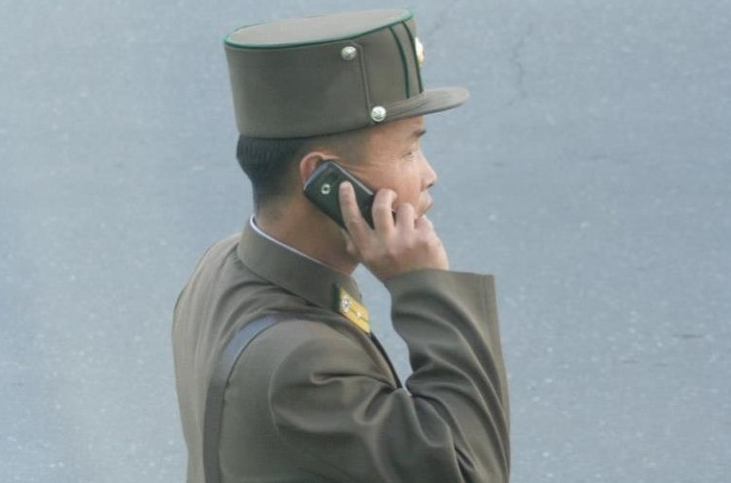
(Source : KNCA)Yellow Wind is a term used in North Korea to refer to a vulgar and decadent trend, usually referred to as "Yellow Wind of Capitalism." North Korean media often uses this term when urging vigilance against the infiltration of imperialist thought and culture and capitalist culture. North Korea guards against "anti-social phenomena" that have entered the lives of North Korean residents due to the expansion of market activities since the economic difficulties of the 1990s. North Korea guards against "anti-social elements" which include:1. Deviant behavior that goes against collective socialist norms and values, such as improper dress, superstitious beliefs, and extramarital affairs;2. Illegal activities resulting from economic difficulties, including illicit cultivation and bribe-taking;3. Criminal activities such as smuggling, gambling, and drugs;4. Dissident and anti-social behaviors such as watching South Korean videos. North Korea claims that Yellow Wind "paralyzes the class consciousness of the people," "undermines the nation's unique traditions and customs," and "contaminates decadent behavior". In response, North Korea has been increasing censorship to control these anti-social elements, as they fear the spread of such phenomena could threaten the regime and cause changes in residents' consciousness, leading to social division. North Korea claims that the fall of socialist countries in Eastern Europe was caused by the influence of capitalist culture. They argue that "Yellow Wind," which they see as a cultural invasion by imperialists, poses a greater threat to countries building socialism than an atomic bomb. In other words, Yellow Wind, means "freedom" and "democracy." To crack down on and block such Yellow Wind, North Korea organizes "anti-social groups" and conducts periodic inspections and investigations, imposing various punishments depending on the seriousness of the matter.
23.05.01 -
 [North Korean Glossary]
(Source : KNCA)In North Korea, the Five Major Ideological Education (5대교양) is a term used to refer to the five fundamental elements emphasized in ideological education during the era of Kim Jong-un. Originally, the term included Greatness Education, Kim Jong-Il Patriotism Education, Belief Cultivation, Anti-imperialist Class Education, and Moral Education. However, after the 8th Party Congress, the term was revised to include Revolutionary Tradition, Loyalty Education, Patriotism Education, Anti-imperialist Class Education, and Moral Education. The term "Five Major Ideological Education" was introduced in 2014 to refer to the emphasis that the Kim Jong-un regime places on ideological education. During a visit to the 189th Navy Unit in December 2014, Kim Jong-un instructed the strengthening of the 5 Major Ideological Education, including Greatness Education, Kim Jong-Il Patriotism Education, Belief Cultivation, Anti-imperialist Class Education, and Moral Education. Following the 8th Party Congress in 2021, the Rules of the Workers' Party of Korea were revised to include Revolutionary Tradition, Loyalty Education, Patriotism Education, Anti-imperialist Class Education, and Moral Education as the Five Major Ideological Education. The emergence of new leadership aims to create a socially transformed atmosphere and induce regime cohesion. The Kim Jong-un regime adopts the authority and legitimacy of the previous generation, such as Greatness Education and Kim Jong-Il Patriotism Education, and intensifies hostility towards external forces through Anti-imperialist Class Education. Additionally, it emphasizes belief in the regime and reconstructs a paternalistic order, thereby continuously attempting to strengthen regime cohesion. During the 8th Party Congress held in 2021, which coincided with the 10th anniversary of the Kim Jong-un regime, revisions were made to the education list. Specifically, three of the previous Five Major Ideological Education - Greatness Education, Kim Jong-Il Patriotism Education, and Belief Cultivation - were replaced by Revolutionary Tradition, Loyalty Education, and Patriotism Education. However, the Anti-imperialist Class Education and Moral Education remained intact. Therefore, the Five Major Ideological Education can be viewed as a significant component of the Kim Jong-un regime's justification system.
23.05.01 -
 [Issue]
Prof. Emeritus of Nuclear Engineering, Seoul National UniversityKune Y. Suh The United States (US) conducted the first nuclear explosion on Amchitka near Alaska in 1965.[1] An 80 kiloton (kt) nuclear bomb was set off underground. Scientists used this blast for research purposes. Seismologists had taken the opportunity to analyze the test results to later help check whether other countries were conducting underground nuclear testing.[2]A second bomb was set off 1.22 km underground in 1969. This test was utilized to understand how larger underground explosions might damage the island, trigger seismic activity, or potentially generate tsunamis.[2]The most infamous ‘Project Cannikin’ was conducted in 1971. At 5 megaton (Mt), this blast was 333 times more powerful than the Hiroshima bomb. It was 17 times North Korea’s sixth test bomb that had most likely yielded 300 kt. It was detonated 1.6 km underground.[1] The detonation caused the ground surface to rise, then fall by as much as 6 m. A crater 1.6 km wide and 12 m deep serves as a menacing reminder of the massive explosion. The shock from the explosion measured 7.0 on the Richter scale.[2] This is tantamount to the earthquake which hit Papua New Guinea on 3 April 2023.Radioactivity continued to leak into the ocean, groundwater, and air in and around Amchitka. These blasts created underground, rubble-filled cavities that trapped high concentrations of radioactive pollution underneath Amchitka. Groundwater moving through these cavities picked up radioactivity, carrying it to the Bering Sea. This is going to be the East Sea for North Korea’s nuclear tests in general and the sixth in particular.Scientists have worked to figure out how these blasts had affected, and continued to affect, Alaska.[2] Anchorage biologist Pam Miller, working on a research project for Greenpeace in 1997, found radioactive particles including, but not limited to, Pu-239, Pu-240, and Am-241 in freshwater samples from the edge of the Bering Sea.[2]Meanwhile, decades of nuclear testing has contaminated an estimated 6 trillion liters (L) of groundwater in the Nevada Test Site (NTS). Nevada’s Cold War legacy is troubling state officials who are coping with water shortages and a population boom. The state had won a federal agreement to conduct a new environmental assessment of the 3,575 km2 NTS, almost twice the size of Jejudo, 121 km northeast of Las Vegas. They determined the extent of radioactive contamination in the area and assessed cleanup and compensation for water lost.The NTS has hosted nuclear testing since 1951, with the first of a series of atomic tests. Early tests were conducted above ground, creating mushroom clouds that could be seen from 161 km while spreading radioactive fallout downwind. Even spectators gathered from all over the country to witness the ‘event’ without wearing proper personal protective gears at the time. Some of them knowingly or unknowingly suffered from radiation exposure later in their lives. By then, children and others living in downwind areas were beginning to develop leukemia. As time passed, people in affected areas suffered extraordinarily high rates of cancer and thyroid ills.Later tests were conducted underground, leaving massive craters in the desert floor. Over 1,000 nuclear tests were conducted until 1992. Nevada hydrogeologist T.S. Buqo studied the issue for Nevada’s Nye County, where the NTS is located.[3] He estimated that the underground tests polluted some 6 billion tons of water, which, if they hadn’t been contaminated, would be worth more than $50 billion today. This is equivalent to ~1,000 times the amount of water reserved at Lake Seokchon in Seoul.Now, on the other side, the Semipalatinsk Test Site (STS) was one of the primary locations for the Soviet Union above and below ground nuclear testing from 1949 to 1989. The first Soviet nuclear test took place at the STS on 29 August 1949. In total, 456 nuclear tests, including 340 underground and 116 atmospheric tests, were conducted at the STS.[4]The STS was officially closed by Kazakhstan’s President Nazarbayev on 29 August 1991. The STS facilities are now under the jurisdiction of the National Nuclear Center of the Republic of Kazakhstan, which is involved in civilian activities and conversion of the site to non-defense uses.From 1997 to 2000, 181 test tunnels and 13 test shafts were sealed at the STS as part of a joint US-Kazakhstan effort under the Nunn-Lugar Cooperative Threat Reduction Program. President Obama of the US, President Medvedev of Russia, and President Nazarbayev of Kazakhstan officially announced the formally secret program of Trilateral Threat Reduction Cooperation at the Seoul Nuclear Security Summit in March 2012.A delegation of five scientists participated in a US National Research Council program to review the status of research on the health and environmental impacts of nuclear testing at the STS in 2000. They visited several research institutes in Kazakhstan and consulted with numerous Kazakh researchers from academic disciplines ranging from radioecology to public health and medicine.They focused on reviewing data on the health and environmental impacts resulting from the testing. The health effects caused by the testing at STS have received a fair amount of study. Research using modern techniques such as fluorescence in situ hybridization and nuclear magnetic resonance increased the credibility of dose reconstruction.Now, back to Mt. Mantap. Figure 1 summarizes a deformation scenario for the sixth test on 3 September 2017.[5] The events go through the sequence of A. explosion, B. collapse, and D. compaction, with different associated surface displacements. Collapse occurs quickly (~1 s), while compaction happens slowly (~1 week). The implosive source C may be shallow and contributes only to localized surface displacements. The radar imagery reveals the deformation as indicated by arrows in D.Figure 1. Deformation scenario for Mt. Mantap (Source: Science 10.1126/science.aar7230, 2018)Figure 2 depicts the structure of the tunnels used for the Punggye-ri Test Site (PTS).[6] The horizontal tunnels include 9 doors and 10 corners to absorb the shock of the blast. The entrance to the tunnel is located approximately halfway up Mt. Mantap. Other countries had conducted tests by digging vertically underground. North Korea, on the other hand, developed its tunnels and testing system by excavating horizontally.Figure 2. Schematic of the Mt. Mantap test chamber (Source: Ministry of National Defense, Republic of Korea)The PTS consists of four distinct tunnel systems, identified respectively as Tunnel 1 (East Portal), Tunnel 2 (North Portal), Tunnel 3 (South Portal), and Tunnel 4 (West Portal). Of these four, Tunnel 1 was used in 2006 but abandoned shortly thereafter owing to contamination. The five successive tests were conducted in Tunnel 2. No tests have yet been done at Tunnel 3, where excavation ended in late 2013, or in Tunnel 4, where excavation began in 2017. Tunnels 2, 3 and 4 were all explosively sealed in May 2018.As North Korea has excavated a new portal 50 m east of Tunnel 3, there is speculation that North Korea could conduct a nuclear test in the foreseeable months. Based on the terrain, geology, topography, and tunnel schematics, the two drifts shown in Figures 3 and 4 are estimated to be capable of containing explosions from 50 to 120 kt, respectively.[7]Figure 3. Terrain profile of purported Tunnel 3 projection, drift 1 (Source: 38 North)Figure 4. Terrain profile of purported Tunnel 3 projection, drift 2 (Source: 38 North)Obviously, yield limit estimates do not mean North Korean will test to the maximum available capacity or tell us what specifically they may be planning to do next. Nevertheless, it does suggest that this tunnel complex is incapable of containing explosions the yield of the sixth test.[7]Should additional tunneling be conducted, then Mt. Mantap could endure a similar maximum overburden as was previously available. A hypothetical drift could be extended under the high plateau, providing a maximum available overburden of ~800 m, which would provide a capability to safely test up to 282 kt.[7]In this regard, concerns have grown more than ever of a substantial leak of radioactive materials particularly after the sixth test. The problem is grave enough and a nuclear leak seems ‘fait accompli.’ There must be cracks and fractures through which radionuclides tend to leak.Now, a big concern has to do with the groundwater that will in turn be contaminated, polluting the plants and animals. Finally the people, who may accidentally consume mushrooms and meat from the area for instance, will be seriously affected. Some of them may even wash and drink from the nearby streams.In a nutshell, the groundwater belongs to the people of Gilju County of 1,033 km2. This is almost twice the area of Seoul. In the next and final write-up for the Mt. Mantap untold stories, special attention will be given to the concentration of main radioisotopes that might have been released from the six tests. They include, but are not necessarily limited to, H-3 (tritium), C-14, Sr-90, I-131, Cs-137, Pu-239, Pu-240, and Am-241 that may have been stored in the groundwater spanning the area.In addition, attention will be paid to tracing the spatial demarcation of the most heavily contaminated spots in the area, and to noting the human exposure that may have caused a significantly increased incidence of thyroidal cancer locally and regionally.The PTS shall be one of the important examples of assessing the correlation between the increase in the thyroid cancer incidence rate and the groundwater radioactive contamination with I-131, a radioisotope which must have been released during the six nuclear tests.A fair amount of work by multinational and multilateral researchers shall have to be done to characterize the PTS and to determine its biological, ecological impact. Special Mission Taskforce needs to be organized to characterize the residual contamination in tunnels, soil and ground water in and around Gilju County.There is an imperative need to prepare a joint proposal to conduct comprehensive as well as systematic characterization of the PTS. The aim is to determine the impact of radionuclides on the biochemistry of representative humans, flora and fauna. The mission report shall be presented at the regional, national and global levels.Meanwhile, some experts are also raising concerns of a volcanic eruption from nearby Mt. Baekdu on the North Korea-China border, 114 km northwest of the PTS. At the time of this writing, though, there appears to be little valid basis to expect that to take place. Any underground nuclear test contained within the geologic setting of the PTS would not trigger a subsequent eruption of the M. Baekdu volcano in the foreseeable future.Seventy-eight years since the first mushroom cloud from ‘Trinity’ in the ‘Jornada del Muerto (Journey of the Dead)’ desert, all governments of all testing nations have mastered how to lie to their own people regarding these weapons of mass destruction and lethal radiation. Now more than ever, from the transitional justice point of view, every single one of us should become audacious enough to communally deny any further nuclear testing on the face of Our Blue Planet. Literature Cited 1. K. Mulvaney, “A Brief History of Amchitka and The Bomb,” Greenpeace, 25 August 2007, https://www.greenpeace.org/usa/a-brief-history-of-amchitka-and-the-bomb/. 2. N. Rozell, “The Unknown Legacy of Alaska's Atomic Tests,” University of Alaska Fairbanks, 18 January 2001, https://www.gi.alaska.edu/alaska-science-forum/unknown-legacy-alaskas-atomic-tests. 3. The Los Angeles Times, US Department of Energy Nevada Test Site website, 15 November 2009. 4. https://www.nti.org/education-center/facilities/semipalatinsk-test-site/. 5. T. Wang et al., “The rise, collapse, and compaction of Mt. Mantap from the 3 September 2017 North Korean nuclear test,” Science 10.1126/science.aar7230, 2018. 6. https://english.hani.co.kr/arti/english_edition/e_northkorea/572835.html. 7. 38 North, “North Korea’s Next Nuclear Test: How Big Could It Be?” 29 April 2022.
23.05.01 -
 [Defectors' Podium]
Kim Kyeong-san, Public Official from Ministry of Unification I am reminded of Lothar de Maizière's words to South Korean officials: "South Korea only asks what it will do for reunification, not what North Koreans want."As I contemplate the place of my birth, which stole my youth and kept me in a destitute environment, I feel a sense of guilt for being one of the few who managed to survive in a better place, and a sense of responsibility to contribute to the unification that represents a new direction for my entire life. North Koreans who travel abroad experience a stark contrast and a completely different world. Unlike in North Korea, people in other countries move around freely without needing a 'movement permit' or paying bribes for things like travel permits, party papers, or military permits . They can live wherever they want. Neighboring countries around the Korean Peninsula live in a world of abundance and prosperity that North Korea cannot even imagine, despite poor countries in Africa. Even though North Korea upholds the policy of 'plant your feet on your own land and see the world', there are no newspapers or broadcasts that objectively show the outside world. Even in impoverished Africa, people can access the internet anytime with their smartphones and easily find out in real-time how the 34,000 North Korean defectors (as of 2022) who have come to the South are living just by searching for the term 'North Korean defectors'. North Koreans who have been abroad often remain silent due to their survival instincts, with their highest form of resistance often being hypocritical behavior that appears to comply with the state and party authority. Those who recognize the bleak prospects of North Korea's progress towards advanced countries quickly adapt, becoming spies for the State Security Department or inciting cruelty towards each other at the forefront of the crowd. There are many people who, having never been abroad, live their lives under the assumption that "this is just how the world is". They have succumbed to the shrewd herd mentality of "political life", which believes that even in death, one can live forever. Even though their lives are difficult and futile, they compete for loyalty, trying to show who has suffered more for their "political life." They keep telling grandiose lies such as North Korea's 10 Socialist Goals and the creation of a strong and prosperous state, using Adolf Hitler's theory of agitation propaganda that "people are more easily deceived by big lies than small ones," hypnotizing the people. Instead of questioning such social phenomena, people are more afraid of being cast out of the crowd, so they tend to be timid and cautious. When an individual becomes part of a crowd, they enter an unconscious state of ignoring their subjectivity. This is not due to the ignorance of the individual, as both daily and state security workers become similar once they join the crowd. A collective mentality is created, and they live their lives like Lee Su-bok , one of revolutionary soldiers, as if it were their duty to society. This blind devotion to their group justifies even abnormal behavior such as prioritizing the rescue of propaganda videos over national equipment bought with the sweat and blood of thousands during a fire. This is how revolutionary humans are created. The constant life review sessions, lectures, study sessions, policy briefings, and Pochi – facilitating a project by dividing team tasks and sharing operations manuals – that take place on a weekly and monthly basis, even during supply shortages, are merely unconscious actions that have become a part of daily life. If the principles of anti-socialism were followed, then those who go to work every day, even if they are not given rations for months, and show off that they are still alive, while carefully cleaning the dust off the portrait of the supreme leader, should all be sent to prison. Those who only believed in the state's rations and looked up to the government without engaging in anti-socialist behavior are no longer alive. During the period of the "March of Suffering" in the mid to late 1990s, those who remained loyal to the party and the state chose to die at home rather than going to Jangmadang (local markets). It is a true sin to send these innocent people to their deaths simply because they believed only in the party and the state. In the face of human death, we must all be humble regardless of who we are. Who should be held responsible for this? The individuals who perished from starvation during the "March of Suffering" did not have the opportunity to sacrifice themselves heroically like those who die in a war without weapons to defend themselves. Even after numerous battles that have persisted till this day, the ones who survived have turned into mere skeletons of deluded heroes, who still advance fearlessly for the "victory of the revolution.“ North Korea, which possesses those brave warriors, still has an annual income of only $1,300 per capita (according to the World Bank in 2022), while South Korea has become the seventh country with a population of over 50 million to achieve $30,000 in 2018. In 2021, South Korea's trade volume reached a record high of $980.1 billion, even under the circumstances of COVID-19. In the north, the trade volume, which was $6.3 billion in the year the current regime started (December 17, 2011), has decreased to $860 million after 10 years in 2021. If we simply compare North and South, the difference is a staggering 1,136 times. As I reflect on my hometown in the North and the growing disparity with advanced nations, sleep eludes me. Inspired by the words of Lothar de Maizière, the last prime minister of East Germany, I contemplate how I can contribute to the unification as a North Korean. It's one of those nights where I find myself staying up late once again.
23.05.01 -
 [From the Editor-in-chief]
Kim Jong-Un at the National Meeting for Emergency Anti-epidemic Review (Source : KNCA)Despite the world transitioning into an "endemic" phase, the border between China and North Korea remains shut. Although North Korea has been considering the possibility of opening its borders due to recent economic and food shortages, there has been little progress on that front. Instead, it appears to be doubling down on pandemic prevention measures, cautioning its citizens not to lower their guard. On April 25th, Rodong Sinmun published an article titled "We Should Not Delay Our Vigilance," emphasizing the need to remain vigilant. The article highlights that even a momentary lapse in vigilance or carelessness could lead to another severe crisis for the country. It also points out that carelessness and negligence are the biggest obstacles to emergency epidemic prevention efforts. In January 2020, North Korea closed its borders as part of COVID-19 prevention measures. While the economic situation has worsened over the past three years, some China-North Korea freight trains resumed operations in the middle of last year, and in late March, reports indicated that China-North Korea traders became busier with the appointment of Wang Yajun as Chinese Ambassador to North Korea after a two-year vacancy. Despite this, North Korea has made it clear that it will continue to follow a control-centric emergency quarantine policy internally and is drawing a line on the possibility of lifting quarantine measures, which some have suggested. Amidst severe economic difficulties, North Korean authorities have postponed the opening of their borders, citing concerns not only over the spread of COVID-19, but also the potential for outside influences to enter the country. This cautionary stance echoes the country's position in June 1989, following the Tiananmen Square protests and massacre in China, when North Korea advocated for the need for openness while insisting on having a "wind protection" measure in place before opening up their borders. North Korea has referred to the potential entry of capitalist culture and values if it were to open its borders as the "yellow wind," which they fear would undermine their society. During a time of intense economic crisis and international sanctions caused by nuclear development, the North Korean government supported "wind protection measures" aimed at blocking the yellow wind, which eventually resulted in repeated setbacks and unsuccessful attempts to open up. Despite the significant harm caused by the COVID-19 prevention blockade on the North Korean economy and the livelihoods of its people, the regime is continuing to repeat history by using pandemic prevention as an excuse to control the thoughts and actions of citizens and restrict the influx of South Korean culture. The regime's main goal is to consolidate power, even if it means sacrificing citizens' well-being. In December 2020, at the height of the COVID-19 pandemic, North Korea passed the "Reactionary Ideology and Culture” law which included the death penalty for South Korean video distributors and up to 15 years of imprisonment for viewers. Additionally, in September 2021, they passed the "Youth Education Guarantee Act" to control the ideology and expressions of the younger generation. The regime intends to prevent any alteration in the mindset and spirit of the younger generation. North Korean citizens are struggling, but the country's leadership continues to prioritize the importation of luxury goods for Kim Jong-un and the elite. Last year, our intelligence agency found that North Korea imported luxury cars, high-end liquor, and small yachts despite the nation's economic crisis. These luxury goods were reportedly smuggled by sea to avoid detection. In August 2021, the National Intelligence Service reported to the Intelligence Committee that North Korea had added high-end whiskey and suits to the list of items allowed for import, in addition to refined oil imports and mineral exports, as a condition for resuming dialogue with the United States. Despite the food crisis being severe and comparable to a "war-level economic crisis" due to the COVID-19 lockdown, the regime is still focused on securing luxury goods for the ruling class. The COVID-19 lockdown has not only affected the lives of North Korean citizens but also those of North Korean workers overseas. Due to the lockdown, they have been unable to return home for years and are unable to communicate with their families in North Korea. As overseas factories reduce their workforce, the workers' income has decreased while the various payments to the North Korean government have increased. Some of these workers are now regretting their decision to work abroad due to the excessive payments they are required to make. North Korean workers sent to China reportedly face issues such as overwork, poor quality of food, and unfavorable working conditions, leading to negative impacts on their health. Moreover, a significant number of North Korean workers in Russia, estimated to be around 30,000, are struggling with long working hours to pay off their debts to the government while living in shared accommodations. North Korean residents are facing an even more severe situation. In certain areas, there is rampant starvation, and homeless individuals known as Kotjebi have resurfaced on the streets. The North Korean government's persistent pursuit of the failed pursuing “self-rehabilitation" has shown that it cannot even solve the issue of hunger. The only solution to alleviate the suffering of North Korean residents is through economic development by means of opening up. If the North Korean leader believes in their people and the people believe in their leader, then they should boldly open their doors without a "wind blocker" to prevent the "yellow wind" from entering. If North Korea genuinely cares about improving the livelihoods of its citizens and chooses the path of openness, then South Korea and the international community are always prepared to cooperate and offer assistance.
23.05.01 -
 [North Korea Glossary]
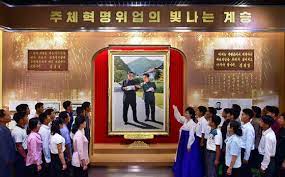
(Korea Revolution Museum, Source : KNCA)Juche revolution feat The Juche Revolutionary Theory serves to justify the transfer of power from Kim Il-sung to Kim Jong-il to Kim Jong-un. It can be regarded as North Korea's successor theory, built upon the foundation of the Suryong system and the Continuous Revolution Theory : Two Stage Theory. The Suryong system, which assumes an individual's exceptional abilities and personality, is the core tenet of North Korea's political ideology, the Juche idea, and sets the objective for power transfer based on the principle of "our-style socialism." The ideology of succession is a significant component of the Continuous Revolution Theory, which frames power transfer as a continuation of the revolution rather than a mere transfer of authority. The Continuous Revolution Theory is grounded in the Suryong system, which posits that the revolutionary tasks of the working class are the responsibility of the Suryong (leader) and that they are fulfilled under the Suryong's guidance. Therefore, the Juche Revolutionary Theory comprises the Juche idea, Suryong system, Continuous Revolution Theory, and the Ideology of the Succession.The central concept of the Suryong system is a revolutionary theory that revolves around the role of the Suryong. It centers around the idea that the people are the core of everything, and the Suryong is at the center of the people. This system forms the central proposition of the Juche idea. North Korea has elevated the concept of the leader beyond its literal meaning to function as a governing ideology. The revolutionary attitude towards the leader, which is the core of the Suryong system, demands loyalty and faithfulness to the leader as a revolutionary belief, the adoption of the Suryong’s revolutionary ideology and guidance, and a resolute attitude and position to persevere. The Suryong system in North Korea was proposed to secure Kim Il-sung's power, and the logic of the theory developed during the process of establishing Kim Il-sung and Kim Jong-il's unique leadership system. The Suryong system played a crucial role in guaranteeing Kim Il-sung's charisma as an ideology. North Korean society is distinct from previous socialist states due to its foundation on the Suryong system of Kim Il-sung. In this political system, laws and systems have been transformed into tools for realizing the Suryong's ideology. The Juche Revolutionary Theory, the Ideology of The Succession, is the logic North Korea has proposed to establish a hereditary system from Kim Il-sung to Kim Jong-il to Kim Jong-un and to justify it.
23.04.17 -
 [North Korea Glossary]
(Juche Tower, Source : NK Youtube <Samjiyeon>)Juche Ideology Juche ideology is the foremost governing principle in North Korea that holds more binding force over all aspects of society than any other ideology or thought. It serves as the sole guiding philosophy in North Korea's politics, diplomacy, society, military, culture, and every other field. The fourth article of the Socialist Constitution of the DPRK declares that "The Democratic People's Republic of Korea (DPRK) shall creatively apply the Marxist-Leninist to the actual conditions of our country as the guiding principle of its activities, which is the Juche ideology of the Workers' Party of Korea." The Rules of the WPK also confirm that "The Workers' Party of Korea is guided solely by the Juche ideology and the revolutionary ideas of the great leader Comrade Kim Il-sung.” In North Korea, Juche ideology is defined as a "new philosophy centered on human beings." According to this philosophy, "human beings are the masters of all things and determine everything," and it is claimed that it first revealed "the decisive role of human beings in opening up the world and their destiny." Furthermore, "human beings" are defined as a "social being" with three characteristics, namely "naturalness," "creativity," and "consciousness." In Juche ideology, it is believed that individual autonomy and creative abilities are not inherent traits, but rather a "socially formed and developed social attribute of human beings." As a result, it is considered that one cannot possess individual autonomy and creativity unless they are a part of society. This means that individuals can only exist in a meaningful way as part of a group, and their autonomy and creativity can only be secured when the group has autonomy and creativity. Juche ideology views "the Juche" as a collective existence of individuals, rather than an individual itself, but it reduces these individuals to passive, obedient, and mechanical followers of Kim Il-sung and the Party, unified under a single thought and organization. Ultimately, the purpose of Juche ideology is not to foster the individual autonomy, creativity, and consciousness of North Korean citizens, but rather to manipulate and blindly guide them to increase the power of a single person's dictatorship. In summary, Juche ideology can be viewed as a form of propaganda and agitation intended to cultivate a revolutionary spirit among the people and use them as instruments for the revolution, rather than a genuine ideology for the people. Even the concept of "independent ideological consciousness of the people" highlighted in Juche ideology is objectified and subject to "reformation" and manipulation according to the goals and desires of the leader. Ultimately, the people are merely the object of dictatorship, which asserts that they must be subject to the rule of the Kim Il-sung family. s due to its foundation on the Suryong system of Kim Il-sung. In this political system, laws and systems have been transformed into tools for realizing the Suryong's ideology. The Juche Revolutionary Theory, the Ideology of The Succession, is the logic North Korea has proposed to establish a hereditary system from Kim Il-sung to Kim Jong-il to Kim Jong-un and to justify it.
23.04.17 -
 [From the Editor-in-chief]
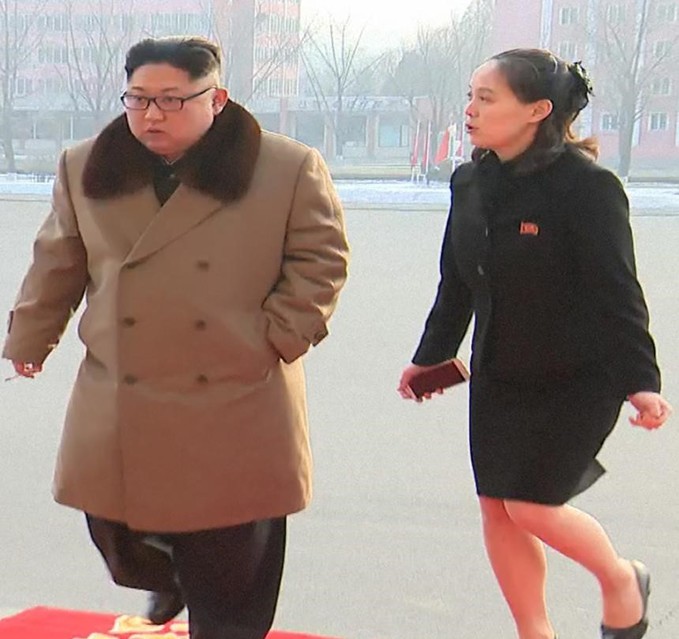
Kim Yo-jung is holding a smartphone (Source : Korea National Central TV) North Korea's continued development of nuclear and missile capabilities has raised tensions on the Korean peninsula, and the international community often associates the country with nuclear weapons and missiles. However, domestically, North Korea places greater emphasis on "unity" among its people than on nuclear weapons. The country claims that the Suryong system, the party, and the people is more powerful than nuclear weapons. To maintain this unity, North Korea enforces a uniform way of thinking and mental culture while strictly controlling external intervention. Information control serves as a shield to block internal unrest by indoctrinating the people. In North Korea, the Propaganda and Agitation Department of the WPK is the primary agency responsible for promoting 'unity'. It controls all media outlets and carefully selects information for residents to receive. According to the '2022 World Press Freedom Index' by Reporters Without Borders, North Korea ranks last, 180th out of 180 countries surveyed, for press freedom. This year, North Korea held the Journalists Union for the first time in 22 years, emphasizing propaganda and agitation. This move is seen as an attempt to tighten the reins of public propaganda and agitation amid domestic and external crises, including sanctions against North Korea, economic difficulties due to the COVID-19 lockdown, changes in residents' consciousness due to the influx of outside influences, and human rights pressure from the US and South Korea. The incident in which North Korea destroyed the Kaesong Inter-Korean Joint Liaison Office in June 2020 after Balloon Propaganda by South Korea demonstrates North Korea's fear of information inflow. In December of the same year, North Korea enacted the "Reactionary Ideology and Culture" law, which includes extreme measures such as imprisonment and even the death penalty for watching or distributing foreign media, including Korean dramas. In 2021, the "Youth Culture Guarantee Law" was enacted to strengthen organizational and ideological control over the "The Jangmadang Generation" and in January of this year, at the 8th Plenary Meeting of the 14th Supreme People's Assembly, North Korea adopted the "Pyongyang Cultural Language Protection Act" and declared that they will completely eradicate external media, including South Korean language and culture. These actions demonstrate North Korea's sense of crisis that the foundation of their regime, "unity," could be shaken by the inflow of external information. North Korea's increasing control over information is due to its citizens' growing exposure to the outside world. In the past thirty years, more North Koreans have had access to advanced electronics such as TVs, desktops, laptops, tablets, and mobile phones, which has accelerated the spread of information both inside and outside of North Korea. The Propaganda and Agitation Department of the Workers' Party of Korea (WPK) has implemented a program called "Trace Viewer," which takes periodic screenshots of citizens' smartphones for surveillance purposes in an attempt to eliminate any gaps in their control. However, North Korean citizens are willing to pay extra to install programs that bypass this surveillance or purchase phones from which these programs have been deleted. The fundamental desire for freedom among North Korean citizens cannot easily be suppressed by the authorities. The current situation in North Korea highlights the need for sustained information inflow to change the people's consciousness, as international pressure has limited effectiveness and denuclearization remains challenging. However, it is concerning that only a few countries support activities to bring information into North Korea, and the reality is not optimistic. Despite the U.S. government's support for human rights and information inflow activities for nearly 20 years since the passage of the North Korean Human Rights Act in 2004, South Korea, a key player in the North Korean issue, has been unable to launch the North Korean Human Rights Act for seven years due to opposition between the ruling party and the opposition. It is time for South Korea and the international community to actively support and participate in the inflow of information into North Korea in a new environment. We need to work together, as the United States alone cannot solve this issue.To ensure North Korean citizens can access external information safely, it is essential to utilize various forms of information transmission, including analog and digital means. Expanding radio broadcasting and distributing radio equipment in North Korea should be the primary focus. Additionally, enabling citizens to use the internet by bypassing North Korea's control technology is crucial, especially since a variety of electronic devices have been distributed within the country. The efficacy of StarLink, as demonstrated during the Russia-Ukraine War, provides significant implications for alleviating the information deficiency of North Korean citizens. This influx of information will bring revolutionary changes to the consciousness of North Korean citizens. North Korea will require additional means beyond nuclear weapons to uphold its regime if the shield of "unity" is shattered.
23.04.17 -
 [Defectors' Podium]
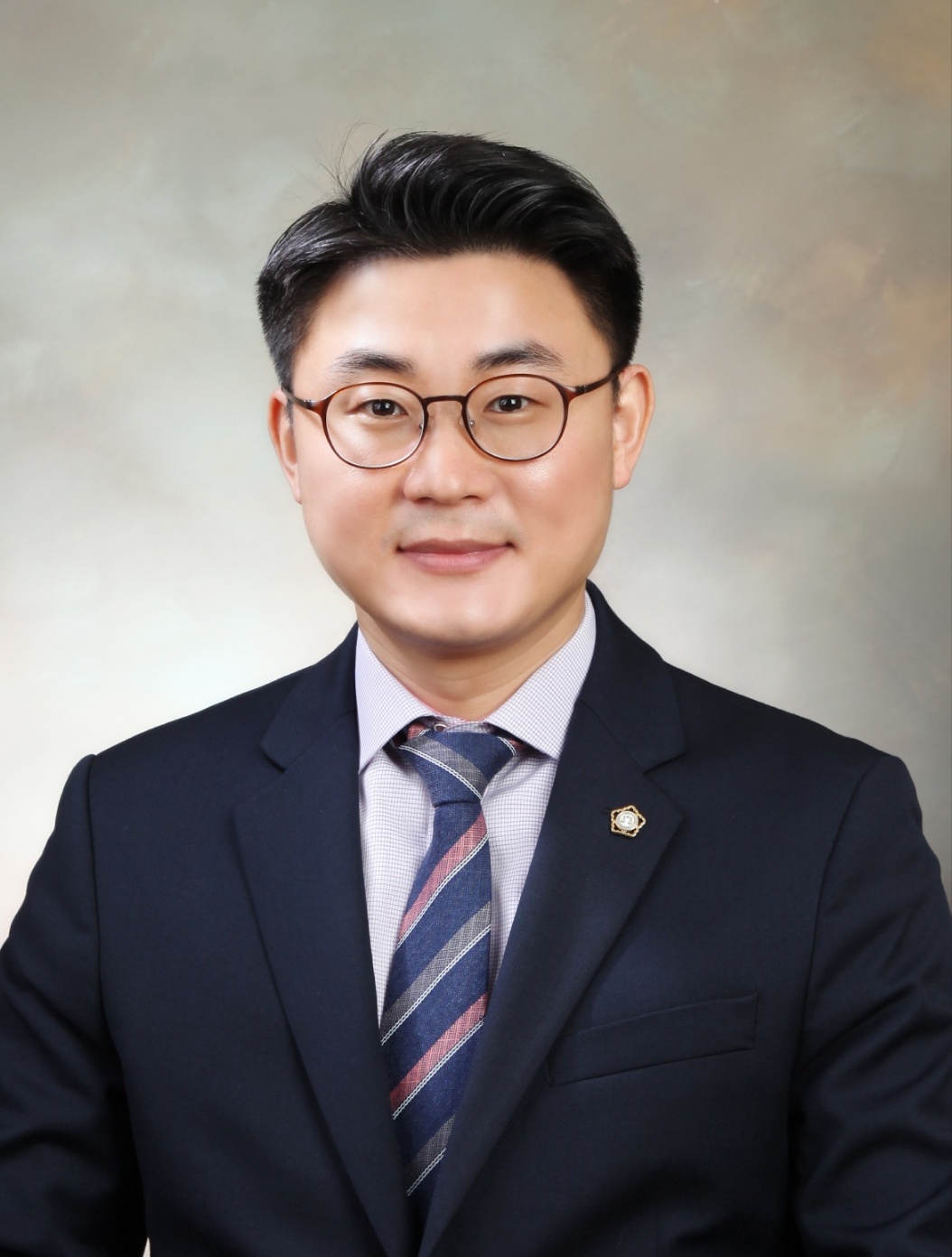
Lee Young-hyun, partner in incorporated law firm IRE (first North Korean defector lawyer) In North Korea, April 5, or the birth anniversary of North Korea’s founder and first leader Kim Il-sung is commemorated as the Day of the Sun and this year marks its 111th anniversary. Large-scale celebrations straddle across the state on this day, ranging from fireworks to resolution rallies, visits to historic sites, and cultural performances. The North Korean regime sometimes mobilizes military marches or rocket and missile launches as a means to showcase its military prowess to the people. Around this time of the year, South Korea stays on alert raising its guards. It's amazing how much money North Korea lavishes on this single anniversary each year. By some estimates, over USD 2 billion or about 30% of North Korea’s annual budget is spent on celebrating the Day of the Sun, a phenomenon witnessed since Kim Jong-un came to power. This costly political show has been continued while the entire country is grappling with perennial food shortages and economic hardship. This year will be no exception. North Korea funnels extravagant expenditures into honoring the Day of the Sun and for a reason: to deify North Korea’s founder Kim Il-sung beyond the cult of personality and emphasize the legitimacy of the hereditary succession of the Mount Paektu bloodline spanning three generations from Kim Il-sung to Kim Jong-il and now to Kim Jong-un. The North Korean regime seeks to justify dictatorship by Suryong or the supreme leader and to consolidate the hereditary succession of power. The utmost value pursued by the dictatorship regime is just to maintain its grip on power, with nothing to do with North Koreans' livelihood. Truth be told, the North Korean regime is the fundamental culprit of human rights violations witnessed in the state. North Koreans' human rights and freedom can not be assured without changes to the dictatorship regime as neither is compatible with the other. Human rights issues will never be resolved by aggressive exchange and cooperation with the North as long as the totalitarian dictatorship is acknowledged as a legitimate regime. While maintaining cooperative activities on the one hand, we should be able to voice our criticism against the North Korean regime on the other. Unfortunately, the previous government of South Korea turned a blind eye to human rights violations in the North while obsessed with putting up fake peace with Kim Jung-un. Return on these fallacies was the bombing of the inter-Korean liaison office, the launch of ballistic missiles, and boiled ox heads. Fostering peace on the Korean Peninsula remains a fantasy when human rights are left ignored in North Korea. The former South Korean government handed the Kim Jong-un regime a lifeline to keep it afloat despite its isolation from the international community, only to help prolong the human rights abuse and oppression of North Koreans. We can truly realize peace on the Korean Peninsula only if the government of South Korea spearheads the resolution of human rights issues in the North. We should keep raising issues with human rights violations to make a difference. We should also share the same voice with the United Nations and the international community, thus mounting pressure on the North Korean leader Kim Jong-un to learn a lesson the hard way that reforms and opening are the only paths to saving the state. It is encouraging to see the incumbent government of South Korea take a step in the right direction regarding North Korean policies. Last July, the North Korean Human Rights Ambassador was appointed after five years of the position being left vacant. On April 4 this year, South Korea made a comeback as a co-sponsor first time in five years for a resolution on North Korean human rights adopted by the United Nations Human Rights Council. The Ministry of Unification unveiled the human rights report on North Korea for the first time as part of its aggressive effort to draw the attention of the international community to the appalling reality of North Koreans' human rights violations. Quite encouraging developments indeed. When it comes to North Korean human rights issues, the South Korean government should take a firm and steadfast stance that survives the change of power and uphold the principles of universality, absoluteness, consistency, and non-political nature. It should work together with civic groups, and further collaborate with countries sharing the same values of freedom and human rights as well as international organizations, such as the UN.
23.04.17 -
[Issue]
Prof. Emeritus of Nuclear Engineering, Seoul National UniversityKune Y. Suh Nuclear weapons testing is the act of experimentally firing nuclear devices in a controlled mode. This has been done on land, under waters or even in space by the eight nations: the United States, (formerly) the Soviet Union, the United Kingdom, France, China, India, Pakistan and North Korea.There have been a total of 2,121 nuclear tests done since the very first “Trinity” in July 1945, involving 2,476 nuclear devices. As of 1993, 520 atmospheric nuclear explosions have been conducted with a total yield of 545 megaton (Mt) worldwide. Out of this, 217 Mt has come from pure fission bombs, whereas 328 Mt has resulted from bombs using “staged” fission and fusion. The projected number of underground nuclear tests performed during 1957 and 1992 ends up with 1,352 detonations with a total yield of 90 Mt.[1] Table 1 summarizes the global nuclear weapons tests stats as of today. The explosive yields are listed in kiloton (kt).Very few unknown tests are suspected at this time, the Vela episode being the most conspicuous. Israel is the only country suspected of possessing nuclear weapons but not known to have ever tested any.Table 1. Worldwide nuclear tests by countryCountryTestsYield (kt)Total yield (kt)Percentage by testsPercentage by yieldUnited States1,0320~15,000196,51448.736.3Soviet Union7270~50,000296,83734.454.9United Kingdom880~3,0009,2824.151.72France2170~2,60013,56710.22.51China470~4,00024,4092.224.51India30~60700.1410.013Pakistan21~32510.1070.0094North Korea61~250197.80.2830.036Total2,1210~50,000540,849100100Underground nuclear testing refers to subterranean detonation of nuclear test devices. Once the device is buried deep enough, the nuclear explosion may as well be contained, with little or no release of radioactive nuclides to the atmosphere.The ensuing blast accompanied by an unfathomable temperature (~180M K) as well as an immeasurable pressure (~100B Pa) of an underground nuclear explosion tends to cause irrecoverable changes in the surrounding geologic formation. The rock closest to the location of the test is instantly (within a millisecond) vaporized, forming a cavity. Farther away, there are zones of crushed, cracked, and irreversibly strained rock. Following the explosion, the rock above the cavity may collapse to form a rubble chimney. Should this chimney reach the surface, a bowl-shaped subsidence crater may form.The first underground test took place in 1951. The signing of the Limited Test Ban Treaty (LTBT) in 1963 prohibited all nuclear tests except for those performed underground. From then until the signing of the Comprehensive Nuclear Test Ban Treaty (CTBT) in 1996, most nuclear tests were performed underground, so as to minimize the detrimental impact of nuclear fallout on the environment in general, and the atmo- and hydrosphere in particular.On September 9, 2004, South Korean media reported that there had been a large explosion at the Chinese-North Korean border. This explosion left a crater visible by satellite and precipitated a 3 km diameter mushroom cloud. The US and South Korea hastily downplayed this, explaining it away as a forest fire that had nothing to do with the North Korea’s nuclear weapons program.North Korea has conducted six nuclear tests thereafter in 2006, 2009, 2013, twice in 2016, and 2017. The 3 September 2017 test, like their January 2016 test, is claimed to be a hydrogen bomb, but may just be a boosted fission bomb rather than a staged fission-fusion Teller–Ulam thermonuclear explosive.On October 9, 2006, North Korea announced they had conducted a nuclear test in North Hamgyong Province on the northeast coast at 10:36 AM. There was a 3.58 magnitude earthquake reported in South Korea, and a 4.2 magnitude tremor was detected 386 km north of Pyongyang. Estimates on the yield of less than one kt have led to speculations as to whether it was a fizzle, i.e. futile test, or not a genuine nuclear test after all.On May 25, 2009, North Korea publicized having conducted a second nuclear test. A tremor, with magnitude reports ranging from 4.7 to 5.3, was detected at Mt. Mantap, 375 km northeast of Pyongyang and within a few kilometers of the 2006 test location. While its yield estimates are still indeterminate ranging from 3 to 20 kt, the stronger tremor did indicate a sizably larger yield than the first test.On 12 February 2013, North Korea proclaimed it had conducted a third nuclear test. Both Comprehensive Nuclear Test Ban Treaty Organization (CTBTO) and the United States Geological Survey (USGS) detected a tremor that exhibited a nuclear weapon signature with magnitude 5.1. The USGS said the hypocenter was merely 1 km deep. South Korea’s defense ministry said the event reading indicated a blast of 6~7 kt. However, some experts estimated the yield to be up to 15 kt since the test site’s geology was not well known.On January 5, 2015, North Korea stated that they had successfully tested a “miniaturized atomic bomb,” about 8 km from the Punggye-ri site where the 2013 test had been conducted.On January 6, 2016, North Korea announced that it conducted a successful test of a hydrogen bomb. The seismic event was recorded with a magnitude of 5.1.On September 9, 2016, North Korea announced another successful nuclear test at the Punggye-ri site. This was the first warhead claimed to be able to mount to a missile previously tested in June 2016. Estimates for the yield range from 20 to 30 kt and coincided with a 5.3 magnitude earthquake in the region.On September 3, 2017, North Korea successfully detonated its first weapon self-labeled as a hydrogen bomb. Its yield estimates spanned from 100 to 300 kt. Reports indicate that the blast caused a magnitude 6.3 earthquake, and possibly resulted in a cave-in at the test site.Tired mountain syndrome stems from the underground detonation of multiple nuclear explosions that considerably alter the properties of the surrounding rock mass.[2] Fracturing and rock breakage are extensive and markedly increased. Permeability is noticeably increased both in the rock mass itself and along isolated tectonic faults. The zone of inelastic deformations of structural fractures can extend hundreds of meters, and specifically for North Korea’s sixth test, could extend out to ~1.4 km from the shot point.Locations said to have undergone the syndrome include, but are not limited to, the Dnepr 1 nuclear test site on the Kola Peninsula and, possibly, Mt. Lazarev at the Novaya Zemlya Test Site in Russia,[2,3] the French Polynesian island of Moruroa,[4] Rainier Mesa in the US,[5] and, last but not least, Mt. Mantap in North Korea.[6~8]The Matochkin Shar site 73.39°N 54.40°E is called out in a 1993 USGS report.[3] The report does not mention tired mountain syndrome by name, but notes 72% of the 36 tests at Matochkin Shar leaked radionuclides. Seepage along fractures or faults in the rock is specifically described.Examination of satellite images of North Korea after the 2017 nuclear test (Figure 1) reveals numerous landslides and widespread disturbances throughout the rugged site and beyond. Tunnels for the nuclear blasts are deep inside Mt. Mantap, a 2,200 m high peak.Figure 1. Satellite images of Mt. Mantap before (upper) and after (lower) the 2017 test (Source: Planet Labs)There appears to be no evidence of a surface crater that would have formed if the cavern carved out within the mountain by the blast strength and high temperatures had abruptly collapsed. Shortly after the detonation, though, smaller shock waves caused by a collapse might have produced a surface crater.In Figure 2, arrows indicate horizontal displacement, while color indicates vertical motion.[9] The explosion caused significant surface disturbance and bulky displacements over an area of 9 km2 outlined in black. Thin gray lines are topographic contours at 100 m intervals. Red stars indicate the locations of previous nuclear tests. Balls are locations and magnitudes of the explosion (black) and aftershock (white).Figure 2. Ground movement on Mt. Mantap caused by the 2017 test[9]That explosion rocked the area like a 5.2 magnitude earthquake. Seismic recordings from global and regional networks, and before-and-after radar measurements of the ground surface show that the underground nuclear blast pushed the surface of Mt. Mantap outward by as much as 3.5 m and left the mountain about 50 cm shorter.Computer modelling of the event helped pinpoint the location of the explosion between 400~600 m right below the 2,200 m peak[9]. Another seismic event, or aftershock, was also located more precisely. That occurred 8.5 minutes after the nuclear explosion, putting it some 700 m south of the bomb blast. This is about halfway between the site of the nuclear detonation and an access tunnel entrance and may have been caused by the collapse of part of the tunnel or of a cavity resulting from a previous nuclear explosion.The interferometric graphic obtained through the processing of radar imagery of the area encompassing the Punggye-ri site was overlain on Google Earth in Figure 3. The overall centralization of the radar-detected displacements encompassing all of Mt. Mantap provides additional empirical evidence that the sixth nuclear test occurred directly under the peak.[10]Figure 3. Punggye-ri site overlain on Google Earth (Source: Dr. Meng “Matt” Wei[10])There have so far been several detected and reported earthquake-like events subsequent to the sixth 6.3 magnitude underground nuclear test. As such, the site may no longer be suitable for further underground nuclear testing. The three earthquakes were likely induced by the ~250 kt nuclear test. However, US nuclear test history at the Nevada Test Site provides evidence that such post-test tremors are not unusual. Furthermore, even in the face of what has been dubbed “Tired Mountain Syndrome,” abandonment of the site for nuclear testing should not be expected. Such historical precedent, combined with the presence of two other, as yet unused tunnel complexes within the test site, leads to conclusion that there is no valid reason to assume that the Punggye-ri test site is unable to contain additional underground nuclear tests. Should another nuclear test(s) be done in the foreseeable months, it should not be surprising that there shall be further post-test earthquakes.Literature Cited1. O.A. Pavlovski, “Radiological Consequences of Nuclear Testing for the Population of the Former USSR (Input Information, Models, Dose, and Risk Estimates),” Atmospheric Nuclear Tests, Springer Berlin Heidelberg, pp. 219~260, doi:10.1007/978-3-662-03610-5_17, ISBN 978-3-642-08359-4, 14 August 1998.2. V.V. Adushkin, W. Leith, “The Containment of Soviet Underground Nuclear Explosions (PDF),” United States Geological Survey, pp. 35~37, Open File Report 01-312, September 2001.3. L. Eric, J.R. Matzko, “Physical Environment of the Underground Nuclear Test Site on Novaya Zemlya, Russia (PDF),” United States Geological Survey, pp. 4, 8~10, 20, Open File Report 93-501, 1993.4. J. van Ginneken, “Collective Behavior and Public Opinion: Rapid Shifts in Opinion and Communication,” European Institute for the Media Series, Taylor & Francis, p. 126, ISBN 978-1-135-62903-8, 2003.5. “The Containment of Underground Nuclear Explosions (PDF),” US Congress, Office of Technology Assessment, p. 51, LCCN 89-600707, OTA-ISC-414 (full document), October 1989.6. “Is North Korea’s Nuke-Testing Mountain at Risk of Collapse? Satellite imagery suggests the underground blasts may be taking their toll,” Popular Mechanics, October 20, 2017.7. “N. Korea nuclear test site may have ‘Tired Mountain Syndrome’,” Agence France-Presse–via Straits Times, 19 October 2017.8. A. Fifield, “After six tests, the mountain hosting North Korea’s nuclear blasts may be exhausted,” The Washington Post, 20 October 2017.9. https://news.berkeley.edu/2018/05/10/radar-reveals-details-of-mountain-collapse-after-north-koreas-most-recent-nuclear-test/10. https://www.38north.org/2017/10/mtmantap101717/
23.04.17 -
 [North Korean Terminology]
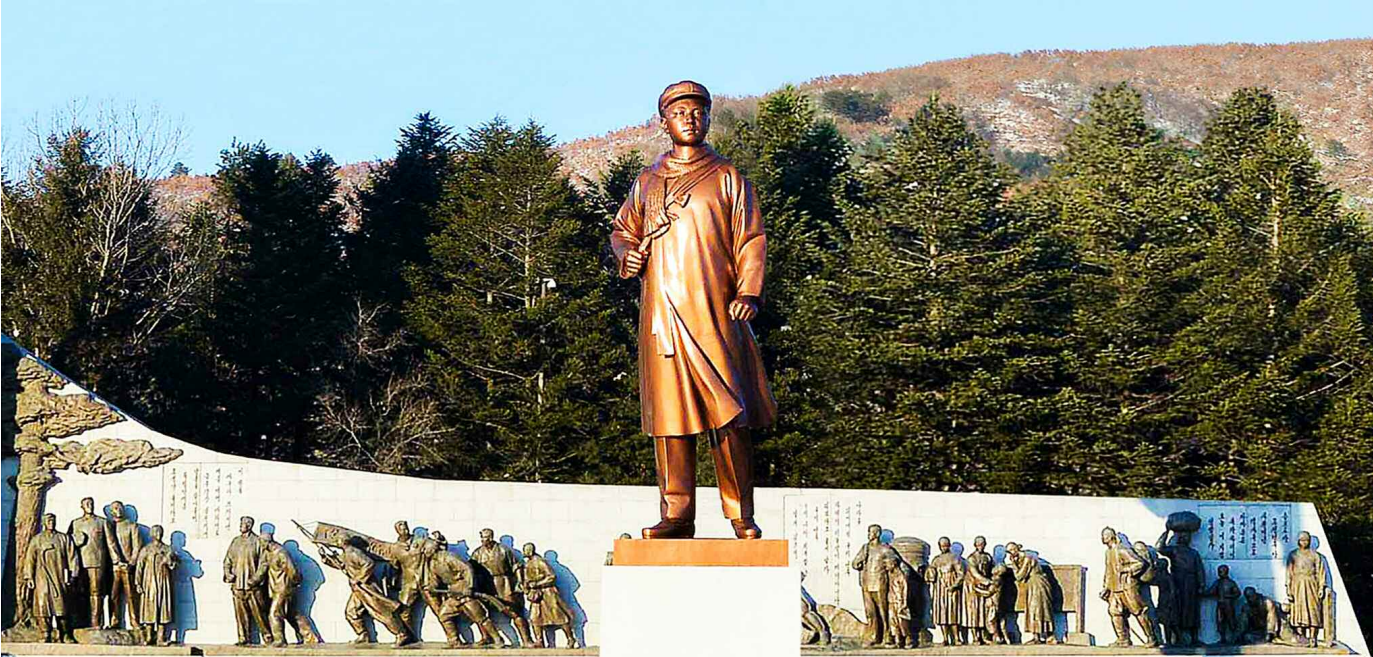
Kim Il-sung's 1,000-ri Journey for Learning North Korea claims that kim Il-Sung, at 11, left Manchuria North Korea claims that Kim Il-sung to begin a lonely trip to his hometown in Pyongyang, following his father's suggestion that he should learn and experience the realities of his fatherland under the Japanese colonial ruler, in order to lead the Korean people. Pyongyang propagandists claim he walked all the 1,000 ri (10 ri equal 4 km) from Pataoku in Manchuria to Pyongyang via Popyong, a border town along the Tumen River. On March 16, 1923, he started the journey, and this event is remembered by North Koreans as the "1,000-ri Journey for Learning."It also is claimed that in 1925 Kim walked back to Man- churia with an ambition to lead the people's struggle to restore the independence of the fatherland, and this journey is re- membered as the "1,000-ri Journey for Restoration."During the "Loyalty Festival Period" or on other important occasions, exemplary students in their teens participate in the march to walk in the footsteps of Kim Il-sung's "1000-ri Jour- ney for Learning" or "1,000-ri Journey for Restoration."
23.04.01 -
 [From the Editor-in-chief]
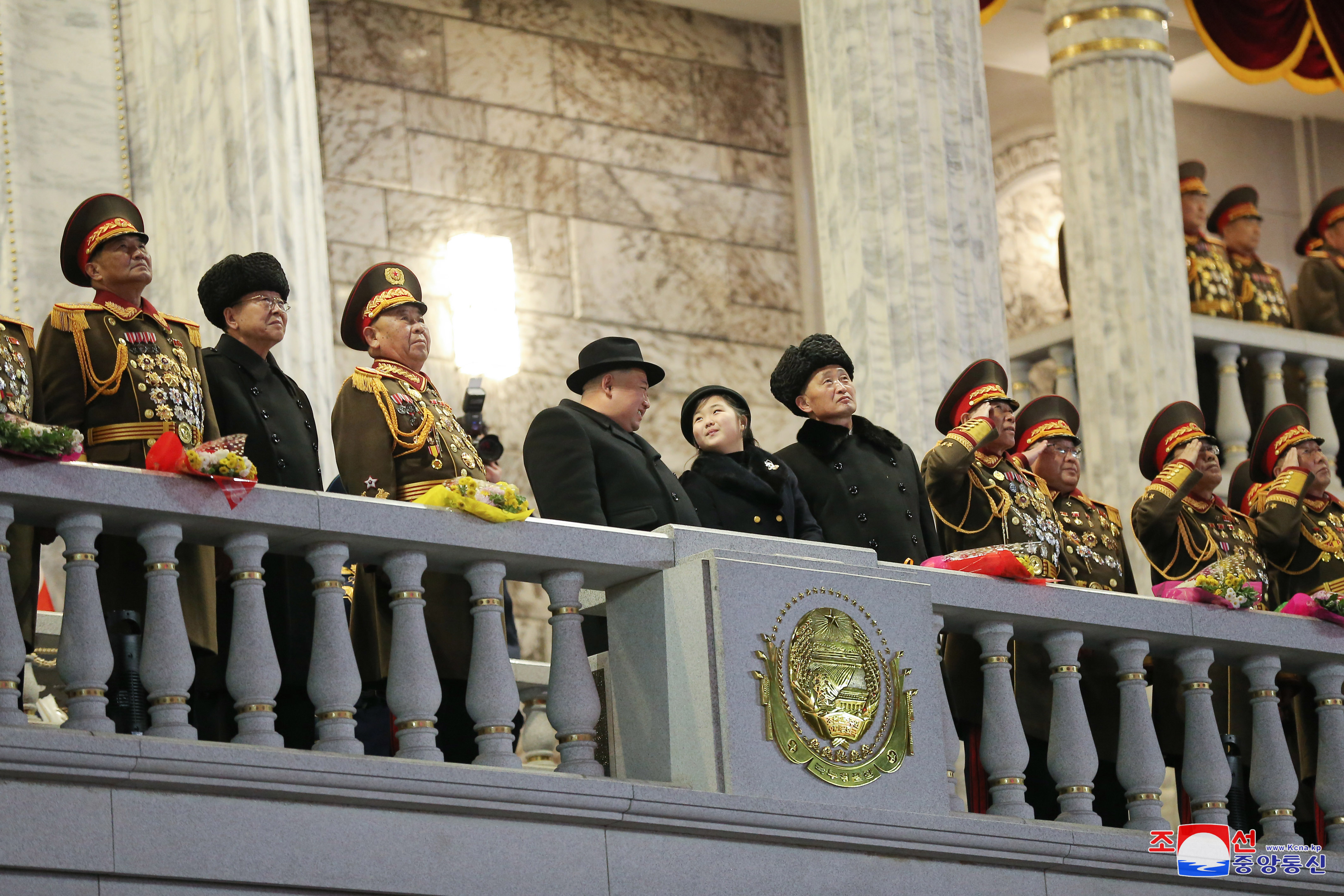
Controversy over power succession: it should be viewed with a critical eye, rather than as a topic for gossip Power succession in North Korea has become a hot issue not only among people on the street, but also among intelligence officials and North Korea experts. Recently, there has been a growing interest on who will succeed Chairman Kim Jong-un. At the center of the debate is whether Pyongyang's three-generation succession – from Kim Il-sung, to Kim Jong-il, to Kim Jong-un - will lead to the fourth generation. It is ironic that succession is already being discussed for a young leader who is only 39 years old now. This is especially true given that the position of North Korean leader is a de facto lifetime position, with no set five- or ten-year term. In fact, the debate over succession was ignited largely by Kim Jong-un himself. Out of the blue, he brought his young daughter to a missile launch site on November 18 last year, drawing a lot of attention from all over the world. Her public debut at the Hwasong-17 intercontinental ballistic missile (ICBM) test site, where the eyes of not only North Korean elites and citizens but also the international community were focused, was surely to attract the world’s attention. The unnecessary controversy was quelled on March 7, when the South Korean National Intelligence Service (NIS) summarized in a report to the National Assembly's intelligence committee that ten-year old Kim Ju-ae's appearance was not directly related to power succession. "Kim Jong-un is still young and healthy, so there is no need to prematurely prepare his successor," said the NIS chief. Kim Jong-un may have revealed his daughter to the public on the occasion of the Hwasong-17 launch as an attempt to stress to the outside world that North Korea is advancing its nuclear and missile capabilities out of desperation for the survival of its regime and that he is putting his family and the reputation of the regime on the line. Some analysts also argue that it is Pyongyang’s image strategy to deflect away from Kim Jong-un and his family blames and criticism for escalating tensions on the Korean peninsula and the surrounding region with nuclear development and missile launches. Experts are divided on whether Kim Jong-un has decided to reveal his daughter to the public with a fourth-generation succession in his mind. Some experts argue that Kim Jong-un may use his younger sister and a vice director of the Workers’ Party, Kim Yo-jong, as a stepping stone in power succession, rather than introducing his young children in the front seats of power at this point."It is very likely that North Korea makes a “3.5 generation” succession in which Kim Yo-jong is given a certain role before the succession by a fourth generation leader," says Yoo Ho-yeol, professor emeritus at Korea University's School of Unification and Diplomacy. There is indeed a sign that North Korea is building a system within the Workers' Party which would allow temporary delegation of Kim Jong-un’s authority to somebody in the event of an emergency. While Kim Jong-un has generated a lot of buzz with the disclosure of his second daughter, it is impracticable to link it to power succession. Unless a matter of vital importance happens, such as Kim’s sudden health failure, it is premature to start talking about his heir when he hasn't even reached the age of 40 yet. South Korean and U.S. intelligence officials believe that Kim Jong-un married Ri Sol-ju in 2009, when he was still the heir apparent, and they have one son and two daughters. Kim Ju-ae is known to be their younger daughter. The intelligence community has a relatively clear idea about Kim Jong-un's children because Lee appeared pregnant in her early public appearances and took a break from public activities for a period of time to give birth each time she had a child. Former National Basketball Association (NBA) player Dennis Rodman also contributed to their knowledge. Upon returning from his trip to Pyongyang, the NBA star player disclosed a piece of information about Kim’s family, “Lee was always talking about her daughter.” It is unclear why Kim Jong-un has not presented his older daughter or son to the public. Some experts have suggested that the eldest child is sent abroad to study or has a disability that prevents him from appearing in public. There are also observers who believe that Kim Jong-un may present a child other than Ju-ae as his heir. This is because it takes a considerable period of time for an heir to be nurtured into a successor to the North Korean leadership, and he or she may be studying abroad like Kim Jong-un himself who had attended the International School of Bern in Switzerland during his childhood. In such a case, his or her identity would be thoroughly protected from public exposure.
23.04.01 -
 [Opinion]
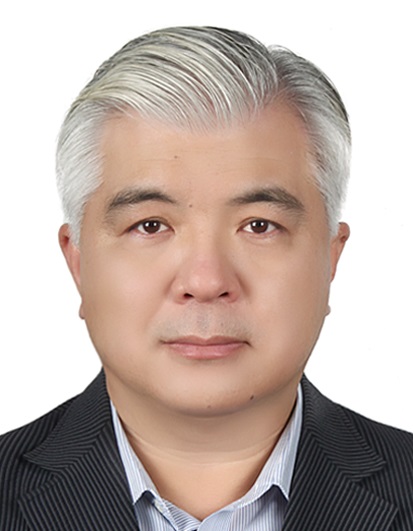
J.R. Kim, Ph.D.Vice President and Secretary GeneralCouncil on Diplomacy for Korean Unification The global order and peace established by international rules, conventions, and processes that have been upheld mainly by the United States since the conclusion of the Cold War are in jeopardy as a result of Russia's invasion of Ukraine. Realpolitik, or the logic of power that employs armed force to alter the status quo, is resurfacing in international affairs. In Northeast Asia, a new Cold War structure is emerging with a liberal democratic alliance of the United States, Japan, and South Korea and a totalitarian alliance of China, Russia, and North Korea engaged in an arms race on a new terrain where economic and military security are intertwined. In recent years, cross-strait relations between China and Taiwan and inter-Korean relations on the Korean Peninsula appear to be governed more than ever by the same logic of realpolitik. As a result of these changes, the fragile peace on the Korean peninsula that has existed since the signing of an armistice agreement in 1953 is under serious threat. Following its sixth nuclear test in 2017, North Korea declared the "completion of its national nuclear arsenal" in 2021, after focusing on further strengthening its military capabilities since Kim Jong-un took power. It has significantly increased the number of test launches of various intermediate- and long-range missiles since the outbreak of the war in Ukraine, advancing its nuclear missile capabilities. South Korea and the United States, both under new leadership, have responded by strengthening the South Korean military, expanding the deployment of US strategic assets around the Korean Peninsula, and intensifying joint military exercises. Tensions on the Korean Peninsula are rapidly rising as North Korea raises its intimidating voice in response to such measures by the South Korea-US alliance. In turn, the Yoon administration in South Korea has prioritized security as its primary agenda, and discourse on peace has taken a back seat. Recent events on and around the Korean Peninsula have overshadowed the peace discussion. However, with tensions rising and concerns about the possibility of armed conflict growing, discussions about peace are more important than ever. If you want peace, prepare for war," as the saying goes, but if you want peace, you must prepare for peace, not war. Shouldn‘t we give peace a chance even in the midst of war? Security and peace are not mutually exclusive. Peace should be discussed in a situation where the crisis of war is escalating and the importance of security is being emphasized. From the standpoint of realist international politics, security and peace do not have to be mutually exclusive. The more the war crisis escalates and the importance of security is emphasized, the more we must discuss peace. Peace, according to realist international politics, is the second-best option chosen out of desperation in the face of mutual destruction, rather than an idealistic illusion based on wishful thinking. From this perspective, the current crisis may provide Koreans a great opportunity to reorganize their thinking about peace-building and peaceful reunification on the Korean Peninsula. In this regard, the Irish peace process offers many lessons to the Koreans. Of course, Ireland and Korea are very different. Some argue that the conflict between North and South Korea is a clash of ideologies -- capitalism and communism among the same people -- that the two Koreas fought a war known as the Korean War and that North Korea is still pursuing its ambition of communizing the entire Korean Peninsula through arms. However, emphasizing the differences prevents us from learning valuable lessons. Unlike the natural sciences, it is impossible to find two cases where all conditions are identical in the social sciences, particularly in comparative political analysis. Lessons from historical examples can be learned by emphasizing similarities rather than differences. Unlike the Korean Peninsula, which has a one-ethnic, two-state structure, the Irish conflict is much more complex and overlapping, with a two-ethnic, one-state structure. This is because the conflict in Northern Ireland is an ethnic conflict between Irish and British residents, but it is also a conflict between two political entities, Northern Ireland and Southern Ireland, or the Republic of Ireland, and an international conflict between the United Kingdom and Ireland. However, unlike North and South Korea, which were at the forefront of the international Cold War, there is little ideological or systemic difference between Northern and Southern Ireland. Both the Republic of Ireland and Northern Ireland, a self-governing region of the United Kingdom, are founded on liberal democracy and a market economy. However, digging a little deeper reveals that the conflict is much deeper. This is because ethnicity and religion are the most primal ideologies of human beings, and both ethnic and religious conflicts are at work in Ireland at the same time. Ireland is far from inferior to Korea in terms of the intensity of the conflict. The duration of the conflict in the latter is only about 80 years after liberation in 1945, whereas in the former, it is over 850 years from the British occupation in 1171 and more than 100 years from the partition into the north and south in 1921. In terms of conflict depth, Ireland, which fought a violent civil war for 30 years since the 1960s following hundreds of years of the War of Independence is by no means inferior to North and South Korea, which experienced a fratricidal war know as the Korean War. It was the fear of annihilation as a result of continued violence in a situation where neither side could enjoy unilateral supremacy that drove the Irish and British communities, which had become mortal enemies amidst hundreds of years of mutual violence, to agree to peace. The awareness of such fear made them avoid an all-or-nothing battle and choose the next best option. And they adhered to the principle of giving up violence first and then participating in political negotiations, eventually reaching a compromise called the Good Friday (or Belfast) Agreement in 1998 after a tedious peace process characterized by repeated compromises and breakdowns. The peaceful coexistence between the two communities was both a rational choice to avoid co-destruction and a product of desperate efforts for survival. The essence of the Good Friday Agreement was coexistence through power sharing between the two communities. The Irish had to pay a high price for this. The Irish community in Northern Ireland gave up their independence. Southern Ireland amended the territorial provisions in its Constitution, which declared sovereignty over the entire island of Ireland. It also modified the concept of Irish identity. In return, Britain ceded its sovereign power over Northern Ireland, and the British community shared its centuries-long monopoly over power with the Irish. The Good Friday Agreement was implemented through immediate institutionalization and legislation. The Northern Ireland power-sharing government was formed through the sequential transfer of legislative, administrative, and judicial power by the British government following the agreement. The sharing of power between the two communities was guaranteed through the introduction of a mandatory coalition and a cross-voting system. Between North and South Ireland, a North-South Ministerial Council was established, representing the heads of governments on both sides and involving all ministers from both sides. The Northern Ireland delegation systematically assured the equal participation of both Irish and British ministers. Between the two governments of Ireland and the United Kingdom, an international organization was established at various levels to monitor and support the implementation of the agreement. All the bodies were designed to be interconnected so that the collapse of any one body would cause the collapse of everything else, preventing the collapse of the agreement. Above all, what distinguishes the Irish peace process based on the Good Friday Agreement is that it left Ireland's future open-ended, with no expectation of reunification. The future of the island of Ireland was to be decided by people on both sides of the border in a simultaneous referendum, not by the governments of Northern Ireland or the United Kingdom. At some point in the future, if the people of both sides make a choice about their future, all governments are mandated to implement it immediately. At the same time, by not assuming a specific future in the here and now, it has left that decision to future generations. The questions that the Irish have wrestled and struggled with over centuries of conflict are eerily similar to those that the Koreans face. After centuries of wrangling between annihilation and coexistence, the Irish have devised their own solutions. As the conflict between North and South Korea escalates and the annihilation crisis worsens, the two Koreas require the same urgency to find a way for the two sides to coexist peacefully. This is not to say that the two Koreas should apply the same solutions to similar problems as the Irish, given that they have a different history, culture, resources, and conditions. However, in order to avoid the annihilation of the North and the South and achieve peace, Koreans, like the Irish, must face the gravity of the situation and strive even more desperately to find their own solutions. That is the lesson of the Irish peace process.
23.04.01
News Letter
We are leading the global communication via Newsletter.
We will deliver the latest information and proven facts on Korean Peninsula status including North Korea situation.