

-
 [Current Affairs Analysis]
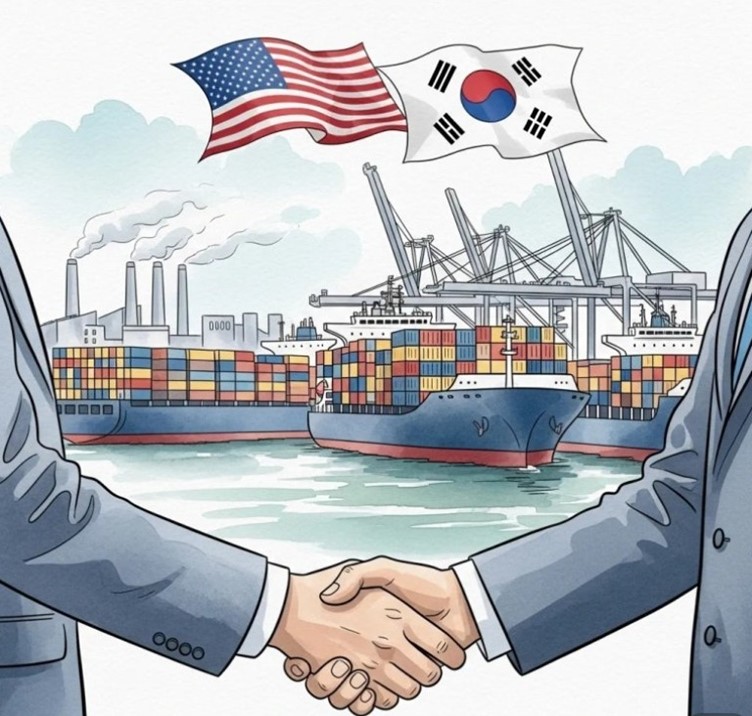
Alliance Logic behind the Joint Fact Sheet on the ROK-U.S. Summit Laid Out amid the Transitional International OrderBAN Kil JooKNDAI. The Joint Fact Sheet Laid out under a Chaotic WorldThe post-war security order is at stake and transitional, where neither a realist lens nor a liberal lens is relevant to explain what is going on. In this sense, our world is chaotic in a sense. To top it off, the previously working alliance formula is less functional, surrounded by a transactional approach under the Trump administration. With this in mind, the Joint Fact Sheet, which was open to the public on 14 November 2025, is better placed to grapple with challenges that both South Korea and the U.S. confront in the sense that it leads the alliance to make a win-win architecture. On the security front, differences between Seoul and Washington appear to be addressed, contributing to alliance cohesion.First, the Sheet clarifies that South Korea will put more effort into enhancing its capability to defend itself, and in return, the USFK will remain committed while deterring North Korea as its primary mission. Second, South Korea and the U.S. agreed to maintain the 2006 strategic flexibility, which means the USFK will not be dispatched for missions off the Korean Peninsula without consultation with South Korea. Meanwhile, the economic front was much trickier, mainly because U.S. President Trump focuses more on trade than security, and he defines himself as the best dealmaker. Despite this quagmire, Seoul was relatively successful in the negotiation with Washington in the sense that a tariff on automobiles turned out to be reduced, and the most-favored-nation status for semiconductors was secured with an original investment of 350 billion dollars.Moreover, a 20 billion dollar investment per year is expected to be safe enough not to be entrapped in the foreign currency market crisis. In this sense, South Korea seems to have defended itself from harsh demands by the Trump administration relatively well. If so, what are the implications for the Joint Fact Sheet in analytic ways?II. The Joint Fact Sheet as a Reference Point for Alliance ModernizationThe Joint Fact Sheet could serve as a reference point to take a snapshot of whether the ROK-U.S. alliance architecture continues to be cohesive under an unpredictable and chaotic world or not. The Sheet can be summarized by the three points: 1) making exchanges between America’s economy and South Korea’s security, 2) mitigating alliance risks, and 3) making deals with unprecedented items. First of all, the Sheet is the result of the congruence between South Korea’s focus on security and the U.S.’s focus on the economy. In return for South Korea’s acceptance of the U.S.’s request for massive investment based on a manageable calculation, the U.S. promised to guarantee its commitment to the Korean Peninsula and help South Korea enhance its military capabilities, such as nuclear-powered submarines. In this sense, this deal is not a trade-off between the two states but a win-win architecture. Second, the Sheet contributes to mitigating alliance risks between Seoul and Washington. As the Trump administration is little interested in differentiating between allies and enemies. alliance risks are on the rise around the world. The Trump administration believes that its allies have taken advantage of the U.S. more than its adversaries, such as China.Thus, the U.S. rushes to revise alliance architecture significantly, leading to the rise of alliance risks. These risks are on the rise around the world, including the NATO (North Atlantic Treaty Organization) alliance. Meanwhile, alliance modernization, which is specified in the Joint Fact Sheet, serves as a remedy to ease alliance risks in the sense that both sides remain committed to the value of the ROK-U.S. alliance. Third, the Sheet shows that unprecedented items are on the table, and furthermore, they agreed to those, leading the alliance to be cohesive more comprehensively. New agendas that have never been made before appeared in the joint fact sheet, which includes uranium enrichment and spent fuel reprocessing as well as nuclear-powered submarines. The inclusion of very new items is expected to make the ROK-U.S. alliance robust in the sense that an old and weakening alliance finds it hard to raise new items. All these points allow the ROK-U.S. alliance to become more symmetric than before. In this sense, the Joint Fact Sheet could serve as a symbolic moment for the more symmetric ROK-U.S. alliance. III. Follow-up Tasks and Challenges AheadThe Joint Fact Sheet serves as a positive sign to evolve the ROK-U.S. alliance, but challenges ahead should be paid attention to in an effort to make the alliance upgrade its symmetry much more. This point particularly matters in the sense that Trump’s negotiation formula is endless, and new items are hard to maintain without bipartisan support from both sides. Challenges will be on the rise without polishing follow-up tasks, such as clarifying the burden-sharing cost, determining a way of constructing submarines, and revising the 123 agreement. First, the Sheet includes the new item, 33 billion dollars, which appears to be related to the burden-sharing cost, while explaining that this will be spent for comprehensively supporting the USFK. Through follow-up working-level talks, this ambiguity needs to be fully tackled in an effort to prevent both sides from making miscalculations later on.At first glance, this item seems a burden-sharing cost related to the SMA (Special Measures Agreement), but this could help Seoul step up its leverage over Washington on other agendas if Seoul designs a smart strategy in the process. These multi-functions need to be taken into consideration.Second, how to complete South Korea’s nuclear-powered submarines should be determined in a timely manner. In particular, a way of constructing nuclear-powered submarines should be determined with the two factors: 1) maximizing South Korea’s world-class shipbuilding capability, and 2) creating synergy for the MASGA project. How to accomplish this program should contribute not only to enhancing the MASGA project but also to expanding K-shipbuilding to the world.Third, how to acquire nuclear fuel should not be procrastinated. To that end, South Korea and the U.S. should find a way to enrich uranium and reprocess spent fuel under the current 123 agreement, with a possibility of revising it in the near future. Public diplomacy, as well as government diplomacy, will be important to get things done. IV. Conclusion: More Symmetric Alliance as a Sustainable RemedyThe Joint Fact Sheet is expected to serve as a stepping stone for a symmetric alliance between South Korea and the U.S. However, this is not the end of a symmetric alliance but the first step of a fulfilled symmetric alliance. In this sense, Seoul continues to prepare for any contingencies because Trump’s deal-making formula is an ongoing process without an end.To top it off, since the U.S.’s National Security Strategy has not been published, South Korea should closely monitor what it looks like in an effort to ensure that the Sheet is harmonized with this document. South Korea should seize the golden moment to make the alliance much more symmetric indeed, leading it to a win-win architecture.
25.11.21 -
 [Feature Article]
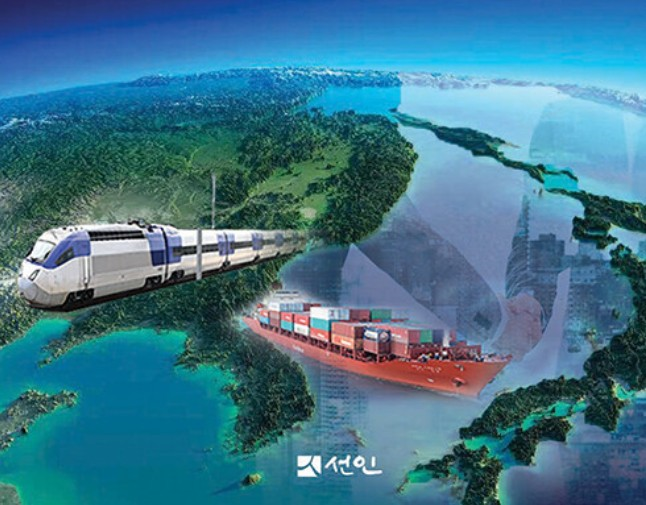
The Greater Tumen Initiative (GTI): A Strategic Platform for an Inter-Korean Peace EconomyChoi Jae-dukProfessorSeoul School of Integrated Science and TechnologyChina’s renewed efforts to integrate the development of its northeastern provinces and the Tumen River basin—shared with Russia and North Korea—into the Belt and Road Initiative (BRI) have brought fresh attention to the region. As Beijing seeks to connect continental and maritime routes through its northern borderlands, the Tumen River area is once again emerging as a focal point for Northeast Asian regional cooperation.Originally launched in the early 1990s under the auspices of the United Nations Development Programme (UNDP), the Greater Tumen Initiative (GTI) was once celebrated as a “laboratory for Northeast Asian cooperation.”Yet progress has been remained largely stagnant since North Korea’s withdrawal in 2009, further hindered by regional geopolitical tensions and sanctions on Russia. In recent years, however, China’s plans to align the GTI with the northern corridor of the BRI suggest a renewed impetus for regional economic integration.Chinese provincial and central documents increasingly emphasize “securing maritime access through regional cooperation.” The Jilin Provincial Government has explicitly stated its intent to “promote development in the Tumen River area and strengthen border cooperation with Russia and North Korea,” signaling an ambition that extends beyond basic trade to encompass logistics, maritime transport, and regional development corridors.For South Korea, this evolving landscape presents both opportunities and strategic challenges. On the opportunity side, Seoul could position itself as a “coordinator and innovation partner” within a revitalized GTI framework. Despite ongoing constraints such as Pyongyang’s absence and sanctions on Moscow, South Korea retains comparative advantages in sustainable development, smart logistics, and green infrastructure. A “GTI 2.0” model centered on sustainability, smart innovation, and people-to-people exchanges would align well with its technological and institutional strengths.Major risks and constraints persist, however. GTI-related discussions still lack executable business models, and proposed initiatives, ranging from inter-Korean rail linkages to East Sea logistics networks and environmental cooperation in the Tumen River basin, face diplomatic and security barriers. Moreover, given the uncertainty surrounding North Korea policy and ongoing sanctions, investment protection and long-term project viability remain difficult to ensure.The decisive variable is North Korea’s participation. Though Pyongyang was among the GTI’s founding members, its 2009 withdrawal effectively detached the initiative from broader regional cooperation. Chinese academic and policy circles have recently revisited the prospect of North Korea’s reentry, emphasizing that “revitalization of the GTI is feasible if the conditions for North Korea’s participation are restored.”Signs of this possibility are emerging. Kim Jong-un’s prominent appearance beside Xi Jinping at China’s 2024 Victory Day ceremony, the reopening of the New Yalu River Bridge, and the refurbishment of customs facilities suggest a partial normalization of North Korea–China economic relations. These developments indicate that the preconditions for Pyongyang’s return to the GTI may be gradually aligning.South Korea’s strategic engagement in the GTI framework should therefore be conceived not merely as participation in a China-led project, but as a platform for restoring inter-Korean economic cooperation. While direct bilateral engagement with Pyongyang remains constrained, multilateral frameworks like the GTI provide a more politically manageable environment for incremental cooperation. Should North Korea rejoin the initiative, opportunities could reopen for collaborative infrastructure projects, such as reconnecting inter-Korean railways, establishing energy and power grids, and managing ecological and tourism assets in the Tumen River basin.Ultimately, the GTI has the potential to evolve into a peace economy platform for Northeast Asia. As China intensifies its development of the three northeastern provinces, South Korea must calibrate its engagement carefully—participating not as a subordinate actor in northern development schemes, but as a co-architect of a balanced regional cooperation model.The optimal timing for South Korea’s proactive participation would be when inter-Korean communication channels are reestablished or when Pyongyang reenters the GTI. At that point, a cooperative equilibrium among South Korea, North Korea, China, and Russia could take shape, one in which Seoul can exercise genuine bargaining power, minimize political risk, and expand economic opportunity.The Tumen River region is more than a borderland between three states: it can serve as a “new coordinate for regional cooperation” and a testing ground for the Korean Peninsula’s peace economy. The founding spirit of the GTI was not limited to economic growth but aimed at transforming closed borders into zones of cooperation. North Korea’s re-engagement would represent a crucial step toward that vision.As a GTI member, South Korea should closely monitor China’s northeastern development strategy and broader regional dynamics while clarifying its strategic role within the initiative. Even as inter-Korean economic cooperation remains at an impasse, new pathways are opening through multilateral mechanisms like the GTI. If Seoul articulates substantive proposals and a credible implementation roadmap, the Tumen River could emerge as a “corridor of cooperation” linking the Korean Peninsula with the wider Northeast Asian region.In this sense, South Korea’s participation in the GTI is not a question of speed, but of timing.
25.11.13 -
 [Current Affairs Analysis]
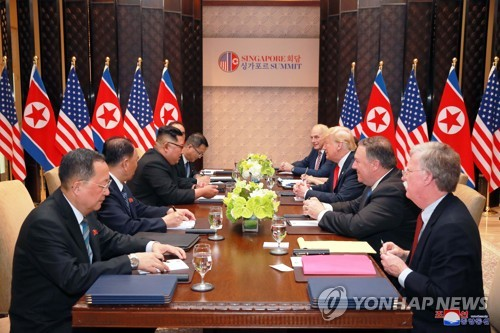
Peace Regime on the Korean Peninsula: Current Status and Policy ChallengesEunju ChoiPh. D. in Economics; Research Fellow,The Sejong InstituteThe contemporary security environment surrounding the Korean Peninsula has entered a period of structural instability that renders past policy approaches inadequate. At the global level, the intensifying U.S.–China strategic rivalry and the protracted Russia–Ukraine conflict have increased systemic uncertainty.At the regional level, North Korea’s concurrent pursuit of nuclear and conventional capabilities, combined with the collapse of crisis-management mechanisms such as inter-Korean communication lines, has significantly eroded the Peninsula’s stability architecture.In this context, a reactive or declarative peace framework is inadequate. Addressing this environment requires a comprehensive strategy that integrates military deterrence, diplomatic engagement, and strategic discourse, supported by an implementable operational design. The objective must be to construct a sustainable peace architecture, beginning with measures to reduce military tensions and build trust, and evolving toward substantive inter-Korean exchanges and institutionalized cooperation.1. Structural Transformation of the Peninsula’s Strategic LandscapeThe strategic landscape of the Korean Peninsula today differs fundamentally from that of the past. The intersection of three key developments—the redefinition of North Korea’s inter-Korean policy, the institutionalization of North Korea–Russia alignment, and the consolidation of U.S.–China strategic competition—has created a qualitatively new environment.At the 2025 plenary session of the Workers’ Party of Korea (WPK) Central Committee, Pyongyang formally redefined inter-Korean relations as state-to-state—specifically, as relations between two hostile states in conflict. This shift was institutionalized through follow-up measures by the Supreme People’s Assembly, which abolished inter-Korean and unification-related agencies. Building on the ideological framework of “Our State Firstism,” the North has entrenched its national identity while closing institutional pathways for inter-Korean functional cooperation. The result is a sharply reduced space for civilian, social, and economic exchanges that previously helped mitigate tensions.2. Escalation of Military and Security RisksIn the military domain, the codification of North Korea’s nuclear force policy has been followed by frequent on-site inspections by Kim Jong Un, accelerating the testing and deployment of tactical nuclear systems, solid-fuel ICBMs, hypersonic glide vehicles, and reconnaissance satellites. The severing of inter-Korean hotlines and military communication channels has amplified the risk of inadvertent escalation.South Korea now faces a threefold security challenge: strengthening the credibility of extended deterrence, managing the influence of external actors, including China and Russia, and ensuring crisis control in emergency contingencies.Simultaneously, the North Korea–Russia Comprehensive Strategic Partnership Treaty has transformed bilateral relations into a quasi-alliance. Institutionalized cooperation now spans a wide range of sectors, military, energy, ICT, agriculture, health, and even peaceful nuclear technology and AI, providing Pyongyang with expanded avenues to circumvent sanctions and enhance strategic autonomy.3. Policy Constraints in the Era of Structured U.S.–China CompetitionThe growing systemic rivalry between Washington and Beijing, encompassing security, technology, and economic domains, poses a dual strategic burden for Seoul: maintaining the coherence of the ROK–U.S. alliance while managing relations with China.North Korea, meanwhile, is pursuing a diversified foreign policy: economic engagement with China, military and scientific collaboration with Russia, and renewed outreach to socialist states such as Vietnam. From Pyongyang’s perspective, the functional necessity of South Korea as an economic partner is diminishing.4. Constraints and Emerging OpportunitiesDespite these constraints, opportunities persist. North Korea’s hardline “two-state theory” and absence of dialogue mechanisms raise the risk of miscalculation, while domestic political polarization in South Korea undermines policy continuity.Nonetheless, renewed U.S.–North Korea summit diplomacy remains conceivable, and Seoul retains diplomatic space to serve as a facilitator within multilateral cooperation frameworks involving China, Russia, and Japan, particularly in non-political, less politically sensitive areas.North Korea’s growing emphasis on regional development and livelihood improvement has generated increasing demand for external resources and technology. The regime has also shown pragmatic openness toward cooperation in areas such as public health, education, forestry, climate adaptation, and disaster response. These domains represent practical entry points for South Korea to propose humanitarian assistance and technical exchanges that could reopen channels of dialogue.5. Rethinking the Framework of Inter-Korean CooperationGiven the difficulties in bilateral engagement, Seoul must expand coordination with international organizations and regional partners. Past South Korean cooperation models, focused on infrastructure, material provision, and labor-intensive processing, are now less viable amid China’s logistical dominance and Russia’s reemerging economic role. Future cooperation must therefore aim for complementarity rather than competition with North Korea’s existing partnerships.Seoul should redefine its strategic role in supporting improved U.S.–North Korea relations. Even in the absence of direct coordination with Pyongyang, South Korea can jointly design, with Washington, a suite of cooperative initiatives in nontraditional security areas such as health, food security, disaster management, and supply chain resilience. In doing so, Seoul can assume responsibility for planning and implementing components of these projects, transforming itself from a passive observer to an active co-designer.This would help create a virtuous cycle: progress in U.S.–North Korea relations leading to progress in inter-Korean relations, thereby institutionalizing peace through practice rather than declarations.6. Building a Sustainable Peace RegimeDenuclearization remains both the objective and baseline of a peace regime on the Korean Peninsula. To move toward a nuclear-free peninsula, South Korea must focus on building an operational ecosystem that balances deterrence and diplomacy, integrates multilateral coordination, and aligns with global norms.Rather than focusing on the magnitude of aid or investment, South Korea should give priority to developing an institutional design: creating mechanisms, standard procedures, and ready-to-launch cooperation packages that can be activated when conditions permit. By transforming political momentum into procedures and institutions, Seoul can shift inter-Korean relations from “managed disconnection” to “managed engagement,” turning risk into a strategic asset.ConclusionSustaining peace on the Korean Peninsula demands more than rhetoric: it requires strategic coherence, institutional readiness, and actionable policy design. South Korea must act as both coordinator and architect, navigating between great-power competition and regional transformation. By doing so, Seoul can translate the complexity of the current crisis into an opportunity—transforming volatility into structured engagement and embedding peace within a sustainable regional framework.
25.11.13 -
 [Thematic Analysis]
Alternative Thinking on the North Korean Nuclear Issue and Peace on the Korean PeninsulaJungsup KimPrincipal Fellow, Sejong Institute1. Evolving DynamicsNorth Korea’s nuclear capabilities have advanced well beyond rudimentary deterrence, reaching the level of a de facto nuclear-weapon state. Although estimates differ across institutions, Pyongyang is widely assessed to possess approximately 50 nuclear warheads.It is also nearing completion of a strategic ICBM force capable of threatening the U.S. mainland. After a successful test of Hwasong-15 in 2017—with an estimated range of 13,000 km—North Korea unveiled the Hwasong-19 in 2024 and the Hwasong-20 in 2025.Notably, its tactical nuclear strike capabilities have developed dramatically since the 2019 Hanoi summit. North Korea has introduced short-range missiles such as the KN-23/24/25, developed the strategic cruise missile “Arrow,” and launched the “Manrikhyung-1” military reconnaissance satellite. To complete its credible second-strike capability, North Korea is advancing underwater nuclear deterrence through assets like the SLBM Pukguksong-5-S and a 3,000-ton tactical nuclear-powered submarine, which is currently under construction.Beyond technical progress, Pyongyang’s political resolve to maintain its nuclear arsenal has also hardened. In September 2022, it adopted the Nuclear Forces Policy Act, codifying an offensive nuclear doctrine. The following year, it amended its constitution to enshrine “the strengthening of nuclear forces,” thereby institutionalizing its nuclear permanence. Kim Jong-un has since declared nuclear weapons an “eternal strategic asset.”The broader strategic environment has also shifted. The war in Ukraine and the tightening North Korea-Russia alignment have largely neutralized the impact of international sanctions. With external pressure diminished, momentum toward denuclearization has eroded. Pyongyang now enjoys its most favorable strategic position since the end of the Cold War—being able to pursue survival and development without dependence on the United States or South Korea.Meanwhile, the Trump administration appears inclined toward dialogue with North Korea, while tacitly accepting its nuclear status. At the same time, Pyongyang has redefined inter-Korean relations as a “hostile relationship between two sovereign states,” cutting off all contact and communication. Under these conditions, neither inter-Korean rapprochement nor progress on denuclearization can be achieved through Seoul’s efforts alone.2. The Lee Jae-myung Administration’s Pragmatic ApproachIn response to this new environment, the Lee Jae-myung administration has adopted a pragmatic and phased approach to both inter-Korean relations and denuclearization. Recognizing the limited room for immediate progress, Seoul is looking to a possible U.S.-North Korea dialogue as the next political inflection point. President Lee’s remark during his summit with President Trump—that he would act as a “pace-setter” rather than a “peacemaker”—reflects an adjustment to these new strategic realities.The administration has proposed a three-step denuclearization process (suspension → reduction → dismantlement) and the E.N.D. (Exchange → Normalization → Denuclearization) Initiative. These represent a practical, incremental strategy toward nuclear risk management and peace-building.However, achieving tangible progress remains challenging. For the foreseeable future, it is unlikely that substantive denuclearization talks or a renewed peace process will resume. Even if a U.S.–North Korea summit were held, meaningful agreements would be difficult to reach.Potential outcomes can be envisioned in tiers:Minimal level: A limited “stabilization exchange,” where North Korea halts ICBM and nuclear testing in return for scaled-back ROK-U.S. joint exercises and restraint in strategic asset deployments.Intermediate level: A freeze, in which Pyongyang suspends fissile material production and expansion of its warhead stockpile.Advanced level: Disablement, such as the verified closure of Punggye-ri or dismantlement of Yongbyon facilities.Final stage: Full denuclearization, involving verified removal and disposal of all existing warheads.At present, the minimal stabilization exchange appears to be the most realistic expectation. Still, improved U.S.–North Korea relations could help manage tensions and create conditions for gradual progress. Accordingly, close Seoul-Washington coordination to support renewed dialogue remains essential.In the interim, inter-Korean efforts should prioritize reducing hostility, managing military risks, and building political trust—laying the groundwork for a long-term peace process rather than immediate breakthroughs.3. Toward a Forward-Looking Peace FrameworkBuilding sustainable peace on the Korean Peninsula requires a realistic and forward-looking strategy.First, to reduce military tension, Seoul should consider reinstating key provisions of the 2018 September 19 Military Agreement, suspended under the Yoon Suk-yeol administration. Restoring land and maritime buffer zones could include halting artillery drills within 3km of the DMZ, ceasing live-fire exercises near the West Sea’s Northern Limit Line (NLL), and resuming inland rotational training for Marine artillery units on the five northwest islands—contingent on reciprocal restraint from Pyongyang.Second, Seoul must work to shape a favorable international environment. Close consultation with Washington, both before and after any U.S.–North Korea engagement, is essential. Moreover, broader diplomatic efforts should aim for cross-recognition among the four major powers—the U.S., China, Japan, and Russia—an opportunity which was missed after the Cold War. Normalizing North Korea’s relations with the U.S. and Japan, while simultaneously repairing South Korea’s strained ties with China and Russia, would help reduce Northeast Asia’s bloc confrontation and create a more conducive setting for managing the nuclear issue.Third, it is time to reframe the relationship between denuclearization and peacebuilding. Whereas conservative governments prioritized “denuclearization first,” and progressive ones pursued “parallel progress,” the current reality renders both paths difficult. A more flexible dual-track approach—advancing peace and deterrence management separately—may now be the most viable.In this context, Seoul must define what kind of relationship it seeks with a nuclear-armed North Korea. The challenge is to combine credible deterrence with diplomatic engagement to reduce risk. What is needed most is alternative thinking—a strategic confidence that the North Korean nuclear threat can be managed, not merely contained or matched by nuclear armament.Concerns about the credibility of U.S. extended deterrence, including the so-called “torn nuclear umbrella,” are often overstated. Deterrence operates not solely on certainty but also on probability and perception. Despite lingering doubts, Pyongyang cannot ignore the potential consequences of a U.S. nuclear response. As long as U.S. Forces Korea remain on the peninsula, a North Korean nuclear strike remains highly improbable.Additionally, South Korea’s growing non-nuclear deterrence capabilities—including advanced conventional precision strike systems, missile defenses, and ISR assets—further strengthen stability. The belief that “only nuclear weapons can deter nuclear weapons” is a misconception. Effective deterrence is rooted in fear, not parity.Thus, the North Korean nuclear threat can be strategically managed if the ROK-U.S. alliance remains robust, conventional military superiority continues to expand, and Seoul carefully manages relations with Beijing and Moscow. Based on this premise, it is time to envision a forward-looking peace architecture for the Korean Peninsula—anchored in pragmatic deterrence, diplomatic engagement, and strategic patience.
25.11.07 -
 [Current Affairs Analysis]
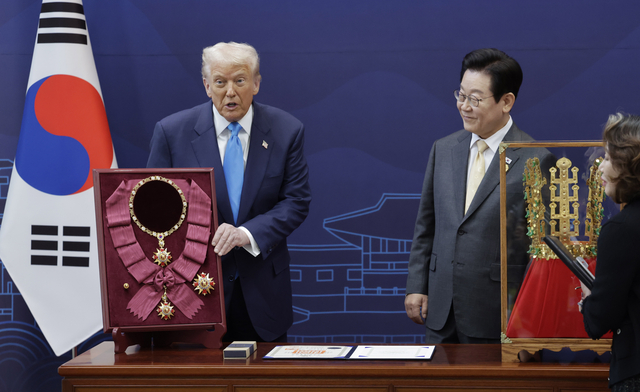
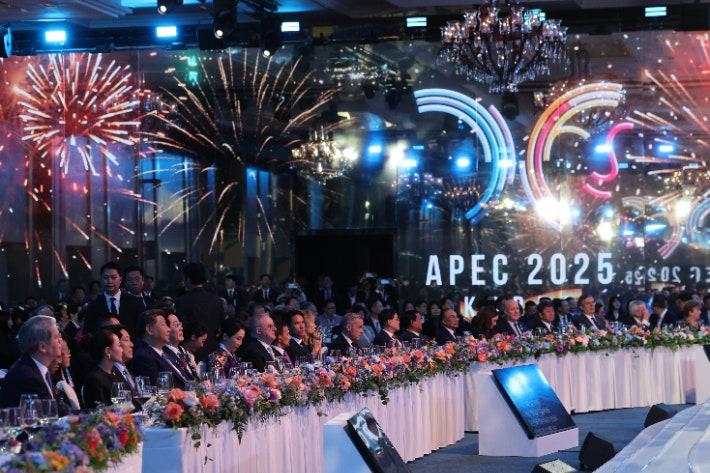
Gyeongju APEC: Assessing the Strategic Implications of the ROK-U.S. and U.S.-China Summits on the Korean PeninsulaJin-Ha KimSenior Research FellowKorea Institute of National Unification (KINU)The 2025 APEC Summit, held on November 1 in Gyeongju, concluded with the formal adoption of the “Gyeongju Declaration.” The summit came at a time of intensifying geopolitical conflict and escalating tariff disputes, underscoring the urgent need to restore the spirit of solidarity and cooperation and to chart a sustainable path toward shared prosperity.As the host nation, the Republic of Korea (ROK) guided the summit under three priority themes—Connect, Innovate, and Prosper—in pursuit of the Putrajaya Vision 2040, which seeks to build an open, dynamic, resilient, and peaceful Asia-Pacific community by 2040. The summit served as an opportunity for Korea to demonstrate both its determination and its capacity to lead in advancing international peace and future-oriented economic development grounded in cooperation, mutual benefit, and inclusivity.Parallel to the APEC plenary, a series of high-stakes bilateral summits—notably among South Korea, the United States, Japan, and China—intensified diplomatic activity. In particular, the ROK-U.S. and U.S.-China summits drew global attention for their potential to reshape the trajectory of the U.S.-ROK alliance, the Korean Peninsula’s security environment, and the broader strategic balance in Northeast Asia. This analysis focuses on the key outcomes and strategic implications of these two meetings.The ROK-U.S. Summit: Alliance Stability and Economic Burden-SharingSince the beginning of President Trump’s second administration, the stability of the U.S.-ROK alliance has faced challenges on both economic and security fronts. Seeking to address the United States’ fiscal and trade deficits, the Trump administration and the MAGA policy circle have pursued a tariff negotiation strategy characterized by steep tariffs and conditional tax cuts—essentially leveraging trade barriers to secure large-scale investments in the United States from key allies.The European Union and Japan, for example, pledged investments of $600 billion and $550 billion, respectively, concluding agreements that capped tariff increases on major sectors such as automobiles at 15%. South Korea initially negotiated toward an investment commitment of $350 billion, but unlike the EU and Japan, it continued to face a 25% tariff on its automobiles and other goods—fueling anxiety in Seoul over potential economic repercussions.While contributing to U.S. economic and industrial revitalization is vital, given Washington’s central role in maintaining the liberal international order, the proposed scale of South Korea’s investment appeared disproportionately large. According to the U.S. non-profit Reshoring Initiative, South Korea already ranked as the top direct investor in the United States in the first quarter of 2025, substantially contributing to American job creation.In terms of GNP, Korea’s direct investment ratio (18.7%) far exceeds that of Europe (6.9%) or Japan (13.7%)—an unsustainable level for an economy half Japan’s size, with only about $400 billion in foreign reserves. Domestic observers have warned that lump-sum payments could rapidly deplete foreign currency reserves, potentially triggering a liquidity crisis.At the second ROK-U.S. summit in Gyeongju on October 29, both sides reportedly reached a final agreement on tariff negotiations. The finalized $350 billion investment package comprises $200 billion in cash investments (capped annually at $20 billion) and $150 billion in cooperative projects in the shipbuilding and manufacturing sectors.The deal reportedly includes safeguards ensuring commercial viability and guarantees on principal and interest. In exchange, Washington agreed to reduce tariffs on Korean automobiles from 25% to 15% and to apply semiconductor tariffs no less favorable than those under negotiation with Taiwan.While still a heavy financial commitment, the agreement eases previous concerns, reducing Korea’s overall burden and reaffirming the alliance’s economic foundation. It also rekindles momentum for the U.S.-ROK Shipbuilding Cooperation Package (“Make American Shipbuilding Great Again (MASGA)”) and marks a milestone in technological collaboration through the U.S.-ROK Technology Prosperity Deal, which institutionalizes cooperation on artificial intelligence and advanced technologies.Although the immediate economic gains skew in favor of the United States, Seoul stands to benefit strategically. Through substantial economic concessions, South Korea has restored confidence in the alliance at a time when Washington’s “offshore balancing” strategy and reduced forward commitments had raised doubts about the credibility of U.S. extended deterrence. The summit’s outcomes therefore not only reaffirmed alliance cohesion but also enhanced South Korea’s strategic position in Northeast Asia, linking economic cooperation to security stability.Notably, immediately following the summit, President Trump declared via Truth Social that the U.S.-ROK military alliance was “stronger than ever” and endorsed Seoul’s pursuit of nuclear-powered submarines (SSNs)—a symbolic gesture placing the alliance on par with AUKUS.This development envisions a future in which the ROK and the U.S. jointly develop next-generation defense technologies—“Korean-style” nuclear submarines under the Mars Project—solidifying the alliance’s commitment to regional order and deterrence. It also serves as a strategic warning to Beijing and Moscow, whose tacit acceptance of Pyongyang’s nuclear ambitions continues to unsettle regional security.The U.S.-China Summit: A Fragile Truce and Korea’s Mediating RoleMeanwhile, the U.S.-China summit produced a provisional truce in the ongoing trade confrontation triggered by China’s rare-earth export restrictions and Washington’s retaliatory tariff threats. Although the agreement constitutes merely a temporary crisis-management framework subject to annual extensions, it contributed to reducing immediate geopolitical tensions in Northeast Asia.South Korea’s diplomatic facilitation as APEC chair was critical in providing a strategic space for negotiation and compromise, reaffirming Seoul’s potential role as a “pivotal platform nation” capable of mediating U.S.-China competition while contributing to stability on the Korean Peninsula. Through such initiatives, South Korea can also expand its strategic bandwidth to advance the Engage, Normalize, and Denuclearize (END) vision toward North Korea, with support from both Washington and Beijing.The Elusive U.S.-North Korea Summit and Pyongyang’s EscalationDespite expectations, a U.S.-North Korea summit did not materialize during the APEC period. Pyongyang instead signaled defiance by conducting a ballistic missile launch on October 22—just over a week before the summit—effectively rejecting the prospect of renewed dialogue.On November 1, as the South Korea-China summit convened, North Korean Vice Foreign Minister Pak Myong-ho denounced Seoul’s discussion of denuclearization as “a delusional act of ignorance denying the DPRK’s nuclear status.”North Korea continues to condition any dialogue on de facto recognition of its nuclear arsenal and the lifting of “hostile policies.” Such preconditions render engagement nearly impossible. Nevertheless, Pyongyang should reconsider its stance in light of Seoul’s END initiative and the collective calls from Washington, Beijing, and Tokyo for a stable and prosperous Northeast Asia. It must heed the international community’s appeal for peace on the Korean Peninsula.
25.11.07 -
 [Current Affairs Analysis]
Hosting the Gyeongju APEC Summit and Korea’s RoleLEE Sang-HyunPrincipal Fellow, Sejong InstituteHosting the 2025 APEC Summit in GyeongjuThe 2025 Asia-Pacific Economic Cooperation (APEC) Leaders’ Summit will convene in Gyeongju, Gyeongsangbuk-do, from October 31 to November 1. This marks the first occasion in two decades—since the 2005 Busan Summit—that the Republic of Korea hosts an APEC meeting as chair economy. Under the overarching theme “Building a Sustainable Tomorrow,” the summit will center on the core values of Connect, Innovate, and Prosper.The 2025 APEC Summit assumes particular significance as it unfolds amid heightened geopolitical and geoeconomic volatility. Bringing together 21 member economies that collectively represent a substantial share of global output, the meeting seeks to chart a path toward shared prosperity in the Asia-Pacific region. Analysts are watching closely to see whether this summit can rekindle the spirit of multilateral cooperation—eroded in recent years by the turbulence of tariff wars and great-power rivalry.Among the summit’s principal themes, Connectivity aims to revitalize regional trade and investment and to strengthen physical, institutional, and human linkages. Innovation underscores bridging the digital divide, promoting cross-border cooperation in artificial intelligence, and nurturing the Asia-Pacific as a digital powerhouse. Prosperity highlights sustainable and inclusive growth through collective responses to transnational challenges such as energy security, food security, and demographic transformation.Can the Gyeongju APEC Summit reignite the flame of multilateral cooperation and reaffirm a rules-based international order in an increasingly fragmented world? The gravest threat to that order today is not posed by China, Russia, or North Korea—but by the United States itself. The resurgence of America First under a second Trump administration has injected unprecedented uncertainty and confrontation into the international system.Historically, as the architect and guardian of the post-World War II rules-based order, the United States provided the public goods essential to global stability—upholding collective security commitments, promoting free trade, and sustaining open commerce.Today, however, Washington appears to be relinquishing that role, evolving into a narrowly self-interested power that prioritizes short-term national advantage over global leadership. In this emerging environment, global governance anchored in international institutions is receding, supplanted by a transactional politics of power and interest.The Advent of a Post-Liberal International OrderThe primary driver of this structural transformation is the United States itself—more precisely, President Trump and the political movement surrounding Make America Great Again (MAGA). Since the twentieth century, the United States has defined itself as a benign hegemon guided by the principles of liberal internationalism. In the current post-unipolar era, that self-conception has shifted toward an illiberal, coercive hegemon—or even a conventionally self-interested great power.What may appear as policy incoherence under Trump is, in fact, a deliberate and systematic attempt to reshape both domestic and international orders. Domestically, the administration seeks to recalibrate the values and norms at the heart of the American polity, turning inward toward a more authoritarian and nativist identity.Internationally, it aims to redefine America’s role—not as the world’s policeman, but as a sovereign actor unbound by multilateral constraints. The animating logic of America First holds that Washington’s traditional commitments to global institutions have yielded diminishing returns, inviting free-riding and disrespect from allies.Consequently, the United States is retreating from its position as guarantor of a rules-based economic and security order. It now embraces a transactional diplomacy in which coercion replaces cooperation and narrowly defined national interests eclipse collective values. On the security front, this translates into reduced defense commitments and greater burden-sharing demands on allies. Simultaneously, Washington is disengaging from the very multilateral institutions that long sustained the liberal order.This redefinition of American identity reverberates globally. The post-1945 international system—of the United States, by the United States, and for the United States—is now giving way to a fragmented, multipolar configuration. The liberal order dominated by the West is in retreat, yielding to a new era in which material power and strategic leverage outweigh norms, institutions, and rules. The resulting vacuum is likely to be filled by a re-emergent multipolar balance—what some have termed Yalta 2.0—and the return of great-power spheres of influence.Russia’s invasion of Ukraine stands as a stark symbol of this erosion. The inability of Western powers to deter or decisively respond to Moscow’s aggression underscores the waning deterrent power of the rules-based order. Equally destabilizing are the strains in transatlantic relations and Washington’s growing detachment from its alliance network—once a cornerstone of American primacy.The decline of the liberal trading regime further illustrates this unraveling. The Trump administration’s indiscriminate tariff wars have disrupted global value chains and undermined the World Trade Organization (WTO). Former Treasury Secretary Steven Mnuchin’s so-called Mar-a-Lago Accord envisions sustaining the dollar’s dominance while keeping it weak to bolster exports—reflecting a broader philosophy that national security and trade are inseparable, and that America’s security umbrella must yield tangible compensation.The symbolic end of the WTO-centered free trade system was declared by U.S. Trade Representative Jamison Greer in a New York Times op-ed, asserting that reciprocal tariffs would “restore fairness” to American trade. In doing so, the administration effectively renounced the Bretton Woods tradition of multilateralism that the United States itself had once championed.Korea’s RoleThe 2025 APEC Summit convenes at a pivotal juncture for the international system—one characterized by the disintegration of multilateral cooperation and the re-emergence of great-power rivalry. As host, the Republic of Korea has been crafting deliverables that can meaningfully contribute not only to the Asia-Pacific but to the broader international community.Korea intends to highlight two flagship initiatives: AI Cooperation and Responses to Demographic Change. The former seeks to establish an APEC-wide framework for responsible AI development, enhance digital capacity-building, and promote a sustainable AI investment ecosystem. The latter aims to transform demographic challenges—aging populations, workforce imbalances, and healthcare strains—into opportunities for innovation and growth through policy coordination in human-capital mobility, medical technology, and labor-market adaptation.As these issues are addressed for the first time at the leaders’ level, Korea’s stewardship will be pivotal. Beyond ensuring the summit’s procedural success, Seoul also views the meeting as a platform to facilitate constructive dialogue between the United States and China.President Trump has expressed optimism about a potential breakthrough with Chinese President Xi Jinping, suggesting that “a great trade deal” could emerge “for both countries and for the world.” Should the two leaders fail to stabilize their bilateral relationship in Gyeongju, the future of the global order could become even more precarious.For Seoul, the summit also represents an opportunity to deepen U.S.–Korea economic cooperation. The two governments reportedly plan to include in the forthcoming summit communiqué a clause outlining a $350-billion Korean investment package in the United States—paired with a phased reduction of U.S. tariffs on Korean imports from 25 to 15 percent. The agreement may also include language allowing limited uranium enrichment and nuclear fuel reprocessing in South Korea, signaling progress in long-stalled bilateral negotiations.Ultimately, the Gyeongju APEC Summit will serve as a critical proving ground for the future of the international order. Amid the dislocations caused by protectionism and the erosion of multilateralism, the world looks to APEC—and to Korea’s leadership—to reignite the spirit of open, rules-based cooperation upon which the Asia-Pacific’s prosperity has long depended.
25.10.24 -
 [Feature Article]
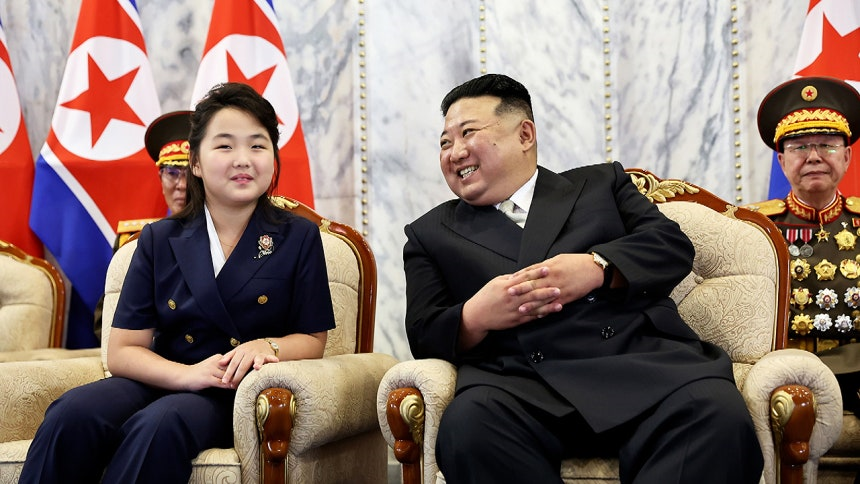
The Political Calculus of Kim Ju-ae’s Public Appearances and the Prospects for SuccessionHong, MinSenior Research Fellow, Korea Institute for National UnificationExecutive summarySpeculation that Kim Ju-ae is being prepared as a formal successor to Kim Jong Un has re-emerged following her public accompaniment of the leader on overseas and high-visibility occasions. However, available evidence remains thin and ambiguous. Careful analysis of North Korea’s dynastic logic, institutional succession patterns, military culture, and the tactical uses of symbolic imagery suggests that Kim Ju-ae’s exposure to date is more likely instrumental and symbolic than proof of an activated succession plan. Key uncertainties remain—most importantly whether and how Pyongyang would manage hereditary continuity (and attendant surname issues), the absence of institutional succession mechanisms associated with prior transfers of power, and the need for military legitimacy in a heavily male-centered command culture.1) Limited empirical basis for claims of an active succession projectClaims that Kim Ju-ae is the designated successor rest largely on impressions and selective public sightings rather than on robust, systemic indicators (e.g., staged party training, institutional appointments, secretive elite grooming visible through proxy signals). North Korean state media and visual releases have not provided a sustained documentary record that would normally accompany a carefully managed succession process. Indeed, a documentary of Kim Jong-un’s China visit contained almost no substantive footage of Kim Ju-ae, undermining the notion of a deliberate, fully formed public introduction.2) The dynastic dilemma: Baekdu bloodline and the surname problemThe Kim family’s “Baekdu bloodline” is a foundational legitimation trope for the regime. If succession passed to a daughter who subsequently married and bore children with another surname, the regime would face politically sensitive questions about hereditary continuity. The costs—symbolic, organizational, and potentially destabilizing—of altering the long-standing dynastic form are non-trivial. Any transition that risks undermining the perceived purity of the revolutionary bloodline would require major ideological and institutional management.3) Historical pattern of succession in the DPRKSuccession in North Korea has followed a relatively consistent pattern: long periods of secrecy and internal preparation; controlled exposure only after the successor accumulates adult status, party membership, and bureaucratic/ideological credentials; and deliberate, staged conferral of roles and titles. Previous successions involved intensive covert training, incremental institutionalization, and eventual public legitimization. Kim Ju-ae—still a minor—has not shown the hallmark indicators of this process (e.g., party posts, systematic ideological training visible in state propaganda, or gradual accrual of governing responsibilities).4) Military culture, authority, and the problem of legitimacyNorth Korea’s regime rests on a masculinized military-revolutionary legitimacy that prizes command of the armed forces and symbolic linkage to anti-Japanese armed struggle traditions. Effective control of the Korean People’s Army—and ultimate authority over nuclear forces—has historically required either demonstrated military credentials or the ruthless consolidation of control. Kim Jong-un himself invested heavily, including through purges and reorganizations, to secure military obedience. It is not evident that Kim Ju-ae currently embodies the symbolic or experiential codes necessary to command the military establishment, making any immediate transfer of supreme command implausible.5) Symbolic utility of Kim Ju-ae: a metaphor for the futureThe initial, calibrated exposure of Kim Ju-ae (first widely noted in late 2022) appears to serve multiple symbolic functions: (1) reframing North Korea’s narrative from belligerence to a focus on protecting “future generations,” (2) humanizing the leadership by showing family continuity and normalcy, and (3) creating a visual token that links regime security to posterity. In other words, Ju-ae operates as a legitimating symbol—useful in propaganda—without necessarily indicating an immediate operational succession plan.6) The public persona problem: image vs. authorityKim Ju-ae’s on-camera demeanor—observed largely as private, childlike gestures (e.g., linkage with her father, moments of affection)—differs markedly from the public apprenticeship images shown for Kim Il-sung’s and Kim Jong-il’s heirs, who were portrayed receiving briefings and learning statecraft. The current imagery emphasizes familial normalcy rather than staged authority acquisition, which is inconsistent with the early visible markers of past successors.7) Timing: the medium-term horizon for a visible successionIf the regime intends to institutionalize hereditary continuity in the current generation, a plausible timetable would extend over roughly a decade. Sources and analysis suggest: (a) special education and secret training typically commence in childhood and intensify until adulthood (party membership at ~18), (b) party and state positions are then conferred gradually, and (c) public recognition follows only after internal systems of loyalty and competence are consolidated. Reports that a son born in 2017 exists may imply a multi-pronged, generational approach to succession planning that only becomes overt in about ten years.8) Kim Yo-jong’s centrality in any succession mechanicsKim Yo-jong appears to play a prominent, operational role in managing messaging and possibly logistics around elite transitions. Her frequent accompaniment of Kim Jong-un, issuance of high-level policy statements, and apparent involvement in itinerary and diplomatic choreography suggest she is likely to be instrumental in designing and executing any future succession architecture—even if the eventual nominal successor is a child of Kim Jong-un.Policy implications and recommended analytic posture• Avoid deterministic conclusions. Current evidence does not justify treating Kim Ju-ae as a de facto successor; competing scenarios remain plausible.• Monitor institutional signals. Key indicators to watch include: formal party or state appointments; appearance in staged educational or military-briefing roles; curated propaganda shifts emphasizing state office rather than familial affection; and discrete elite reassignments that align a bureaucratic pipeline behind a named heir.• Evaluate elite cohesion and military messaging. Any visible succession will require elite buy-in—especially military acquiescence. Signals of military co-optation or reorganization tied to succession should be flagged immediately.• Track Kim Yo-jong’s portfolio. Her actions and pronouncements may presage the design and timing of any succession mechanism.• Maintain scenario flexibility. Over the medium term, plan for multiple outcomes: a long-gestation hereditary succession, an elite-driven collective arrangement with a figurehead, or continued personalization around Kim Jong-un with family symbolism used for domestic legitimation without imminent transfer of power.ConclusionKim Ju-ae’s public appearances are politically significant, but their meaning is primarily symbolic at present. They reflect an intentional attempt by the regime to cultivate images of dynastic continuity and to harness empathy for “future generations” as a legitimating frame—useful instruments for internal cohesion and external messaging. However, the institutional prerequisites and symbolic codes that have historically accompanied North Korean successions are not yet evident in the public record. Analysts should therefore retain a cautious, evidence-driven posture: watch for structural, bureaucratic, and military indicators before concluding that a formal succession process is underway.
25.10.17 -
 [Current Affairs Analysis]
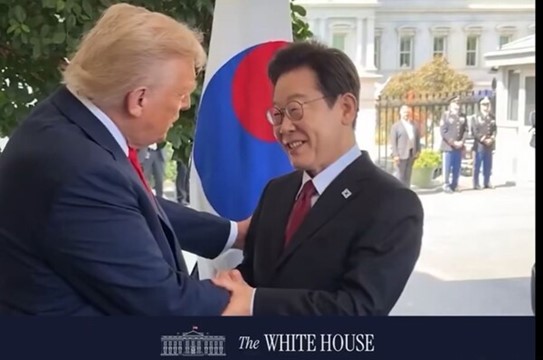
Reengaging North Korea Without Undermining Denuclearization: A Strategic DilemmaJaechun KimSogang UniversityThe 80th United Nations General Assembly’s High-Level General Debate, held from September 23 to 29, 2025, at UN Headquarters in New York, marked a symbolic moment in global diplomacy. Commemorating the UN’s 80th anniversary, leaders from 193 member states gathered to reflect on the past and chart a course for the future. As expected, the discussions centered on pressing threats to international peace and security, with the wars in Ukraine and Gaza dominating the agenda. UN Secretary-General António Guterres warned that the world is “entering an era of reckless destruction and endless human suffering.” While issues such as democratic backsliding, human rights, climate crisis, and the Sustainable Development Goals (SDGs) received attention, North Korea’s nuclear program and human rights violations were notably sidelined.Just prior to the UNGA, on September 21, North Korean leader Kim Jong Un addressed the Supreme People’s Assembly, stating that if the United States abandoned its obsession with denuclearization and recognized North Korea as a nuclear-armed state, he would be willing to meet with President Trump. Referring to their past interactions as “fond memories,” Kim’s remarks were widely interpreted as a conditional offer for dialogue—predicated on acceptance of North Korea’s nuclear status. In response, the U.S. reaffirmed its commitment to complete denuclearization. State Department Deputy Spokesperson Mignon Houston reiterated in an interview with South Korea’s Yonhap News on September 24 that “the United States remains fully committed to the complete denuclearization of North Korea.” Reuters also reported on September 23 that President Trump had no immediate plans to meet Kim.Meanwhile, the foreign ministers of South Korea, the U.S., and Japan convened in New York on September 22, issuing a joint statement reaffirming their unified stance on enforcing sanctions and pursuing complete denuclearization.President Lee Jae-myung arrives at the White House on August 25 (local time) for the South Korea-U.S. summit, wherePresident Donald Trump greets him and exchanges welcoming remarks. 2025.08.26/Photo=White House SNS capturePresident Trump’s desire to reengage Kim Jong Un is well known. During the August U.S.–South Korea summit, Trump described their relationship as one of “mutual respect” and expressed his hope to meet Kim again within the year. Since his 2024 campaign, Trump has repeatedly emphasized his rapport with Kim and referred to North Korea as a “nuclear power,” signaling a pragmatic acknowledgment of reality. However, in his 2025 UNGA speech, Trump made no mention of North Korea or the prospect of renewed dialogue.While Trump’s use of the term “nuclear power” may suggest a tacit recognition of North Korea’s capabilities, it does not imply formal acceptance of North Korea as a legitimate nuclear-weapon state under international law. The U.S. administration continues to uphold denuclearization as a clear policy goal. Even if Trump personally seeks to revive summit diplomacy, doing so without anchoring it in a denuclearization framework would be politically risky. Without tangible progress on denuclearization, Trump is unlikely to receive accolades such as the Nobel Peace Prize. Thus, while a renewed summit may hinge on Trump’s personal decision, the fundamental divergence between North Korea’s demand for recognition and the U.S.’s insistence on denuclearization remains the central obstacle.North Korea, for its part, is actively pursuing diplomatic recognition as a nuclear-armed normal state. Kim Jong Un’s speech emphasized that “nuclear force is the lifeline of the nation,” reinforcing his intent to normalize North Korea’s nuclear status. His attendance at China’s Victory Day celebration on September 3—his first overseas trip since 2019 and his debut on a multilateral diplomatic stage—was a calculated move to project legitimacy. Standing alongside Xi Jinping and Vladimir Putin, Kim sought to highlight trilateral solidarity and elevate North Korea’s international image. Notably, North Korea upgraded its UNGA representation, with Vice Foreign Minister Kim Son Kyong delivering the speech instead of the usual ambassador.In his address, Kim declared that denuclearization demands were tantamount to “surrendering sovereignty and violating our constitution,” and vowed never to abandon nuclear weapons under any circumstances. While he did not explicitly mention U.S.–North Korea dialogue, he stated that “even countries with different ideologies and systems can engage in dialogue if they show respect.”The so-called “New York Channel”—an informal communication line between North Korea’s UN mission and the U.S. State Department—has historically served as a backdoor for diplomacy. Whether it was activated during this year’s UNGA remains unclear, as both sides have declined to comment.If informal contacts did occur, the upcoming APEC Summit in Gyeongju, South Korea, could present an opportunity for a surprise Trump–Kim meeting. Given North Korea’s designation of South Korea as a hostile state, Kim’s visit to the South is highly unlikely. A symbolic encounter at Panmunjom, reminiscent of 2019, appears more plausible. However, such a meeting would require Trump’s initiative and would carry significant political risks, especially given Kim’s uncompromising stance on denuclearization.South Korea is making every effort to revive U.S.–North Korea dialogue. President Lee Jae-myung, during his summit with Trump, urged him to become a “peacemaker” who reopens the door to peace on the Korean Peninsula, pledging to act as a “pacemaker” in support. The Lee administration is actively promoting the possibility of a Trump–Kim summit at the upcoming APEC meeting, signaling its strong commitment to mediation.At the UNGA, President Lee proposed a new peace initiative for the Korean Peninsula: the END strategy—Exchange, Normalization, Denuclearization. The idea is to build trust through multifaceted exchanges, including cultural, economic, and civil society interactions, even if official intergovernmental dialogue remains stalled.Normalization aims to end the hostile status quo between the two Koreas, while Denuclearization seeks to halt, reduce, and ultimately dismantle North Korea’s nuclear arsenal. Rather than relying solely on pressure and sanctions, the END initiative adopts a functionalist approach rooted in engagement.Yet, the question remains: will North Korea respond? Its adversarial “two-state theory” goes beyond asserting separate sovereignty—it treats inter-Korean exchange as a threat to regime stability. Exposure to South Korean culture, information, and democratic values is seen as undermining ideological discipline and weakening internal control. From Pyongyang’s perspective, exchange is not benign—it is infiltration. This strategic calculus explains why North Korea is likely to dismiss the END initiative.Moreover, the END framework’s phased approach—“halt → reduce → dismantle”—risks tacitly acknowledging North Korea’s nuclear status. If normalization precedes denuclearization, Pyongyang may interpret this as de facto acceptance, leveraging it to bolster its claim to nuclear legitimacy and extract diplomatic concessions.Realistically, North Korea is unlikely to denuclearize in the short term, and viable pathways to denuclearization remain elusive. However, lowering the bar for dialogue by sidelining denuclearization risks eroding the normative force of the denuclearization discourse. It could entrench North Korea’s preferred narrative of “peace without denuclearization” in the international arena.Dialogue must continue—even during conflict, diplomacy remains essential. Engaging a nuclear-armed North Korea is not inherently wrong. But in pursuing renewed talks, we must not circumvent the imperative of denuclearization. To do so would be to sacrifice principle for expediency, and to risk legitimizing a nuclear North Korea in the eyes of the world.
25.10.03 -
 [The Korean Peninsula Read in Movies(2)]
Catching the Spy Inside: Hunt Jeon Byung-kilSenior Consultant of YESInnovationformer of Secretary General of UniKorea FoundationThe Era of Fear and DivisionIn the early 1980s, life in South Korea felt tense and uncertain. The country was under the tight control of a military dictatorship led by Chun Doo-hwan. The government constantly emphasized “order” and “security,” but what this really meant was forcing people to stay quiet and follow the rules. Speaking out or acting differently could lead to punishment, so most people stayed silent. That silence was often twisted by the regime as if it were support.At the same time, the government labeled students, intellectuals, and democracy activists as “outsiders” or even “foreign agents.” This created a strong “us vs. them” feeling in society—what social psychologists call ingroup vs. outgroup bias from social identity theory.Globally, the Cold War was heating up, and nowhere was it felt more sharply than on the Korean Peninsula. North and South Korea treated each other as absolute enemies. The dictatorship in the South used this hostility as a tool to control its own people. Constant reminders of the “North Korean threat” kept the public anxious and fearful. That fear, in turn, strengthened loyalty to the system.In short, the conflict between North and South Korea wasn’t just about military standoffs. It was also a psychological weapon. It shaped how people thought, how they behaved, and even how they saw each other in everyday life.Hunt (2022): A Spy Thriller Set in a Divided KoreaThe movie Hunt, released in 2022, takes us back to the early 1980s, a time when South Korea was under a strict military dictatorship. During this era, the National Security Planning Department (which later became today’s National Intelligence Service) was responsible for watching both enemies outside the country and spies within. The tension was real—people worried that a North Korean spy could be hiding in the very heart of the organization.At the center of the story are two deputy chiefs of the agency: Park Pyeong-ho (played by Lee Jung-jae) and Kim Jung-do (played by Jung Woo-sung). Although they belong to the same department, they have very different ways of working. When intelligence reports suggest that a North Korean spy—codenamed “Donglim”—has infiltrated their agency, both men lead separate investigations. But soon, suspicion turns inward: they begin to doubt each other. ● Park Pyeong-ho is a cool-headed intelligence expert. Years of working in a system that rewards success but punishes mistakes have shaped him into a calculating strategist. His calm, almost emotionless style isn’t just his personality—it’s the result of constant conditioning, where avoiding punishment became second nature. ● Kim Jung-do, on the other hand, is driven by strong ideals and a sense of justice. In psychological terms, his mindset reflects classical conditioning: his past experiences reinforced the value of “sacrifice for the nation.” Because of this, he sticks to principles—even when reality suggests otherwise.These two clashing personalities inevitably collide, not only in heated arguments but also in physical confrontations. Yet, their rivalry is more than personal: it reflects the bigger struggle of South Korea at the time—between survival in a harsh system and the pursuit of justice.As the film unfolds, the plot expands beyond the hunt for a single spy. North Korea’s secret operations, the power struggles within the military government, and even diplomatic interests with the United States all come into play. In the end, it becomes clear that the “spy chase” is only one piece of a much larger political game involving ideology, power, and destiny.The final message of Hunt is powerful: this isn’t a story of simple heroes and villains. Instead, it’s a story of an era scarred by division—where individuals, trapped in history, face tragic choices.Hunt and the Legacy of the 1983 Aung San BombingThe real-life background of the movie Hunt comes from a shocking event in 1983 known as the Aung San Cemetery Bombing in Myanmar (then called Burma). That year, North Korean agents tried to assassinate the South Korean president during a state visit. The attempt failed, but the explosion killed 17 people on the spot.For South Koreans, this wasn’t just another news story—it was a national trauma. The attack deepened fear and hostility toward North Korea, and it gave the government another reason to push for tighter security and control.The film Hunt takes this atmosphere of the 1980s and turns it into a thriller. But its real question isn’t just “Who is the spy?” Instead, it asks something deeper: How do people behave when they live in constant fear and distrust? How can a system use that fear to manipulate individuals?Even though today’s Korea is a free democracy, the movie reminds us that the patterns of division, suspicion, and “us vs. them” thinking haven’t disappeared. They just show up in new forms—whether in politics, social media, or global conflicts.The lesson from the 1980s is still clear: power can use fear and distrust to control society at any time. And when people are divided into groups of “insiders” and “outsiders,” the result is often conflict and tragedy.Cultural NotesChun Doo-hwan (1931–2021): A former general who came to power after a military coup in 1979. His rule is remembered for censorship, surveillance, and the violent suppression of protests—most famously the Gwangju Uprising of 1980, when hundreds of pro-democracy protesters were killed.Cold War Context: Just like Americans worried about the Soviet Union, South Koreans were constantly reminded of the danger from North Korea. This atmosphere of fear influenced media, school education, and even pop culture.Student Activism: College students in South Korea were especially bold. They organized demonstrations, wrote underground newspapers, and became the driving force of the democracy movement, which eventually succeeded in 1987.Aung San Cemetery Bombing (1983): A real terror attack in Yangon, Myanmar, Cemetery named after Aung San, a national hero of Burma. North Korea did this. The bombing targeted South Korean President Chun Doo-hwan, but he survived.
25.09.19 -
 [Analysis and suggestion]
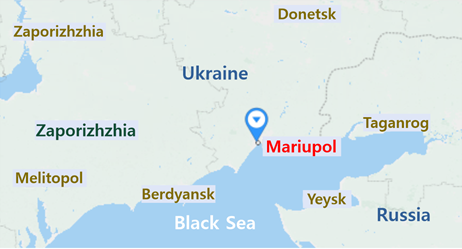
The horrors of the war in Ukraine seen from satellites- Damage to the port city of MariupolSong-hak ChungPh.D. in Remote SensingResearch Specialist at the Korea Space Security Research InstituteCiting Ukrainian security sources, US CNN reported in November 2024 that a North Korean ‘technician group’ entered Mariupol, Ukraine, which is occupied by Russia. According to the sources, they all wore Russian military uniforms, and the purpose of the visit was not clear.Mariupol, a port city in southeastern Ukraine, faces mainland Russia with the Black Sea in between. Russia's invasion in February 2022 turned Ukraine's Mariupol into a battleground, and it was completely captured by Russian forces in May, three months later, to the present day.The horrors of the war were also revealed in the images taken by satellites. Referring to Google Earth high-resolution satellite imagery, the wounds of war in private and industrial facilities in Mariupol were looked at.The Ukrainian port city of Mariupol faces Russia over the Black Sea. It is now occupied and effectively controlled by Russia./Source =GoogleA ruined industrial facility, Azovstal steel millThis is a view of the ruins of the Azovstal steel mill in Mariupol, which was destroyed by Russian bombing.Major industrial facilities in the country are the preferred targets of bombing by warring partners. /Image: Google EarthMariupol was a representative steel city in Ukraine. An industrial facility in the port city of Mariupol was devastated by a Russian bombing. The ruined industrial facility is the Azovstal steelworks building, and traces of destruction are identified on the roof and throughout the area.In the event of war, national infrastructure becomes the primary military target. A Ukrainian steel mill facility that produces ‘industrial rice’ has been shattered by the war, and has not been restored and is still neglected under Russia's effective control.A large shopping mall that disappearedThe Russian bombing shattered a large shopping mall in Mariupol, leaving only the skeleton and traces of the building structure.Above the rubble lies a signboard indicating that it was a shopping mall before the war. /Image: Google EarthEven a large shopping mall in Mariupol, which was usually crowded with residents, could not escape the devastation of the war. The roof of the building was blown away by the Russian bombing in the spring of 2022 and only some traces of the steel structure remained, making us realize the desolation of the ruins. In the center of the satellite image, a fallen sign can be seen on a pile of rubble.The sign reading "EPICENTRA" identified in the attached photo (before the war) shows that this was originally a large shopping mall. None of the goods and items are seen in the broken rubble of the ruined shopping mall. Large parking lots are also empty, and everything has disappeared during the war.A residential area shattered by bombing and street warfareThe peaceful Mariupol housing complex was devastated by war. Traces of street warfare are identified everywherealong with the debris. /Image: Google EarthEven the Mariupol residential area, where neighbors and residents lived together, was unable to escape the horrors of the war. It is identified everywhere that the bombed houses are shattered to the extent that it is difficult to find their shape. All the original inhabitants of the Russian-occupied city appear to have left, adding to the desolation and loneliness by leaving only the traces of the fierce city war at the time. Parks and housing complexes in the forest of peace where children would have run around have turned into ‘ghost villages’ to the extent that it is difficult to find people.The effects of the end of the war on the Korean PeninsulaOnce the war ends between Ukraine and Russia, Russia may no longer need North Korea's military support, potentially reducing Moscow's strategic interest. Some experts, however, predict that Russia's relationship with North Korea will not easily grow apart due to the persistence of anti-U.S. policies and geopolitical interests.North Korea is receiving various forms of compensation, including cash, food and military technology, in exchange for providing troops and weapons to Russia, giving it an economic breathing room and an opportunity to modernize its military capabilities. In particular, it is of great strategic significance that North Korea's military and diplomatic position has been strengthened by signing of a mutual defense treaty with Russia.The North Korean military's hands-on experience on the battlefield in Ukraine can be a significant challenge to the security of the Korean Peninsula in that it can contribute to their future use of more sophisticated and flexible tactics. Preparing for a new response and reviewing military strategies are becoming more important to the South Korean government to counter this.
25.09.19 -
 [Feature Article]
Facing the Wall of Sanctions: Is There a New Path for Inter-Korean Cooperation?Jisun YiResearch Fellow, Institute for National Security StrategyRecent signs of closer alignment between Pyongyang and Beijing, underscored by Chairman Kim Jong-un’s participation in China’s Victory Day celebrations, have reignited concerns of “Korea passing.” Against this backdrop, Seoul urgently needs a strategy that can reinvigorate both U.S.–North Korea dialogue and inter-Korean engagement. Within the enduring constraint of international sanctions, innovative approaches that leverage international development cooperation may prove to be an indispensable task for the new administration.Sanctions: The Paradox of Inter-Korean CooperationSanctions against North Korea represent the international community’s legitimate response to Pyongyang’s nuclear and missile provocations. Yet over time, the sanctions regime has evolved from a deterrent mechanism into a structural paradox—an obstacle to rebuilding inter-Korean trust and establishing a sustainable framework for cooperation.The Moon Jae-in administration advanced ambitious proposals for inter-Korean development cooperation under the vision of a “Korean Peninsula Peace Process.” These initiatives, however, were effectively stalled by sanctions. While UN measures presented a structural barrier, U.S. financial sanctions—particularly secondary boycotts—shifted risk directly onto firms and financial institutions, leaving proposed projects either unrealized or reduced to symbolic gestures. The result was deepened mistrust in Pyongyang toward Seoul’s capacity to deliver.Sanctions Shift: An Inflection Point for Regional Balance and PeaceSanctions remain the principal constraint on inter-Korean engagement, yet the international sanctions landscape is showing signs of strain and potential change. Recent developments suggest that the legitimacy and sustainability of comprehensive sanctions regimes are under growing scrutiny.The partial lifting of sanctions on Syria after more than a decade, combined with the U.S. decision to temporarily ease specific financial sanctions against Russia in advance of the 2025 U.S.–Russia summit, highlight a broader recalibration toward diplomacy-centered strategies. Should these approaches yield tangible outcomes—such as normalization with Syria or progress on Ukraine—they could weaken the normative foundation of the global sanctions architecture.Equally significant is the growing reluctance of Global South countries to implement sanctions, coupled with the rise of sanctions evasion and anti-sanctions discourse. These trends indicate that sanctions are no longer the unifying mechanism of international consensus they once were. In Northeast Asia, while intensifying U.S.–China strategic rivalry heightens tensions, both powers also seek to manage risks and avoid outright confrontation. The growing competition over reconstruction assistance and economic partnerships in the developing world illustrates that even amid rivalry, selective cooperation remains possible.A Dual Strategy for Advancing Inter-Korean CooperationUnder these evolving conditions, Seoul should adopt a dual-track strategy: exploiting loopholes within existing sanctions while pursuing broader bypass strategies through international frameworks.First, humanitarian carve-outs and exemptions within UN and U.S. sanctions frameworks provide practical entry points. UN Security Council Resolution 2664 (2022), for example, is expected to accelerate approvals for health, food, climate, and child-focused cooperation. Indirect modalities—through international organizations or NGOs—offer safer and more credible channels than direct government-to-government engagement.Second, while exemptions remain narrow and one-off, lessons from past failures—such as the 2018 inter-Korean railway survey—point to the importance of scaling projects appropriately. Rather than large infrastructure ventures with low exemption prospects, “small deal” approaches focused on humanitarian or development cooperation are more realistic. Crucially, projects aligned with U.S. strategic objectives (e.g., food security, public health, supply chain resilience) are more likely to secure licensing and reduce financial risks.Beyond exemptions, South Korea should expand multilateral avenues of cooperation. Linking with UN platforms such as the SDGs, UPR, and VNRs—where North Korea already has partial participation—could help normalize Pyongyang’s engagement. In parallel, triangular cooperation with Global South countries, including Mongolia, Southeast Asia, and Africa, offers opportunities to diffuse political sensitivities, increase exemption likelihood, and cultivate practical niches for experimentation.From Sanctions Response to Diplomatic ExperimentationSince the failure of the Hanoi summit, Pyongyang has institutionalized distrust toward Seoul under the banners of “self-reliance” and “frontal breakthrough.” Its embrace of a two-state framework in late 2023 underscored this estrangement. In this context, the critical question is how Seoul can transform the sanctions framework from a static constraint into a flexible instrument of diplomacy.Rather than avoiding the political sensitivities of sanctions, South Korea should harness their institutional flexibility and deploy creative diplomacy to reopen channels for dialogue. This requires recalibrating its aid strategy to reduce rigid preconditions, avoid narrow humanitarian framing, and advance mutually beneficial development agendas. The key lies not in achieving sanctions relief per se, but in widening the space for cooperation and embedding flexibility within the sanctions regime.Now is the moment for diplomatic experimentation. The new administration faces a decisive juncture: to seek opportunities for peace within the interstices of sanctions rather than be confined by them. This is both a practical necessity for crisis management on the Korean Peninsula and the potential key to unlocking a renewed path for inter-Korean dialogue through the strategic use of international development cooperation.
25.09.19 -
 [The Korean Peninsula Read in Movies (1)]
Taegukgi: The Movie That Still Echoes in Korea Jeon Byung-kilSenior Consultant of YESInnovationformer of Secretary General of UniKorea FoundationOver twenty years ago, a Korean film called Taegukgi was released. You might think an old movie would be forgotten, but in South Korea, the soundtrack is still played in cafeterias, restaurants, and even at military ceremonies. Why? Because Taegukgi is more than just a war film—it is a story that touches on some of the most painful and important parts of Korea’s modern history.The Meaning of “Taegukgi”The word Taegukgi is the name of South Korea’s national flag. It symbolizes harmony, balance, and the Korean identity itself. By naming the movie after the flag, director Kang Je-gyu showed that the story wasn’t only about two brothers—it was about the fate of an entire nation.Inspired by Real HistoryThe Korean War (1950–1953) is sometimes called “the Forgotten War” in the West, but for Koreans, it is anything but forgotten. Families were torn apart, and many still remain divided across the border. In 2001, Kang watched a documentary about recovering the remains of soldiers from that war. One heartbreaking scene showed an elderly woman crying over the body of her husband, found fifty years after he had died. That single moment inspired Kang to create Taegukgi.The Story of Two BrothersThe movie begins in Seoul, just before the war. Lee Jin-tae, a shoe-shiner, lives with his younger brother Jin-suk and his fiancée Young-shin. Life is tough, but they share a dream of a better future. Then, war breaks out. Jin-suk, only eighteen, is drafted into the army, and Jin-tae follows, determined to protect him.Jin-tae believes that if he wins a medal of honor, he can free his younger brother from military service. He fights with extraordinary courage, but his obsession with war slowly changes him. Jin-suk grows horrified at how the brother he loved turns into someone consumed by violence.The tragedy deepens: Young-shin, Jin-tae’s fiancée, is executed under false accusations of helping the enemy. Believing both his fiancée and brother are dead, Jin-tae loses his mind and joins the North Korean side. But Jin-suk survives, and when he learns that his brother now fights under the North Korean flag, he makes a desperate choice. Instead of leaving the army when he could, he returns to the battlefield, hoping to bring his brother home—just as they once promised each other.Why Koreans Still CareFor many Koreans, Taegukgi is not just a movie. It reminds them of the Korean War’s lasting scars: national division, lost families, and the deep longing for reunification. Even today, South and North Korea remain separated, and millions of families never saw each other again after 1953. That’s why the music of Taegukgi is still played at military events and why the story continues to move people.The Cold War, Korea, and the Road to WarImagine it’s 1945. World War II has just ended, and for the first time in 35 years, Korea is free from Japanese colonial rule. For ordinary Koreans, this was a moment of huge excitement—they dreamed of finally building their own independent country. Few could have imagined that within just five years, their homeland would be torn apart by war.Cultural Note: Why 1945 Was So ImportantKorea had been under Japanese control since 1910. During that time, Koreans were forced to learn Japanese, change their names, and even fight for the Japanese army. So, when Japan lost in 1945, people believed a bright new future was coming. But history took a different turn.The Shadow of the Cold WarAfter 1945, two powerful nations—the United States and the Soviet Union—stepped in. They had just fought together against Japan, but now they were rivals in the new Cold War. Each wanted to shape the world in its own image: the U.S. promoted democracy and capitalism, while the Soviet Union pushed socialism and communism.At first, Koreans thought these superpowers were there to help them build an independent government. But soon it became clear that both had their own interests. Inside Korea, political groups also split: left-wing activists versus right-wing nationalists, pro-Japanese collaborators versus independence fighters. Ordinary people found themselves caught in the middle, pressured to choose between ideologies they barely understood.Chaos and DivisionAs tensions grew, Korea became unstable. There were terrorist attacks, soldier uprisings, and worker strikes. In the North, land owned by the wealthy was seized, and a new “people’s republic” was set up under Kim Il-sung, backed by the Soviet Union. Many Christians fled south, where they could freely practice their religion.By 1948, the division was official: two separate governments were established—North Korea and South Korea. The hostility only deepened. With Soviet support, Kim Il-sung built up the Korean People’s Army, complete with tanks and modern weapons. On June 25, 1950, North Korea launched a surprise invasion of the South. The Korean War had begun.Why This Still MattersFor Koreans today, this isn’t just distant history. Families were literally split in two—some ending up in the North, others in the South—and most never saw each other again. Even now, the Korean peninsula remains divided, and the war technically never ended (only a ceasefire was signed in 1953). That’s why films like Taegukgi are so powerful in Korea—they don’t just tell a story, they remind people of the pain of separation and the hope for peace.The Scars of War and the Story of TaegukgiWhen the Korean War began in June 1950, many thought it would be a small border fight along the 38th parallel. But things escalated quickly. Within just three days, North Korean forces captured Seoul, the capital of South Korea. In only three months, they had taken nearly the entire peninsula—except for a small southeastern corner near Busan.Cultural Note: The 38th ParallelThe 38th parallel was a line chosen by the United States and the Soviet Union after World War II to divide Korea “temporarily.” But temporary turned permanent, and the line eventually hardened into today’s border between North and South Korea.A War That Changed CourseJust when it looked like South Korea might be lost, the tide turned. In September 1950, UN and South Korean forces launched the Battle of Incheon, a surprise amphibious landing near Seoul. This bold move, called Operation Chromite, was so successful that the allies recaptured Seoul and pushed all the way to the Yalu River on the border with China. For a brief moment, it seemed like Korea might reunite.But then China entered the war. Hundreds of thousands of Chinese troops poured across the border, pushing the UN and South Korean forces back to the 38th parallel. The fighting continued in stalemate until 1953, when both sides signed an armistice—but not a peace treaty. Technically, the Korean War never ended.Cultural Note: The DMZThe ceasefire created the Demilitarized Zone (DMZ), a 155-mile-long buffer between North and South Korea. Ironically, it is one of the most heavily armed borders in the world. Today, the DMZ has become both a symbol of division and, strangely, a nature reserve where wildlife thrives.Lasting ScarsThe war left behind deep wounds. Families were split apart, often without even a chance to say goodbye. South Korea became isolated, cut off not just by water on three sides but also by barbed wire and guns to the north. Distrust and resentment grew between the two Koreas, creating an “invisible war” of ideology and propaganda that continues to this day.The Brothers at DumilyeongIn the movie Taegukgi, the final meeting between the brothers Jin-tae and Jin-suk takes place at Dumilyeong, a mountain ridge on the frontlines. Historically, Dumilyeong—nicknamed the “Punchbowl” or “Bloody Ridge”—was one of the bloodiest battle zones of the Korean War. Though the characters are fictional, setting their reunion here allowed younger Koreans, who never lived through the war, to emotionally experience what division meant.After the movie was released, more than six million Koreans saw it, and an online petition even called for a monument at Dumilyeong. This showed how strongly the film reawakened feelings about war, peace, and family.Why Brotherhood Matters in KoreaIn Korean culture, family and brotherhood are central values. The film highlights how war can tear apart not just nations but families—the most sacred unit in Korean society. When Jin-tae dreams of sending his younger brother to university, it reflects a traditional Korean belief that older siblings sacrifice for the younger ones. His fiancée Young-shin’s line—“I wish everything would be just like today”—is bittersweet. It captures the fragility of happiness on the eve of war.Why Taegukgi Still MattersThe film ends with a message of hope: even in the coldest, darkest times, Koreans must not forget the values of love, family, and unity. For many Koreans, watching Taegukgi is not only about history—it’s about imagining a future where families separated by war might one day be reunited.
25.09.05 -
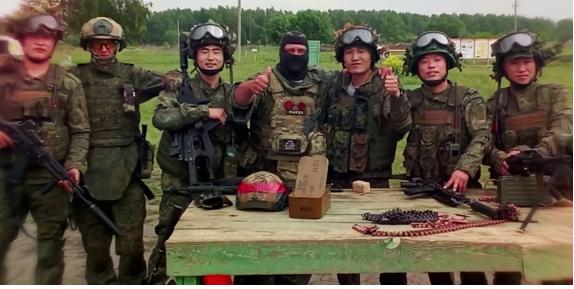 [Analysis and suggestion]
North Korea’s Politics of Troop Deployment and Hyper-strategyBAN Kil JooAssistant Professor, Dept. of International Security and Unification StudiesIntroductionNorth Korea’s ongoing direct military involvement in the Russo-Ukrainian War — through its first and second troop deployments, alongside plans for a third — is drawing attention to its politics of troop deployment and hyper-strategy.Underpinned by Pyongyang’s confidence in having completed its nuclear armament, North Korea’s hyper-strategy is characterized by ambitions to maximize strategic interests through external expansion, representing a distinct departure from the passive foreign policies of the Cold War era.A series of deployments — rather than a single, one-off dispatch — is understood as a method for implementing hyper-strategy and institutionalizing it as an operational tool. Conceptualizing this hyper-strategy, built on principles of strategic equivalence, expansion, and offensive posture, offers insights for new countermeasures and strategies that achieve both pragmatic interests and security objectives. In this context, a multilayered diplomatic-security framework may serve as an effective means of offsetting North Korea’s hyper-strategy.Diagnosing North Korea’s Politics of Troop DeploymentNorth Korea has recently signaled the possibility of additional troop deployments to support Russia. Following its bold decision in October 2024 to intervene in the Russo-Ukrainian War, Pyongyang has sustained military involvement in the Eurasian battlefield.As of July 2, 2025, reports suggested that North Korea was preparing to deploy over 30,000 troops. With forces operating over 10,000 kilometers from its territory, the deployment issue has evolved into a serious concern for both regional and international security.These deployments are accelerating the convergence of geopolitical spaces across regions, extending the impact of military engagement beyond traditional territorial boundaries. North Korea’s sustained involvement should therefore be analyzed as part of a broader politics of troop deployment, driven by calculated strategic imperatives.The politics of troop deployment took shape in October 2024, just months after North Korea and Russia signed the “Comprehensive Strategic Partnership Treaty” (June 2024). The first deployment of approximately 11,000 personnel — including elite 11th Corps (Storm Corps) units — was executed at exceptional speed, suggesting Pyongyang had contemplated this move during treaty negotiations. This signaled not symbolic alignment but a substantive contribution to military objectives.Within three months, a second deployment involving roughly 4,000 personnel followed. The rapid shift from a one-off operation to successive deployments highlighted Pyongyang’s evolving grand strategy. In return for its support, North Korea is believed to have secured satellite technology, air defense systems, overseas deployment pay, and warship materials from Russia.The prospect of a third deployment emerged around the first anniversary of the North Korea–Russia treaty. Unlike previous ones, this deployment would largely involve reconstruction personnel. This reflects Pyongyang’s intent to secure a foothold in post-war reconstruction, thereby enhancing strategic leverage in anticipation of a Russian victory.Together, the first and second deployments consolidated North Korea’s alliance with Russia, while also setting the stage for post-war dividends. Moscow’s praise — including Foreign Minister Sergey Lavrov’s public thanks to North Korea’s “heroic soldiers” — underscores Pyongyang’s elevated leverage.Recent reports also suggest the possibility of a fourth, much larger deployment. If realized, this would position Pyongyang for the final phase of the war and further elevate its post-war strategic standing.North Korea’s Troop Deployment and Hyper-strategyThe deployment of forces to the Eurasian front marks a strategic realignment in North Korea’s foreign policy, signaling a decisive shift toward a more assertive posture. At its core lies a hyper-strategy — a proactive, expansionist approach that emulates great-power behavior to maximize national interests.This shift is catalyzed by Pyongyang’s internalized perception of having achieved operational nuclear capability. With nuclear weapons as strategic leverage, North Korea now seeks to elevate its global influence.A comparison of Cold War-era foreign policy and today’s New Cold War strategy reveals five key differences:Strategic Framing: Cold War equidistant diplomacy (survival-oriented) vs. hyper-strategy (assertive, expansionist).Strategic Nature: Passive pursuit of limited gains vs. proactive pursuit of expanded interests.Target Countries: Reliance on the USSR/China vs. diversified ties with Russia, China, and beyond.Geopolitical Scope: Confined to the Korean Peninsula vs. extraregional projection (Eurasia, Pacific).Strategic Mechanism: Defensive posture vs. offensive posture aligned with offensive realism.North Korea’s ambition to build a “blue-water operational fleet” (April 2025) illustrates this broader shift.Diplomatic and Security ImplicationsUnderstanding the politics of troop deployment and hyper-strategy offers critical insights into security implications and counterstrategies.Taiwan Contingency: Pyongyang may view a Taiwan crisis as a strategic opportunity similar to Ukraine, aligning with China for transactional gains. This requires Seoul to devise proactive contingency plans.Sanctions Regime: North Korea’s cooperation with Russia risks undermining international sanctions. It is crucial to reaffirm their legality and strengthen international coordination.Policy Recommendations:Seoul should combine sanctions enforcement with direct communication channels to reduce tensions.A multi-dimensional foreign policy — linking self-reliance, alliances, and minilateral dialogues (Korea–US–Japan, Korea–China–Japan) — is essential.Inclusive diplomacy with non-like-minded states could enhance resilience against North Korea’s hyper-strategy.*Source: Institute of Foreign Affairs and National Security, Korea National Diplomatic Academy
25.09.05 -
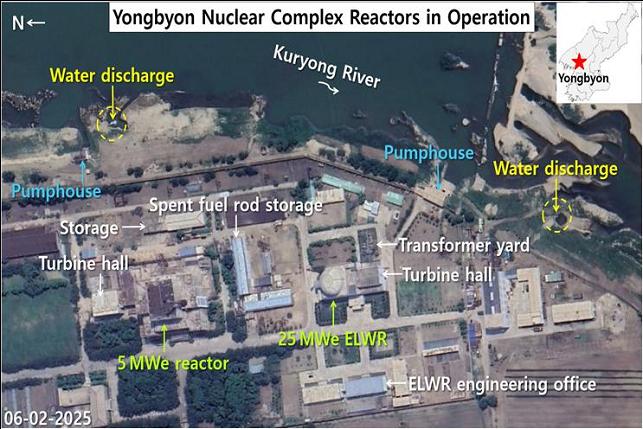 [Watching North Korea: A Satellite Perspective]
Nuclear Material Production Activity and Recent Construction and Demolition Works in Yongbyon, North KoreaSong-hak ChungPh.D. in Remote SensingResearch Specialist at the Korea Space Security Research InstituteIn September 2024, Kim Jong-un made a surprise visit to a key manufacturing facility for highly enriched uranium (HEU) and declared that he would "strengthen nuclear force," and the facility was unveiled for the first time to the outside world, drawing attention from the international community with concerns.Since then, satellite images have captured the latest situation, such as North Korea's production of nuclear materials and improvement of facilities in Yongbyon, while North Korea is known to be all out in producing weapons-grade nuclear materials.With the operation of nuclear reactors, cooling water is being discharged into the Kuryong River. In addition, a large building that appears to be a new uranium enrichment facility is being built in Yongbyon, and the old and aging 50 MWe reactor is being dismantled.Key words: Yongbyon, Kangson, Uranium Enrichment Facility, Nuclear Material, 50 MWe Reactor1. Reactors are up and running.Cooling water is discharged from the Yongbyon nuclear reactors to the Kuryong River through the pump stations.Both the 5 MWe Reactor and the Experimental Light Water Reactor are believed to be in operation. /Image: Google EarthThe operation of 5 MWe Reactor and Experimental Light Water Reactor (ELWR) in the Yongbyon nuclear complex in North Pyongan Province is mainly determined by the discharge of cooling water. Heat is generated when the nuclear fuel rod is burned to operate the reactors, when the water from the Kuryong River is drawn to cool down the high heat, and this water is discharged back to the river through the pump stations.The cooling water discharged from the pumping stations is identified in the form of white foams on the riverside. The foam is small, so we have to zoom in on the satellite image. The pump stations are connected to the 5 MWe reactor and the ELWR one by one, and two buildings are installed along the river.The remaining nuclear fuel rods are stored in storage, called waste fuel rods, and are later transferred to the Radiochemical Laboratory 19 kilometers away to be reprocessed to extract plutonium nuclear material. In a high-resolution satellite image taken in early June, white foam cooling water was discharged from the Kuryong River through two pumping stations, and both reactors were found to be in operation.The 25 MWe ELWR was newly built in the 2010s, and North Korea began operating around October 2023, producing 5 times more electricity than the existing 5 MWe reactor. The 5 MWe reactor was built in the mid-1980s, and it is considered that the operation is irregular or inefficient due to the old facility and intensifying aging.2. Recent Construction and Demolition WorksA new building that appears to be a uranium enrichment facility (UEF) has been built in the Yongbyon complex,and the old 50 MWe reactor is being dismantled. /Image: Google EarthA new building with a blue roof was built on the site between the Radiochemical Laboratory and the old 50 MWe reactor. It is 122m wide and 50m long, and is a large building comparable to a soccer field. The exterior appears to have been completed, but the purpose of the interior facility and building is not confirmed.Construction of the fence and surrounding facilities is underway. According to Rafael Grossi, the secretary-general of the International Atomic Energy Agency (IAEA), the new building is believed to be similar to the one in Kangson, Nampo City, and it is estimated that the North is building an additional uranium-enrichment plant in Yongbyon following Kangson.Meanwhile, about 400m north of the blue building is the old 50 MWe reactor, which is being dismantled recently. The old reactor is a building that was left unfinished. Construction of the 50 MWe reactor began in the mid-1980s.Since then, construction has been suspended under the 1994 ‘Proliferation Ban and Denuclearization Agreement’ between the United States and North Korea in Geneva, Switzerland, and has been left in ruins for a long time. Some structures and auxiliary facilities have been dismantled since around 2021, and the full-scale demolition has been captured in recent satellite images.North Korea's dismantling of the old 50 MWe reactor this time is believed to be taking down the structure to recover and recycle some materials, or to convert the site to other uses. In order to know the exact purpose of the facility and North Korea's intention, we need to watch the construction of the building and the dismantling of the old reactor through satellite imagery.According to the analysis of the Korea Institute of Defense (KIDA), North Korea's nuclear weapons possession is estimated to have 80 to 90 nuclear warheads as of 2023, and North Korea is expected to have a base that can produce about 17 nuclear warheads annually by 2040.
25.09.05 -
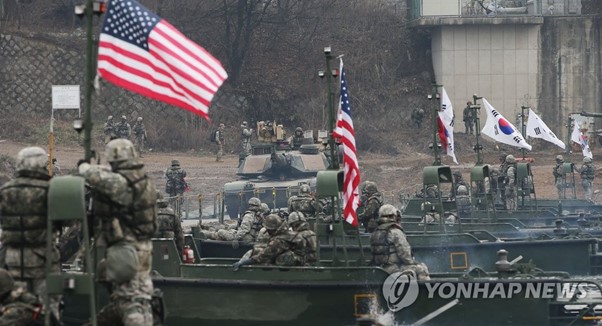 [Thematic Analysis]
“Suspending ROK-U.S. Joint Exercises: The Need for Careful Deliberation”Bee Yun JOResearch Fellow, Sejong InstituteROK-US joint military exercises have been the backbone of deterrence on the Korean Peninsula. They were never intended as symbolic shows; rather, they served as operational rehearsals for crisis and war, building interoperability, ensuring rapid reinforcement from the US, and sending clear signals to the Democratic People’s Republic of Korea (DPRK) that any aggression would trigger a coordinated allied response. This explains why Pyongyang and its leaders have consistently lashed out against them, labeling them as war rehearsals. While their denunciations have at times pushed Seoul to consider suspension of the exercises in the hopes of improving inter-Korean relations, DPRK’s sensitivity on the exercises highlight their distinctive deterrence value. Exercises are indeed among the few tools capable of directly affecting Pyongyang’s cost-benefit calculus. The first ROK-US summit—held on August 25, 2025—between President Lee Jae-myung and President Donald Trump, however, seemed to show signs of complicating this dynamic once again. As the meeting ended with President Trump touting his “good relations” with Kim Jong-un, both Seoul and Washington might once again pursue dialogue with Pyongyang—possibly at the expense of another suspension or downscaling of joint exercises. While the Lee and Trump administrations are reconsidering possible downscaling or suspension of joint exercises, this article argues that doing so would come at the worst—if not the most perilous—time. By briefly revisiting the past ups and downs of ROK–US military exercises, the article highlights historical lessons showing that Seoul and Washington’s gestures of goodwill are unlikely to be received kindly by Pyongyang. Especially when ROK-US alliance considers structural transformation under the rubric of “alliance modernization” —revisiting the transfer of wartime operational control (OPCON), defense-cost sharing, and recalibration of US force posture in the Indo-Pacific—I argue that suspending or downscaling exercises would be a perilous mistake. DPRK Will Not Receive Suspension as GoodwillWhile advocates of scaling back or suspending exercises often argue that doing so could build trust with Pyongyang, historical experience strongly suggests otherwise. North Korea has never interpreted allied restraint as a genuine gesture of goodwill. Rather, it has consistently dismissed such measures as tactical or insincere, and has continued its provocations regardless.As brief overview, ROK-US’s large-scale exercises date back to the 1960s (Appendix 1),¹ when Seoul and Washington began their regular field training exercises (FTX) such as Foal Eagle (1961) and Focus Retina (1968). By the 1970s, these exercises expanded into Freedom Bolt (1971) and later Team Spirit (1976), which became the alliance’s signature large-scale FTX. Team Spirit was notable for its emphasis on force flow—demonstrating the arrival and integration of US reinforcements—and grew into one of the largest annual allied drills, involving up to 200,000 troops by the mid-1980s. Parallel to this, the Ulchi Focus Lens (UFL) emerged in 1976 as the largest computer-assisted command post exercise (CPX), integrating South Korea’s Ulchi civil-defense drills with US warfighting simulations. From 1976 to 1992, these exercises were carried out nearly every year, underscoring their central role in deterrence.They have rarely been suspended, and when they were, the consequences were sobering. The clearest example is the suspension surrounding the 1994 Agreed Framework. Team Spirit was canceled in 1992 as a goodwilk, only to resume in 1993 as North Korea pressed with its nuclear ambitions (the first nuclear crisis). Team Sprit was then replaced by the Reception, Staging, Onward Movement, and Integration (RSOI) exercise in 1994.With this lesson of the 1990s, exercises seemed to strengthen and last. From the late 1990s and onwards, exercises were institutionalized as dual annual events: RSOI (later Key Resolve since 2007)—a CPX— paired with Foal Eagle (an FTX) every year. And when Seoul and Washington debated over strategic flexibility of USFK in the 2000s, followed by reduction of USFK’s troop levels to 28,500 under President Roh Moo-hyun and President George W. Bush administration, alliance leaned heavily on three cornerstones of annual drills: Key Resolve, Foal Eagle, and Ulchi Freedom Guardian (UFG). These exercises together became the bedrock of allied readiness. Key Resolve provided two weeks of computer-simulated theater-level planning (CPX); Foal Eagle stretched over eight weeks and incorporated more than twenty field training events (FTX); and UFG, evolving from UFL, integrated theater command operations with South Korea’s national crisis management system. For more than a decade, these annual FTX-CTX pairs represented the “muscle memory”² of the alliance.However, another wave of suspensions came during the Moon–Trump years. In 2018, Key Resolve and Foal Eagle were delayed and shortened, with the FTX portion cut from eight weeks to just two, while the CPX was extended to four weeks. UFG was postponed entirely. In 2019, Key Resolve was renamed the Alliance Exercise and compressed into nine days, while Foal Eagle was dispersed into smaller drills throughout the year. The term Combined Command Post Training (CCPT) replaced UFG in a bid to reduce the allegedly “provocative” connotation of the earlier exercises. The onset of the COVID-19 pandemic in 2020 compounded these disruptions. CPX and FTX schedules were postponed or canceled altogether. While the Moon and Trump administrations sought to renew a diplomatic space with Pyongyang, the outcome was again limited. Rather than halting missile launches or pausing nuclear development, North Korea pressed ahead with testing and escalated its rhetoric.The lessons are clear: Exercises have rarely been suspended, and when they were, effects were limited in restraining the DPRK. In fact, moments of alliance transition have required more—not fewer—drills to sustain readiness and deterrence. Pyongyang’s rhetoric underscores this reality. Kim Yo-jong has repeatedly condemned joint exercises as “rehearsals for invasion” and accused Seoul of duplicity. Even reduced or delayed drills have been dismissed as meaningless, with North Korea insisting that allied hostility is structural. In practice, suspension or downscaling does not alter Pyongyang’s behavior; it signals weakness and emboldens further provocations. Gestures of restraint therefore fail to deliver security benefits.Alliance Modernization Demands Expansion, Not SuspensionAs Seoul and Washington enter a new phase of alliance modernization, the imperative is not to suspend or downscale exercises but to expand and adapt them. Modernization today reflects multiple drivers: the anticipated transformation of USFK toward lighter ground units and greater reliance on airpower and missile defense; and the ongoing process of wartime OPCON transfer. These are tied to President Trump’s outward prioritization of deterring China, which pressures allies like Seoul to shoulder greater responsibilities while accommodating greater strategic flexibility for US forward-deployed forces, including USFK.³ Such transformations are not theoretical. The USFK’s withdrawal of legacy platforms such as the A-10, the proposed introduction of F-35 squadrons, consolidation of F-16s into “super squadrons,” and renewed missile defense cooperation all illustrate how modernization entails structural and technological change. Yet without robust combined training, these reforms will be tested and remain incomplete. Large-scale exercises are the only means to validate new structural arrangements, ensure interoperability, and synchronize new capabilities. This is especially critical for OPCON transition, which demands regular testing of decision-making and combined command procedures. Without exercises, transfer risks becoming a symbolic gesture rather than a functional enhancement of combined defense. Skills that are not practiced regularly cannot be assumed in crisis. Moreover, modernization expands the alliance’s deterrence mission beyond the Peninsula. Increasing cyber and hybrid threats in the region similarly call for exercises that integrate non-kinetic domains. Scaling down drills would leave the alliance ill-prepared for this wider spectrum.Finally, exercises play an indispensable signaling role. They reassure the South Korean public that extended deterrence remains intact, demonstrate alliance cohesion to regional partners, and send a clear warning to adversaries. Indeed, both Seoul and Washington should note that weakening of exercises sends signals not only to Pyongyang but also to Beijing. China has steadily expanded its nuclear arsenal and has increased naval and air encroachment in the West Sea. Chinese warships, for instance, entered South Korean waters more than 330 times in 2024, compared to about 110 such entries in 2017. These incursions occurred not only in the Provisional Measure Zone (PMZ) of the Yellow Sea but also in the areas of South Korea’s exclusive economic zone (EEZ).⁴ If ROK-US joint exercises are reduced, China may perceive the alliance as distracted or weakened, emboldening further adventurism around the Peninsula. In this sense, the risks of suspension extend beyond the DPRK threat to the larger strategic balance in Northeast Asia. Taken together, alliance modernization is not compatible with contraction. Rather, it requires larger, more adaptive, and more integrated exercises that can match both the evolving threat environment and the structural transformation of the alliance.ConclusionThe historical record, Pyongyang’s entrenched hostility, and the imperatives of alliance modernization all point to the same conclusion: it is perilous to suspend ROK-US military exercises today. Past suspensions only emboldened North Korea. The DPRK will not interpret new suspensions as goodwill, but as weakness. And the alliance’s modernization agenda requires more robust training, not less. ROK-US exercises remain the sharpest and most visible signal of deterrence. They are the foundation of readiness, credibility, and resilience. To suspend them now would be to invite doubt, embolden adversaries, and undercut modernization. To expand them is to demonstrate commitment, shape adversary behavior, and secure the alliance’s future.Appendix 1 ROK-US Joint Military Exercises: Overview1 For historical overview of ROK-US military exercises, see, Jo, Bee Yun. (2023). “Deterrence, Assurance, and Resilience as Three Reciprocal Values in Strengthening ROK-US Combined Defense Posture and Exercises.” In KIDA, ed. The Next 70 Years: Future Paths for the ROK-US Alliance and Defense Cooperation. Seoul: KIDA, p. 153.2 Work, Clint. (2023). “Confrontation Challenges, Clarifying Roles, and Closing Gaps: Strengthening the ROK-US Combined Defense Posture.” In KIDA, ed. The Next 70 Years: Future Paths for the ROK-US Alliance and Defense Cooperation. Seoul: KIDA, p. 162.3 Jo, Bee Yun. (2025). “Navigating the new normal: Strategic simultaneity, US Forces Korea flexibility, and alliance imperatives.” Atlantic Council Issue Brief.4 As reported, the incursions continued to increase: 110 (2017), 230 (2018), 290 (2019), about 200 (2020-2022), 360 (2023). See, Roh, Suk-jo & Jung-soo Lee. (2025. 4. 30.). “Exclusive: Chinese Warships Cross into S. Korea’s EEZ over 330 Times in 2024.” The Chosun Ilbo.
25.09.05 -
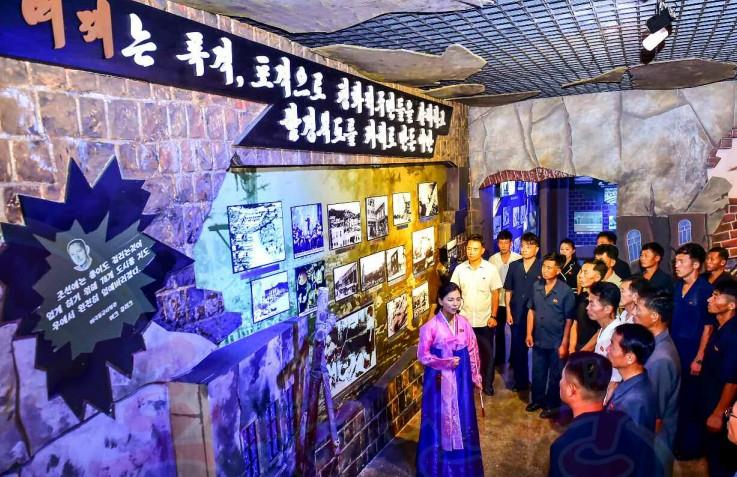 [Feature Article]
The Past and Present of Inter-Korean RelationsKoh Yu-hwanProfessor Emeritus, Dongguk University;Former Director, Korea Institute for National Unification1. Division, War, and the Entrenchment of the Divided SystemKorea gained liberation from Japanese imperial rule on August 15, 1945, but unity proved elusive. Instead, the peninsula was divided, and two states were established under competing ideologies and systems. The Korean War soon followed, culminating in an armistice in 1953. That armistice has endured for more than seven decades, preventing renewed war but leaving in place only a “passive peace.”Seventy-two years after the signing of the Armistice Agreement, the task of constructing a durable peace regime—one that addresses the structural causes of conflict—remains unfinished. The persistence of the “armistice regime” and the “division regime” has shaped daily life on the peninsula.Today, amid intensifying U.S.–China strategic competition, the peninsula again finds itself in an era of heightened uncertainty, vulnerable to great-power rivalry. The absence of a formal peace settlement and the institutionalization of division have produced a complex and enduring set of conflicts surrounding Korea.2. Breaking Down Barriers—and Rebuilding ThemUnification remains a national aspiration precisely because division was externally imposed. While both Koreas have at times articulated visions of coexistence, their actual strategies—Seoul’s “absorption unification” and Pyongyang’s “red unification”—deepened confrontation. Prior to the July 4, 1972 Joint Statement, which outlined the principles of independence, peace, and national unity, inter-Korean relations were defined by confrontation without dialogue.The 1960s saw Pyongyang propose a federation and cross-border exchanges even as it dispatched armed infiltrators, while Seoul’s Park Chung-hee government pursued “development before unification,” prioritizing industrialization over reconciliation. The détente between Washington and Beijing in the early 1970s created openings for dialogue, but sustained progress proved elusive.A fundamental shift began in 1988, when the Roh Tae-woo administration, leveraging the spirit of the Seoul Olympics, advanced the July 7 Declaration and redefined North Korea as a partner for reconciliation. This vision was codified in the 1989 Korean National Community Unification Formula, which envisioned a phased process: reconciliation and cooperation, a North–South confederation, and ultimately full unification.This framework acknowledged North Korea’s political reality and proposed an “inter-Korean union” as an interim step, effectively a two-state solution for the peninsula.On this basis, the 1991 Basic Agreement and the 2000 June 15 Joint Declaration marked watershed moments. Both recognized the special nature of inter-Korean ties—not simply relations between two states but a “temporary special relationship” on the path to unification.By simultaneously joining the United Nations, Seoul and Pyongyang entered a coexistence framework, while agreeing to pursue economic cooperation projects such as Mount Kumgang tourism and the Kaesong Industrial Complex. These initiatives represented tangible steps toward “de-bordering.”Yet progress proved fragile. The suspension of Mount Kumgang tourism in 2008 and the closure of Kaesong in 2016 effectively halted inter-Korean exchange. The Moon Jae-in administration later sought to revive cooperation through the 2018 Panmunjom and Pyongyang Declarations, advancing commitments on denuclearization, liaison offices, and infrastructure linkages.But the failure of the 2019 Hanoi summit between Washington and Pyongyang derailed this momentum, ushering in a period of renewed hostility.By 2020, North Korea had downgraded relations to an “enemy relationship,” and since December 2023 has defined inter-Korean ties as relations “between hostile states at war.” Pyongyang has taken steps to reframe the military demarcation line as a sovereign border, initiating a process of “re-bordering” the peninsula.3. President Lee Jae-myung: “Cutting Off Dialogue Is Foolish”In his Liberation Day address, President Lee Jae-myung pledged respect for the current North Korean regime, renounced absorption unification, and promised to refrain from hostile acts. He emphasized restoring the September 19 Military Agreement, rebuilding trust to prevent accidental clashes, and implementing feasible past agreements.His agenda stresses restoring the foundations of exchange and cooperation, improving livelihoods on both sides, and fostering conditions for joint growth based on mutual benefit.President Lee has framed 2025, the 80th anniversary of Korea’s liberation, as a watershed moment for ending confrontation and opening an era of peaceful coexistence. His policy builds on the legacies of the Kim Dae-jung, Roh Moo-hyun, and Moon Jae-in administrations: rejecting force and absorption, and pursuing peace first.Yet North Korea has categorically dismissed these overtures. Kim Yo-jong declared Seoul’s hopes “foolish dreams” and reaffirmed the North’s two-state, hostile posture. The Kim Jong-un regime has abandoned the concept of a “special inter-Korean relationship,” reframing ties as strictly interstate. Absent a fundamental shift in Pyongyang’s position, restoring relations under earlier frameworks will be difficult.Still, the case for dialogue remains strong. Cutting off communication risks perpetuating a cycle of hostility that serves neither side’s long-term interests. Dialogue is not only a means to reduce the risk of accidental conflict; it can also create conditions for regional stability and broader cooperation.For Seoul, this means maintaining unilateral confidence-building measures, preparing patiently for future openings, and leveraging potential shifts in U.S.–North Korea relations or regional dynamics. Flexibility and persistence are essential. The ultimate task is to prevent the peninsula from sliding into permanent hostility and to keep alive the prospect of peaceful coexistence and eventual unification.
25.08.22
News Letter
We are leading the global communication via Newsletter.
We will deliver the latest information and proven facts on Korean Peninsula status including North Korea situation.