

-
 [Kim Myongsung’s Inside North Korea]
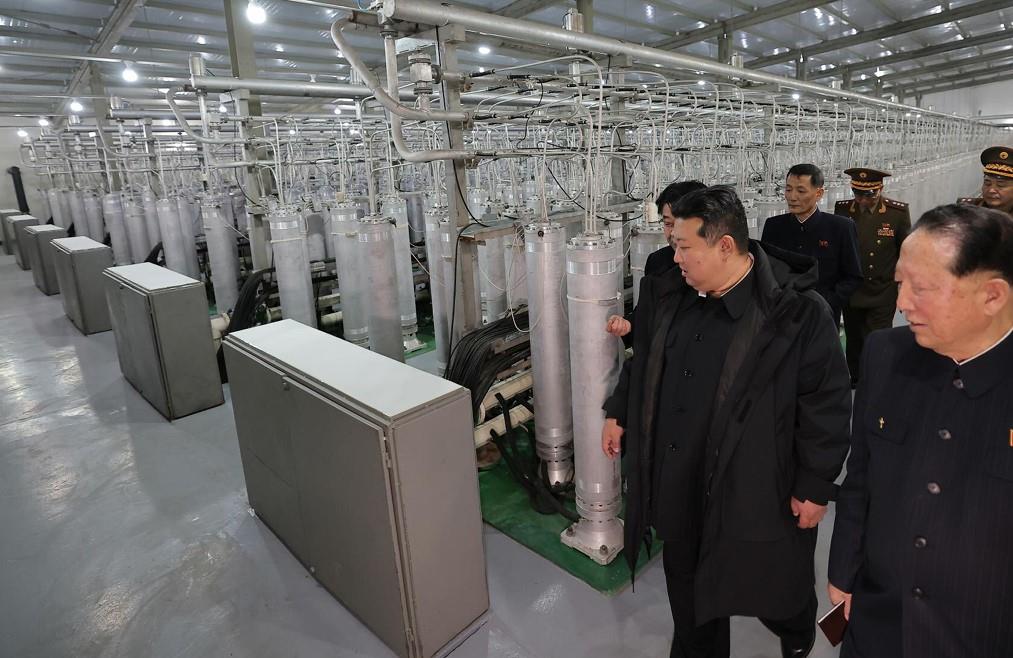
Kim Myongsung’s Inside North Korea· Kim Jong-un Dismisses Trump’s Indication of Talks, Vows to Strengthen Nuclear Deterrence.· Kim Jong-un Deems ‘Wine and Dine’ by Local Officials a ‘Major Crime’· North Korea Ranks Second in Watch Exports to China, Each Watch Sold for Just 11 CentsKim Myong-sungSecretary General of the SAND InstituteKim Jong-un Dismisses Trump’s Indication of Talks, Vows to Strengthen Nuclear Deterrence.Kim Jong-un, North Korea's leader, has ignored U.S. President Donald Trump’s hint at possible talks, instead doubling down on strengthening North Korea’s nuclear deterrence with a hardline stance.On January 29, the Korean Central News Agency reported that Kim visited nuclear material production facilities and research centers, where he reviewed the state of nuclear material production, future prospects, and plans for 2025. However, the exact date of his visit was not disclosed.During his visit, Kim warned that confrontation with "unstable and malicious hostile nations" is inevitable and strengthening North Korea's "nuclear shield" is essential. He declared, “Advancing our nuclear response beyond limits is a stance we must uphold and a sacred duty.”Kim directed that North Korea exceed its plans for weapons-grade nuclear material production and achieve groundbreaking results in enhancing its nuclear deterrence.Photos released by North Korean media from the visit show that the locations appear to be the same nuclear enrichment facilities that were revealed during Kim's field visit in September last year.This guidance and statement from Kim came just six days after President Trump expressed a willingness to resume dialogue, signaling that North Korea is not ready to return to talks at this time. Instead, it suggests a continued focus on bolstering its nuclear forces and prolonging a standoff. Kim made it clear he had no intention of discussing denuclearization. Meanwhile, the White House and U.S. State Department reaffirmed their commitment to North Korea’s denuclearization, sparking a battle over whether talks will focus on denuclearization or arms reduction.Kim Jong-un Deems ‘Wine and Dine’ by Local Officials a ‘Major Crime’North Korean leader Kim Jong-un convened an enlarged WPK Secretariat meeting, ordering strict action against over 40 officials and citizens from Onchon and Ushi counties for attending “wine and dine” gatherings, violating Party rules, and infringing on residents' rights.On the 29th, Rodong Sinmun reported that at the 30th enlarged meeting of the WPK Secretariat, chaired by Kim Jong-un, the Organization Guidance Department summarized Party discipline violations by Onchon County officials, followed by a report from the Discipline Investigation Department.Rodong Sinmun condemned officials for accepting alcohol at public institutions, stating that their "openly carried out collective drunken misconduct" directly violated Party discipline. They were labeled "incompetent, corrupt individuals" and "a reckless, disorganized group."The meeting also addressed the Ushi County Agricultural Inspection Agency in Jagang Province, which abused its authority to violate citizens’ rights and property. The Party decided to dissolve both the Onchon County Party Committee and the agency, vowing "severe consequences" for those who broke Party rules.In his speech that day, Kim stated, "Local power brokers and bureaucrats are attempting to tear down the sacred unity between the Party and the people without the slightest hesitation." He declared, "This is an unforgivable, major criminal act against our Party, our people, our system, and our legal authority."He emphasized that a strong campaign would be launched against crimes, including targeted operations, pursuits, searches, and sweeps.The misconduct occurred in Onchon County (Nampo Province) and Ushi County (Jagang Province), two of 20 districts where North Korea built local industrial factories under Kim Jong-un’s "20×10 Regional Development Policy." Onchon County’s factory was inaugurated on the 20th, and Ushi County’s on the 25th.It seems he intends to tighten discipline among officials and strengthen internal unity to ensure the five-year economic plan's success in its final year and advance the "20×10 Regional Development Policy" smoothly.North Korea Ranks Second in Watch Exports to China, Each Watch Sold for Just 11 Cents Last year, North Korea ranked second in the world for wristwatch exports to China.On February 1st, Voice of America (VOA) reported, based on recently released trade data from the General Administration of customs of the People’s Republic of China, that North Korea's wristwatch exports totaled $16.28 million last year, securing second place among 12 countries.Japan ranked first with $120 million, while Switzerland took third place with $5.87 million.VOA explained that since 2017, as international sanctions blocked key exports such as coal and textiles, North Korea significantly increased its wristwatch exports to China, which were not affected by sanctions. After reaching $49.18 million in 2019, North Korea’s wristwatch exports to China temporarily halted during the pandemic, but rebounded to around $4.05 million in 2023 and then surged fourfold last year.Last year, North Korea exported 136.88 million wristwatches to China at just 11 cents each—about 1/14th to 1/34th the price of Japanese ($1.47) and Swiss ($3.42) watches. While the volume was enough to outfit one in ten Chinese people, the low price meant North Korea earned less than $200 million from these exports.North Korea's business approach is also reflected in its top export, wigs. Last year, it exported 2,620 tons to China, earning $180.21 million—the highest among 43 countries. However, the export value per kilogram was just $68, about half the price of wigs from Bangladesh ($132) and Myanmar ($140).
25.02.07 -
 [Current Affairs Analysis]
North Korea's Hypersonic Ballistic Missile DevelopmentJang Cheol-wunKorea Institute for National UnificationNorth Korea kicked off 2025 by escalating military tensions on the Korean Peninsula with successive ballistic missile launches. On January 6, it conducted a test launch of a "new hypersonic medium- and long-range ballistic missile," followed by the launch of several short-range ballistic missiles on January 14.Interestingly, North Korea chose to publicize the January 6 hypersonic missile test through Rodong Sinmun, while the short-range missile launches on January 14 went unreported in its media. This difference implies that the hypersonic missile test was considered more significant. Against this backdrop, this article offers a brief examination of North Korea's hypersonic ballistic missile development.North Korea's first missile launch of 2025 was a "new hypersonic medium- and long-range ballistic missile." Rodong Sinmun reported on January 7 that the test was carried out by the Missile General Bureau under Kim Jong-un’s virtual observation. The missile was described as part of a national defense development initiative, featuring "new carbon fiber composite materials" in its engine and body construction.North Korea claimed the missile, launched from the outskirts of Pyongyang, reached Mach 12, hitting altitudes of 99.8 km and 42.5 km during its flight, before striking a virtual target 1,500 km away in international waters. However, South Korea’s Joint Chiefs of Staff reported a different flight range, estimating the missile traveled approximately 1,100 km. However, the hypersonic missile’s low-altitude flight may have evaded South Korea’s detection systems, leading to incomplete tracking of its trajectory. Aside from the flight distance, there are few differences between South Korea's assessment and North Korea's claims.North Korea's focus on hypersonic missile development aligns with its five-year national defense strategy announced at the 8th Congress of the Workers' Party in 2021. The hypersonic warhead program is one of the "five key tasks" in this plan.North Korea first tested a hypersonic ballistic missile, the "Hwasong-8," on September 28, 2021, and conducted another test in January 2022. Both tests involved liquid-fueled medium-range ballistic missiles equipped with hypersonic warheads. On January 14, 2024, North Korea transitioned to using solid-fuel ballistic missiles, which offer greater survivability, for mounting hypersonic warheads. About three months later, on April 2, 2024, North Korea tested the "Hwasong-16B," a new medium- and long-range solid-fuel ballistic missile equipped with a hypersonic glide vehicle. On April 3, North Korea announced that the missile reached peak altitudes of 101.1 km and 72.3 km before precisely hitting a target 1,000 km away in the East Sea.Photos published by Rodong Sinmun show little visible difference between the hypersonic ballistic missile launched on January 6, 2025, and the Hwasong-16B launched on April 2, 2024. However, North Korea’s claim of using "new carbon fiber composite materials" in the engine and body of the January 6 missile is particularly notable.North Korea has reportedly been researching advanced carbon fiber materials since the early 2000s as part of its national science and technology plan. These materials are lighter, more durable, and heat-resistant compared to conventional metals. In 2017, Kim Jong-un highlighted plans to use carbon-carbon composites in missile components, including warheads and nozzle throats.It is likely that North Korea incorporated advancements in carbon fiber composite material research into its hypersonic missile development. This could explain why the missile launched on January 6, 2025, was lighter and achieved greater speed and range compared to the one launched on April 2, 2024. After witnessing the January test, Kim Jong-un stated that "only a few countries worldwide possess such weapon systems" and described the missile’s development as "a defensive effort, not an act of aggression."He also claimed the missile could "penetrate dense defense systems and inflict significant military damage," adding that it would "serve as a reliable deterrent against Pacific-region adversaries threatening North Korea’s security." Hypersonic warheads, actively developed by advanced missile powers such as the United States, Russia, and China, differ significantly from traditional ballistic missile warheads.Hypersonic warheads travel at speeds over Mach 5 in the lower atmosphere and perform unpredictable maneuvers, such as "pull-up" movements. These features make their trajectory hard to predict, posing significant challenges for detection and interception. Given these factors, North Korea seems to be developing ballistic missiles with hypersonic warheads to bypass South Korea’s layered Korea Air and Missile Defense (KAMD) system and the United States' multi-layered missile defense (MD) systems, renowned for their advanced capabilities.North Korea's hypersonic ballistic missiles remain at the "test launch" stage, indicating that their development is still incomplete. Additional time will likely be needed to finalize development, begin mass production, and deploy the missiles for operational use.
25.01.24 -
 [NK Focus]
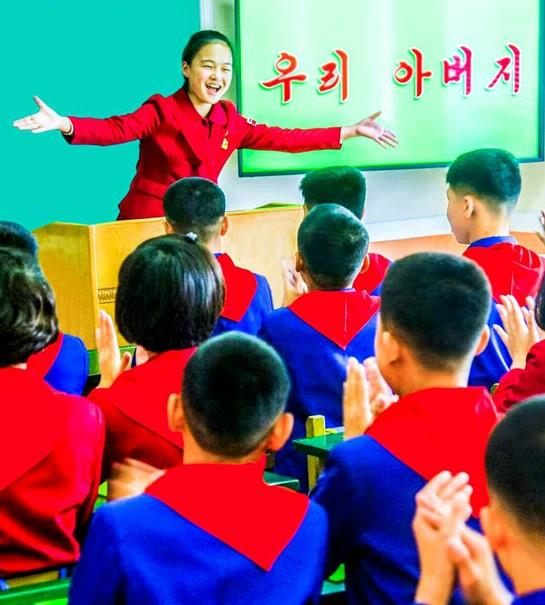
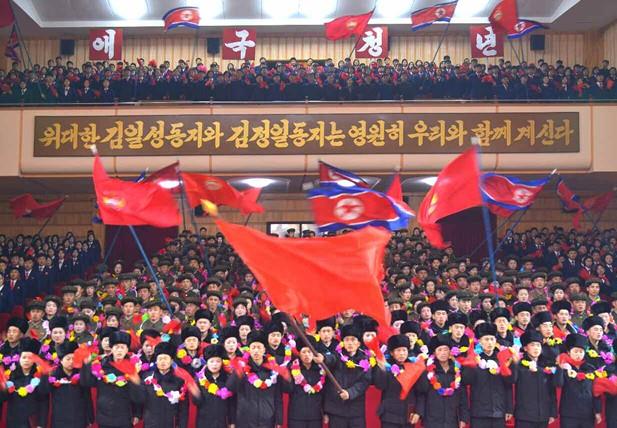
Kim Jong-un’s Birthday and Idolization Efforts in 2025 Lee Seung-hyunResearch Fellow at SAND InstitutePh.D. in Public Administrationdrharacearthur@gmail.comOn January 8, 2025, North Korea observed the birthday of its leader, Kim Jong-un, though it was not specifically marked on the calendar, nor were there large-scale events. Unlike the national holidays celebrating Kim Il-sung (April 15, Day of the Sun) and Kim Jong-il (February 16, Day of the Shining Star), Kim Jong-un's birthday remains unofficial.Nevertheless, loyalty oath ceremonies for Kim Jong-un were held across various institutions and workplaces, as in previous years. This reflects a gradual idolization strategy that considers both domestic and international perspectives.North Korea has historically used the leader’s birthday for provocative actions, such as nuclear tests, to showcase achievements. This year, however, such measures were absent, likely due to troop deployments to Russia and the U.S. presidential inauguration. Instead, a short-range ballistic missile (SRBM) launch served as a lower-scale demonstration, reflecting a dual strategy to commemorate Kim’s birthday while bolstering internal unity and international bargaining power.North Korean students hold a recent gathering to praise Chairman Kim Jong-un/Rodong SinmunAlthough no formal celebrations were held for Kim Jong-un’s birthday this year, and it was omitted from the calendar, other significant dates like his leadership anniversaries were noted, indicating ongoing idolization efforts. Informal events, such as New Year’s pledge ceremonies continued, along with increased reports emphasizing his achievements in agriculture, self-reliant economics, and military advancements like nuclear and missile programs.It is also likely that unofficial events such as cultural performances, study sessions, and additional loyalty pledge ceremonies were held to honor Kim Jong-un. While his birthday is not yet a formal public holiday, various internal measures to elevate his status are clearly underway.On the leader’s birthday, citizens are mobilized to participate in loyalty ceremonies, New Year pledges, and study sessions, serving as opportunities to reinforce allegiance to the leader. In the past, authorities distributed gifts and special rations to officials and residents on this occasion to cultivate the image of a “benevolent leader.”This year, however, economic difficulties meant that no gifts were distributed to the general population. Instead, only kindergarten and elementary school children received small packets of candy and snacks. Institutions and enterprises were instructed to arrange birthday-related gifts on their own, but most were unable to do so due to financial constraints. Only a few trade-linked companies managed to distribute fruit. Reports from within the country suggest that the economic situation is dire, with many claiming it is even worse than during the COVID-19 lockdown period.In summary, Kim Jong-un’s birthday in 2025 remains unofficial, though idolization efforts are steadily increasing as part of a broader strategy to reinforce regime stability and consolidate power. Speculation suggests that his birthday might be formalized as a holiday during the 9th Congress of the Workers’ Party of Korea next year, depending on domestic political stability and international circumstances. Meanwhile, the regime is expected to continue leveraging this period for military provocations and strong external messaging to strengthen internal unity and reinforce its position.
25.01.24 -
 [Kim Myongsung’s Inside North Korea]
Kim Myongsung’s Inside North Korea· NK’s Military Youth to Reach 600,000 by 2030; May Face Unchecked Discontent· Two North Korean Soldiers Captured: South Korean Broadcasts Reveal Orders for "Suicide" and "Execution of Wounded"· Kim Jong-un's Factories Show No Heat Signals, Likely Non-OperationalKim Myong-sungSecretary General of the SAND InstituteNK’s Military Youth to Reach 600,000 by 2030; May Face Unchecked DiscontentAn analysis shows North Korea's "MZ" generation soldiers—Millennials and Generation Z—will reach 600,000 in five years, potentially fueling shared grievances over government control.On January 13, Senior Researcher Ko Jae-hong from the Institute for National Security Strategy released a report titled "Lessons from the Fall of Foreign Dictatorial Regimes and Implications for North Korea." He concluded that widespread anti-government sentiment and divisions caused by military discrimination are significantly increasing the potential for a civilian uprising in North Korea.Ko highlighted that North Korea tightly controls the thoughts, behavior, and language of its youth, many of whom, frustrated and seeking change, will soon comprise a large part of the military.To tighten its control, North Korea recently enacted laws targeting the generation, such as the Reactionary Ideology and Culture Rejection Law (2022), Youth Education Guarantee Law (2021), and Pyongyang Cultural Language Protection Law (2023). These laws affect around 3 million individuals aged 16–24, with 300,000 currently in the military—a number projected to double to 600,000 within five years.North Korean City Young People Go Into Troughs/Rodong ShinmunA trend among young North Koreans imitating Kim Jong-un’s hairstyle and clothing has drawn the regime’s attention. Authorities have banned it, with Ko suggesting they perceive it as "mockery" rather than admiration.Ko drew parallels to South Korea’s history, noting that policies like the 1976 “long hair crackdown” sparked anti-government sentiment, leading to the 1979 Busan–Masan Uprising. He suggested similar frustrations among North Korea’s youth could lead to resistance.Some suggest that the regime's intensified focus on nuclear armament is contributing to growing discontent and divisions within the military.Ko argued that North Korea's decade-long nuclear expansion has upset traditional hierarchies among military units, including forward-deployed corps, artillery, and strategic forces, warning that these divisions could heavily impact the military's response to a youth-led uprising.Ko emphasized that historical examples of collapsed authoritarian regimes reveal a common factor: the military's attitude often determines the outcome. Even when their privileged status was at risk, military forces in some regimes refrained from suppressing protests, choosing instead to remain neutral or align with demonstrators.For instance, in 1979, Iran’s Shah Mohammad Reza Pahlavi abdicated when the military sided with Ayatollah Ruhollah Khomeini’s supporters. Similarly, in 1986, Philippine President Ferdinand Marcos was ousted after his loyal security forces defected.Ko explained that in the collapse of Eastern Bloc communist regimes and Middle Eastern dictatorships, militaries often stayed passive, gave limited support, or opposed their governments through coups. These actions were driven by reformist tendencies, empathy with protestors, and internal divisions.He analyzed that neutrality was driven by factors such as reformist tendencies, generational empathy with protesters, and internal divisions, leading some military factions to adopt anti-government stances. Ko also argued that, like past dictatorships, the North Korean regime could collapse quickly despite its long rule.Romanian leader Nicolae Ceausescu’s 24-year rule ended just eight days after mass protests began, while Libya’s Muammar Gaddafi was overthrown in eight months despite ruling for 42 years. Similarly, Egypt’s Hosni Mubarak stepped down within two weeks of demonstrations following 40 years of governance.Tunisia’s Zine El Abidine Ben Ali, after 23 years in power, resigned within a month of protests, while the 22-year rule of Philippine President Marcos ended within 18 days of public resistance, forcing him into exile.Two North Korean Soldiers Captured: South Korean Broadcasts Reveal Orders for "Suicide" and "Execution of Wounded"Amid North Korea’s silence on troop deployments and casualties, South Korea’s military informed North Korean soldiers and civilians about the capture of two soldiers via loudspeaker broadcasts. The broadcasts also revealed instructions from a battlefield notebook, ordering soldiers to "suicide or self-detonate before capture" and to "execute or disfigure wounded comrades to conceal their identities."On January 16, South Korea's Psychological Operations Group announced via Voice of Freedom that the National Intelligence Service (NIS) confirmed two North Korean soldiers were captured by Ukrainian forces on January 12 in the Russian Kursk battlefield. The broadcast also stated that the NIS would continue sharing updates through cooperation with Ukrainian intelligence.According to the NIS, the two injured soldiers, born in 1999 and 2005, were captured on the Kursk front. They were identified as members of the Reconnaissance General Bureau and had reportedly served in the military since 2016 and 2021, respectively.Voice of Freedom revealed that documents left by fallen North Korean soldiers in Ukraine contained WPK instructions urging suicide or self-detonation, and some soldiers hoped to join the WPK or receive pardons. The broadcast speculated that Kim Jong-un might visit Russia to negotiate military and economic benefits for troop deployments.The possibility of sending the captured soldiers to South Korea was also discussed. Voice of Freedom cited a Ministry of Foreign Affairs briefing from January 14, stating, "As the captured North Korean soldiers are constitutionally South Korean citizens, discussions with Ukraine will proceed if they request defection." The ministry confirmed ongoing communication with Ukraine regarding the prisoners of war.However, Voice of Freedom highlighted that North Korea has not acknowledged the deployment of its troops to Russia, and the captured soldiers are not considered lawful combatants under international law. The broadcast noted, "Ukraine seeks to exchange the captured North Korean soldiers for Ukrainian prisoners of war, but Russia has opposed this, complicating their repatriation to South Korea.“North Korea has remained silent on the capture or deaths of its dispatched soldiers. State media, like Rodong Sinmun, has rarely mentioned the Ukraine war this year, despite frequently covering Western arms aid to Ukraine and supporting Russia's stance until early December last year.This shift may suggest that rising casualties among North Korean soldiers are spreading within the country, leading authorities to avoid the issue to prevent public backlash. The NIS reported that North Korean authorities are issuing death certificates to the families of fallen soldiers.Kim Jong-un's Factories Show No Heat Signals, Likely Non-Operational North Korea's construction of factories under the "20x10 Regional Development Policy" for balanced regional development appears to have resulted in non-operational facilities, according to a Radio Free Asia (RFA) report on January 19.RFA analyzed thermal infrared images from NASA’s Landsat satellite taken on January 11, showing that the temperature at the Unpha County Local Industrial Factory in North Hwanghae Province was 4–5°C below zero, colder than the surrounding areas.Similarly, the factory site in Jaeryong County, South Hwanghae Province, recorded temperatures of 6–7°C below zero, consistent with nearby residential areas. Both facilities were promoted as part of Kim Jong-un’s regional development policy earlier this year.Kim Hyuk, a senior researcher at the Korea Rural Community Corporation’s Rural Research Institute, commented to RFA, "If no heat is detected at these factories, it is highly likely they are non-operational." He suggested that the factory inaugurations may have been staged for propaganda purposes.North Korean leader Kim Jong-un attended the completion ceremony of the local industrial plant inJaeryeong-gun on the 7th. /Korea Central News AgencyHowever, the fact that January 11 was a Saturday raises the possibility of different operational schedules.Images from Planet Labs on January 11 showed the Sukchon County Local Industrial Factory in South Phyongan Province, where, despite the surrounding roads being cleared, the building roofs remained covered in snow, indicating inactivity.Similarly, satellite photos of the Sinpho City marine farming facility in South Hamgyong Province, completed on December 28 last year, also showed snow-covered roofs.Jacob Bogle, an American satellite analyst, explained, "If heat were being generated inside the buildings, the snow on the roofs would have melted. The fact that snow remains suggests no internal activity."
25.01.24 -
 [NK Focus]
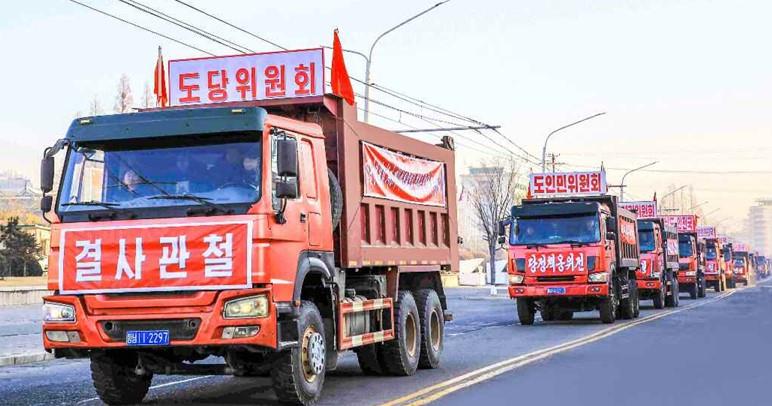
Why Kim Jong-un Spent Two Consecutive Birthdays Visiting Civilian Economic Facilities Lee Seung-hyunResearch Fellow at SAND InstitutePh.D. in Public Administrationdrharacearthur@gmail.comNorth Korean leader Kim Jong-un attended the completion ceremony of a local industrial factory in Chaeryong County, South Hwanghae Province, on January 8, his 41st birthday. While not officially recognized externally, the day is celebrated domestically. Last year, state media featured his visit to a chicken factory with his daughter, Kim Ju-ae, on his 40th birthday.Since 2023, North Korea has organized events to commemorate Kim Jong-un's birthday, elevating it to a national holiday. On January 8, 2024, institutions nationwide held "Loyalty Pledge Meetings" in his honor. Stepping out of his predecessors' shadow, Kim has sought to present himself as a "leader for the people" by visiting civilian sites on his birthday for two consecutive years.North Korea's trucks/Chosun Central Television carrying compost to rural areasThe recently completed Chaeryong County Local Industrial Factory is part of Kim’s "20x10 Regional Development Policy," a major initiative launched last year. Footage released by North Korean media showed Kim attending the outdoor ceremony in freezing weather, hands tucked into his coat pockets, with a stiff expression, seemingly due to the cold.The media's coverage of his birthday visit appears intended to stabilize public sentiment amid prolonged economic challenges and present the new factory as a beacon of hope for economic revitalization.At the event, Kim Jong-un declared, "The consecutive completion ceremonies for local industrial factories in 20 cities and counties bring immense joy to the people as we embark on a fruitful new year." However, the footage revealed modest production facilities, exposing the harsh economic realities where even small food factories are framed as major achievements.In December 2024, at the 11th Plenary Meeting of the Workers' Party's 8th Central Committee, Kim praised the nation's economic achievements, using the session as a de facto New Year’s address. However, closer scrutiny reveals inconsistencies.At the plenary meeting, North Korea touted 2024 accomplishments, including 127% in rolled steel, 106% in nonferrous metals, 103% in nitrogen fertilizer, 101% in electricity, 110% in coal, 101% in cement, 104% in timber, 101% in seafood, 108% in railway freight, 101% in textiles, and 107% in grain. However, it did not provide specific production figures.North Korean leader Kim Jong-un attended the completion ceremony of a local industrial plant in Jaeryeong-gun,South Hwanghae Province, state media reported on the 8th./Chosun Central TelevisionNorth Korea has focused heavily on construction projects, which yield visible results and allow for optimistic economic reports. The government has touted achievements such as building 50,000 homes in Pyongyang, rural cultural housing, and local factories—all accomplished through mobilizing military and civilian labor.Despite these efforts, North Korea’s trade remains at 80% of its 2019 levels, and import volumes declined further in the latter half of 2023. South Korea's Rural Development Administration reported a 4.78 million-ton drop in North Korea’s food production last year. The "20x10 Regional Development Policy," aiming to build modern factories in 20 counties annually for a decade, faces major challenges. While construction relies on mobilized labor, their operation seems unrealistic.Under international sanctions, North Korea struggles to secure the materials and equipment required for large-scale projects. With limited state resources, the responsibility for building and running these factories has been shifted to local regions, effectively telling them to "fend for yourselves.“Kim Jong-un's insistence that local governments prioritize the smooth operation of these factories reflects this trend. However, without essential infrastructure like power and materials, these factories risk becoming empty symbols. Building structures without ensuring functionality is unlikely to yield meaningful results over the next decade.North Korea's reliance on Russia, weakened by its war with Ukraine, remains a fragile lifeline. Relations with China, a traditional ally, also remained strained last year, despite the 75th anniversary of their ties. Cautious of North Korea-Russia ties and Western reactions, China has kept its distance. Kim Jong-un may seek sanctions relief through arms reduction talks, especially with Donald Trump's return, but the global political landscape is unlikely to align with his goals.
25.01.10 -
 [Kim Myongsung’s Inside North Korea]
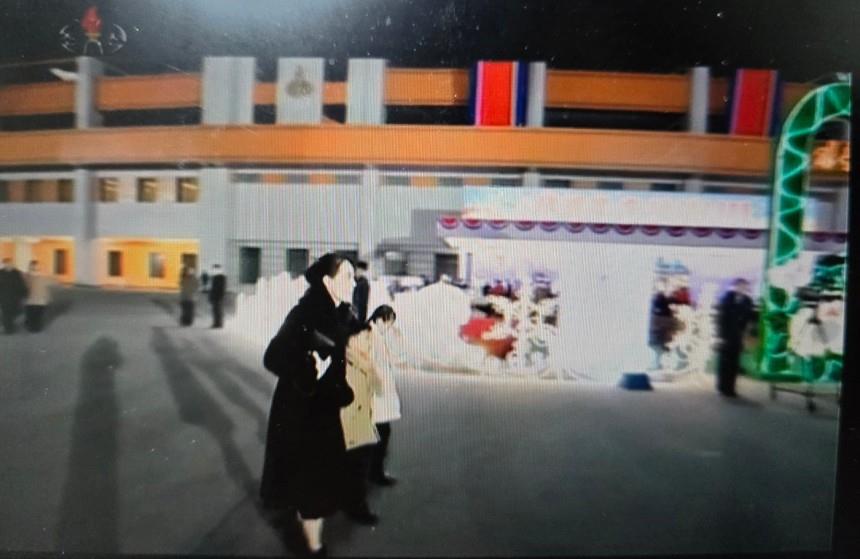
Kim Myongsung’s Inside North Korea· 4th Generation Succession? Now Kim Yo-jong’s Children Appear in Public· North Korea Tests New Hypersonic Missile: Aimed at Pacific Adversaries· Pyongyang International Marathon Returns After Six YearsKim Myong-sungSecretary General of the SAND Institute4th Generation Succession? Now Kim Yo-jong’s Children Appear in PublicChildren believed to be Kim Yo-jong’s, the sister of North Korean leader Kim Jong-un, were spotted at a New Year’s celebration. While North Korea has never officially acknowledged her marriage or children, the National Intelligence Service (NIS) is investigating the possibility.Kim Yo-jong, holding the hands of children believed to be hers, enters the New Year’s celebration venue./ Korean Central TelevisionOn January 1, KCTV aired a recording of the New Year’s celebration held on the night of December 31, 2024, at Pyongyang’s May Day Stadium.Before entering the stadium, the footage captured senior officials walking with their spouses to outdoor tables and Kim Yo-jong was also seen arriving with the two children.Although there were no visuals of Kim Yo-jong exiting a vehicle with the children, their entry alongside her in family-group footage suggests they could indeed be her children.A Santa Claus ornament in a small display placed in front of Kim Ju-ae during the New Year’s celebration/ Korean Central News AgencyIn 2015, Kim Yo-jong was first photographed wearing what appeared to be a wedding ring, sparking speculation about her marital status. In April of that year, the NIS reported that she was likely to give birth in May. Additionally, during her visit to South Korea for the 2018 Winter Olympics, it was speculated that she was around eight months pregnant with her second child.Regarding the children seen at the New Year’s event, the NIS stated, “Given the previously known age ranges of Kim Yo-jong’s children, there is a possibility, and we are conducting a detailed analysis.”Meanwhile, at the same event, a Santa Claus ornament placed in a small display in front of Kim Jong-un’s daughter, Kim Ju-ae, attracted attention. Throughout the celebration, Kim Jong-un was seen holding Kim Ju-ae’s hand and escorting her to their car at the event’s conclusion.Observers suggest that North Korea’s decision to publicly show both Kim Ju-ae and Kim Yo-jong’s children is a deliberate move to highlight the Kim family’s unity and signal the preparation of successors for the regime’s fourth generation.North Korea Tests New Hypersonic Missile: Aimed at Pacific AdversariesNorth Korea announced its successful test launch of a new hypersonic intermediate-range ballistic missile (IRBM). On the 7th, KCNA reported that Jang Chang-ha, Head of the General Missile Bureau, oversaw the test launch at a site in Pyongyang the previous day.Kim Jong-un and his daughter Kim Ju-ae observe the IRBM launch through a monitor. / KCNAKCNA revealed that Kim Jong-un observed the test remotely via a video monitoring system, with his daughter, Kim Ju-ae, by his side. The agency reported that the missile, launched northeast from a site near Pyongyang, reached speeds 12 times the speed of sound and followed its planned trajectory. It struck its target 1,500 km away in international waters, reaching altitudes of 99.8 km and 42.5 km at its first and second peaks, respectively.The report also stated that the propulsion system of the new IRBM was built using advanced carbon fiber composite materials. It noted that the flight and guidance control systems had incorporated innovative and effective methods based on previously accumulated technological advancements.Kim Jong-un praised the test, describing it as definitive proof of North Korea’s ongoing efforts to upgrade powerful weapons systems like the hypersonic IRBM. He emphasized that these updates are essential to counter the diverse security threats posed by hostile forces in the current global environment.He stated that the goal of missile development is to create an unmatched weapons system as a cornerstone of strategic deterrence, enhancing the nation’s nuclear capabilities. “Only a few countries in the world possess such advanced weaponry,” he added.He emphasized that the missile is designed to penetrate dense defense systems and deliver significant military strikes, particularly aimed at adversaries in the Pacific region. Analysts interpret these remarks as suggesting that the missile could strike U.S. territories like Guam while evading interception.The Republic of Korea’s Joint Chiefs of Staff assessed that the missile launched from Pyongyang toward the East Sea had an intermediate-range engine capable of 3,000–5,500 km, but it traveled about 1,100 km during the test.In October last year, Kim Jong-un publicly revealed a strategic missile base housing hypersonic missiles for the first time. The following month, North Korea displayed these missiles at a military equipment exhibition, highlighting advancements in the technology while showcasing its growing military power.This is North Korea’s first ballistic missile launch of the year and the first since a short-range ballistic missile (SRBM) test on November 5 last year. After Donald Trump’s victory in the U.S. presidential election on November 6, North Korea had paused its missile provocations.The timing of this test, two weeks before Trump’s second-term inauguration, has led to speculation that it was intended to probe the administration’s “red line.” Conducted shortly after a meeting between South Korean Foreign Minister Cho Tae-yul and U.S. Secretary of State Tony Blinken in Seoul, it may also express dissatisfaction with the U.S.’s hardline policies on North Korea.Analysts suggest the launch could be an attempt to exploit South Korea’s political instability, which has caused frequent leadership changes, while testing the preparedness of its military during this turbulent period.Pyongyang International Marathon Returns After Six Years North Korea plans to resume the Pyongyang International Marathon, which has been suspended for six years due to COVID-19 restrictions.On January 6, the DPRK’s Ministry of Physical Culture and Sports announced details for the 31st Pyongyang International Marathon, scheduled for April 6. The event will include professional and amateur races, with men’s and women’s categories for full (42.195 km), half (21.097 km), 10 km, and 5 km distances.For the professional category, North Korea will send official invitations to one male and one female athlete per country by the 20th, covering round-trip airfare and accommodation. Amateurs from Singapore, China, and Hong Kong can register through Beijing-based Koryo Tours, while those from other East and Southeast Asian regions can apply via agencies linked to the State General Bureau of Tourist Guidance. Entry fees are $150 for the full course, $100 for the half course, and $70 for the 10 km and 5 km races.Since 1981, North Korea has held the marathon annually in honor of Kim Il-sung’s birthday on April 15, known as the “Day of the Sun.” The event garnered global attention in 2001 by accepting Western sponsorship for the first time. However, it has not taken place since 2020 due to COVID-19.North Korea has not officially declared the end of COVID-19 or formally announced the lifting of border closures. Instead, it has gradually eased restrictions without official announcements.Foreign athletes participating in the Pyongyang International Marathon in April 2015 / Voice of America(VOA)In September 2023, North Korea allowed foreign entry, leading to the return of diplomats and government delegations. It also approved limited entry for Russian tourists last year.The upcoming marathon, three months after Donald Trump’s inauguration, is seen as a potential step toward expanding foreign tourism and earning revenue by further relaxing border controls.
25.01.10 -
 [NK Focus]
Over 20 North Korean Defectors Arrested in China on Their Way to South KoreaSAND Institute Newsletter TeamNorth Korean defectors in custody / Yonhap News AgencyOver 20 North Korean defectors heading to South Korea were reportedly arrested in China amid tightened year-end social controls. Activist Hwang Ji-sung, who supports North Korean defectors, stated that the group, assisted by Korean missionaries at a safe house in Hebei Province, was caught in late November near the Mongolian border.The arrested defectors, most of whom were women, were traveling in several vans when they were stopped at a checkpoint near the China-Mongolia border, sources said.Hwang explained that during the COVID-19 lockdown, many defectors bound for South Korea were stranded in China. After restrictions eased last August, they resumed attempts, with missionaries shifting to less-monitored Mongolian routes, though most ended in arrests.He added that since last year, over 60 defectors using the Mongolian route have been detained. Those forcibly returned to North Korea face severe consequences, especially if they are found to have interacted with Christianity. Such individuals are reportedly sent to Political Prison Camps.A report from Aid to the Church in Need (ACN), a Roman Curia-affiliated organization, echoed similar concerns. Citing a November 28 report from Radio Free Asia (RFA), ACN warned that North Korean defectors repatriated from China and linked to Christianity are subjected to harsh punishments, including life sentences in Political Prison Camps with no chance of parole.The ACN report detailed that in October last year, defectors who had interacted with Christians were sent to these camps. Additionally, on October 9, China forcibly repatriated about 600 North Korean defectors from prisons in Jilin and Liaoning provinces in a sudden operation.The recent surge in arrests is believed to stem from China’s intensified crackdown on defectors. Experts point to the impact of China’s Anti-Espionage Law, introduced last year, which appears to have made it even more difficult for defectors to reach South Korea.Local sources report that the Public Security Bureau in Wuhai City, Inner Mongolia—a key transit point for defectors—has recently announced stricter measures. The bureau has implemented policies such as a reporting reward system, regular inspections, and the use of the Anti-Espionage Law to target defectors.Defectors receiving help from foreign missionary groups or maintaining ties with families in South Korea or North Korea could even face espionage charges. Hwang criticized missionary organizations for sending defectors through unverified routes amid the heightened crackdown, calling it “extremely dangerous” and urging them to exercise caution.
24.12.20 -
 [Current Affairs Analysis]
2024 North Korea’s Political Situation and Key Activities of High-Ranking Officials, Focused on Kim Jong-un’s Public Appearances Lee Seung-hyunPh.D in Public Administration (Research Fellow at the SAND Institute)drharacearthur@gmail.comIn 2024, as in previous years since 2020, North Korea did not deliver a formal New Year’s address by Kim Jong-un. Instead, during the 9th Plenary Meeting of the 8th Central Committee of the Workers' Party of Korea, held from December 26 to 30, 2023, North Korea officially described inter-Korean relations as "hostile relations between two states" and "a relationship between nations at war." Various policies and initiatives were implemented to enforce the meeting's decisions.In January 2024, North Korea took concrete steps to institutionalize its hostile stance toward South Korea. This included announcing plans to dismantle the Monument to the Three-Point Charter for National Reunification in Pyongyang, revising unification-related constitutional clauses, and disbanding inter-Korean agencies. Kim Jong-un personally inspected critical facilities, including the Key Military Vehicle Production Plant and Key Munitions Factory, and oversaw the test launch of the newly developed submarine-launched strategic cruise missile Bulhwasal-3-31. North Korea’s military also conducted hypersonic medium-range solid-fuel ballistic missile tests and strategic cruise missile exercises. Concurrently, Foreign Minister Choe Son-hui visited Russia and China to strengthen ties with these nations. Domestically, Premier Kim Tok-hun and Chairman of the Standing Committee of the Supreme People's Assembly Choe Ryong-hae led efforts in economic and social sectors.In February, Kim Jong-un made eight public appearances, with a notable focus on economic matters. Out of the total, six were related to economic site inspections and celebratory visits, while two centered on military activities.Kim Jong-un delivering a speech at the North Korean Army Battalion Commanders and Political Instructors Conference on the 15th./Korean Central News AgencyNorth Korea further entrenched its hostile stance by abolishing laws and agreements related to inter-Korean cooperation, including the Inter-Korean Economic Cooperation Law and Mount Kumgang Tourist Special Region Law. To enhance internal control, a Party Discipline Training Workshop was held, while the leadership showcased ties with Russia by publicizing President Vladimir Putin’s gift of a luxury Aurus vehicle. Militarily, North Korea conducted three rounds of missile tests between January 28 and February 2, and Kim Jong-un emphasized naval enhancements, citing the need to "expand the role of nuclear deterrence." Economically, he promoted the 20x10 Regional Development Policy, shifting the burden of economic challenges to local regions.March saw Kim Jong-un engage in eight public activities, with a pronounced military focus. Seven events were military-related, including inspections of artillery, armored forces, and special operations units. This emphasis reflected North Korea’s recognition of the significance of conventional and special forces, particularly in light of the prolonged Russia-Ukraine and Israel-Hamas conflicts.In April, Kim Jong-un’s military activities remained prominent. Of his nine public appearances, five were military-related, while the remaining four were evenly divided between economic and social sectors. Kim oversaw tests of hypersonic missiles, 240mm multiple rocket launchers, and a simulated nuclear counterattack exercise, signaling preparations for the South Korea-U.S. joint drills. Economically, he attended the groundbreaking ceremony for the Hwasong Area Phase 2 project, which involved constructing 10,000 housing units, reinforcing his image as a leader committed to the people’s welfare. In May, Kim Jong-un’s public engagements increased to 11, with military and political activities each accounting for five appearances. North Korea escalated tensions through short-range ballistic missile tests, solid-fuel missile launches, and inspections of arms production facilities, while also preparing to launch a reconnaissance satellite. These activities were aligned with North Korea’s hostile stance toward South Korea.In June, Kim Jong-un’s public activities decreased to three: two in the political sector and one in the economic sector, likely due to a focus on Russian President Vladimir Putin’s visit to North Korea. The two leaders signed the Comprehensive Strategic Partnership Treaty, strengthening their alliance. Meanwhile, North Korea continued provocations against South Korea, including trash balloon launches and hypersonic missile tests, further escalating regional tensions. During the second half of 2024, North Korea intensified provocations toward South Korea amid the U.S. presidential election, including continued trash balloon launches and the deployment of special forces to support Russia in the Ukraine war, highlighting stronger North Korea-Russia military ties. In July, Kim Jong-un made 12 public appearances: one military, four political, and seven economic-social. North Korea promoted Kim’s leadership through propaganda efforts, such as distributing portrait insignia to further his idolization. In August, Kim Jong-un made 11 public appearances: two political, three military, and six economic-social. Following significant flood damage, he announced a major disaster recovery initiative, calling for a “mobilization of national capabilities,” focusing on domestic recovery and projecting an image of a leader who cares for the people. While rejecting international humanitarian aid, he emphasized self-reliance to bolster internal cohesion and control. Militarily, Kim showed little reaction to the South Korea-U.S. Ulchi Freedom Shield (UFS) exercises but attended events showcasing weapon modernization, including a new ballistic missile system delivery, kamikaze drone tests, and 240mm multiple rocket launcher inspections. September saw a sharp military focus, with seven of Kim’s 10 public activities dedicated to military events, two to political matters, and one to economic-social affairs. North Korea escalated tensions with South Korea by launching trash balloons and testing 600mm multiple rocket launchers, along with new ballistic and strategic cruise missiles. Additionally, in conjunction with the upcoming U.S. election, North Korea unveiled its highly enriched uranium (HEU) production facility for the first time.In October, Kim Jong-un conducted 11 public activities: two in the political sector, seven in the military sector, and two in the economic-social sector, reflecting a similar pattern to September. The Supreme People’s Assembly formally enshrined “hostile state relations” with South Korea in the constitution, further reinforcing this antagonistic stance. This move sought to bolster internal unity by increasing vigilance against external threats.Militarily, North Korea deployed its People’s Army special forces to the Russia-Ukraine war, strengthening ties with Russia to gain battlefield experience and advance its 2013 “Three-Day War Operation Plan.” In response to South Korea’s drone leaflet operations over Pyongyang, North Korea issued major statements from the Ministry of Foreign Affairs, Kim Yo-jong, and the Ministry of National Defense, while bolstering Pyongyang’s air defense capabilities.In November, Kim Jong-un made 13 public appearances: three political, four military, and six economic-social, with a focus on achieving year-end economic goals. Militarily, North Korea criticized the U.S.-South Korea-Japan aerial joint exercises, conducted a kamikaze drone performance test, and hosted the Defense Development 2024 arms exhibition. Politically, it published a white paper from the Institute for Research on the Enemy regarding the October “drone incident.” Strengthened ties with Russia included the signing and ratification of a North Korea-Russia treaty and the 11th North Korea-Russia Economic Joint Committee meeting.As of December 15, Kim Jong-un has made no public appearances. Economically, he emphasized implementing the Workers' Party Plenary Meeting decisions and the “20x10 Regional Development Policy” to achieve 2024 goals. Politically, North Korea strengthened ties with Russia, marked by the Russian Defense Minister’s visit. On South Korea's “December 3 Martial Law,” North Korea remained silent for a week before starting continuous reporting on December 11, likely formulating a strategy while lacking full understanding of the situation. It is leveraging South Korea’s turmoil to criticize liberal democracy and reinforce political indoctrination.In conclusion, North Korea’s policies in 2024 showed a focus on military activities during the first half of the year, shifting to greater emphasis on economic matters in the second half. However, significant spikes in military activity, particularly in October following the South Korean drone incident, were notable. This indicates that South Korea’s strategic indifference to North Korean provocations may help maintain regional stability. Moving forward, South Korea should prioritize vigilance against military threats while maintaining political indifference to avoid escalating tensions.<Table 1>
24.12.20 -
 [Kim Myongsung’s Inside North Korea]
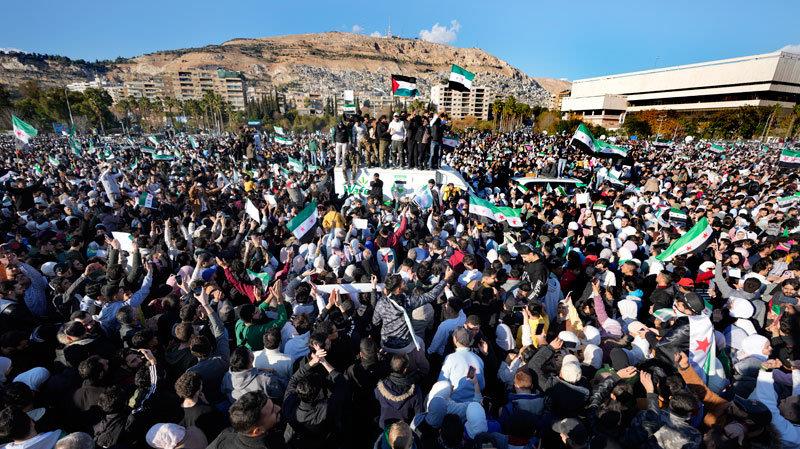
Kim Myongsung’s Inside North Korea· North Korea Silent on Syrian Collapse, Highlights South Korea's Martial Law and Impeachment· North Korea May Escalate Anti-Government Campaigns in South Korea· North Koreans Struggle Amid Severe Currency Devaluation: 1 USD Hits 30,000 KPWKim Myong-sungSecretary General of the SAND InstituteNorth Korea Silent on Syrian Collapse, Highlights South Korea's Martial Law and ImpeachmentThe Assad regime, which ruled Syria with authoritarian control for 53 years, collapsed on December 8th, 2024. Despite this significant event, North Korean media has remained silent for over ten days. Reports suggest that North Korea has also withdrawn its embassy staff from Syria following Assad's ousting.North Korea and Syria shared a close relationship based on anti-American and anti-Western sentiments, maintaining diplomatic ties since 1966. However, with Assad’s removal by rebel forces, marking the end of a five-decade dictatorship, North Korea has reportedly initiated an urgent withdrawal of its embassy personnel.The bond between the two nations was evident, with landmarks such as Kim Il-sung Park in Damascus symbolizing their relationship. Leaders Kim Jong-un and Bashar al-Assad frequently exchanged congratulatory messages to commemorate important events, with 34 such exchanges occurring between 2022 and early 2023.Analysts believe the frequent correspondence between the two leaders was driven by both mutual friendship and arms trade. Syria served as one of North Korea’s exclusive diplomatic partners, refusing to establish ties with South Korea. North Korea used Syria as a conduit for arms sales to neighboring regions, with its weapons experts reportedly involved in building factories and providing technical consultations there. A 2019 UN report confirmed North Korea’s arms trade activities with Syria, extending to the Middle East and Africa.The collapse of Assad’s regime is a significant blow to North Korea's Middle Eastern policy, leaving it without a key ally in the region. Furthermore, the fall of the regime deeply dependent on Russian support likely rattles North Korea’s leadership, which also leans heavily on Russia. This could explain why Pyongyang has chosen to withhold news of Assad’s downfall from its citizens.In contrast, North Korean media has actively reported on South Korea's internal political issues, including martial law declarations and impeachment. After an initial eight-day silence, coverage on these topics began on December 11 and continued on the 12th.Coverage included details of President Yoon Suk-yeol being named a suspect in a treason investigation and placed under a travel ban, as well as the detention of former Defense Minister Kim Yong-hyun. On the 16th, the media also reported the passage of the impeachment motion against Yoon. Experts believe this coverage is intended to diminish any positive perceptions North Korean citizens may hold about South Korea while strengthening loyalty to their own regime.North Korea May Escalate Anti-Government Campaigns in South KoreaRecent analyses indicate that North Korea is likely to mobilize its intelligence agencies to fuel anti-government sentiment in South Korea, particularly in relation to President Yoon’s impeachment.A report by the Institute for National Security Strategy (INSS), titled "2024 Political Analysis and 2025 Outlook" predicts that North Korea will maintain its hostile stance toward South Korea, escalating military provocations and covert operations.The report highlights North Korea’s plans for military drills targeting South Korean government facilities, including the Yongsan Presidential Office, while operationalizing advanced rocket launchers and strategic weapons.The INSS predicts that during the Workers' Party of Korea’s upcoming plenary meeting, North Korea will reaffirm its adversarial stance toward South Korea, likely warning that any engagement with the South could provoke nuclear retaliation, justified as protecting the regime’s "supreme dignity."While observing the second-term Donald Trump administration for potential changes in U.S.-North Korea relations, North Korea is expected to uphold its stance of excluding South Korea from diplomatic negotiations.The report also warns of an increased cyber threat, predicting that North Korea may ramp up attacks on South Korean institutions, government figures, and defense contractors. Led by the Reconnaissance General Bureau, these attacks could extend to cyber-terrorism targeting South Korea’s legislature, financial organizations, and other critical sectors.North Korea may also expand its intelligence activities abroad, focusing on South Korean nationals in China's northeastern provinces and Russia’s Primorsky Krai. Efforts to bolster pro-North Korean groups for anti-government protests in South Korea are also anticipated.The report highlights the need for strong countermeasures against North Korea's provocations, urging collaboration between the Ministry of State Security, Reconnaissance General Bureau, and Enemy Operations Bureau.North Koreans Struggle Amid Severe Currency Devaluation: 1 USD Hits 30,000 KPW The North Korean won has lost three-quarters of its value since the start of the year, triggering widespread panic among citizens. The exchange rate soared from 8,000 KPW per USD in October to 32,000 KPW per USD by late November, deepening economic instability and public unrest.Experts attribute the crisis to a surge in foreign currency demand following the reopening of borders post-COVID-19. The situation has worsened due to rumors of a currency exchange and war preparations announced in October, increasing tension, market instability, and exchange rates. North Korean authorities' strict control over the exchange rate, including recent crackdowns on money changers, has also contributed to the instability.Criticism within North Korea highlights the adverse effects of the government’s anti-market policies on the economy. Sources report that judicial measures targeting market activity and individual money changers have stifled economic operations, leading to soaring prices and worsening living conditions.The ongoing currency instability, which began in the summer, briefly stabilized in September before spiraling again in October. Observers suggest this could be due to public distrust in the regime's policies, which restrict goods distribution outside government oversight.According to Choi Kyong-hui, president of the SAND Institute, North Korea’s economic woes stem from sanctions, pandemic repercussions, and impractical development policies like the forced return to socialist commerce, extensive apartment and rural housing projects, and the 20x10 Regional Development Policy. Choi emphasized that market-friendly reforms and structural economic changes are crucial to stabilizing the country’s economy.
24.12.20 -
 [NK Focus]
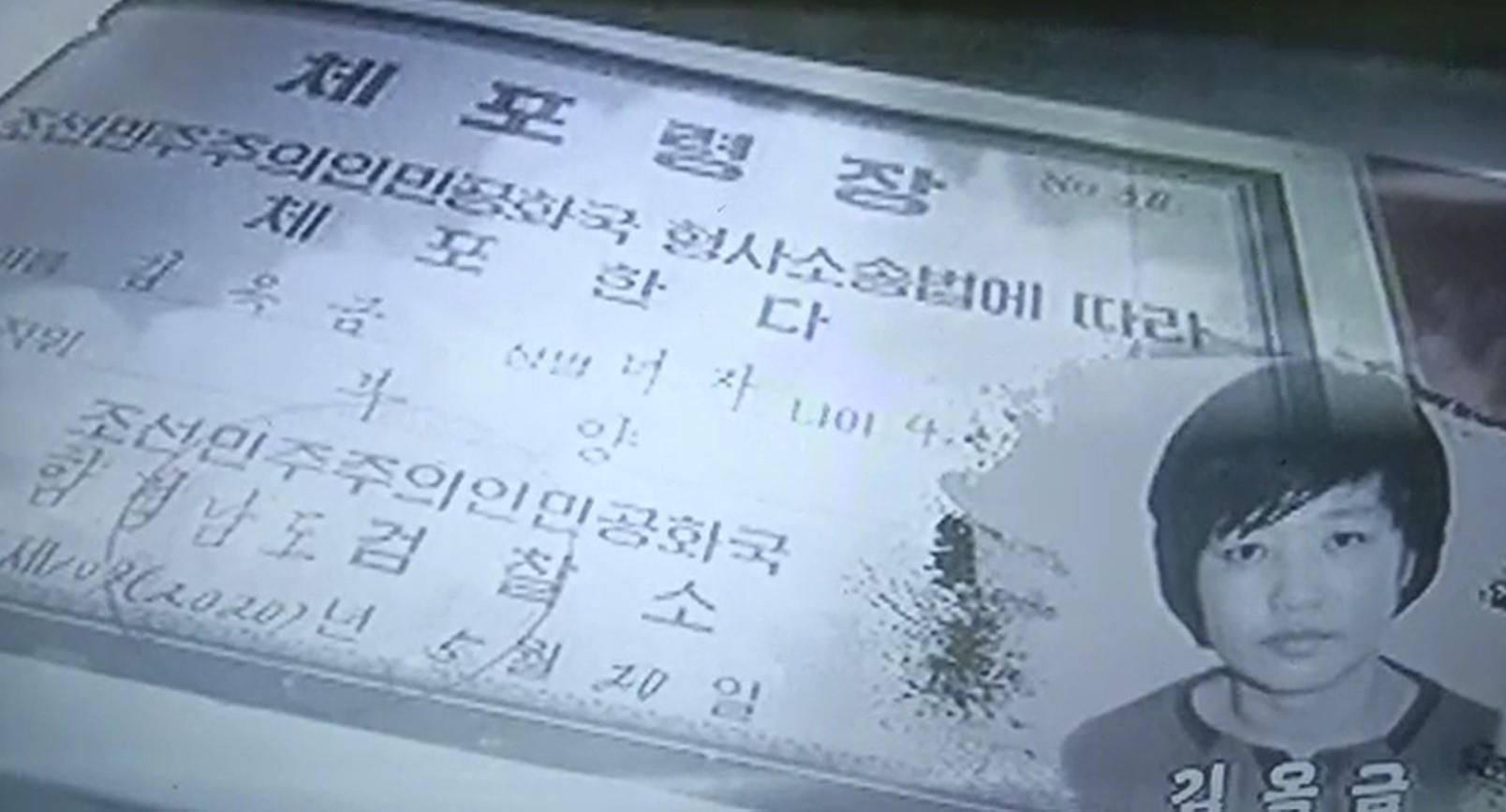
North Korean Woman Produces and Sells 4kg of Drugs at Home as Drug Crisis Reaches PyongyangSAND Institute English Newsletter TeamDrug use in North Korea has reached alarming levels, with a woman arrested for producing and selling 4kg of drugs from her home. This case underscores the nation’s drug crisis, now affecting even the capital, Pyongyang, as a societal issue rather than merely a criminal one. The SAND Institute Newsletter Team obtained videos from North Korean authorities (2021–2022) detailing drug production, trafficking, and use within the country.The video reveals that Kim Ok-geum, a housewife from South Hamgyong Province, was previously caught twice for drug production and trafficking. Despite lenient punishments and rehabilitation opportunities, she deepened her involvement in the trade. In 2018, she enlisted her husband, Seo Seong-il, to procure ingredients and produced over 500g of drugs in her home.Kim Ok-geum, a North Korean resident shown here, was issued an arrest warrant on May 20, 2020,for drug production, distribution, and use / SAND Institute Newsletter TeamNorth Korean judicial authorities reported that Kim obtained dozens of kilograms of raw drug materials from brokers like Sim Ho-yeol in over 20 transactions between 2017 and 2020. She used these supplies to produce more than 4kg of drugs, profiting from trafficking while also using the drugs herself.Her arrest warrant, issued by the South Hamgyong Prosecutor’s Office on May 20, 2020, and her photo, were featured in the video, which warned about the dangers of addiction and its irreversible consequences.The problem of drug use has also infiltrated Pyongyang, the nation’s capital. For example, Kim Myung-sook, a resident of Rangrang District, was caught manufacturing and distributing drugs in collaboration with accomplices, operating as part of an organized crime network. Kim and her group were found trafficking large quantities of drugs across the city. The video described this as a cautionary tale about greed and its devastating effects, stating, “Kim Myung-sook abandoned her conscience and family for personal gain, leading to the collapse of her home and life.”The spread of drugs is having widespread negative effects on North Korean society. Experts note that stimulants like methamphetamine have become alarmingly common, turning drug use into a routine issue. This surge is linked to economic hardship and sanctions, which have driven illegal production and trade, as well as an increasing reliance on drugs to escape stress and harsh living conditions.In regions like South Hamgyong, drug production has become an informal part of the economy, with residents manufacturing or selling drugs to make ends meet. This has further entrenched the drug trade in local communities, making it harder to eradicate.Defectors' testimonies reveal that North Korean elites and military officials are involved in the drug trade, using it to generate foreign currency amid economic struggles. Smuggling drugs, especially to neighboring China, has escalated the problem internationally.The rising number of drug addicts in North Korea has created a cascade of societal problems. Addiction negatively impacts individual health, contributes to domestic violence, increases crime rates, and reduces labor productivity. Family breakdowns are also common, with addicted parents neglecting children or causing harm within the household.Adolescents are particularly vulnerable, with many turning to drugs as an escape from their difficult circumstances. This trend poses a long-term threat to the country’s social stability.The government has intensified its efforts to crack down on drug crimes, labeling them a severe threat to society. However, with covertly organized distribution networks and potential involvement of high-ranking officials, full control remains elusive.In deflecting responsibility, the authorities blame external forces, particularly South Korea and the United States, accusing them of deliberately spreading drugs to destabilize North Korean society. State propaganda denounces drug crimes as anti-state acts aligning with foreign conspiracies.Choi Kyong-hui, president of SAND Institute, explained, “Drugs, once confined to a small elite, have now become widespread, permeating all levels of society. Without political reform and relief from economic hardship, eliminating drug-related crimes will remain an uphill battle.”
24.12.06 -
 [Kim Myongsung’s Inside North Korea]
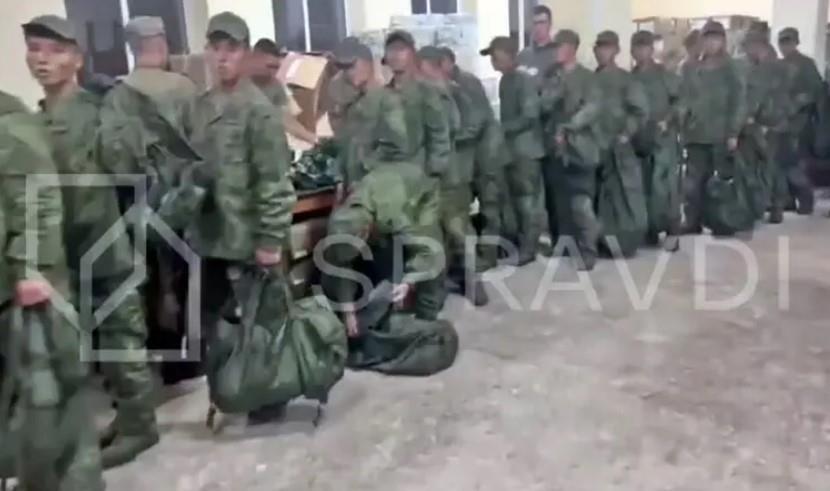
Kim Myongsung’s Inside North Korea· Notification of North Korean Soldiers' Deaths: Families Ordered Not to Mourn Publicly· Will North Korea Send More Troops? Russian Minister Requests Troops for Russia’s Victory Day Parade· 70% of North Korean Wigs Exported to China Produced Through Forced Labor in Concentration CampsKim Myong-sungSecretary General of the SAND InstituteNotification of North Korean Soldiers' Deaths: Families Ordered Not to Mourn PubliclyNorth Korean authorities have reportedly notified families of soldiers who died while deployed in Russia, instructing them not to express their grief publicly. This directive reflects the regime's efforts to suppress the internal spread of news about casualties among North Korean troops deployed in the ongoing Russia-Ukraine war, hinting at the regime's anxiety over potential unrest.On October 30, a source from Hyesan City, Ryanggang Province, reported that a resident, Mr. A, received a death notice for his son, a Storm Corps soldier since 2019, confirmed dead after five years of service. In North Korea, soldiers are buried near their unit's cemetery, and families typically receive death notices within a week, though travel restrictions often prevent them from attending funerals.Families of the deceased reportedly mourn quietly at home, restricted by government bans on wailing, reflecting the regime's oppressive control over emotional expression.The U.S. Department of Defense recently reported casualties among North Korean troops in Russia's Kursk region, likely from Ukrainian airstrikes. While numbers remain unclear, media confirm injuries and deaths, with North Korean soldiers primarily operating drones and mortars.International media and monitoring agencies are scrutinizing North Korea's military involvement in Russia amid concerns it may violate UN sanctions. The international community has warned of potential consequences for North Korea’s expanding military ties with Russia.The ban on public mourning appears aimed at preventing news of troop casualties from fueling dissatisfaction with the regime. Critics argue that this policy underscores the regime's brutal suppression of even private expressions of grief to maintain political cohesion.North Korea's troop deployments and military support to Russia appear to be efforts to gain economic aid and reduce international isolation. However, increasing soldier casualties could lead to domestic criticism, raising concerns about the war's legitimacy and inadequate compensation, potentially undermining the regime's stability.Will North Korea Send More Troops? Russian Minister Requests Troops for Russia’s Victory Day ParadeRussia’s Defense Minister recently met with Kim Jong-un, inviting North Korean military units to join the 80th-anniversary Victory Day parade in May 2025, marking Russia’s World War II victory. Kim expressed strong support for Russia's policies, noting the meeting would strengthen defense ties. This raises the possibility of more North Korean troops being deployed, with speculation that Kim may attend the parade's reviewing stand.North Korean leader Kim Jong-un watched the performance on the 29th with Russian Defense Minister Andrei Bellowsov,who visited North Korea, the Korean Central News Agency reported on the 30th.According to the Russian news agency Tass, Defense Minister Andrey Belousov met Kim Jong-un on October 29, stating he was awaiting a favorable decision on North Korean troop participation in the parade. Historically, Russia has hosted Victory Day celebrations each May in Moscow’s Red Square, with next year’s event marking a major milestone—the 80th anniversary. North Korean involvement in such a significant event could have far-reaching implications.Speculation suggests Kim Jong-un might personally lead participating units to Russia, with North Korean troops, possibly from the elite Storm Corps, performing under his supervision. Additionally, weapons supplied by North Korea, such as the KN-23 ("North Korean Iskander"), multiple rocket launchers, and suicide drones, may be featured in the event.Hints of additional troop deployments were further reinforced by remarks from Kim Jong-un. According to the Korean Central News Agency, Kim pledged that North Korea’s government, military, and citizens will unwaveringly support Russia’s efforts to safeguard sovereignty and territorial integrity against imperialist pressures.Both sides reportedly exchanged views on defense matters, reaching a mutual agreement. While details remain undisclosed, experts believe the talks likely involved further troop deployments, with Russia potentially offering advanced military technology or conventional weaponry in return.70% of North Korean Wigs Exported to China Produced Through Forced Labor in Concentration Camps A recent analysis reveals that approximately 70% of wigs exported to China—one of North Korea's major sources of foreign currency under international sanctions—are produced through forced labor by women held in concentration camps. On October 29, the Citizens' Alliance for North Korean Human Rights released a report, Global Supply Chains Fueling Slavery in North Korean Reeducation Camps, highlighting forced labor at Chongori Concentration Camp, which mainly detains repatriated female North Korean defectors.The report includes testimony from about 30 witnesses, including former North Korean prosecutors, police officers, Ministry of State Security agents, customs officials, and defectors once detained at Chongori Concentration Camp. Originally for male criminals, Chongori became a predominantly female camp around 2008, following a spike in repatriated defectors from China around the Beijing Olympics. The camp is said to house around 1,000 women annually and operate approximately 10 production units.Getty Images BankThe report states, "Raw materials from China are processed into wigs through forced labor in these camps," adding, "The finished products are labeled 'Made in China' via China's offshore processing trade system, allowing them to evade sanctions and enter global markets." With average work hours and production rates, it’s estimated that detainees at Chongori produce around 9,000 wigs annually. According to China’s General Administration of Customs, Chongori accounted for 42% of North Korea’s wig exports to China in 2020 and 71% in 2021.The report estimates that wig exports tied to forced labor generated about $1.23 million (17.1 billion KRW) in revenue for the North Korean regime between 2016 and August 2024. It also emphasizes that the targeted arrest, repatriation, detention, and forced labor of North Korean women, coordinated by North Korea and China for economic gain, resemble slave trade and state-sponsored human trafficking.
24.12.06 -
 [Analysis of issues]
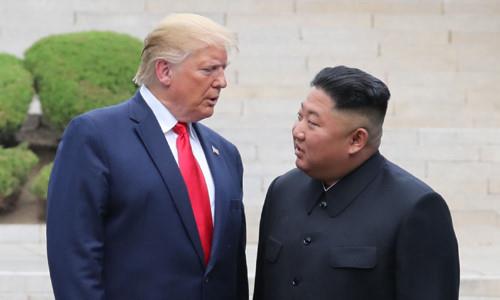
U.S.-North Korea Relations During Donald Trump's Second Term:Assessment and Prospects Hwang JihwanProfessor, University of SeoulThe Return of the ‘America First’ Policy Toward North KoreaDonald Trump has returned. As the Joe Biden administration took a passive approach to North Korea, some hold high hopes for a fresh policy under Trump. However, to state it plainly, such optimism may amount to nothing more than wishful thinking. Biden largely adhered to Barack Obama’s “Strategic Patience” policy, which maintained that the U.S. would only engage actively if North Korea altered its behavior. While Biden characterized his policy as “calibrated and practical,” he offered no clear roadmap or actionable plan. The rapidly shifting international landscape, including Russia’s invasion of Ukraine in February 2022 and Hamas’ attack on Israel in October 2023, further diminished Biden’s ability to prioritize North Korea. Even if Trump’s return ushers in shifts in Ukraine or the Middle East, it is uncertain whether U.S.-North Korea relations will see any meaningful breakthroughs.During Trump’s first term, his approach to North Korea differed significantly, driven by his “America First” foreign policy. Trump framed U.S. interests in transactional terms, focusing on costs and benefits over democracy or normative values.Trump and Kim Jong Un Meet at Panmunjom in June 2019In his 2018 speech at the UN General Assembly, Trump stressed “principled realism,” declaring that the U.S. would not be bound by “old dogmas” or “discredited ideologies.” This signaled that Trump was open to improving relations with North Korea if it aligned with his interpretation of U.S. interests. His remarks at the 2018 North Korea–United States Singapore Summit further underscored this approach: “The past does not have to define the future. Yesterday’s conflict does not have to be tomorrow’s war. And as history has proven, adversaries can indeed become friends.”Despite these ambitions, Trump’s efforts with North Korea yielded no tangible results. Meetings with Kim Jong-un in Singapore and Hanoi failed to produce substantive outcomes, as North Korea fell short of meeting the expectations tied to Trump’s vision of U.S. interests. As Trump re-enters the White House, he is likely to focus first on domestic issues like the economy and immigration. In foreign affairs, his initial priority will probably be ending the conflicts in Ukraine and Gaza to reshape the global order. Only after progress in these areas might he consider a summit with Kim Jong-un. Even then, it remains uncertain whether Kim would engage with Trump in the same manner as before. Thus, the hope for improved U.S.-North Korea relations during Trump’s second term appears to be more wishful thinking than a realistic expectation.Kim Jong-un Is Not Ready to Talk with Trump, YetThe obstacles to progress in U.S.-North Korea relations during Trump’s second term are not limited to the American side; North Korea also plays a key role. Trump has repeatedly expressed willingness to hold another summit with Kim Jong-un, even appointing Alex Wong—who worked on Trump-Kim summits during his first term—as Deputy National Security Advisor. Yet, Kim firmly rejected these overtures, criticizing the U.S.’s hostile stance and asserting, “We have exhausted all avenues for negotiation with the U.S.”Kim’s stance remains rooted in the aftermath of the failed Hanoi summit in February 2019. After conducting a sixth nuclear test and launching the Hwasong-15 ICBM, Kim declared North Korea’s nuclear deterrence capability complete in November 2017. This appears to have been a move to negotiate with Trump in hopes of securing strategic concessions.However, the collapse of the Hanoi talks led Kim to abandon hopes of diplomatic engagement, opting instead for a “head-on breakthrough” strategy. At the 8th Congress of the Workers’ Party of Korea in January 2021, Kim committed to advancing North Korea’s nuclear capabilities—a pursuit that continues aggressively. Without renewed confidence in its nuclear and missile programs, Kim is unlikely to reopen negotiations with Trump.Kim’s perception of the global order has also changed drastically since 2018. With the intensification of U.S.-China rivalry and Russia’s invasion of Ukraine, North Korea views the world as entering a new cold war and shifting toward a multipolar system.Kim believes this evolving dynamic will enhance North Korea’s security environment. To this end, he has actively supported Russia in the Ukraine war, signing a “Treaty on Comprehensive Strategic Partnership” with Russia in June, which includes provisions for military aid, and even deploying troops to assist Russia. Given this context, North Korea is expected to prioritize strengthening its alliances with Russia and China over pursuing improved ties with the U.S.ConclusionManaging North Korea issues in Trump’s second term will be a significant challenge. While his approach might shift, any changes—similar to the unexpected Trump-Kim summits—are likely to be unpredictable, leaving meaningful progress uncertain.
24.12.06 -
 [Kim Myongsung’s Inside North Korea]
Kim Myongsung’s Inside North Korea· Kim Jong-un, Backed by Vladimir Putin, Challenges Donald Trump: "Strengthening Nuclear Power is Irreversible"· Kim Jong-un Oversees Tests of "Suicide Drones," Orders Mass Production· 10,000 North Korean Troops Deployed to Russia: Annual Earnings Could Reach $1.3 BillionKim Myong-sungSecretary General of the SAND InstituteKim Jong-un, Backed by Vladimir Putin, Challenges Donald Trump: "Strengthening Nuclear Power is Irreversible"Kim Jong-un delivering a speech at the North Korean Army Battalion Commanders and Political Instructors Conference on the 15th./ Korean Central News AgencyJust ten days after Donald Trump’s election victory, North Korean leader Kim Jong-un declared that “the policy of strengthening nuclear power has long become an irreversible course for us.” The statement underscored North Korea’s unwavering commitment to its nuclear arsenal and signaled that any future negotiations with the United States would likely focus on arms reduction rather than denuclearization.According to KCNA, Kim Jong-un stated in a November 15 speech at the Battalion Commanders and Political Instructors Conference that “the remaining task is to ensure our nuclear power is fully operational at any moment, fulfilling its role as a war deterrent and second mission.” He emphasized ongoing efforts to strengthen national defense, with "war deterrence and secondary mission" since 2022 referring to the practical use of nuclear weapons, including preemptive strikes.Kim Jong-un criticized the United States following the presidential election, claiming that trilateral military cooperation with South Korea and Japan destabilizes regional peace. He warned that the U.S.-led alliance is expanding into Europe and the Asia-Pacific, posing an increasing threat.Kim's speech was heavily focused on war preparations, with the word "war" mentioned 37 times and "war preparations" 7 times. He stated, "All levels of our military must fully dedicate their activities to war preparations and strive for their swift completion. Given the current circumstances, completing war readiness is an urgent task that cannot be delayed even for a single day.“While Kim Jong-un refrained from commenting on North Korea’s involvement in Russia’s military operations, he accused the U.S. and the West of using the Ukraine conflict to expand global military intervention. He described the situation as a deliberate effort to enhance real combat experience and warned of escalating risks that could lead to a third world war. Kim placed the responsibility for this growing tension squarely on the U.S. and its allies.North Korea's focus on strengthening its nuclear capabilities and prioritizing war readiness after the U.S. election is believed to be heavily supported by Russia. On November 11, Kim Jong-un ratified the "Treaty on Comprehensive Strategic Partnership," a pact considered a de facto military alliance with Russia. The treaty, swiftly approved two days after Vladimir Putin’s ratification, is expected to formalize deeper military collaboration, including North Korean troop participation in combat and cooperation on nuclear and missile technology.North Korea’s provocations are also viewed as a calculated move to "raise its stakes" before Donald Trump’s North Korea policy is fully formed. With support from Russia, the regime aims to secure a prominent position in Trump’s foreign policy agenda.Kim Jong-un Oversees Tests of "Suicide Drones," Orders Mass ProductionKim Jong-un oversaw performance tests of North Korea’s self-produced suicide drones and ordered their mass production. Footage of drones striking targets suggests the program has moved from research to production.State media KCNA reported on November 15 that Kim Jong-un supervised tests of suicide drones developed by research institutions and companies affiliated with the Unmanned Aerial Vehicle Technology Consortium.On November 15, North Korean state media reported that Kim Jong-un inspected various domestically produced drones./ Korean Central News AgencyKCNA detailed that during the tests, the drones followed tactically predetermined flight paths over varying distances to strike their targets with precision. Kim emphasized the global race to incorporate drones as key military tools, noting, "The competition to utilize drones as a primary military resource is accelerating worldwide. Their low production costs and simplified manufacturing processes make them an increasingly feasible option for enhancing strike power in new domains." He added that drones had proven their effectiveness in conflicts of all sizes and described their use as an essential emerging demand in modern warfare.Kim also remarked, "We have the capacity and potential to produce and deploy various types of drones. Moving forward, we will explore the integration of innovative and promising tactical methodologies that align with the demands of modern warfare.“In a display of their capabilities, North Korea released footage of a drone striking and exploding on a target resembling a BMW sedan, suggesting its potential use for high-profile assassinations in South Korea. Additional images showed white-painted drones launching or striking targets, as well as Kim issuing directives while standing beside drones arranged on the ground. Filtered images revealed various drone designs, including manta ray-shaped wings, cross-shaped wings, and shorter cylindrical models.The Unmanned Aerial Vehicle Technology Consortium, which Kim visited, is a relatively unknown entity in North Korean media. The Rodong Sinmun praised the organization for achieving "remarkable progress in implementing directives issued by the Central Committee of the Workers' Party of Korea.“In August, Kim visited the State Academy of Defense Sciences' drone research institute to observe tests of "various drones." It is believed that North Korea’s establishment of specialized drone research institutes and enterprises signifies a transition from development to mass production, showcasing its advancing unmanned aerial technology.10,000 North Korean Troops Deployed to Russia: Annual Earnings Could Reach $1.3 Billion With 10,000 North Korean troops now sent to Russia to participate in the war in Ukraine, experts estimate that Pyongyang’s annual earnings from this deployment could range from $320 million to $1.34 billion (445.1 billion to 1.86 trillion KRW), depending on how the troops are utilized.In the report “Mercenaries or Allied Forces: Gains and Losses of North Korean Troop Deployment to Russia,” Lim Soo-ho, a senior research fellow at the Institute for National Security Strategy (INSS), examined the economic, strategic, and political implications of deploying 10,000 North Korean soldiers.The report categorizes the nature of North Korea’s involvement into two types: operating as mercenaries under Russian command or serving as formal allied forces. The pay structure differs significantly based on the chosen arrangement.Foreign mercenaries in the Russian military earn $2,000–$3,000 per month, plus a $2,000 enlistment bonus. If North Korean troops follow this model, annual earnings could total $320 million, excluding indirect costs like troop management or domestic military compensation, which Russia is unlikely to fund.If North Korean soldiers serve as allied forces, their earnings could mirror South Korea’s model during the Vietnam War, where troops earned $6,384 annually in today’s terms. In contrast, North Korean mercenaries’ estimated annual income of $32,000 is five times higher. Allied participation could also include additional indirect compensation, as in the Vietnam War, where it was 3.2 times the direct pay. Under this framework, North Korean troops could earn $134,000 each annually, totaling $1.34 billion for the regime.A video shared on Telegram by Ukrainian journalist Andriy Tsaplienko on November 5 shows allegedNorth Korean soldiers, captioned, "First video of North Korean troops in the Kursk region." / TelegramLim explained, “North Korea’s decision on how to participate is likely to be driven more by strategic considerations than financial ones. They may lean toward acting as formal allies, whereas Russia would likely prefer the mercenary arrangement to avoid extra financial and logistical burdens.”The report suggests North Korea's main goal is securing military and technological aid from Russia, not just foreign currency. Projected income aligns with current revenues, such as $320 million from cryptocurrency theft, $270 million from overseas workers, and $550 million from illegal coal exports. However, Russian military aid may hold greater long-term value.
24.11.22 -
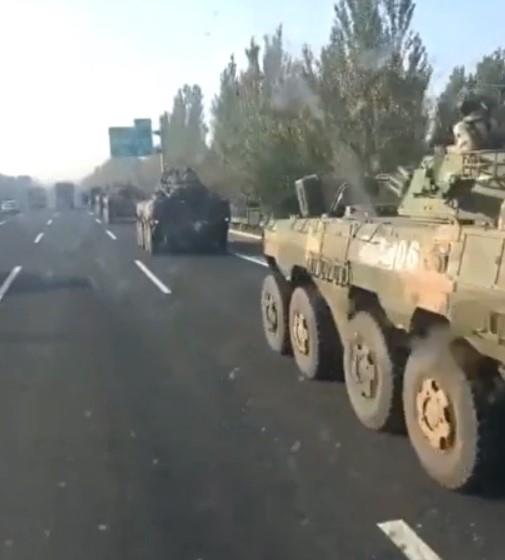 [NK Focus]
People's Liberation Army (PLA) Armored Units Moving to the China-North Korea Border: A Warning to North Korea?SAND Newsletter TeamRecent movements of PLA armored units toward the China-North Korea border have drawn significant attention. These maneuvers occurred just three days after South Korea’s National Intelligence Service (NIS) confirmed on the 18th of last month that North Korea had dispatched special forces to Russia. Analysts suggest this may be China’s way of warning Pyongyang against its troop deployment. A video obtained by the SAND Newsletter Team shows dozens of PLA armored vehicles traveling in a convoy on the Shenyang-Dandong Expressway toward the border on the afternoon of the 22nd. The convoy included military trucks and Chinese Humvee-style vehicles, likely serving as command units. Reports indicate these vehicles belong to the 80th Group Army, a rapid-response force under the Northern Theater Command (NTC), which oversees northeastern China. The source who filmed the video estimated the convoy included several dozen to potentially hundreds of vehicles. “It’s unusual to see such a large number of armored units moving toward the China-North Korea border,” the source noted. This deployment from the Shenyang Military Region came shortly after the NIS reported that 1,500 North Korean special forces had been sent to Russia, with an additional 10,000 expected to follow. Analysts believe this reflects China’s concerns about the regional impact of North Korea’s military involvement in Russia. While Beijing has not officially commented, the PLA’s border deployment is seen as a calculated warning to Pyongyang. The Chinese Ministry of Foreign Affairs has continued to stress dialogue and peace while urging parties to address the root causes of tensions on the Korean Peninsula. This cautious stance indicates a subtle shift in Beijing’s attitude toward Pyongyang, highlighting growing concerns about its actions.On October 22, PLA armored units under the NTC were seen advancing towardthe China-North Korea border region. / SAND Newsletter TeamChina has historically responded to North Korean provocations by mobilizing troops near the border. After North Korea’s third nuclear test in February 2013, China reinforced the area with PLA troops, upgraded surveillance, and conducted drills. For example, right after North Korea’s third nuclear test in February 2013, China sent PLA troops to the border, enhanced surveillance systems, and carried out drills in the area.Similarly, following North Korea's sixth nuclear test in 2017 and successive intercontinental ballistic missile (ICBM) launches, China increased its military preparedness. Troops from the Shenyang Military Region (now NTC) were dispatched to the border, and facilities were built to manage potential refugee inflows. In Jilin Province, authorities even instructed residents on handling radioactive contamination, heightening the sense of tension.China’s border military activity serves multiple strategic purposes: ensuring regional stability, discouraging North Korea from actions against Beijing’s interests, signaling involvement in regional issues to global powers, and preparing for potential refugee crises. This response underscores China’s complex security interests with North Korea, extending beyond their alliance. Jiang Longfan, Director of the National Area Studies Institute at Tianjin Foreign Studies University, stated, “China must prevent regional conflict stemming from North Korea’s nuclear provocations and closer ties with Russia. Managing Pyongyang’s unpredictable actions while cooperating with the U.S. and South Korea on nuclear issues will be crucial.”
24.11.22 -
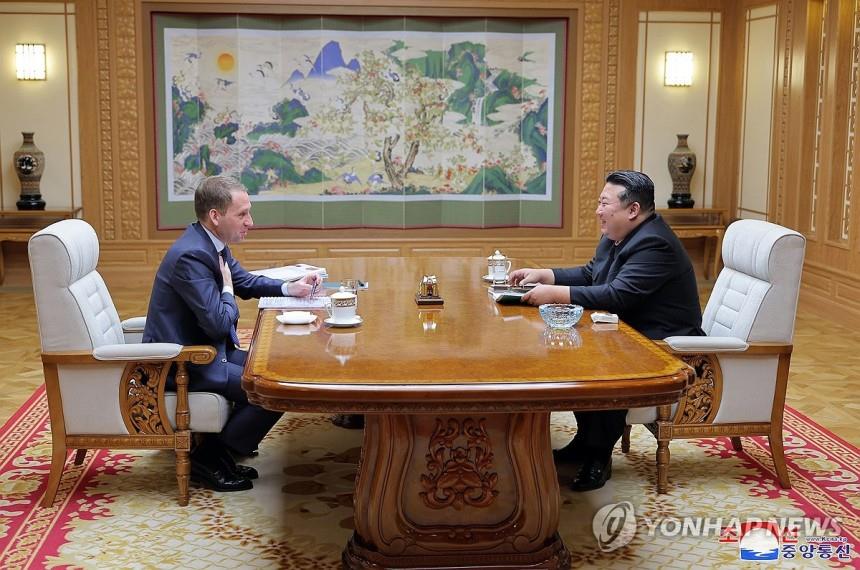 [Analysis of issues]
North Korea’s Economic Impact and Sanctions: Analysis and Outlook Amid Strengthened Ties with Russia Choi Jang-hoResearcher at Korea Institute for International Economic Policy (KIEP)On June 19, 2024, Russian President Vladimir Putin visited Pyongyang for a North Korea-Russia summit. This was his first visit in 24 years, following a meeting with North Korean leader Kim Jong-un at Russia’s Vostochny Cosmodrome in September 2023. The summit was symbolic for both nations as they signed a Comprehensive Strategic Partnership Agreement. This agreement elevated their ties from traditional friendship to a near-alliance, emphasizing broad, long-term cooperation, including military collaboration, on equal terms. Diplomatically, this signifies Russia’s recognition of North Korea as a strategic partner, broadening the scope of bilateral collaboration.In October 2024, South Korea’s National Intelligence Service confirmed that North Korea had deployed troops to Russia. The motivations behind this deployment are debated, with prominent interpretations including earning foreign currency, gaining military experience, and acquiring Russian technology. Among these interpretations, I align with the perspective that the troop deployment will help secure lasting North Korea-Russia relations even after the Russia-Ukraine war. For North Korea, lessening reliance on China is vital, and this move serves as a safeguard to uphold ties with Russia post-war.The recent foundation of North Korea-Russia relations revolves around two consecutive summits, the Comprehensive Strategic Partnership Agreement, and troop deployments. Supporting these efforts are economic initiatives like promoting Russian tourism to North Korea, expanding trade, and sending North Korean workers (e.g., Siberian loggers, urban laborers). Socio-cultural collaborations, such as high-level exchanges and cultural or sports events, are also underway. However, compared to their military and security cooperation, economic and cultural ties remain limited.North Korean leader Kim Jong-un met with Natural Resources Minister Aleksandr Kozlov, head of the Russian government delegation, on the 18th to attend the 11th meeting of the North Korea-Russia Trade, Economy, and Science and Technology Cooperation Committee, the Korean Central News Agency reported on the 19th.North Korea and Russia are in a position where collaboration has become unavoidable, driven by the extended sanctions on North Korea and the prolonged Ukraine war. For North Korea, which has endured over eight years of stringent UN sanctions, active international economic partnerships are crucial to achieve even partial relief. Additionally, as a regime that prioritizes stability and sovereignty, North Korea likely sees ample justification in backing Russia’s war efforts and foreign policies.North Korea's push to shape a multipolar world order as a counterbalance to hegemonic powers opens new economic and diplomatic opportunities, helping it overcome past geopolitical constraints and boosting its global strategic importance. Meanwhile, Russia’s willingness to collaborate offers North Korea a chance to revive or initiate foreign economic projects, aligning with its need to strengthen and elevate ties with Moscow.Russia’s ongoing war in Ukraine has increased its need for military supplies, with stronger ties to North Korea enhancing its geopolitical leverage. Key motivations include expanding logistics networks in the Far East, securing North Korea’s support for a multipolar global order, and strengthening its influence in the region. To sustain this relationship, Russia is likely to meet some of North Korea’s economic demands, at least while the war continues. However, North Korea is concerned that the partnership could weaken after the conflict ends. To ensure long-term stability, North Korea seeks to pair military cooperation with robust economic collaboration, reinforcing its ties with Russia.The strengthening of North Korea-Russia ties has unexpectedly strained North Korea’s relationship with China, particularly in informal areas rather than official diplomatic channels. China has stepped up enforcement against smuggling activities involving North Korea and has declined to extend visas for North Korean workers. North Korea is uneasy about this decline in relations, as China accounts for over 95% of its total trade. In 2019, nearly 300,000 Chinese tourists visited North Korea, and estimates indicate there are currently between 50,000 and 100,000 North Korean workers in China. Strengthened ties with Russia have unintentionally created subtle tensions with China, leading to economic drawbacks for North Korea rather than advantages.North Korea and Russia lack sufficient infrastructure for significant economic cooperation, keeping their trade minimal. In 2023, North Korea-China trade reached $2.8 billion, while North Korea-Russia trade was just $34.4 million. From February to September 2024, only 600 Russian tourists visited North Korea, and estimates suggest 2,000 to 3,000 North Korean workers currently reside in Russia.From a numerical standpoint, the economic benefits of closer North Korea-Russia ties remain modest. Their relationship is largely centered on military and security cooperation, with economic collaboration playing a secondary, supporting role. Despite several agreements to expand economic ties, substantial investments from the Russian government or private companies have yet to materialize.North Korea-Russia economic cooperation follows a dual-structure system, with decisions made in Moscow and Pyongyang, while local governments like Primorsky Krai (Vladivostok) and Rason City handle project implementation. However, poor financial conditions in these regions have hindered smooth execution of economic projects. The most viable area for growth is the dispatch of North Korean laborers to Russia, but progress has been minimal. Currently, closer ties between the two countries have not translated into significant economic benefits for North Korea. While there is potential for future expansion, its realization remains uncertain, and historical trends suggest that, apart from labor collaboration, the chances of substantial growth are low.North Korea’s arms exports to Russia have boosted its steel industry, significantly increasing imports of cokes (fuel for steel production). Annual imports rose from 28,887 tons in 2018–2019 to 34,078 tons in 2023, and 29,661 tons between January and September 2024, surpassing levels during peak UN sanctions. However, this growth is limited to the steel sector and has not impacted the broader economy. North Korea remains focused on construction projects like the "20x10 Regional Development" policy and rural housing, while sectors such as chemicals and light manufacturing continue to struggle.Strengthened North Korea-Russia cooperation could pose a challenge to UN sanctions. Russia is expected to provide advanced technologies to North Korea in areas such as space systems, missiles, fighter jets, and submarines. The transfer of satellite launch stabilization technology or military reconnaissance satellite systems could violate sanctions against the development of ICBM technologies. Similarly, the sharing of submarine technology risks breaching SLBM-related restrictions.Economically, however, the closer ties between North Korea and Russia have not yet significantly undermined the UN sanctions framework. North Korea’s conventional arms exports to Russia are estimated to generate around $250 million annually, but this is insufficient to make a substantial economic difference. Additionally, North Korea-Russia trade and tourism have seen little growth, and the economic strain caused by deteriorating North Korea-China relations in 2024 appears to outweigh the benefits of closer ties with Russia.Despite these limitations, concerns remain about the potential long-term implications of North Korea’s deployment of troops to Russia. This move could signal a deeper phase in their relationship, possibly paving the way for future economic cooperation. While the need and justification for such collaboration are evident, current conditions make substantial progress difficult. However, if Russia’s government and businesses initiate meaningful investments following this deployment, their economic partnership could grow rapidly, potentially weakening UN sanctions. Though economic ties remain modest for now, the potential for significant growth remains, provided structural challenges are addressed.
24.11.22 -
 [NK Focus]
North Korean Doctor, Inspired by Hallyu, Forms Anti-Regime Groupand Recruits Followers to Spread Religion and South Korean CultureSAND Institute Newsletter TeamA report reveals that a North Korean doctor, inspired by Hallyu (the Korean Wave), pledged in blood to form an anti-regime group, involving other people to spread religion and cultural beliefs. Analysts suggest that Hallyu's spread is shifting public consciousness and fueling anti-regime sentiment, which may explain Kim Jong-un's recent push for the "Two Korea Policy" to curb its influence.Dr. Choi and other dissidents featured in North Korean educational video / SAND Institute English Newsletter TeamAn internal North Korean educational video obtained by the SAND Team features a speaker discussing Dr. Choi: “A doctor named Choi appeared to have experienced a shift in beliefs after exposure to religion, culture, and Hallyu from various sources. Despite being raised under the Party’s care, he gradually succumbed to ideological corruption through religion, superstition, and secretly watching banned media, which led him to develop ambitions to oppose our system.”It appears that Dr. Choi reportedly used his position as a physician to promote religion and superstition to his patients, even encouraging them to listen to South Korean broadcasts.The video claims, “Choi, acting cunningly, would say that one way to cure illness was to believe in superstition. He subtly encouraged people to adopt religious beliefs and listen to enemy broadcasts.”The video also stated that “Dr. Choi outwardly presented himself as a devoted doctor while secretly gathering followers to form an anti-socialist group.” It further claimed, “These individuals were so committed to their cause that they even drew their own blood to write oaths, driven by ambitions to overthrow our system.”There is also evidence of religious and superstitious teachings being spread within North Korea. The video features Dr. Choi instructing his followers, “If you can make people believe in our religion and superstition, they will heed the words of God or spirits over those of the Workers’ Party.”The video also suggests that their proselytizing activities extended to their wives. “Choi and other dissidents even involved their wives, who roamed the border areas, bringing in and spreading subversive materials promoting religion and superstition,” it claims.The underground network reportedly distributed religious books and superstition-related videos throughout North Korea. This suggests that Hallyu is not only shaping public awareness but also fostering the rise of anti-regime intellectuals.
24.11.08
News Letter
We are leading the global communication via Newsletter.
We will deliver the latest information and proven facts on Korean Peninsula status including North Korea situation.