

-
 [Kim Myung-sung’s Inside North Korea]
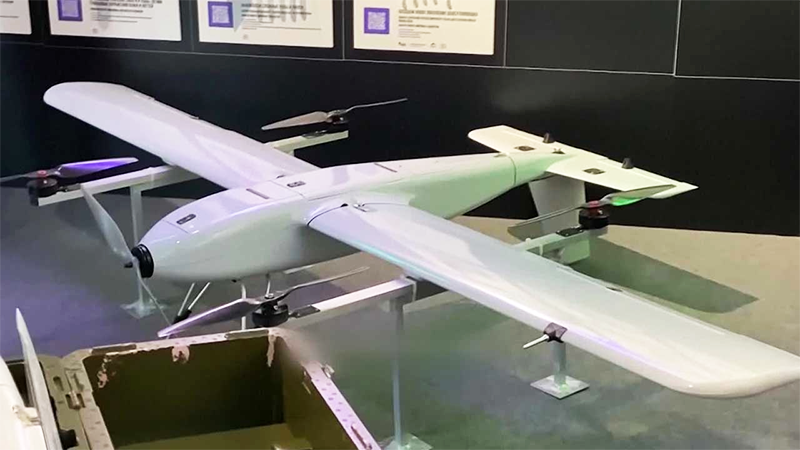
Kim Myungsung⦁ Kim Jong-un Returns from Russia with ‘Suicide’ Drones⦁ North Korean 5-star General Bows Before Kim Jong-un's 11-year-old Daughter, Kim Ju-ae—Preparations for Fourth-Generation Succession?⦁ Amidst North Korean People's Hunger, Kim Yo-jong Flaunts 10 Million KRW Luxury BagKim Jong-un Returns from Russia with ‘Suicide’ DronesNorth Korea's leader, Kim Jong-un, has concluded his visit to Russia, returning home with a surprising gift: lethal drones. These drones were presented to him during his visit. On the final day of his trip, Kim Jong-un, guided by Oleg Kozhemyako, the governor of Primorsky Krai, explored a weapons exhibition where he was introduced to Russian-made drones and bulletproof vests. According to reports from TASS Russian News Agency and other sources, Governor Kozhemyako gifted Kim Jong-un with six drones, a drone control system, and bulletproof vests. <Photo> Oleg Kozhemyako, the Governor of Russia's Primorsky Krai, shared this photo on his social media / Telegram from Governor Oleg KozhemyakoOf the six drones, five were suicide drones, and one was a reconnaissance drone equipped with vertical takeoff and landing capabilities. All of them were manufactured in Primorsky Krai. However, this generous gift from Russia has raised concerns. Critics argue that it violates United Nations Security Council Resolution 2397, enacted in 2017, which prohibits the export of all industrial machinery to North Korea. Additionally, the quantity of these drones may also run afoul of United Nations Resolution 1718, which specifically prohibits North Korea from importing items that have the potential to directly enhance their military capabilities.South Korea's Ministry of Foreign Affairs has expressed its concerns, suggesting that Russia's drone provision could potentially violate United Nations Security Council sanctions against North Korea. North Korea has been actively using drones and unmanned aerial vehicles as provocative tools, as evidenced by the incursion of five drones into the airspace of South Korea's capital region last December. During a military parade in July, North Korea unveiled models reminiscent of the US's high-altitude UAVs, the RQ-4 Global Hawk and MQ-9 Reaper, under the names 'Satbyeol-4' and 'Satbyeol-9', respectively.North Korean 5-star General Bows Before Kim Jong-un's 11-year-old Daughter, Kim Ju-ae - Preparations for Fourth-Generation Succession?A remarkable scene unfolded at the military parade celebrating the 75th anniversary of North Korea's regime. Pak Jong-chon, the military political director, was captured on camera, kneeling and engaging in conversation in front of Kim Ju-ae, the daughter of Chairman Kim Jong-un.<Photo> Pak Jong-chon, North Korea's Military Marshal and Director of Military Affairs for WPK, in conversation with Kim Jong-un's daughter, Kim Ju-ae, during the 75th-anniversary military parade. (Source: Korean Central Television)On the 9th, during the broadcasted recording of the military parade by Korean Central Television, viewers witnessed Pak Jong-chon, who holds the highest military rank, salute and exchange words with Kim Ju-ae from a special seating area.In recent times, Pak Jong-chon has accompanied Kim Jong-un on significant inspections, solidifying his position as a close military aide. With a rank equivalent to a five-star general, Pak Jong-chon holds the title of Marshal, which surpasses the rank of a general in the North Korean military. While he could have easily conversed with Kim Ju-ae from his seat, his act of kneeling was considered exceptional. Although there have been several instances of North Korean elites kneeling before Kim Jong-un, this marked the first time such a gesture was directed towards Kim Ju-ae.During the event, Kim Ju-ae's elevated status was evident. She sat beside Kim Jong-un at the military parade celebrating North Korea's regime establishment. This contrasted with the previous military parade in February, where she sat with her mother, Ri Sol-ju, and other party officials. The absence of the First Lady, Ri, emphasized Kim Ju-ae's prominent role. North Korean media referred to her as the "respected heir," sparking speculations about preparations for a fourth-generation succession.Amidst North Korean People's Hunger, Kim Yo-jong Flaunts 10 Million KRW Luxury BagAmidst the COVID-19 pandemic, which has left over 10 million North Korean residents struggling with starvation and malnutrition, a controversial issue has emerged: the elite's indulgence in luxury goods. High-ranking North Korean women, including Kim Yo-jong, Deputy Director of WPK, were seen carrying foreign luxury bags ranging from several hundred thousand to several million KRW during Kim Jong-un's visit to Russia.<Photo> Handbags Worn by Prominent North Korean Women at Recent North Korea-Russia Summit. Left to Right: Kim Jong-un's Sister, Kim Yo-jong, Deputy Director of WPK; Choe Son-hui, Foreign Minister; and Hyon Song-wol, Deputy Director of WPK. / NK NewsIn a recent photo from the Korean Central News Agency, the bag carried by Choe Son-hui, North Korea's Foreign Minister, was identified as a rare product from the high-end Italian brand, Gucci. This bag, made of ostrich leather and now discontinued, is currently trading on an Icelandic website for $10,000 (approximately 13.2 million KRW).Kim Yo-jong, Deputy Director of WPK, also drew attention when she was spotted carrying a black 'Lady Dior' handbag from the luxury brand Dior during Kim Jong-un's visit to a fighter jet factory. Made from calf leather, the bag is currently retailing on Dior's website for $7,000 (approximately 9.25 million KRW).Among the entourage, Hyon Song-wol, Deputy Director of the Propaganda and Agitation Department of WPK, was seen with what appeared to be a cheap Chinese-made bag, reportedly selling for $8 (around 10,000 KRW). It was unusual for Hyon Song-wol, known to be wealthier than Foreign Minister Choe Son-hui, to be seen with such an inexpensive bag. Recent behavior suggests she might be conscious of foreign media reports accusing her of privately accumulating foreign currency and taking bribes through the secretive operation of a trading company.Kim Jong-un himself has been spotted several times wearing a watch from the Swiss luxury brand IWC. His wife, Ri and daughter, Kim Ju-ae, have been seen with Dior handbags and outerwear. This display of opulence by North Korea's elite has sparked criticism, especially when so many of the country's residents are grappling with severe hardships.
23.09.22 -
 [Issue Brief]
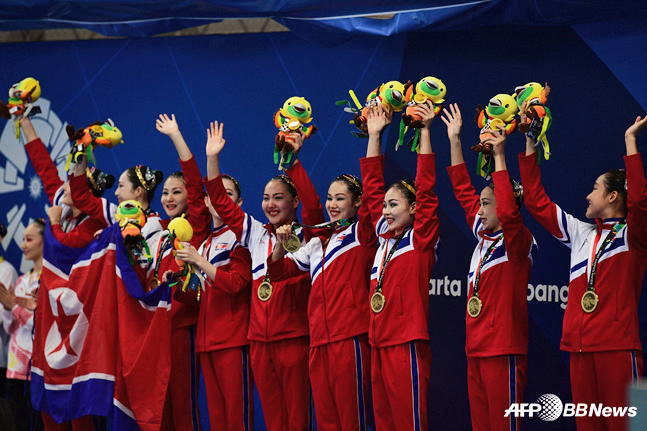
Fair Play: Ban North Korea, a Non-Compliant Anti-Doping Nation, from Asian GamesThe 19th Asian Games are scheduled to take place from September 23 to October 8, 2023, in Hangzhou, Zhejiang Province, China. This marks North Korea's return to the international sports stage after the COVID-19 pandemic-induced break. However, their participation has raised concerns about their compliance with anti-doping regulations. Criticism has emerged, questioning the decision to allow North Korea, a country in violation of anti-doping rules, to showcase its flag during the games.<Photo> The North Korean team at the XVIII Asian Games Jakarta-Palembang 2018 /AFPBBNews>According to the official Olympic Council of Asia website, North Korea has confirmed the participation of 191 athletes in the XIX Asian Games. The North Korean delegation arrived in China in multiple groups, with around 60 athletes traveling to Dandong, China, on the 15th and then flying to Hangzhou. On the 18th, another group of around 20 athletes boarded a bus from Sinŭiju to Dandong, China. It is expected that North Korea will send additional athletes using the same route before the games' opening. North Korea is reportedly competing in football (soccer), swimming, and dragon boat racing events.This marks North Korea's return to the international sports stage after closing its borders during the COVID-19 pandemic. Previously, North Korea refrained from participating in the Games of the XXXII Olympiad™ Tokyo 2020, citing 'COVID-19' as the reason. Consequently, the International Olympic Committee (IOC) suspended the National Olympic Committee (NOC) qualifications of North Korea until 2022, and their participation in the Olympic Winter Games Beijing 2022 was canceled. However, this year, with the suspension lifted and North Korea's active interest in participating, they expressed their intent to join.Nevertheless, North Korea's participation in the Asian Games has been receiving mixed reactions from the international sports community and South Korea. Critics argue that North Korea's designation as non-compliant with anti-doping regulations undermines the spirit of international sports. The World Anti-Doping Agency (WADA) designated North Korea as non-compliant in October 2021, citing the DPRK National Anti-Doping Organization's (NADO) failure to testing athletes for banned substances.North Korea has a notorious reputation in the international sports community for chronic doping offenses. Notable instances include North Korean shooter Kim Jong-su, who won bronze and silver medals at the Games of the XXIX Olympiad Beijing 2008 but was disqualified and expelled due to a positive doping test. The North Korean women's soccer team faced doping suspicions at the 2011 FIFA Women's World Cup Germany. Flagship weightlifter Kim Un-guk, who won gold and silver medals at the 2015 World Championships, also had his medals revoked due to a positive doping test.As a result of these doping violations, North Korea faced restrictions under the World Anti-Doping Code. Although they briefly regained compliance status in July 2019, they were once again designated as non-compliant within two years.Nations labeled as frequent doping offenders encounter various limitations when participating in international sports competitions. They become ineligible for financial support from WADA, and with the exception of the Olympics and Paralympic Games, they could face restrictions on their participation in sporting events.<Photo> Kim Un-guk, North Korea's celebrated weightlifter, clinched one gold and two silver medals at the 2015 World Championships. However, these honors were revoked following a positive doping test.North Korea's participation in the Hangzhou Asian Games is seen as primarily for propaganda purposes, using flag-raising on the international sports stage. International sports events provide North Korea, a nation stigmatized by the international community due to nuclear development and human rights issues, with official opportunities to display its national flag.Doping, involving the use of prohibited substances, constitutes a serious violation of the fundamental principles of fair play in sports. It tarnishes the dedication and relentless training of diligent athletes. Allowing North Korea, a country that doesn't adhere to anti-doping standards, to display its flag at the Hangzhou Asian Games could be viewed as an 'unjust decision' within the realm of international anti-doping standards, potentially establishing a worrisome precedent for future situations.
23.09.22 -
 [Issue Brief]
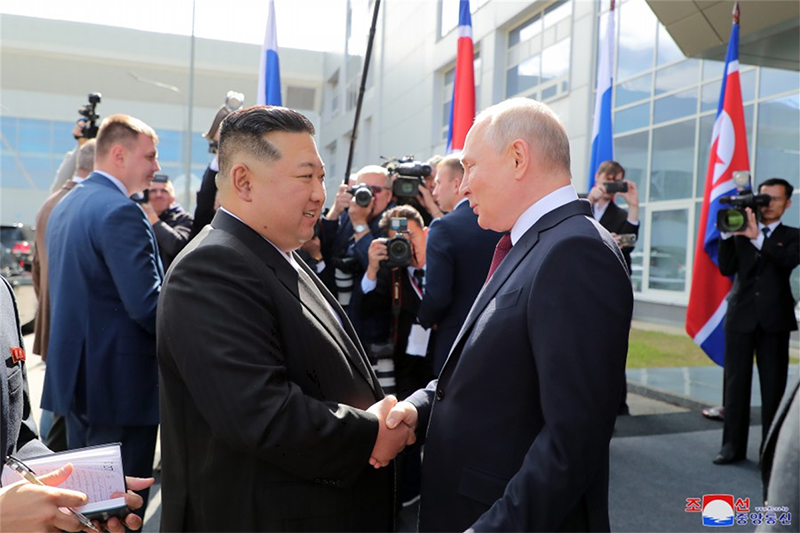
China's Image at Risk as Kim Jong-un Visits Russia: Deepening Relations with North Korea and Russia Could Pose Diplomatic ChallengeIn 2018, Kim Jong-un initially chose China for his first foreign visit. However, due to the COVID-19 pandemic, he shifted course and embarked on his initial overseas journey to Russia. This change has ignited discussions about North Korea's 'pendulum diplomacy,' a strategy that alternates between its key allies, Russia and China. It diverged from expectations that Kim Jong-un would prioritize Beijing as his first destination, especially after border restrictions were lifted. Instead, his surprising choice of Russia left China taken aback. Consequently, some experts suggest that China, responsible for over 95% of North Korea's foreign trade and a significant political supporter, may have seen a decline in its diplomatic standing.<Photo> Kim Jong-un, the North Korean leader, is seen here shaking hands with Russian President Vladimir Putin during his visit to the Vostochny Cosmodrome in Amur Oblast on the 13th. / Korean Central News AgencyKim Jong-un's visit to Russia underscores the convergence of interests between the two nations. Russia, grappling with a shortage of weapons finds itself in need of advanced military technology, satellites, and energy resources, all of which North Korea can potentially provide. Against the backdrop of escalating tensions between the U.S. and China, coupled with Russia's activities in Ukraine, North Korea has positioned itself within what it deems a 'new cold war regime.' The regime continues its quest for developing Intercontinental Ballistic Missiles (ICBMs) aimed at the U.S. and tactical nuclear weapons targeting South Korea. This geopolitical context has created an opportunity for South Korea, the U.S., and Japan to bolster their cooperation significantly. North Korea had initially expected robust support and economic assistance from China for its provocations. Still, signs of easing tensions between the U.S. and China, such as U.S. Secretary of State Antony John Blinken's visit to Beijing and his meeting with Chinese President Xi Jinping in June, coupled with China's response to North Korea's overtures, may have influenced North Korea's pivot toward Russia.<Photo> On the 8th, in commemoration of the 75th anniversary of his regime's establishment, North Korean leader Kim Jong-un engaged in discussions with a Chinese party and government delegation led by Liu Guozhong, China's Deputy Premier of the State Council, during their visit to North Korea. / Korean Central News AgencySome say that Kim Jong-un's decision to visit Russia before China may reflect his dissatisfaction with China's recent stance. In response to the shifting dynamics, China, recognizing North Korea as a long-standing ally, has initiated efforts to appease its neighbor. China's concern is that neglecting North Korea might result in a reduction of its influence over the regime. Deputy Premier Liu Guozhong of China, leading a Chinese delegation to North Korea on the occasion of the 75th anniversary of North Korea's regime, met with Kim Jong-un and expressed intentions to provide support, including food and fertilizer. Additionally, there is speculation that China might convene a tripartite summit involving North Korea, China, and Russia during the upcoming forum in October.For China, given the intensifying competition with the U.S., a closer North Korea-Russia relationship offers strategic advantages in countering American influence in the region. Certain segments of Chinese media attribute the burgeoning North Korea-Russia ties to the "frequent military exercises between South Korea and the U.S." These media outlets criticize the development and argue that China could employ the North Korea-China-Russia triangle to counteract the influence of the U.S. and to maintain a balance of power in Northeast Asia. In particular, China may leverage its cooperation with North Korea and Russia to counteract U.S. support for Taiwan.However, China's stance on the North Korea-Russia alliance is far from straightforward and reflects complex internal considerations. China has adopted an indifferent stance toward Kim Jong-un's recent visit to Russia, emphasizing that it's a bilateral matter between North Korea and Russia. Notably, state-run Chinese media outlets like Xinwen Lianbo provided limited coverage of Kim Jong-un's meeting with Putin, and the Xinhua News Agency refrained from offering comments on the summit, instead relying on foreign sources for reporting. This suggests that China may be cautious, concerned that a closer North Korea-Russia relationship could be detrimental to its own interests. Historically, China has used its influence over North Korea as a diplomatic tool, particularly against South Korea, the U.S., and Japan. If North Korea grows closer to Russia, China's leverage may diminish. China's reluctance to engage actively in the Ukraine conflict and the possibility of being drawn into the conflict as North Korea and Russia strengthen their ties present a challenging dilemma for China. The prospect of supporting Russia, which is struggling in the Ukraine war, and North Korea, grappling with economic difficulties due to sanctions and prolonged COVID-19 lockdowns, is a weighty burden for China. China, facing its economic challenges, is caught between the desire to avoid entanglement in the Ukraine conflict and the fear of international isolation due to its proximity to North Korea.If China were to lead efforts to form an anti-Western front, aimed at countering the U.S. while strengthening the North Korea-China-Russia alliance, it could potentially face even greater challenges. As the South Korea-U.S.-Japan alliance strengthens, the consolidation of the North Korea-China-Russia camp could result in China facing backlash from European nations like France and Germany, with which it has maintained cordial relations. Such a scenario could place China in a more defensive position in the ongoing U.S.-China competition. The intensification of North Korea-Russia ties has possibly prompted China's proactive diplomacy, shuttling between the U.S. and Russia. As China aspires to become a major global player, strengthening its ties with North Korea, a nation facing international criticism for its nuclear ambitions and human rights concerns, as well as with Russia, could potentially tarnish China's image.To navigate this situation effectively, China may need to work on improving relations with South Korea and the U.S. to some extent. Additionally, it is hoped that China will actively engage in the South Korea-China-Japan summit scheduled for later this year, contributing to the easing of tensions in Northeast Asia and fostering economic cooperation.
23.09.22 -
 [Kim Myungsung’s Inside North Korea]
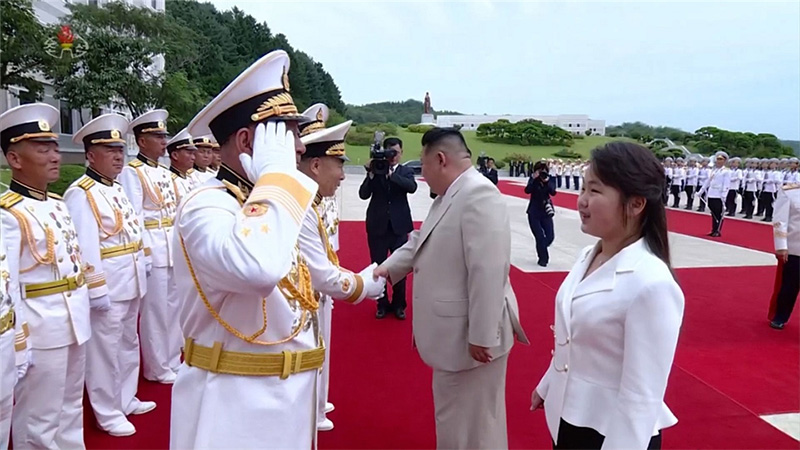
<Kim Myungsung’s Inside North Korea>North Korea grapples with managing South Korean culture while preserving its regime.Kim Myungsung⦁ Kim Jong-un and Daughter Visit Navy Command…Criticizing South Korea, US, and Japan as 'Gangster Bosses'⦁ Over 300 People Forcibly Relocated in North Korean Border Region for Illegal Cell Phone Possession⦁ North Korea's Military-Style Return Order: Packing Up a Day Early to Prevent Defections in ChinaKim Jong-un and Daughter Visit Navy Command…Criticizing South Korea, US, and Japan as 'Gangster Bosses'North Korean leader Kim Jong-un recently made his first-ever visit to the Korean People's Army Naval Force (KPANF) since coming to power. What makes this visit even more remarkable is that he was accompanied by his daughter, Kim Ju-ae. However, it was not just the presence of Kim's daughter that stirred the international community but also the scathing criticism he directed at the leaders of South Korea, the United States, and Japan during their talks at Camp David in the US. Kim Jong-un referred to them as "gangster bosses," setting off a storm of controversy.Korean Central Television reported that on the 27th, Kim Jong-un, Chairman of the State Affairs Commission of North Korea, visited the Navy Command to celebrate North Korean Navy Day (28 Aug) with his daughter Ju-ae. Navy Commander Kim Myong-sik is seen saluting Kim Jong-un's daughter 'Ju-ae'. (Photo by Korean Central Television)On the 29th, the Korean Central News Agency reported a noteworthy event involving Kim Jong-un. In anticipation of North Korea's Navy Day, Kim paid a visit to the naval headquarters on the 27th. During this visit, he remarked, "Lately, the leaders of the USA, Japan, and the Republic of Korea, the 'gangster bosses,' have come together to announce and kickstart various joint military exercises among the three nations." It marks the first instance of Kim publicly addressing South Korea as the 'Republic of Korea.' Prior to this, Kim Yo-jong, Deputy Director of the WPK, and Kang Sun-nam, Minister of Defense, had employed the term 'Republic of Korea' when criticizing South Korea, signaling a shift in North Korea's rhetoric towards its southern neighbor.Kim Jong-un's recent visit to the naval command marked a significant departure from his past actions. It was his first Navy Day visit since taking power in 2012, and he directly congratulated the celebration, an unusual move noted by an official from the Unification Ministry.On the same occasion, Kim outlined a policy shift towards expanding tactical nuclear weapons operations and supplying new armaments to various military units. He also stated that the navy (KPANF) would play a key role in the national nuclear deterrent, hinting at potential tactical nuclear weapon deployment. Additionally, he observed a training launch of a strategic cruise missile capable of carrying tactical nuclear weapons during an inspection of the 2nd Surface Ship Brigade of the PLA East Sea Fleet.Over 300 People Forcibly Relocated in North Korean Border Region for Illegal Cell Phone PossessionRecent reports reveal that more than 300 individuals were forcibly relocated from North Korea's border region to rural areas in the first half of this year due to anti-socialist activities, including illegal possession of cell phones and smuggling. In Chŏngjin City, North Hamgyong Province, despite the strict enforcement of the Reactionary Ideology and Culture Rejection Law, 46 residents who were caught watching South Korean dramas were arrested in a mass crackdown. This signifies North Korea's determination to prevent internal information leaks, curb external information inflow through illegal cell phones, and eliminate the influence of the Korean Wave (Hallyu) that has gained popularity among the younger generation.Photo: Pyongyang residents using mobile phones. / Yonhap News AgencyAccording to sources familiar with North Korea's situation, the over 300 residents living in border regions of Ryanggang and North Hamgyong provinces were caught using illegal mobile phones to communicate with foreigners. They were subsequently relocated to remote areas like Kapsan County in Ryanggang and Kim Chaek City in North Hamgyong. Those expelled were found to be involved in connecting defectors' families with their relatives in South Korea and engaging in smuggling activities, often charging fees for their services. The North Korean Ministry of Social Security, akin to the police department, had previously issued stern warnings against illegal mobile phone usage through public announcements.Particularly alarming, residents who leaked national secrets, lecture materials, public announcements, internal documents, and videos to external sources faced investigations by the Ministry of State Security and were incarcerated in political prisoner camps. A source revealed that, "Earlier this year, a resident of Ryanggang was apprehended and sent to a prison camp for filming a public announcement from the Ministry of Social Security and sending it to South Korea."46 youths in Chŏngjin City, North Hamgyong Province, were reportedly arrested in the first half of this year for watching South Korean dramas. According to sources, some of the 46 detainees managed to secure their release by paying a bribe of 10,000 yuan (approximately 2 million won), while those unable to pay faced more severe penalties. In accordance with the Reactionary Ideology and Culture Rejection Law, they were sentenced to one year in prison for each South Korean drama episode watched, with one university student receiving a 15-year sentence for possessing and viewing 15 episodes. All of them have allegedly been confined to the infamous Chŏngŏri Concentration Camp.North Korea's Military-Style Return Order: Packing Up a Day Early to Prevent Defections in ChinaRecent reports indicate that North Korea, following the approval of the return of its overseas residents, is implementing a military-style return process aimed at preventing any defections. There are claims that the forced repatriation of defectors detained in China has already commenced. As North Korea reopens its borders, concerns are mounting that the dreaded forced repatriation of defectors is becoming a harsh reality.Photo: Bus returning from Sinŭiju City to Dandong City with North Korean personnel on the morning of August 29 / Yonhap News AgencyA source based in Dandong, China, revealed on the 4th, "On August 31, North Korean restaurant workers deployed in Dandong received orders to pack their belongings a day prior to their scheduled return." The source further explained, "Under the watchful eye of the State Security Department, dozens of them assembled and then boarded a ship bound for North Korea." The advance announcement of the return date is viewed as a precautionary measure to deter potential defections.There are reports of ongoing replacements in personnel from the Ministry of State Security that monitor overseas North Koreans. The source said, "Last week, replacements from the Ministry of State Security came to China to hand over duties." It is understood that North Korea plans to repatriate about 10,000 overseas personnel after officially reopening its borders. North Korea formally reopened its borders, which had been closed since last month, after 3 years and 7 months, and North-China flight routes have also resumed.There are growing concerns that forced repatriation of North Koreans detained in China may have commenced. Suzanne Scholte, a representative from the U.S.-based North Korean human rights group "Fighters for a Free North Korea," sent an emergency email to Voice of America (VOA) on August 31 (local time), stating, "On August 29, two buses carrying refugees crossed a bridge from Dandong to Sinŭiju City, putting the lives of approximately 90-100 refugees in jeopardy." The organization also provided two videos received from a credible source that depict the buses crossing a railway bridge.
23.09.08 -
 [NK Focus]
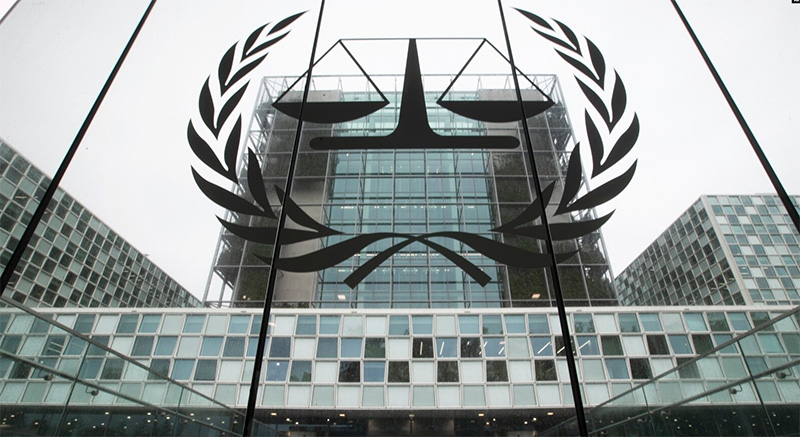
Kim Jong-un: The Primary Perpetrator of North Korea's Human Rights Abuses Who Should Face the ICC• Theoretically Possible, Yet Practical Challenges Abound• A Detailed Examination of Crime Elements and Continuous Evidence Collection Are ImperativeInternational Criminal Court (ICC) in The Hague, NetherlandsThe Ministry of Unification's 'Report on North Korean Human Rights', which revealed the dire state of human rights in North Korea, was publicly disclosed for the first time this year on March 31st. The South Korean government, which had abstained from participating in the UN North Korean Human Rights resolution in recent years, has taken a noteworthy step by publishing this report. Public sentiment is increasingly demanding justice for North Korea's human rights abuses and calling for accountability, particularly targeting Kim Jong-un, who is speculated to face international legal action.Bringing Kim Jong-un before the International Criminal Court (ICC) is regarded as one of the most effective means to legally hold dictators accountable for violating their citizens' human rights and committing war crimes and crimes against humanity. The ICC stands as the first permanent international tribunal established to prosecute individuals responsible for grave crimes against humanity. It was founded in July 2002, based on the Rome Statute signed in 1998.In March of this year, the ICC issued an arrest warrant against Russian President Vladimir Putin for war crimes committed in Ukraine. Since the early 2000s, politicians from eight countries, including Congo, Sudan, Kenya, Libya, and Côte d'Ivoire, have found themselves facing ICC charges for war crimes and crimes against humanity. Notably, Sudan's former president, al-Bashir, and the head of Libyan military intelligence, Senussi, were brought before the court through UN Security Council resolutions, while Kenya's Deputy Prime Minister Kenyatta and former Côte d'Ivoire President Koudou Laurent Gbagbo were subjected to trials under the ICC's jurisdiction.With the South Korean government's release of the Report on North Korean Human Rights, calls for Kim Jong-un's ICC trial are growing louder. A consensus has already emerged within the international community that Kim Jong-un should be brought to face justice. In 2014, the international community adopted the UN COI report on North Korean human rights, leading to the United Nations General Assembly adopting the North Korean Human Rights resolution for three consecutive years, from 2014 to 2015. There is a prevailing recognition in the international community that silence regarding North Korea's human rights tragedy can no longer be tolerated.Various methods are under discussion for bringing Kim Jong-un to the International Criminal Court (ICC). One proposal suggests initiating an ICC indictment through the UN Security Council, labeling Kim Jong-un as an international criminal. However, this approach faces the potential obstacle of being blocked by veto-wielding permanent Security Council members, China and Russia.For this reason, some advocate for directly initiating ICC investigations. This approach mirrors the recent issuance of an ICC arrest warrant for Russian President Vladimir Putin, suggesting that the ICC should directly investigate Kim Jong-un. However, for Kim Jong-un to be prosecuted as the main instigator of human rights abuses, there needs to be an initiating entity. The ICC issued an arrest warrant for Putin as the Ukrainian government submitted evidence of Russian war crimes to the ICC. In contrast, there is currently no entity (country) that has submitted evidence of Kim Jong-un's crimes against humanity, making a direct indictment challenging. South Korea, as an ICC member state, houses over 36,000 North Korean defectors, abductees, and prisoners of war, all of whom are victims of Kim Jong-un's crimes against humanity. Consequently, some argue that South Korea should take the lead in pressing charges.Claims have also arisen that South Korea could potentially prosecute North Korea, given that the human rights abuses occurred on Korean territory. Article 3 of the South Korean Constitution defines Korea's territory as the Korean Peninsula and its adjacent islands. Therefore, it is argued that South Korea possesses criminal jurisdiction to prosecute crimes committed by Kim Jong-un and high-ranking North Korean officials.Nevertheless, it is pointed out that while theoretically, South Korea could bring charges against North Korea for human rights crimes, practical challenges abound. North Korea is not a signatory to the Rome Statute, which serves as the foundation for the ICC's establishment. Even if the South Korean government decides to prosecute, it would be difficult for the ICC prosecutor to enter North Korea to verify the alleged crimes.Nevertheless, if there is an intention to indict Kim Jong-un at the ICC, a thorough examination of the crime's elements and continuous evidence collection are essential. Indictment hinges on the presence of concrete evidence. Equally crucial is maintaining international interest. The international community must place the issue of Kim Jong-un's indictment at the ICC on the negotiation table and address it as a recurring international agenda.From the perspective of actual improvement effects on North Korean human rights, bringing charges against Kim Jong-un at the ICC is essential. In response to international demands for human rights improvements, North Korea outwardly mentions a hardline response, but behind the scenes, they reduce the number of public executions and have modified certain provisions in their criminal judicial system, appeasing the international community. In particular, publicizing the potential ICC indictment can exert psychological pressure on Kim Jong-un.
23.09.08 -
 [NK Focus]
Kim Jong-un's Anxiety Fuels Consecutive Military Satellite Failures, Driving Launch Despite Technical ChallengesNorth Korea's recent attempt to launch its second military satellite on August 24th ended in failure, marking the second such failure in just 85 days following the initial setback on May 31st. According to reports from the South Korean Joint Chiefs of Staff, North Korea's space vehicle, known as 'Chollima-1,' carrying the military satellite 'Manrikyong-1,' took off around 3:50 AM. However, it faltered during its three-stage flight due to a critical error in the emergency explosion system. Intriguingly, North Korea chose to communicate this failure solely through its external media outlet, the Korean Central News Agency, keeping its domestic audience in the dark—a sign that they were hesitant to acknowledge this second failure to their citizens, given their earlier notification of the first unsuccessful launch. Additionally, North Korea dropped hints about a possible third military satellite launch scheduled for October.North Korea unveiled the launch of the 'Chollima-1' satellite launch vehicle carrying its first military reconnaissance satellite, 'Manrikyung-1', on the 1st, as reported by the Korean Central News Agency. The rocket was launched from a new site in Dongchang-ri, Cheolsan County, Pyonganbuk-do, on the 31st of last month but crashed into the West Sea due to engine failure (Photo by Korean Central News Agency).The decision to pursue another satellite launch a mere 85 days after the initial technical failure underscores North Korea's mounting apprehension resulting from the strengthening military collaboration among South Korea, the United States, and Japan. This anxiety is further compounded by Kim Jong-un's ambition to secure notable achievements in anticipation of the 75th anniversary of the regime's establishment on September 9th.Following the 'Washington Declaration,' which led to the establishment of the 'Nuclear Consultative Group' between South Korea and the U.S., leaders from these two countries, and the detailed plans for bolstering their response to North Korea's nuclear capabilities in the 'Camp David Agreement’ along with Japan. It is widely believed that North Korea, sensing a heightened threat due to the deepening coalition against it, felt compelled to take military countermeasures. As the regime's 75th anniversary looms, North Korea may have expedited the satellite launch to secure visible achievements internally without addressing the underlying technical issues. Furthermore, the continuous testing of new weaponry by North Korea since the previous year may have left them with limited options, with the military satellite being one of the few viable choices, further contributing to Kim Jong-un's unease.Kim Jong-un has displayed interest in military satellites from the early days of his rule. During the 8th Congress of the WPK in 2021, he incorporated military satellites as one of the five pivotal tasks in the five-year plan aimed at strengthening defense capabilities. Military satellites play a crucial role as essential assets for preemptive nuclear strikes, serving as command and communication systems vital for nuclear weapons. They also offer surveillance and reconnaissance capabilities, providing strategic advantages against South Korea and the United States.Another motivation behind North Korea's hasty attempt to relaunch the military satellite appears to be an endeavor to pacify growing public discontent stemming from deteriorating living conditions. Despite facing severe economic sanctions and experiencing the failure of economic plans, North Korea's unwavering focus on nuclear and missile development has exacerbated dissatisfaction among its citizens with Kim Jong-un's leadership. According to the National Intelligence Service, the number of deaths in North Korea reached 245 by July this year, more than double the average of the past five years. With the North Korean economy witnessing its most significant contraction since the 1990s, concerns regarding threats to the regime have grown as citizen dissatisfaction approaches a critical threshold.The May 31st launch failure of Military Satellite No. 1 was described as the 'most severe defect' in the field of defense. (Photo by AP News)Kim Jong-un has persistently pursued nuclear and missile development while demanding sacrifices from the citizenry, and now the need to deflect blame or garner public support has become imperative. During a recent visit to a flood-damaged site in Onchŏn County, South Phyongan Province, Kim Jong-un directed criticism towards Premier Kim Tok-hun, accusing him of "ruining national economic projects." Despite facing criticism for neglecting public welfare and channeling resources towards missile launches, North Korea's provocative actions are expected to persist. With North Korea signaling a third launch in October, potential scenarios include further ICBM tests, exercises involving new tactical missiles, or even rash regional provocations.In the lead-up to the second military satellite launch, during the 8th Plenary Meeting of the 8th WPK, attended by Kim Jong-un, it was affirmed that they would "steadfastly adhere to the path of nuclear weapons development and the strengthening of nuclear capabilities." The statement emphasized their commitment to safeguarding the revolutionary achievements of Juche with tangible progress in enhancing their nuclear arsenal.
23.09.08 -
 Vladimir Putin's Pawn, Kim Jong-un's Visit to Russia
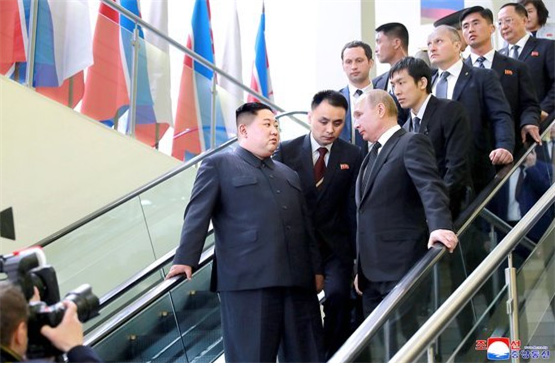
: They Must Immediately Cease Weapons Trades that Violate International OrderNorth Korean leader Kim Jong-un is reportedly planning to visit Russia this month to hold a summit with President Vladimir Putin, according to The New York Times on the 4th. If Kim Jong-un's visit to Russia materializes, it will be the first in 4 years and 5 months since their last meeting in Vladivostok in April 2019. This rendezvous can be interpreted as an alignment of strategic interests between North Korea and Russia, both facing international sanctions and condemnations due to Ukraine's invasion and nuclear and missile developments. With the prolonged Ukraine conflict leading to a weapons shortage, Russia is in negotiations to receive artillery and weapons support from North Korea. The two leaders are expected to directly discuss this matter. Kim Jong-un is believed to be requesting Russia to provide nuclear development technology, including artificial satellites and nuclear-powered submarines, in exchange for supplying artillery to Russia. According to The New York Times, the North Korea-Russia summit plans were solidified after a visit to Pyongyang by Russian Defense Minister Sergei Kuzhugetovich Shoigu in July. At the time, Kim Jong-un met with Shoigu and proposed measures to strengthen military cooperation and requested Putin's visit to North Korea. Kim had visited Russia in 2019, and now he has extended an invitation for Shoigu to visit North Korea. This return request might raise doubts about Kim potentially appearing as a mere diplomatic pawn for Putin during Shoigu's visit.North Korean leader Kim Jong-un meeting with Russian President Vladimir Putin for a summit in Vladivostok, in April 2019 (Photo by Korean Central News Agency) In 2019, Kim Jong-un returned from his first visit to Russia without any notable achievements. At that time, following the 'Hanoi No Deal', Kim Jong-un had hoped for a partial easing of sanctions on North Korea through Russia and support for a solution to denuclearization. However, Putin demanded 'complete denuclearization' from North Korea and announced he would share related matters with the U.S. and China. Contrary to Kim Jong-un's expectations, Russia made it clear that their stance on the denuclearization issue was the same as that of the U.S. Subsequently, Kim Jong-un canceled all his scheduled inspection plans for the next day and headed back home seven hours earlier than planned. This has led to evaluations describing Kim Jong-un's meeting with Putin as an 'empty-handed summit'.Relations between North Korea and Russia began to tighten after Russia's invasion of Ukraine last February. North Korea has actively supported Russia regarding the Ukraine war, opposing the UN's resolution condemning Russia (22 Feb), recognizing the Donetsk People's Republic in the Russian-occupied territory (22 July), and expressing hope to participate in post-war recovery. Kim Yo-jong, Kim Jong-un's younger sister and Deputy Director of the Workers' Party of Korea, criticized the U.S. support of tanks to Ukraine in a statement (23 Jan). Especially in a party conference last December, Kim Jong-un assessed recent international relations trends as 'new cold war and multipolarization', indicating the intent to find new opportunities amid strengthening confrontations between South Korea-U.S.-Japan and North Korea-China-Russia. The visit of Russian Defense Minister Sergei Shoigu to North Korea last July marked the pinnacle of covert ties between North Korea and Russia.North Korean leader Kim Jong-un, visiting an arms exhibition with a Russian military delegation on the 70th anniversary of the 'Victory Day,' Korean War Armistice Agreement Anniversary, on the 26th (Photo by Korean Central News Agency)If Kim Jong-un's visit to Russia materializes, the formalization of military cooperation between North Korea and Russia might lead to the potential collapse of the UN Security Council's North Korea sanctions regime. Russia might receive ammunition and weapons for deployment in the Ukraine war from North Korea, while North Korea might receive advanced technology for the enhancement of nuclear and missile capabilities as well as sanctioned goods such as food and oil from Russia. This undermines the Security Council's sanctions on North Korea, which prohibit the import/export, sale, and transfer of all conventional weapons and WMDs, especially when spearheaded by Russia, a permanent member. Currently, due to the opposition from Russia and China, both permanent members of the Security Council, new sanctions against North Korean provocations cannot be adopted. Furthermore, as Russia recently mentioned the possibility of the first-ever joint military exercise between North Korea, China, and Russia, security concerns in Northeast Asia are escalating. The backdrop to Kim Jong-un's visit to Russia this time appears to reflect Putin's desperate situation, weakened by the prolonged Ukraine war, the shattered economy due to Western sanctions, diplomatic isolation, and armed rebellions by mercenaries. Even China, Russia's ally, seems to be distancing itself from Russia regarding the Ukraine war. In such a situation, North Korea might be the only country willing to brazenly disregard international criticism and sanctions to directly support Russia with ammunition and weapons. Russia, a permanent member of the United Nations Security Council, should not grant absolution to North Korea, which blatantly violates UNSC resolutions and threatens international stability with its provocations. North Korea should also abandon the misguided notion that closely aligning with Russia, which is in a dire situation, is their only way out. They should adhere to the UNSC resolutions and engage in denuclearization negotiations. The potentially perilous arms trade between North Korea and Russia, with the potential to undermine the sanctions regime against North Korea and destabilize the region, requires an immediate and urgent cessation.
23.09.08 -
 [North Korea News]
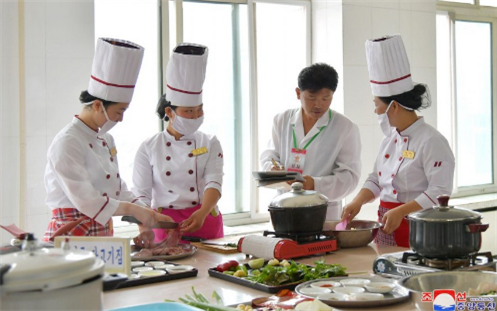
North Korea Proudly Holds Annual Dog Meat Cooking CompetitionEditor's Note: Amidst a growing opposition to dog meat consumption in South Korea, with the President and First Lady expressing their stance against it, the National Assembly and Seoul Metropolitan Council are actively working on introducing bills to ban its sale and implement related measures. Despite the evolving attitudes in South Korea, North Korea continues its tradition of hosting a dog meat cooking competition, showcasing a contrasting cultural perspective.Photo by Korean Central News AgencyNational Tangogi Cooking Contest HeldPyongyang, July 21 (KCNA) -- A national tangogi cooking contest took place at the Food Festival House in Ryomyong Street here from July 18 to 20, occasioned by the hottest period of summer.Photo by Korean Central News AgencyTaking part in the contest, sponsored by the Central Committee of the Korean Association of Cooks, were cooks selected from the regional and sectional preliminary contests.The jury appreciated tangogi soups and other tangogi dishes made by cooks within a set time on the spot.Drawing the attention of the participants were soup and dishes presented by cooks of Pyongyang Tangogi Restaurant, Koryo Restaurant of Pyongyang Koryo Hotel and other restaurants.Photo by Korean Central News AgencyLooking round the dishes on display, they exchanged their skills and experience gained in making national foods.Diplomas, medals and certificates in the name of the Central Committee of the Korean Association of Cooks were awarded to the organizations and cooks highly appreciated at the contest.
23.08.04 -
 [Kim Myungsung’s Inside North Korea]
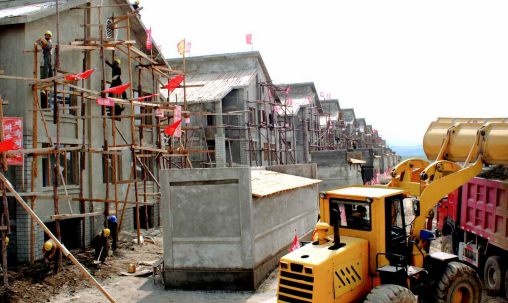
Kim MyungsungNorth Korea Pushes Occupancy Despite Water Pipe Explosions and Wall Collapse in Rural Housing ProjectNorth Korean leader Kim Jong-un has prioritized the rural housing program as a major policy task, but concerns are mounting as the construction faces issues of poor quality.According to a report by RFA on July 24, a resident source, Mr. A in Ryanggang Province, North Korea, stated that the completion ceremony for the rural housing project in Posong-ri, Samsu County, was delayed due to the explosion of dozens of water pipes and the collapse of walls in hundreds of newly constructed homes. The project is part of North Korea's 5-year construction plan initiated after the 8th Party Congress in 2021 and aims to provide state-owned houses not only in Pyongyang but also in various rural areas. Houses and public facilities built in Samjiyon City, Ryanggang Province. - Photo by Rodong SinmunHowever, despite the effort put into the project by the North Korean authorities, the controversy over shoddy construction has left residents anxious as they approach the move-in date. Mr. A remarked that within just ten days, all the inadequate parts were repaired, and the completion ceremony was held again. While the rural homes are being showcased as modern cultural houses, the reality is that they are poorly constructed due to material shortages and the rush to complete the project. He continued, stating that although the farmworkers who participated in the completion ceremony received certificates of occupancy, most of them entered their new homes with anxiety, knowing that they would be responsible for their own repairs if water pipes explode and walls collapse.According to a resident source, Mr. B, in Ryanggang Province, around 100 demonstration rural cultural homes were recently built in Posong-ri, Samsu County, as part of the Party's improved rural homes construction plan. However, due to improper construction methods, water pipes have exploded, and walls have collapsed in various locations. Mr. B also criticized the Party for not following the regulations for the depth of water pipes and the connections (plastic pipes) during the demonstration rural homes construction, despite the region's extreme winter temperatures that can drop below -30 degrees Celsius.
23.08.04 -
 [Kim Myungsung’s Inside North Korea]
Kim MyungsungNorth Korea's Lazarus Group Allegedly Hacks and Steals Around 47 Billion Won in CryptocurrencyNorth Korea has stolen virtual assets worth nearly 50 billion won in Korean currency through cryptocurrency hacking to fund its nuclear and missile development. To halt North Korea's advancements in nuclear and missile technology, blocking hacking activities is suggested as an urgent measure.The US Department of Justice has released the photo of North Korean hacker Park Jin-hyok, accusing him of heading cyberattacks. Park was a key member of the hacker group 'Lazarus' for over a decade, operating under the cover of the company 'Chosun Expo,' linked to North Korean military intelligence. He was active in Dalian City, China, from 2011 to 2013. – Photo by US DOJ -According to a report from Voice of America (VOA) on July 30, the Estonian cryptocurrency company 'CoinsPaid' fell victim to a hacking attack on the 22nd, resulting in the theft of 37.3 million dollars (approximately 47.7 billion won). They suspect the North Korean 'Lazarus' group was behind the attack.CoinsPaid's response team, along with international cybersecurity companies, collaborated to trace the perpetrators and enhance defense measures. An official report was also submitted to Estonian law enforcement agencies.Lazarus, a notorious hacker group operating under North Korea's intelligence agency, has made headlines for its high-profile cyberattacks. In 2014, they targeted Sony Pictures, gaining worldwide notoriety. Two years later, they struck the central bank of Bangladesh, making off with a staggering 81 million dollars (approximately 103.5 billion won). In 2017, they unleashed the devastating 'WannaCry' ransomware attack, impacting over 150 countries.The National Intelligence Service (NIS) has issued a warning regarding the potential cyber threat from North Korea. The return of Kim Yong-chol, a former North Korean Workers' Party of Korea (WPK) official responsible for South Korea, to the Politburo of the Workers' Party of Korea has raised concerns about significant cyberattacks by North Korea. Kim Yong-chol, renowned for his hardline stance towards South Korea, previously led North Korea's intelligence agency and orchestrated various cyberattacks, such as the July 2009 cyberattacks, the 2010 ROKS Cheonan sinking, and the 2011 Nonghyup computer network shutdown.In response to the forewarned threat, the NIS is committed to collaborating with allied countries and private sectors to mount an aggressive response against potential cyber threats. As they brace for the upcoming 22nd National Assembly elections scheduled for April 10, 2024, the NIS is determined to strengthen security measures to thwart any attempts by North Korean cyber agents to manipulate the election in favor of specific political parties.
23.08.04 -
 [Kim Myungsung’s Inside North Korea]
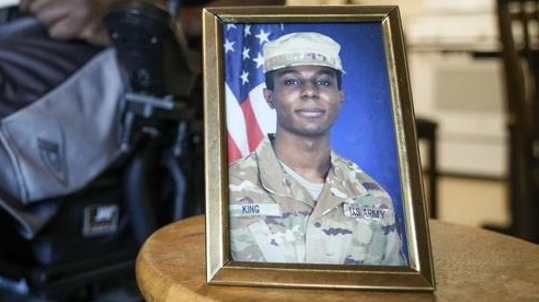
Kim MyungsungUS Soldier Who Ran Across the Border to North Korea Leaves Fate Uncertain - Past Cases Reveal Possible 'Torture' and Ideological EducationOn July 18th, Pvt. Travis T. King, a private in the US Forces Korea, willfully crossed the inter-Korean border during a group tour of the Demilitarized Zone (DMZ). Over ten days have passed, and his fate and survival status remain unconfirmed. CCTV cameras at the Joint Security Area (JSA) in Panmunjeom captured the scene of his defection, and South Korean and US authorities revealed that he was immediately apprehended by North Korean forces and taken to the North Korean Unification Pavilion in the JSA before being transported in a vehicle. There is a possibility that King is currently under investigation by North Korean authorities.Travis T. King, a private in the US Forces Korea, who defected to North Korea through the Joint Security Area (JSA) in Panmunjeom on the 18th. - Photo by Yonhap News AgencyThe United Nations Command (UNC) has taken action, initiating discussions with North Korea concerning King's defection. Andrew Harrison, Deputy Commander of the UNC, confirmed this during a briefing for foreign media, stating that "discussions with the North Korean military have begun through the established mechanism under the Armistice Agreement regarding Private King." Through telephone conversations with their North Korean counterparts, the UNC aims to gather specific information about King's health and whereabouts.North Korea, on the other hand, has maintained complete silence regarding the incident. Neither domestic nor foreign media outlets have reported on it, and no statements or remarks have been issued, leading to speculation that North Korea may have been caught off guard, leaving them contemplating how to respond.Joint Security Area (JSA) in PanmunjeomAfter being detained in South Korea for nearly two months due to assault and other charges, King was scheduled to be sent to Texas, USA, for further disciplinary action on the 17th. However, he escaped at Incheon International Airport, avoiding boarding the plane, and defected to North Korea while participating in a tour of the JSA the next day.This incident has brought attention to the lives of other US soldiers who have chosen to defect to North Korea in the past. King's case is not the first instance of a US soldier defecting to the North. There have been a total of five defection cases in the past. The first case occurred in May 1962 when Private Larry Allen Abshier defected. In the same year, in August, Private James Joseph Dresnok forged a pass to go outside the base and, facing punishment, chose to defect to the North. In 1965, three years later, Privates Jerry Wayne Parrish and Charles Robert Jenkins defected to North Korea, with Parrish doing so for personal reasons and Jenkins out of fear of being sent to Vietnam.North Korea has extensively promoted the narrative that US soldiers have forsaken the capitalist life of the West and willingly embraced the socialist paradise by defecting to North Korea.Charles Robert Jenkins' memoir 'Confession' after his defection to North Korea in 1965 and return to his homeland in 2004:In 1966, those who couldn't adjust to life in North Korea attempted to seek asylum through the Soviet Embassy, but their pleas were rejected, leaving them trapped in the country. Consequently, they were coerced into playing villainous roles in North Korean propaganda films, gaining nationwide recognition as stars. They even found themselves teaching English at foreign language educational institutions. In his memoir, Jenkins, the sole US soldier who defected to North Korea in 2004 and later returned to his hometown, revealed the hardships they faced, including extensive self-criticism and compulsory learning of Kim Il-sung's Juche ideology for more than 10 hours a day.The US soldiers who defected to North Korea faced a distressing fate as they were coerced into marrying women who had been kidnapped from Japan and Southeast Asian countries. Jenkins' wife, Hitomi Soga, was among those abducted in Japan in 1978. Abshier and Parrish defected in 1983 and 1998, respectively, while Dresnok, another defector, was reported to have passed away in North Korea in 2016. Jenkins, who eventually settled in Japan, passed away due to illness in 2017. The recent case of Travis, who crossed the border to North Korea on the 18th, exhibits similarities to past instances of US soldiers who defected to North Korea and faced disciplinary action upon returning to the US.
23.08.04 -
 [North Korean Human Rights]
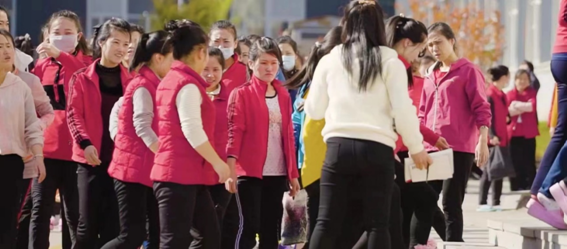
North Korean Female Workers in China Endure Horrific Human Rights Violations, Including Sexual Crimes and Loyalty Fund Exploitation COVID-19 Border Closure Leaves Tens of Thousands of North Korean Female Workers Stranded in China North Korean Female Workers Robbed of Their Earnings by the "Loyalty Fund" North Korean Female Workers Endure Slavery-like Conditions and Hunger in China North Korean Female Workers in Unconventional Industries for Foreign Currency North Korean Female Workers Face Horrific Sexual Crimes and Forced Abortions by Officials North Korean Female Workers Struggle with Illness and Desperation, Some Fleeing Workplaces In April, North Korean female workers making their way to a garment manufacturing plant in Hualongsi, Jilin Province, China – Photo by SAND InstituteDespite the global COVID-19 pandemic release, North Korea's stringent border closure has trapped its female workers in a harrowing reality across China, where they face a myriad of human rights abuses. These workers, most of whom are women, lead an unimaginable existence, confined within factory walls, deprived of basic freedoms, and cut off from their families for years on end. Their labor is demanded relentlessly, subjecting them to grueling hours in hazardous conditions, all to secure funds for a "loyalty fund" meant to showcase their allegiance to the authorities. To add to this horror, distressing accounts reveal that they also fall victim to sexual abuses at the hands of local North Korean officials. Trapped in this harsh environment, many suffer from mental health issues and diseases like tuberculosis, further exacerbating their plight.● COVID-19 Border Closure Leaves Tens of Thousands of North Korean Female Workers Stranded in ChinaAmidst the ongoing pandemic, an unfortunate reality has emerged for North Korean female workers dispatched to China. Engaged in garment factories, seafood processing companies, and restaurants, these workers are striving to earn foreign currency for their homeland. Before December 22, 2019, some workers were repatriated under the United Nations Security Council Resolution 2397. However, with the border closure, an estimated 80,000 to 100,000 North Korean female workers find themselves unable to return home. This mass displacement has left them stranded in various regions of China— Dandong, Dumen, Hualong, Hunchun, cut off from their families and grappling with an uncertain future.● North Korean Female Workers Robbed of Their Earnings by the "Loyalty Fund"The plight of North Korean female workers in Chinese garment factories is marred by exploitation and deceit. Though these workers receive wages totaling approximately $400, they are stripped of most of their earnings by the North Korean authorities under the guise of a "Loyalty Fund." Only around $100 actually reaches the workers, while the rest is siphoned away to support the regime's power and undisclosed agendas. Heartbreaking testimonies from defectors reveal that these deductions are not utilized for the welfare of North Korean citizens but rather diverted for nuclear development efforts and other clandestine purposes.Garment Manufacturing Plant in Helong, Jilin Province, China – Where North Korean Female Workers Work / Photo by SAND Institute● North Korean Female Workers Endure Slavery-like Conditions and Hunger in ChinaThe lives of North Korean female workers dispatched to China are nothing short of a tragedy. These young women, often in their 20s and 30s, toil inside clothing factories, locked away from the world and subjected to conditions reminiscent of slavery. The COVID-19 border blockade has made matters worse, leaving them without communication with their families back home in North Korea. Living in crowded dormitories with limited outdoor activities, they are pushed to earn foreign currency relentlessly. Reports indicate that in regions like Jilin Province's Helong County, about 1,500 North Korean female workers have faced mistreatment and hunger, exacerbating their already dire circumstances.● North Korean Female Workers in Unconventional Industries for Foreign CurrencySome North Korean female workers have taken on roles in unexpected industries. Previously employed in clothing factories, some workers have now been dispatched to pig farms, where labor costs are higher, to secure even the smallest unit of foreign currency. Notably, thousands of North Korean workers are reportedly involved in illicit employment across approximately 20 seafood processing plants situated in Dandong City and the nearby Dong River port in China. Furthermore, hundreds of female North Korean workers are actively engaged in earning foreign currency by working in North Korean restaurants spread across Yanji City, Beijing, Shanghai, and other locations.● North Korean Female Workers Face Horrific Sexual Crimes and Forced Abortions by OfficialsAlarming reports shed light on the vulnerability of North Korean female workers in China to sexual crimes committed by local North Korean officials. Exploiting their positions of power, including party secretaries, supervisors, and security agents, these officials subject the workers to sexual assaults, leaving them with little recourse to refuse or report such abuse due to fear of punishment or repatriation. Shockingly, if a female worker becomes pregnant, she is forcefully taken to a hospital for an abortion. To prevent North Korean women from becoming pregnant with Chinese men, managers even monitor their menstrual cycles monthly. Those who miss their periods for more than two months are subjected to pregnancy tests and forced to reveal the identity of their partner to the Ministry of State Security agents. Any involvement with a Chinese man leads to severe punishment with no escape.● North Korean Female Workers Struggle with Illness and Desperation, Some Fleeing WorkplacesThe physical and mental toll on North Korean female workers in China has become increasingly evident. Instances of depressive disorders and abnormal behavior have been reported as the harsh conditions take their toll. Disturbingly, around 150 female laborers in a garment factory in Helong, China, were reported to have contracted tuberculosis in March, highlighting the dire health conditions they endure. Tragically, the bodies of those who succumb to illness or accidents are left in local hospital refrigerators. Some female workers, unable to bear the human rights violations, have been fleeing their workplaces in desperation. In one incident, around 20 North Korean female laborers and their supervisors sent to work in Shanghai disappeared, and similar occurrences have been documented in the Helong region. As long as North Korea maintains its border closure, the plight of these female workers in China is bound to persist, casting a grim shadow over their future.
23.08.04 -
 [북한인권]
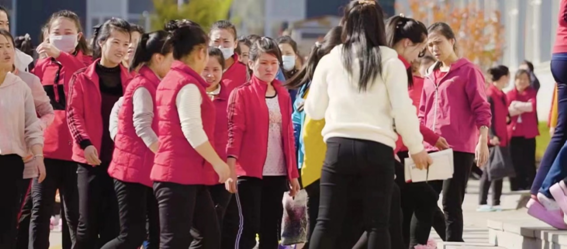
인권침해 시달리는 中파견 北여성근로자들 … 충성자금 상납하고, 성범죄에 무방비 노출북한 여성근로자들이 지난 4월 중국 길림성 화룡시에 위치한 의류가공업체에 출근하는 모습(사진: 샌드연구소)전 세계적인 ‘코로나 엔데믹’에도 북한이 국경봉쇄를 유지하면서 중국에 파견된 북한 근로자들이 각종 인권침해를 당하는 것으로 나타났다. 대부분 여성으로 구성된 중국 내 북한 근로자들은 외출을 금지당한 채 공장 안에서 숙식을 해결하고 수년 간 가족과 소식도 주고 받지 못하고 있다. 또 당국에 바칠 충성자금 확보를 위해 각종 안전사고의 위험속에서 장시간 고된 작업에 내몰리고 있다. 이들이 현지 북한 간부들의 성범죄에 무방비로 노출됐다는 증언도 나온다. 열악한 환경을 견디지 못해 정신이상이나, 결핵 등 질병에 시달린다는 다. ◇ 中 파견 北 여성근로자 8만 ~ 10만명 … 코로나 봉쇄로 발 묶여북한 여성근로자들은 중국 단둥과 도문, 화룡, 훈춘 등 동북3성에 위치한 중국인 의류가공업체와 수산물 가공업체, 베이징, 상하이, 연길의 북한 식당에서 근무하며 외화벌이를 하고 있다. 2017년 12월 채택된 유엔 안보리 결의 2397호에 따라 2019년 12월 22일까지 해외 파견된 북한 근로자들의 일부가 송환됐지만 2020년 1월 코로나 사태로 북중 국경이 봉쇄되면서 중국 내 상당수 북한 여성 근로자들은 귀국하지 못하고 잔류하게 됐다. 현재 중국에 체류하는 북한 여성 근로자의 수는 약 8만 ~ 10만명으로 추산된다.◇ 충성자금 상납... 급여 400달러 가운데 300달러 당국에 바치고 100달러만 지급 받아중국 내 북한 여성근로자의 상당수는 중국인이 운영하는 의류업체에서 근무하고 있다. 중국 동북 3성에는 의류를 가공해 동유럽시장 등에 수출하는 중국인 기업이 수백 여 곳 이 있다. 중국 의류업체가 북한 여성근로자에 주는 인건비는 대략 미화 400달러 정도인데 그중 100달러 정도만 개인이 지급받고 나머지는 충성자금 등의 명목으로 북한 당국이 공제하는 것으로 전해졌다. 공제한 자금은 북한 주민의 생활과 동떨어진 김정은 정권의 체제유지를 위한 재원으로 전용된다는 탈북자들의 증언도 나왔다. 북한 당국이 해외 파견 근로자들의 임금을 가로채 핵개발에 사용하고 있다는 것이다. 북한 여성근로자들이 파견돼 근무하는 중국 길림성 화룡에 위치한 의류가공업체(사진/샌드연구소)◇ 단체생활하며 외출 못하고 배고픔에 시달리는 등 현대판 노예 대우 받아해외 파견 북한 근로자들은 북한 당국에 외화를 제공하면서도 노예 같은 대우를 받는 것으로 나타났다, 중국에서 근무하는 북한 근로자의 대부분은 20~30대 젊은 여성들로 주로 의류공장 안에서 숙식을 해결하고 외출도 금지되고 있다. 코로나 봉쇄로 수년 간 북한에 있는 부모형제의 소식도 모르는 채 외화벌이에 내몰리고 있다. 중국의 대북소식통에 따르면 중국 길림성 화룡시에 위치한 의류가공업체에서 근무하는 북한 여성근로자들은 코로나 이후 일감과 수입이 줄면서 부실한 식사를 제공 받으며 혹사당하는 것으로 전해졌다. 길림성 화룡시에 파견된 북한 여성근로자들은 약 1500명인데 이들은 비좁은 기숙사에서 생활하며 배고픔에 시달리는 것으로 전해졌다. ◇ 돼지축산 농가, 수산물 가공업체, 식당 등 험지에서 외화벌이 의류업체에서 근무하던 일부 북한 여성근로자들은 외화를 한푼이라도 더 벌기 위해 인건비가 더 비싼 돼지축산 농가에 파견돼 근무하는 것으로 전해졌다. 중국 단둥과 인근 동강 항구에 위치한 약 20여개의 수산물 가공업체에도 수천명의 북한 근로자들이 불법으로 고용돼 일하는 것으로 알려졌다. 이밖에도 연길, 베이징, 상하이 등에 위치한 북한식당에서 수백명의 여성근로자들이 외화벌이를 하고 있다. ◇ 북한 간부들의 성범죄에 무방비 노출… 임신 되면 강제 낙태 당해중국 내 북한 여성근로자들이 현지 북한 간부들의 위계에 의한 성범죄에 무방비로 노출됐다는 지적도 나온다. 여성근로자들을 관리·감독하는 당비서, 지배인, 보위지도원 등 북한 간부들이 권력을 이용해 여성들에 대한 성폭행을 일삼고 있다는 것이다. 간부들의 마음에 들지 않으면 근로자들을 강제 귀국시키거나 처벌을 할 수 있기 때문에 성관계 요구를 거절할 수 없다고 한다. 그러다 여성이 임신할 경우 병원에 데려가 강제로 낙태 수술을 시키는 것으로 전해졌다. 반면 북한 여성들이 중국인 남성과 접촉해 임신하는 것을 막기 위해 방장을 시켜서 매달 생리 여부를 검사하는 것으로 알려졌다. 두 달 이상 생리를 하지 않는 여성 근로자는 병원에 가서 임신 테스트를 받아야 하고, 보위부 지도원에게 끌려가 상대 남성이 누군지 자백해야 한다. 상대 남성이 중국인으로 드러나면 징벌을 면할 수 없다. ◇ 우울증, 결핵 등 질병 걸리고 사망자 시신은 병원 냉장고에 방치… 일부 작업장 이탈 이렇게 열악한 상황이 장기화 되면서 우울증에 걸려 이상행동을 보이는 여성 근로자들도 나타나고 있다. 단둥의 의류업체에선 악에 받친 북한 여성근로자들이 당비서의 멱살을 잡고 싸우는 장면도 목격되고 있다고 한다. 지난 3월에는 중국 화룡의 의류업체에 근무하는 북한 여성근로자 150여명이 결핵에 걸린 것으로 알려졌다. 질병이나 사고로 사망한 북한 근로자들의 시신 수십구가 현지 병원 냉장고에 보관된 것으로 전해졌다. 인권침해를 견디지 못한 일부 여성 근로자들의 작업장 이탈 사례도 이어지고 있다. 지난해 3월 중순 중국 상하이에 파견된 북한 여성 노동자들과 담당 지배인 등 20여 명이 사라졌다고 한다. 화룡 지역에서도 여성근로자 일부가 작업장을 이탈한 것으로 전해졌다. 북한이 국경봉쇄를 해제하지 않는 한 중국 내 북한 여성근로자들의 수난은 끝나지 않을 것으로 보인다.
23.08.04 -
 [North Korean Human Rights]
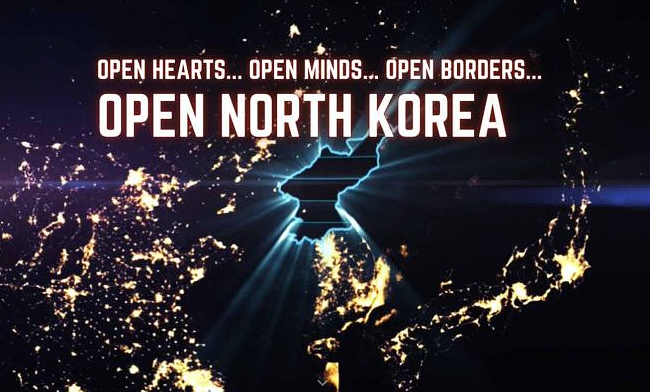
‘North Korea Freedom Week’ Aims to Repeal the ‘Balloon Propaganda Ban’Kim Sung-minChairman of Preparatory Committee for the 20th North Korea Freedom WeekThe North Korea Freedom Week, celebrating its 20th anniversary this year, is a movement dedicated to the freedom and liberation of North Korea. NGOs from domestic and international communities, driven by their love for the people of North Korea and their opposition to the Kim Jong-un regime, have been actively participating in this movement, alternating between Washington, D.C. and Seoul since 2004.Photo: North Korea Freedom Week’s websiteSusan Scholte, the initiator and chairperson of North Korea Freedom Alliance, defines North Korea Freedom Week as follows: "North Korea Freedom Week is a movement for the freedom and liberation of North Korean people, centered around North Korean defectors. The idea of North Korea Freedom Week originated from North Korean defectors who were proclaiming the freedom of North Korea in front of the U.S. Congress in 2004."Suzanne Scolte, North Korean human rights representative, and human rights activists chanting for 'Free North Korea' at Seoul Station Square on April 28, 2012. / Photo by Esther Pray Movement HeadquartersShe emphasizes that North Korean defectors, who were once residents of North Korea and thus have a deep understanding of the people's oppressed lives, should take the lead in this movement. She also calls for support and participation from freedom-loving citizens worldwide to support and encourage North Korean defectors' mission to save North Korea.Not only South Korea but also activists for North Korean human rights from Japan and Europe have responded to this movement. North Korean defectors who have been observers in testimonies, evidence, and events related to North Korean human rights have highlighted the importance of North Korean human rights and unification in Washington, D.C., and Seoul.During North Korea Freedom Week, defectors push for the North Korean Human Rights Act in Congress while highlighting issues like forced repatriation, political prison camps, and propaganda dissemination to North Korea.They have had six White House visits, met with President George W. Bush, Vice President Mike Pence, and officials from the National Security Council. They have also attended hearings in the Senate and House of Representatives, exposing the nature of the Kim Jong-il and Kim Jong-un regimes and advocating for North Korean human rights.During certain years of North Korea Freedom Week, they visited the North Korean mission in New York to condemn the representatives collaborating with the North Korean regime. They also forcefully expelled North Korean diplomats from the conference hall at the UN Headquarters for their disregard of the Kim Jong-un regime.However, the journey has been challenging. North Korean defectors exposing Kim Jong-un's dictatorship have faced threats from North Korean authorities and obstacles from pro-North Korean regimes, endangering their visits to the United States.As the 20th North Korea Freedom Week approaches, the event in Seoul, South Korea, scheduled from September 17th to 23rd, continues to focus on achieving its longstanding goals.“End the Balloon Propaganda Ban to ensure the free flow of information and promote democratic consciousness among the people of North Korea.”The Balloon Propaganda Ban, also known as the "Development of Inter-Korean Relations Act" enacted in 2021 by the Moon Jae-in administration, reflects Moon's pro-North Korea stance and directly impacts the freedom and livelihoods of the North Korean people.By preventing residents from accessing external information, the North Korean authorities maintain their regime while simultaneously indoctrinating distorted historical perceptions and idolizing their leaders. We must not allow such oppressive control and regulation to hinder the movement for North Korean freedom, which aims to dismantle the information control system of the North Korean authorities and show the residents a bright and free world.The core agenda of the 20th North Korea Freedom Week should prioritize the arguments presented by North Korean defectors, emphasizing the importance of the right to information for the people of North Korea. Let the voice of justice be heard on the streets of Seoul, Paju, and Ganghwa: "North Korean people need the right to know more than food."
23.07.17 -
 [Defectors' Podium]
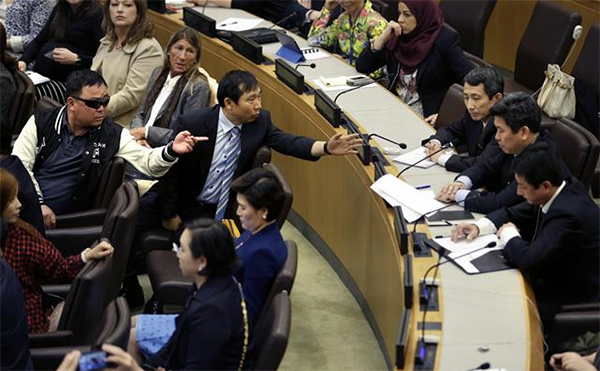
Unveiling the Operations of North Korea's Diplomatic Missions: A Closer Look into Reality(2)Ph.D. Kim Dong-soo in North Korean studiesFormer North Korean diplomatIn the reports concerning the foreign activities of North Korean diplomatic missions since the 1980s, a temporary emphasis was placed on various issues such as nuclear weapons, missiles, chemical weapons, remains of U.S. soldiers, U.S.-North Korea Talks, Six-Party Talks, human rights, food assistance, United Nations and international organizations, relations with major countries, projects related to South Korean, unification issues, and the development of relationships with respective countries. These reports primarily focused on proposing foreign policies, strategies, and suggestions that needed immediate attention.During this period, North Korean diplomacy experienced a downturn due to the collapse of the Soviet Union and the Eastern Bloc socialist countries, as well as China's comprehensive reforms and opening up. As a result, North Korea became increasingly fixated on the "cliff-edge diplomacy" of nuclear weapons development. As a result, North Korea experienced what is commonly known as the "Arduous March" in the late 1990s. During this period, the country resorted to a form of diplomacy characterized by seeking external assistance, which brought about significant hardships.In April 2015, at a human rights event related to North Korea held at the United Nations (UN) headquarters in New York, North Korean defectors (left) protesting against the sudden actions of North Korean diplomats (right). / New York, AP At the 6th Congress of the Workers' Party of Korea held in October 1980, Kim Jong-il was officially "designated" as the sole successor to Kim Il-sung, strengthening the "Ten Principles for the Establishment of the Party's Unique Ideology and Leadership System." Consequently, under the military dictatorship of Kim Jong-il's hereditary rule, North Korea focused its efforts on the "cliff-edge nuclear diplomacy" during a critical period when the people were facing severe issues related to their livelihoods. Considerable funds were invested in the idolization of Kim Jong-il and nuclear development. As a result of mobilizing all the funds and foreign currency sources of the Party, State, and Military toward Kim Jong-il's idolization and nuclear development during the era of Kim Il-sung and Kim Jong-il, North Korea's economy suffered significant setbacks. Furthermore, in the 1990s, the collapse of socialist countries, including the Soviet Union, and severe natural disasters pushed North Korea's economy into a comprehensive bankruptcy.These circumstances directly impacted the operation of North Korea's overseas diplomatic missions and the selection and dispatch of diplomats, which required immediate attention. In the late 1980s, Kim Jong-il issued instructions to Kang Sok-ju, the Deputy Minister of Foreign Affairs, to withdraw more than half of the overseas diplomatic missions. Although the Office 39 of the Central Committee of the Workers' Party of Korea had ensured special operating expenses and maintenance costs for the Ministry of Foreign Affairs and its diplomatic missions annually, the Finance and Accounting Department reported to Kim Jong-il that they could no longer guarantee the special operating expenses and maintenance costs due to severe foreign currency shortages. After reviewing the report, Kim Jong-il issued an instruction to the effect of, "Retract all unnecessary diplomatic missions that are draining the country's valuable resources without yielding substantial benefits." As a result, the Ministry of Foreign Affairs decided to withdraw over 50 diplomatic missions from the total of 120 embassies and representative offices situated across the globe.In the late 1990s, North Korea faced an unprecedented international sanctions led by the United Nations and the international community due to its nuclear weapons development. Additionally, the country experienced unprecedented natural disasters, leading to a dire situation with over 2 million deaths and the emergence of more than 300,000 defectors and refugees. The Kim Jong-il regime was on the brink of collapse. Kim Jong-il issued special instructions to the Party, Military, State Security Department, Ministry of Social Security, and Ministry of Foreign Affairs, stating:"If our socialist system, like the Soviet Union and other Eastern Bloc socialist countries, collapses, comrades will be the first to be executed on the people's tribunal. The regime has its absolute authority in the General Political Bureau." Furthermore, Kim Jong-il instructed the Ministry of Foreign Affairs, "From now on, suspend all other foreign activities and concentrate all efforts on nuclear weapons development and obtaining international food assistance. All unnecessary diplomatic missions unable to engage in such external activities should be immediately withdrawn under the command of the Supreme Commander."Following these special instructions, the Ministry of Foreign Affairs took immediate measures to withdraw around half of the overseas diplomatic missions, including more than 40 embassies and representative offices out of the existing 80. Since then, North Korea has been operating only around 35 to 40 diplomatic missions worldwide, including embassies and representative offices. U.S. Department of State/D. ThompsonIt is estimated that diplomats are dispatched to approximately 20 missions. The countries where North Korea maintains embassies and representative offices include Thailand, Indonesia, India, Pakistan, Australia, Tanzania, South Africa, Zimbabwe, Egypt, Iraq, Iran, Syria, Saudi Arabia, the United Kingdom, France, Italy, Germany, Spain, Switzerland, and Cuba. Diplomatic mission personnel carry out their organizational and daily activities in a combative manner, following a structured schedule: From Monday to Friday, the daily schedule consists of the following activities: from 8:00 AM to 9:00 AM, reading the Rodong Sinmun newspaper; from 9:00 AM to 10:00 AM, conducting briefings; from 10:00 AM to 6:00 PM, engaging in external activities; and from 8:00 PM to 10:00 PM, holding meetings and reporting on business matters. On Saturdays, the schedule includes a life review session from 9:00 AM to 10:00 AM, a lecture from 10:00 AM to 11:00 AM, cleaning activities from 11:00 AM to 12:00 PM, party policy studies from 2:00 PM to 4:00 PM, sports activities from 4:00 PM to 7:00 PM, and collectively organizing and watching party literature or artistic films from 8:00 PM to 10:00 PM.Due to the foreign exchange constraints in their home country, diplomats often face delays and non-payment of living expenses for extended periods, ranging from six months to a year. As a result, some diplomats resort to engaging in illicit activities such as drug trafficking, counterfeiting currency, and involvement in the illegal trade of alcohol and tobacco. These activities are undertaken at great personal risk. In cases where a diplomatic mission experiences a delay of six months to a year in receiving funds, and the ambassador sends a special telegram requesting the funds, the response from Pyongyang is a clear directive to "withdraw the embassy!" Consequently, most diplomatic missions are unable to visit department stores regularly, and diplomat spouses collectively visit local grocery stores once a week to purchase canned food for pets or animal feed. They rely on discarded rice or corn with product defects for their sustenance.Currently, the Ministry of Foreign Affairs has a total of approximately 1,500 personnel, out of which around 1,000 are diplomats. However, only a small fraction, approximately 100 diplomats, are repeatedly sent on diplomatic missions. This means that more than 80% of diplomats have not had the opportunity to go on overseas trips, including to countries like China and Russia. Among the preferred destinations for North Korean diplomats are the Middle East, despite the ongoing conflicts and unrest, and various African countries, where they can engage in lucrative illicit trade and accumulate foreign currency. Southeast Asia, China, Russia, and Europe are also ranked as preferred destinations. On the other hand, the United Nations in New York is the least preferred diplomatic mission for North Korean diplomats to be dispatched to.North Korea currently finds itself at a critical juncture. On one hand, accepting support from various international financial and economic organizations, including the United States and the United Nations, would entail subjecting the country to extensive scrutiny of its internal affairs, which is unacceptable. On the other hand, without international assistance, the already bankrupt economy will struggle to recover, leading to severe internal class conflicts and a potential regime collapse. The evolving foreign policy of North Korea presents us with both challenges and opportunities. It holds the potential for peace, coexistence, and prosperity on the Korean Peninsula. However, if the ongoing phase of dialogue fails, it may result in renewed periods of tension and confrontation. Resolving the North Korean nuclear issue and achieving peace on the Korean Peninsula are tasks of utmost importance in our time, requiring collective wisdom and concerted efforts.
23.07.17 -
 [News on North Korea]
Kim MyungsungNorth Korean Exchange Student Missing in Khabarovsk, Russia: Russian Security Authorities Searching for His WhereaboutsIt has been reported that a North Korean exchange student has gone missing in Khabarovsk, Russia, on July 8th, and Russian security authorities are searching for their whereabouts. This incident follows the disappearance of the family of a North Korean diplomat stationed in Vladivostok in June, raising possibilities of defection.Photo: Flyer for missing North Korean exchange student Kim Tae-sung, featured in the Russian media Novosti / RFAAccording to Radio Free Asia (RFA) on the 11th, the local newspaper "Novosti" in Khabarovsk reported on the case of a missing North Korean exchange student. The report stated that the North Korean consulate in Russia has publicly appealed for assistance in locating a 25-year-old man named Kim Tae-sung. It was mentioned that the Khabarovsk security authorities are actively searching for Kim Tae-sung and have released a photo of him to the media. The article also highlighted that Kim Tae-sung was a talented individual who had come to study at the Far Eastern Federal University in Khabarovsk before the COVID-19 pandemic and had received an excellent education in North Korea.The current whereabouts of Kim Tae-sung remain unknown, and if his intention was to defect, it is possible that he has already left the neighboring area. In late June, the family (wife and his son) of the owner of the North Korean restaurants "KOPE" and "Duman River Restaurant" in Vladivostok also went missing, leading to speculation about defection. According to a source, there is growing concern among trade representatives and workers from North Korea who have been sent to Russia, as there is a prevailing belief that the border between North Korea and Russia may soon open. These individuals are increasingly pessimistic about the prospect of returning to North Korea and being isolated from the outside world. With the gradual opening of North Korea's borders, there is a possibility of more defections by North Korean workers dispatched to Russia before their scheduled return.‘North Korean Young Leaders Assembly Meeting' Held in Washington D.C.On July 10th (local time), ten North Korean defectors in their 20s and 30s engaged in passionate discussions about "freedom," "democracy," "human rights," and "dreams" in fluent English and Korean at the North Korean Human Rights Committee (HRNK) office in Washington, D.C. This gathering was named the "North Korean Young Leaders Assembly." These young individuals, leaving behind painful moments of defection, are dedicated to preparing for the era of reunification and the freedom and hope of those who remain in North Korea. Their intention is to signify their preparation for the future of a unified Korean Peninsula, rather than identifying themselves solely as defectors.Photo: On 10th, North Korean defectors gathered in front of the Eisenhower Executive Office Building in Washington, D.C., for the 'North Korean Young Leaders Assembly' / The Chosun IlboMore than half of the ten individuals are fluent in English, with some having studied at prestigious institutions such as Columbia University, New York University, and possessing little to no accent. Others have settled in Korea and the United States, working in professions such as lawyers, software engineers, and architects. The meeting was led by researcher Lee Hyun-seung from the Global Peace Foundation, who stated, "Our dream is for North Korean residents to enjoy freedom and human rights in a free and unified Korea, just like us." Attorney Lim Cheol, who attended the meeting, is a North Korean defector from North Hamgyong Province. After settling in South Korea at the age of 15, he graduated from Korea University School of Law and Seoul National University School of Law.Harry Kim, who graduated from Kim Chaek University of Technology with a degree in computer science and engineering, also shared his belief that although there are many issues in North Korea such as human rights and nuclear concerns, the solution lies only in the democratization of North Korea. He had gained freedom after being dispatched overseas, awakening to the reality and obtaining US citizenship through the local US embassy after defection in 2015. Following the meeting, they moved to the White House to hold a roundtable discussion with the Director of the National Security Council (NSC) for the Korean Peninsula for one hour and thirty minutes. Until the 14th, they met with Senator Marco Antonio Rubio, Congressman Kim Young-oak, Ambassador Cho Hyeon-dong, and Ambassador Hwang Joon-kook at the United Nations during their visit to Washington and New York.Ryanggang Province Opens Samjang Customs House - Hyesan Customs Still ClosedRecent reports indicate that the Samjang Customs House in Taehongdan County, Yanggang Province, was opened by North Korea in early July. This comes after the previous opening of customs in Musan County, North Hamgyong Province, at the end of June. However, it has been observed that the nearby Hyesan customs in Ryanggang Province have not yet been opened. Ryanggang Province holds great significance as the birthplace of Kim Jong-il, and numerous locations within the province are regarded as "revolutionary sites" associated with the Kim dynasty. Nevertheless, since 2016, there has been a substantial increase in the number of North Korean defectors from Ryanggang Province, leading to its reputation as a "defector's sanctuary." According to data from the Ministry of Unification, North Hamgyong Province had the highest number of defectors between 1998 and 2015, but since 2016, Ryanggang Province has consistently topped the list. This shift has resulted in a transformation of the province's evaluation from a "holy land of revolution" to a "holy land of defection."Photo: View of Changbai Korean Autonomous County in Jilin Province, China & Hyesan city in Ryanggang Province, North Korea (the area across the river) / Yonhap News AgencyAccording to sources in North Korea, the opening of the Hyesan customs has been delayed. Despite earlier speculation about its opening in mid-July, the situation is still uncertain and subject to change. In the meantime, North Korea has announced the mobilization of party members from various regions for the construction of rural homes in Ryanggang Province, as reported by the Rodong Sinmun on the 11th. This move is believed to have multiple objectives, including enhanced surveillance and the utilization of the Yalu River border area for economic and propaganda purposes.Kim Yo-jong's Use of "Republic of Korea" Instead of "South Korea": A Shift in Two Korea PoliciesKim Yo-jong, the Deputy Director of the Workers' Party of Korea (WPK), has attracted attention by using the term "Republic of Korea" instead of "South Korea" in her recent speeches for two consecutive days. In the speeches delivered on the 10th and 11th, Kim Yo-jong criticized the reconnaissance activities of the US Air Force and referred to the Republic of Korea Joint Chiefs of Staff as the "military leadership of the Republic of Korea."Photo: Kim Yo-jong, Deputy Director of WPK / Korean Central TelevisionKim Yo-jong's speeches and other prominent North Korean media and official documents have rarely utilized the term "Republic of Korea." Instead, North Korea has traditionally referred to South Korea as simply "South Korea" or derogatorily as the "South Korean Puppet." This choice of terminology reflects North Korea's viewpoint of regarding South Korea as a temporary and unique relationship in the pursuit of reunification, comparable to how South Korea designates North Korea as a "target of unification" or "fellow ethnicity." However, analysis suggests a significant shift in North Korea's policy regarding South Korea, as Kim Yo-jong, acting on behalf of Kim Jong-un, Chairman of the State Affairs Commission, has officially incorporated the term "Republic of Korea" into her speeches. This marks a departure from the previous stance of considering South Korea as a separate country. The adoption of the term "Republic of Korea" in North Korea's discourse signifies a shift towards emphasizing "hostile coexistence" as part of the "Two Korea" policy. This shift is a response to the increasingly dim prospects for negotiations between South Korea and North Korea, as well as between North Korea and the United States. In the past, North Korea, through the Ministry of Foreign Affairs, rejected the plan for Hyundai Group Chairman Hyun Jeong-eun's visit to North Korea, categorizing it as a matter to be handled between nations rather than by inter-Korean organizations such as the National Committee for the Peaceful Reunification of the Fatherland. Notably, the announcement even employed the term "entry," which is not commonly used to refer to South Korean individuals.
23.07.17
News Letter
We are leading the global communication via Newsletter.
We will deliver the latest information and proven facts on Korean Peninsula status including North Korea situation.