

-
 [Kim Myongsung’s Inside North Korea]
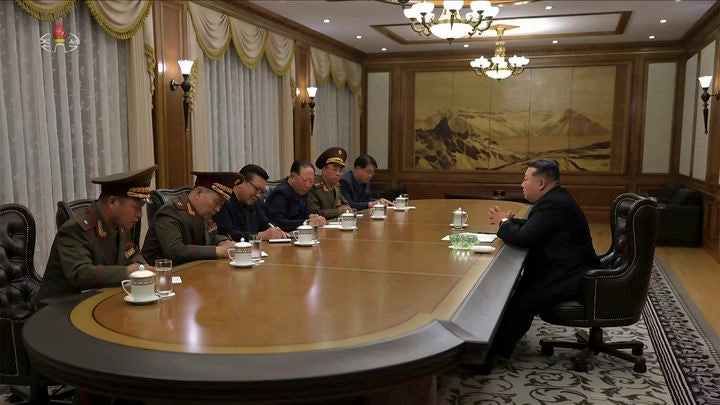
North Korea Inside· North Korea Urgently Mobilizes Nuclear Weapons Research and Production Personnel, Accelerates Nuclear Material Production and Force Deployment· Families of North Korean Soldiers Killed in Russia Reportedly Disappear Following Grievance Complaints· Kim Jong-un as “Good Cop”? North Korea Orders Return of Forcibly Collected Funds· Rodong Sinmun Highlights North Korea-China Relations Amid Limited Diplomatic OutcomesKim Myong-sungSecretary General of the SAND InstituteNorth Korea Urgently Mobilizes Nuclear Weapons Research and Production Personnel, Accelerates Nuclear Material Production and Force DeploymentNorth Korea has reportedly issued an emergency summons to all personnel engaged in nuclear weapons research and production, delivering a “letter of appreciation” from Chairman Kim Jong-un and directing them to devote full efforts to strengthening the country’s nuclear capabilities during the latter half of this year. The directive emphasized two core objectives: “substantially expanding nuclear material production capacity” and “accelerating the deployment of nuclear combat systems,” effectively mandating continuous, round-the-clock operations through year-end.Kim Jong Un, Chairman of the State Affairs Commission of North Korea, met with scientists and techniciansin nuclear-related fields, including the Nuclear Weapons Research Institute, on the 26th and guided an important meetingconcerning nuclear material production and nuclear weapons production, according to a report byKorean Central Television on the 27th. 2025.09.28./Photo=Korean Central Television captureAccording to a Pyongyang-based source familiar with the situation, on August 28 the regime convened an all-hands meeting at the Nuclear Weapons Research Institute, bringing together researchers, engineers, and scientists. At this event, Chairman Kim’s letter was read aloud, commending the personnel’s contributions as “the solid foundation guaranteeing the nation’s security,” and simultaneously assigning new “combat tasks” for the months ahead.The letter stressed that “raising the qualitative and quantitative levels of nuclear forces to new heights is not merely a technical choice but the most just path to safeguard Korea’s destiny,” underscoring Kim’s long-standing narrative that national stability rests on nuclear deterrence. This message echoed Kim’s remarks of August 26, when he told nuclear scientists that “ensuring stability through strength, with nuclear forces at its core, is our absolute and unchanging position.”The Party Committee overseeing the Institute outlined two immediate priorities: a rapid increase in fissile material production and an accelerated timetable for both tactical and strategic nuclear force deployment. Following the announcement, the committee declared an “emergency training period” (late September through early December), requiring all departments to combine technical practice with ideological study sessions. Researchers were ordered to submit documented plans for implementation and report progress on a weekly basis.The institute’s atmosphere has reportedly shifted to what sources described as a “wartime footing.” Personnel are now operating under extraordinary pressure, with expectations of round-the-clock work until year-end. The Party Committee is said to be applying intense oversight, including direct evaluations during quarterly reviews, in order to test loyalty, strengthen ideological resolve, and accelerate progress in nuclear weapons research and production.Families of North Korean Soldiers Killed in Russia Reportedly Disappear Following Grievance ComplaintsRecent reports indicate that families of North Korean soldiers killed in the Russia-Ukraine conflict have reportedly vanished without a trace shortly after lodging grievances with authorities. These incidents occurred in the aftermath of the second commendation ceremony honoring fallen personnel. Estimates suggest that approximately 2,000 North Korean soldiers deployed to the Russia-Ukraine war have died, with over 4,000 sustaining injuries.North Korean authorities reportedly conferred the title of “Hero of the Republic” on some deceased soldiers and pledged special treatment for their families. However, simultaneously, authorities appear to have imposed strict controls over expressions of dissatisfaction or grievance.Kim Jong Un, Chairman of the State Affairs Commission of North Korea, met with the bereaved families of martyrs whomade outstanding contributions in overseas military operations at the Mulan Pavilion in Pyongyang on the 29th to offercondolences, according to a report by Korean Central Television. 2025.08.30. /Photo=Korean Central Television captureA source in Yanggang Province reported on September 24 that a family in Pochon County, including the father in his 50s, disappeared shortly after returning from the commendation ceremony for their eldest son, who had been posthumously recognized as a Republic Hero. Residents and local officials described the disappearance as sudden and deeply unsettling for the community.The son, a member of the North Korean Army’s Storm Corps, was killed in action on the Ukrainian battlefield. The father, a work team leader at Gasan Farm, reportedly expressed outrage during a viewing of a commemorative documentary, criticizing the regime for sending his son to die abroad and rejecting relocation to Pyongyang as compensation. Witnesses reported that he vented his anger publicly, an act interpreted by authorities as slander against the Party and the state.According to sources, the State Security Department subsequently conducted a nighttime raid on the family’s residence, removing the family without explanation while leaving household belongings behind. Local residents were reportedly ordered to clean up the property and received warnings against commenting on the incident.The following day, in a gathering with residents and local officials, the State Security Department conducted coercive ideological instruction, framing the father’s actions as a severe affront to the Party and the state and asserting that the son’s heroic status did not mitigate the perceived offense.Observers report that this incident has generated widespread fear among residents. As one source noted, “In a situation where even the family of a recognized hero can disappear overnight, public expression of dissatisfaction is effectively suppressed,” highlighting the climate of intimidation and control within North Korean society.Kim Jong-un as “Good Cop”? North Korea Orders Return of Forcibly Collected FundsRecent reports indicate that Kim Jong-un, Chairman of North Korea’s State Affairs Commission, has publicly criticized the regime’s forced fundraising practices and directed that improperly collected funds be returned to residents. Observers interpret this move as a political maneuver aimed at alleviating public discontent and mitigating the risk of unrest amid growing economic hardship and state exactions.According to Rodong Sinmun (September 24), Chairman Kim reprimanded officials during a site inspection of the Pyongyang General Hospital, a project initiated five years ago but completed only seven months later. He criticized unauthorized design changes and the creation of ad hoc fundraising committees, describing these practices as “serious political issues” that violated state financial discipline. Reports indicate that full refunds were made to victims of illegal fundraising in December of the previous year.Chairman Kim has also curtailed fundraising campaigns aimed at supporting families of soldiers deployed to Russia. In his policy address at the 13th session of the 14th Supreme People’s Assembly on September 21, he stated, “Supporting bereaved families is the state’s responsibility,” and ordered the return of donations to their original owners. While North Korean authorities claim that contributions were voluntary, sources familiar with the country describe the campaigns as effectively coercive.Kim Jong Un, Chairman of the State Affairs Commission of North Korea a speech at the 13th session of the 14th Supreme People'sAssembly held at the Mansudae Assembly Hall in Pyongyang on September 20-21. 2025.09.23/Photo: Korean Central TelevisionIn agriculture, Chairman Kim emphasized a “farmers first” approach. He instructed officials not to withhold farm workers’ distribution shares or mismanage grain to meet state quotas, emphasizing that the rights and welfare of workers, as well as public sentiment, should take precedence over raw production figures. Analysts interpret this as an implicit acknowledgment of the dire conditions faced by rural populations, many of whom are reportedly on the brink of starvation.Indeed, media outlets focused on North Korea report recent incidents of newborn abandonment due to economic hardship in South Hwanghae and South Hamgyong Provinces. Residents are said to be pleading that, “After paying what we owe to the state, we have nothing left and only accumulate debt,” reflecting widespread economic distress.Observers note that Chairman Kim’s actions appear linked to broader structural pressures within North Korea. Since assuming power, Kim has simultaneously advanced large-scale construction projects—housing, industrial facilities, and infrastructure restoration—while relying heavily on residents’ contributions of funds and materials. This approach has reportedly generated widespread discontent and resentment.Rodong Sinmun commentary on September 25 highlighted the perceived stakes, stating, “The moment the Party loses the people’s trust, its very existence becomes a thing of the past in history books,” and warned that coercion alone cannot secure public support. Officials were cautioned that authoritarian tendencies could undermine the Party’s popular foundation.However, experts remain skeptical about the potential for lasting structural change. An official from a state-run research institute stated, “Chairman Kim Jong-un’s recent measures constitute political theater designed to placate public dissatisfaction and reinforce loyalty to the regime. Given the dependence of state construction projects on residents’ contributions, the likelihood of substantive change remains low.”Rodong Sinmun Highlights North Korea-China Relations Amid Limited Diplomatic OutcomesOn October 1, North Korea’s state media published four China-related articles in a single day, emphasizing the “friendly relations” between Pyongyang and Beijing. While the coverage underscores the public display of diplomatic closeness, analysis suggests that substantive diplomatic achievements remain limited.According to Rodong Sinmun, Chairman Kim Jong-un sent a congratulatory message to Chinese President Xi Jinping on the occasion of the 76th anniversary of the founding of the People’s Republic of China, reaffirming that “no matter how the international situation changes, we will deepen and develop North Korea-China friendship.” The same day, the newspaper reported that Foreign Minister Choe Son Hui returned to Pyongyang following a three-night, four-day visit to China.Additional coverage highlighted a banquet hosted by the Korean Foreign Cultural Exchange Association and the Korea-China Friendship Association, which reportedly invited Chinese Embassy officials, as well as China’s launch of a small satellite from the Taiyuan Satellite Launch Center, showcasing Chinese technological achievements.Choe Son Hui, North Korean Foreign Minister, met with Chinese Premier Li Qiang at the Great Hall of the Peoplein Beijing, China, on September 29./2025.09.30/Photo: Korean Central News AgencyDespite the concentrated media coverage, analysts note limited concrete outcomes. Although Foreign Minister Choe met with Premier Li Qiang and Foreign Minister Wang Yi, a proposed meeting with President Xi Jinping did not materialize. Chinese state media reported that Choe expressed support for Xi’s vision of a “community with a shared future for mankind” and other global initiatives; these references were omitted in North Korean reports. Similarly, North Korean outlets did not mention discussions on China’s core interests regarding Taiwan, Xinjiang, or Tibet. This divergence highlights differences in communication strategy and possibly reflects North Korea’s intent to maintain flexibility in U.S.-DPRK engagement even while cooperating with China.Observers also noted the presence of China’s Vice Foreign Minister responsible for border and maritime affairs at meetings with North Korean officials, suggesting discussions may have included issues related to East Sea access. While a summit-level meeting with Xi did not occur, North Korea emphasized “strengthened high-level exchanges” with Premier Li and through Foreign Ministry discussions, signaling the regime’s interest in maintaining visibility and signaling intent to Beijing.Shortly after Choe’s return, satellite imagery and flight tracking data indicate that a large Chinese cargo aircraft landed in Pyongyang, offloaded multiple trucks of materials, and departed within four hours. While the exact contents remain unconfirmed, analysts suggest these may constitute either civilian commemorative goods or, less likely, specialized supplies, noting historical precedent for gift shipments coinciding with political anniversaries.Finally, the Korean Central News Agency reported that Foreign Minister Choe sent a congratulatory message to Chinese Foreign Minister Wang Yi on the occasion of China’s National Day, emphasizing the “important mission” of diplomatic sectors in advancing traditional DPRK-China friendship in line with new-era demands.In summary, while North Korea’s media output demonstrates a highly visible commitment to signaling closeness with China, concrete diplomatic achievements appear limited. Analysts interpret the coverage as part of a broader strategy to manage China relations while retaining flexibility for engagement with the United States.
25.10.03 -
 [News&Issue]
North Korea’s Claim to Great Power Status: Image and RealityKim Dong-sooFormer North Korean DiplomatNorth Korea has sought to present itself as a peer of China and Russia, highlighting imagery of Chairman Kim Jong-un standing alongside Presidents Xi Jinping and Vladimir Putin during the Beijing Victory Day parade on September 3. This imagery was followed by a front-page editorial in the Rodong Sinmun on September 16, which proclaimed North Korea to be “a great power exerting enormous influence on the world political landscape and the flow of international affairs.” The paper further asserted that the country’s “unrivaled self-defense capabilities” have elevated national pride “a hundredfold.”Strategic Alignment with China and RussiaPyongyang has intensified efforts to align itself with Beijing and Moscow, consistently citing Chinese and Russian positions on global issues through its state media. This has included reprinting the statements of Russian and Chinese ambassadors at the United Nations on issues ranging from Ukraine to the Middle East. North Korea is also preparing for an elevated presence at the upcoming UN General Assembly, consistent with Kim Jong-un’s pledge during his recent summit with Xi Jinping to “strengthen cooperation on multilateral platforms.”This posture has coincided with an assertive declaration of nuclear permanence. On September 15, North Korea’s mission in Vienna stated: “The nuclear weapons state status of the Democratic People’s Republic of Korea is permanently enshrined in the country’s supreme law and is irreversible. We will thoroughly oppose and reject any arbitrary attempt to alter our current status.”Fragile Foundations Behind the RhetoricWhile Kim Jong-un’s appearance with Xi and Putin is designed to symbolize elevated international standing, it simultaneously underscores Pyongyang’s reliance on its alignment with China and Russia. Nuclear development and military buildup have been central to the regime’s strategy of survival, but the resulting sanctions have devastated the broader economy.Food insecurity remains acute, electricity is available only for limited hours in provincial areas, and heating shortages are endemic during winter. According to the United Nations, 20 percent of North Korean children under the age of five suffer from malnutrition.Shortages of medicine and educational supplies further erode living conditions, forcing families to turn to informal markets to meet basic needs. Even as the regime invests heavily in weapons development and propaganda, the population bears the brunt of deprivation.The Paradox of “Self-Reliance”Pyongyang’s rhetoric of juche—self-reliance and self-sufficiency—stands in stark contrast to its actual dependency on external partners. As of 2024, over 95 percent of North Korea’s trade is conducted with China, and both China and Russia supply the bulk of its energy, food, and military materials.This reality renders North Korea’s invocation of self-reliance more rhetorical than substantive. Genuine national dignity cannot be achieved through proclamations of independence while remaining structurally dependent on external powers and allowing the population to endure persistent hardship. True self-reliance would require greater openness, innovation, and cooperation with neighbors in ways that materially improve living standards.ConclusionNorth Korea’s attempt to elevate itself into the ranks of great powers must be assessed critically against its underlying vulnerabilities. Its strategic alignment with China and Russia and its emphasis on nuclear permanence project an image of strength, yet the regime remains dependent externally and constrained internally by economic fragility and widespread social hardship.If Pyongyang continues to equate legitimacy with military capability while neglecting the basic well-being of its people, its future trajectory will remain uncertain at best. For policymakers and analysts, the critical task is to distinguish between North Korea’s carefully crafted image of great power status and the stark reality of its internal weaknesses and external dependencies.
25.09.19 -
 [NK Focus]
Evaluation of Kim Jong-un’s 2025 Liberation Day SpeechThe Intersection of External Hardline Stance and Internal Cohesion Strategy Lee Seung-hyunResearch Fellow, Sand Research Institute, Ph.D. in Public AdministrationOn August 15, 2025, North Korea staged an elaborate commemoration of the “80th Anniversary of National Liberation,” highlighted by a keynote address from Chairman Kim Jong-un. The speech drew significant attention both domestically and internationally, as it was the first time Kim had personally delivered a Liberation Day address. While the speech adhered to the traditional themes of honoring the anti-Japanese struggle and national liberation, its substantive focus was on deepening the strategic partnership with Russia and promoting international anti-imperialist solidarity. Far from a routine commemorative statement, the address provided a window into Pyongyang’s evolving foreign policy orientation and the mechanisms by which the regime seeks to consolidate internal legitimacy.Reframing the Liberation NarrativeKim characterized August 15 as “the great day of victory when we regained our independent dignity,” lauding the resilience of the Korean people under Japanese colonial rule. Strikingly, however, he omitted any reference to Kim Il-sung, a departure from North Korea’s longstanding tradition of attributing national liberation to the late founder’s guerrilla struggle. For decades, official discourse equated liberation with Kim Il-sung’s personal achievements, a pattern reinforced under both Kim Jong-il and during the early years of Kim Jong-un’s rule. By contrast, the 2025 speech elevated the collective “struggle of the entire nation” and explicitly acknowledged the Soviet Union’s contribution, signaling a deliberate recalibration.This rhetorical adjustment can be interpreted in several ways. First, the speech emphasized external diplomatic signaling over internal ideological education. By framing liberation as both a national and joint Korean-Russian struggle, Kim sought to recast the bilateral relationship as a “blood alliance” rooted in history. The choreography surrounding the event—President Putin’s congratulatory message, the visit of a Russian delegation, and the performance of the Russian national anthem—reinforced this framing.Second, the omission of Kim Il-sung may reflect Kim Jong-un’s effort to assert his own independent authority. Reliance on the “anti-Japanese myth” underscores continuity with the past but can also tether legitimacy to the legacy of a previous leader. By downplaying his grandfather’s role, Kim highlighted his own diplomatic leadership and contemporary achievements as the foundation of regime legitimacy.Third, minimizing Kim Il-sung’s centrality allowed space to elevate Russia’s role. A narrative dominated by Kim Il-sung would risk overshadowing the Soviet contribution, which Pyongyang now appears eager to highlight as it seeks to elevate its partnership with Moscow to a strategic level.Diplomatic Calibrations: Avoiding South Korea and the United StatesAnother notable feature of the speech was its avoidance of direct references to South Korea or the United States. While Kim criticized “imperialist arrogance” and infringements on sovereignty, he refrained from naming Seoul or Washington. This rhetorical restraint suggests a calibrated strategy: emphasizing universal themes of anti-imperialist resistance for international audiences, while avoiding unnecessary escalation in inter-Korean or U.S.–North Korea relations. It also underscores Pyongyang’s prioritization of strategic solidarity with Russia while preserving flexibility in dealing with Seoul and Washington.Strategic ImplicationsTaken together, the speech can be understood as a layered message revealing both external and internal priorities. Recasting legitimacy: By broadening the liberation narrative beyond Kim Il-sung, Pyongyang signaled that it no longer relies solely on revolutionary tradition for legitimacy. Instead, Kim Jong-un emphasized his own leadership credentials and foreign policy achievements.Strengthening the Russia axis: By defining relations with Russia as a “historic blood alliance,” North Korea sought to consolidate its alignment within a multipolar international order, positioning itself more firmly against the United States.Maintaining diplomatic maneuverability: The omission of South Korea and the United States points to a strategy of managing tensions while leaving the door open for future negotiation or tactical engagement.ConclusionKim Jong-un’s 2025 Liberation Day address went beyond commemoration, serving as a platform to articulate the regime’s evolving ideological and strategic orientation. The omission of Kim Il-sung’s central role, the elevation of North Korea–Russia ties, and the careful avoidance of direct reference to Seoul and Washington all function as indicators of Pyongyang’s recalibrated approach.These shifts suggest that the regime is selectively reinterpreting its traditional ideological assets, deploying them flexibly to meet current strategic needs. At the same time, Kim Jong-un is cultivating new sources of legitimacy rooted in external diplomacy and substantive alliances.The 2025 Liberation Day speech, therefore, should be read not only as a historical commemoration but as a programmatic statement on how the regime intends to navigate its legitimacy and security challenges in an increasingly contested international environment.
25.09.19 -
 [Kim Myongsung’s Inside North Korea]
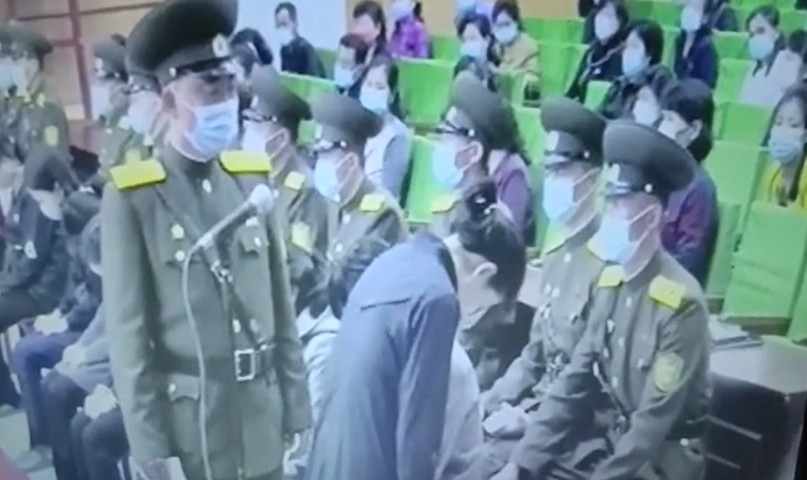
Kim Myongsung’s Inside North Korea· Over 20 Students from Pyongyang’s Elite Universities Face Public Trial for Disseminating South Korean Dramas and K-Pop· Kim Jong Un Orders Establishment of Sniper Training Centers at the Corps Level, Heightening Military Threat to South Korea· North Korea Commences Rice and Potato Harvests, Prioritizing “Projected Yields = Actual Yields”· Pyongyang’s Relative Affluence Contrasts with Provincial Hardship and Rising VagrancyKim Myong-sungSecretary General of the SAND InstituteOver 20 Students from Pyongyang’s Elite Universities Face Public Trial for Disseminating South Korean Dramas and K-PopNorth Korean authorities reportedly convened a large-scale “ideological struggle session” in early September, placing more than 20 university students and artists on public trial for distributing South Korean television dramas and K-Pop.The event—held shortly after Chairman Kim Jong Un’s visit to China—reportedly cast a chilling effect across Pyongyang’s university district. Defendants were warned of “life destruction,” a term signifying expulsion and long-term social punishment.According to sources in Pyongyang, on September 6 at 5:00 p.m., over 20 students were brought onto the stage of the Pyongyang Youth Hall during a session jointly organized by the State Security Department and the Youth League.The accused were said to be enrolled at leading North Korean universities, including Kim Il Sung University, Kim Chaek University of Technology, the University of Science, Kim Hyong Jik University of Education, Chang Chol Ku University of Commerce, Pyongyang Computer University, Pyongyang University of Foreign Studies, Pyongyang Medical University, Kim Won Kyun Pyongyang University of Music and Dance, and the University of Theatre and Film.Roughly 150 individuals—including the accused students, their families, university officials, Party secretaries, professors, and student representatives—were compelled to attend. Witnesses reported that the atmosphere was tense and silent as security officials publicly enumerated each student’s alleged offenses, reading them aloud as though issuing formal warning notices.All students were detained for distributing South Korean films, foreign music, and other prohibited media. During the investigation, specific titles were reportedly cited, including The King’s Affection, Reborn Rich (The Youngest Son of a Chaebol Family), The Lady Ok, Trauma Center, Great Moments in World Soccer and Screen Music, and South Korean Dance and Song Contest / Song Memory.Although the students expressed contrition, authorities rejected these statements as inadequate, signaling potential expulsion and permanent exclusion from higher education. Given prolonged interrogations and resulting class absences, many face the prospect of forced leave or dismissal from their universities.Later that same day, more than ten artists—including actors, directors, and screenwriters from the Pyongyang Art Film Studio—were similarly subjected to public criticism for violating the Anti-Reactionary Ideology and Culture Rejection Law.Immediately afterward, they were transferred in shackles to the Pyongyang City Security Bureau for preliminary investigation. Officials declared that, depending on the severity of the charges, penalties could range from eight to fifteen years’ imprisonment—or even life sentences.One source suggested that the timing of the proceedings had been delayed until after Kim Jong Un’s return from China, underscoring that the event functioned not merely as law enforcement but as a deliberate act of political intimidation aimed at universities and the broader capital.Despite such efforts, discontent is reportedly simmering among residents. One individual observed: “There is a saying: hate the sin, not the sinner. Even if we oppose the United States, treating South Korea—our own blood—as if it were a foreign state is fundamentally wrong. Who would quietly accept such a policy?”Kim Jong Un Orders Establishment of Sniper Training Centers at the Corps Level, Heightening Military Threat to South KoreaKim Jong Un, Chairman of the State Affairs Commission of North Korea, has reportedly issued a directive mandating the establishment of sniper training centers in every corps-level unit of the Korean People’s Army. The order, delivered immediately following his inspection of a special operations training base, represents an institutionalization of sniper training on a scale not previously observed in the North Korean military. Analysts assess that this move could further intensify the threat environment facing South Korea.According to sources in Pyongyang, the directive was issued on August 30, just three days after Kim’s visit to the Special Operations Training Base under the General Staff. North Korean state media reported that Kim personally observed sniper exercises featuring upgraded rifles and camouflage equipment. He reportedly emphasized that “snipers play a decisive role in paralyzing enemy command posts and strategic targets in modern warfare” and stated that the Party Central Military Commission would consider the creation of a central sniper training institution. Sources note that the initiative was subsequently broadened to encompass corps-level implementation.Under the directive, each corps is required to establish a dedicated sniper training center. Assigned tasks include: Issuing new camouflage uniforms and optical equipment,Expanding training for mountain, urban, and nighttime environments, Specializing in target detection, concealment, and mobility, and Integrating sniper operations with intelligence-gathering missions.Corps units have been instructed to expand firing ranges and training grounds, with direct oversight by corps headquarters. Commanders have reportedly begun drafting implementation plans, though shortages of rifles, ammunition, optical equipment, and uniforms pose significant challenges. In some cases, reserve personnel are being retrained as snipers to accelerate the program.Observers assess that this initiative reflects both the shifting security dynamics on the Korean Peninsula and Kim’s intent to demonstrate enhanced special operations capabilities, particularly in the context of strategic cooperation with Russia.While presented as a military modernization measure, the order also carries political and ideological weight. It signals Kim’s determination to reorient corps-level operations around special operations, while simultaneously fostering internal competition and loyalty within the ranks.Nonetheless, questions remain regarding the program’s near-term feasibility given the regime’s resource constraints. Experts generally agree, however, that institutionalizing sniper training across all corps represents a qualitative adjustment in North Korea’s military posture. If implemented effectively, it would add a new dimension to the threat calculus for South Korea, U.S. forces, and regional stability.North Korea Commences Rice and Potato Harvests, Prioritizing “Projected Yields = Actual Yields”North Korea has announced the nationwide start of rice harvesting, with particular emphasis on ensuring that “projected yields directly translate into actual yields.” The campaign is being highlighted in South Hwanghae Province, the country’s largest grain-producing region, and appears designed to prevent underreporting of harvest volumes or diversion of crops at the farm level.The cabinet-affiliated newspaper Minju Joson reported on September 16 that the Agricultural Committee, along with Party and state cadres at all levels, is intensifying oversight. Officials have been instructed to mobilize farmers through “frontline-style political work” and to ensure timely and high-quality completion of the harvest. South Hwanghae Province was singled out as strictly sequencing the order of harvests and generating momentum from the outset.The report noted that in Anak, Jaeryong, and Bongchon counties, local authorities are timing harvests precisely according to crop type and field conditions. Other provinces, including North Hwanghae, South Pyongan, and Kangwon, as well as Kaesong City, are concentrating labor and equipment, with an emphasis on mechanization to reduce losses. Separately, potato harvesting has begun in Daehongdan County, Yanggang Province.North Korea’s sensitivity regarding yield management reflects chronic problems with mid-harvest losses. Farms frequently underreport production in order to reduce state collection requirements, as government allocations for military rations and public distribution are prioritized over local use or farm retention. Farmers, who often rely on springtime loans of seed and supplies from individuals, must repay in grain after the harvest, but state requisitioning typically leaves them unable to meet these obligations.Grain theft is also a recurring problem during the harvest season. Farm workers and residents frequently divert crops, prompting authorities to increase surveillance and deploy additional security personnel. Yet with market prices for rice and corn continuing to rise sharply, such measures may have limited deterrent effect.The UN Food and Agriculture Organization (FAO), however, has offered a comparatively positive outlook. In a September 16 statement, the FAO assessed that “as of late August, crop conditions are favorable in most parts of North Korea,” citing above-average rainfall in western provinces—including South and North Pyongan and Hwanghae—that has improved harvest prospects. While localized flooding was observed in low-lying areas, the FAO noted that impacts on overall yields appear limited.Domestically, the regime is emphasizing increased grain output as a key economic achievement in advance of the 80th anniversary of the Workers’ Party of Korea next month. A North Korean research institute official stated that the policy focus on “projected yields equaling actual yields” reflects an effort to tighten control over theft and mid-harvest losses, thereby maximizing state procurement volumes.Pyongyang’s Relative Affluence Contrasts with Provincial Hardship and Rising VagrancyRecent reporting highlights deepening social polarization within North Korea. While residents of Pyongyang increasingly enjoy consumer luxuries such as fruit and coffee, conditions in the provinces remain dire, with evidence of worsening food insecurity and a resurgence of vagrancy. Despite the central government’s 20×10 Policy for Local Industrial Development, provincial economies show little indication of recovery.Alexander Vorontsov, head of the Korean and Mongolian Studies Department at the Russian Academy of Sciences’ Institute of Oriental Studies, shared observations during the Samcheong Forum in Seoul on September 15. Vorontsov, who visited Pyongyang last month as part of a Liberation Day delegation, reported that urban residents were consuming a variety of fruits, including strawberries, apples, and mangoes—items virtually inaccessible outside the capital. He further noted that while a decade ago Pyongyang reportedly had only a single coffee machine, cafes are now widespread, signaling improved living standards for the capital’s residents. At the same time, he observed that restrictions on foreigners’ mobility inside North Korea appear to have tightened.In stark contrast, conditions in rural areas remain severe. The outlet Daily NK reported on September 16 that children begging or stealing food have reappeared in markets and train stations, indicating a rise in so-called “flower beggars”—a term used for street children displaced by food insecurity. Witness accounts suggest that many provincial households survive on only a few potatoes per day, with rice and corn increasingly unobtainable due to surging prices. Children orphaned or abandoned by guardians unable to provide support are being pushed onto the streets. Although authorities periodically send them to shelters, those facilities reportedly lack sufficient food and clothing, prompting many children to return to vagrancy.Central authorities continue to rely on crackdowns rather than structural solutions, but these measures are widely regarded as cosmetic. Despite the regime’s 20×10 Policy intended to stimulate local industry and improve regional economies, provincial hardship appears to be worsening.One source warned: “Unless the underlying food shortage is resolved, children will inevitably continue to be forced into the streets. Crackdowns alone cannot address the survival needs of the population.”The widening disparity between Pyongyang’s relative affluence and the provinces’ deepening poverty is likely to fuel further discontent and social instability inside North Korea.
25.09.19 -
 [News&Issue]
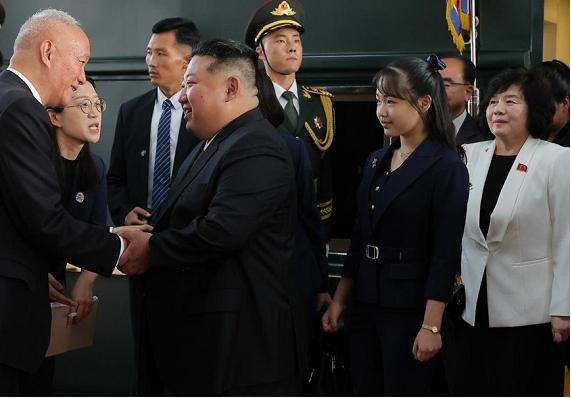
Rodong Sinmun: Kim Ju-ae's China Visit Day “Perfectly Realized the Succession of the Revolutionary Cause”Kim Dong-sooFormer North Korean DiplomatKim Jong Un, Chairman of the State Affairs Commission of North Korea, visited China on the 2nd to attend the 80th anniversary of China's Victory Day. It has been confirmed that his daughter, Kim Ju-ae, accompanied him. While Kim Jong Un's wife, Ri Sol-ju, has accompanied him on visits to China before, this marks the first time he has appeared on the diplomatic stage with his children. This is interpreted as an important political move that goes beyond mere protocol.North Korea's Rodong Sinmun, the official newspaper of the Workers' Party, drew attention on the same day by mentioning the ‘bloodline of Paektu’ and the ‘complete resolution of the succession issue’. This has led to analysis that North Korea has effectively formalized the fourth-generation succession both domestically and internationally.In an article titled ‘The Unique Characteristics of Our State’ published on the 3rd, Rodong Sinmun stated, “It is a promising country with firm continuity that has perfectly realized the succession of the revolutionary cause.”It further reported, “Our country has long regarded the succession of the revolution as a state task of eternal importance and devoted considerable effort to this endeavor.” It emphasized, “The fact that the issue of leadership succession has been elevated as a fundamental matter determining the future of the Party and the revolution, and as a fundamental issue in the succession of the socialist state political system, and has been perfectly resolved both theoretically and practically, is the greatest pride and honor of Juche Korea.” Earlier, on the 2nd, the Rodong Sinmun published an article titled “Even as Time Flows and Generations Change a Hundred Times Over,” introducing Chairman Kim Jong Un's statement that “the lifeline of our Party and revolution must be perpetuated forever through the ‘Baekdu bloodline.’”The related article details Chairman Kim Jong Un's visit to the Daesongsan Revolutionary Martyrs' Cemetery, North Korea's equivalent of a national cemetery, in April 2022 to mark the 90th anniversary of the founding of the anti-Japanese guerrilla forces. There, he emphasized loyalty to the first-generation guerrilla leaders. This underscored loyalty to the successor among North Korean officials. It appears to be an attempt to put an end to the succession structure debate that has persistently surfaced since Kim Ju-ae's first public appearance.Since her initial public unveiling in November 2022, Kim Ju-ae has steadily elevated her political standing by appearing at key civilian and security sites, including inspections of military supply factories and military parades. Notably, in May, she accompanied Chairman Kim Jong Un to the Russian Embassy in Pyongyang during the Russian Victory Day commemorations.Meanwhile, the public activities of Ri Sol Ju, who previously performed the role of ‘First Lady,’ have sharply decreased. At the completion ceremony for the Wonsan-Kalma Coastal Tourist Zone last June, she was seen standing behind Chairman Kim Jong Un and his daughter.Even Kim Yo-jong, Vice Department Director of the Workers' Party and Kim Jong-un's sister, was seen bowing to Kim Ju-ae and guiding her to her seat, underscoring the special treatment Kim Ju-ae receives within North Korea.Kim Ju-ae, who has effectively solidified her presence as a successor by performing the role of First Lady, has now stepped directly onto the multilateral diplomatic stage. This move is seen as a political message going beyond mere protocol, fueling predictions that North Korea will soon formalize its successor.Amid this, attention is focused on why North Korea is rushing the ‘fourth-generation succession’. Observers suggest that bringing a young daughter in her early teens onto the international stage so early indicates a sense of urgency. While various interpretations circulate, some analysts link this move to speculation about Chairman Kim's health issues, viewing it as an effort to stabilize the succession system early.South Korean intelligence authorities and experts unanimously observe that Chairman Kim's weight recently reached 140 kg and that he is classified as a high-risk group for heart disease. The analysis labeling him a ‘high-risk group for heart disease’ is based on a comprehensive assessment of his gait, breathing, and physical changes visible in footage. Reports also suggest he is seeking additional medication beyond his existing regimen.Repeated observations pointed to Kim Jong-un's “swollen neck” during the July 72nd anniversary event of the Armistice Agreement as a sign of health issues. While some counter that it is simply obesity, others cite the precedent of his grandfather Kim Il-sung suffering from a neck lump during his lifetime, suggesting “the same condition could recur.” Professor Park Won-gon of Ewha Womans University, citing common discussions among North Korea experts, stated, “It would be strange if Chairman Kim Jong-un were not experiencing health issues.” He explained, “Chairman Kim sleeps at 5 a.m., smokes two packs of cigarettes a day, drinks heavily, and leads a life bordering on workaholism. Considering his weight and lifestyle, it's inevitable he has various adult diseases.” This is why rumors about his health issues persist.Nevertheless, Chairman Kim appeared relatively normal during the Victory Day event in Beijing on the 3rd, climbing stairs and greeting President Xi Jinping one-on-one. Intelligence authorities have also drawn a line, stating that 'Kim Jong-un's health issues and Kim Ju-ae's succession training are not directly linked.‘Amid this, observers suggest that Chairman Kim Jong-un bringing Ju-ae along on his overseas trip reflects an intent to cultivate diplomatic acumen early in his daughter, whom he has designated as successor.Jung Sung-jang, Vice President of the Sejong Institute, analyzed, “Chairman Kim Jong-un, who was designated as successor at age 8 but faced many restrictions on external activities and thus lacked diplomatic experience, is showing his determination not to repeat the same limitations with Ju-ae.This can be seen as a measure to strongly signal to the international community that Kim Ju-ae will become the next leader, while also formally initiating her diplomatic training.”
25.09.05 -
 [NK Focus]
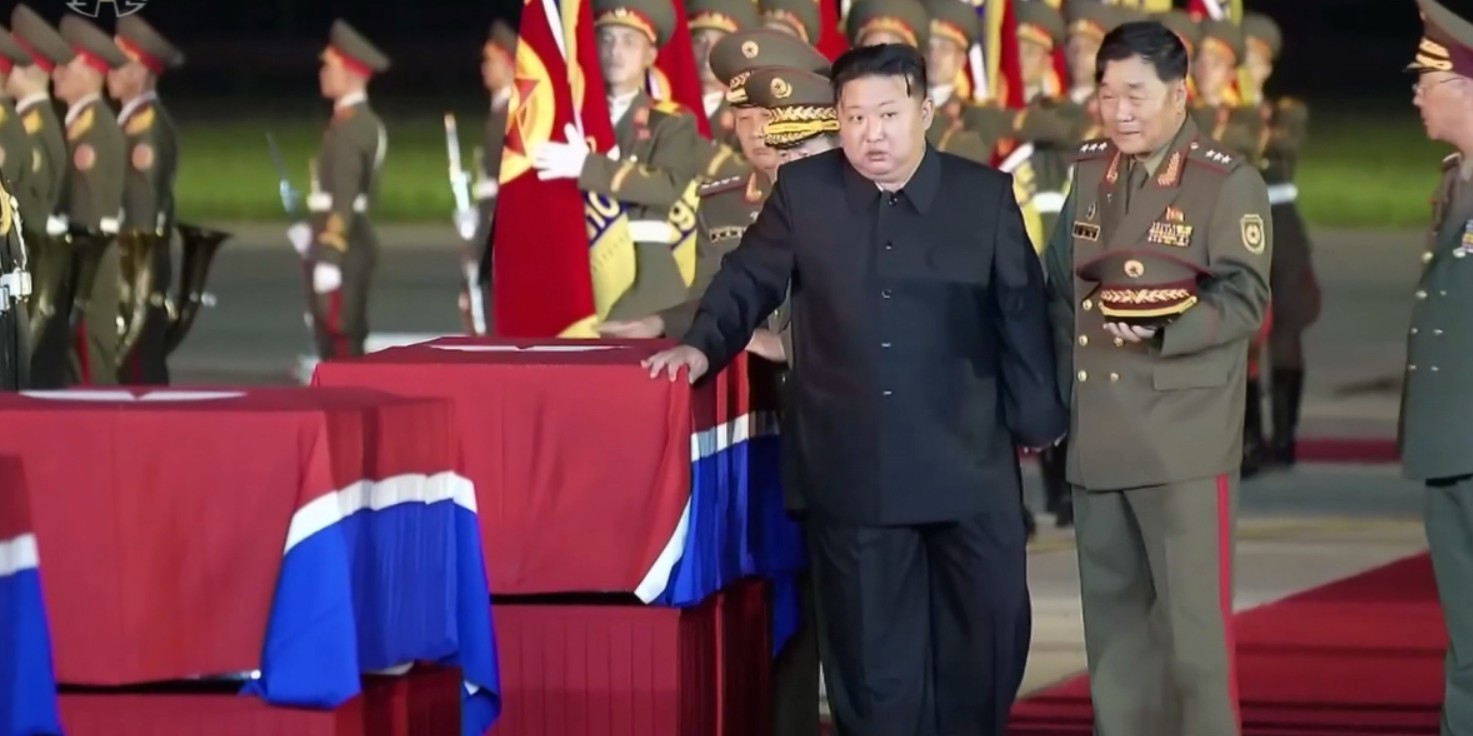
August Analysis of North Korean Trends-Escalating Military Tensions and Social Cohesion Linked to North Korea-China-Russia Solidarity- Lee Seung-hyunResearch Fellow, Sand Research Institute, Ph.D. in Public AdministrationOverviewIn August 2025, North Korea sought simultaneously to reassert itself on the international stage and to project domestic resilience. Externally, Pyongyang moved to reinforce solidarity with China and Russia, highlighted by the confirmation of Kim Jong Un’s participation in Beijing’s September Victory Day parade.Internally, the regime emphasized social cohesion and endurance, while militarily it showcased both defensive and offensive upgrades. Together, these moves reinforced a three-pronged strategy: diplomatic reemergence, military demonstration, and ideological consolidation.Military PosturingAugust witnessed visible efforts to strengthen North Korea’s military posture, particularly in air defense and naval capabilities:Air Defense Enhancements. On August 23–24, Pyongyang announced test launches of two new types of anti-aircraft missiles, aimed at countering low-altitude threats such as drones and cruise missiles. This signals an effort to build layered interception capabilities against the precision-strike assets of the U.S.-ROK alliance.Naval Modernization. Propaganda releases repeatedly highlighted the operation of a new destroyer, underscoring Kim Jong Un’s declared ambition to expand the maritime dimension of North Korea’s nuclear force.Strategic Messaging. Together, these moves conveyed a dual message of strengthening both the “shield” (air defense) and the “spear” (naval and tactical missile forces).Interestingly, while North Korea condemned the U.S.-ROK “Ulchi Freedom Shield” exercise, its response was relatively restrained—limited to a Defense Ministry statement—suggesting Pyongyang is calibrating rhetoric while relying on visible military displays to project resolve.Political and Diplomatic ManeuversKim Jong Un’s formalized attendance at Beijing’s parade marks his first substantive participation in a multilateral diplomatic setting since the pandemic. This appearance is highly symbolic, serving multiple objectives:Demonstrating bloc alignment. Reinforcing trilateral solidarity with China and Russia, while signaling to the West and Seoul that Pyongyang is not isolated.Diluting sanctions narratives. Positioning closer ties with Moscow and Beijing as an alternative to isolation, while seeking material benefits in energy, raw materials, and logistics.Bolstering negotiation leverage. Showcasing diplomatic agency to set conditions for future engagement with the United States and South Korea.This external activity coincides with a steady stream of policy statements by Kim Yo Jong on South Korea’s peace overtures, suggesting that Pyongyang intends to combine external negotiation postures with internal consolidation through military strength.Domestic Narrative and Social CohesionDomestically, August was marked by efforts to build ideological solidarity around sacrifice.Honoring Combatants. Kim Jong Un presided over ceremonies awarding commendations to soldiers deployed abroad, meeting bereaved families and framing their sacrifices as a source of national pride.Institutionalizing Sacrifice. By linking veterans’ welfare and social security commitments to regime legitimacy, the leadership is embedding sacrifice into the broader social and ideological fabric—potentially normalizing future mobilization and deployments.Economic messaging, by contrast, remained largely symbolic. Aside from a single appearance acknowledging livelihood concerns, Pyongyang emphasized expectation management rather than concrete relief. While Kim’s Beijing visit may offer limited logistical and energy gains, sanctions-related hardships will persist absent structural changes in enforcement.Outlook: September and BeyondNorth Korea’s August trajectory suggests an enduring framework of military-first governance, with diplomacy and domestic management as secondary but supporting elements. Going forward, three key developments merit close attention:High-level diplomacy. The outcomes of Kim’s bilateral meetings with Xi Jinping and Vladimir Putin—and any potential trilateral gathering—will indicate the depth of bloc alignment.Material cooperation. Whether North Korea secures concrete transfers of military supplies, technology, energy, or logistics support from China and Russia will shape the regional security balance.Domestic institutionalization. Expansion of veterans’ policies could normalize mobilization and reinforce the ideological foundation of the regime’s hardline stance.If these three axes converge, the latter half of 2025 is likely to witness a hardened structure characterized by:Deepening North Korea-China-Russia bloc formation, Persistent military demonstrations, and Sustained domestic cohesion politics.Strategic ImplicationsThe consolidation of North Korea’s bloc diplomacy with China and Russia, coupled with its emphasis on military modernization and internal unity, signals a trajectory toward heightened military tension and prolonged confrontation. For policymakers, the challenge lies not only in deterring North Korea’s advancing capabilities but also in managing the structural realignment of Northeast Asia’s security architecture, where bloc politics are increasingly supplanting past patterns of crisis management.
25.09.05 -
 [Kim Myongsung’s Inside North Korea]
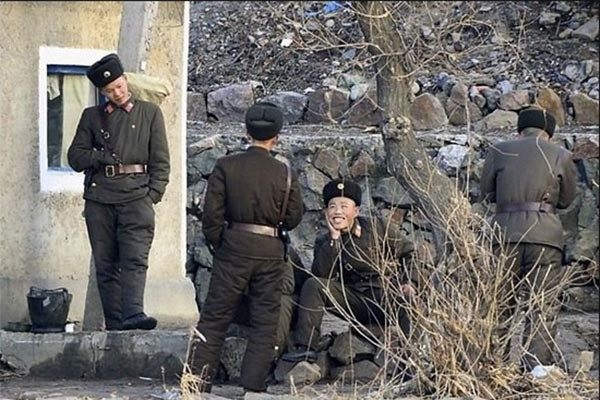
Kim Myongsung’s Inside North Korea· North Korea Imposes Nationwide Lockdown During Kim Jong-un’s China Visit· “Stop North Korean Defectors from Seeking Asylum”: Moscow–Pyongyang Agreement Raises Alarm· North Korean Media Amplifies Kim Jong Un’s Image Alongside Xi and Putin· North Korean diplomat who scrubbed bathhouses now shopping for luxury goods in ShenyangKim Myong-sungSecretary General of the SAND InstituteNorth Korea Imposes Nationwide Lockdown During Kim Jong-un’s China VisitNorth Korea declared a nationwide “special alert duty period” coinciding with Chairman Kim Jong-un’s overseas trip to China for Victory Day celebrations, effectively placing the country under quasi-war conditions. The measure, framed domestically under the political slogan of “safeguarding the Supreme Leader’s overseas activities,” has severely restricted civilian movement and economic activity.According to a source in Yanggang Province, the Central Committee’s Organization and Guidance Department issued directives on August 30 to all national institutions, including the Ministry of State Security and the Ministry of Social Security, ordering heightened security measures through September 10.The implementation of these measures has been extensive. Major cities, including Pyongyang, instituted near-lockdown traffic controls, while rural areas were brought under emergency administrative orders. Civilian movement has been restricted almost entirely, with exceptions granted only for essential personnel. Even in cases such as family funerals, travel permits require direct authorization from central security agencies, effectively resulting in a nationwide freeze on civilian mobility.Transportation and railway authorities were instructed to intensify inspection regimes, doubling or tripling checks of passenger documents and cargo. Militarily, troop deployments around the capital region and border areas were significantly reinforced, with guard posts elevated to quasi-war status. Special security units under each corps were ordered to establish additional defensive perimeters.Legal and judicial enforcement has been similarly tightened. Authorities ordered immediate arrest and interrogation of unauthorized travelers, unregistered lodgers, and individuals lacking clear destinations. Local officials and People’s Units are required to report daily on resident movement patterns, while public speech has been brought under surveillance, with “unnecessary words” officially categorized as hostile acts.The campaign has been coupled with ideological mobilization. Under the slogan, “Let us defend the Supreme Leader’s overseas activities with our lives,” Party officials and Youth League cadres have been dispatched to neighborhoods to enforce compliance and frame the restrictions as a loyalty obligation.Despite these measures, reports indicate growing civilian frustration. Market vendors have expressed concern over blocked travel permits, noting the disruption to commercial activity. Residents stranded on business trips report heightened anxiety over prolonged separation from their families and livelihoods. Anecdotal complaints such as, “When the Supreme Leader travels, the people’s hands are tied first,” underscore the emerging discontent.Authorities appear to be treating expressions of dissatisfaction as subversive, categorizing them as hostile acts and responding with intensified crackdowns. Nevertheless, signs of economic strain and rising prices suggest that the regime’s heavy-handed security posture is amplifying internal instability rather than suppressing it.“Stop North Korean Defectors from Seeking Asylum”: Moscow–Pyongyang Agreement Raises AlarmA high-level source has disclosed that North Korea’s Ministry of State Security and Russia’s Federal Security Service (FSB) signed a confidential Memorandum of Understanding (MOU) in Moscow in mid-August. The agreement reportedly focuses on the treatment of North Korean nationals in Russia, with particular emphasis on defectors.According to the source, this MOU creates a framework for “law enforcement cooperation” that effectively extends bilateral coordination into judicial and administrative areas, well beyond the already robust military and economic partnership. Analysts warn that the arrangement could significantly undermine the ability of the United Nations High Commissioner for Refugees (UNHCR) office in Russia to provide meaningful protection to North Korean asylum seekers.The MOU is said to consist of four main provisions:Defector Procedures and UNHCR CircumventionRussia has agreed to tighten control over asylum applications filed by North Korean defectors, including delaying refugee recognition procedures and transmitting related information directly to Pyongyang’s State Security Department. This would severely curtail the role of the UNHCR, which, until now, had at least nominal authority in such cases.Legal Status of North Korean NationalsRussian authorities will treat North Korean nationals who attempt to renounce citizenship and apply for asylum as “North Koreans residing in Russia.” Their personal information will reportedly be shared with North Korean intelligence services. In effect, this categorization formalizes the path for their repatriation, rather than recognition as refugees under international law.Judicial and Criminal CooperationThe two sides agreed to explore an extradition framework covering not only criminal offenders but also defectors. Plans reportedly include establishing a new consultative mechanism between prosecutorial and judicial bodies, institutionalizing procedures for repatriation.Expanded Intelligence SharingThe FSB will assume responsibility for managing information related to North Korean nationals and defectors, coordinating directly with Pyongyang’s Ministry of State Security. This arrangement paves the way for joint surveillance of defector movements inside Russia.Experts note that while the agreement is framed as administrative and legal cooperation, its practical effect is to eliminate asylum options for North Koreans in Russia. “This development institutionalizes human rights violations under the guise of law enforcement cooperation,” one observer said. “If implemented, it will effectively close one of the last viable pathways for North Korean defectors seeking refuge.”The reported MOU thus raises significant concerns about Russia’s compliance with its international obligations and the broader implications for refugee protection norms.North Korean Media Amplifies Kim Jong Un’s Image Alongside Xi and PutinNorth Korean state media devoted extensive coverage on April 4 to Kim Jong Un’s participation in China’s 80th anniversary Victory Day commemoration. The intent appears to be projecting Kim as a peer to Chinese President Xi Jinping and Russian President Vladimir Putin, both to consolidate internal legitimacy and to reinforce North Korea’s international stature.The Rodong Sinmun, the official newspaper of the Workers’ Party, dedicated half of its six-page issue—three full pages—to Kim’s visit. The paper featured 46 photographs, including images of Kim in close conversation with Xi, embracing Putin, and traveling with the Russian leader in an Aurus limousine. One prominent photo depicted Kim standing at Tiananmen Gate between Xi and Putin. By contrast, South Korea’s National Assembly Speaker Woo Won-shik was shown only in a group shot, underscoring the propaganda priority of elevating Kim’s presence.The Korean Central News Agency (KCNA) reinforced this narrative, highlighting Kim’s bilateral talks with Putin on April 3 at the Diaoyutai State Guesthouse in Beijing. According to KCNA, the two leaders discussed “prospective cooperation plans,” with Putin expressing gratitude for North Korea’s troop deployments to Russia and framing the relationship as one of “trust, friendship, and alliance.” Kim pledged continued support for Russia’s “struggle,” describing it as a “brotherly duty.”These discussions reportedly included North Korea’s commitment to dispatch both combat engineers and construction personnel for reconstruction projects in the Russian region of Kursk. Russia previously announced that North Korea agreed to send 1,000 combat engineers and 5,000 construction workers. South Korea’s National Intelligence Service assessed on September 2 that approximately 1,000 combat engineers had already arrived on site.Russian media indicated that Putin extended multiple invitations for Kim to visit Russia, though this was omitted in North Korean reporting—underscoring Pyongyang’s selective framing. Instead, domestic propaganda has concentrated almost exclusively on Kim’s visibility with Xi and Putin, projecting the image of a leader operating at the highest levels of international diplomacy.Analysts note that this portrayal serves two primary functions: reinforcing Kim’s domestic authority by depicting him as a respected global actor, and signaling to both adversaries and partners that North Korea is firmly embedded within the China-Russia strategic orbit.North Korean diplomat who scrubbed bathhouses now shopping for luxury goods in ShenyangShenyang’s Xita (Xitajie) district, once a hub for South Korean expatriates and tourists, is increasingly becoming a luxury shopping destination for North Korea’s elites, including diplomats, traders, and the so-called donju (emerging wealthy class). Local reporting indicates that as cross-border exchanges resume following pandemic-related closures, North Korean consumers with access to foreign currency are purchasing significant quantities of luxury goods ranging from cosmetics and electronics to high-end fashion brands.This represents a marked contrast with conditions just a few years ago. During the COVID-19 border closures, North Korean diplomats and trade personnel stranded in China reportedly faced severe financial distress, in some cases resorting to menial labor such as cleaning bathhouses. At the time, Pyongyang’s diplomatic missions abroad struggled to pay rent, and Kim Jong Un himself described the domestic economic environment as “a trial no less severe than wartime.”The post-reopening period, however, has seen a resurgence in both official and quasi-official economic activity. North Korean diplomats and traders with access to hard currency now serve as conduits for consumer goods destined for Pyongyang’s high-end department stores. Sources suggest that while genuine imported goods in Pyongyang remain prohibitively expensive, items sourced from Shenyang—including lower-priced Chinese substitutes and counterfeit luxury brands—are sold at more accessible rates.This shift is reshaping the social and commercial landscape of Shenyang itself. The once vibrant Korean expatriate presence, marked by restaurants and entertainment venues catering to South Koreans, has largely receded. North Korean customers have filled the void, with Pyongyang-affiliated restaurants now primarily serving Chinese and North Korean patrons. Reportedly, South Koreans are no longer admitted, reflecting Pyongyang’s ideological shift under Kim’s “two states theory.”The broader significance lies in what analysts describe as the emergence of a dual economic landscape. While the majority of North Koreans inside the country continue to face chronic shortages and rising prices, elites abroad are increasingly able to display status through conspicuous consumption. This bifurcation underscores widening inequality within the North Korean system and highlights how access to foreign markets—even in limited form—facilitates elite privilege and regime durability.
25.09.05 -
 [NK Focus]
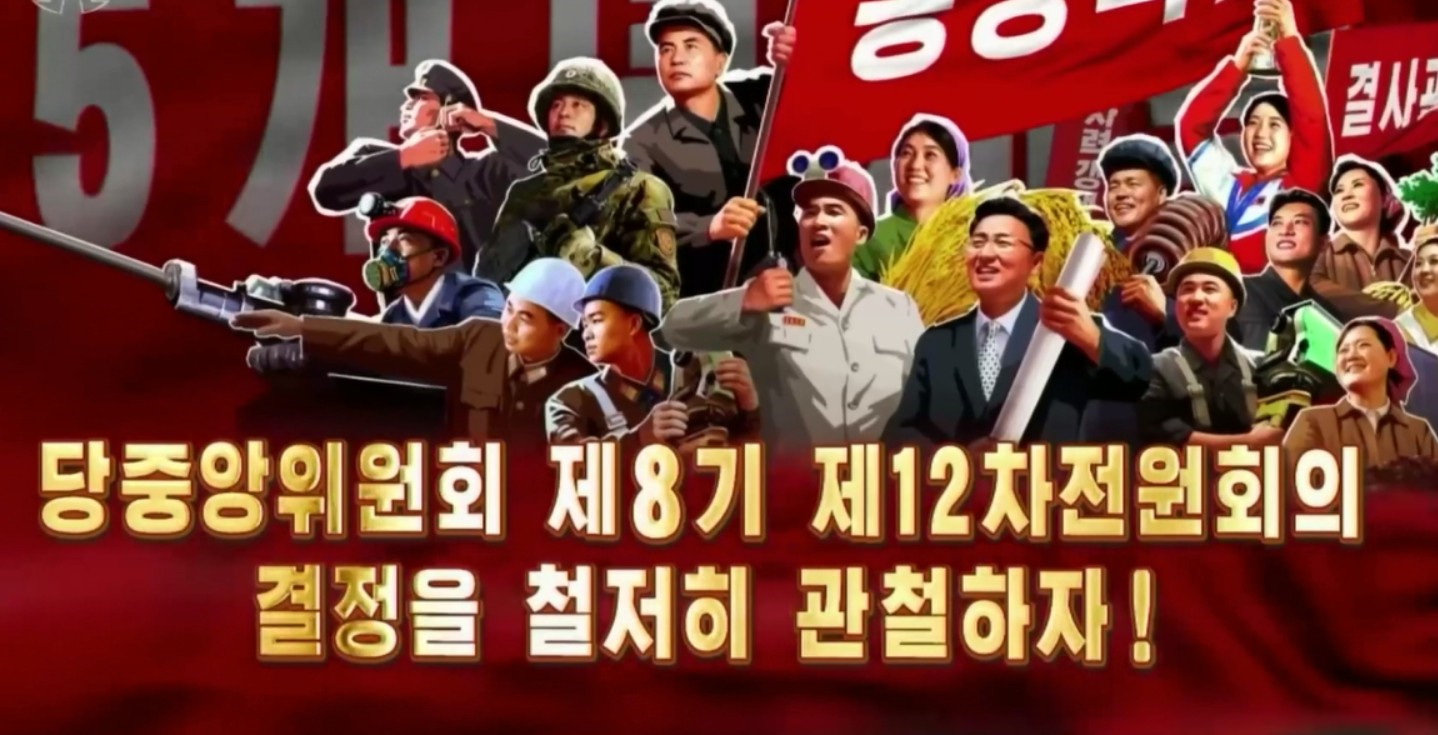
North Korean Administrative Officials Voice Discontent: “We Bear the Burdens, While Party Officials Reap the Rewards” Lee Seung-hyunResearch Fellow, Sand Research Institute Ph.D. in Public AdministrationNorth Korea is increasingly highlighting the dedication and sacrifice of party officials in state propaganda, in what appears to be an attempt to quell growing resentment among administrative officials. The regime’s messaging stresses that party cadres not only lead but also accept responsibility for failures, even as many North Koreans perceive a sharp disparity between rhetoric and reality.On August 19, the Rodong Sinmun, the official newspaper of the Workers’ Party of Korea (WPK), published an article titled “Reflecting on the Impressive Scenes from the Drama ‘The New Spring of Baekhak Valley’.” The piece praised the drama for “vividly depicting the attitudes and responsibilities of party officials who bear political responsibility for the people’s lives.”One scene described a farm manager caught falsifying documents after illegally manipulating land grades. In the drama, the local party secretary assumes responsibility, declaring: “We are all in the same boat. If the boat strikes a reef, would the helmsman jump off to save himself?” The Rodong Sinmun reported that the farm manager, moved by the official’s sense of duty, wept with emotion.Another episode portrayed a wayward young man, once prone to violence and facing legal punishment, who—under the persistent guidance of a party official—ultimately matured into a skilled technician and junior Youth League cadre.Yet, according to accounts from within North Korea, these portrayals are starkly at odds with reality. In practice, party officials are widely seen as deflecting responsibility onto administrative officials while claiming credit for accomplishments. Administrative cadres, who bear the brunt of construction projects and crisis management, are often scapegoated when problems arise. Among themselves, party cadres are derisively referred to as “nobles,” while administrative officials are likened to “dung beetles.”The Rodong Sinmun itself indirectly acknowledged these grievances, conceding in the same issue that “there are officials who shift responsibilities they should bear onto others,” warning that such conduct risks alienating cadres from the masses.The underlying reason for this propaganda campaign lies in the mounting frustration among administrative officials. Sources indicate that they are tasked simultaneously with apartment construction, rural housing development, factory projects, and flood recovery efforts—all under conditions of severe material shortages. Rural housing construction illustrates the problem acutely: each county has reportedly been ordered to build 116 units annually, but the state provides only 20–30 percent of the necessary resources, forcing local officials to bridge the gap.Factory quotas impose further burdens. Managers often pass costs onto workers, who, to avoid compulsory labor, sometimes pay 100,000 to 150,000 won per month in lieu of participation. When shortfalls persist, managers resort to pledging their personal property as collateral for loans. These burdens recur annually, compounded by mandatory river maintenance projects and national construction mobilizations. Managers who attempt to resign under pressure are reportedly threatened with assignment to punitive “labor training units,” effectively preventing exit from their roles.In contrast, party officials are seen as insulated from these hardships. As one source observed: “Administrative officials provide the money and shoulder the blame, while party officials enjoy the benefits. That is why they are called ‘dung-covered badgers’ in North Korea.”The regime’s promotion of dramas showcasing “responsible” party officials is therefore best understood as a political maneuver aimed at dampening discontent among administrative cadres and reinforcing loyalty to the party. Whether this propaganda can contain the frustrations of overburdened administrators—the so-called “dung-covered badgers”—remains an open question.
25.08.22 -
 [News&Issue]
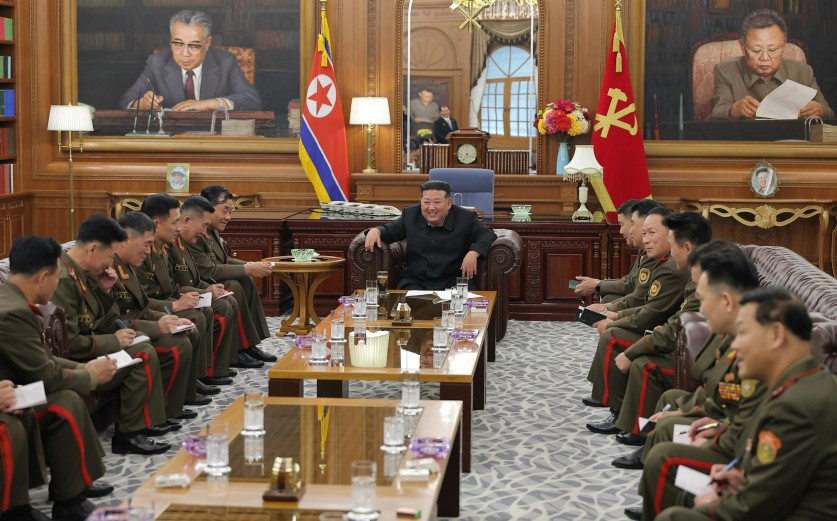
Kim Jong-un’s Military and Political Maneuvers and Kim Yo-jong’s Messaging Toward South Korea Kim Dong-sooFormer North Korean DiplomatTwo discernible trends are emerging at the core of North Korea’s leadership. Kim Jong-un, Chairman of the State Affairs Commission, is showcasing military solidarity by personally engaging with forces deployed abroad, while his sister, Kim Yo-jong, First Vice Department Director of the Workers’ Party of Korea, is issuing pointed statements that marginalize South Korea. At first glance, these may appear as separate developments. In reality, they reflect mutually reinforcing elements of Pyongyang’s evolving strategy.Kim Jong-un recently convened commanders returning from the Russian front at party headquarters in Pyongyang, signaling both personal endorsement and political investment in their operations. He also announced a rare national award ceremony tied specifically to battlefield activity—an exceptional move, as such events are normally reserved for major anniversaries. This gesture is designed to reinforce military loyalty, provide symbolic legitimacy to North Korea’s support for Russia, and insulate the regime against the domestic costs of mounting casualties.His statement that “our army is doing what is necessary and will continue to do so” can be read as signaling additional deployments. Concurrently, Pyongyang is expanding veteran support programs—an effort not only to manage grief and discontent, but also to reframe battlefield sacrifice as a national duty that binds the public more tightly to the regime.In parallel, Kim Yo-jong has escalated rhetorical attacks against Seoul, issuing three consecutive statements by name against President Lee Jae-myung. She dismissed his policy overtures as “delusions” and “pipe dreams,” while pointedly rejecting the notion that inter-Korean ties remain an “intra-national” issue. Particularly notable was her use of Foreign Ministry channels, rather than the traditional inter-Korean apparatus, to convey these messages—underscoring that Pyongyang now regards South Korea as irrelevant to the negotiation framework and is reorienting toward a “direct deal with Washington” approach.This reflects lessons internalized after the failed 2019 Hanoi summit. From Pyongyang’s perspective, Seoul’s attempted mediation during that period yielded no tangible results, leaving the regime unwilling to trust South Korean involvement in future negotiations. The emerging doctrine appears to be: preemptively block Seoul’s participation, pursue bilateral engagement with Washington, and address inter-Korean relations only secondarily and on Pyongyang’s terms.3. Strategic Convergence of the Two TrendsKim Jong-un’s militarized theatrics and Kim Yo-jong’s diplomatic messaging are not parallel lines but intersecting vectors. Externally, North Korea is leveraging its role in the Ukraine conflict to cultivate strategic space in the face of sanctions and isolation. Internally, it is cultivating a narrative of sacrifice and loyalty to manage domestic vulnerabilities. The deliberate sidelining of South Korea simplifies the negotiation landscape, placing Pyongyang in a stronger position to dictate the sequencing and substance of any future talks.4. OutlookThis dual-track strategy—military demonstration coupled with diplomatic exclusion—is likely to harden the security environment on the Korean Peninsula. Even conciliatory initiatives from Seoul are likely to be rebuffed, with Pyongyang attributing blame for stalemate to the South. At the same time, North Korea’s repeated references to Seoul indicate that the South remains a central, if subordinate, variable in its strategic calculus.Taken together, these maneuvers suggest not a short-term tactical adjustment but a deeper strategic recalibration. Pyongyang is seeking simultaneously to consolidate military loyalty and enhance diplomatic leverage, reflecting enduring lessons from the post-Hanoi environment. For policymakers, this signals a need to reassess both the limits of inter-Korean engagement and the implications of North Korea’s growing entanglement with Russia as part of its broader survival strategy.
25.08.22 -
 [Kim Myongsung’s Inside North Korea]
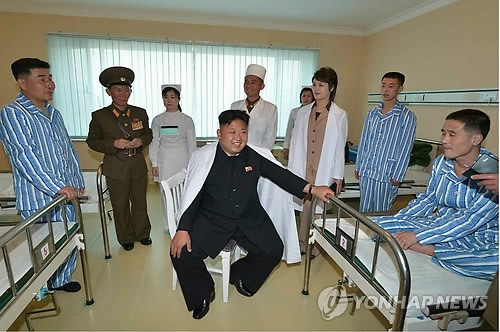
Kim Myongsung’s Inside North Korea· North Korean Soldiers Wounded in Russia Reportedly Treated in Secrecy at Daesungsan General Hospital in Pyongyang· North Korea Redefines August 15 as “First Liberation Day”: Implications of a “Second Liberation” Narrative· Everyday Life in Pyongyang: Cultural Ripples from the Leader’s FamilyKim Myong-sungSecretary General of the SAND InstituteNorth Korean Soldiers Wounded in Russia Reportedly Treated in Secrecy at Daesungsan General Hospital in PyongyangReports indicate that hundreds of North Korean soldiers wounded in the Russia–Ukraine war are undergoing covert treatment at Daesungsan General Hospital in Pyongyang (formerly Military Hospital No. 11), a facility specializing in military personnel. Both hospital staff and families of the wounded have been placed under strict isolation, with contact to the outside world severed.While previous accounts noted the treatment of North Korean casualties at Russian medical facilities, this appears to be the first confirmation that wounded soldiers have been repatriated and hospitalized in Pyongyang.According to multiple sources familiar with North Korea, the newly established Daesungsan General Hospital in Samseok District now functions as the successor to the former Military Hospital No. 11 in Daedonggang District. It is reportedly serving as a central treatment facility for soldiers injured on the Russian front. Admissions began late last year and continue under highly restrictive conditions designed to prevent information leakage. Family visits are strictly prohibited.One intelligence source stated that “severely injured personnel, those beyond the capacity of Russian field hospitals to treat, or whose lives are at risk, are being repatriated to Pyongyang,” estimating the number of patients in the hundreds.Sources further report that the remains of North Korean soldiers killed in action on the Kursk front were repatriated and buried in three separate transfers between January and May 2024. It is believed that wounded soldiers returned during these same periods.Intelligence assessments suggest that Pyongyang has deployed approximately 15,000 troops to Russia, with more than 4,700 killed or wounded. Due to the scale of casualties, some have been treated in Russian field hospitals or in Moscow’s Burdenko Central Military Clinical Hospital, according to international media reporting.North Korea is expected at some point to publicly announce casualty figures, framing them as symbols of “revolutionary spirit and patriotism.” On July 30, state television broadcast footage of Kim Jong-un appearing visibly emotional as he stood before the remains of fallen soldiers repatriated from Russia.A source familiar with North Korean internal affairs noted that the scale of losses—running into the thousands—constitutes a major domestic burden. Pyongyang appears to be imposing a tight gag order while preparing to use the narrative of sacrifice for regime propaganda at a time of its choosing.North Korea Redefines August 15 as “First Liberation Day”: Implications of a “Second Liberation” NarrativeNorth Korea has recently rebranded Liberation Day (August 15) as the “First Liberation of the Homeland,” attributing the event to Kim Il-sung’s “self-reliant struggle.” Analysts view this as a rhetorical shift foreshadowing Pyongyang’s ambition to pursue a “second liberation”—namely, the forcible unification of the Korean Peninsula under its control.On August 8, the Rodong Sinmun reported that a “central research discussion meeting” had been held to commemorate the 80th anniversary of liberation. The paper asserted that Kim Il-sung had achieved liberation by “annihilating Japanese imperialism through armed struggle.” This reinterpretation suggests that the “first liberation” (1945) will be followed by a “second liberation,” framed as the “restoration of territorial integrity” through unification.Historical precedent is central to this narrative. In 1949, Kim Il-sung declared that he would expel U.S. forces and overthrow the “puppet regime” in Seoul to achieve “territorial integrity.” In December 2023, Kim Jong-un revived this theme at a Party Plenary Meeting, pledging to treat South Korea as a hostile foreign state and to employ “all means, including nuclear weapons,” to subjugate the peninsula. Unlike his grandfather’s reliance on conventional invasion, Kim Jong-un has explicitly integrated nuclear and missile capabilities into his doctrine.Military experts assess Kim’s remarks as tantamount to a de facto “declaration of war.” Today, North Korea possesses significantly greater independent warfighting capacity than in the late 1940s, while Russia and China’s UN veto power reduces the likelihood of effective multilateral intervention.The international environment arguably emboldens Pyongyang. With U.S. attention stretched across the Russia–Ukraine war, the Middle East, and Taiwan, Kim appears to see strategic opportunity. His military and logistical support to Russia may further deepen Moscow’s willingness to shield Pyongyang diplomatically.Domestically, the revival of “territorial integrity” rhetoric also serves internal purposes. Amid persistent speculation about Kim Jong-un’s health, the emphasis on revolutionary struggle provides a vehicle to consolidate elite loyalty and lay the foundation for Kim Ju-ae’s future succession.Moon Sung-mook, Director of the North Korea Strategy Center at the Korea Institute for Military Affairs, warned: “North Korea’s objective of reddening the South has not changed since the armistice. The Kim regime is openly threatening military unification while expanding its nuclear and missile arsenal and tightening its alignment with Russia.”In short, Pyongyang’s new “First Liberation Day” discourse is best understood as a reaffirmation of its longstanding war plan, now backed by a nuclear capability. The risk of a sudden provocation from North Korea is therefore more acute than at any time in recent memory.Everyday Life in Pyongyang: Cultural Ripples from the Leader’s FamilyDaily life in Pyongyang is increasingly shaped by the carefully cultivated image of Kim Jong-un’s family. Practices once rare—such as parents kissing children on the cheek on their way to school—have become normalized since state media began airing affectionate scenes of Kim with his daughter, Kim Ju-ae.According to sources in Pyongyang, the practice spread rapidly after Kim was shown kissing his daughter on state television in January 2023. Cheek-kissing is now common among younger parents, viewed as part of the cultural shift generated by the regime’s effort to project Kim as a family-oriented leader.The “Kim Ju-ae effect” has also spilled into consumer culture. Observers note a surge in demand for nutritional supplements, particularly the South Korean-made vitamin “Tenten,” which sells for four times its South Korean price on the black market. Parents reportedly justify the expense by aspiring to raise children “as tall as Ju-ae,” who at age 12 is already nearly her father’s height. Height has direct social implications in North Korea, where military service remains a marker of family prestige and requires a minimum stature of 148 cm.Meanwhile, Kim’s wife Ri Sol-ju, despite limited public appearances, continues to set trends in women’s fashion and beauty culture. Mini-skirts, high heels, and even “milk” and “beer” baths said to contribute to her fair skin have become status symbols among urban women. The latter trend has led to an increase in theft from state-run breweries.A researcher at a state think tank observed: “The fact that private imagery of the leader’s family reshapes social behavior is emblematic of authoritarian states. Even seemingly trivial trends—beauty routines, children’s nutrition, or clothing—restructure family relationships, reinforce class divisions, and reshape consumer culture.”
25.08.22 -
 [Feature Article]
North Korea’s Independent Diplomacy and Its Limitations in Seeking Recognition as a Sovereign State Kim A-rumResearch Fellow, Graduate School of International Studies, Yonsei UniversityOn July 28 and 29, Kim Yo-jong, First Vice Director of the Workers' Party of Korea (WPK), issued back-to-back statements reaffirming Pyongyang’s hardened stance toward the United States. “This is not 2018 or 2019,” she declared, warning that if Washington fails to accept the new reality, renewed U.S.–DPRK dialogue will remain nothing more than “a hope harbored by the United States.”According to NK News, President Donald Trump attempted in June 2025 to reestablish communication with Kim Jong-un by sending several personal letters through North Korean diplomatic channels in the U.S., but Pyongyang reportedly declined to receive them.This rejection underscores a significant shift. As recently as 2019, Kim Jong-un had signaled his readiness to engage, stating in his New Year’s address that he was “always prepared” to meet the U.S. president again and sought outcomes that “the international community would welcome.” Pyongyang had also pledged, in the 2018 Singapore Joint Statement, to work toward the complete denuclearization of the Korean Peninsula.Why, then, has North Korea adopted a more conditional and skeptical posture toward renewed engagement—particularly during Trump’s second term?Understanding this shift requires examining the strategic priorities of the Kim Jong-un regime. At its core, the regime seeks to preserve its political system and ensure both domestic and international stability. Historically, Pyongyang has viewed engagement with Washington—and the prospect of security guarantees—as a critical pathway to achieving these goals. The summit diplomacy of 2018–2019 was pursued with this calculus in mind.Yet after three summits with the United States yielded limited substantive outcomes, the Kim regime appears to have reassessed the utility of high-level U.S.–DPRK engagement. Today, Pyongyang seems unwilling to entertain further summits that do not promise concrete results. From the regime’s perspective, political theatrics without tangible progress no longer serve its interests.This reassessment has coincided with a broader strategic shift: the pursuit of an “independent diplomacy” aimed at bolstering North Korea’s international standing without relying on South Korea—or even the United States. On July 16, North Korea’s state-run Choson Tourism website published an “international train schedule” featuring routes from Pyongyang to Beijing, Dandong, and Moscow.Regular commercial flights between Moscow and Pyongyang also resumed after more than 30 years, with all seats on the inaugural inbound flight—operated by Russian airline Northwind—reportedly sold out.North Korea’s diplomatic outreach extends beyond China and Russia. As of April 2025, Pyongyang had established diplomatic relations with 159 countries and held membership in 32 international organizations. Of these 159 countries, all but one also maintain diplomatic ties with South Korea. While Seoul currently maintains relations with 194 countries, Pyongyang’s expanding diplomatic portfolio signals a clear effort to avoid international isolation.Cultural diplomacy has also played a significant role. In July 2025, North Korea’s Mount Kumgang was designated a UNESCO World Heritage site—its third, following the “Complex of Koguryo Tombs” (2004) and the “Historic Monuments and Sites in Kaesong” (2013). These symbolic achievements contribute to Pyongyang’s ongoing quest for international recognition as a “normal” sovereign state.However, despite these efforts, North Korea’s independent diplomacy faces inherent limitations. Over the long term, cooperation with South Korea remains essential—not only for sustained political stability but also for the economic development that Pyongyang continues to seek.Yet on July 28, Kim Yo-jong reiterated North Korea’s disinterest in any proposals from the South, stating unequivocally that Pyongyang has “no intention” of engaging with Seoul or discussing bilateral issues.In short, North Korea has made it clear that it intends to pursue a diplomatic path that excludes South Korea. While this strategy may yield symbolic victories and help diversify Pyongyang’s international ties, it cannot substitute for the broader legitimacy, economic support, and security assurances that deeper engagement with both Seoul and Washington would provide.As North Korea continues to assert itself diplomatically, its core challenge remains unchanged: gaining recognition as a sovereign and equal actor in the international community—while maintaining the policies and posture that perpetuate its isolation.
25.08.08 -
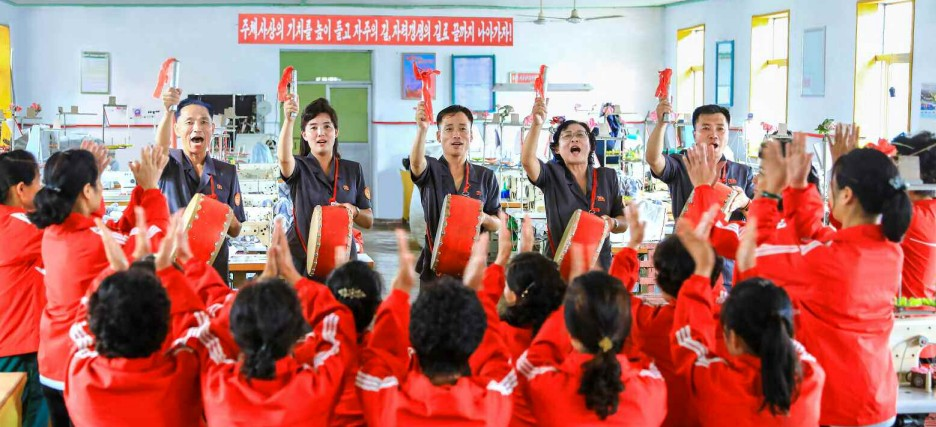 [News&Issue]
North Korea’s July Posture: Multi-Vector Military Strategy and Strategic Hedging Lee Seung-hyunResearch Fellow, Sand Research InstitutePh.D. in Public AdministrationIn July 2025, North Korea pursued a dual-track strategy focused on military signaling and external messaging. The regime aimed to reinforce its military-first identity while simultaneously engaging in symbolic diplomacy with both China and Russia—part of a broader strategy of strategic hedging.On July 3, during Strategic Forces Day, Kim Jong-un reaffirmed the military's central role in regime identity and announced plans to enhance naval capabilities, including the construction of a new 5,000-ton surface warship. He also reiterated his intention to launch additional military reconnaissance satellites.These announcements highlight North Korea’s pursuit of a multidimensional military posture that integrates nuclear deterrence, satellite reconnaissance, naval power, and ballistic missile capabilities—indicating a shift toward a more integrated, cross-domain military strategy.Domestically, North Korea conducted large-scale anti-U.S. campaigns to mark the 72nd anniversary of the Korean War armistice on July 27. Meanwhile, senior military leadership—including Chief of the General Staff Kim Jong-sik—carried out inspections of front-line artillery units. These inspections reinforced the regime’s focus on combat readiness and signaled a continued effort to normalize the threat of military conflict within national discourse.Notably, Kim Jong-un’s mid-July visit to the Chinese People's Volunteer Martyrs’ Memorial in Pyongyang underscored efforts to balance expanding military cooperation with Russia by reaffirming traditional ties with China. The visit was portrayed as a gesture of shared historical resistance to U.S. imperialism—signaling North Korea’s intent to maintain diplomatic flexibility amid intensifying U.S.-China rivalry.At the July 10 expanded meeting of the Central Military Commission, Kim Jong-un ordered a reorganization of the military command structure and discussed contingency plans for emergency operations, including the deployment of advanced weapons systems.This restructuring appears aimed at integrating emerging capabilities—particularly naval, satellite, and air assets—into a joint military-party command framework. It marks a shift away from the “rocket force–centered” approach of 2023–2024 toward a more diversified and integrated force posture.Kim Jong-sik’s field visits were accompanied by internal reporting that repeatedly emphasized the possibility of “preemptive strikes,” suggesting that North Korea is not merely showcasing deterrent capabilities but actively embedding the potential use of force into its routine strategic signaling.Strategic Hedging through Dual AlignmentNorth Korea’s diplomatic activity in July reflected a deliberate balancing act. On July 25, just ahead of Victory Day, Kim Jong-un visited the Friendship Tower—a monument honoring Chinese military support during the Korean War.The Korean Central News Agency framed the visit as a reaffirmation of the “sacred bond of anti-imperialist struggle.” While largely symbolic, the gesture was likely aimed at reassuring Beijing amid growing North Korea–Russia defense ties, signaling that Pyongyang remains committed to its longstanding relationship with China.Concurrently, North Korea’s rhetoric toward South Korea and the United States was notably restrained throughout the month—free of provocations or inflammatory language. This measured tone may reflect a temporary tactical pause, as the regime recalibrates its messaging and evaluates shifting regional dynamics.Developments in the Domestic SectorIn the economic and social spheres, the regime publicized selective success stories, such as increased seafood production, inspections of hydropower plants, and progress in agricultural self-sufficiency. Prime Minister Kim Duk-hun emphasized the use of science- and technology-based production systems, particularly in rural areas.However, official reports exhibited familiar patterns of top-down mobilization: performance directives, media dissemination of successes, and centralized summaries of progress—often overstated.Taken together, these initiatives reflect the regime's ongoing efforts to mobilize society along military-industrial lines, where scientific and economic achievements are framed as part of a broader national defense effort.This aligns with sociological theories such as Niklas Luhmann’s systems theory, in which functional differentiation erodes under authoritarian regimes, allowing the military and political systems to absorb and dominate other social sectors.Institutionalizing a Permanent Strategic PostureThe defining theme of North Korea’s military stance in July was a shift from symbolic deterrence to the structural normalization of force projection capabilities.This evolution was reflected in Kim Jong-un’s messaging—first on Strategic Forces Day and again at the Central Military Commission meeting—where he underscored the goal of permanently integrating nuclear weapons, missiles, satellites, and naval power into the regime’s strategic identity.This marks a clear departure from earlier rhetoric centered on defensive strength and signals a move toward institutionalizing the threat of actual combat as a routine policy tool. By blurring the boundaries between military readiness and everyday governance, the regime is attempting to normalize the presence—and potential use—of force as a core feature of national policy.Outlook for AugustNorth Korea is likely to sustain its military-centered mobilization into August. Kim Jong-un has reiterated plans to launch additional military reconnaissance satellites—a pledge he has made twice previously without follow-through.A satellite launch or missile test may be pursued to bolster domestic unity and signal progress in defense modernization. Other potential activities include updates on naval shipbuilding, inspections of military installations in strategic coastal regions, or further overtures toward Russia or China as part of continued diplomatic hedging.In sum, North Korea’s actions in July point to a strategic trajectory centered on consolidating multidimensional military capabilities, maneuvering through great-power competition via hedging, and reinforcing regime legitimacy through militarized governance.The deepening fusion of political, military, and social systems around a core theme of “permanent readiness” may further complicate diplomatic engagement and crisis management on the Korean Peninsula in the months to come.
25.08.08 -
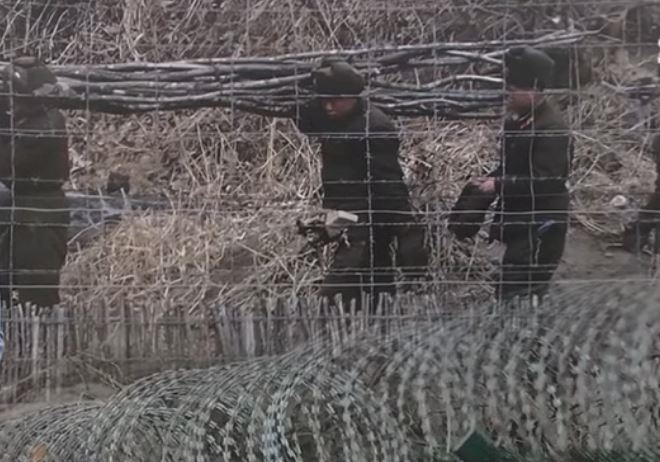 [Kim Myongsung’s Inside North Korea]
Kim Myongsung’s Inside North Korea· Chinese Civilian Injured by North Korean Landmine: Growing Risk of Cross-Border Spillover· Surprise Inspections Ahead of Major Party Anniversary Spark Anxiety Among Local Officials· North Korea Reaffirms Self-Reliance Amid Calls for Recognition as a Nuclear PowerKim Myong-sungSecretary General of the SAND InstituteChinese Civilian Injured by North Korean Landmine: Growing Risk of Cross-Border SpilloverIn early August, a Chinese national residing near the China–North Korea border suffered a severe injury after stepping on an anti-personnel landmine believed to have originated from North Korea. The incident took place in the Changbai (Jangbaek) region of China, across from Hyesan in North Korea’s Yanggang Province. It followed heavy rainfall in mid-July, which reportedly dislodged landmines planted by North Korean authorities as part of their anti-defection measures.According to sources familiar with border dynamics, the mines were swept into the Yalu River during heavy seasonal flooding and drifted downstream into Chinese territory. The victim, who had been fishing in the river, sustained serious injuries that led to the amputation of his ankle. Chinese border guards transported him to a local hospital, where he remains in stable condition.The incident has provoked anger among local residents, who have expressed growing frustration with North Korea’s continued militarization of the border. Reportedly, local sentiment includes remarks such as, “How long must we continue to suffer damage caused by North Korea?” and, “How can they still call themselves allies?”In response, Chinese public security and border authorities have stepped up patrols and issued warnings to civilians, urging them to avoid riverside areas amid concerns that additional landmines may have reached other parts of the border region.This is not the first such incident. Similar episodes were reported in 2024, when flooding near Sinuiju dislodged landmines, resulting in casualties inside North Korea. The recurrence of these incidents underscores the transboundary hazards posed by North Korea’s border defense policies, which under Kim Jong-un have included landmines, electric fences, surveillance cameras, traps, and reinforced patrol posts along the entire China–North Korea frontier.While Pyongyang’s intent is to curb defections, the unintended consequences of its border fortification strategy are increasingly spilling over into neighboring countries—raising concerns about civilian safety, regional stability, and bilateral trust, particularly at the subnational level.Surprise Inspections Ahead of Major Party Anniversary Spark Anxiety Among Local OfficialsIn late July, North Korea launched a sweeping series of unannounced inspections targeting local-level preparations for the 80th anniversary of the founding of the Workers’ Party of Korea, scheduled for October 10. The inspections—led by Kim Yo-jong, vice department director of the Central Committee—are reportedly aimed at ensuring both ideological and administrative alignment with central directives ahead of the regime’s most important political celebration of the year.According to multiple sources, the inspections began following a policy order from Kim Jong-un issued on July 15 and are being carried out by two Central Party task forces. These teams are conducting surprise visits to provincial, city, and county-level Propaganda and Agitation Departments. Inspections reportedly start as early as 5:00 a.m., during which officials seal off offices, collect internal records, and cross-examine meeting minutes, resident mobilization data, and propaganda materials for alignment with the party guidelines.While some localities—such as Jagang Province—received relatively favorable evaluations, others, including Onchon County in Nampo, were sharply criticized for failures in policy implementation, misreporting, and the use of unauthorized slogans. Areas deemed noncompliant may be placed under “special guidance,” with the potential for disciplinary action or public naming of underperforming officials.On July 17, the Central Committee issued an internal directive outlining twelve specific tasks to be completed by August 15 in preparation for the anniversary. These tasks include refining local policy implementation plans, producing new propaganda content, organizing community-level discussions, and conducting full event rehearsals.Local officials reportedly view the inspections as punitive and unpredictable, referring to them as “manhunt-style” operations. The abrupt and invasive nature of the oversight reflects the regime’s emphasis on control, conformity, and elite discipline as it seeks to project internal strength amid a challenging external environment.North Korea Reaffirms Self-Reliance Amid Calls for Recognition as a Nuclear PowerOn August 4, North Korea issued a strongly worded statement reaffirming its policy of self-reliance (juche) and rejecting the notion of economic transformation at the expense of national sovereignty and dignity. The statement, published in the Rodong Sinmun under the title “Self-Reliance Is the Revolutionary Spirit of a Strong Nation,” emphasized that while a favorable external environment is necessary for development, the country would not “sell the dignity we have protected with our lives” in pursuit of prosperity.This declaration reinforces the regime’s consistent position that negotiations with the United States—particularly regarding sanctions relief or economic normalization—will not be possible without explicit recognition of its status as a nuclear-armed state and guarantees for regime survival. The statement follows recent remarks by Kim Yo-jong, who publicly dismissed the idea of denuclearization talks under the current terms, arguing that any future dialogue must be predicated on recognition of North Korea’s “irreversible” nuclear deterrent.While acknowledging the challenges posed by international sanctions, the regime continues to portray its economic development agenda—including the construction of 10,000 housing units annually in Pyongyang and the revitalization of local industries—as achievable through domestic means.The Rodong Sinmun editorial asserted that “self-reliance is the root that sustains dignity,” adding that North Korea will continue to “raise national defense capabilities to an unparalleled level.”The renewed emphasis on juche is widely seen as a preemptive strategy to dampen public expectations of renewed diplomacy with the United States or sanctions relief, similar to the atmosphere that emerged following the collapse of the 2019 Hanoi summit.Furthermore, the regime appears to be reframing self-reliance not only as a survival imperative but also as a long-term strategic doctrine to be passed down across generations. The editorial called on youth to “internalize the spirit of self-reliance” and claimed that this ideological legacy is more valuable than any material inheritance.A researcher at a state-affiliated think tank assessed the statement as a calculated move: “North Korea is signaling that its nuclear status is non-negotiable. By aligning more closely with Russia and emphasizing strategic autonomy, the regime is attempting to increase its leverage ahead of any potential diplomatic reengagement.”The regime’s messaging comes amid renewed affirmations by the United States and South Korea of their commitment to the complete denuclearization of the Korean Peninsula, a stance that Pyongyang continues to reject. The divergence in strategic objectives suggests that the diplomatic deadlock is likely to persist, barring a major shift in regional or international dynamics.
25.08.08 -
 [Feature Article]
Cultural changes shown in the North Korean TV drama <Baekhakbeol's New Spring> Lee DonghoonContributing editor of Tech FocusNorth Korean TV dramas are filled with propaganda content from the North Korean government, so even the residents don’t watch them anymore. However, the drama <Baekhakbeol’s New Spring> released this year is a hot topic for its unique twist.It also has a Korean cultural vibeThe main plot of the drama is about Hyongseop, the newly appointed party secretary in Baekhak-ri, which has fallen to the bottom of the list, struggling against corruption and bureaucracy and transforming the village into a socialist paradise. Up to this point, it seems to be no different from existing North Korean propaganda dramas.However, if you look at the details, they changes. There are many scenes, lines, production, and visual effects that were not seen in existing North Korean dramas.The most notable feature is that the drama depicts the future that the North Korean government wants. In the drama, North Korean residents freely use cell phones and computers. Students design and fly drones at school. Men also actively participate in household chores, such as cooking and feeding their families.In addition, the depiction of the main character, the party secretary, is also significantly different from previous works. The party secretary in past North Korean works was the embodiment of the North Korean system. He was a perfect and strict being. However, in this work, such an attitude is openly criticized.Hyung-seop, who was always scary and strict with the residents. Then, his superior tells him directly, “You need to change that razor-sharp personality. With that personality, you can be a law enforcement officer, but not a party officer.” After hearing this, Hyung-seop starts practicing smiling while holding a mirror.The main character is portrayed as a realistic figure, breaking away from the image of a perfect person, and it is evaluated that it gained sympathy from viewers.The romance between a young man and woman is also portrayed more actively and realistically than before. In the drama, prosecutor Yeong-deok and agricultural researcher Gyeong-mi are in love. However, Yeong-deok’s mother appears in front of Gyeong-mi and says that she is against their relationship. It is very unusual for such a scene to appear in a North Korean drama, and there is an interpretation that it is aimed at the younger generation who are relatively familiar with South Korean content.In North Korea, even when parents intervene in their children’s marriage, they usually talk to their children first, rather than their children’s lovers. Parents meeting their children’s lovers first was something that could only be seen in South Korean content.In addition, the direct speech and behavior of young people are often revealed. Scenes such as a male athlete making a move to a woman he likes are something that is difficult to see in existing North Korean content. This drama even depicts the dark side of North Korean society to some extent.A wife who was preparing to move with her husband who was assigned to a rural party secretary insists that her high school-going son will study in the big city, but they end up fighting with each other. She say that if you study at a rural school, you won’t be able to get into a good university. They also depict bribing the wife of an executive to solve a problem by asking for favors.Also, the ending credits of this drama include the caption, “Sinchon County Baekseok Farm Filming Cooperation.” Baekseok Farm in Sinchon County is an actual farm located in South Hwanghae Province and is the filming location for this drama. This shows that the concept of sponsorship is being introduced to North Korean dramas as well.North Korea's unique clichés still existOf course, it is difficult for this drama to escape the clichés of existing North Korean propaganda content in terms of its main plot. A local source in North Korea told Radio Free Asia, “The dark reality of the rural area and the unfair nature of the ‘team management system’ are all hidden, and the propaganda of the drama is to blindly follow the orders of the party and the leader.” He asked, “Where in our country can there be anything that does not follow the orders of the party and the leader?”Another source from Yanggang Province in North Korea pointed out, “<Baekhakbeol’s New Spring> is a drama that promotes the superiority of ‘self-reliance’ and the ‘team management system’ proposed by Kim Jong-un,” and “However, the ‘team management system’ has not been successful since it started in 2012, and it is a policy that has not gained support from farmers.”The source said, “Because reality is distorted so much, <Baekhakbeol’s New Spring> is not being released on TV even though it is a TV series, but is being shown in theaters.”For reference, <Baekhakbeol's New Spring> can also be viewed on YouTube. But, most North Korean residents can not have access to the Internet.However, it is evaluated that they are trying to attract viewers through various changes. This is because they judged that the existing method filled with praise for the Kim family and propaganda for the regime would inevitably be ignored by the residents.In particular, in a reality where many people are addicted to foreign content from Korea and China, they seem to have thought that people would watch it only if they added the characteristics and elements of foreign content.As Korean dramas became popular among the younger generation and youth, Chairman Kim Jong-un enacted the so-called Rejection of Reactionary Ideology and Culture Act in December 2020, imposing extreme punishments such as sentencing those who simply watch them to 5 to 15 years in prison, and executing those who organize group viewings or copy and distribute them.However, even these harsh measures seem to be difficult to prevent citizens from being captivated by Korean dramas and movies.
25.07.18 -
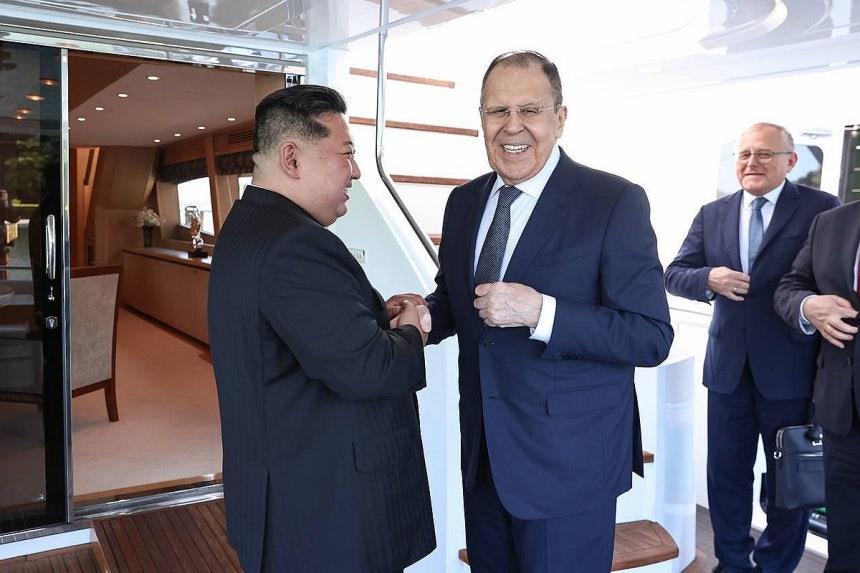 [News&Issue]
Strengthened North Korea–Russia Military Cooperation and North Korea’s ICBM Engine Test- South Korea’s Strategic Response to Accelerated Missile Developmentand Satellite Launch Preparations - Lee Seung-hyunPh.D in Public Administration (Research Fellow at the SAND Institute)Since launching Kwangmyongsong-1 in 1998, North Korea has steadily built its satellite launch capacity. After testing the Hwasong-14 and -15 ICBMs in 2017, proving its reach to the U.S., it adopted a strategy pairing ICBMs with reconnaissance satellites. The Hwasong-17 (liquid-fueled) appeared in 2023, followed by the solid-fueled Hwasong-18 in 2024. In October 2024, it unveiled the Hwasong-19, a solid-fueled ICBM on an 11-axle TEL, boasting record range and payload. Early 2025 saw a test of the Hwasong-16B, a hypersonic IRBM exceeding Mach 10.The DIA’s 2025 threat report now estimates North Korea may operate “dozens” of ICBMs. Since Malligyong-1’s successful orbit in November 2023, at least three more satellite launch attempts have followed, with Chinese and Russian support likely aiding gradual improvements in resolution and data transmission. Still, the image quality lags behind commercial systems like Google Earth, limiting military use. While ICBM reentry proof remains scarce, agencies like the CIA suggest warhead protection during reentry may now be feasible—indicating technical progress.Since early 2025, there has been mounting evidence that North Korea has obtained advanced satellite navigation, imaging analysis systems, and missile launch design know-how through deeper military collaboration with Russia. These transfers appear to be boosting the accuracy and real-time monitoring capacity of Pyongyang’s reconnaissance satellite program.Their bilateral cooperation has moved beyond simple weapons trade to a strategic, symbiotic relationship. From late 2024, North Korea supplied Russia with thousands of artillery rounds, and by 2025, reportedly deployed several thousand troops to the Ukrainian battlefield. In return, Russia has delivered technologies ranging from cutting-edge radar systems and satellite navigation tools to AI-enabled surveillance gear and suicide drones. The sighting of modified Il-76 aircraft equipped with radar domes—typically used in airborne early warning—further points to high-level support from the Russian Air Force.U.S. and South Korean intelligence agencies have classified these technology transfers not as mere exchanges, but as strategic cooperation, with analyses indicating visible improvements in North Korea’s reconnaissance satellite systems and ICBM guidance accuracy. Russia, using its UN Security Council seat, has shielded Pyongyang from sanctions, granting it political and military breathing room. In response, South Korea, the U.S., and Japan have strengthened security coordination. July 2025 saw a joint aerial drill featuring a U.S. B-52H, along with serious talks on building a unified missile warning and response system.On July 3, marking Strategic Forces Day, North Korea announced its military goals for the year: completing its ICBM system with miniaturized nuclear warheads, deploying operational satellite tech, and fielding hypersonic ballistic missiles. These declarations reflect the leadership’s clear strategic commitment.North Korea often schedules ICBM launches around key national dates like the October founding day, April’s Labor Day, or July’s Strategic Forces Day. Since successfully placing a reconnaissance satellite into orbit in November 2023, it has attempted at least one satellite launch annually, making another likely soon—even after setbacks. Combined with its coordination with Russia and the Ukrainian front, there’s growing evidence of planned ICBM and satellite launches in late 2025.Amid these developments, South Korea must take a pragmatic, forward-looking defense approach. First, it should continue upgrading its Kill Chain, KAMD, and KMPR systems, with particular focus on AI-driven detection and space- and radar-based early warning to counter ICBM reentry. Second, to close surveillance gaps, South Korea needs to rapidly enhance its tactical ISR assets—such as drones and reconnaissance satellites—and formalize real-time intelligence sharing with the U.S. and Japan.Third, South Korea’s diplomacy should extend beyond traditional allies to include the EU, Australia, and other strategic partners in forming a broader coalition to isolate North Korea and counter Russia’s illicit tech transfers—supported by a “sanctions normalization” plan to bypass Moscow’s UN veto. Fourth, it must strengthen cybersecurity and space defense, while boosting domestic defense tech and international cooperation to respond to cyber and space-related threats. Finally, legal and institutional reforms are needed to unify sanctions and response systems across the rapidly advancing nuclear, missile, and space domains. In summary, North Korea has bartered military support in Ukraine for access to Russian space and missile technology. Between January and July 2025, it has advanced its ICBM and satellite programs and is preparing further provocations. This shift marks a new phase where its nuclear threat is underpinned by technological alliances—underscoring the need for tighter deterrence through South Korea–U.S.–Japan cooperation and broader global engagement.
25.07.18 -
 [Kim Myongsung’s Inside North Korea]
Kim Myongsung’s Inside North Korea· Extreme Heat and Forced Labor in North Korea: Mounting Fatalities Amid State-Driven Mobilization· North Korea’s “Imperial” Narrative and the Political Rise of Kim Ju-ae· Ri Sol-ju’s Reappearance Suggests Elite Power Struggles Behind the Scenes in PyongyangKim Myong-sungSecretary General of the SAND InstituteExtreme Heat and Forced Labor in North Korea: Mounting Fatalities Amid State-Driven MobilizationNorth Korea is facing a surge in heat-related fatalities as extreme summer temperatures coincide with nationwide labor mobilization campaigns. According to multiple internal sources, female soldiers and civilians—particularly women and the elderly—are being deployed to construction and agricultural worksites with minimal regard for safety, leading to an alarming pattern of collapse and death due to heatstroke.In early July, a female soldier reportedly died while working at an industrial construction site in Pyongsong City, South Pyongan Province. Her family, visiting the site to deliver food, witnessed her sudden collapse while digging with a shovel. She was already deceased by the time aid arrived. According to the source, the family’s reaction was one of profound grief and alarm: “How can a person die like that? How can we send our son to the military now?”The incident is one of several emerging from across the country. North Korea is currently pursuing an aggressive "socialist construction" initiative, which involves the mass mobilization of female soldiers and housewives for manual labor. These efforts often take place under extreme heat, without basic protections such as shaded rest areas, adequate hydration, or regulated work hours.A local source noted: “Accidents from working under the blazing sun are ongoing,” emphasizing that female soldiers are especially vulnerable due to both harsh conditions and malnutrition. Despite nationwide heat advisories, authorities continue to enforce labor quotas and construction deadlines. Fatalities are reportedly underreported, and internal directives related to heat safety are routinely ignored at the local level.Heat-related deaths are also being reported in agricultural regions. According to Daily NK, on July 10, two individuals—one in his 50s and another in her 60s—died while weeding in Jaeryong County (South Hwanghae Province) and Goksan County (North Hwanghae Province). Temperatures at the time exceeded 35°C (95°F). Local regulations prohibit outdoor work between noon and 3 p.m., but residents often disregard these rules out of economic necessity. “If crops fail, people starve,” one source said.In another case, a man in his 50s died of acute heatstroke in Gilju County, North Hamgyong Province, after more than four hours of field labor under direct sunlight without any protective gear. He was participating in what authorities dubbed a “Weeding Battle,” a campaign that mimics wartime mobilization. Several workers reportedly experienced dizziness that day, underscoring the risks of these state-led efforts.A local hospital confirmed the cause of death as acute heatstroke, and the provincial Military Agricultural Management Committee has launched an investigation. One source emphasized, “This is not simply about individual health; it is a systemic failure—arguably a man-made disaster caused by organizational negligence.”While the central government has issued orders to shorten working hours during heatwaves, field-level enforcement appears negligible. In many areas, malnourished workers are still ordered to “endure with political resolve,” with little regard for their physical limits. “Even if they die from exhaustion, it is blamed on their ideological weakness,” said one source.The humanitarian risks are not confined to rural areas. Similar conditions are reported at construction sites and even within urban environments, where air conditioning is virtually non-existent. As a result, the state is increasingly being criticized—albeit quietly within the country—for placing its population at risk of preventable, labor-related deaths.North Korea is currently experiencing sustained heat levels in the mid-30s Celsius (mid-90s Fahrenheit). With climate change expected to exacerbate such conditions annually, the lack of institutional preparedness and the prioritization of political campaigns over public health raise serious concerns.To date, the North Korean regime has issued no public acknowledgment of heat-related fatalities and has released no guidance or statistical reporting regarding the scope of the crisis.North Korea’s “Imperial” Narrative and the Political Rise of Kim Ju-aeNorth Korea appears to be laying ideological groundwork for a potential dynastic succession involving Kim Ju-ae, the daughter of Kim Jong-un, by invoking historical justifications for the use of the title “emperor” within the Korean tradition. The move is interpreted by analysts as part of a broader political strategy to elevate Kim Ju-ae's status and reinforce the deification of the Kim family under the evolving conditions of the Kim Jong-un regime.In two consecutive issues of the Social Sciences Academy Bulletin—the flagship publication of the North Korean Academy of Social Sciences—state-affiliated scholars argued for the historical legitimacy of the imperial title in premodern Korean history. In a 2022 article, Professor Kim Seung-an asserted that the titles “emperor” and “son of heaven” were used from ancient Joseon through Goguryeo, Balhae, and the late Joseon Dynasty. A subsequent 2023 article by Dr. Kang Se-kwon emphasized that the kings of Goguryeo were equal in stature to Chinese emperors, citing the example of King Sosurim's purported use of the imperial title in 370 CE.These publications coincided with the public debut of Kim Ju-ae at the launch site of the Hwasong-17 intercontinental ballistic missile (ICBM) on November 18, 2022. The deliberate timing has led experts to view the academic claims not as isolated historical scholarship but as part of a coordinated campaign to construct ideological legitimacy for a fourth-generation succession. By associating Kim Ju-ae with North Korea’s most powerful nuclear weapon and evoking the Baekdu bloodline narrative, the regime appears to be crafting a public image of hereditary leadership grounded in historical continuity and militarized nationalism.Traditionally, North Korean historiography has emphasized the independence and sovereignty of ancient Korean states such as Gojoseon, Goguryeo, and Balhae—often to assert parity with or resistance to Chinese influence. However, the explicit focus on the imperial title marks a notable shift in the regime’s messaging. Analysts suggest that this may be part of a larger attempt to establish a quasi-monarchical or theocratic framework for governance under socialism—potentially resembling a de facto constitutional monarchy.Testimony from a former North Korean diplomat supports this interpretation. According to the defector, in 2017 the Ministry of Foreign Affairs instructed officials to gather information on European and Japanese monarchies and their respective constitutional systems. These efforts, some believe, reflect long-term planning to “imperialize” the Kim family brand and formalize succession structures through symbolic and institutional innovations.Since the COVID-19 pandemic, Kim Jong-un has increasingly delegated day-to-day management of party and state functions to close confidants. His sister Kim Yo-jong has emerged as a key actor in inter-Korean and foreign policy messaging, while figures like Cho Yong-won now oversee core party operations. At military events, official rhetoric such as the “resolute defense of the Baekdu bloodline” has reinforced the narrative of dynastic legitimacy.Institutional reforms have accompanied this ideological shift. In 2023, North Korea reorganized its agricultural management system under the rubric of the “socialist enterprise responsibility management system” and introduced, for the first time in its history, a multiple-candidate system in local elections—likely more symbolic than substantive, but nonetheless indicative of a strategic attempt to reshape the optics of governance.The promotion of the “emperor” concept may also serve foreign policy objectives. By invoking indigenous imperial legitimacy, Pyongyang may be seeking to rhetorically distance itself from historical and contemporary subordination to China. The assertion by North Korean scholars that “Goguryeo was not a vassal state” and that it exhibited “no servile attitude toward China” appears designed to counter interpretations of North Korea as a junior partner in the Sino-DPRK relationship. This counters narratives like the “Northeast Four Provinces Dependency Theory” and reinforces North Korea’s claim to ideological and historical parity with Beijing.Taken together, these developments suggest that Kim Jong-un is not only consolidating his personal authority but also preparing the ideological and institutional scaffolding for the elevation of Kim Ju-ae as a possible successor. By blending hereditary rule with the vocabulary of historical nationalism and nuclear statehood, North Korea may be attempting to engineer a new model of dynastic socialism with the veneer of monarchical legitimacy.Ri Sol-ju’s Reappearance Suggests Elite Power Struggles Behind the Scenes in PyongyangRi Sol-ju, the wife of North Korean leader Kim Jong-un, appeared in public for the first time in approximately 18 months, prompting renewed speculation about internal friction within the ruling elite over access to power and economic interests.Multiple sources with knowledge of internal developments in North Korea suggest that Ri’s long absence may be tied to a reduction in her influence, particularly following the rise in prominence of Kim Jong-un’s daughter, Kim Ju-ae. This shift is reportedly not merely symbolic but reflects an intensifying struggle over business interests and elite privilege, in which key figures, including Kim Yo-jong—Kim Jong-un’s sister and a powerful political operative—play a central role.According to sources, Ri Sol-ju’s family accumulated significant wealth and influence through control of foreign currency-generating businesses in Pyongyang following the execution of Jang Song-thaek in 2013. The family reportedly secured lucrative rights in sectors such as tourism and taxi operations, at one point replacing a majority of the capital’s taxis with Chinese-made vehicles. These activities reportedly generated considerable profit under the tacit approval—or deliberate inaction—of the Party’s Organization and Guidance Department.However, this de facto autonomy appears to have come under increasing scrutiny. Kim Yo-jong, who previously tolerated Ri's economic activities, is now said to be actively reining them in, particularly after marrying a senior official in the General Political Bureau of the Korean People’s Army—a figure reportedly trusted by Kim Jong-un. This development suggests not only a reconfiguration of power within the Kim family but also a possible recalibration of loyalties in the upper ranks of the regime.While some observers had interpreted the increased visibility of Kim Ju-ae as evidence of Kim Yo-jong’s waning influence, recent public events suggest otherwise. Kim Yo-jong accompanied Kim Jong-un on his July 14 inspection of a major aquaculture facility, reinforcing her status as a key political confidante. Her continued public presence and reported efforts to check Ri Sol-ju’s business influence point to a sustained, if informal, power rivalry.The case underscores how North Korea’s political dynamics cannot be understood solely through formal titles or state ceremonies. Economic power, often tied to foreign currency-generating enterprises operating under military, party, or cabinet auspices, plays a critical role in shaping influence. These operations are frequently the subject of internal contestation.A source familiar with North Korea noted that Kim Yo-jong is also believed to oversee her own foreign currency-earning enterprise, hinting at a growing institutionalization of elite-led commercial ventures. This creates a combustible mix of familial rivalry and bureaucratic turf battles that may have lasting implications for regime cohesion.The occasion of Ri Sol-ju’s return to public view—Kim Jong-un’s attendance at the completion ceremony of the Wonsan Kalma Coastal Tourist Zone on June 26, accompanied by both Ri and Kim Ju-ae—was interpreted by some as a carefully staged image of family unity. Yet Ri’s subdued presence, clad in a conservative black pantsuit and stepping back to allow Kim Ju-ae the spotlight, suggested a recalibrated role.Adding another layer of intrigue, Ri was seen carrying a luxury Gucci handbag reportedly worth approximately 3 million won (roughly $2,200), in apparent violation of UN Security Council Resolution 1718, which bans luxury goods imports to North Korea. North Korea is known to import high-end items via diplomatic channels for use among the elite—a practice previously documented in the appearances of both Kim Yo-jong and Kim Ju-ae with Dior accessories.While symbolic optics continue to dominate media narratives about the Kim family, these developments suggest deeper currents of elite maneuvering in Pyongyang, where political authority and economic privilege remain tightly interwoven.
25.07.18
News Letter
We are leading the global communication via Newsletter.
We will deliver the latest information and proven facts on Korean Peninsula status including North Korea situation.