

-
 [Opinion]
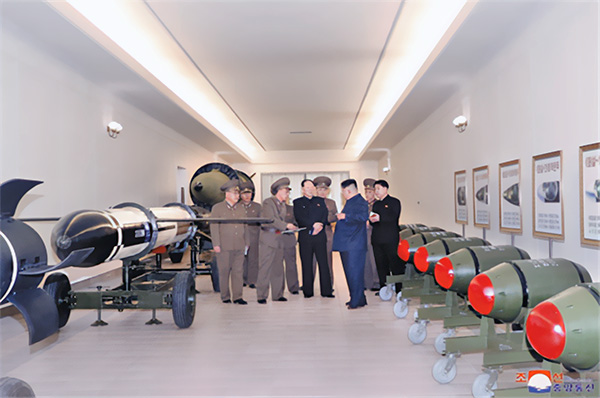
Kim Jong-un’s dream to be ruined by nukesKim Byung-yeonThe author is a professor of economics and head of the Institute for Future Strategy at Seoul National University.North Korean leader Kim Jong-un dreamed of changing the country into a normal state. The 39-year-old leader wanted to become a head of state in a normal country by wiping out the image of North Korea as a rogue state. To take the novel path, he abandoned his father’s “Military First” policy and attempted to run the country through the normal governance system based on the Workers’ Party and the Cabinet.That’s not all. Kim defined himself as head of the State Affairs Commission, not the chairman of the National Defence Commission his father was. In a bold move to turn the off-track country into a normal state, Kim brought his wife to various events at home and abroad like other heads of state. He instructed his subordinates to include education on climate change in training programs and even submitted a report on the sustainable development of the country to the United Nations in 2021. In a report to a Congress of the Worker’s Party of Korea, he declared out of the blue that the share of female delegates was 10 percent.But even if Kim changed his job title, brought his wife to ceremonies and lifted the share of women in party events, that doesn’t make his country a normal state. A normal country exchanges and trades with the rest of the world. But North Korea’s nuclear weapons isolated the country from the world. Shortly before the North’s fourth nuclear test in 2016, a university in Europe admitted a North Korean student on scholarship. But the school had to return the student after it turned out that he had sent some of his scholarships to his fatherland. The university made the decision because the act violated UN sanctions that banned the inflow of foreign currency to North Korea.Kim’s nuclear weapons deprived young North Koreans of their right to learn overseas. Otherwise, they could have acquired new knowledge to help their impoverished motherland. A number of experts and bureaucrats also could have built experience and acquired the capability to carve a better future for their country. If trade is cut off due to its nuclear programs, its people will suffer for a while, but if the government fails to foster promising talents, its future will be ruined.North Korean leader Kim Jong-un was briefed about the development of a small tactical warhead called “Hwasan-31,” as seen in the right side of the picture, from a nuclear weapons research institute, said the Korean Central News Agency Tuesday. [YONHAP]A normal state ensures the survival of its people without aid from outside. But Kim’s nuclear ambition shattered the livelihoods of his people. Before the economic sanctions, there were very few, if any, North Koreans who were starved to death. Though the food was not sufficient, they could have three meals a day. Today, however, many die from hunger. Even when the international community offers food aid, North Korea does not accept it. The regime even rejects an offer for Covid-19 vaccines from the rest of the world. If it receives grains or vaccines from the West, it only proves the regime’s failure to feed or care for its people. Under such circumstances, what country would recognize North Korea as a nuclear weapons state?A normal state does not threaten other countries. In his New Year’s speech from 2013 through 2019, Kim Jong-un extended his greetings to his “compatriots in the South” while still developing nuclear weapons. In 2022, Kim even legislated a preemptive use of nuclear weapons and threatened to use “super-large multiple rocket launchers capable of carrying tactical warheads to attack all parts of South Korea.” He went so far as to blackmail his own people. After public discontent over a scarcity of food deepened fast, he started controlling their words and actions to block the inflow of outlandish ideas and cultures. A draconian guideline enacted in 2022 enforces capital punishment for propagating ideology and culture from enemies. Such a purge is an offshoot of his wild nuclear dream.Kim’s nuclear ambition even hurt his power succession plan. He certainly would want to hand over his powers to his offspring. But that possibility is getting slimmer due to his politics of fear aimed at keeping his seat and nukes. The reign of terror helps maintain power when dictators are alive, but it hampers the power succession. When Joseph Stalin died, the likelihood of Lavrentiy Beria, the head of the Soviet Union’s secret police, succeeding him grew bigger. But the power elites who witnessed Stalin’s politics of fear joined forces to drive Beria out and seated Nikita Khrushchev, a moderate, as general secretary of the Communist Party.An anecdote testifies to the extremity of Stalin’s politics of fear. One of his bodyguards found him fallen on the floor of his bedroom, showing signs of feeble movement. But the guard reported it to the Soviet Politburo out of fear instead of checking his condition. Four core members of the Politburo had a meeting and decided to send two — No. 2 Georgy Malenkov and No. 3 Beria — to the bedroom. When they walked to the room, Malenkov’s footsteps made a loud noise on the wooden floor due to his new leather shoes. At that moment, Malenkov took off his shoes and held them under his armpit to approach Stalin stealthily. In the meantime, his condition became irrecoverable. Would North Korea’s nomenklatura heartily accept an heir Kim points to?Kim cannot turn the country into a normal state with nuclear weapons. He cannot hand down his gargantuan power to his children, either, not to mention withstanding economic hardship for over a decade. What choice is the North Korean leader left with? Decision time is approaching fast for Kim.Translation by the Korea JoongAng Daily staff.
23.09.08 -
 [Defectors' Podium]
North Korea's Goal of "Denuclearization of the Korean Peninsula":Unraveling the South Korea-U.S. AllianceRyu Hyeon-wooNorth Korea's Former Acting Ambassador to Kuwait North Korea's consecutive missile provocations Kim Jong-un seeks to gain advantages through missile provocations North Korea's consecutive missile provocationsNorth Korea has been continuously conducting missile tests this year. Starting from January 1st, they launched an Intercontinental Ballistic Missile (ICBM), and recently, they conducted tests of Submarine-Launched Ballistic Missiles (SLBMs) capable of evading interception, as well as tactical missiles like the North Korean version of the Iskander missile known as "KN-23" and "ATACMS" missile (designated as "KN-24"), Hypersonic Missiles, and cruise missiles, all aimed at South Korea. Additionally, they showcased underwater drones like "Haesil-1" and "Haesil-2," and on May 31st, they attempted to launch a space launch vehicle named "Chollima-1" carrying a reconnaissance satellite called "Manrikyong-1," but the launch failed. Furthermore, they also conducted tests of "Hwasong-17" and "Hwasong-18" intercontinental ballistic missiles with a range of 15,000 km, capable of striking anywhere in the United States.This year, North Korea has conducted a total of 23 missile launches. Despite the heavy burden on the North Korean economy due to UN sanctions and border closures caused by the COVID-19 pandemic, Kim Jong-un's regime continues to relentlessly fire missiles. The cost of a single missile can range from billions to hundreds of billions of dollars, and it appears that they have spent billions just on missile tests this year. This massive expenditure on foreign currency makes it nearly impossible for North Korea to procure enough food to supply its people, let alone maintain the country's reserves. Despite these challenges, Kim Jong-un seems fixated on reckless and irrational missile provocations, even causing damage to the country's economic foundation. The question remains: what is the reason behind his unwavering pursuit of these missile launches?Kim Jong-un seeks to gain advantages through missile provocationsNorth Korea claims that its missile tests are a military response to the joint military exercises between South Korea and the United States. However, this argument lacks credibility since North Korea has conducted missile provocations vigorously even during periods without such exercises. Of course, it is true that the joint military exercises do further provoke North Korea's already sensitive state, leading to diplomatic isolation and international sanctions. Additionally, conducting ballistic missile tests is an essential process for improving their performance and creating fissures within the South Korea-U.S. alliance. Nevertheless, the author believes that there are even more critical reasons behind Kim Jong-un's intentions. Through missile launches, Kim Jong-un aims to solidify internal loyalty among North Korean citizens, leverage nuclear possession for the lifting of North Korea's sanctions, and secure diplomatic leverage against China.1) Internal CohesionNorth Korea fears internal instability more than external pressure. Kim Jong-un's primary challenge is to prevent wavering public sentiment and solidify internal cohesion. The recent increase in North Korea's missile launches vividly reflects Kim Jong-un's sense of urgency. Since the fourth nuclear test in January 2016, North Korea has faced unprecedented UN sanctions. These sanctions prohibit 95% of exports, including coal and minerals, and since February 2017, North Korean banks have been expelled from SWIFT (Society for Worldwide Interbank Financial Telecommunication), completely cutting off formal foreign banking transactions. By 2019, even maintaining diplomatic missions abroad became difficult, leading to the closure of some embassies due to urgent foreign exchange shortages. The purpose of U.S. sanctions on North Korea was to completely block all financial resources flowing into the country, essentially eliminating the funding sources for its nuclear and missile production. The agendas of the DPRK-USA Summits held in Singapore and Hanoi also revolved around the choices between North Korean denuclearization and the easing of sanctions, indicating the severity of the sanctions. Moreover, the three-year-long COVID-19 situation has acted as a double-edged sword, negatively impacting the lives of North Korean citizens. Since 2020, the closure of the North Korean-China border due to COVID-19 has resulted in the failure to import wheat, sugar, and essential goods from China, leading to the closure of many food factories. In addition, internal controls for COVID-19 prevention have restricted the movement of residents in provinces, cities, and counties. Over the past three years, dissatisfaction and fatigue among residents have worsened. Kim Jong-un's economic strategy announced during the 8th Party Congress of the Workers' Party of Korea (WPK) focused on self-reliance and self-sufficiency. However, given North Korea's limited arable land and dependence on imports for raw materials, self-reliance and self-sufficiency are merely makeshift solutions for its economy. During the Military Parade marking the 75th anniversary of the founding of the WPK, Kim Jong-un expressed gratitude to the people who continue to faithfully support the Party despite their difficult living conditions, even shedding tears as he said, "I'm sorry, thank you." This indicates that Kim Jong-un is facing a critical point in his political crisis and needs to take urgent action. The most effective way to appease public discontent and prevent internal instability is to highlight external enemies and promote unity internally. Therefore, as long as the North Korea sanctions persist, military provocations by North Korea are likely to continue.2) Lifting North Korea Sanctions Through Nuclear PossessionFor over 30 years, North Korea has persistently pursued nuclear weapons despite international isolation and sanctions, demonstrating a strong determination to possess nuclear capabilities. On September 8th, Kim Jong-un publicly stated in a speech that "there is no room for negotiating the abandonment of nuclear weapons, and there is no negotiation or bargain to exchange anything for it." This reflects Kim Jong-un's unwavering commitment to nuclear weapons, which he has vehemently advocated. The essence of denuclearization on the Korean Peninsula is, in fact, nothing more than a pretext for North Korea's pursuit of nuclear weapons. In December 2018, North Korean authorities defined "Korean Peninsula denuclearization" as "eradicating all nuclear threats from external forces targeting the Korean Peninsula, including the US nuclear weapons and nuclear-capable assets in Guam and Japan." This essentially calls for the removal of all US nuclear assets in the region, which includes military bases in China and Russia that counterbalance those countries. In essence, North Korea's denuclearization is merely a pretext to justify its own possession of nuclear weapons. Even in political and academic circles, there are voices suggesting that if North Korea's denuclearization is deemed impossible, then all possibilities, including the redeployment of US tactical nuclear weapons, nuclear sharing by the US, and South Korea's independent nuclear development, should be considered as the only viable solution to maintain nuclear balance. North Korea currently identifies itself as a "responsible nuclear-possessing state." In September last year, the "Nuclear Weapons Policy Law," which legalizes the use of nuclear weapons, was adopted during the Supreme People's Assembly. This implies that North Korea is no longer afraid of using nuclear weapons. Experts predict that North Korea will conduct its seventh nuclear test to experiment with miniaturized nuclear warheads for tactical purposes. Nuclear attacks that pose a threat to Japan and Guam, where US military bases are located, are expected. Therefore, North Korea needs to conduct the seventh nuclear test to complete its tactical nuclear weapons. Although the timing is the only issue, it is evident that it will happen sooner or later. Even if North Korea conducts its seventh and eighth nuclear tests, it will be difficult for the US to lead additional UN Security Council sanctions under the current situation of US-China-Russia confrontation. Kim Jong-un will accelerate nuclear weapon development through nuclear tests. Not only miniaturized and lightweight tactical nuclear weapons but also intercontinental ballistic missiles (ICBMs) capable of carrying nuclear warheads and targeting the entire US will be continuously improved through ongoing experiments. If North Korea reaches a state where nuclear abandonment is impossible, then North Korea-US summits will face an urgent crisis. To prevent the development of ICBMs capable of attacking the US mainland, the US will have no choice but to engage in substantial dialogue with North Korea. Rather than focusing on denuclearization that has already gone too far, the agenda will likely shift to the possibility of North Korea suspending the development of ICBMs in exchange for some easing of North Korea sanctions. If this happens, North Korea will be recognized as a nuclear-possessing state, and the possibility of sanctions relief will become viable.3) China's Position on North Korea's Missile ProvocationsDuring the UN Security Council meetings on July 13th and June 3rd, condemning North Korea's launches of the solid-fuel ICBM "Hwasong-18" and the reconnaissance satellite "Cheonrima-1," respectively, Zhang Jun, the Chinese Ambassador to the UN, argued that "North Korea faces tremendous security and survival threats due to US pressure" and highlighted the "unprecedented scale" of US joint military exercises. This stance aligns with North Korea's claim that its missile launches are military responses to US-South Korea joint exercises. Strengthening the US-South Korea alliance and US-South Korea-Japan military cooperation increases China's sense of threat and impacts North Korea-China relations. North Korea's criticism of the US-South Korea alliance, joint military exercises, and the presence of US troops in South Korea aligns with China's strategic interests of restraining US expansion in the context of intense US-China power competition. China not only tolerates but also supports North Korea's successive missile launches despite international condemnation and censure.Peace is guaranteed only through strong power, as history has proven. The Yoon Suk-yeol government's policy of responding to North Korea's nuclear and missile threats with a robust defense centered around a strong US-South Korea alliance is a desirable strategy that aligns with today's reality of North Korea's increasingly overt nuclear and missile threats, in the author's view.
23.08.04 -
 [Special Feature]
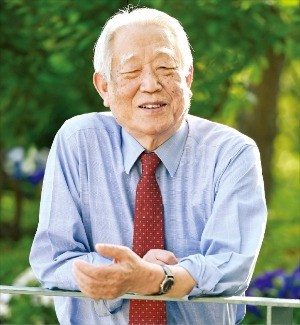
Interview with Former Minister of Unification, Kang In-deok (Part 1) featuring 78th National Liberation Day- He Talks About National Liberation Day of Korea, Division, and Unification" 'North Korean residents enjoyed freedom for ten days before the entry of Soviet forces after liberation in August 1945,' he said."As the Korean Peninsula gears up to celebrate its 78th anniversary of liberation from Japanese colonial rule on August 15th, the divergent paths taken by the two Koreas since National Liberation Day of Korea come into focus. South Korea's remarkable journey toward liberal democracy, industrialization, and democratization has catapulted it into the ranks of the world's top 10 economies. Meanwhile, North Korea's choice of a communist system has led it down a very different road, marked by a three-generation dictatorship, abysmal human rights records, and widespread poverty. With the 78th National Liberation Day upon us, it is an opportune moment to reflect on the significance of liberation and division and explore the possibilities for Korean Peninsula reunification. To gain valuable insights into these issues, an interview was conducted with Kang In-deok, former Minister of Unification, whose expertise on North Korea provides vivid testimonies of history and expert analysis.Kang In-deok, the former Minister of Unification, now aged 91, witnessed firsthand the events of liberation and division in his hometown, Pyongyang, back in August 1945. With an illustrious career in intelligence and psychological warfare related to North Korea, Kang's unique perspective offers valuable insights into the complexities of the Korean Peninsula. His wealth of experience includes hosting over 5,000 broadcasts on North Korea and serving as the first Minister of Unification under the Kim Dae-jung administration. Currently holding the position of Board Chairman at the Institute for Far Eastern Studies at Kyungnam University, Kang's memoir "Life of a Korean Central Intelligence Agency Analyst" sheds light on his remarkable journey.On July 21st, we had the opportunity to meet with Kang at the Institute for Far Eastern Studies in Samcheong-dong, Jongno-gu, Seoul.Kang's recollections of Liberation Day 78 years ago remain vivid. As a first-grade student at Pyongyang the 3rd Middle School, he recalls the moment when the broadcast announced the end of Japanese rule. For Kang's family, it meant the end of a difficult chapter as his imprisoned brothers were released, and the days of forced labor were replaced by a sense of freedom and hope. As a powerful symbol of Japanese colonialism in Pyongyang, Moranbong Shrine was engulfed in flames. Reflecting on those momentous days, Kang emphasized that National Liberation Day of Korea held profound significance, both for his family and the entire nation.Kang described how the residents of Pyongyang experienced genuine freedom for ten days from August 15, 1945, until the arrival of Soviet forces on the 25th. In the aftermath of liberation, national leader Cho Man-sik took the initiative to establish the Pyongyang Provincial Preparatory Committee for Founding the Nation, attracting the participation of intellectuals and young individuals. As a student at Pyongyang 3rd Middle School during that time, Kang actively engaged in public safety activities guided by Cho Man-sik. For those ten days, nationalist forces held control over Pyongyang, instilling hope for a new beginning.However, the situation took a sharp turn with the entrance of the Soviet 25th Army on August 25. Backed by the Soviet Army, communist forces swiftly rose to power, and their activities took on a full-fledged form. Subsequently, looting and upheaval ensued as Japanese residents were arrested and transported to Siberia, while some were coerced into assisting with moving looted goods. In the following months, Kim Il-sung returned to Pyongyang, leading to the establishment of the North Korean Workers' Party in October and the Moscow 3rd Conference. The December Trustee Government Movement marked a turning point, leading to the oppression of Cho Man-sik, nationalist forces, capitalists, and Christian communities.South-North Coordinating Committee meeting in Pyongyang, November 3, 1972 – from right: Kang In-deok, Choi Kyu-hah, Lee Hu-rak, and Chang Ki-young – Photo by Kang In-deok)"Those who survived, including capitalists, nationalist forces, and Christians, fled to the South. Kang, said, "The freedom of the people in Pyongyang lasted only ten days." He mentioned that North Koreans have never experienced true liberal democracy under the three-generation dictatorship of Kim Il-sung, Kim Jong-il, and Kim Jong-un.In 1950, during the Korean War, Kang followed the UN forces as they entered Pyongyang. Many years later, in 1972, while working for the Central Intelligence Agency, he returned to Pyongyang to participate in inter-Korean talks. It was during this visit that he received the heartbreaking news of his parents' passing in 1962 and 1963. Kang also shared a story about encountering Kim Il-sung during his visit to Pyongyang. On that occasion, Kim Il-sung inquired if there were any individuals from Pyongyang among the South Korean delegation. It was Lee Hu-rak, the head of the South Korean delegation and the intelligence chief, who introduced Kang In-deok as one of those hailing from Pyongyang.Kang, who has dedicated his entire life to analyzing North Korean information and engaging in psychological warfare, strongly criticized the nature of North Korea's three-generation dictatorship. He described it as a one-man hereditary system centered around the 'Juche idea,' which he likened to a totalitarian slave mentality. According to Kang, as long as North Korea adheres to the 'Juche idea,' it will inevitably maintain a hostile stance towards South Korea, and there would be little chance for any significant change within the country. Drawing comparisons with historical examples, Kang pointed out how China underwent a shift in direction after Mao Zedong's death, when Deng Xiaoping introduced new policies. Similarly, the Soviet Union experienced changes under Nikita Khrushchev, who advocated coexistence and peaceful cohabitation with the West after Joseph Stalin's death. Kang attributed these transformations to the absence of dictators, which allowed for new ideas and approaches to emerge.Kang stated that North Korea's ongoing pursuit of nuclear development is driven by Kim Jong-un's goal of establishing a nuclear-armed dictatorship. This approach, according to Kang, is a continuation of the military-first policies initiated during Kim Il-sung's era and perpetuated by Kim Jong-il's military-first politics. Kang emphasized that North Korea's nuclear weapons are considered essential for the survival of the regime, making it highly unlikely for them to relinquish these weapons voluntarily. He identified the ultimate resolution to the nuclear issue as dismantling the hereditary succession.
23.08.04 -
 [Current Affairs Analysis]
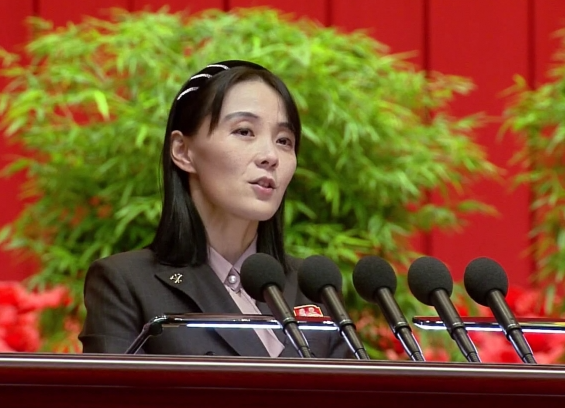
Kim Yo-jong's Use of "Republic of Korea": A Sign of Changing Two Koreas' Policies?Choi Kyong-hui,Director of SAND Research InstituteOn the occasion of the 70th anniversary of the Armistice Agreement on July 27, 1953, Kim Yo-jong, the Deputy Director of the Central Committee of the Workers' Party of Korea, delivered consecutive speeches via the Korean Central News Agency on the 10th and 11th of the preceding month. While the initial focus of the speeches was to criticize the reconnaissance activities of the US Air Force in North Korea, they mainly centered on South Korea. Notably, Kim Yo-jong opted to use the official term "Republic of Korea" instead of the previously employed "South Korea." Despite containing elements of ridicule and mockery directed towards South Korea, the speeches were interpreted as a platform for the North Korean government and the Workers' Party of Korea to express their official standpoint on domestic and international socio-political matters. This suggests their intentions and strategic approach in the context of relations between North and South Korea as well as between North Korea and the United States.Kim Yo-jong, Deputy Director of WPK, speaking at the National Emergency Disease Control Rally held in Pyongyang on August 10 last year / Photo by Korean Central TelevisionKim Yo-jong's decision to use the term 'Republic of Korea' was not simply a hasty reaction to the actions of the US Air Force but rather rooted in North Korea's pursuit of the principle known as 'Our State First.' This nationalist ideology, encapsulated in 'Our State First,' was initially introduced in an editorial published on November 30, following the launch of the intercontinental ballistic missile (ICBM) 'Hwasong-15' on November 29, 2017. The editorial declared the achievement of the "country's nuclear deterrent." Since then, 'Our State First' has become a prominent concept in North Korean media, publications, and studies across various fields, including philosophy and social politics. It represents a new framework for reestablishing national identity and shaping future strategies under the Kim Jong-un regime. North Korea defines 'Our State First' as "a new era of self-esteem and prosperity, born through unwavering struggles to elevate the country's dignity and status as a nuclear-armed state."Liquid fuel produces a flame resembling a red candle, while solid fuel creates a fan-shaped white flame – The 'Hwasong-18' Intercontinental Ballistic Missile (ICBM) using solid fuel, with a flame that takes a fan-shaped form in white, compared to the 'Hwasong-17' which uses liquid fuel with a flame in a red hue resembling a torch shape. / Korean Central News Agency, Yonhap News AgencyIt reflects a nationalistic ideology rooted in nuclear-powered nationalism, which serves to divide North and South Korea and replaces the concept of a shared "nation" that once served as a common bond and lineage between the two Koreas. It is a clear manifestation of the core principles underlying North Korea's pursuit of 'Our State First'.The primary objective behind this decision is to maximize the value of nuclear weapons and missiles. Following Kim Yo-jong's use of the term 'Republic of Korea' in her speeches, North Korea proceeded to launch the new intercontinental ballistic missile (ICBM) 'Hwasong-18' on the 12th. The Rodong Sinmun stated on the 13th that strengthening legitimate defense rights is crucial for reliably safeguarding the security of the country and regional peace, while effectively suppressing the provocative actions of hostile forces. The recent launch of the 'Hwasong-18' aims to further enhance North Korea's strategic nuclear capabilities and assert its position as a strategic weapon capable of overpowering the military might of South Korea and the United States. It is important to note that North Korea adopted its nuclear doctrine in September of the previous year, explicitly indicating the offensive use of nuclear weapons beyond defensive purposes. The regime's obsession with attaining the recognized status of a strategic state has reached an alarmingly dangerous level, as demonstrated by its self-proclamation as a nuclear-armed state. However, this goal is not a recent development. As early as December 28, 2011, North Korea had already established the long-standing objective of becoming the first of the 'Three Revolutions Legacy' as a nuclear-armed state.Additionally, the use of the term 'Republic of Korea' by Kim Yo-jong appears to underline the distinction between North and South Korea. It is a continuation of North Korea's longstanding efforts to create cultural and emotional separation from South Korea. This differentiation is also evident in their deliberate choice to use the official title to assert the superior status of being a nuclear-armed state. Such behavior aligns with North Korea's consistent distortion of historical facts regarding the two Koreas, such as enshrining the term 'Kim Il-sung Nation' in their constitution or implementing 'Pyongyang Time' (PYT) from August 15, 2015, to May 5, 2018, to manipulate the temporal and spatial aspects of inter-Korean relations and national history. The emphasis on establishing a 'national style' through North Korean media and the chanting of 'patriotic songs' at WPK events can also be interpreted within the same context.Moreover, the use of the term 'Republic of Korea' serves as a defense and deterrent against interference in South Korea's internal affairs. North Korea, facing severe economic challenges and growing discontent among its population, has been emphasizing the need for internal unity and reinforcing the legitimacy of Kim Jong-un's regime. However, in recent times, these efforts have intensified significantly. North Korea has enacted several laws, such as the 'National Secret Protection Law' (2023), 'National Symbols Law' (2023), 'Pyongyang Cultural Language Protection Law' (2023), and 'Youth Education Guarantee Law' (2021), aimed at strengthening internal cohesion and isolating external influences, especially from South Korea. These laws demonstrate a resolute determination to eradicate values, information, and cultural elements associated with 'freedom' that might infiltrate North Korea and prevent their access. Such governing measures shed light on Kim Jong-un's perception of South Korea and the imperative to otherize the 'Republic of Korea.' North Korea's propaganda. North Korean authorities enforce strict 'ideological control', presenting a 'struggle against anti-socialist forces and take measures to eradicate the use of the South Korean language. / Photo by Yonhap News AgencyIn the past, particularly during Kim Il-sung's era in 1986, when many communist countries were embracing openness, Kim Jong-il introduced the concept of the nation as an "organic entity in social politics," which laid the foundation for the emergence of 'Our Nation First' ideology. At a time when communist ideologies were facing challenges in the late 1980s, Kim Jong-il sought to revive nationalism and initiated exchanges with South Korean officials. In the late 1990s, North Korea received substantial economic assistance and regime security from South Korea, which helped maintain a favorable environment despite internal and external hardships, commonly known as the 'march of suffering' and the end of the Cold War. However, the current situation shows a departure from that era of nationalism. Kim Yo-jong's adoption of the 'Two Koreas' concept, which North Korea had long opposed, and the abandonment of the nation-centered approach during the Moon Jae-in era signify a significant shift in their stance.However, like everything else, there are two sides to this situation. Kim Yo-jong's use of the term 'Republic of Korea' also serves as a justification for establishing a new order in inter-Korean relations. Currently, inter-Korean relations are in a temporary state of truce and are defined as a special relationship between the people aimed at reunification, without the establishment of mutual national relations. This arrangement was simultaneously acknowledged by the United Nations on September 17, 1991. After enduring the pain of national division for three decades following the Korean War and successfully achieving industrialization, democratization, international recognition, and prosperity, the Republic of Korea finds itself at another critical juncture. In order to effectively manage North Korea as a factor in the surrounding environment, it is necessary to reduce the ambiguity surrounding the special nature of inter-Korean relations and establish a new order based on a more rational, mutually beneficial, and pragmatic perspective.
23.07.17 -
 Alternative Approaches: Reflecting on the July 4 South-North Joint Statement and Unification Formula
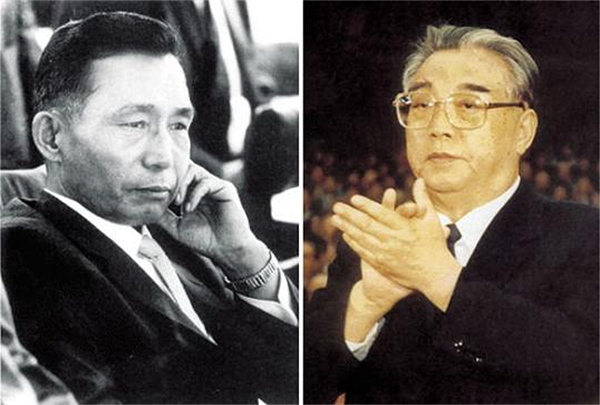
Alternative Approaches:Reflecting on the July 4 South-North Joint Statement and Unification FormulaKim Hyung-suk, Professor of Daejin University,Former Vice Minister of the Ministry of UnificationSignificance and Details of the July 4 South-North Joint StatementThe "July 4 South-North Joint Statement," jointly announced by South and North Korea in 1972 as the first agreement between the authorities, was considered "Big News" for the South Korean citizens who had fears and concerns about North Korea due to their experiences during the Korean War, the Blue House raid, Uljin-Samcheok Landings, and more. This agreement, founded on the principles of "Independence, Peace, Unity," aimed to halt armed provocations and foster mutual exchanges between the two Koreas. Additionally, it facilitated the installation of direct distance dialing, fostering hope for peaceful unification through dialogue between the authorities. The announcement of this agreement generated tremendous anticipation and excitement among Korean people, especially for displaced persons, as it instilled significant hope for a peaceful reunification process.Subsequent Inter-Korean RelationsHowever, subsequent inter-Korean relations did not go as anticipated. Despite the citizens' high hopes, the South-North Coordinating Committee, through multiple meetings, fell short of achieving significant outcomes due to political and ideological differences. The main issue stemmed from a divergence in the interpretation of the three principles. North Korea approached these principles in a manner that South Korea found difficult to accept. They viewed "independence" as a closed self-reliance stance, rejecting external influences like the United States. Their perception of "peace" appeared as a pretext for the withdrawal of U.S. forces stationed in South Korea, potentially compromising defense capabilities. Furthermore, they advocated for the abolition of the National Security Act while addressing "national unity," a stance challenging for South Korea to embrace. Subsequently, the two Koreas entered a phase of competitive coexistence. However, there were notable advancements in inter-Korean dialogue, the Mount Kumgang tourism project, and the Kaesong Industrial Region for economic cooperation, especially during the late 1980s when the communist bloc was waning and North Korea faced economic challenges. Despite these developments, present-day inter-Korean relations encounter significant hurdles due to North Korea's emphasis on strengthening its military capabilities, including the pursuit of nuclear weapons, and its passive stance towards active engagement and cooperation with South Korea. The public demolition of the Inter-Korean Liaison Office in 2023 serves as a poignant representation of the current state of affairs.Reflection on Unification ApproachesAs we commemorate the 78th anniversary of the division between South and North Korea in 2023, it is important to reflect on the continuous efforts for peaceful unification of the Korean Peninsula. Despite disagreements and debates on unification policies between conservative and progressive factions, the goal of achieving unification through peaceful means has transcended political affiliations. It is a shared objective irrespective of conservative or progressive views, ruling or opposition parties. However, inter-Korean relations have been subject to fluctuations largely influenced by North Korea. The problem lies in North Korea's rigid mindset and reluctance towards openness, as observed in its approach of "Limited Openness," which has hindered the unification efforts. The proposed unification approach, the "National Community Unification Formula," is based on the principles of Independence, Peace, and Unity. It envisions a three-stage unification process: "Reconciliation and Cooperation between North and South," "North-South Union," and the establishment of a "Unified Nation." The unification approach itself is robust, but the lack of cooperation and responsiveness from North Korea, as presumed in the approach, raises doubts about its effectiveness.Alternative ProposalsSome have proposed considering a "Korean Confederation" as the ultimate state instead of pursuing a "Unified Single Country" as outlined in the Korean National Community Unification Formula. However, this viewpoint is widely regarded as unrealistic and a means of evading the practical challenges associated with unification. The concept of confederation is already encompassed within the existing two-stage unification approach of the North-South Union, and completely abandoning the goal of full unification is not desirable. Therefore, a more suitable approach would be to complement the current unification strategy with a realistic perspective.Instead of introducing an entirely new unification approach to replace the National Community Unification Formula, the focus should be on realistically addressing its limitations. This involves considering the presence of nuclear weapons in North Korea and its alignment with countries such as China and Russia. It also necessitates recognizing North Korea's persistent emphasis on military strengthening and its ability to shape its own future. Understanding that the true catalysts for change in North Korea are its own people, as evidenced by the transformation of the East German authorities through the actions of East German residents, can help foster a mindset of openness within North Korea.Furthermore, it is crucial to establish a framework for Northeast Asia Multilateral Security Cooperation. This framework should seek support and collaboration from the international community, including key stakeholders such as the United States, China, and Russia, to facilitate the unification of the Korean Peninsula. Additionally, addressing the issue of military force balance within the Korean Peninsula should be an integral aspect of this framework.References“White Paper on Korean Unification 2023" by Ministry of Unification / Seoul: Ministry of Unification, 2023"Knowledge Dictionary on South-North Relations" by Ministry of Unification National Institute for Unification Education / Seoul: Ministry of Unification, National Institute for Unification Education, 2011"Understanding Unification Issues 2023" by Ministry of Unification National Institute for Unification Education / Seoul: Ministry of Unification, National Institute for Unification Education, 2023Three principles: Independence, peace, unityLimited OpennessNational Community Unification FormulaFostering a Mindset of Openness within North KoreaMultilateral Security Cooperation in Northeast Asia
23.07.01 -
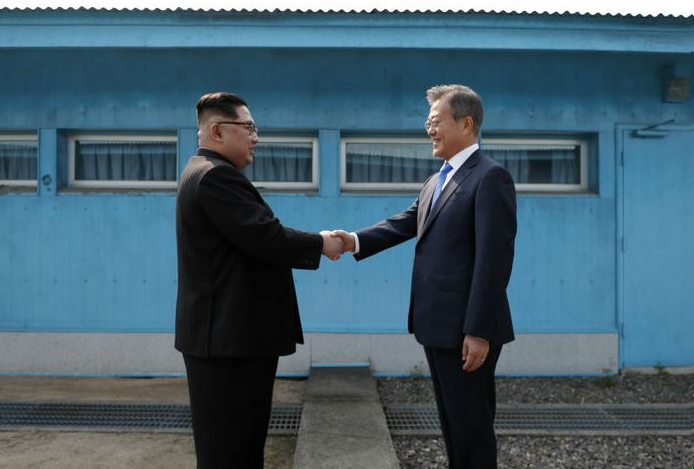 Exploratory Dialogue: The Thawing of U.S.-China Relations and its Impact on North-South Korea
Jung Seung-hun, Professor extraordinaryDepartment of Politics and International Studies at Sunmoon UniversityFormer head of office of the Inter-Korean Dialogue; Former chief of North Korea Intelligence and Analysis Bureau;Worked at the Ministry of Unification from 1990 to 202051 years ago, on July 4, 1972, South and North Korea announced the "South-North Joint Statement," which contained the agreements reached during a secret envoy exchange between Seoul and Pyongyang.The July 4 South-North Joint Statement agreed upon the Three Principles of unification: independence, peace, and unity. It also included agreements on the cessation of slander and armed provocations, the implementation of comprehensive exchanges, cooperation through the South-North Red Cross Conference for resolving the issue of separated families, the establishment of a direct telephone line between Seoul and Pyongyang, and the operation of the South-North Coordinating Committee as a dialogue platform between the authorities of both sides.These agreed-upon principles and ongoing major agenda items serve as guidelines for future improvements in inter-Korean relations and discussions on the issue of unification. While interpretations of the Three Principles of Reunification may differ between South and North Korea, their validity has been reaffirmed in subsequent agreements, such as the "Agreement on Reconciliation, Non-Aggression, and Exchanges and Cooperation between the South and the North" adopted on February 13, 1991. The cessation of slander and armed provocations were further elaborated in the "Panmunjom Declaration" between the leaders of North and South Korea on April 27, 2018, and the "September 19 South-North Korea's Military Agreement" signed in Pyongyang in the same year. The resolution of the separated family’s issue is the responsibility of practical discussions within the framework of the Red Cross, supported by cooperation at the governmental level. The direct telephone line between North and South Korea has experienced interruptions and resumptions due to North Korea's whims, but the physical connection remains, and there is potential for utilizing it as a hotline. The South-North Coordinating Committee has operated in the form of high-level meetings involving Prime Ministers or Ministers. During the tumultuous period of 20 years following the division of Korea in 1948 and the devastating Korean War from 1950 to 1953, South and North Korea remained entrenched in deep hostility. The two countries did not recognize each other as dialogue partners and showed little willingness to engage in meaningful discussions. Political leaders lacked the necessary resolve to peacefully address conflicts and foster cooperation.In that regard, the early 1970s marked a significant turning point for South and North Korea, heralding a new era of "dialogue-driven inter-Korean relations."The contemporary backdrop was influenced by the changing international landscape rooted in the improvement of U.S.-China relations and the political will of South and North Korean leaders to cope with these changes.On July 25, 1969, U.S. President Richard Milhous Nixon introduced the Guam Doctrine, which emphasized that the primary responsibility for defense in Asian ally countries should lie with those nations themselves, leading to a reduction of U.S. military intervention. As part of this policy, the United States gradually reduced its military presence in both Vietnam and South Korea. In March 1971, the U.S. 6th Division withdrew approximately 20,000 troops from South Korea, reflecting the implementation of this approach.In July 1971, following a secret visit to China by Henry Kissinger, the White House National Security Advisor, China replaced Taiwan and became one of the permanent members of the United Nations Security Council. In February 1972, President Nixon visited China and issued the Shanghai Communiqué with Zhou Enlai, which included discussions on the Korean Peninsula in the joint statement. Notably, the United States expressed support for efforts to seek relaxation of tensions and enhanced dialogue on the Korean Peninsula.The shift in U.S.-China relations caused concerns for South and North Korea, who saw them as key allies. The potential loss of a security shield raised apprehensions. Recognizing the security risks, the two Koreas engaged in direct dialogue to explore cooperation opportunities.The exploratory dialogue initiated in the early 1970s between South and North Korea, amidst lingering mutual distrust and hostility, only confirmed their differences and was suspended from August 1973 onwards. Instead of seeking serious negotiations to find ways to reduce threats and achieve security, each side focused on enhancing their defense capabilities and consolidating their respective governance systems.The significance of the initial South-North dialogue lies in the mutual recognition by both sides of the principle that "the issue of the Korean Peninsula should be peacefully resolved through dialogue." This principle garnered recognition not only within South and North Korea but also within the international community, including the United States and China. (It continues in our next issue.)
23.06.30 -
 [North Korea Glossary]
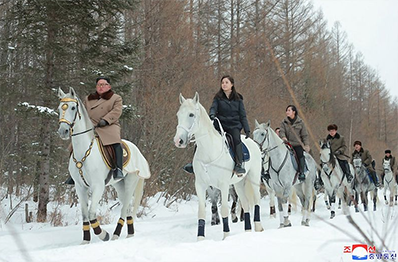
Paektu TrainingPaektu Training refers to the emphasis on the "Spirit of the Paektu Revolution" after Kim Jong-un climbed Mount Paektu in December following his ascent in October 2019. The term was introduced in an article titled "Paektu Training" published in the Rodong Sinmun on December 11, 2019, symbolizing the relearning of Kim Il-sung's Anti-Japanese Revolutionary spirit.Following the 2nd North Korea-USA Summit in Hanoi in 2019, where no agreement was reached, the attempts to enhance the external environment and revive the economy through negotiations between North Korea and the USA came to an end, resulting in a notable blow to Kim Jong-un's leadership. In response, North Korea aimed to restore Kim Jong-un's diminished leadership and placed emphasis on carrying forward the revolutionary tradition of the Paektu Revolution to underscore the significance of the revolutionary spirit.On December 4, 2019, Kim Jong-un inspected the Paektusan Revolutionary Battle Sites and ascended Mount Paektu. This was his second visit to Mount Paektu, the first being on October 16, 2019. Accompanied by his wife Ri Sol-ju and close aides, he toured various revolutionary battle sites within the Samjiyon City area, including Chungbong camp, Geonchang camp, Lee-myeong-su district, Paektusan Revolutionary Battle Sites, Mudubong Battle Sites, Ganbaeksan Battle Sites, and Daegakbong Battle Sites. He also visited Dapsa camp, Mupo camp, and Daehongdan revolutionary battle sites. With transportation issues resolved and increased accommodation capacity in places like inns, he emphasized the organization of winter visits to revolutionary battle sites, highlighting the importance of such visits during the winter season.After emphasizing the significance of the Mt. Paektu visit, Kim Jong-un, writings highlighting the "revolutionary spirit of Mt. Paektu" began to appear. On December 11, 2019, the Rodong Sinmun published an article titled "Paektu Training," written by Seong Cheol-jin, which conveyed the news of nationwide party members' visits to Mt. Paektu. In the article, it stated, "The revolutionary Mt. Paektu is awakening," and "Go for 'Paektu Training.' This is the voice of the people of this land today." It emphasized, "The highest spirit that one can possess as a human and as a revolutionary is encapsulated within 'Paektu Training.' To become stronger, like a phoenix rising higher even in adversity, one must receive 'Paektu Training' and learn the revolutionary spirit of Mt. Paektu." Subsequently, the term "Paektu Training" was used to refer to learning the revolutionary spirit through visits to the revolutionary sites at Mt. Paektu, and these visits continued among party members, social organizations, and workers at various levels.In 2021, North Korea, led by Kim Jong-un, prioritizes self-reliance and the Chollima movement's spirit, emphasizing the unity of its people instead of globalizing and the slogan of "Manrima." The notion of "Paektu Training" underscores the regime's sense of urgency and highlights the crucial reliance on Kim Jong-un's legitimacy derived from the Paektu bloodline. It symbolizes the imperative for all individuals to undergo this training, reflecting the prevailing crisis within the North Korean regime.Related Keywords: Tradition of the Paektu Revolution, Paektu Bloodline, Paektusan Revolutionary Battle Sites, Juche Idea, Military-First Politics, Anti-Japanese Partisan Spirit
23.06.16 -
 [North Korea Glossary]
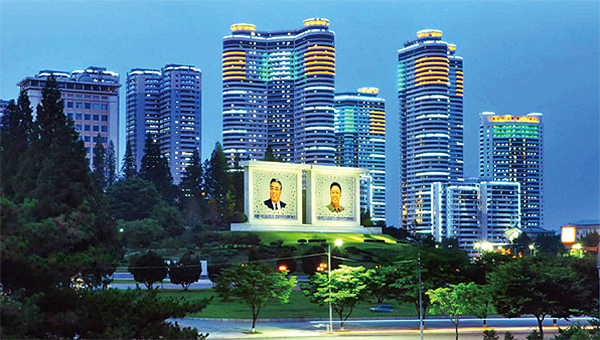
DonjuIt refers to emerging capitalists who have accumulated wealth in the black market and Jangmadang (North Korea's free market) since the economic crisis in North Korea.The prolonged economic downturn and crisis in North Korea resulted in the paralysis of the country's food distribution system, a crucial component of its economy. Consequently, black markets emerged in the informal sector. The growth of these markets signifies a shift away from the centrally controlled "socialist distribution system" and weakens the government's currency control. Consequently, individuals who have amassed initial capital from the black market, have gained prominence. The term "Donju" primarily refers to the class of people who accumulate wealth by utilizing capital in commercial and business activities.While the term "Donju" generally refers to emerging capitalists in North Korean society, it is important to note that not all of them accumulate wealth solely from black markets or engage exclusively in commercial activities. During the expansion of the black market in North Korea, those who possessed initial capital primarily belonged to the social middle-upper class. This included laborers who earned foreign currency, high-ranking officials of the Workers' Party of Korea, and individuals who acquired wealth overseas through their relatives. While some individuals accumulated initial capital through commercial activities in the black market, the term "Donju" encompasses a broader range of individuals beyond this specific group.Even within the Donju who have acquired initial capital, the methods of wealth accumulation vary. They are not only involved in the financial sector but also actively participate in the real economy through various investment activities. Initially, their investments were focused on local transportation, such as intercity buses, taxis, and logistics, as well as distribution and retail sectors, including national outlets. However, over time, they have expanded their investment horizons to include sectors such as construction, mining, and manufacturing. They invest their funds in factories and industrial facilities, sometimes even taking part in direct management. Additionally, they expand their economic activities by hiring their own workforce under the guise of these factories or industrial sites, and they contribute a certain percentage of the profits back to the respective institution or industrial site.These affluent Donju play a crucial role in providing the necessary currency for large-scale economic development in resource-limited North Korean society. Moreover, they engage in informal trading activities that the state finds challenging to directly participate in, thereby establishing a symbiotic relationship with the ruling class. Despite the state's efforts to exert censorship and control over the Donju, they continue to wield influence as prominent actors in North Korea's economic landscape through their involvement in informal networks and the use of bribery.Related Keywords: North Korea's Markets, Distribution System, State Price/Market Price, State Exchange Rate/Market Exchange Rate
23.06.16 -
 [Opinion]
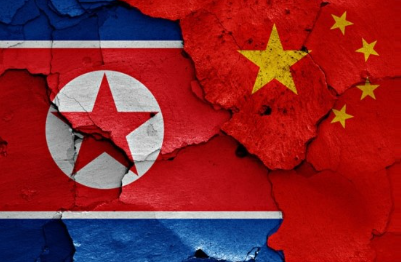
Strengthening of North Korea-China Solidarity: Emphasizing Anti-US and Pro-Joseon Sentiments in the Korean War Xi Jinping on the Korean War and North Korea and China’s Anti-America Coalition Choo Jaewoo Kyung Hee University The relationship between North Korea and China goes beyond a mere alliance, possessing unique characteristics that surpass traditional state relations. While Chinese diplomatic authorities may describe it as "normal state relations," this oversimplifies the distinct nature of socialist state connections. Acknowledging this special bond requires a deeper understanding of the political structure, diplomatic significance, China's stance on Korean Peninsula unification, and Xi Jinping's role in restoring the North Korea-China relationship during his leadership. Xi Jinping stands as the sole leader of China who has commended the involvement of the Chinese People's Volunteer Army in the Korean War, adopting an anti-US and pro-Joseon stance, and hailing it as a "Just war" with a victorious outcome deemed "just." Mao Zedong, Deng Xiaoping, Jiang Zemin, Hu Jintao, and other leaders have never portrayed China's endeavors in anti-US and pro-Joseon terms. Under Xi Jinping's leadership, China's support for North Korea has continued to fortify. This article aims to explore the robustness of the China-North Korea relationship, considering the political structure, diplomatic significance, China's position on the Korean Peninsula's unification issue, and Xi Jinping's fundamental standpoint concerning the reestablished China-North Korea relationship during his leadership from 2018 to 2019. Robust North Korea-China Relations Essentially, within socialist state relations, the party's authority takes precedence over that of the state and government. Referring to these relations between socialist states as "normal state relations" is a viewpoint that focuses on the party rather than the state. From a realpolitik standpoint, considering the party's perspective, normal "state relations" can be seen as a subset of "party-to-party relations" within the state. The party-to-party relations between socialist states truly embody a distinct and exceptional bond. Another reason why Chinese diplomatic authorities depict the North Korea-China relationship as "normal state relations" is due to the contextual background at the time. Specifically, since 2005, economic cooperation between North Korea and China has been transferred from party control to government jurisdiction. In this sense, Chinese government agencies describe their relations with North Korea as a form of state relations. From the perspective of the Communist Party of China, the relationship between North Korea and China remains special. The Chinese Communist Party has never characterized the relationship between the two countries as "normal state relations." The Workers' Party of Korea in North Korea shares the same view. In the past, during the Cold War era, both parties described their relations as a "blood alliance." It was only in the 2000s that such expressions from the Cold War era disappeared, and the term "traditional friendship" replaced it. Both the North Korean and Chinese leaders have designated this traditional friendship as a "precious shared asset" of the two parties, two countries, and their peoples, emphasizing the principle of passing down this asset from generation to generation. In this sense, the unique relationship between North Korea and China is maintained. The intentions of North Korea and China were reaffirmed through the verbal correspondence between Kim Jong-un and Xi Jinping on March 23, 2021. Both leaders demonstrated a willingness to strengthen cooperation between North Korea and China. Kim Jong-un expressed his belief that the relationship with China will evolve into a relationship that the world envies. The Chinese side recalled the long-standing North Korea-China traditional friendship that had been maintained since 2005 as a "precious shared asset" between the two countries. Especially, China is making continuous efforts to maintain the uniqueness of its relationship with North Korea. This can be observed from two aspects. Firstly, China's support for Korean Peninsula unification is a one-sided stance. Secondly, Xi Jinping's chairpersonship in 2018 introduced what is known as the "Three Unwavering Changes" regarding the North Korea-China relationship. For North Korea, unification is its greatest national goal. Xi Jinping's "Three Unwavering Principles" guaranteeing North Korea's survival are promises made by China. Therefore, Kim Jong-un obtained substantial backing in dealing with the United States, akin to having a thousand troops supporting him. This bolstered his confidence in confronting the United States and served as a foundation for exerting pressure as a means of survival, as explicitly stated in his New Year's Address on January 1, 2019. All of this implies that North Korea trusts China and believes it can return to a "brinkmanship" tactic. North Korea believes it can rely on China and participate in provocative actions without worry. Ultimately, it can once again aim for the desired effect of "brinkmanship." In this situation, North Korea no longer needs to be bound by the demand for nuclear disarmament. It can insist on a peace treaty with China as a compensation for its cooperation. Sanctions are no longer a source of fear. There is confidence in being able to rely on China for self-rejuvenation. It only needs to procure essential resources from China and use domestic production as a means of self-rejuvenation, as emphasized by Kim Jong-un at the Sixth Conference of Cell Secretaries of the Workers' Party of Korea (WPK) on June 6th. China's First Visiting Country for New Leaders Always North Korea China recognizes the importance of North Korea as an irreplaceable ally. While China openly aims to transition the North Korea-China relationship into normal state relations, the meetings and speeches of top leaders from both countries reveal a continued emphasis on "inheriting the traditional friendship from generation to generation." The Chinese side is further intensifying efforts to achieve this goal. It is widely known that in North Korea, it is customary for the successor to visit Beijing to seek endorsement before assuming power. However, this practice has only occurred once in North Korea's history. What is particularly intriguing is the pattern observed among China's future leaders. Without any exceptions, several top Chinese leaders, upon being identified as successors, have chosen to make their inaugural official overseas visits to North Korea. In other words, their initial diplomatic engagements as recognized future leaders have taken place in North Korea. Xi Jinping officially visited North Korea in 2003 after ascending to the central political stage. China's former leader Hu Jintao also visited Pyongyang in 1993. In the case of Jiang Zemin, he assumed the role of the top leader abruptly due to the Tiananmen Square incident, without going through the usual process of leadership training. Nevertheless, his first official overseas visit as the leader was to North Korea. China's next-generation leaders visiting North Korea early in their leadership training process can be seen as a way to familiarize themselves with the importance and value of the North Korea-China alliance. Leaders like Hu Jintao and Xi Jinping, who come from a different generation without direct experience of the Korean War or the revolutionary era, may find it challenging to fully grasp the significance and practical implications of the alliance. This raises concerns among the senior generation of Chinese leadership and the Communist Party. Thus, this can be seen as a form of "experiential learning" about the North Korea-China alliance. Considering this, it is possible that the Communist Party of China assigns greater strategic and security significance to the North Korea-China alliance than what is commonly perceived. Until now, there has been a belief that the sense of kinship and shared values regarding the alliance has been gradually diminishing among China's future leaders. China's Unilateral Support for Korean Unification China maintains a basic position of supporting the unification of the Korean Peninsula, as long as it is achieved independently, autonomously, and peacefully by the Korean people without foreign interference. However, there is a trap in this stance. The trap lies in China's unilateral support for North Korea's position, rather than supporting the agreements between North and South Korea. We have mistakenly accepted this support without recognizing the difference between China's private messages to North Korea and its public statements. We have mistakenly accepted this support without recognizing the difference between China's private messages to North Korea and its public statements. China has maintained a consistent stance since North Korea officially adopted the Korea Confederation as a unification approach in 1980. The concerning aspect of China's support lies in its alignment with the content of the "peace treaty" advocated by the United States for the current denuclearization efforts. In 1982, China officially expressed its support for the Korean Confederation concept introduced by Kim Il-sung through a resolution at the United Nations General Assembly. Alongside this support, China emphasized the immediate implementation of UN General Assembly resolution 3390B, adopted in 1975, as a prerequisite for resolving the "North Korean issue." This resolution implies the dismantlement of the United Nations Command (UNC), the withdrawal of US forces from South Korea, and the conclusion of an armistice agreement leading to a peace treaty through negotiations with relevant parties. China reaffirmed its support for the federated state concept of North Korea in 1990 under the same conditions. These actions laid the foundation for China's proposal in 2017 to include the peace treaty in the "simultaneous pursuit of denuclearization and a peace regime." The validity of China's unilateral support for North Korea is also evident from statements made by top leaders of the Communist Party of China. Although China has mentioned inter-Korean peace and unification since establishing diplomatic relations with South Korea, it has concealed the requirement for the South to adhere to North Korea's unification approach. Regrettably, our past governments and leaders overlooked this distinction and naively accepted China's position as presented. Continued Strengthening of North Korea-China Solidarity In March 2023, Xi Jinping visited Russia, and the joint statement issued after the summit, titled "Joint Statement on Deepening the Comprehensive Strategic Partnership of the China-Russian New Era," clearly showed China's determination to counter the United States by aligning with Russia. In relation to the Korean Peninsula issue, the leaders of China and Russia consider the "simultaneous pursuit" approach as the best solution. This means they support both the denuclearization of North Korea and the establishment of lasting peace on the Korean Peninsula concurrently. This is not a new concept, as Russia has held this position since the first North Korean nuclear crisis, and China reaffirmed it in March 2017. However, the joint statement from the China-Russian summit omitted the "Dual-halt" principle, indicating a change in China's stance. China's joint statement with Russia urged the United States to address North Korea's legitimate concerns regarding missile tests and nuclear issues. Therefore, China and Russia have demonstrated that they recognize North Korea's ongoing missile tests and the anticipated seventh nuclear test as exercises of North Korea's inherent right to self-defense under international law. As a result, while the United States continues its joint military exercises with South Korea as part of the ROK-US Alliance, China and Russia are willing to tolerate North Korea's missile tests. This ultimately explains why earlier this year, the international community, including the United States, failed to pass a resolution at the United Nations Security Council (UNSC). China and Russia had preemptively expressed their opposition to any UNSC resolution related to North Korea's military provocations. In essence, as long as the United States continues joint military exercises with South Korea and refrains from engaging in dialogue with North Korea, China and Russia will not oppose North Korea and may even tacitly support its missile tests. Furthermore, as long as tensions persist on the Korean Peninsula, it can be anticipated that China and Russia will continue their combined military exercises, including regular joint flights, in the region. This may result in increased incidents of airspace intrusions into our Korea Air Defense Identification Zone (KADIZ). Such joint military actions by China and Russia will ultimately strengthen the alliance among North Korea, China, and Russia. The recent actions by China, revealed before and after the joint statement of the China-Russian summit, make it evident that the international dynamics around the Korean Peninsula will further escalate into a confrontation between North Korea-China-Russia and ROK-the US-Japan. In light of this situation, it is urgent to adjust our national security and diplomatic strategies. Hoping for economic development and prosperity while our security and sovereignty are not guaranteed is an unrealistic proposition. Therefore, proactive participation in security cooperation mechanisms that guarantee our security, such as the "Indo-Pacific Strategy," "Quad Working Groups," and ROK-the US-Japan military cooperation, is necessary, as our government has stated. Amidst the deepening strategic competition between the US and China, the solution for North Korea's survival lies with China. As this strategic option becomes clearer, the US's North Korea strategy becomes more complex, as it is not easy to address the intersection of human rights and the North Korean nuclear issue. Hence, more than ever, cooperation between ROK and the US, ROK-the US-Japan cooperation, and coordination of international pressure are required to resolve the challenges posed by North Korea. To achieve this, it is crucial to break free from China's temptations and establish a peaceful foundation for resolving our North Korean challenges.Key Words: China-North Korea Relations, China’s Three Unwavering Changes, Korea Confederation, Dual Halt
23.06.16 -
 [Children's Day Article]
Kang Dong-wanProfessor, Dong-A UniversityA cargo truck travels perilously along a cliff, filled with children. They are headed towards a cornfield in a rural area. These children should be in school, but instead, they are being mobilized for work under the name of "rural mobilization." If such a situation were to occur in South Korea, parents would protest, demand accountability, and even call for the impeachment of the Minister of Education and the President. However, in present-day North Korea, these scenes are unfolding. Even witnessing it firsthand, I found it difficult to believe. The truck was packed with children, riding on a vehicle racing along treacherous mountain roads. If we were to raise our voices against such actions for South Korean children, it is only natural that we should denounce these occurrences for North Korean children as well. This is precisely the issue of human rights in North Korea. Children in both South Korea and North Korea should not be subjected to forced labor. During the farming season in North Korea, school playgrounds were empty, devoid of children. It was inconceivable. The fields were almost entirely occupied by children. All day long, they would stoop down, pulling out weeds and gathering pebbles. From one end to the other of the Amnok (Yalu) River, no matter where you looked, you would witness children working in the fields. <Photo> Children being transported on a cargo truck as part of rural mobilization efforts <Photo> Children diligently working in the fieldsWhile filming a village near the China-North Korea border, I noticed striking red writings that read, "Ah, we have no envy in the world!" The writing was on the nursery with North Korea's propaganda-driven system of free education. However, the slogans displayed on the building, proclaiming the absence of envy and expressing gratitude to General Kim Jong-un, made me question if these children truly lived a content and envy-free life. Reports by international organizations, such as the United Nations, shed light on the deceptive nature of the North Korean regime's propaganda, particularly when it comes to the food shortage and malnutrition affecting North Korean children. <Photo> A nursery adorned with propaganda slogans, including "We have no envy in the world" and "Thank you, dear General Kim Jong-un."As I crossed the Amnok (Yalu) River, a majestic golden statue caught my eye. Despite the river's width, I could still discern the grandeur of the statue. At that moment, a group of people approached the base of the statue. They were members of the North Korean Children's Union, visiting the site of historic significance. Compared to the children standing beneath the statue, the monument appeared truly big in size. It depicted the image of Kim Il-sung, who crossed the Amnok River at the age of 14, embarking on a remarkable journey for independence and education. The expressions of the children gazing across the border into China were distinct. Adorned with red neckties, symbolizing their membership in the Korean Children's Union, one could only wonder about the world they envisioned beyond the river, transcending the realms of dictatorship. <Photo> North Korean children receiving educational instruction on a historic revolutionary site beneath the statue of Kim Il-sung.A group of children trod along a mountainous path, each carrying a backpack and proudly waving a red flag as they followed their leader. The white covers on their backpacks drew my attention, revealing inscriptions such as "Total Bomb," "100 Percent Dedication," and "The Revolutionary Spirit of Baekdu." These slogans appeared to instill a sense of determination. When North Korean children reach the age of 14, they join the "Red Youth Guards," a youth military organization.During this time, they engage in marches and participate in outdoor training that lasts for over 10 days. These children transition into young soldiers, proudly carrying the red flag, without experiencing the typical rites of passage during adolescence. What awaited them beyond the threshold? The sound of their footsteps merged with the hazy dust, marking their journey into the unknown.
23.06.01 -
 [Defectors' Podium]
Kim Geum-hyukFuture Unification Planning Committee Member(Graduate of Kim Il Sung University)Upon arriving in South Korea, I initially kept a low profile. Despite receiving numerous interview requests and broadcasting opportunities, I hesitated to accept them due to concerns for my college friends and family still residing in North Korea. However, in 2019, I gradually started engaging in public activities, and it has been slightly over two years since then.I have become a great disappointment to my parents. From North Korea's perspective, my choice to leave has exposed my family, including myself, to serious dangers. Furthermore, considering the positive reputation and prosperity we once had, the impact is likely to be even more profound.’If I had simply enjoyed my life as a student abroad and returned to North Korea like others, it wouldn't have caused my parents any distress. Perhaps by now, as a graduate of Kim Il Sung University, I could have been working as a diplomat or a party cadre.People often said to me after I came to South Korea, "If I were you, I would have lived a comfortable life in North Korea. With qualifications like yours, I would have belonged to the top 0.1%. So why did you go through all this suffering by coming here?"In a sense, they might be right. Honestly, I never experienced poverty or hunger while living in North Korea. I was spared from all the difficulties and hardships that many defectors consistently testify to, and I spent a privileged childhood benefiting from the loyalty of my grandfather and father. It may sound like self-praise, but with a favorable environment for studying, I always achieved top grades and easily entered prestigious schools that were considered essential for North Korean elites. I was very fortunate. Until 2009, university students, especially liberal arts students, were not allowed to study abroad. However, Kim Jong-un became the successor with the changing atmosphere, new opportunities opened up, allowing liberal arts students to study abroad and learn many new things before returning. But there were two conditions: one was that the student had to bear the entire cost of studying abroad, and the other was that a guardian had to accompany them. Fortunately, my father was conducting business in Beijing at the time, and we had the financial means to meet both of these conditions.Not many students could meet these criteria. Only a select few were chosen, and out of approximately 2,000 applicants, around 300 individuals made it onto the first list. I was among them.In January 2010, I took a flight with Air Koryo from Pyongyang Sunan International Airport (FNJ) and landed at Beijing Capital International Airport. Little did I know that the Air Koryo plane would be so small. It was quite contrasting to see a Korean Air plane right next to it. The discrepancy was hard to overlook. Boarding a plane in North Korea is a significant privilege. At the age of 19, I was elated to revel in that privilege. However, that excitement and self-assurance were shattered within a mere two hours. As I observed the multitude of airplanes from around the world crowding Beijing Capital International Airport, an indescribable sense of desolation washed over me. But the embarrassment didn't end there. In order to emphasize our status as North Korean students, we all wore matching uniforms adorned with portraits of Kim Il-sung and school badges on our chests. Yet, throughout our entire journey at Beijing Capital International Airport, we were the sole group donning such attire.It was embarrassing. We, who once boasted as North Korea's finest elite, suddenly felt like insignificant beings in this world, realizing how far removed we were from the progressive global landscape. Furthermore, the experience at Beijing Capital International Airport marked the starting point of disillusionment for North Korean students towards the regime.Every Saturday, we would gather at the embassy for the Life Review Session, where we were required to give reports on our week's activities and even provide details about the people we had interacted with. It was mandatory to wear Kim Il-sung's portrait on our left chests when entering the embassy. However, none of us followed this rule. It was only when we reached the back gate of the embassy that we hurriedly put on the portrait. North Korean students were reluctant to reveal their origins. When asked about our hometown, including myself, we would claim to be from South Korea. And once we became fluent in Chinese, we would identify ourselves as Korean Chinese.North Korea brought about a great deal of shame. And I mean, a tremendous amount of it.The majority of North Korean students go through a similar transformative journey, entering a world that is drastically different from what they were familiar with. They embark on their exploration of the internet, freely enjoying South Korean dramas and movies without any restrictions. By learning Chinese, they establish connections and develop deep friendships with students from various countries. These experiences are simply unimaginable in North Korea, where access to such information and relationships is strictly prohibited. They are confronted with astonishing revelations, information that is strictly forbidden within the confines of North Korea. Details about the personal life of Kim Jong-il, such as his multiple wives and the fact that many members of the Kim family pursue studies abroad, come to light. Equally shocking is the extravagant lifestyle of Kim Jong-il, who spent millions on luxury items like cognac and wine while millions of North Koreans suffered during the Arduous March. At first, skepticism and denial grip their minds - I was no exception. I dismissed such information as manipulative propaganda from imperialist forces aimed at undermining our cherished socialist republic. Many other students shared the same view, as we were mentally conditioned to think that way. However, as we delve deeper into the truth behind these facts, even more profound and unsettling truths await us. We confront the existence of political prison camps, stories of defection, and the widespread purges that have taken place. It is a disorienting experience that brings forth a mix of excitement and fear. The more we uncover the realities of true democracy, human rights, and freedom, the stronger our feelings of indignation and determination grow.Defector students are divided into two distinct groups when faced with these revelations. Some choose to disregard them, preferring to remain ignorant and holding onto their previous perspectives. On the other hand, there are those who react to these newfound truths with a combination of anger, despair, and an unwavering determination to speak out against the North Korean regime. I, personally, belong to the latter group.Admittedly, only a few select individuals take this path. It is far easier to turn a blind eye, allowing life to pass by without consequence. Those who complete their studies at esteemed institutions like Peking University or Tsinghua University and return to North Korea may be greeted with a brighter future if they navigate the regime's intricate web of loyalty. They may secure a life of privilege within the upper echelons of society. In contrast, those who embrace the truth must confront a relentless state of fear. They live with the constant uncertainty of exposure, worries for their families' safety, and the haunting specter of being subjected to political imprisonment or even execution.Despite the challenges and risks, I couldn't turn a blind eye to everything I had come to know. Each revelation of the regime's contradictions fueled my resentment and anger towards those responsible for our country's current state. During a conversation with a close friend about North Korea, my frustration overflowed, and I involuntarily said, "Kim Jong-il, that son of a bitch!" The anger towards the Kim family had built up, making it impossible to turn back. To my surprise, my friend shared the same sentiment. We were both taken aback. Thankfully, we connected over our shared thoughts. We engaged in an intense, ten-hour conversation that led to successful persuasion. Soon, we were joined by around ten other students who shared our vision. I still remember the words that we questioned ourselves during our initial gathering.“Do we truly deserve the privileges we enjoy today? Is it solely because of our academic achievements or attending prestigious universities? Is it merely because we were fortunate enough to be born into affluent families? Can we justify the opportunities, happiness, and wealth we have experienced?”That day was filled with tears as my friends and I watched documentaries portraying the hardships of Kotjebi, the homeless children of North Korea. Our emotions overflowed as we confronted the harsh realities of political prison camps, fueling our anger.While we enjoyed extravagant meals and extravagant birthday parties costing over 200 yuan per meal, the children in the documentary roamed the streets in search of food. Our privileged lives were a result of our parents' loyalty and obedience to the regime, while ordinary people lacked power, connections, and endured constant hardships.Out of compassion, I secretly brought a Kotjebi child, who was my age, to my house without my mother's knowledge. Witnessing him begging for leftover ice cream, only to find none, I decided to bring him fresh ice cream from my place. I packed the remaining rice and side dishes into a plastic bag and handed it to him. After saying goodbye, I found a secluded spot and cried profusely. Those side dishes were leftovers that my mother intended to throw away. It was heart-wrenching to see the joy on that child's face, knowing their difficult circumstances. He didn't even have shoes. I asked my mother why people who were all the same had to suffer so much. My mother couldn't provide an answer.We sought the answer ourselves. The North Korean dictatorship regime granted privileges to a select group of elites, while the rest of the population was ignored and subjected to surveillance and control. The chosen few inherited these privileges, perpetuating corruption and injustice that affected ordinary people. The powerful oppressed the weak and submitted to those even more powerful. That was the answer we discovered.Motivated by a desire for change, we immersed ourselves in rigorous studies, passionate debates, and dreams of a new world. We knew that without someone taking the first step, change would remain elusive. With our firsthand experience of a different world, we aimed to enlighten and awaken others, coming together as a united force. Our discussions took place in the student cafeteria at Peking University, continued in the dormitories of Beijing Language and Culture University, and extended to a pub along the banks of the Taedong River. Though it may have seemed like a group of determined twenty-year-olds engaging in intellectual debates, we were revolutionaries driven by lofty aspirations.On December 19, 2011, the news of Kim Jong-il's sudden passing reverberated across the globe. As the news reached us during class, we gathered at the embassy for a memorial event, filled with a mix of intense emotions. In this charged atmosphere, we came together and celebrated.January 2012 in Beijing, a somber mood settled over the city. Rumors circulated about a swift purge of security agents in Pyongyang, and my close friends from Dandong City grew evasive in their communications. Eventually, one of our group members was suddenly summoned, and later I learned that he was found with a Korean translation of Plato's "The Republic."The seriousness of the situation heightened due to the Korean translation. By early February, I could no longer ignore the constant feeling of surveillance. Instances of someone following me became frequent, and I suspected my phone conversations were being monitored. All I could do was discreetly warn the other group members about potential risks and advise them to keep a low profile for the time being. Amidst these circumstances, on February 8, I received a summons from the embassy, and it immediately became clear to me that it was a trap to lure me back to North Korea. Aware that my room had been searched multiple times and constantly feeling threatened even after changing dormitories, I had no doubts about the necessary course of action.I chose the path of escape, leaving the dormitory behind. Despite facing numerous challenges along the way, I managed to reach South Korea by the end of March.This is my story of defection. While it has been briefly shared through various media outlets, this is the first time I am recounting the detailed account in writing. There is no embellishment or exaggeration involved."If I were you, I would have lived a comfortable life in North Korea. With qualifications like yours, I would have belonged to the top 0.1%. So why did you go through all this suffering by coming here?" I hope my story provide an answer to this question.My dream remains steadfast. I hope to dismantle the dictatorship in North Korea and establish a world where the basic human rights of individuals are respected. I strive to put an end to the irrational rule of three generations of dictatorship and turn North Korea into a country that stands equal to others. By harnessing the incredible potential of the Taedong River, I yearn to bring prosperity to the people of North Korea. Additionally, I am committed to contributing to the reunification of the Korean Peninsula and the growth of a strong and prosperous South Korea. From my standpoint, these dreams are firmly grounded in reality.Dreams belong to those who have the courage to envision and pursue their aspirations.
23.06.01 -
 [North Korea Glossary]
The dictatorship of the proletariat refers to the exclusive control of power by the working class (proletariat) in capitalist societies. It is a transitional political system that exists during the process of communism, which overthrows bourgeois political power and abolishes the state. North Korea defines it as "the political domination of society exercised by the working class through state organs to suppress counter-revolutionary elements and construct a socialist and communist society."In May 1967, Kim Il-sung established North Korea's unique theory on the transitional period and the dictatorship of the proletariat in his speech "On the Transitional Period to Socialism from Capitalism and the Dictatorship of the Proletariat." In September 1968, he further solidified North Korea's independent theory on the issue by stating that the Democratic People's Republic of Korea (DPRK) was "the bastion of our people's freedom and independence and a powerful weapon for the construction of socialism and communism." This was done to seek North Korea's independent revolutionary and construction strategies amid the conflict of ideologies between major and minor powers.North Korea's Theory on the Transitional Period to Socialism from Capitalism and the Dictatorship of the Proletariat has two characteristics. First, North Korea's theory of the transitional period includes the period and task of achieving complete victory in socialism. Second, North Korea sets different periods for the transitional period and the dictatorship of the proletariat, and associates the transitional period with imperialist collapse on a national or regional scale, while linking the dictatorship of the proletariat with the downfall of imperialism.In 1992, North Korea revised its constitution and changed the dictatorship of the proletariat to "people's democracy". People's democracy means implementing communist party dictatorship by performing anti-colonial, anti-feudal, and democratic revolution through the extensive unified front led by the communist party. North Korea's transition to people's democracy during a time when international socialism was rapidly declining is analyzed as an attempt to justify individual dictatorship by presenting not only the working class but also diverse social classes as the subject of "our-style socialism" and "North Korean-style socialism" construction.
23.05.16 -
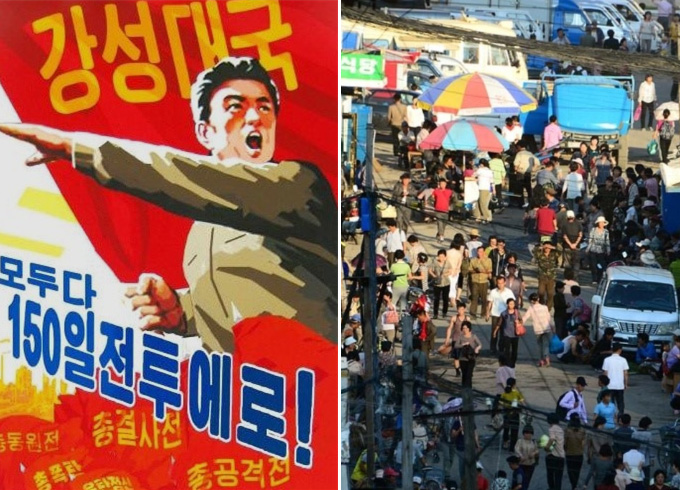 [North Korea Glossary]
The 'Antisocial Group' was formed in North Korea as a result of increased deviant behavior due to external intervention following the collapse of the Soviet Union and socialist countries in Eastern Europe in the late 1980s.Established in October 1992, by order of Kim Jong-il, it was created as the non-permanent inspection organization to remove and monitor "antisocial" phenomena within North Korea. It controls and regulates all regions of North Korea by managing "antisocial" behavior.The 'Antisocial Group' is made up of personnel from five North Korean organizations: the Organization and Guidance Department of WPK, Central Prosecutor's Office, Central Court, State Security Department, and Ministry of Social Security. Its main role is to censor and crack down on antisocial elements that arise in the daily lives of North Korean citizens.In the early 1990s, North Korea experienced significant shockwaves as it witnessed the transition of socialist regimes in the Soviet Union and Eastern Europe. To prevent "socialist betrayers" from leaving North Korea or "revisionism" from entering North Korea, North Korea expanded its police force in the Social Security Agency. Together with this expansion, North Korea established various organizations such as "6.4 Antisocial Group," "Workers' Surveillance Corps," and "Antisocial Elimination Group" for ideological education and surveillance of residents.Since July 10, 2004, the "Antisocial Group" has resumed its activities under the name "6.4 Antisocial Group" in the border area. This group is said to have originated from the "Antisocial Group" organized on June 4th, but there is also an assessment that it is a surveillance and control organization that is conscious of the June 4th Tiananmen Square protests and massacre in China in 1989.Initially, when the "Antisocial Group" was first organized in the 1990s, it focused on exposing political phenomena such as dissident propaganda and spreading obituaries of political leaders. However, since the 2000s, the scope of censorship has expanded to include unemployment, gangsters, domestic tutors, doctors who make house calls, nurses, and pharmacists. In particular, they have strengthened the censorship of the border area, with a focus on trade and other economic activities. The "Antisocial Group" was established with the aim of preventing the influx of capitalist cultural and lifestyle trends that come with the introduction and expansion of markets. They monitor and control not only ordinary residents but also party cadres in order to strengthen their control.
23.05.16 -
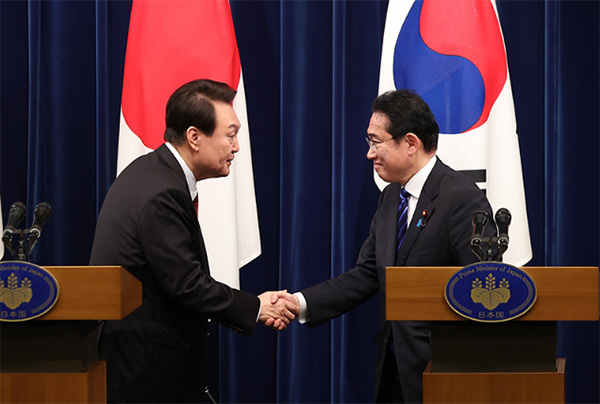 [Opinion]
By Lee Ki-taeKorea Institute for National Unification, KINUThe recent summit meeting between President Yoon Suk-yeol and Prime Minister Kishida Fumio, which marked the restoration of shuttle diplomacy between South Korea and Japan in March and May 2023, underscored the perceived global threat posed by North Korea's nuclear and missile development. Building on this recognition, the forthcoming trilateral summit between South Korea, the United States, and Japan during the Group of Seven Summit in Hiroshima aims to enhance close communication and collaboration among the leaders to address the challenges to peace and stability.Meanwhile, Prime Minister Kishida Fumio expressed his appreciation for the South Korea-Japan Forced Labor Deal announced by the South Korean government on March 6th, acknowledging, "I was deeply moved by the resilience of those who remember the painful past while keeping their hearts open for the future."Furthermore, he added, "It deeply saddens me to think of the immense pain and sorrow endured by many individuals in such challenging circumstances." He also underscored his unwavering commitment to upholding the historical perspectives of past Japanese administrations, including the 1998 Kim Dae-jung-Obuchi Declaration between Japan and South Korea.The Republic of Korea-Japan Summit presented a pragmatic and forward-looking direction for bilateral relations by emphasizing security cooperation in response to North Korea and the resolution of historical issues, particularly the matter of forced labor victims. This agreement between the two nations will have significant implications for future North Korea-Japan relations, especially from a long-term perspective.In recent years, North Korea has consistently engaged in provocative actions, such as ballistic missile launches, prompting both the South Korean and Japanese governments to explore avenues for security cooperation centered around North Korea's denuclearization. Recognizing the importance of fostering trust and strengthening their bilateral relationship, both South Korea and Japan have been actively pursuing security policies based on their alliances with the United States. Furthermore, they have been united in their shared concerns regarding the security threats posed by North Korea's nuclear and missile programs. Hence, in the context of the urgent need for a trilateral coordination framework between South Korea, the United States, and Japan to address the North Korean nuclear threat, Prime Minister Kishida Fumio's approach to nuclear weapons and missiles underscores the crucial role of cooperation with both South Korea and the United States. The South Korean government, too, acknowledges that without improving its relations with Japan, there exist inherent limitations in successfully resolving the North Korean problem.In the April summit between President Yoon Suk-yeol and President Joe Biden, South Korea and the United States had come to a mutual agreement to establish the Nuclear Consultative Group (NCG). At the May Republic of Korea-Japan Summit, President Yoon Suk-Yeol acknowledged that initiating immediate discussions on the formation of the Nuclear Consultative Group (NCG) with the United States might be premature. However, he underlined that Japan's potential future participation should not be disregarded. It seems that Japan is set to embark on an assessment of the trilateral NCG establishment involving South Korea, the United States, and Japan, while concurrently engaging in focused deliberations on extended deterrence with the United States.Furthermore, within the trilateral cooperation of South Korea, the United States, and Japan, there will be an intensified response to North Korea's illicit cyber activities, illegal maritime transfers, and other violations of sanctions. Real-time sharing of ballistic missile warning information and joint exercises to counter submarine threats will be strengthened.Meanwhile, the relationship between North Korea and Japan has reached a standstill since Japan intensified its sanctions following North Korea's fourth nuclear test in 2016. The non-implementation of the 2014 Stockholm Agreement has further complicated matters, leading to a halt in official contacts and negotiations. However, the conflict over forced labor between South Korea and Japan stems from a difference in perception rooted in the legality of Japan's colonial rule over the Korean Peninsula and the issue of cause of action between the two countries. Despite the 1965 Agreement on the Settlement of Problem concerning Property and Claims and the Economic Cooperation between the Republic of Korea and Japan, which aimed to address these issues, the disagreement persists.The Japanese government has consistently criticized the Supreme Court ruling on forced labor, asserting that it could potentially undermine the established diplomatic framework of the 1965 Treaty on Basic Relations between Japan and the Republic of Korea, widely known as the '1965 Treaty'. Consequently, in pursuit of restoring relations with Japan, the Yoon Suk-yeol administration has put forth a diplomatic resolution referred to as the 'third-party mediation'. This proposed approach aims to navigate a mutually acceptable path, facilitating diplomatic reconciliation while duly recognizing the judicial ruling. However, the 1965 Treaty is intricately intertwined with the 2002 Japan-North Korea Pyongyang Declaration. This declaration, mirroring the principles of the 1965 Treaty, prominently features North Korea renouncing its claims and Japan's ODA.Former Prime Minister Koizumi Junichirō embarked on a momentous visit to Pyongyang on September 18, 2002, where he jointly announced the Japan-North Korea Pyongyang Declaration with Kim Jong-il, the former Chairman of the DPRK National Defense Committee. Drawing upon the provisions outlined in Article 2 of the Japan-North Korea Pyongyang Declaration, Japan aimed to circumvent individual claims by following a similar approach to the Agreement on the Settlement of Problem concerning Property and Claims and the Economic Cooperation between the Republic of Korea and Japan. Article 2 of the Japan-North Korea Pyongyang Declaration states: "Both parties, in achieving the normalization of relations, have agreed in the normalization talks to the fundamental principle of relinquishing all property and claims of the two countries and their peoples arising from events prior to August 15, 1945." In essence, Japan sought to secure relinquishment of claims from North Korea in exchange for economic support, as indicated.After the 1965 Agreement between Japan and Korea, Japan seems to have sought to disregard individual claims raised both domestically and internationally by explicitly referencing Article 2 of the Japan-North Korea Pyongyang Declaration.However, as evident from the Supreme Court ruling on the South Korea-Japan Forced Labor Deal, it is clear that the matter of compensation and individual claims arising from Japan's coercive and unlawful rule during the colonial era, which commenced in 1910, cannot be disregarded.Even if a normalization of diplomatic relations between North Korea and Japan based on the Japan-North Korea Pyongyang Declaration, specifically Article 2, were to take place in the future, it is certain that the victims and their families of forced labor would eventually demand individual claims, similar to the Supreme Court ruling on the forced labor deal, to be addressed to Japan. Therefore, any attempt by Japan to pursue a "waiver of claims" during the process of normalizing relations with North Korea would undoubtedly result in conflicts between a unified Korean Peninsula and Japan.The future reconstruction and amendment of the 1965 Treaty between Japan and Korea could have implications on the 2002 Japan-North Korea Pyongyang Declaration, and consequently, the issue of forced labor may be addressed in the future process of ‘normalization talks’ between North Korea and Japan. Hence, Prime Minister Kishida Fumio's acknowledgment of historical issues and the Yoon Suk-yeol administration's respect for the judicial ruling, along with their efforts to address the forced labor victims and the Japanese government through a third-party mediation proposal, hold great importance. It serves as a crucial guideline for the future development of South Korea-Japan relations and the long-term process of normalizing diplomatic relations between North Korea and Japan.
23.05.16 -
 [Guest Essays]
Jang Hee-jun, Asia Business Daily Reporter On March 30th, the South Korean government finally released the long-awaited North Korean Human Rights Report. Containing testimony from 508 defectors, the report is a result of the 2016 North Korean Human Rights Act passed by the National Assembly. Amongst the many human rights violations, the report covers incidents that took place between 2017 and 2022. These incidents include the gruesome order of breaking spines of people who watch South Korean videos, and public executions of pregnant women accused of pointing fingers at a portrait of Kim Il-sung. Reading through the report, one cannot help but feel a sense of shock and horror. The report also highlights several representative cases that illustrate the brutality of the North Korean regime. One such case was the reported shooting of a man in Ryanggang Province in 2020 for importing South Korean videos from China. Other individuals who were secretly selling South Korean products, such as high heels and cosmetics, were also reportedly executed in large numbers.Women face violence, especially sexual exploitation, everywhere and at all times. Their testimonies reveal involuntary human experimentation on mentally ill or intellectually disabled individuals at a secret location, "Facility No. 83 ". ▶ Back to Square One: North Korean Human Rights Law after it is being established 7 years ago The Ministry of Unification has produced yearly reports on North Korean human rights, but the government has kept them confidential , claiming they are protecting the personal information of North Korean defectors. It appears that the Moon Jae-in government prioritized North Korea's relationship over the suffering of North Korean citizens. Despite portraying himself as a human rights lawyer, Moon has been accused of ignoring the North Korean Human Rights Law, effectively undermining the efforts of both the ruling and opposition parties who worked to establish the law and promote human rights. It is undoubtedly shameful that the South Korean government, which should be at the forefront of the North Korean issue, is being criticized by the international community for being too cautious of Pyongyang. Looking back, it took more than 10 years for the US in 2004 and Japan in 2006 to enact North Korean human rights laws. Furthermore, the North Korean Human Rights Act, which was passed by the Democratic Party of Korea during the Moon Jae-in government, has been criticized for hindering efforts to improve human rights in North Korea. The act is not only unconstitutional but also prevents the delivery of the North Korean human rights report to North Korea. ▶Raising awareness of North Korean human rights violations matters Exposing the tragedy happening inside North Korea is essential to shed light on the human rights violations taking place. Although it may be gruesome and provocative, the issue cannot be ignored. The totalitarian regime of the Kim dynasty denies the exploitation of its people for the development of nuclear and missile technology. Moreover, the international community must reveal the truth to press China and Russia, which protect the North Korean government under the guise of socialist solidarity. President Yoon Suk-yeol has been expressing his strong commitment to the issue of North Korean human rights. In the State Council meeting on March 28, two days before the release of the report, he emphasized the need for the practical enforcement of the North Korean Human Rights Act, and stated that investigating and disclosing the reality of North Korea through various channels is crucial for national security. The public release of the North Korean human rights report carries significant meaning in this context. However, the government should not solely praise itself as 'meaningful.' Instead, it should acknowledge that the North Korean human rights policy has been on the wrong path for several years and has only recently started to return to its rightful place. ▶ South Korea's Action is Key to Achieving "International Cooperation“ It is disappointing to see the efforts of the Ministry of Unification falling short. The Center for North Korean Human Rights Records, which produced the report, is especially guilty of this. The human rights investigation database, which cost over 3.3 billion won, contains responses from 3,412 defectors, but only 508 were used in the report. Even these responses were presented in a list-like format without any comparative analysis or attention to the criticisms that the government is focused on. The report takes the form of a mere "collection of testimonies," making it difficult to understand what issues the Center has been tracking over the past few years in the name of North Korean human rights. First steps have been taken with the publication of the North Korean human rights report by the South Korean government, but many tasks remain. The Ministry of Unification should provide a specific roadmap for how the English version of the report can be utilized on the international stage. Analysis work utilizing the database, which has accumulated considerable evidence, must also continue. Without the South Korean government taking the lead on North Korean human rights issues, no country will be able to move forward. The past 5 years, during which the Moon Jae-in government has ignored North Korean human rights, have shown that when South Korea actively raises its voice on the reality of North Korea's human rights violations, the international community can follow suit.
23.05.01 -
 [Opinion]
Kim Tae-hoonChairman of the North Korean Human Rights Association,Honorary Chairman of Lawyers for Human Rights and Unification of KoreaApril 25th marks the 60th Law Day, yet the Korean Peninsula is currently experiencing a severe human rights crisis due to two laws that violate human rights: South Korea's ban on sending propaganda leaflets to North Korea and North Korea's law on rejecting reactionary ideology and culture. The United Nations Commission of Inquiry (COI), established ten years ago, recommended that the United Nations Security Council (UNSC) refer the situation in North Korea to the International Criminal Court (ICC) to hold North Korea accountable for its serious human rights abuses, which amount to crimes against humanity. On April 4th, the 52nd session of the United Nations Human Rights Council adopted a North Korean human rights resolution with the same content for the 21st consecutive year. This year's Human Rights Council resolution was adopted by consensus without a vote. It included a new content that specifically urged the improvement of North Korea's Law on rejecting reactionary ideology and culture, by clearly pointing out the infringement of the right to access information, which is among the human rights violations that North Korean residents are experiencing. The law on rejecting reactionary ideology and culture, strictly prohibits any content produced outside of North Korea, including South Korea. It was enacted on December 4th, 2020, and was revised on August 19th, 2022. However, the Moon Jae-in government did not take measures to address the issue of the North Korean government's enactment of the law, but instead actively supported it by amending the law on the promotion of South-North Korean relations. In other words, the law criminalizing the launching of propaganda leaflets was passed on the same day. In response, civil society groups such as the lawyers for human rights and unification of Korea immediately filed a constitutional complaint seeking a declaration of the unconstitutionality of the law criminalizing the launching of propaganda leaflets on December 29, 2020, but the Constitutional Court of Korea has been postponing its decision for three years. The North Korean Human Rights Law, enacted seven years ago, has been trivialized due to the delay in appointing directors to the North Korean Human Rights Foundation. Furthermore, history textbooks under the education policy of the Moon Jae-in government depict Kim Jong-un, who has committed human rights abuses, as a person who revitalized the North Korean economy. North Korean communism is not simply a political issue. Violence such as torture and mass killings are just a part of it. The true terror of the North Korean regime lies in the collapse of human dignity and the establishment of an unbreakable ideological control. It is a great mistake to think that we have defeated North Korea just because our country has achieved economic success. North Korea has indoctrinated its ideology through organizations such as the General Federation of Trade Unions of Korea (GFTUK) for decades, and the consequences are evident throughout our society. We must acknowledge the severe human rights violations in North Korea and its failure, while South Korea, declared by the UN 75 years ago as the only legitimate government on the Korean peninsula, has developed into a democratic and economically advanced country. Extraordinary efforts are necessary to address the human rights crises in both North and South Korea.
23.05.01
News Letter
We are leading the global communication via Newsletter.
We will deliver the latest information and proven facts on Korean Peninsula status including North Korea situation.