

-
 [Feature Article]
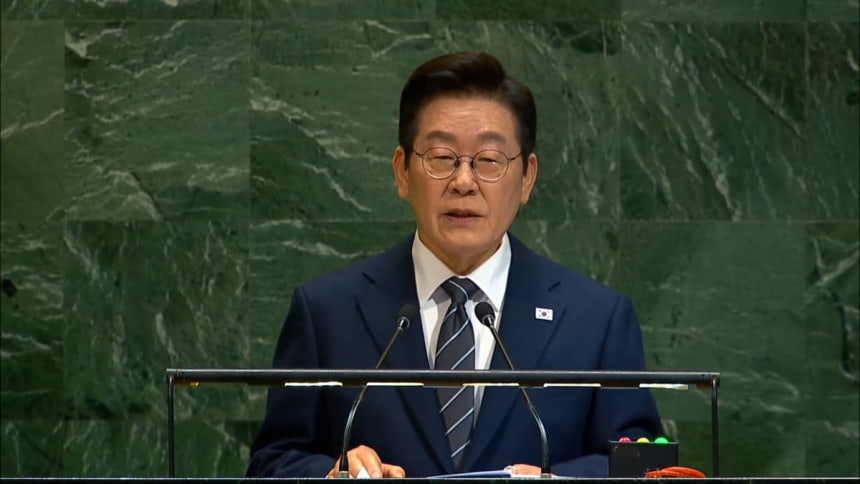
The North Korean Nuclear Challenge and the ‘END Initiative’ Koh Yu-hwanProfessor Emeritus, Dongguk University; Former Director, Korea Institute for National UnificationPresident Lee Jae-myung articulated the “END Initiative” at the 80th UN General Assembly, framing it as South Korea’s strategic approach to ending the Cold War on the Korean Peninsula and contributing to global peace and prosperity. The initiative emphasizes restoring trust between North and South Korea, shifting to a posture of mutual respect, and adhering to three principles regarding North Korea: respecting its political system, excluding absorption unification, and prohibiting hostile acts.Central to the END Initiative is the notion that sustainable peace requires conditions under which conflict is unnecessary. The initiative outlines a phased approach to North Korea’s nuclear program—Exchange, Normalization, and Denuclearization—with normalization of inter-Korean relations positioned as the foundational step. This represents a departure from prior “denuclearization-first” strategies, such as the CVID (Complete, Verifiable, and Irreversible Dismantlement) framework, aiming instead to leverage normalized relations to drive progress on denuclearization.The proposed three-stage nuclear approach—suspension, reduction, dismantlement—differs substantively from previous agreements, including the 2007 February 13 Agreement and the September 19 Joint Declaration. Notably, the use of “suspension” rather than “freeze” implies that negotiations on normalization could proceed immediately upon North Korea’s declarative commitment, without initial verification.President Lee Jae-myung delivers a keynote address at the United Nations General Assemblyin New York, USA, on September 23. /2025.09.24/Presidential Office websiteThe second stage, reduction, may involve both a decrease in North Korea’s nuclear capabilities and the potential acknowledgment of its de facto nuclear status, opening the door to arms control or disarmament negotiations with the U.S.Over thirty years of engagement with North Korea’s nuclear program have demonstrated the limitations of path-dependent approaches. The END Initiative emphasizes a “security-for-security exchange” framework that addresses both external concerns and North Korea’s demands. Given the rapid advancement of North Korea’s nuclear capabilities, diplomatic efforts must focus on halting further development while preventing the reemergence of military options on the Peninsula. Prioritizing normalization of relations represents an untested strategy, which may attract criticism for implicitly recognizing North Korea’s nuclear status. Nevertheless, historical lessons, including the Soviet nuclear experience and evidence from the Russia-Ukraine conflict, suggest that nuclear weapons function primarily as deterrents rather than tools for early-stage conflict. Extended deterrence under the ROK-U.S. Nuclear Consultative Group (NCG) and modernization of South Korea’s conventional forces remain essential to maintaining strategic balance.The END Initiative may also serve as a strategic framework for U.S.-North Korea engagement. President Trump, in his second term, has referred to North Korea as a “nuclear power” and indicated willingness to engage with Kim Jong-un.North Korea has stated that dialogue requires recognition of its “irreversible nuclear status” and an acknowledgment of fundamentally changed geopolitical conditions. Should the U.S. deem engagement with North Korea advantageous amid U.S.-China strategic competition, negotiations could involve exchange of nuclear capability reduction and sanctions relief for normalization of relations.In conclusion, the successful implementation of the END Initiative depends critically on close coordination and strategic cooperation between South Korea and the United States. Even as normalization with North Korea is pursued, maintaining peace and stability on the Korean Peninsula requires a unified ROK-U.S. response. Only through synchronized actions, transparent information sharing, and a shared roadmap can the END Initiative move beyond conceptual strategy to a practical pathway for sustainable peace.
25.10.03 -
 [Thematic Analysis]
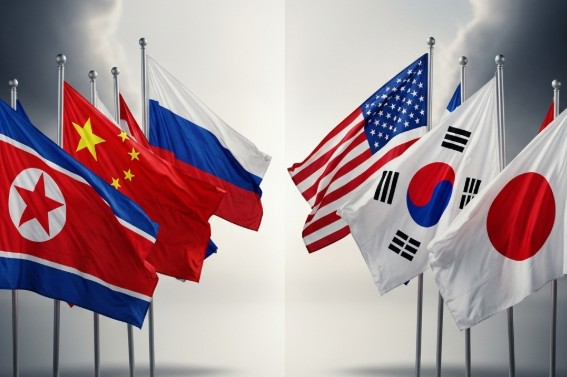
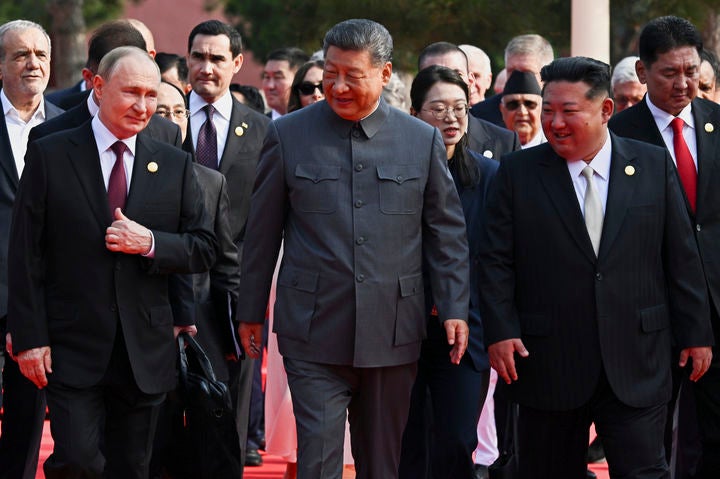
North Korea–China–Russia Convergence and Emerging Challenges: Why an Enduring ROK–U.S. Alliance Remains Indispensable Jeong Gu-youngFormer Senior Secretary for Administrative Affairs, Blue HouseOn September 3, North Korean leader Kim Jong-un stood alongside Chinese President Xi Jinping and Russian President Vladimir Putin at the 80th anniversary military parade commemorating China’s victory in the War of Resistance Against Japanese Aggression. This symbolic image underscored what has become increasingly clear: the North Korea–China–Russia alignment is no longer a matter of quiet coordination but has now been openly signaled to the international community. For Pyongyang, participation serves the dual purpose of breaking through its international isolation and reinforcing its regime legitimacy. For Beijing and Moscow, it reflects a willingness to expand strategic solidarity in ways that directly impact the security environment of the Korean Peninsula and Northeast Asia.The absence of any reference to “denuclearization” in the North Korea–China summit statement was especially troubling. This omission not only complicates diplomacy on the Korean Peninsula but also directly challenges U.S. strategic objectives. The trilateral convergence strikes at three pillars of American policy: advancing denuclearization of North Korea, sustaining a favorable balance in U.S.–China competition, and working toward a resolution of the Russia–Ukraine war.Moscow and Beijing have consistently been reluctant to support additional UN Security Council sanctions on Pyongyang, effectively signaling tolerance for its nuclear and missile programs. More recently, indications of Russian military technology transfers to North Korea raise the prospect of accelerated nuclear capabilities, thereby eroding the effectiveness of sanctions as a tool to bring Pyongyang back to negotiations. At the same time, weapons cooperation with North Korea enables Russia to prolong its war effort in Ukraine, complicating Washington’s strategy for conflict resolution. For Beijing, this trilateral dynamic broadens its strategic maneuvering space and advances its longer-term vision of a multipolar world order.In this environment, the credibility and resilience of the ROK–U.S. alliance—anchored by trilateral security and economic cooperation with Japan—become indispensable to U.S. foreign strategy. South Korea plays a critical role in stabilizing supply chains in advanced industries, including semiconductors and batteries, while also sustaining joint defense readiness with U.S. Forces Korea. These contributions ease the security burden on Washington and enhance regional deterrence.Nevertheless, narratives advanced by some U.S. commentators—most notably Gordon Chang’s claim that South Korea is drifting into China’s orbit—have distorted public understanding of the alliance. Such arguments exaggerate Seoul’s economic dependence on China and misrepresent its North Korea policy. The reality is that South Korea has consistently demonstrated both political will and material capacity in support of alliance objectives. Allowing mischaracterizations to undermine confidence in the alliance risks weakening an essential pillar of U.S. strategy in the Indo-Pacific.The tightening cooperation among North Korea, China, and Russia will continue to destabilize the regional security environment. The most effective counterweight remains a strong and adaptive ROK–U.S. alliance, supported by institutionalized trilateral coordination with Japan. This is not only critical for deterring North Korea and maintaining stability on the Korean Peninsula but also for advancing broader U.S. strategic objectives at a time of overlapping global challenges.For South Korea, the imperative is clear: it must position itself not merely as a regional ally but as a global strategic partner of the United States. For Washington, ensuring that the alliance is modernized and resilient—politically, militarily, and economically—remains essential. Together, both governments and their mainstream societies must resist the distortion of fringe narratives and instead focus on reinforcing the alliance’s enduring value.
25.09.19 -
 [Current Affairs Analysis]
Overcoming the ‘New Cold War’ Discourse and Advancing Korea–China CooperationKim SoyeonResearch Professor, Sungkyun China InstituteOn September 3, international attention centered on the meeting of North Korean, Chinese, and Russian leaders during the 80th anniversary commemoration of China’s Victory Day. The parade featured a range of advanced weapon systems—including the intercontinental ballistic missile Dongfeng-61, the Dongfeng-5C, unmanned submarines, and anti-ship hypersonic missiles—underscoring China’s growing military capabilities. By appearing together on the Tiananmen rostrum, Xi Jinping, Kim Jong Un, and Vladimir Putin conveyed a message of trilateral solidarity.This alignment has revived discourse on the advent of a “new Cold War.” The North Korea–China–Russia bloc, though heterogeneous, is being shaped through cooperation between Russia—now widely regarded in Europe as a common adversary due to its ongoing war in Ukraine—and North Korea, which continues nuclear weapons development in defiance of sanctions. China’s tacit support provides cover for both. For the United States and its allies, this trilateral coordination is emblematic of an emerging anti-Western alignment, prompting intensified countermeasures through initiatives such as the Indo-Pacific Strategy, the “One Theater” concept, and the strengthening of Asia–Europe security linkages.While polarization in the global order is real, framing the situation solely as a new Cold War risks becoming a self-fulfilling prophecy. Cohesion within both the anti-Western bloc and the U.S.-centered coalition remains limited. North Korea–China–Russia cooperation is situational and tactical, primarily aimed at sanction evasion and bargaining leverage. Meanwhile, the U.S. and its allies, though structurally stronger, remain divided by domestic politics and economic interests. This suggests a fluid and variable landscape, rather than a rigid bloc confrontation akin to the 20th century Cold War.Opportunities for EngagementDespite rising tensions, avenues for negotiation remain open. Former President Trump signaled potential for renewed U.S.–North Korea dialogue during his campaign, and the Lee Jae-myung administration has expressed its intention to create conditions for resuming inter-Korean engagement. Kim Jong Un’s participation in China’s Victory Day events—his first multilateral diplomatic appearance since assuming power—may also reflect calculated signaling toward dialogue. Moreover, a potential Trump–Xi meeting at the upcoming APEC summit in Gyeongju could create momentum for easing U.S.–China frictions.The Role of Korea–China RelationsSouth Korea–China relations can function as a stabilizing mechanism, helping to prevent Northeast Asia from sliding into a Cold War dynamic. Yet bilateral ties have faced repeated setbacks due to U.S.–China strategic rivalry, asymmetries in national power, public distrust, and the unresolved North Korean nuclear issue. As regional polarization intensifies, it is imperative for Seoul to establish a sustainable and future-oriented framework for Korea–China cooperation.For this, the South Korean government should:Send clear signals to China on issues directly tied to national sovereignty and security—including illegal fishing, EEZ demarcation, and ADIZ overlaps—while affirming the ROK–U.S. alliance as a foundation of Korean diplomacy.Manage sensitive issues carefully, such as Taiwan, by respecting the “One China” policy while consistently emphasizing the importance of peace and stability in the Taiwan Strait.Institutionalize dialogue channels with China to strengthen strategic communication and minimize misperceptions.Advance practical cooperation in areas such as tourism, humanitarian aid, and inter-Korean economic engagement not restricted by sanctions, thereby generating momentum for broader dialogue.Mitigate public distrust by creating forums for people-to-people exchange and expanding cooperation on less politicized, livelihood-centered issues with tangible benefits.ConclusionReinvigorating Korea–China relations is not simply about repairing bilateral ties. It is a task central to the long-term strategic sustainability of South Korea’s diplomacy. If Seoul defines its China policy solely as a derivative of U.S.–China competition, it risks deepening its own geopolitical dilemma as a middle power. The critical question is not which side to take, but how South Korea can identify and secure its optimal interests while contributing to regional stability and cooperation.
25.09.19 -
 [Feature Article]
Changes in North Korea's Foreign Policy Amid U.S.-China Competition and South Korea's Response Professor Dr.Choi Jae dukSeoul School of Integrated Science and TechnologyThe contemporary Northeast Asian security and diplomatic environment is increasingly defined by two interlinked dynamics: intensifying U.S.-China strategic competition and the protracted Russia-Ukraine conflict. The U.S.-China competition represents both a geopolitical struggle over influence within the existing international order and a technological race in strategically critical sectors, including artificial intelligence and semiconductors. The ongoing Russia-Ukraine war has revealed the latent potential for geopolitical conflict in the post-globalization era, reshaping regional and global security architectures. Within this context, the United States and China are intensifying their strategic competition across the Indo-Pacific, while Russia, in direct confrontation with the West, strengthens ties with China, North Korea, and other allied actors. As a result, a bifurcation of the international order in Northeast Asia is becoming increasingly pronounced.North Korea has responded by flexibly calibrating its diplomatic posture to secure regime stability and strategic autonomy. Historically pursuing equidistant diplomacy, Pyongyang has periodically aligned more closely with China and, at other times, deepened ties with Russia. The Russia-Ukraine war has further elevated North Korea’s strategic value, and North Korea-Russia relations have advanced to a new level of military and diplomatic engagement. North Korea has supplied Russia with military materiel, including artillery shells and missiles, while potentially securing access to advanced military and space technologies from Moscow.September 2023 visit to Russia was hosted at the Vostochny Cosmodrome, reflecting Pyongyang’s urgent need for space-launch technology. Past precedent demonstrates that technology transfers, such as those that enabled North Korea’s nuclear weapons program under the former Soviet Union’s “Agreement on the Peaceful Use of Atomic Energy,” could similarly exacerbate security challenges for South Korea.Institutionalization of North Korea-Russia relations was further reinforced with the June 2024 “Comprehensive Partnership Agreement,” which incorporated the automatic military intervention clause originally included in the 1961 North Korea-Soviet Friendship Treaty. Additionally, Russia has exercised its UN Security Council veto to neutralize resolutions targeting North Korea’s ICBM tests, effectively providing Pyongyang with diplomatic protection and enhancing the security threat to the Republic of Korea.China, for its part, perceives North Korea as a strategic buffer and is seeking to project influence on the Peninsula while monitoring North Korea’s deepening ties with Russia. Although China seeks to maintain its image as a responsible major power and avoid overt military alignment with Pyongyang, it is equally invested in preventing rapid destabilization in North Korea. Economically, China accounts for more than 90 percent of North Korea’s trade, providing critical energy and food supplies. North Korea-China trade, which contracted sharply during the COVID-19 pandemic, has resumed growth, as evidenced by reconstruction of the New Yalu River Bridge and expansion of customs facilities in Hunchun, signaling a revival of bilateral trade.Chairman Kim Jong-un’s participation in the September 3rd military parade in Beijing, commemorating the 80th anniversary of victory in the War of Resistance Against Japanese Aggression, carries multiple strategic and symbolic significances. It marks North Korea’s first substantive engagement on the multilateral diplomatic stage since the pandemic, while signaling both the restoration of North Korea-China relations and the potential for enhanced trilateral cooperation among North Korea, China, and Russia. This raises the possibility of a coordinated North Korea-China-Russia framework, projecting a counterweight to the U.S.-led international order and advancing North Korea’s international visibility.North Korea has historically leveraged relations with China and Russia to increase its bargaining power vis-à-vis the United States. During the 2018-2019 North Korea-U.S. summit process, Chairman Kim underscored his strategic use of the “China card” through multiple meetings with President Xi Jinping. In this context, the recent Beijing visit appears aimed at restoring North Korea-China ties and strengthening Pyongyang’s leverage in potential future North Korea-U.S. negotiations.For South Korea, these dynamics, compounded by strained Seoul-Beijing and Seoul-Moscow relations and persistent inter-Korean stalemates, necessitate a strategic recalibration across economic, diplomatic, and security dimensions. Key recommendations include:Strengthening and deepening trilateral ROK-U.S.-Japan cooperation, extending beyond traditional security domains to include economic security in semiconductors, energy, and AI.Maintaining functional engagement with China, preserving channels for cooperation in supply chains, climate, health, and education, mitigating economic risks, and incentivizing China’s constructive role in Peninsula stability.Selective cooperation with Russia in strategic sectors, such as energy and Far East regional development, while maintaining principled positions on security and nonproliferation.Positioning South Korea as a facilitator for inter-Korean and North Korea-U.S. dialogue, reinforcing the ROK’s strategic autonomy and mediation capacity. Requests to former U.S. leadership to serve as interlocutors reflect this strategic orientation.Ultimately, South Korea must focus on a pragmatic assessment of the North Korea-China-Russia nexus, emphasizing the substantive effects of military and economic collaboration rather than symbolic alignments. Effective policy requires simultaneous trilateral coordination with the United States and Japan, while managing relations with North Korea, China, and Russia to preserve avenues for diplomacy and peace. Maintaining the ROK-U.S. alliance remains paramount, while cultivating strategic autonomy through measured engagement with China and Russia ensures resilience against potential coercion.In sum, South Korea faces a complex nexus of geopolitical and economic pressures but also opportunities to enhance its strategic leverage. A multi-pronged approach—combining alliance management, pragmatic diplomacy, and inter-Korean engagement—can reinforce the ROK’s role as a critical actor in Northeast Asian security. Amid compound mid-21st century crises—including slow growth, pandemics, climate change, technological competition, supply chain restructuring, and democratic backsliding—Korea must adopt multidimensional strategies that integrate diplomacy, security, and economic policy.Through such measures, South Korea can promote multilateral cooperation, strengthen regional solidarity, foster inter-Korean trust, and serve as a bridge in U.S.-North Korea relations. By situating technological, security, and economic initiatives within a broader diplomatic framework, the ROK can secure autonomy, safeguard peace, and advance prosperity on the Korean Peninsula.
25.09.05 -
 [Current Affairs Analysis]
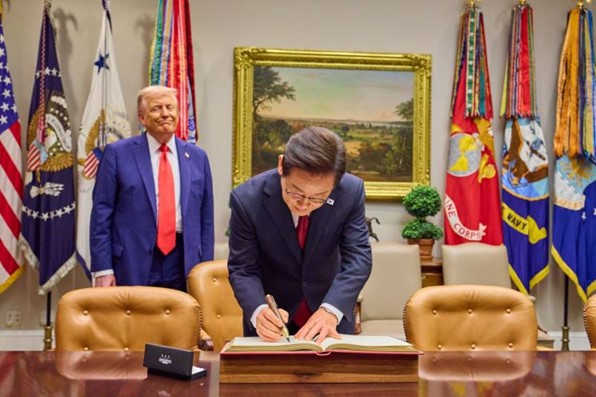
The Lee–Trump Summit: Strategic Realignment, Alliance Modernization, and Regional Implications Jung KimUniversity of North Korean StudiesIntroductionThe bilateral summit between President Lee Jae-myung of South Korea and President Donald Trump of the United States in August 2025 marked a pivotal moment in the recalibration of the Republic of Korea–United States (ROK–U.S.) alliance. Taking place after a turbulent period in Korean politics—most notably the impeachment of President Yoon Suk-yeol—the meeting was closely watched for its implications on trade, defense cooperation, and regional security. This essay examines the summit’s outcomes through three primary lenses: (1) economic and industrial cooperation, (2) security and alliance modernization, and (3) regional diplomacy with North Korea, China, and Japan. It also situates the summit in the broader context of international order and strategic competition.Economic and Industrial DimensionsA central theme of the summit was Trump’s emphasis on revitalizing U.S. shipbuilding capacity through partnerships with South Korea, a global leader in ship construction. Trump articulated his ambition to “go back into the shipbuilding business again” by contracting South Korean firms both to build ships in Korea and to establish shipyards in the United States. For Trump, this initiative serves dual purposes: stimulating domestic industry in line with his broader “America First” economic doctrine, and reducing dependence on foreign manufacturing.Lee responded by framing South Korea as a partner in America’s industrial renaissance, linking Korea’s export-driven industrial base with Trump’s vision of restoring U.S. manufacturing. The discussion extended beyond shipbuilding into energy cooperation, with Trump highlighting prospective joint ventures in Alaskan oil and gas involving both South Korea and Japan.These economic projects, though framed in transactional terms by Trump, suggest a reconfiguration of the alliance into a more comprehensive economic-security partnership, where energy, manufacturing, and technology cooperation reinforce defense ties.Security and Alliance ModernizationThe summit reaffirmed the centrality of military cooperation in the ROK–U.S. relationship. Trump praised South Korea as a major purchaser of U.S. military equipment, while Lee emphasized the importance of transforming the alliance into a “future-oriented” partnership that integrates security with economic and technological collaboration.The question of U.S. troop presence in Korea was particularly significant. Trump acknowledged the “40,000” U.S. troops stationed on the peninsula but revived his longstanding demand for Seoul to pay more for hosting American forces. He floated the idea of renegotiating the land arrangements for U.S. bases, suggesting South Korea transfer ownership of land currently leased to the U.S. military. While not an immediate policy change, these remarks signal Trump’s intention to leverage alliance costs as bargaining tools.For Lee, managing this transactional approach poses both risks and opportunities. On the one hand, South Korea gains reassurance that Trump is committed to deterrence on the peninsula. On the other, the uncertainty over troop levels and cost-sharing injects instability into the alliance. Lee’s framing of the alliance as encompassing “economy and science and technology” seeks to insulate it from Trump’s transactionalism by embedding military ties within a broader, future-oriented framework.North Korea and Peace DiplomacyThe most notable diplomatic exchange concerned North Korea. Lee explicitly appealed for Trump’s unique role as a potential “peacemaker,” urging him to reengage Kim Jong Un in dialogue and even half-jokingly offering to act as Trump’s “pacemaker”. Trump reciprocated by recalling his prior summits with Kim and suggesting that renewed talks could yield progress, positioning himself as the only leader capable of delivering peace on the peninsula.This convergence reflects Lee’s strategic calculation: Trump’s personal rapport with Kim could unlock stalled diplomacy that faltered under Biden. Lee’s appeal also highlights South Korea’s structural dependence on U.S. mediation in inter-Korean affairs, given North Korea’s unwillingness to engage Seoul directly without Washington’s involvement.Yet significant risks accompany this strategy. Trump’s responses to building “Trump Tower in North Korea” and playing golf with Kim Jong Un expose the unpredictability of his approach, raising questions about whether peace efforts might be subordinated to personal branding. Nevertheless, both leaders framed North Korea not simply as a security threat but as an opportunity for transformative peace, underscoring the summit’s symbolic weight.Regional Dynamics: China and JapanThe summit also touched on the triangular relationship among South Korea, the U.S., and Japan. Trump raised historical tensions over “comfort women” as an obstacle to trilateralism, framing Japan as more eager for cooperation than South Korea. Lee countered by emphasizing his recent efforts to improve Korea–Japan relations and the importance of trilateral security cooperation in addressing North Korea and countering China.This exchange illustrates how Trump views Japan as a strategic anchor and expects Seoul to prioritize trilateralism, while Lee seeks to leverage his outreach to Tokyo as evidence of his commitment to U.S. priorities. The implication is clear: Seoul’s ability to maintain positive ties with both Washington and Tokyo will be a critical test of Lee’s diplomatic capacity.On China, both leaders struck a pragmatic tone. Trump suggested he and Lee might even travel to China together, signaling openness to engagement. At the same time, Trump emphasized U.S. leverage over China through tariffs.For South Korea, deeply economically integrated with China yet dependent on the U.S. for security, this presents a delicate balancing act. Lee’s willingness to humor Trump’s joking suggestion of a joint trip to Beijing illustrates Seoul’s strategy of aligning closely with Washington while avoiding outright antagonism toward China.Broader International ImplicationsThe summit also reflected Trump’s broader claim to global peacemaking. He invoked his record of halting wars in places such as India–Pakistan and the Congo, and asserted that only under his leadership could conflicts like the Russia–Ukraine war and Middle East crises be resolved. Lee, in turn, echoed this framing by portraying Trump as uniquely capable of achieving peace, not only in Korea but globally.This rhetorical convergence suggests an emerging narrative: Trump as global “maker of peace” and Lee as regional facilitator. Such framing benefits Lee domestically, reinforcing his legitimacy after political turmoil by aligning with a leader portrayed as a peacemaker. Internationally, it signals Seoul’s willingness to position itself as a proactive diplomatic actor, albeit under U.S. leadership.Alliance Narratives and Domestic FramingDuring the summit, some far-right groups in both South Korea and the United States sought to frame President Lee as a “pro-China” and “anti-U.S.” leader prior to his visit. This framing even surfaced during the summit discussions. Although the issue was eventually resolved through the leaders’ talks and joint statements, lingering aftereffects remain.In response, the Lee administration underscored the deep history and tradition of the ROK–U.S. alliance, reaffirming it as a central pillar of national policy. Moreover, by clearly articulating its determination to further strengthen and develop the alliance, the administration aimed to dispel misconceptions, reassure domestic and international audiences, and reinforce the continuity of the bilateral partnership.Conclusion: Outcomes and ProspectsThe Lee–Trump summit produced no formal agreements but carried significant strategic implications. Economically, it signaled expanded cooperation in shipbuilding, energy, and industrial revitalization. Militarily, it reaffirmed alliance commitments while reopening debates about troop costs and basing arrangements.Diplomatically, it reintroduced the prospect of renewed Trump–Kim engagement, with Lee positioning himself as a facilitator of inter-Korean peace. Regionally, it underscored the imperative of trilateralism with Japan and cautious engagement with China.For South Korea, the summit demonstrated both opportunity and vulnerability. Lee succeeded in establishing personal rapport with Trump and reframing the alliance as future-oriented. Yet Trump’s transactional tendencies and unpredictability mean Seoul must carefully manage expectations while hedging against sudden shifts.Ultimately, the summit reinforced the ROK–U.S. alliance as the indispensable axis of Korean security and economic strategy, while also highlighting the delicate balance required to navigate great power competition in East Asia.
25.09.05 -
 [Current Affairs Analysis]
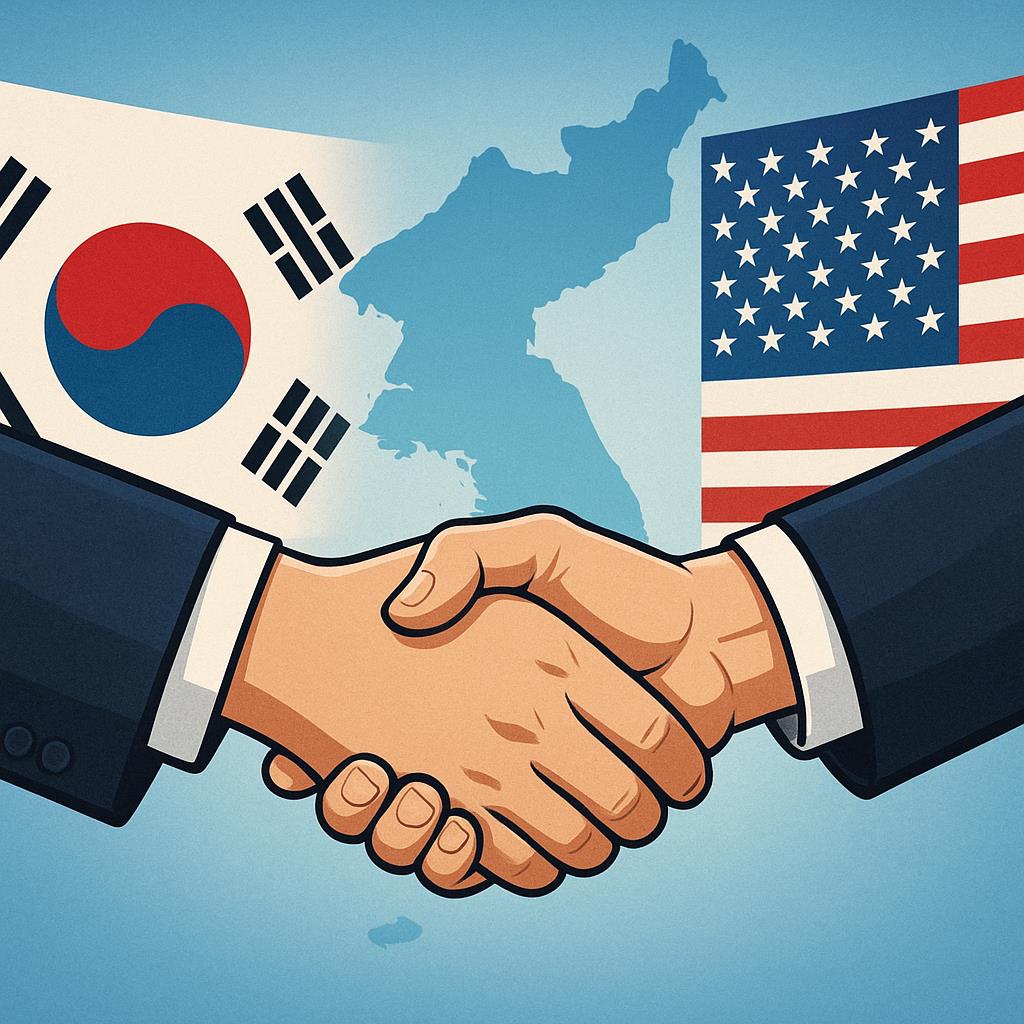
"South Korea–U.S. Summit: Approaches to North Korea for Peace on the Korean Peninsula and the Strengthening of the Alliance" Choi Kyong-huiDirector of SAND Research InstituteNext week, President Lee Jae-myung of South Korea and President Donald Trump will hold their first summit in Washington, D.C. Beyond the symbolism of this inaugural meeting, global attention is focused on the trajectory of the U.S.–ROK alliance and the economic agenda both leaders will address.Equally important is how the summit will approach the North Korea question. Inter-Korean dialogue has been stalled for more than six years, during which tensions on the peninsula have only deepened. Against this backdrop, the new South Korean administration has consistently signaled its intent to reopen channels of communication with Pyongyang.President Trump, who played a pivotal role in the unprecedented U.S.–North Korea summits of 2018–2019, will inevitably draw scrutiny for his posture toward the North Korea issue at this summit. Within Washington, however, there is some unease about Seoul’s approach.Critics argue that, despite Pyongyang’s continued intransigence, the Lee government risks prioritizing short-term appeasement at the expense of addressing North Koreans’ fundamental rights and freedoms.The Lee administration, for its part, stresses that its policy is not an exercise in appeasement but a strategic effort to reduce the risk of conflict and to lay the groundwork for sustainable peace on the Korean Peninsula.1. A Long-Term Strategy for Peace and ChangeSeoul’s outreach to Pyongyang is conceived as a phased, long-term process aimed at both stability and eventual transformation. The current priority is to break the deadlock in inter-Korean relations and to rebuild a minimal level of trust. Far from unilateral concession, this approach is a form of crisis management designed to prevent escalation and create conditions conducive to negotiation.Through gradual confidence-building and cooperative exchanges, South Korea seeks to foster a stable environment that could, over time, yield both peace and change in North Korea. In this sense, peace itself is not an alternative to human rights but a prerequisite for advancing the freedom and dignity of the North Korean people.If inter-Korean reconciliation and improved U.S.–DPRK relations open the door to reform in North Korea, that outcome would represent the most moral and enduring achievement for the people of the North.2. Reinforcing the U.S.–ROK Alliance and U.S. InterestsThis approach is not at odds with U.S. strategic interests; on the contrary, it can reinforce them. Restored inter-Korean dialogue reduces the risk of accidental clashes, thereby lowering the security burden on the United States. Moreover, Seoul is positioned to serve as an intermediary that can draw Pyongyang back to serious denuclearization talks.The Lee government has made clear that it will pursue dialogue not in isolation, but in tandem with credible deterrence and within the framework of a robust U.S.–ROK alliance.3. An Opportunity for U.S. LeadershipFor President Trump, the current moment also presents an opportunity to demonstrate statesmanship as a peacebuilder. Since returning to office, President Trump has emphasized his diplomatic engagement in conflicts from Ukraine to the Middle East. Progress on the Korean Peninsula would further underscore this legacy.As in the 2018 Singapore summit, an improved atmosphere fostered by inter-Korean dialogue would allow President Trump to claim the mantle of “peace architect” at little cost. Should he succeed in generating momentum for peace in Korea—long regarded as the world’s most intractable flashpoint—he could rightly be remembered for shaping outcomes in multiple defining conflicts of the 21st century.4. A Shared Commitment to DialogueWinston Churchill, reflecting on the devastation of World War II, once observed, “To jaw-jaw is always better than to war-war.” The South Korean government embraces a similar conviction: that the highest form of security lies not in victory through war, or even in victory without war, but in creating conditions where war itself becomes unnecessary.By working patiently to restore trust and reestablish dialogue, Seoul seeks to advance this principle. The upcoming summit is an opportunity for both governments to reaffirm their shared commitment to peace and to consolidate the alliance as a foundation for stability on the peninsula.
25.08.22 -
 [Interpretation]
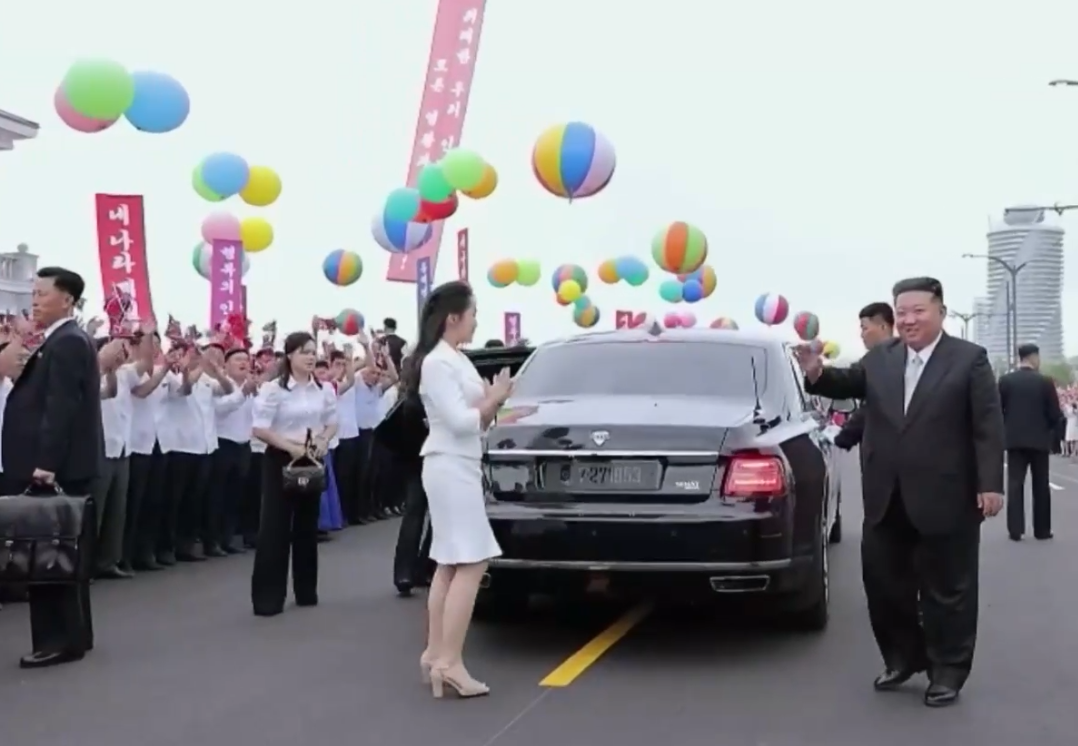
How Do North Korean Residents View Kim Ju-ae’s Emergence? Kim Dong-sooFormer North Korean DiplomatOver the past two years, Kim Ju-ae—the daughter of North Korean leader Kim Jong-un—has made multiple public appearances: observing missile launches, attending high-profile national ceremonies, and even being referred to as the “Respected Daughter” by the Korean Central News Agency (KCNA). These appearances have fueled speculation about North Korea’s leadership succession plan. But how do ordinary North Koreans perceive this development?For most North Koreans, the Kim family remains a deified symbol encountered solely through state-controlled media. Kim Ju-ae’s emergence is therefore regarded with caution, within a tightly restricted context. In a society where open discussion or dissent is virtually impossible, reactions tend to be private, subdued, and often couched in coded language. What prevails is not open commentary, but whispered speculation and quiet ambivalence.Among older and middle-aged North Koreans, a common reaction is that Kim Ju-ae is “still too young.” They recall that Kim Jong-un did not appear in the political spotlight until his mid-twenties, after an extended period of elite grooming. In contrast, Kim Ju-ae is believed to be in her early teens. For many, it seems premature to speak seriously of succession.More critically, some residents interpret her repeated appearances as a sign of regime insecurity. The question, “Why is he revealing his daughter now?” is quietly understood as a strategic move to counter rumors about Kim Jong-un’s health or internal instability. By projecting dynastic continuity so early, the regime may inadvertently highlight its own fragility.If Kim Ju-ae is being positioned as a future leader, she would represent a historic first as a female successor in North Korea’s political system. However, the country remains deeply patriarchal, and the ruling elite is overwhelmingly male.As a result, there is widespread skepticism about the plausibility of a woman ascending to supreme leadership—less because of gender alone and more as a reflection of the regime’s conservatism and institutional rigidity.Notably, Kim Jong-il kept his family entirely out of public view, reinforcing the myth of solitary, god-like leadership. Kim Jong-un has charted a different course, allowing appearances by both his wife, Ri Sol-ju, and now his daughter. Some analysts view this as a break from the traditional strategy of mystification.While such visibility may aim to humanize the leadership, it also risks diluting the aura of invincibility that has traditionally insulated the regime. In this context, Kim Ju-ae’s frequent appearances may reflect not confidence, but anxiety about internal cohesion and legitimacy.The regime’s message is clear: Kim Ju-ae symbolizes dynastic legitimacy, bloodline purity, and leadership continuity. Yet the public’s interpretation is more nuanced.Having already experienced two hereditary successions, North Koreans are no longer passive consumers of state narratives. Many have developed what could be called a “dual consciousness”—the ability to distinguish between official propaganda and lived reality.In the final analysis, Kim Ju-ae’s emergence may mark the early stages of a carefully managed succession, or it may simply serve as a temporary gesture to project stability. Either way, North Koreans are watching cautiously—neither fully embracing nor rejecting the narrative—as they quietly assess what her presence may mean for the regime’s future.
25.08.08 -
 [Column]
Will the Time for Private Sector Engagement in Humanitarian Cooperation with North Korea Return?Lee Sung-roNorth Korea aid NGO officialThe inauguration of the Lee Jae-myung administration has reinvigorated momentum for the resumption of civilian-led inter-Korean exchanges. On July 29, the NGO Council for Inter-Korean Cooperation—a coalition of 67 civic organizations providing humanitarian aid to North Korea—issued a joint statement welcoming Unification Minister Chung Dong-young’s pledge to “fully permit private-sector contact with North Korea.”The statement reflects renewed optimism for expanding non-governmental exchange and cooperation on the Korean Peninsula.Minister Chung’s proposed shift marks a meaningful departure from the restrictive regulatory framework of recent years. While the previous administration nominally maintained a “notification system” for inter-Korean contact, in practice, NGOs often found the process indistinguishable from a “permit system,” as bureaucratic delays and political discretion frequently undermined the autonomy of civil society.If the Lee administration follows through with legal and institutional reforms—including revisions to the Inter-Korean Exchange and Cooperation Act—it may be possible to eliminate long-criticized provisions, such as the “exceptional restrictions” clause in Article 9. Doing so would help establish a more robust institutional foundation for “resident-to-resident” contact between the two Koreas, potentially expanding the scope of humanitarian cooperation to include areas such as environmental protection, public health, and cultural exchange.Importantly, the NGO community has signaled its willingness to play a proactive role in shaping these reforms—not merely as stakeholders, but as co-designers of policy. The North Korea Civilian Council’s engagement with the Ministry of Unification reflects a maturing civil society that increasingly views itself as a partner in national policymaking.At the same time, signs indicate that some elements within North Korea are exploring limited external engagement. Kim Jong-un’s flagship “20×10 Regional Development Policy” has pressured provincial officials to demonstrate progress in critical livelihood sectors—particularly healthcare, disability services, and rural infrastructure. In response, reports have emerged of informal outreach by North Korean officials in border areas such as Dandong and Shenyang, seeking contact with foreign NGOs.These overtures—though limited in scope and highly localized—suggest that North Korea may be open to narrowly defined cooperation in “non-political” humanitarian sectors such as infant nutrition, disability care, and basic health services. However, Pyongyang continues to prohibit direct engagement with South Korean organizations or funding sources. Even in informal documents, North Korean counterparts insist on using the term “Republic of Korea” rather than “South Korea,” thereby maintaining the posture of two separate and hostile states.Given these conditions, direct inter-Korean NGO engagement is likely to remain constrained in the near term. For the time being, civilian cooperation will primarily need to proceed through international NGOs, third-country civil society partners, and multilateral institutions.This context was the focus of a civil society roundtable jointly hosted by the Canadian Embassy in Seoul and the Korean People’s Solidarity for Social Justice on July 10. Participants—ranging from South Korean NGO leaders to foreign diplomats—acknowledged that global crises, such as the war in Ukraine, have reduced the international community’s bandwidth for North Korea. Still, they emphasized that humanitarian cooperation remains one of the few viable entry points for engagement, especially when driven by non-state actors.South Korean civil society representatives highlighted ongoing initiatives aimed at reforming legal frameworks, promoting inter-Korean dialogue, and establishing peace governance mechanisms through public-private partnerships. These efforts underscore the sector’s growing capacity to serve not only as aid providers but also as credible partners in peacebuilding and policy implementation.Critical Preconditions for Effective EngagementInstitutional Clarity and AutonomyA robust notification system with clear standards and comprehensive post-inspections is essential to prevent the re-emergence of informal permit-based barriers.Legal Reform Beyond SymbolismPolicy declarations made during the roundtable meetings must be accompanied by substantive revisions to the Inter-Korean Exchange and Cooperation Act to ensure legal durability and administrative consistency.Indirect Channels for EngagementGiven North Korea’s refusal to engage directly with South Korean entities, it is essential to activate indirect contact mechanisms—leveraging international NGOs, UN agencies, and third-country civil society actors. This approach should include jointly developing lists of eligible cooperation items and establishing transparent criteria for selecting neutral intermediaries.A Strategic Role for Civil SocietyGiven that official inter-Korean relations remain frozen, humanitarian exchange is the last functioning avenue for engagement. When managed with care, civilian cooperation can pave the way toward broader political dialogue. More than mere aid delivery, joint programs that involve both North and South Korean residents in identifying problems and collaboratively planning responses offer a structural foundation for sustainable peacebuilding.Now is the time for civil society to step forward. To ensure this moment does not become a missed opportunity, several conditions must be met: legal and institutional support from the South Korean government, stronger partnerships with international actors, and transparent, strategic approaches from NGOs themselves. Above all, North Korea must begin to view private sector engagement not as a threat but as an opportunity—an opportunity to improve the lives of its citizens and to take the first step toward a more open and resilient future.
25.08.08 -
 [Listening to North Korea’s True Public Mood (Part 5)]
“I can't cheer for the Workers' Party”... Residents who failed to move into Songhwa Street in Pyongyang express dissatisfactionLee Jong-woo,former North Korean Workers' Party judicial prosecutorPyongyang's Songhwa Street, touted by North Korea as one of Kim Jong-un's achievements, is suffering from controversy over residential discrimination among residents. Although Songhwa-dong, where the new apartments are located, belongs to the Sado District of Pyongyang, the actual residents are limited to those living in the city center. According to a Pyongyang City source on the 8th, a resident of Songsin 2-dong in Sado District had been waiting for a long time for housing but was not assigned an apartment after the completion of Songhwa Street.The resident reportedly expressed frustration, saying, “Why did they raise our expectations from the beginning if only residents from the central area were eligible for housing?” and “I cannot bring myself to shout ‘Long live the Workers’ Party!'” Songhwa Street is a new town developed across Songsin 1 and 2-dong and Songhwa 1 and 2-dong in Sado District. Under the name “Songsin-Songhwa District,” the North Korean authorities carried out large-scale development in the area, concentrating on the construction of large-scale high-rise apartments and public facilities ahead of the Sun Festival (April 15), Kim Il-sung's birthday, in 2022, following Kim Jong-un's instructions.State-run media outlets such as the Korean Central News Agency touted that “a large-scale residential complex with over 10,000 households, including an 80-story skyscraper, has been built,” but it is reported that the majority of existing residents in the area were excluded from eligibility to move into the new city apartments.Only Songsin 1-dong was classified as an urban residential area, while the remaining Songsin 2-dong and Songhwa 1-dong and 2-dong were deemed “peripheral areas” and thus ineligible for residency, according to multiple sources familiar with North Korea.One source said, “They talked as if housing assignments would be made for the entire Sado District, but in reality, the housing went only to those in the central area. Residents of the Sado District are being treated like outsiders even though they live in the new city.”It appears that North Korean authorities have strictly distinguished between eligible residents since the early stages of Songhwa-gil construction. According to internal government documents, some residents in the Sadoong District, where many households faced housing issues, were initially included on the list but were mostly excluded in the final allocation stage. This was due to an internal guideline stating, “Central zone and peripheral zone residents cannot be mixed.”This effectively means that newly constructed apartments are allocated only to residents of central Pyongyang, while those in outlying areas are excluded. A North Korea expert pointed out, “The North Korean-style class system, known as the ‘social class system,’ still influences housing allocation. In North Korea, even a single apartment is allocated based on loyalty to the regime and bloodline.”The 80-story skyscraper apartment building, a representative symbol of Songhwa Street, is also not free from controversy. Although it was completed in record time with the deployment of military construction troops, testimonies continue to emerge that most of the actual residents are not high-ranking officials but ordinary working-class people.Low-income residents living in the high-rise buildings complain that they are “trapped in a showpiece apartment building” due to the reality that the elevators do not function properly.Especially during the winter preparation season, there are many complaints that high-rise residents have to endure hardships carrying water and fuel. When the authorities guaranteed electricity for elevators during certain hours, residents reportedly responded, “Pyongyang still only cares about people in the city center.”Since taking power, Kim Jong-un has continued to develop new cities like the Future Scientists Street and Ryomyong Street through a “speed campaign.” Songhwa Street was also part of what's called a “achievement-oriented” project to commemorate the 110th anniversary of Kim Il-sung's birth.However, the controversy over residential discrimination surrounding Songhwa Street is actually amplifying internal divisions and dissatisfaction, according to analysis.
25.07.18 -
 [Defector's Podium]
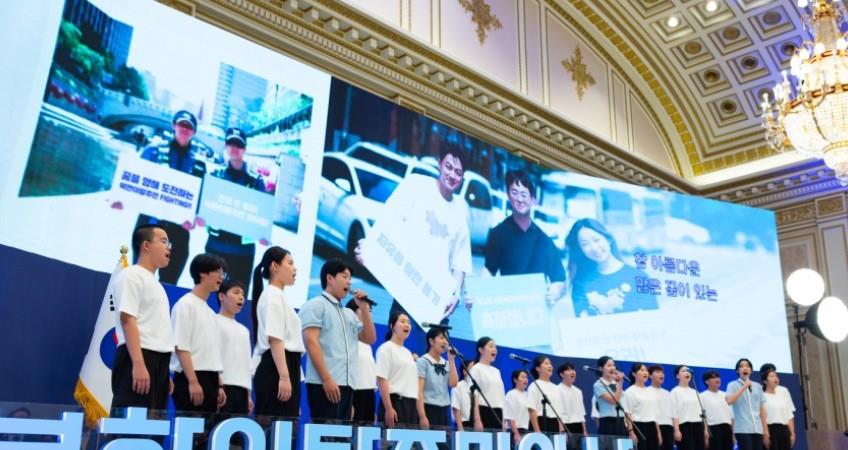
Living as the “first wave of reunification”: On the occasion of the 2nd North Korean Defectors Day Lee Eun-pyeong,President, Unification Talent Development AssociationJuly 14 is a day of special significance for the more than 30,000 North Korean defectors living in South Korea. It is North Korean Defectors' Day. After 80 years of division and suffering, the stories of those who risked their lives to cross the border in search of freedom are finally being recognized as a national holiday and brought to the forefront of society.President Lee Jae-myung promised in his speech at the 2nd North Korean Defectors' Day commemoration ceremony, “We will carefully examine the pain and difficulties of those who have come to our society in search of a new life.”This statement, declaring that the state will take responsible interest in the lives of each and every North Korean defector, came across as a heartfelt comfort to me, a North Korean defector myself.The president's statement that he would support the settlement of North Korean defectors “beyond basic livelihood support, so that they can grow together as members of the community” was more than just a speech. I hope that these words will not end as empty promises, and that Korean society will truly accept and embrace North Korean defectors as they are.Some people think we came to South Korea simply because we were hungry. But defecting was not a choice made solely for survival. For me, defecting was a desperate decision to “live” as a human being and the beginning of a new contemplation on “how to live.” Along that journey, there are countless people who lost family members, left friends behind, and faced indescribable fear. We have names we must remember.That is why it is even more meaningful that the Ministry of Unification has stated that it will “remember those who sacrificed their lives in the process of defecting.” This is not just a commemoration of today, but a declaration that the state will remember the path we have walked and record it as history.The government calls North Korean defectors “the first wave of unification.” I agree. We are not just people who left North Korea. We are the only people who have experienced both the South and North Korean systems and cultures.The way we settle into society, live without discrimination, and dream freely gives North Korean residents hope for freedom. The very existence of North Korean defectors is a process of preparing for unification and can serve as a bridge to narrow the gap between the South and North.Even at this moment, countless North Korean residents are crossing the river. People risking their lives to cross the border, people hiding from the Chinese police, people trembling in fear of forced repatriation. They too are citizens of the Republic of Korea. This is why North Korean Defectors' Day should not end as just a commemorative day in South Korea, but should also be a voice for the protection of North Korean defectors overseas.There are 34,121 North Korean defectors. As one of them, I still ponder this question every day. “What role can I play in this land?” Whether as politicians, artists, or teachers, I hope society will show us warmer eyes and greater interest so that we can live as proud members of the Republic of Korea. And to all North Korean defectors living as “early unification,” I want to say: “Your presence here alone holds great meaning. We are not alone.”
25.07.18 -
 [Listening to North Korea’s True Public Mood (Part 4)]
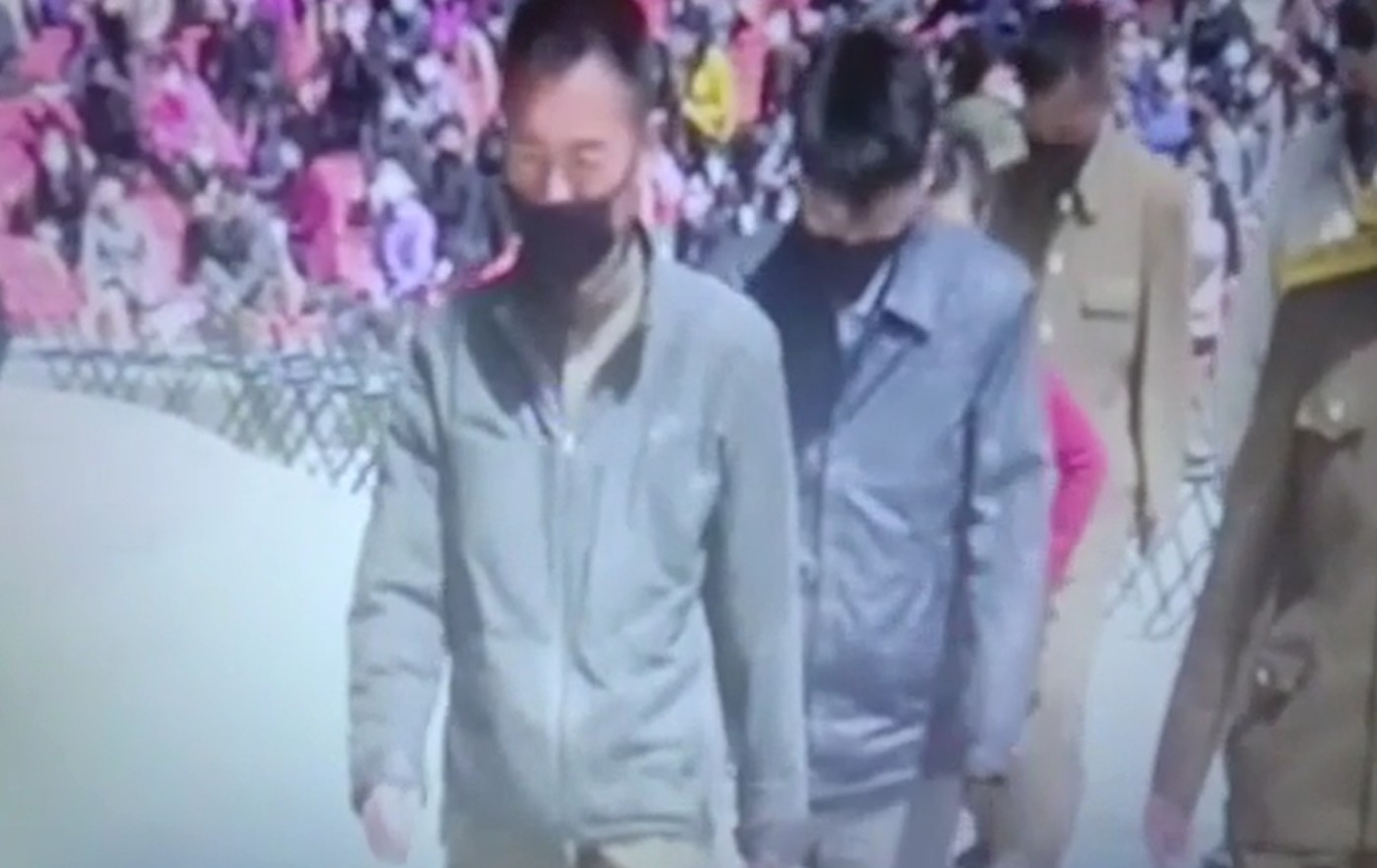
Everyday Life Under Surveillance: North Korea’s Administrative Punishment Law and the Architecture of Social ControlLee Jong-woo,Former Prosecutor, North Korean Workers’ PartyLiving in North Korea without violating the law is, in practice, nearly impossible. The recently obtained Interpretation Manual of the Administrative Punishment Law—revised in 2021—makes this reality unmistakably clear.The document reveals that nearly every aspect of daily life is subject to surveillance and punishment, offering a rare window into the regime’s systematic apparatus of control. What emerges is a legal structure not designed to protect citizens, but to regulate them exhaustively and repressively.The core message is chilling in its simplicity: North Korean citizens can be punished for everything except breathing. Activities as mundane as making a phone call to a foreigner can result in a prison sentence of three months or more. Possession of unauthorized wireless communication devices or photocopiers is punishable by forced labor.The manual explicitly states that individuals involved in so-called “illegal international communication” are criminal offenders—underscoring a legal framework intentionally broad enough to criminalize virtually anyone, regardless of identity, timing, or intent.This is not merely a legal formality. The law functionally defines all residents as potential criminals. It serves as a powerful instrument of control across key sectors: information, economic activity, social behavior, and external contact.Its draconian approach to regulating foreign communication—punishing even simple international calls or unauthorized satellite internet access—illustrates the regime’s acute fear of external influence and information flow.Economic activity is likewise tightly policed. Running a small restaurant to support one’s family is labeled “masquerading as a business owner.” Fishing independently is “pretending to be a shipowner,” and informal agricultural labor is “impersonating a landlord.”These infractions are treated as violations of the socialist planned economy, despite the fact that North Korea’s de facto economy has been increasingly marketized since the famine years of the 1990s. The dissonance between official ideology and everyday economic reality is stark—and deliberately maintained.Control over information-related technology resembles military-level security. The unapproved possession of copiers, electronic printers, or even typewriters is criminalized. Tinkering with radio or television frequencies—such as manually changing channels—is explicitly prohibited.Institutions themselves can be penalized for lacking security equipment or failing to properly restrict information access. This reflects a model of governance in which both individuals and organizations are targets of pervasive control.While the law does provide for certain exemptions—such as women within seven months postpartum or those with serious illness—these are contingent upon formal medical diagnosis. Given the state of North Korea’s healthcare system, such documentation is extremely difficult to obtain. Similarly, the law nominally allows for appeals, but procedural guarantees are weak. Agencies are required to respond within 30 to 60 days depending on jurisdiction, yet in practice these provisions are often symbolic at best.One human rights researcher described the law as a “blank check for punishment”—a legal instrument the regime can invoke arbitrarily. Far from being a genuine regulatory framework, it functions as a mechanism for preserving regime stability and reinforcing total control. The law grants the authorities near-limitless discretion while stripping ordinary citizens of legal protection or predictability.The implications are twofold. First, the North Korean human rights crisis is not simply one of harsh conditions—it is one of structural and systemic repression. Second, the regime’s obsessive control over external information underscores its fundamental insecurity. In a country where a single international phone call is a criminal offense, the prospects for openness or reform are vanishingly small.In North Korea, the law no longer protects the individual—it monitors the individual. It hovers above daily life not as a shield, but as a weapon, deployable at the state’s discretion. A word spoken, a device possessed, or a frequency altered can change one’s fate.And yet, North Koreans endure. Silently, cautiously, they live within a system where even the law itself is a source of fear.
25.07.04 -
 [Listening to North Korea’s True Public Mood (Part 3)]
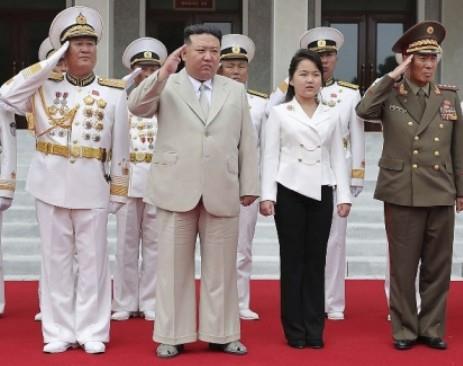
Echoes from Inside North Korea — “Our Leader’s Daughter Wears Pants, So Why Can’t We?” Rising Public DiscontentLee Jong-woo,Former Official in Charge of Judicial and Prosecution Affairs at the Workers' Party of Korea“Our leader’s daughter wears pants—why can’t we?”This question, echoing growing frustration, is being heard more often among North Korean women. The uproar began when Kim Ju-ae, daughter of leader Kim Jong-un, appeared publicly in pantsuits—while ordinary women are still forced to wear skirts and maintain traditional hairstyles.Multiple inside sources report that each time Kim Ju-ae steps out in pants at military or celebratory events, murmurs of discontent ripple through the crowd. A common refrain is, “Why is this acceptable for our leader’s family, but not for the rest of us?”One woman from Pyongyang shared, “If you go out in pants these days, people confront you, asking whose daughter you are, and you can even face ideological checks. Young women, especially, feel stifled by this.”Under the Reactionary Ideology and Culture Rejection Law, North Korean authorities strictly control both clothing and hairstyles. Students are required to braid their hair, and wearing it loose can lead to immediate reprimands—sometimes even involving their parents.Adult women are no exception. According to locals, women with long hair are often stopped in public and warned; in some cases, their hair is even cut on the spot.One resident shared, “I was carrying my baby with my hair down when they stopped me for an ID check, claiming it was brushing the baby’s face.” Such incidents reveal how deeply the regime intrudes into even the smallest details of daily life.Back when smuggled Chinese jeans and foreign clothes were more accessible, some young women took the risk of wearing them to express their style. But in recent years, enforcement has become harsher. At a clothing expo in Pyongsong, one woman questioned the absence of women’s pants. She showed up wearing them, inspiring others to do the same—but authorities quickly cracked down again.A source familiar with the regime remarked, “The North Korean government uses dress codes to suppress discontent and enforce control. Allowing the leader’s daughter freedom in dress while restricting the public is a textbook example of its authoritarianism.”Yet Kim Ju-ae’s pantsuits seem to be backfiring on the regime. Rather than reinforcing control, they’re fueling a quiet pushback among women who now say, “We should be able to wear pants too.”The growing desire among North Korean women to wear pants goes far beyond fashion. It signals a deeper unrest—a subtle but telling expression of their yearning for freedom, equality, and a life without constant repression.
25.06.20 -
 [Defector's Podium]
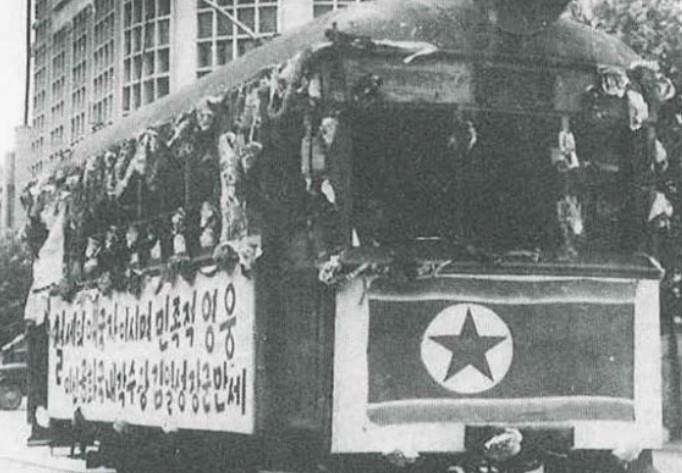
Between Two Flags — And Reading ‘Facing History’ Lee Eun-pyeong,President, Unification Talent Development AssociationI escaped North Korea.I was born and raised in the North—once singing for the Supreme Leader, wearing a red scarf, and joining the Socialist Patriotic Youth League. Now, I’m in a Seoul university classroom, writing these words.Not long ago, a professor recommended Facing History: A Historian’s Korean War Diary by Kim Sung-chil, a historian at Seoul National University. While most South Koreans know the Korean War well, the book held a very different meaning for someone like me—raised in the North.As I turned each page, I felt both distant and strangely familiar. The North Korean troops entering Seoul, replacing the Taegeukgi with their own flag, mirrored scenes I saw growing up. Under that red banner, we learned everything—believing it was the only truth.Professor Kim wrote with quiet honesty about the fear, confusion, and helplessness of those days. He first admired the discipline of Northern troops, but soon grew disillusioned by their propaganda, violence, and the hunger they brought. Reading that, I lowered my gaze—his reflections mirrored my own path: believing lies, unaware of the truth.One line struck a chord with me: “It felt like a long-lost brother had come home.”That’s how the people of Seoul initially viewed the North Korean soldiers. But when those “brothers” soon turned weapons on them, the public longed for liberation—even if it meant enduring U.S. bombings.That part made me think of my own family, still in the North.I couldn’t hold back tears reading about Seoul’s liberation and the return of the Taegeukgi. Kim’s wife took theirs from a closet. I remembered doing the same when I arrived in the South—quietly hanging a small flag in my worn-out room. No one saw it, but each night I looked at it and whispered, “This is my country now.”This book made me reflect on the two flags that have shaped my life.The red badge I wore as a child, the North Korean flag fluttering in the schoolyard, and now the Taegeukgi in my hands—its colors of blue, red, and black flowing together like a promise.Professor Kim’s diary gives voice to the pain and hope of those caught between two nations. Though today’s Seoul is vastly different from the war-torn city he described, the truth remains: freedom is priceless.Even today, in the university library, I make a quiet vow. I will never again live under a false banner. I may not be able to rewrite history, but I can choose to live truthfully today. That, above all, is what Facing History has taught me.
25.06.20 -
 [Defector's Podium]
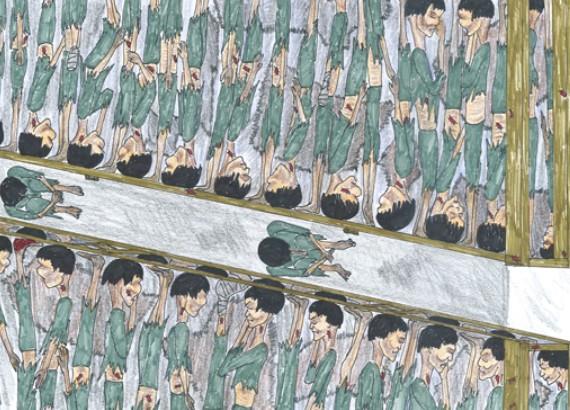
What Loyalty Cost Us: Even My Husband’s Body Wasn’t SparedLee Sung-hee,North Korean DefectorI was born in Wonsan, a peaceful seaside city in Gangwon Province, famous as Kim Jong-un’s birthplace. Though the ocean stretched blue before us, what truly filled my childhood memories were red slogans and ideological chants.I didn’t just show loyalty—I lived it.With a father who fought in the Korean War and a mother in the Socialist Women’s Union, devotion to the state was second nature. On holidays, I laid flowers beneath the portraits of Kim Il-sung and Kim Jong-il, polishing their frames with care. I was always “a daughter of the Party.”After graduating, I followed the Party’s order to “go where it’s hardest” and volunteered in the countryside. There, I met my husband—a former military officer, loyal to his core.We were admired as the perfect Party couple, often showcased as an ideal family. But the loyalty we gave so fully would come back to punish us in the worst possible way.In the mid-1990s, the crisis we faced was far worse than what “Arduous March” suggests. The smelter where my husband worked shut down, and people collapsed from hunger.Officials smuggled zinc ingots to China for flour, and my husband was ordered to oversee it.That flour fed the starving workers.While others suffered in silence, my husband gave people food. Many called him hero.But that hero was suddenly branded a traitor.After a tip-off, the Ministry of State Security raided us. The other officials denied involvement and blamed everything on my husband.He was taken away alone—and never came back.When I heard he had died in prison from illness, I felt like I couldn’t breathe.Worse still, I was told his body had been dumped in a field.I rushed to the Ministry and shouted,“How could you kill someone so loyal and toss his body like garbage? Are you even human?”I screamed, sobbed, shook with rage. All I got were fists, kicks, and insults.From that day, everything I believed in collapsed.The regime I trusted—the ideology I was raised to honor—cast me out.My husband died for loyalty, and I was left with crushing guilt for not saving him.I couldn’t stay there any longer. I risked my life and crossed the border.Now I live in South Korea.The pain from the beatings still lingers, but I’m grateful just to receive medical care. For the first time, I’m living with dignity.If I’d stayed in North Korea, I would’ve disappeared namelessly like my husband.Now, whenever I walk these streets, I whisper to myself:“North Koreans deserve freedom and prosperity too.”That’s why I survived. That’s the truth I must share.I was once loyal.But that loyalty couldn’t even protect my husband’s remains.That tragedy made me who I am today.
25.06.06 -
 [Opinion]
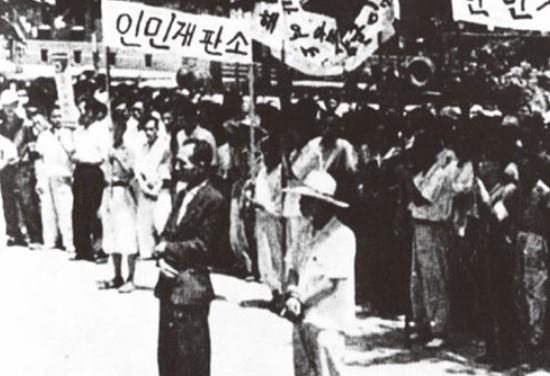
Three Months Under the Korean People’s Army:How Public Sentiment in the South Turned During the Korean War Ra Jong-ilDistinguished Professor, Dongguk UniversityThis year marks the 75th anniversary of the Korean War. I was just six years old when it broke out, but the terror of those days—and the three months we spent under the rule of the Korean People’s Army—remain etched in my memory.When Seoul fell to North Korean forces on June 28, 1950, my family fled to Jeongdong-ri, a secluded mountain village in Hadong County, Gyeongsangnam-do. That summer, we didn’t see any soldiers in the area until a group calling itself the North Korean “Political Operations Unit”—a term we’d never heard before—suddenly appeared.This unit quickly established a “People’s Committee” in our village. It recruited young men into a neighborhood security team and organized the women under a new group called the “Women’s League.” Only later did I realize that this was part of North Korea’s strategy to impose its governance model all the way down to the smallest villages.What struck me most at the time was the Women’s League. Women who had previously stayed quiet and confined to their homes gathered at the village hall, held meetings, elected leaders, and raised their voices. To a young boy, it was a surprisingly novel and vivid sight.For the first time, it felt as though change was stirring in Jeongdong-ri—a village that had remained untouched for generations. Women began stepping into public life with a sense of newfound energy and purpose. Naturally, the older men muttered their disapproval, uneasy with the sight of women out and about.Though I was school age, what passed for education was purely political. There were no real subjects—just revolutionary songs and chants praising ‘General Kim Il-sung’. Before long, shelling shut the school down completely. As the front lines drew near, American fighter planes began streaking across the sky daily.I also saw American POWs for the first time. Half-naked, dressed only in underwear, they were locked in a makeshift station. We children watched them with innocent curiosity. From their confiscated rations came strange new things—canned goods and chocolate—revealing to me how vast and unfamiliar the world truly was.Among the most haunting figures were the so-called “Disguised Operatives.” Disguised as civilians or farmers, they would approach American troops pretending to be refugees, then suddenly attack—killing soldiers, sabotaging equipment, and boasting of their exploits. As an adult, I learned these tactics contributed to tragic consequences, making U.S. forces distrust real refugees and resulting in civilian massacres.Over time, public support for the Korean People’s Army faded. At first seen as liberators, their image quickly soured as they began seizing food, livestock, and grain with little more than a vague promise of reimbursement. Villagers quietly compared them to the Japanese forces who once exploited them—and fell.Propaganda posters shouting “Long Live the People’s Republic” appeared everywhere, and neighbors donned red armbands. But beneath the surface of these supposed reforms—equal pay, labor insurance, maternity protection—was a climate of fear. At “people’s trials,” one shout of “reactionary element” could lead to instant execution. It felt like witnessing the French Revolution, only now the guillotine was in Seoul. It took less than a month for disillusionment to set in.Above all, war meant hunger. We carried jars of preserved meat on our backs to feed the soldiers at the front, dodging bullets from American jets. I saw jet planes for the first time then, and napalm as well. I vividly remember climbing the hills with others, clutching propaganda leaflets dropped from the sky before the air raids began.Even under the threat of bombing, villagers waved white cloths toward the sky. Those fluttering flags were silent prayers—a desperate hope for the return of South Korea, even at the risk of death. War took so much from us. But even in that devastation, change began to take root. As a child, I was unknowingly learning about war, the world, and what it means to be human. That boy from Jeongdong-ri would one day stand on the frontlines of diplomacy and national security. Now, as we commemorate the 75th anniversary of the Korean War, the past poses a powerful question: What kind of world will we leave for the children who come after us?
25.06.06 -
 [Column]
No Clear Successor Yet: The Case of Kim Ju-ae– Looking Back at Kim Sol-song, Forward to Kim Ju-ae – Jung Dae-jin,Professor, Halla University (Wonju)Anyone with experience in organizational life knows this: personnel decisions remain unclear until they're finalized. In hindsight, all the speculation and rumor often amount to nothing. So, is Kim Ju-ae truly an exception to that rule?North Korea’s state-run media has referred to her using phrases like “respected child,” “great guide,” and even “shining female general.” Most recently, on May 9, she accompanied Kim Jong-un to the Russian Embassy in Pyongyang for Victory Day celebrations, again described as the “respected child.”Taken at face value, these appearances may suggest she’s already considered the heir. But, looking at the ideological framework established by the May 25 Instruction in 1967—which laid the groundwork for the nation’s hereditary rule—and the case of Kim Jong-il’s daughter, Kim Sol-song, we see good reason to approach any conclusions about Kim Ju-ae’s future with prudence.The May 25 Instruction marked a turning point in North Korean history, solidifying Kim Il-sung’sone-man rule and monolithic ideology.In The House of Vines, Kim Jong-il’s aunt Sung Hye-rang recalls how the May 25 Instruction reorganized North Korea around Kim Il-sung. Before 1967, political factions existed and movement was relatively free, but the directive quickly imposed a rigid, one-man dictatorship.Along with redefining the character of the North Korean system, the May 25 Instruction also introduced unwritten principles for choosing a successor. A potential heir needed to faithfully carry forward the leader’s ideology and vision—qualities demonstrated through political control, military influence, and personal charisma. These criteria seem to have guided the grooming of both Kim Jong-il and Kim Jong-un, who began cultivating loyal networks and receiving behind-the-scenes training from a young age, all while being framed as worthy heirs.Though there’s a possibility Kim Ju-ae could follow the same path, it's still too soon to gauge whether she possesses the political competence or power base required. Even if she is being prepared for leadership, her actual influence over the Party or military remains unclear. Some argue her treatment by high-ranking officials and even Kim Yo-jong at public events signals her status, but in a society like North Korea, who would risk treating Kim Jong-un’s daughter as an ordinary child? This brings to mind Kim Sol-song, Kim Jong-il’s eldest daughter.Sol-song received an elite education in Switzerland, studying arts and political theory, and was groomed for a role close to that of a successor. Seen as Kim Il-sung’s favorite granddaughter, many believed she would inherit Kim Jong-un’s position, handpicked by Kim Jong-il. As a child, appearing in public with both leaders, she likely commanded deep respect from senior officials.Yet Sol-song never officially entered the succession track. A common explanation is that North Korea has never envisioned a female leader. While the regime places great emphasis on the Mount Paektu bloodline, even suggesting that a woman from that lineage outranks men of lesser origin, it remains uncertain whether such a woman could ever assume supreme power.Kim Ju-ae’s appearances today seem more like a strategic move to highlight the Mount Paektu bloodline and reinforce internal loyalty than genuine signs of succession. If we assume that Kim Yo-jong, her aunt and a key figure behind the Propaganda and Agitation Department, is orchestrating this display as part of a broader family operation, the interpretation gains even more weight. Despite her frequent public appearances, unless she is officially named to a position at a Party meeting, Kim Ju-ae is still best understood as the “respected child” rather than a declared successor.It’s also possible that this period represents a kind of informal grooming, but the precedent set by Kim Sol-song—once cherished by both Kim Il-sung and Kim Jong-il—serves as a cautionary example. Her eventual withdrawal from public view casts a long shadow over Kim Ju-ae’s prospects.Just as Sol-song disappeared from the stage with the rise of Kim Jong-un, we can't rule out the possibility that Kim Ju-ae might one day fade into the background with the emergence of another figure. Still, we should be careful not to jump to grim conclusions. Disappearing from public view in North Korea doesn’t necessarily mean someone has fallen into misfortune. There’s a tendency to oversimplify the workings of the regime. When it comes to Kim Ju-ae, a more measured and thoughtful perspective is needed.
25.05.16
News Letter
We are leading the global communication via Newsletter.
We will deliver the latest information and proven facts on Korean Peninsula status including North Korea situation.