

-
 [Academic Article]
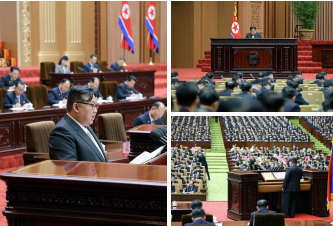
Exploring South Korea's Response to North Korea's "Two-State" Policy: Vision for New Peninsula Unification and Creative Engagement (Part 1[Academic Article] North Korea's Declaration of a "Two-State" System and Efforts to Eradicate the Concepts of 'Unification' and 'Nationalism' Kim PhiloAssociate Professor at the Institute for Peace and Unification Studies (IPUS),Seoul National UniversityNorth Korea has shocked South Korea's government and academia with a bombshell declaration to completely reverse its policy toward the South, starting in 2024. By declaring South Korea as its "enemy" and pledging hostile actions over the past two years, North Korea has firmly established the inter-Korean relationship as "two hostile states at war." This marks a departure from the 70-year-old "One Korea" policy, signaling a fundamental shift towards the "Two-State" doctrine."The 10th Session of the 14th Supreme People's Assembly of the DPRK took place on January 15, 2024. (Image: Rodong Sinmun)North Korea swiftly implemented its new policy towards the South by reorganizing related organizations, amending certain constitutional provisions, and abolishing the Committee for the Peaceful Reunification of the Fatherland (CPRF), the National Economic Cooperation, and the Mount Kumgang Tourist during the January 15, 2024 Supreme People's Assembly session. Subsequently, entities engaged in inter-Korean exchanges, such as the CPRF and the Korean Council for Reconciliation and Cooperation (KCRC), including the Kaesong Industrial Region, were dissolved, likely absorbed by the Ministry of Foreign Affairs, signifying a shift in inter-Korean dynamics.A decision to abolish the Committee for the Peaceful Reunification of the Fatherland (CPRF), the National Economic Cooperation Bureau, and the Mount Kumgang Tourist Bureau." (Image: Rodong Sinmun)North Korea's resolve was firm, erasing '"unification," "reconciliation," and "same ethnicity" from its history, and ordering the removal of "Independence, peaceful reunification and great national unity" from the constitution. He ordered the abandonment of the July 4 South-North Joint Statement and the Monument to the Three-Point Charter for National Reunification, swiftly demolishing the latter on Reunification Street. This brings to mind the ruthless demolition of the Inter-Korean Joint Liaison Office in Kaesong.North Korea severed the Gyeongui Line, symbolizing inter-Korean exchanges, to an irreversible extent. It has begun implementing measures to thoroughly separate all aspects of inter-Korean relations in border areas. Furthermore, it has banned the use of any words, such as "North Korea" or "8 million Korean," that characterize the North and South as "the same ethnicity" or share a common heritage.This declaration of a shift in the South-North strategy encompasses two key aspects: redefining South-North relations as national rather than ethnic and addressing the antagonistic facet of these relations. Firstly, North Korea acknowledges the disparity between its pursuit of ethnic-based unification and the prevailing reality, advocating for a bold departure from the "One People, One State, Two Systems" principle of the past 80 years. They stated that South Korea's pursuit of "unification under the democratic system" or "absorption unification" renders true unification unattainable. They also added, "After ending the 80-year history of North-South relations and recognizing two coexisting states on the Korean Peninsula, we have redefined our republic's policy toward the South."In terms of the antagonistic aspect, recent tensions indicate extreme anti-South sentiments, as seen in Kim Yo-jong's harsh rhetoric and resentment towards South Korea and its President. North Korea emphasizes South Korea's labeling of North Korea as an "enemy" and expresses anger over the termination of the "9.19 South-North Korea’s Military Agreement." Therefore, it declares its intention to legally classify South Korea as "the unwavering primary hostile state, the immutable enemy.
24.05.03 -
 [Issue Brief]
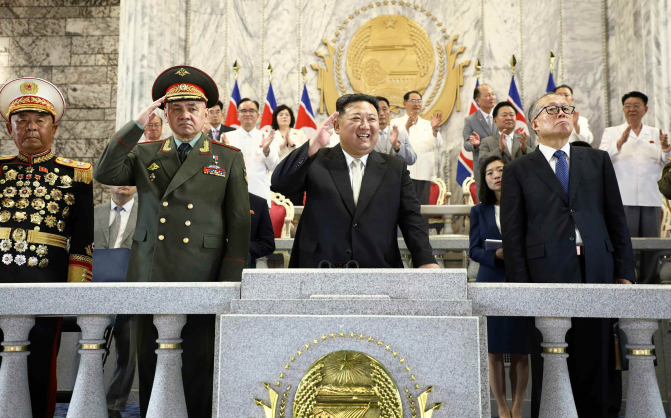
The 'Dangerous Bromance' between Russia and North Korea:Dynamics and Possibilities for Change Amidst the Ukraine ConflictCho Han-bumSenior Research Fellow at the Korea Institute for National Unification (KINU)In February 2022, North Korea unequivocally supported Russia's invasion of Ukraine, leading to a rapid deepening of ties between the two nations. By July 2023, the visit of Russian Defense Minister Sergei Kuzhugetovich Shoigu to Pyongyang during North Korea's 'Day of Victory in the Great Fatherland Liberation War' significantly bolstered military cooperation. By late March 2024, the Center for Strategic and International Studies (CSIS) estimated that North Korea had supplied Russia with military provisions equivalent to 10,000 containers and over three million rounds of ammunition during the conflict.On July 27, 2023, North Korean leader Kim Jong-un hosted a banquet for Russian Defense Minister Sergei Kuzhugetovich Shoigu and his delegation, who were visiting to celebrate the 70th anniversary of the so-called 'Day of Victory in the Great Fatherland Liberation War,' commemorating the Armistice Agreement of the Korean War. (Image: Rodong Sinmun)Despite a robust offensive from Ukraine in the latter half of 2023, bolstered by Western support, Russia sustained minimal damage and made notable advancements on several fronts. Widespread international sanctions notwithstanding, North Korea's logistical support has been crucial for Russia's sustained military capabilities.Following the North Korea-Russia Summit at Russia's Vostochny Cosmodrome in September 2023, the bilateral relations have rapidly expanded across various dimensions. Post-COVID-19 border reopening, North Korea has been enhancing its foreign relations and international exchanges; however, the scope and quality of interactions between North Korea and Russia are unparalleled compared to other nations. Recent trends show an uptick in North Korea-Russia activities over those with China, North Korea's traditional ally, with vigorous exchanges and cooperation ongoing in both governmental and civilian sectors.On March 21, 2024, a ballet performance by an art troupe from the Mariinsky Theater of Primorsky Krai took place in Pyongyang, followed by a Russian art group participating in the April Spring Friendship Art Festival on the 'Day of the Sun,' celebrating Kim Il-sung's birthday. On April 22, 2024, the Moscow Zoo delegation arrived in Pyongyang. Russia has a history of donating numerous animals, including lions, leopards, and Himalayan blue sheep, to the Korea Central Zoo in Pyongyang.Since reopening its borders, which were previously closed due to COVID-19, North Korea has specifically expanded tourism cooperation with Russia, permitting only group tourists from Russia to enter.At the end of last year, officials from Primorsky Krai finalized talks with North Korea, promising broad tourism cooperation. Russian tourist groups visited North Korea in February and March 2023, and starting in June, private Russian agencies will begin offering North Korean tour packages. However, despite the friendly nature of cultural and artistic exchanges, North Korea's appeal as a tourist destination for Russians remains limited.Officials from North Korea’s Ministry of External Economic Relations, Ministry of Education, Ministry of Public Health, and the Agricultural Committee have sequentially visited Russia. Although over 90% of North Korea's foreign trade is with China, making its economic ties with Russia relatively minimal, these visits aim to enhance economic collaboration. This effort leverages existing military cooperation. Additionally, the trip by the Chairman of the North Korean Agricultural Committee to Russia focused on addressing critical food shortages.Particularly noteworthy is the visit of the North Korean Ministry of Education delegation, led by Kim Sung-du, which focused on discussing various areas of cooperation, especially on increasing the quota of North Korean students at Russian educational institutions.Given the acute foreign exchange shortage, it is improbable that North Korea will increase the number of its students in Russia. Additionally, with sanctions prohibiting North Korean labor abroad, there are legitimate concerns about the misuse of student visas as a workaround.So far, the expanded cooperation between North Korea and Russia has had minimal impact on the North Korean economy. On February 27, 2024, Defense Minister Shin Won-sik revealed that since around July to August 2023, over 9,000 containers have been shipped from Russia to North Korea.Minister Shin noted that while the exact contents of the containers are unknown, food makes up the largest share. With Russian food aid, food prices in North Korea seem to have stabilized somewhat. However, the costs of staples like rice and corn remain high, with little change from the previous year. Despite cooperation between North Korea and Russia, prices in the local markets, known as Jangmadang, continue to rise.Despite the swift advancement in North Korea-Russia relations, this progress remains largely confined to military sectors and has not spurred broader economic development in North Korea. Russia, a key supplier of energy, food, and fertilizers needed by North Korea and holder of advanced military technology, still faces significant limitations in its industrial capacity.Most of Russia's exports rely on natural resources, while it primarily imports consumer goods and essentials. Russia's inadequate manufacturing capabilities present structural limitations, making it a less sustainable partner for the long-term economic development of North Korea.The strategic significance of North Korea to Russia could shift depending on the course of the Ukraine war. If the war stabilizes or if Russia develops its own military logistics capabilities, North Korea's strategic value might diminish. North Korea has little to offer Russia beyond ammunition and labor, and lacks the financial capacity for substantial payments, making it a less attractive long-term cooperation partner.Despite rapid progression in North Korea-Russia relations, their long-term sustainability remains uncertain, possibly reflecting one-sided affection from North Korea. In an April 27 interview on KBS 1TV's 'North-South Windows,' National Security Director Chang Ho-jin highlighted ongoing military cooperation talks and suggested that if the Ukraine-Russia war ends and conditions revert to their pre-war state, South Korea-Russia relations might also improve.
24.05.03 -
 Analysis of the US-Japan Summit and Its Impact on the Korean Peninsula
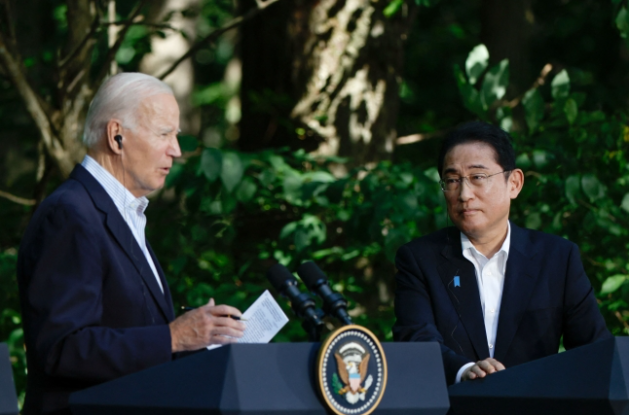
Cho Eun-ilSenior Research Fellow at the Korea Institute for Defense Analyses (KIDA)On April 10, 2024, a pivotal US-Japan summit took place during Japanese Prime Minister Fumio Kishida's visit to the United States. The Kishida administration has pursued a qualitative enhancement of the alliance across various domains including military security, economics, new technologies, and supply chains with the US under President Joe Biden. This summit aimed to outline future tasks based on previous achievements to further develop this alliance. This article analyzes the outcomes of the summit and briefly discusses its military and diplomatic impacts on the Korean Peninsula.Yonhap NewsAnalysis of Key Points from the US-Japan Summit The summit, realized through Prime Minister Kishida's state visit, concluded with a joint press conference where the leaders issued a statement titled "Global Partners for the Future." This emphasizes the Indo-Pacific strategy's evolution into a global framework, aiming to uphold and strengthen a free and open international order based on the rule of law. Since President Biden’s inauguration, the US and Japan have worked on modernizing their alliance. This includes enhanced military cooperation between the US military and the Japanese Self-Defense Forces and the restructuring of the alliance for regional security. Japan has moved from being a passive recipient of security guarantees to an active security partner with the US, planning to enhance its counterstrike capabilities and increase its defense budget to 2% of GDP. This joint statement hinted at a broadened scope for future military and other cooperative efforts under the alliance. Firstly, a focus on enhancing military security cooperation: Both the US and Japan have underscored that military collaboration under the US-Japan Security Treaty is a cornerstone of their global partnership. They are actively bolstering military deterrence capabilities to address China's expanding military influence in the Indo-Pacific, which poses a threat to the regional status quo. The unresolved disputes over the Senkaku Islands have led the US to reaffirm their inclusion under Article 5 of the Treaty, highlighting a strong commitment to Japan's defense and a resolute stance against Chinese aggression in the East China Sea. Japan is enhancing the US-Japan alliance and boosting its own defense capabilities. Historically, while the US acted as the "sword" providing military might, Japan served as the "shield" offering bases. Now, the alliance is shifting towards shared military responsibilities. Adhering to its constitution’s Article 9, Japan kept minimal military forces, but changing security demands have led it to boost its military. The Japanese government plans to increase defense spending to 2% of GDP to upgrade its arsenal and integrate its Self-Defense Forces. The US and Japan are at the forefront, working to establish and effectively manage a multilayered network of security alliances with various partner countries, including the Philippines, Australia, the UK, India, and South Korea. These partnerships manifest in several forms: US-Japan-Philippines, US-Japan-Australia, US-Japan-UK, US-Japan-India, and US-Korea-Japan cooperations. In the Indo-Pacific region, security efforts have typically unfolded through such minilateral arrangements. Notably, a joint statement by the US and Japan affirmed their leadership role in steering these minilateral security networks. Secondly, the US and Japan are expanding cooperation into new areas like space. They are advancing a satellite constellation project that interlinks small satellites, covered under the US-Japan Security Treaty's Article 5. This enhances surveillance across air and sea. At the recent summit, both nations agreed to further develop the Artemis program, building on their existing space cooperation. Thirdly, the US and Japan are deepening cooperation in technological innovation and economic security. Their partnership extends beyond military aspects to include vital sectors like technology, economics, and supply chains, aiming to counter China’s lead in advanced technologies like AI, electric batteries, and quantum computing. They have established a Competitiveness and Resilience (CoRe) Partnership to enhance innovation and secure economic interests in critical technology fields, reinforcing their strategic economic stance.Fourthly, the Indo-Pacific strategy facilitates networking alliances. Following the US-Japan summit, a collaborative summit with the Philippines was also convened. This meeting formalized the minilateral security cooperation among the US, Japan, and the Philippines aimed at countering China. Additionally, the US participates in various collaborative frameworks including trilateral agreements with Japan and South Korea, Australia, and India, as well as the Quad involving Japan, Australia and India. Notably, Japan's new role in AUKUS technology cooperation was highlighted, underscoring the strategic goal to create a comprehensive, lattice-like alliance network across the Indo-Pacific to deter Chinese expansion. Impact on the Korean Peninsula Amid the Russia-Ukraine and Iran-Israel conflicts, the US has emphasized its military alliance with Japan to counter potential regional disruptions by powers like China in the Indo-Pacific. This enhanced US-Japan cooperation is set to impact the Korean Peninsula in both military and diplomatic dimensions. Firstly, on the military front, Japan is establishing a Joint Staff Office to centralize its Ground, Maritime, and Air Self-Defense Forces. This move aims to enhance military cooperation with the U.S., ensuring better coordination with the US Indo-Pacific Command and greater interoperability with US Forces in Japan, which may significantly influence crisis response strategies on the Korean Peninsula. Secondly, there are significant diplomatic implications. High-level contacts between North Korea and Japan have been continuing. President Joe Biden stressed the importance of dialogue with North Korea and expressed his support for North Korea-Japan talks. The unresolved issue of the abduction of Japanese nationals by North Korea remains a complex challenge. However, given the evolving international dynamics, the potential for in-depth discussions between North Korea and Japan after the summit remains a distinct possibilit
24.04.19 -
 The Prospect of Vladimir Putin's Visit to North Korea and Their Relations
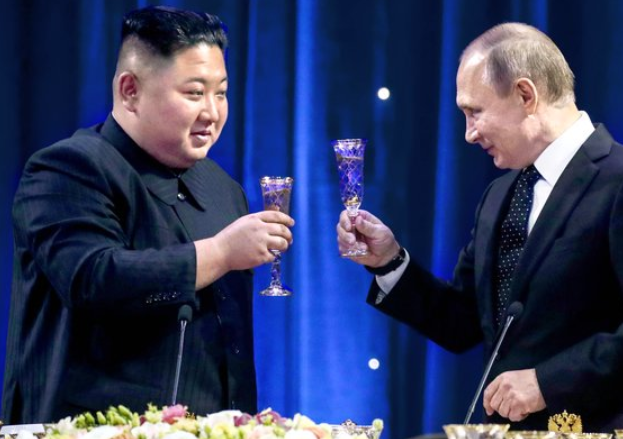
Hyun Seung-sooKorea Institute for National Unification (KINU)Since the eruption of the Ukraine War, its reverberations have deeply affected the Korean Peninsula. South Korea's strong condemnation of Russia's disregard for international law in neighboring countries' invasions led to active participation in sanctions against Russia. In response, Russia labeled South Korea as unfriendly, leading to a deterioration in bilateral relations. In a contrasting turn, North Korea and Russia developed an unusually close relationship. After the unsuccessful 2019 DPRK-USA Hanoi Summit with Former President Donald Trump, North Korean leader Kim Jong-un sought solace in Russia, a former ally. As Russia encountered challenges in the aftermath of the Ukraine War, North Korea offered its assistance. At the United Nations, North Korea opposed resolutions condemning Russia's invasion of Ukraine. When Russia declared the merger of four annexed territories from Ukraine, North Korea was the first to approve it. Kim Yo-jong, a senior official of the Workers' Party of Korea, expressed unwavering support for Russia, likening their relationship to a pledge of allegiance. This mutual stance rapidly strengthened ties between Russia and North Korea. In August 2023, Russian Defense Minister Sergei Kuzhugetovich Shoigu visited North Korea, attending the Day of Victory in the Great Fatherland Liberation War military parade. During a weapons exhibition in Pyongyang, Kim Jong-un personally showcased North Korea's missiles and drones to Minister Shoigu. Less than a month later, in September, the second meeting between Vladimir Putin and Kim Jong-un took place at the Vostochny Cosmodrome in Russia. In contrast to the inconclusive 2019 North Korea-Russia summit, this meeting marked the beginning of a new era in their relations. Vladimir Putin and Kim Jong-un expressed their intent to deepen ties across various fields, including politics, economics, society, and culture. Consequently, high-level exchanges surged between the two countries from late 2023 to the present. Particularly notable was Minister of Foreign Affairs Choe Son-Hui's visit to Moscow in January 2024, where her meeting with President Vladimir Putin confirmed plans for Putin's prospective visit to Pyongyang, likely after the March Russian presidential election. The international media closely monitors the rapid tightening of their relations, particularly military cooperation prospects. Western countries, including the United States and South Korea, suspect Russia may receive military supplies from North Korea amid Ukraine War-related ammunition shortages, potentially exchanging them for missile and nuclear-powered submarine technology. Despite denials from Russia and North Korea, evidence suggests otherwise. Questions linger regarding Russia's alleged transfer of satellite technology to North Korea, evidenced by successful satellite launches post-summit. Regardless of the scale of military cooperation, it violates UN Security Council sanctions, obliging Russia to comply. Economic cooperation faces similar challenges. However, Russia increasingly supports North Korea by illegally providing oil and other goods, exploiting its UN Security Council Permanent Member status to suspend sanctions monitoring. Russia expands its support for North Korea while sidestepping or neutralizing sanctions. Some view the Russia-North Korea closeness as an exchange of North Korean ammunition for Russian military technology. However, doubts persist regarding Russia's willingness to share advanced military capabilities. Russia is more likely to provide second-tier military technology, potentially declining post-Ukraine War. Present ties are perceived as short-term tactical cooperation, with potential for strategic collaboration in the medium to long term. Yonhap News Russia's foreign policy has sharply shifted towards anti-American and anti-Western sentiments since the Ukraine War. This shift prompts Russian support for North Korea against US-led pressure, fostering cooperation based on shared worldviews and interests, potentially evolving into an anti-American alliance. During the 75th anniversary of the economic and cultural cooperation agreement signing between Russia and North Korea on March 14, Andrey Rudenko, Russian Deputy Minister of Foreign Affairs, highlighted the unprecedented level of traditional fraternal friendship and comprehensive cooperation between the two nations. He stressed their shared evaluations of the current international situation and approaches to most international and regional issues. Russia and North Korea both allege that the United States is responsible for issues ranging from the Ukraine War to the Korean Peninsula security crisis. Russia's economic cooperation and assistance can help maintain stability in the Kim Jong-un regime by positioning North Korea as a geopolitical buffer zone. President Vladimir Putin's upcoming visit to North Korea will serve as a litmus test for the strength of their relations. It's an opportunity to gauge whether Russia perceives North Korea merely as a tactical ally or as a strategic partner. With recent heightened diplomatic exchanges between Russia and North Korea, the potential coordination of Putin's visit with his trip to China in June carries significant implications. For Putin, whose vision includes challenging the dominant US-led global order, aligning visits to China and North Korea could symbolize an anti-American coalition. Concerns about a potential China-North Korea-Russia relationship against the United States loom large in our government's considerations. While China and Russia have forged a quasi-military partnership against the US-dominated international order, their strategies diverge. Even in their views on North Korea, differences between China and Russia emerge subtly. China, open to negotiations with the US, may find Russia and North Korea's aggressive stance burdensome. Thus, Putin's visit to North Korea becomes pivotal in assessing North Korea's positioning between China and Russia. Despite the uncertain trajectory of the Ukraine War, the deepening ties between Russia and North Korea and the tensions between South Korea and Russia are likely to endure. Russia remains steadfast in its resistance to compromise with the US and its allies, seeking to undermine American influence in Northeast Asia and the Korean Peninsula. Similarly, North Korea's commitment to its nuclear arsenal as a regime safeguard suggests little room for diplomatic shifts. As long as the North Korean threat persists, cooperation among South Korea, the US, and Japan will strengthen, while North Korea exploits containment efforts as justification for prolonging the new Cold War. In this context, an isolated, confrontational Russia under Putin's leadership provides a blueprint for Kim Jong-un's brinkmanship strategy. South Korea must respond to the peninsula crisis with a nuanced approach, balancing diplomatic and security measures. It requires a sober evaluation of the situation, free from emotional sway, to navigate the complex geopolitical landscape effectively.
24.04.19 -
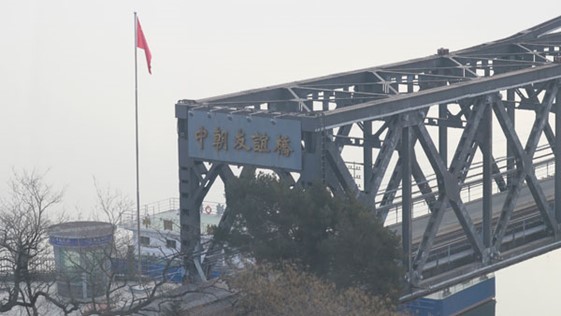 Resumption of Illicit Trade across the North Korea-China Border – Full Reopening in April?
After four years, illicit trade between North Korea and China, halted by the COVID-19 pandemic, has reportedly resumed. News of possible border openings since March and the restart of high-level exchanges in April have heightened expectations for a complete border reopening. A Dandong source reports that “from last month, foreign currency-earning companies affiliated with North Korean agencies like the State Security Department have initiated illicit trade.” “Under border guard protection, this trade occurs along the Yalu River and nearby areas,” they added. North Korea closed its borders in January 2020 due to COVID-19, but in January 2022 they began to ease restrictions, resuming freight trains between Dandong and Sinuiju, and trucking between Nanping-Musan and Hunchun-Wonjong-ri. Additionally, some Chinese diplomats and workers returned home last August, but full border reopening, including complete land trade and personnel exchanges, remains pending. A source reported that trade didn't pick up as hoped following a partial border reopening in July last year, blaming rigid North Korean trading regulations. They explained that North Korea typically outlines its trade plans each August, finalizes them by year's end, and secures approvals in January. However, the pandemic disrupted this cycle, preventing the setting up of trade plans and acquisition of permits for the following year, thus freezing trade activities. It's reported that North Korea's early resumption of illicit trade was to circumvent international sanctions. A source noted, "The traded items, including minerals such as titanium and heavy machinery like tractors and trucks, are all under UN and other global sanctions." Another border source mentioned, "From April 10, the Ministry of External Economic Relations has urged its trading firms to prepare for normalized trade with ChinaNorth Korean Leader Kim Jong-un with Zhao Leji, chairman of China's NPC, who visited on April 13 / Rodong SinmunAs speculation about a full reopening of the North Korea-China border circulates, there is also hope that private smuggling could restart. "With rumors of smuggling resuming in April, smugglers are actively looking for partners in China," an anonymous source from Hyesan City in Ryanggang Province shared. "Expectations are high that the borders will truly open this time," they added, highlighting that items like seafood and medicinal herbs are already being smuggled in some areas. Diplomatic insiders anticipate that the North Korea-China border might fully reopen this year to mark the 75th anniversary of their relations. Recently, Choe Son-hui of North Korea and Sun Weidong of China declared 2023 as "Year of Friendship" and agreed to enhance strategic ties. On April 13, Zhao Leji, a high-ranking official from China’s Communist Party, discussed with North Korean leader Kim Jong-un possible ways to expand and strengthen their cooperation during his visit. There is also speculation that the New Yalu River Bridge, completed in 2014 but yet to open, might finally welcome traffic this year. With potential plans for a summit between Kim Jong-un and Chinese President Xi Jinping, and all preparations for exchange in place, just a nod from the top could lead to a comprehensive border reopening. During the lockdown, North Korea massively increased its border security, adding checkpoints and barbed wire twentyfold, intensifying surveillance and control. This escalation has led to heightened criticism of the worsening human rights situation in North Korea post-lockdown.
24.04.19 -
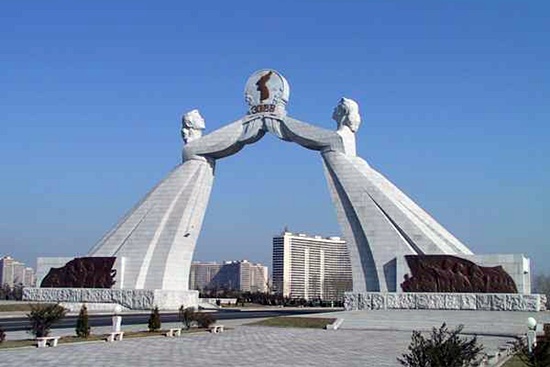 [NK Focus]
Kim Jong-un Casts Off the Heavy Burden of Reunification: Is the Inter-Korean Basic Agreement Next?⦁ Kim Jong-un swiftly acts to remove terms on same ethnicity and reunification⦁ NK demolished the Monument to the Three-Point Charter for National Reunification, and altered lyrics of the national anthem, removed the word ‘Tongil’ (meaning ‘reunification’ in Korean) from Tongil Station⦁ Choi Kyong-hui states North Korea’s ‘Two States’ policy appears aimed at protecting the supreme leader (suryong) systemCho Yui-haeng Seoul Theological UniversityNorth Korea intensifies efforts to erase reunification prospects, reclassifying South Korea from 'kin' to 'enemy,' and labeling it 'puppet.' It may call a Supreme People's Assembly meeting to consider constitutional changes and potentially cancel the Inter-Korean Basic Agreement, a step towards officially endorsing the Peninsula's permanent split and distancing South Korea from shared national and reunification goals.<Chung Won-shik of South Korea (right) and Yon Hyong-muk of North Korea (left) shake hands post-Inter-Korean Basic Agreement signing, Seoul, December 1991 / Ministry of Unification>On the 28th, the Ministry of Unification unveiled potential plans by North Korea to convene the Supreme People's Assembly, possibly amending the constitution and nullifying the Inter-Korean Basic Agreement. An official from the Ministry expressed the likelihood of another meeting under the current regime to discuss these changes, hinting at organizational and inter-Korean agreement matters. The North Korean Supreme People's Assembly, having either reached or nearing the end of its five-year term under the 14th Assembly, is yet to announce any election schedules. Concerning constitutional amendments, there's speculation on removing clauses regarding reunification, specifying hostile relations, and potentially adding territorial clauses reflecting a two-country logic.Following Kim Jong-un's references to a "two-state" scenario, there's speculation about a possible reorganization within the Ministry of Foreign Affairs to incorporate South Korea-related functions, as well as potential personnel changes. Moreover, the upcoming Supreme People's Assembly might discuss nullifying the Inter-Korean Basic Agreement, including its political and military aspects, especially after the economic sector agreement was terminated in a previous session.The Ministry of Unification suggests that the Supreme People's Assembly might align its activities with South Korea's key political dates, such as the legislative election on April 10th or the commencement of the 22nd National Assembly, to strategically communicate with the South.After Kim Jong-un's directive in January to eliminate the concepts of "same ethnicity" and "reunification," North Korea has accelerated various measures, including dismantling the Monument to the Three-Point Charter for National Reunification, renaming 'Tongil Station', and revising the national anthem's lyrics. Other actions include changing the names of 'Tongil Street' and 'Tongil Market' to 'Rangrang Street' and 'Rangrang Market', removing the Unification Pavilion signage in Panmunjom, and taking down unification monuments across the country.Kim Jong-un's dramatic change in North Korea's policy towards South Korea and reunification, breaking from 80 years of precedent, has profound implications. Under Kim Il-sung, a shift from military unification to a theory of a "North Korean-style federation" based on diverse systems and ideologies emerged. Kim Jong-il further evolved this strategy, using the theme of "same ethnicity" to leverage North-South relations as a funding conduit for nuclear and missile development.The evolution of North Korea's unification approach, from military conquest to concepts of federalism, has been influenced by three main factors: the internal dynamics of the 'Suryong power' system established in 1987, the advancements in South Korea's democracy and economy, and global shifts post-Cold War.In December 2016, Choi Kyong-hui, director of the SAND Institute, shared insights in the Korean Political Review through a study titled "A Study on North Korea's 'Two-State’ System for Unification Strategy: Focusing on North Korea's 'Suryong (supreme leader) Regime and Permanent Division Strategy." She discussed how, since 1987, North Korea, under its 'Suryong’ system, reshaped its national and ethnic identities. This redefinition aimed to shift the unification perspective from an aggressive "one Korea" approach to a defensive stance recognizing "two Koreas," centered around the legacy of Suryong Kim Il-sung.Choi Kyong-hui explained that to maintain the 'Suryong’ system, North Korea redefined concepts like ‘Kim Il-sung people’, ‘Kim Jong-il governance’, and ‘Pyongyang Time’. This reconstruction resulted in estranging the shared memories and identities of the Korean people across the North and South. According to her, North Korea's strategy essentially is one of maintaining a "two-system" status quo on the Peninsula, superficially cloaked in the notion of national unity, yet fundamentally aimed at a permanent division.Kim Jong-un took steps to further solidify this division by stripping away any pretense of shared ethnicity or aspirations for unification with South Korea, designating it as an adversary. In response to international sanctions triggered by its nuclear advancements, Kim employed a "nuclear leverage" strategy with peace offensive in 2018. This strategy sought to utilize the Moon Jae-in administration's preference for inter-Korean dialogue over international pressure as a means to engage both the U.S. and China, effectively positioning North Korea on the global stage through a series of summits with South Korea, the U.S., and China.After the collapse of the Hanoi Summit in February 2019, Kim Jong-un seemed to abandon any remaining aspirations for reunification with South Korea, openly discarding the concept. Significantly, during the Workers' Party Central Committee meetings from December 28th to 31st, 2019, 'the reunification of the Korean peninsula' was conspicuously absent from Kim's New Year's Address for the first time..The absence of a Workers' Party congress since the 6th in 1980 was primarily due to stalled reunification progress, economic issues, and external pressures. Kim Jong-un's decision to abandon reunification ambitions enabled the timely scheduling of the 8th congress, five years after the 7th congress in 2016.In January 2021, at the 8th Congress, Kim Jong-un stated that reunification now seems much less achievable, indicating North Korea's shift away from reunification goals towards solidifying the Kim dynasty's control over its territory with a two-state strategy.The possible cancellation of the Inter-Korean Basic Agreement, defining North and South Korea as entities seeking reunification, raises concerns about further dividing the Korean Peninsula and increasing estrangement among Koreans.
24.04.05 -
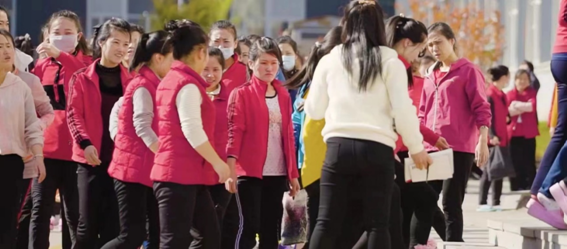 [Feature Article]
Analysis of Collective Actions by North Korean Overseas Workers• The Outburst of Accumulated Grievances Over Unpaid Wages During the COVID-19 Period• North Korean Protest Against the Financial Losses from the 2009 Currency Reform• Resorting to Collective Actions When the Right to Life is Under ThreatIncidents have come to light involving North Korean workers in China and the Democratic Republic of the Congo engaging in protests over non-payment of wages. Normally subjected to strict oversight even when abroad, these workers have unusually stood up against such conditions, driven by grievances that mounted during the COVID-19 pandemic. Extended lockdowns necessitated prolonged work periods under harsh conditions, pushing their frustrations to a breaking point and sparking protests over unpaid wages. This rare act of defiance underscores the deep-seated discontent among North Korean laborers overseas. <In January last year, this garment factory in Helong, Jilin, China, was the scene of a wage dispute protest by 2,000 North Korean workers / Photo by SAND Institute English Newsletter Team>According to local Chinese sources, in mid-January, it was confirmed that about 2,000 North Korean workers at a garment factory in Helong, Jilin Province, initiated a strike and riot. The investigation revealed that Mr. Shin, the vice president in charge of financing the workers for this company, did not pay the workers their share of wages paid by the Chinese side since 2020, when COVID-19 halted travel between North Korea and China, instead appropriating a portion for himself or offering it as loyalty funds to North Korea.Shin allegedly promised workers their full wages in a lump sum once they returned to North Korea. Despite monthly earnings of $400 to $500, deductions for the regime and living costs left them with just $150 to $200. It's estimated that millions of dollars in wages were withheld, with a portion diverted to North Korean leadership or pocketed by company officials.The majority of these workers in China are young women in their 20s and 30s who lived and worked within the confines of clothing factories during the pandemic, subjected to stress from being prohibited from leaving and from enduring years without news from their families in North Korea. They faced hardships like diminished work and earnings, as well as suffering from hunger and diseases in overcrowded dormitories. <Last March in Helong, Jilin, North Korean female workers were captured moving from their dorms to a garment factory; they went on strike over unpaid wages in January this year / Photo by SAND Institute English Newsletter Team>These workers, having not received any salary for three years, began demanding their back pay as COVID-19 restrictions eased and the possibility of returning home became feasible last year. However, the company's response that they would pay once the workers could return only fueled their anger, leading them to refuse work, take managers and supervisors hostage, and resort to violence, including damaging property. The escalation of their resistance prompted intervention from local Chinese law enforcement.Following the incident, North Korean officials quickly sent the consul general from Shenyang and agents from the Ministry of State Security, promising immediate wage payment. Through financial maneuvering by company executives and diplomats, the funds were disbursed within three days, quelling the protests and riots.After the situation was resolved, Deputy Manager Shin was found dead in his dorm room on the evening of January 16th. The investigation concluded it was a suicide, given the lack of evidence for external entry into his room. North Korean authorities have attributed the entire incident to his personal misconduct, absolving themselves of all responsibility.This incident, initially sparked by wage disputes, also signifies a release of tension accumulated during the COVID-19 pandemic. North Korean laborers in China, grappling with depression and erratic behavior, were overwhelmed by severe oversight and grim working conditions. Their frustrations, intensified by arduous labor and subpar living conditions, led to confrontations with authorities. Furthermore, in March of the previous year, around 150 female workers at the garment factory contracted tuberculosis, necessitating medical care or resulting in death.Worker discontent mounted as 75-80% of their wages were seized by authorities, with the remaining 15-20% unpaid since wage payment was halted after the 2020 COVID-19 outbreak. Their grievances intensified due to regular assaults by managers and strict measures against defection, including forced communal living, stringent daily controls, confiscation of IDs and passports, isolation from the outside world, and smartphone bans, all of which eroded their privacy rights.Japan's Sankei Shimbun reported on the 26th, citing multiple sources familiar with North Korea, that "dozens of North Korean workers at a construction site in the Republic of the Congo, Africa, rioted last month in protest of their delayed return."The collective actions of overseas North Korean workers are exceptional and signify that North Koreans will boldly take collective measures when their economic interests and right to life are threatened by authoritarian control.The 2009 currency reform, initiated under Kim Jong-un, led to significant economic losses for North Korean citizens. This sparked nationwide protests, including the burning and discarding of old currency notes with Kim Il-sung's portrait. In response, North Korean authorities executed Pak Nam-gi, Director of the Planning and Finance Department of the ruling party of North Korea, following the premier's apology to placate public anger.The collective actions of overseas North Korean workers can be viewed as resistance to the severe exploitation and human rights violations by North Korean authorities. Since 2016, to prevent defections and earn more foreign currency, North Korea has been dispatching active-duty soldiers to Russia under the guise of workers. Unlike regular workers, who are supposed to receive 15-20% of their wages, soldiers do not require payment.However, the likelihood of future defections among overseas North Korean workers seems set to continue. Exposure to global culture via mobile phones has weakened their allegiance to the North Korean regime and increased their desire for the freedoms of the wider world. Specifically, if North Korean authorities continue to exploit their wages excessively, the growing sense of self-interest among North Korean youth could trigger a range of reactions.
24.04.05 -
 [Preparing for Korean Unification: Scenarios]
The Fate of the Korean Peninsula and Two Singularities: Unification and the Fourth Industrial Revolution - Autonomous Vehicles, 3D Printers, CryptocurrencyWritten by Lee In-bae Secretary to the President for UnificationFormer President of the National Institute for Unification EducationThe fate of the Korean Peninsula is intertwined with two unpredictable futures: unification and the Fourth Industrial Revolution. It's believed that bridging unification with the Fourth Industrial Revolution is crucial for navigating these singularities. <The Fate of the Korean Peninsula and Two Singularities / Author: Lee In-bae>During his time as President of the National Institute for Unification Education, Lee In-bae, in his book "The Fate of the Korean Peninsula and Two Singularities," linked unification with the Fourth Industrial Revolution, areas previously considered distinct.Lee suggests using Fourth Industrial Revolution technologies in unification strategies, including autonomous vehicles for land development, 3D printing for housing in North Korea, and cryptocurrencies to address monetary issues in a unified Korea.He highlighted the importance of considering the diverse forms of mobility that will arise from advancements in Fourth Industrial Revolution technologies, such as autonomous vehicles, in the planning of land development for a unified Korea. He proposed that as these technologies progress, especially autonomous vehicles, a considerable share of transportation could become autonomous. This shift would require the creation of compatible autonomous road systems to support the new mode of transport effectively.He noted that introducing autonomous vehicle systems on the Korean Peninsula could drastically reduce household vehicle ownership to a third and lower the demand for private cars. People could schedule autonomous vehicles as easily as calling a taxi, ensuring a car awaits them the next day. This shift towards shared vehicles and away from personal car dependence would also decrease the need for parking spaces.<Projected View of a Unified Korea Embracing Autonomous Vehicles / Source: From the Author's Book>It was also noted that the adoption of autonomous vehicles would lead to fewer car accidents and a 20% reduction in road space usage. Elon Musk predicted that autonomous vehicle systems would enhance road efficiency by more than 90%.<Projected Enhancement of North Korean Living Conditions via 3D Printing / Source: From the Author's Book>He also claimed that in a future unified Korea with widespread autonomous vehicle use, the existing 2,900 km of roadways could be reduced by half, emphasizing that incorporating autonomous vehicles into the transportation framework would lead to a major transformation in railway and roadway planning strategies.3D printing for housing construction is proposed as a swift, cost-effective, and eco-friendly solution to address the urgent housing needs in North Korea, fostering gratitude and quickly stabilizing the nation.He proposed that using 3D printing to build homes could drastically reduce both time and cost, taking roughly a week and approximately 4.5 million won (about $3,375) per house, without generating any construction waste, thereby being eco-friendly. Furthermore, he recommended that, although constructing 100 different houses in 100 cities may not be practical, offering North Korean residents a selection of sample models to choose from could foster a sense of appreciation. This approach could strategically aid in swiftly stabilizing governance within a unified Korea, enhancing solidarity and community engagement.The author pointed out digital currency as one of the key technologies for a unified Korea, noting the challenges similar to those faced during Germany's unification. With the creation of a unified physical currency costing approximately 110 billion won ($82.52 million) according to the Bank of Korea, he suggested that digital currency offers a more cost-effective and time-efficient alternative. This approach could notably reduce expenses and accelerate the circulation process, boosting financial efficiency across the Korean Peninsula.He suggested that using Central Bank Digital Currencies (CBDC), unlike cryptocurrencies like Bitcoin which lack physical backing, could address economic security concerns. CBDCs, being digital yet pegged to tangible central bank assets, provide stability and security. He highlighted blockchain technology's role in safeguarding these currencies from theft and disruption, and noted that digital currencies could also improve the tracking of hidden financial activities, boosting transparency and regulation.He highlighted the Metaverse as a key Fourth Industrial Revolution technology for unification, bridging the North-South divide with a virtual world. During his tenure at the National Institute for Unification Education, he created a Metaverse version of North Korean places for refugees, fostering a virtual connection to their homeland. Additionally, he saw evolving hologram technology as a way to preserve and celebrate the peninsula's cultural heritage, offering a contemporary method for maintaining its rich legacy.Lee envisions that advanced technologies of the Fourth Industrial Revolution can provide solutions across political, economic, and cultural sectors, essential for the reconstruction needed in unification.He envisioned a unified Korean Peninsula where its 75 million people collectively enjoy civilization's freedoms and benefits. He emphasized that the prosperity, safety, and convenience from the Fourth Industrial Revolution should extend beyond South Korea, reaching everyone, including North Koreans, to ensure widespread access to technological advancements.He also stressed that freedom is essential to these strategies, with a democratic system that embraces diverse ambitions being key to the Fourth Industrial Revolution's sustainable development. He underscored the importance of unifying Korea under a democratic system, enabling all 75 million people to enjoy the freedoms and benefits that come with technological progress.Referencing Professor Lee Geun from Seoul National University, the current struggle for digital platform supremacy between the U.S. and China is highlighted as a battle between totalitarian and liberal platforms, with a preference for the latter to ensure freedom from surveillance for future generations.He said, "I prefer to leave behind a world where liberal platforms triumph, rather than a regime of comprehensive platform surveillance that would subject my son's every move to scrutiny."
24.03.22 -
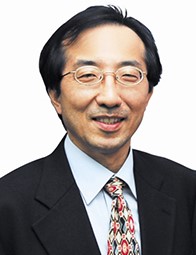 The Major Shift in Inter-Korean Relations and Domestic and International Responses in 2024
Park Young-howas a senior fellow at the Korea Institute for National Unification and is director of the Center for Foreign, Security and Unification Affairs at the Next Generation’s Future Strategy Institute.Shift in North Korea's Approach to Unification: Proclamation of 'Two Hostile States'Kim Jong-un has revised his approach toward South Korea, declaring South Korea as the 'foremost enemy' and announcing the coexistence of 'two states' on the Korean Peninsula. He has stated that unification under North Korea's previous policy is unattainable, adding a condition that unification could occur 'in the event of war,' but clearly supporting a stance of 'unification through force.'After the socialist bloc's collapse, North Korea revised its unification policy. Kim Il-sung introduced 'North Korean-style federalism,' acknowledging diverse systems and ideologies, essentially aiming for 'practically two states.' This strategy sought to preserve the North Korean regime while nominally advancing unification.This stance against system unification persisted through Kim Jong-il to Kim Jong-un. Asserting that system confrontation would lead to war, they called for unification through the coexistence of both regimes, emphasizing the coexistence of two systems. Alongside, they escalated nuclear and missile development and used inter-Korean relations to mobilize resources.Kim Jong-un's achievements in nuclear and missile development have had adverse effects. Relations with South Korea and the U.S. did not progress as hoped, and external economic resources were cut off, perpetuating economic struggles. Despite stringent controls on information, South Korean culture silently penetrated North Korea. Consequently, at the 8th Congress of the Workers' Party of Korea in January 2021, Kim Jong-un declared a bleak outlook for improving inter-Korean relations, proclaiming the dream of unification as far removed and signaling a readiness to employ nuclear weapons beyond mere defense under the 'principle of confrontational struggle.' This led to the emergence of a 'New Cold War' with North Korea aligning with China and Russia. Kim Jong-un's ultimate choice was the 'two-state theory,' aimed at maintaining the Democratic People's Republic of Korea as an independent socialist nation coexisting with South Korea.Kim Jong-un's 'War Endurance' DoctrineKim Jong-un's pivot in policy towards South Korea signifies a shift in national security posture. Despite initiatives like the dual-track of economic and nuclear development and a focus on economic construction, clear outcomes beyond nuclear and missile advancements are absent. The decade-old promise of not tightening the people's belts again remains unfulfilled within the confines of the current regime, which internal threats to the hereditary dictatorship challenge. A new security posture is necessary to protect the regime.Although North Korea remains a totalitarian state, Kim Jong-un felt compelled to justify policy changes, claiming to end "the nearly 80-year history of inter-Korean relations." He argues that despite North Korea's long-standing goodwill, South Korea has pursued policies aimed at the 'collapse' and 'absorption' of the DPRK. Thus, South Korea is not seen as a partner in unification but as a 'belligerent state,' necessitating a comprehensive strategy across military, legal, institutional, and cultural dimensions. This context led to Kim Jong-un's 'War Endurance' doctrine.Nuclear capabilities cannot substitute for economic development. Fear and oppression can suppress discontent but not eliminate concerns about regime stability. The 'War Endurance' doctrine serves as a strategy to threaten South Korea and lock its people within the regime.Domestic and International Response TasksFirstly, it's essential to firmly balance North Korea's aggressive stance while maintaining a system for managing North Korean threats from a military security standpoint, without overreacting. Kim Jong-un focuses on mobilizing citizens for the ‘20×10 regional development policy’, limiting external influences.Even with Kim Jong-un proposing the 'two-state theory,' South Korean perceptions of unification have evolved due to vast disparities in national power and cultural development between North and South Korea. South Korea, internationally hailed as a democratic powerhouse, contrasts starkly with North Korea's totalitarian regime and economic struggles. The distinct national and citizen identities of both Koreas demand transformative change within the North, challenging Kim Jong-un's 'two-state theory.' A unification strategy fostering internal change in North Korea is imperative for peaceful coexistence and eventual reunification.Thirdly, a shift in perception is needed to approach the issue of unification not merely as an ethno-nationalist endeavor but as a matter of long-term national development. With South Korea's population becoming diverse and heading toward a more multiethnic society, the notion of an ethnic community should transcend traditional Korean ethnicity to reflect Korea's global openness and cultural integration capabilities. Therefore, 'ethnicity' must be redefined as encompassing the national identity of Koreans, embodying democratic freedom, and advanced civic political culture. This redefinition paves the way for democratic citizen education aimed at re-establishing perceptions of unification.Fourthly, the essence of Korean Peninsula unification lies in ensuring the 'dignity, value, and rights to happiness of all individuals.' As a global leader in democracy, South Korea stands as a centrifugal force to hasten change in North Korea. Political leaders must adopt an honest and realistic stance, recognizing that the openness, liberalization, and diversification are prerequisites for a peaceful and democratic unification. Achieving societal consensus on unification and establishing a long-term strategy that transcends political regimes are crucial.Fifthly, priority should be given to initiating negotiations for a foundational treaty between North and South Korea, aiming to establish a framework for peaceful coexistence. This treaty would set the stage for normalizing inter-state relations between both Koreas and serve as a guiding framework until unification. All interactions must adhere to international laws and norms, with unification pursued as a national goal through the free will of the Korean people.Sixthly, a diplomatic and security strategy is crucial for integrating North Korea into the international community, despite its desire to remain a socialist state with backing from China and Russia. This approach should enhance ROK-US and ROK-US-Japan cooperation frameworks while establishing a multilateral security system to address military threats from North Korea and other authoritarian entities.Seventhly, South Korea needs a new unification diplomacy strategy to counterbalance the excessive influence of China and Russia on the Korean Peninsula. South Korea must significantly expand its national resources to play a role at the G8 level in areas such as freedom, democracy, human rights, international security and peace, economic prosperity, and culture.Encouraging normalization of relations between North Korea and key international players like the US and Japan is imperative. Despite challenges such as the North Korean nuclear issue and diplomatic strategies, this step is crucial for the international community to promote regime openness.
24.03.22 -
 North Korean Athletes' Arrival in Japan and Prospects for Improved Relations: Impact on North Korea-
North Korean Athletes' Arrival in Japan and Prospects for Improved Relations:Impact on North Korea-Japan Relations Through Sports ExchangeKim AreumVisiting Professor at Yonsei University's Graduate School of International StudiesThe North Korean delegation landed in Japan on February 25, 2024, to participate in the final qualifiers for the 2024 Summer Olympics. Their participation, the first in an international event on Japanese soil since the International Skating Union (ISU) World Figure Skating Championships in March 2019, broke a five-year hiatus. This visit came as a notable exception to Japan's stringent policy prohibiting North Korean nationals' entry, rooted in sanctions over North Korea's nuclear and missile programs. This time, Japan allowed the delegation's entry, sidelining usual sanctions for the sports diplomacy. Could this display of sportsmanship signal the beginning of a new chapter in addressing the longstanding abduction issues and normalizing diplomatic ties between North Korea and Japan, which have been at a standstill since the era of Koizumi Junichiro? <North Korean supporters seen at the final qualifying match between North Korea and Japan for the Tokyo Olympics women's football, held at Japan National Stadium on February 28 / Photo by RFA>From Japan's perspective, on an international political level, Japan seeks to ease tensions and foster integration by supporting North Korea's involvement in international sports, moving beyond its focus on abduction issues to rekindle dialogue. This strategy gains importance with the potential geopolitical shifts in East Asia, especially if Donald Trump returns to the U.S. presidency. Reflecting on 2018, when the U.S. and North Korea, and subsequently the Koreas, engaged in summits, Japan shifted its stance under Abe Shinzo, offering to engage with North Korea unconditionally. This reflects Japan's historical approach to diplomacy, reminiscent of the Ping-pong diplomacy era with China and the US, demonstrating its distinctive strategy of using sports and dialogue to foster better international relations.Since Koizumi Junichiro's time, resolving the abduction issue has been a key focus in Japan's domestic policy. Former Prime Minister Abe Shinzo notably took a firm stance against North Korea over this issue, enhancing his political stature. During his almost nine-year leadership, Abe highlighted the abduction issue as vital to Japan's sovereignty, national security, and the safety of its citizens. Failure to address this issue may lead to public dissatisfaction. Delays could result in victims passing away without closure, inviting criticism of the government for not adequately protecting its citizens from North Korean abductions. Consequently, achieving the comprehensive resolution desired by the Japanese government becomes increasingly difficult. To prevent such a scenario, both internationally and domestically, Japan will maintain its commitment to engaging in unconditional dialogue with North Korea. Negotiations are already underway under the current administration, reflecting Japan's determination. So, what is North Korea's stance on the current situation and the improvement of relations with Japan? North Korea's recent actions, including labeling inter-Korean relations as "hostile" and dismantling the Arch of Reunification, reflect its complex stance. Yet, its engagement in international sports and attempts to better relations with Japan hint at a broader strategy to blend into the global community.To prepare for the potential scenario of Trump winning the next U.S. presidential election, North Korea should enhance its relations with Japan for effective communication with the United States. Reflecting on the failed discussion by former President Trump on ending the Korean War prior to the 2018 North Korea-U.S. summit, due to former Prime Minister Abe Shinzo's opposition, North Korea must ensure Japan doesn't hinder progress in North Korea-U.S. relations.Considering the viewpoints of Japan and North Korea, there's considerable potential for their relations to improve, depending on the U.S. election outcome and Japan's political stance. However, experts emphasize the ongoing 'Megumi Yokota story,' highlighting the abduction issue, which remains intertwined with North Korea's terrorism concerns. Hence, North Korea's political actions are crucial. Nevertheless, historical instances such as Ping-pong diplomacy, the 1988 Summer Olympics, and the 2002 FIFA World Cup Korea-Japan illustrate how sports exchanges fostered reconciliation in international politics. Therefore, closely monitoring the upcoming North Korea-Japan match on March 26th is essential for potential transformative effects.
24.03.14 -
 NK Focus Over 600 North Korean Defectors Judicially Processed
Over 600 North Korean Defectors Judicially Processed: Bound for South Korea to Political Prisons, Those in China to Reeducation CampsNorth Korean authorities have reportedly completed the investigation and judicial processing of over 600 North Korean defectors forcibly repatriated from China in October last year. Those attempting to reach South Korea were sent to political prisons, whereas those found in China faced reeducation sentences ranging from a minimum of 5 years to a maximum of 20 years, depending on their length of stay. Amidst international concern, criticism is mounting over the severe punishment meted out by North Korean officials to these repatriated defectors.Following the 2022 Asian Games closing ceremony on October 9, the Chinese government forcibly repatriated hundreds of North Korean defectors from prisons in Jilin and Liaoning Provinces' border towns, including Hunchun, Tumen, Nanping, Changbai, and Dandong. Under Kim Jong-un's directive, they endured harsh interrogation and torture by the Ministry of State Security. <Participants, including Lee Shin-wha, North Korean Human Rights Ambassador, speak at a press conference in August 2023 at the Seoul Press Center, opposing the forced repatriation of North Korean defectors detained in China. (Photo by Courtesy of Choi Jae-hyung's office, People Power Party (PPP) Member)>In February, sources from Hoeryong, North Hamgyong Province, revealed that forcibly repatriated North Korean defectors were detained for interrogation in Hoeryong, Onsong County, Hyesan City (Ryanggang Province), and Sinuiju (North Phyongan Province). This was the first major repatriation since the pandemic began, leading Pyongyang's Ministry of State Security to send interrogation agents to the border detention sites, escalating the scrutiny of the defectors.Sources indicate that the Ministry of State Security in North Korea segregated defectors aiming for South Korea from those residing in China, conducting investigations accordingly. After about a month of scrutiny by the Ministry of State Security, those who stayed in China were handed over to the Ministry of Social Security and were assigned reeducation sentences based on their duration of stay. Repatriated defectors were accused of 'Treason against the Nation,' per Article 63 of North Korea's criminal code, facing penalties from five years of forced labor to death or property seizure. The length of stay in China determined sentences ranging from five to twenty years.Defectors caught attempting to reach South Korea endured over two months of rigorous interrogation by the Ministry of State Security. The North Korean authorities sought to uncover the defectors' movements in China, along with the brokers and facilitators behind their attempts to flee, resorting to torture to extract this information.A source from Hyesan City in Ryanggang Province revealed that upon arrival at the Ministry of State Security, defectors underwent a strip search and had all personal possessions confiscated. They were forced to write repeated statements, with any discrepancies leading to accusations of falsehoods, followed by beatings and torture.Defectors captured while trying to reach South Korea were all sent to political prison camps after two months of interrogation. A source from Sinuiju reported that among the 200 or so defectors detained, half were sent to political prisons, while the rest, who had stayed in China, were transferred to the Ministry of Social Security for reeducation. Furthermore, all additional repatriated individuals have undergone investigation and judicial processing.Currently, defectors hiding in China live in constant fear of repatriation, with the sound of sirens causing panic and readiness to flee at a moment's notice.According to the United Nations and North Korean human rights organizations, over 2,000 North Korean defectors were detained in Chinese prisons during the pandemic, with growing international concern over their forced repatriation.Julie Turner, the US Department of State's Special Envoy for North Korean Human Rights, recently visited the Inter-Korean Cultural Center. She highlighted the plight of North Korean defectors in China, stressing that they are separated from their children upon forced repatriation. Turner urged China to uphold non-refoulement principles, affirming the US government's staunch opposition to forced repatriations.Foreign Minister Cho Tae-yul recently discussed concerns over the forced repatriation of North Korean defectors with Wang Yi, China's Foreign Minister and member of the Communist Party's Politburo. Cho requested China's cooperation to prevent forced repatriations and allow defectors to reach their desired destination.North Korean defectors fled due to unbearable political and economic conditions and rightfully deserve refugee status. China, a signatory to international agreements on refugee status and torture prevention, should uphold global norms and respect human rights by ending forced repatriations to areas of danger.The Democratic Party of Korea, purportedly advocating for human rights, neglects those of North Korean residents and defectors. Pressure should ensure the prompt establishment of the North Korean Human Rights Foundation, stalled for seven years due to the party's non-cooperation, necessitating concrete action to safeguard their rights.
24.03.14 -
 [SAND Feature Article]
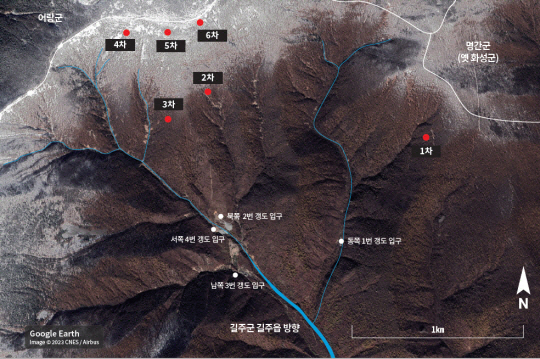
Serious Radiation Contamination and Harm from Nuclear Tests at Punggye-ri: Chromosomal Abnormalities Detected in 17 North Korean DefectorsA study conducted on 80 North Korean defectors originating from the area surrounding the Punggye-ri Nuclear Test Site, located in Kilju County, North Hamgyong Province, has revealed alarming signs of chromosomal abnormalities in 17 individuals. Despite challenges in directly linking these abnormalities to the nuclear tests, the Korea Atomic Energy Research Institute (KAERI), which carried out the examinations, suggests the findings are significant. This represents 21.25% of the participants, indicating a substantial prevalence of abnormalities and highlights the potential for radiation exposure, as evidenced by abnormalities in more than 7 out of 1000 cells tested. The Punggye-ri region, known for six underground nuclear tests conducted by North Korea from 2006 to 2017, has experienced numerous tremors, raising concerns about radioactive contamination of groundwater. <Confluence point of surface water near the North Korean Punggye-ri Nuclear Test Site / Photo by the Transitional Justice Working Group (TJWG)>The Korea Institute of Radiological & Medical Sciences reported the results of radiation exposure and radioactive contamination tests conducted from May to November of the previous year on 80 North Korean defectors who had lived in eight municipalities near the Punggye-ri site. These tests were commissioned by the Ministry of Unification.The examination revealed that 17 of the 80 participants showed signs of radiation exposure. Notably, the "stable chromosome abnormality (translocation analysis)" test, which measures cumulative radiation doses, identified abnormalities exceeding the minimum detectable limit of 0.25 Gy. Among those with confirmed abnormalities, five hailed from Kilju County, with one individual having defected after the sixth nuclear test.Individuals who agreed to share their radiation exposure data revealed doses between 0.279 Gy and 0.684 Gy, indicating significant exposure. This level corresponds to detecting over seven chromosomal abnormalities per 1000 cells tested. Such figures starkly contrast with the Korean and international annual exposure standard of 1mSv (equivalent to 1mGy). The exposure of 0.25 Gy, roughly 250 times higher than the usual rate of 1 Gy per person, is notably high. In response to the Fukushima disaster, Japan adjusted its radiation standards upwards, highlighting the severity of exposures above 0.25 Gy, or 250mSv, marking them as critically important health risks that demand serious consideration.A Korea Institute of Radiological & Medical Sciences representative noted that attributing chromosomal abnormalities solely to nuclear tests is challenging. Other influences like alcohol, smoking, heavy metals, and medical radiation could also affect test outcomes.In the group of 17 people with confirmed results from the translocation analysis, two had shown normal levels in a similar test back in 2016. This suggests that factors encountered after their defection could have influenced the latest test results. Additionally, tests designed to detect residual radioactive substances in the body did not yield any significant findings.Some critics point out that the enhancements in testing methods and outcomes for North Korean defectors in this study, when compared to those under the previous administration, are slight. Although the Ministry of Unification recognized the past issue of lacking a control group in radiation exposure studies, it appears no significant steps were taken to rectify this in the current investigation.In February 2016, the Ministry of Unification stated that the purpose behind launching this study was to achieve more insightful outcomes than prior efforts, which were hindered by the absence of control groups, small sample sizes, and a lack of comprehensive data to pinpoint confounding factors. This research specifically aimed at examining North Korean defectors from Kilju County and surrounding regions, following North Korea's initial nuclear test.Previous tests conducted by the Ministry of Unification on 40 North Korean defectors from Kilju County and nearby areas in 2017 and 2018 found high levels of radiation exposure in nine individuals but failed to establish a direct link to nuclear tests. The possibility was also considered that other factors, such as medical radiation, exposure to toxic substances, or aging, could explain the chromosomal abnormalities in the other 15 individuals.Assessing the link between chromosomal abnormalities and the nuclear site's environment, particularly through water source comparisons, failed to establish causality with exposure levels.The institute also mentioned that despite successfully treating lung and cervical cancer in two of the 17 individuals, directly linking their cancers to nuclear test exposure is uncertain, given their prior radiation tests and exposure to toxins, making such connections speculative.The institute highlighted the challenge of not being able to obtain environmental samples, like drinking water, as a hindrance to linking radiation exposure causally. It emphasized the need for more extensive research, including gathering more subjects and promptly conducting tests upon their arrival to reduce medical radiation's impact. By expanding the scope of testing and increasing participant numbers, it's possible to gather sufficient data to establish a causal relationship statistically, despite confounding factors.The total number of North Korean defectors from Kilju County and surrounding areas stands at 796, with only 150 having undergone radiation exposure tests to date. The Korea Institute of Radiological & Medical Sciences, the sole credible institution for such testing in South Korea, has a maximum annual capacity of 80 tests. With approximately 650 individuals still awaiting testing, completing the full examination could take over eight years. Suggestions have been made to also seek assistance from international bodies such as the International Atomic Energy Agency (IAEA) and reputable foreign institutions.Responding to criticisms about the lack of detailed data weakening the study's goals, the Ministry of Unification emphasized the importance of considering variables such as medical radiation and age. These factors make it challenging to attribute radiation exposure solely to nuclear tests, though the ministry recognized their notable contribution to radiation exposure.Additionally, the limited disclosure of information, such as the participants' residential areas and occupations during the nuclear tests, contrasts with the transparency of previous disclosures under the Moon Jae-in administration, leading to criticism that the full-scale examination's significance is diminished.The government's thorough investigation into radiation exposure and groundwater contamination near Punggye-ri aimed to assess its impact on locals. However, significant information withholding has undermined the probe's value.
24.03.14 -
 [SAND Exclusive]
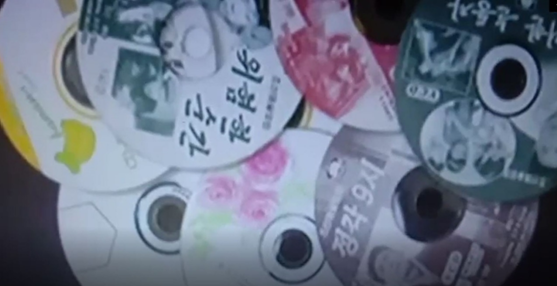
Korean Wave Makes its Way into North Korea, with CDs Masked with North Korean Film Titles Containing South Korean Dramas ⦁ Producing Disguised Content to Circumvent Crackdown ⦁ North Korean Woman Penalized for Singing Kim Jong-un's Composition in South Korean Style Recent findings reveal that North Korean citizens, seeking to evade government crackdowns on the Korean Wave phenomenon, have been creating and distributing covert content. These materials feature North Korean film titles on the surface but are filled with South Korean content, resulting in repercussions for those involved. Moreover, a North Korean woman faced consequences for singing a song believed to be composed by Kim Jong-un in the style of South Korean singing.These revelations come from recent internal North Korean footage obtained by the SAND Institute's newsletter team, revealing incidents discovered during the implementation of the "Reactionary Ideology and Culture Rejection Law" enacted by North Korean authorities in December 2020 as part of their anti-Korean Wave efforts. CDs bearing North Korean film titles but containing South Korean content, as depicted in an educational video produced by North Korean authorities. (Photo by SAND Institute) The footage displays CD copies labeled with titles of movies produced and aired by North Korean authorities, such as "Dangerous Moment," "Sharp Eyes," and "Nine O'Clock," which serve as propaganda against espionage created by North Korean authorities. A North Korean woman facing criticism from security authorities for singing the North Korean song "Moonlit Nights of My Hometown" in the style of South Korean singing. (Photo by SAND Institute) The commentator in the footage explained, "People engaged in smuggling, who affixed our country's movie titles on the covers and distributed them, were cracked down upon, and individuals like Hwang, who disseminated them, faced suitable legal penalties.” To avoid detection, North Korean residents disguised South Korean TV shows and foreign videos with North Korean movie titles on CD covers for distribution. Defectors familiar with spreading the South Korean content in North Korea noted that while the CD starts with a North Korean movie, the content switches to South Korean midway. Some even openly sold this disguised content in markets. Furthermore, the footage highlights a case of a woman punished for singing the song "Moonlit Nights of My Hometown" in a South Korean style. The commentator mentioned, "there was recently a social uproar regarding Shin, who sang the song "Moonlit Nights of My Hometown" in a style more typical of South Korea than our own country.” "On a crisp autumn night in my hometown, Gazing up at the sky, where the moon shines bright, By the clear waters of Sobaeksu's flow, Mother softly shares her tales with me." - Lyrics from the song "Moonlit Nights of My Hometown A North Korean woman was seen under investigation for singing the North Korean song "Moonlit Nights of My Hometown" in the style of South Korean singing. (Photo by SAND Institute) This song, believed to be personally composed by Kim Jong-un in memory of his biological mother, Ko Yong-hui, in 2009, was employed by North Korean authorities, along with another song called "Footsteps," to promote Kim Jong-un's succession early on. In the footage, the commentator mentioned, "Shin had previously been warned by security authorities for singing a song in a different style but didn't heed it. Instead, she continued to distribute it via mobile phones and CDs, leading to her arrest. As a result, she was thrust into an ideological struggle, facing sanctions.” It also condemned her, questioning, "As a mother of two, how can she face her children, husband, or in-laws now? With just one song, she has tarnished society, family, and her own destiny." The footage showed Shin bowing her head in front of people, receiving public criticism, and undergoing investigation by law enforcement. It also denounced them as "impure propaganda materials reflecting fraud, collusion, murder, corruption, human hatred, and obscene lifestyles," asserting that they promoted extreme individualism, servitude to money and mental incapacitation for the right ideology. Additionally, it attributed recent crimes to drugs and pornographic materials, stating, "Looking at the criminals caught so far, it is evident that the root cause began with drug use under the pretext of medical treatment, curiosity-driven indulgence in pornography, engagement in debauched and perverted sexual activities, eventually leading to anti-party, anti-state crimes." The North Korean authorities' assertion that drugs are the root cause of all crimes aligns with the increase in drug-related offenses within North Korea. The country has heightened crackdowns, including the implementation of separate laws prescribing the death penalty for drug manufacturing or trafficking three years ago. North Korean authorities are grappling with the spread of pornographic materials, considered the root of crime. According to defectors, pornography has infiltrated society, even reaching the North Korean military, where soldiers of the younger generations, along with their commanding officers and families, are reported to indulge in it. The footage warned that “if people keep seeing the corrupt materials brought in by the enemy as just entertainment, secretly spreading them, and engaging in deviant sexual activities, they will eventually align with the enemy's anti-revolutionary agenda. This would, in turn, jeopardize the safety of the revolutionary leadership, weaken our unity, and undermine the socialist system”. It concluded by asserting, "We must vigorously confront impure propaganda materials, fully comprehending their toxic and dangerous nature, and eradicate them from within our political and ideological sphere." .bbs-view-content {font-size: 14pt; text-align: justify;} .bbs-view-content .note {border: 1px solid #333333; padding: 15px; text-align: left; font-size: 12pt;} @media (max-width: 800px) {.bbs-view-content {text-align: left;}}
24.02.23 -
 [SAND Feature Article]
Is Kim Jong-un Really Planning a War? Directives for North Korea's Chief of the General Staff North Korea's Leader, Kim Jong-un, recently labeled South Korea as the 'primary enemy,' escalating aggressive rhetoric with mentions of 'territorial occupation' and 'pacification.' Openly disputing the Northern Limit Line (NLL) on the Korean Peninsula, North Korea has conducted test launches of advanced weaponry like hypersonic and long-range cruise missiles, increasing tensions. Internally, North Korea prioritizes its ‘20×10 regional development policy’, heavily mobilizing the Korean People's Army (KPA). Speculation about potential conflict on the Korean Peninsula is widespread, drawing attention to North Korea's probable provocative actions. Kim Jong-un overseeing the inspection firing test of the new naval surface-to-surface missile 'Padasuri-6' on the 14th, reiterating his determination to challenge the NLL as a fictitious demarcation line / Photo by Korean Central Television During his congratulatory visit to the Ministry of National Defense on the occasion of the Korean People's Army Foundation Day on the 8th, Kim Jong-un emphasized designating South Korea as the ‘hostile country' and the ‘primary enemy,' with plans to occupy and pacify their territory in similar situations. Previously, Kim Jong-un removed the Three-Point Charter for National Reunification –Independence, peaceful reunification and great national unity – from the constitution. He initiated the formation of organizations responsible for civilian exchanges between North and South Korea, while labeling South Korea as the 'number one hostile country' and a 'belligerent state at war.' Additionally, he instructed preparations for major territorial pacification, including the potential use of nuclear weapons. Furthermore, North Korea has raised the issue of the Northern Limit Line (NLL), a contentious point in the Korean Peninsula. Kim Jong-un, speaking at the Supreme People's Assembly on the 15th of last month, declared the NLL as illegal and unacceptable. He reiterated his resolve to address the NLL militarily while overseeing the inspection firing test of the new naval surface-to-surface missile 'Padasuri-6' on the 14th of this month. Kim emphasized the need to safeguard maritime sovereignty through action, not just words. At the 19th Enlarged Meeting of the Political Bureau of the 8th Central Committee of the WPK, held from January 23 to 24, Kim Jong-un provided directives to Ri Yong-gil, Chief of the General Staff, regarding the deployment of the KPA for local construction / Photo by Korean Central Television With North Korea's recent shift towards threats of a nature different from the armistice and continued missile test provocations, discussions of war on the Korean Peninsula have emerged both domestically and internationally. Consequently, there is growing interest in the actual possibility of North Korea's war provocations. To examine the possibility of North Korea's war provocations, it is important to first understand its domestic policies. A nation's foreign policy is inherently linked to its domestic politics and economy, especially in autocratic states like North Korea. Considering that changes in a country's foreign policy are influenced by the development of its domestic politics and economy, it is necessary to examine the political situation within North Korea. Recent North Korean domestic policy notably includes the public promotion of Kim Jong-un's daughter, Kim Ju-ae, as part of a push for fourth-generation succession. However, discontent among citizens regarding Kim Jong-un's intentions for succession is spreading. Amid economic hardships, there is a growing wealth gap favoring the regime and elites. Dissatisfaction has also been voiced regarding the inclusion of a 10-year-old daughter in the succession plans. According to the Ministry of Unification, North Korean authorities have recently enacted laws like the Reactionary Ideology and Culture Rejection Law and the Youth Education Guarantee Law to bolster ideological control and maintain internal cohesion. However, these efforts have not halted changes in the perceptions of young people, posing a threat to the security of the Kim Jong-un regime. Observations suggest that North Korea may have adopted a hardline foreign policy to address internal crises and deflect domestic discontent. While North Korea, armed with enhanced nuclear missile capabilities, may continue provocations, doubts persist about its readiness for full-scale confrontation. Similar to detecting Russian military movements before the Ukraine invasion, reconnaissance assets from the United States, South Korea, and Japan could spot signs of North Korean military preparations. Reports suggest no unusual signs detected by US and South Korean intelligence agencies, crucial for troop mobilization and stockpiling, indicating a low likelihood of imminent large-scale conflict. In preparation for a full-scale confrontation, stockpiling ammunition and shells is essential, yet North Korea's recent actions suggest otherwise. Reports indicate North Korea has exported over 5,000 containers, including more than 2.3 million rounds of 152mm artillery shells and new missiles like the KN-23, to Russia. Kim Jong-un's consecutive visits to major military factories to encourage weapon production raise questions. Critics argue that if North Korea were gearing up for a full-scale confrontation on the Korean Peninsula, it wouldn't be exporting large quantities of shells. A notable aspect of North Korea's domestic agenda is the prioritization of policies other than war preparation. This year's main focus is on implementing the ‘20×10 regional development policy’. Kim issued directives to mobilize Korean People's Army (KPA) units for local industry development at the 19th Enlarged Meeting of the Political Bureau of the 8th Central Committee of the WPK held from the 23rd to the 24th of last month. Kim Jong-un handed directives to Ri Yong-gil, Chief of the General Staff of the North Korean Army. According to Daily NK, the General Staff Department of the KPA has issued orders to deploy engineering units from the army, navy, and air force to construction sites for local factories. While external rhetoric heightens war tensions, internally, the country is dedicated to implementing the 20×10 regional development policy. This strategy aims to construct modern local industrial facilities in 20 cities and counties nationwide each year, with the goal of enhancing living standards within 10 years. It's perceived as a move to secure a stable succession position for Kim Ju-ae, who will be in her twenties in a decade, by modernizing approximately 200 North Korean localities. It seems that North Korea prioritizes the 20×10 regional development policy over inter-Korean exchanges and external openness, fostering local development within a closed system by antagonizing relations with South Korea. This approach aims to cultivate a 'pure' younger generation resistant to external influences, consolidating Kim Ju-ae's succession plan, while analysts suggest that Kim Jong-un's warlike atmosphere serves internal ideological control. However, even if North Korea avoids a full-scale war, the likelihood of localized provocations, such as shelling of Yeonpyeong Island, missile test launches (including Intercontinental Ballistic Missiles and Submarine-Launched Ballistic Missiles), and a 7th nuclear test, remains high. Concerns arise from Kim Jong-un's repeated mention this year of nullifying the NLL, which could lead to low to medium intensity provocations, like shelling near the NLL or unmanned aerial vehicle infiltration into South Korean territory. .bbs-view-content {font-size: 14pt; text-align: justify;} .bbs-view-content .note {border: 1px solid #333333; padding: 15px; text-align: left; font-size: 12pt;} @media (max-width: 800px) {.bbs-view-content {text-align: left;}}
24.02.23 -
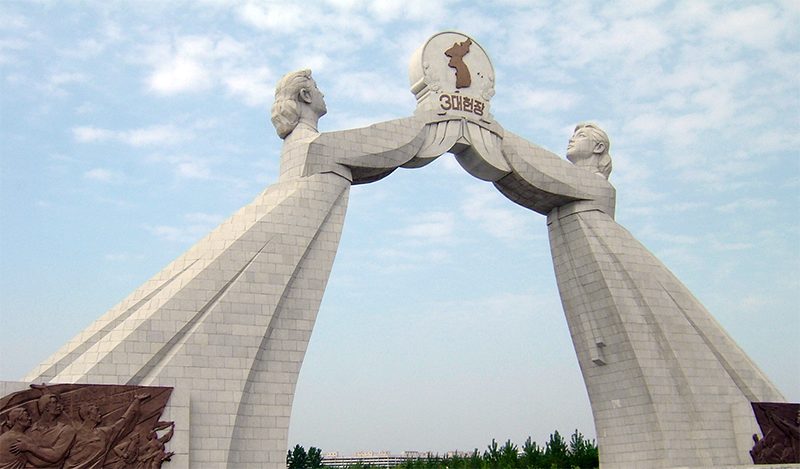 Delving into the Shifts in National Discourse and Identity on the Korean Peninsula
: A Tale of “Open” Nationalism and “Closed” Nationalism Jeon Gyeong-ju Former Employee of the North Korean Trade Office The division between South and North Korea has spanned over seven decades but the shared ethnic heritage of the Korean people is an undeniable link between the two nations. At the 9th Plenary Meeting of the 8th Central Committee of the WPK in late December 2023, Kim Jong-un stated, "Discussing unification with South Korea, which I would call a puppet of the United States, simply because of our shared ethnicity and peninsula, is inappropriate," and he further clarified, "The relationship between North and South Korea is not based on ethnicity but is a hostile one between two warring nations." This bold stance redefines North Korea's view of South Korea not merely as an estranged sibling but as an entirely distinct entity. The concept of shared ethnicity, which has undergone various interpretations over the years, now faces a stark denial from the North, challenging the long-held notion of a singular Korean identity. Historically, both Koreas promoted ethnocentric narratives, each emphasizing a unified ethnicity to garner absolute loyalty. South Korea, under its authoritarian regime, focused on nationalist ideologies and research to boost national security and ethnic unity. Since the 1990s, South Korea has shifted towards democratization and multiculturalism, integrating immigrants, foreign workers, and multicultural families into its national narrative with respect and harmony. This shift highlights diversity, human rights, peace, and fairness, marking a significant evolution in South Korea's approach to nationality, blending democracy, economic growth, and cultural inclusivity. Since its inception in 1948, North Korea has fostered a narrative of nationality focused on independence and nationalism, with the Workers' Party of Korea (WPK) at its core. This narrative, rooted in the WPK's ideologies and theories, has highlighted national unity and self-reliance, increasingly centering on the cult of Kim Il-sung. Over time, North Korea's national discourse has evolved to incorporate principles like “Kim Il-sung-Kim Jong-ilism” and the Juche idea, crafting a distinctive socialist framework. This framework underscores the nation's autonomy and sovereignty, reinforcing the supreme leadership's legitimacy within its ideological and social fabric. North Korea, which previously emphasized strategies for unification aiming at the withdrawal of the United States Forces Korea, highlighted the "Kim Jong-il patriotism" after Kim Jong-il's death in 2011. A new discourse, "Our State First," emerged in 2018. North Korea's strategy appears to be introducing a new theory to tackle internal challenges and lessen global criticism, aiming to strengthen unity and ease international scrutiny. The symbolism of North Korean nationality has evolved over time, shaped by various influences. Starting in 1948 with the adoption of its national name, flag, and capital, North Korea has added more symbols across the leaderships of Kim Il-sung, Kim Jong-il, and Kim Jong-un. In the late 1980s, North Korea intensified its focus on national symbols amid global isolation following Eastern European socialism's collapse. This period saw a surge in nationalism and patriotism to rally both South Koreans and expatriates, aiming to garner economic support. Under Kim Jong-un's leadership, North Korea significantly amplified its use of national symbols to bolster unity and patriotism. Notably, the pine tree was declared the national tree in 2015 for its symbolism of strength, the Pungsan dog as the national dog in 2014 for courage, and the Goshawk was selected as the national bird, replacing the magpie chosen in 2008. These symbols are part of a broader effort to strengthen national identity, patriotic sentiment, and support for the regime. Beyond these national symbols, the reverence for supreme leadership takes precedence in North Korea, marked by the creation of national commemorative days. For instance, Kim Jong-il inaugurated the "Day of the Sun" in honor of Kim Il-sung's birthday and adopted the "Juche" calendar starting from Kim Il-sung's birth year, 1912. Following his father, Kim Jong-un introduced the “Day of the Shining Star” to commemorate Kim Jong-il. This is evident in the titles as well, with North Korea using titles for their supreme leader such as 'Suryong', 'General', and 'Our Great Leader', enforcing loyalty and worship. Symbols of monumental art like the Mansu Hill Grand Monument, badges, the Juche Tower, the Arch of Triumph, as well as movies, photographs, portraits, stamps, architectural symbols, institutional symbols (such as Kim Il-sung University), and national flowers (Kim Il-sung flower, Kim Jong-il flower) also function as mediums to foster loyalty towards the Kim family. State pledges, monuments, military parades, festivals, and various official meetings strengthen the sense of nationality and deepen loyalty to the supreme leadership, embedding these feelings deeply within the populace. Such practices, regularly integrated into daily life, foster a natural acceptance among citizens. Devotion to the supreme leadership is further highlighted by visits to the Kumsusan Palace of the Sun. The 'Kim Il-sung Kim Jong-il Fund Committee,' established in 2012 to fund the Kumsusan Palace, effectively requires contributions from both domestic and international supporters. Failing to contribute result in being marked as disloyal, compelling individuals to participate. Recently, in line with Kim Jong-un's reclassification of North and South Korea as two distinct countries, North Korea's Korean Central Television updated its map graphics on January 17, 2024. The new graphics highlight only the North in red, moving away from the previous practice of marking the entire Korean Peninsula in blue to signify a shared ethnicity. This change underscores a shift in the symbolic representation of North Korea's national identity, reflecting changes in policy and perspective as dictated by the current leadership and circumstances. National discourse and symbolism embody a country's identity, promoting unity and pride internally while representing the nation externally. The narratives and symbols of Korean nationality, shaped by culture and tradition, have evolved significantly due to the division. South Korea embraces "open nationalism," reflecting its achievements in democracy and economic development. In contrast, North Korea's "closed nationalism" fosters loyalty to the Kim family, stemming from its economic struggles and authoritarian regime. With North-South relations at a low point, North Korea now views South Korea as an enemy, ramping up its citizens' hostility towards the South. This strategy aims to prevent North Koreans' growing admiration for the South, exacerbated by the Korean Wave, by limiting exposure and interaction. Despite these measures, it's unlikely that the deep-seated admiration for South Korea among North Koreans will diminish. .bbs-view-content {font-size: 14pt; text-align: justify;} .bbs-view-content .note {border: 1px solid #333333; padding: 15px; text-align: left; font-size: 12pt;} @media (max-width: 800px) {.bbs-view-content {text-align: left;}}
24.02.23 -
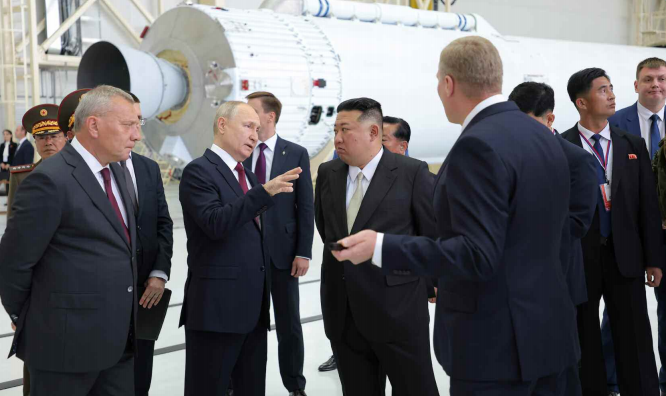 [SAND Feature Article]
A Glimpse into North Korea-Russia Arms Dealings through a UN Report - Potential for New Sanctions on North Korea and North Korea’s Strategic Intentions - Lee Seung-hyun Ph.D. in Public Administration, Research Associate at SAND Institute North Korean leader Kim Jong-un, during his visit to Russia on September 13, 2023, observing the Vostochny Cosmodrome alongside Russian President Vladimir Putin / Photo by Rodong Sinmun On January 22nd (local time), the Guardian Media Group disclosed that the British government had submitted a detailed account of arms trade between North Korea and Russia to the United Nations last year. This dossier, forwarded by the UK's Ministry of Defence to a UN expert panel, aimed to kickstart a formal inquiry into the dealings, featuring undisclosed satellite imagery of Russian vessels transporting cargo at North Korea's Rajin Port, as per the Guardian Media Group's report. The continuous revelations of arms supply from North Korea to Russia, although not entirely surprising—considering Kim Jong-un's visit to Russia reportedly involved discussions on conventional weapons and space technology—carry significant consequences. Particularly, the finding of debris, believed to be North Korean, in missiles launched by Russia during the Ukraine-Russia conflict this January, underscores the compelling evidence of the North Korea-Russia arms trade. However, the importance of the UK's submission to the UN goes beyond simple documentation. The UK's submission of the report, as a significant player both as a permanent member of the United Nations Security Council and a NATO member, carries considerable international weight. With the UK actively opposing Russia in the Ukraine conflict and Russia engaging in strategic yet cautious cooperation with China, another communist ally, this action places significant political pressure on Russia. The report's underlying intent is crucial. The UK's goal in presenting this document to the UN is to trigger an investigation into the arms trade dynamics between North Korea and Russia. While satellite snapshots alone don't conclusively prove the cargo's nature, coupled with evidence of North Korean missiles used by Russia in Ukraine, it sets the stage for a UN probe that could highlight Russia's contravention of UN mandates. This action is poised to amplify global criticism of the North Korea-Russia arms trade, particularly among other permanent UN Security Council members like the US and France, potentially placing Russia in violation of resolutions it once endorsed. Thus, the UK anticipates that highlighting military collaboration between North Korea and Russia could prompt new sanctions and global pressure, possibly accelerating the end of the Ukraine-Russia war and mitigating North Korea's threat internationally. This report could serve as a catalyst for heightened global scrutiny and a unified stance against both Russia and North Korea. What implications does this UN report hold for us? We can anticipate two main consequences: firstly, the increased isolation of North Korea. Despite the regime's endurance through challenges like the Arduous March, UN sanctions, the COVID-19 pandemic, and domestic difficulties, North Korea's economic woes continue to be a pressing issue, as reflected in the discussions of the 10th Session of the 14th Supreme People's Assembly of the DPRK on January 15th. North Korea understands that addressing its economic challenges is difficult when isolated from the international community due to sanctions and pandemic lockdown measures. As a result, North Korea is focusing on bolstering its alliances with Russia and China to secure economic support and engage in trade post-pandemic, including arms dealings with Russia. Consequently, the international community's scrutiny and reactions to the arms trade between North Korea and Russia, sparked by the UK's report to the UN, are likely to place significant constraints on the relationship between the two nations. Moreover, it places China under scrutiny, potentially facing restrictions for sanction violations and illicit dealings with North Korea. Consequently, North Korea risks facing accelerated international isolation and stricter UN sanctions. The report's second impact on the Korean Peninsula lies in highlighting North Korea's potential for provocation. Some argue that UN sanctions and isolation might inevitably push North Korea towards aggressive actions, a theory gaining traction due to its recent hardline stance against South Korea. Particularly from the perspective emphasized by the US, a detailed examination of the 8th Central Committee's 9th plenary meeting held at the end of last year and subsequent speeches by Kim Jong-un indicates that North Korea is cautious about engaging in a full-scale war or conflict. This analysis suggests that North Korea's military maneuvers require a pretext for justification, leaning on the significant military deterrence posed by the US-ROK alliance. Essentially, even North Korea, equipped with nuclear capabilities, recognizes that it cannot directly challenge the world's leading military power, the US, along with South Korea, ranked fifth, at the same time. As a result, North Korea is more likely to resort to provocations on a smaller scale, such as localized skirmishes or cyber warfare, which pose a challenge for the US-ROK alliance to address promptly. North Korea's extensive arms trade with Russia hints it's not preparing for full-scale war. Typically, a country gearing up for major conflict or aggressive provocations would accumulate, rather than export a large arsenal. North Korea's choice to supply Russia with weapons suggests a strategic stance that prioritizes international trade over immediate military escalation. So, what's North Korea's calculus? The nation is testing the effectiveness of its weapons in the Ukraine-Russia conflict and simultaneously escalating tensions on the Korean Peninsula with threats. By proving its weapons' capabilities in actual combat, North Korea aims to enhance their marketability for future exports, creating a vital source of income. This approach is about more than just flexing military muscle; it's a calculated move to assert regional influence and bolster arms sales as a means to mitigate its economic challenges. The ongoing conflicts in Ukraine-Russia and Israel-Hamas represent substantial threats to global economy and stability, with the potential to escalate into broader wars. The international community, therefore, is keen on mitigating these situations promptly for collective benefit. We too must counter North Korea's provocations and threats, seeking new alliances and leveraging South Korea to sustain its regime. Consequently, the UK's UN report could emerge as a pivotal tool in tightening the noose around the North Korean regime, marking a potential turning point in inter-Korean relations. Although it seems unlikely that North Korea is planning for war, the saying "A trapped rat will bite the cat" reminds us of the potential for desperate actions. Therefore, strengthening our security stance and coordinating with international responses to this UN report is crucial, ensuring we meet our obligations to the global community. .bbs-view-content {font-size: 14pt; text-align: justify;} .bbs-view-content .note {border: 1px solid #333333; padding: 15px; text-align: left; font-size: 12pt;} @media (max-width: 800px) {.bbs-view-content {text-align: left;}}
24.02.13
News Letter
We are leading the global communication via Newsletter.
We will deliver the latest information and proven facts on Korean Peninsula status including North Korea situation.