

-
 [Current Affairs Analysis]
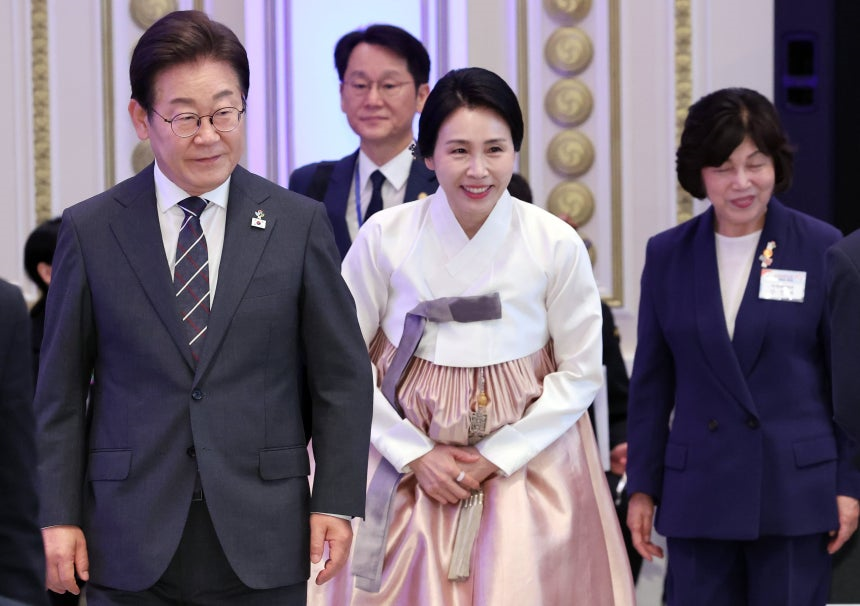
Lee Jae-myung’s Inauguration and the Future of Inter-Korean Relations Chae Su-lanSenior Research Fellow, Marine Security and Strategy Research Division,Global Strategy Research Department, Korea Maritime Institute (KMI)1. The Lee Jae‑myung Administration’s North Korea Policy: The Philosophy of a Peace EconomyThe Lee Jae‑myung administration, inaugurated in 2025, heralds a fresh chapter in inter‑Korean relations. During his campaign, President Lee emphasized the mantra “peace is economy,” framing ties with North Korea not merely as a security concern, but as an economic‑security issue. His vision seeks to harness practical economic gains and stability through sustained exchanges and cooperation, well beyond conventional defense strategies.Almost immediately after taking office, he stopped loudspeaker broadcasts toward North Korea, prompting a reciprocal pause in the North’s transmissions.He also directed preventive and punitive measures against leaflets launched by civilians, citing “public safety and border-area calm” as priorities. Viewed by analysts as utilitarian and tension‑reducing, these steps signal a drive to lower military friction and foster dialogue.The Lee administration has positioned “firm economic security” at the heart of its national agenda, redefining inter-Korean relations as a strategic pillar. It seeks to build “sustainable peace on the peninsula” through steps like reinstating the 9/19 Comprehensive Military Agreement, resuming family reunions, and reopening the liaison office.On security, it aims for balance, combining extended deterrence with self-reliant defense. By merging its predecessor’s progressive spirit with pragmatic economic goals, the administration is pursuing gradual trust-building and a positive interplay between economics and security.2. Key Appointments and Negotiation Strategy: Reviving the Sunshine Policy Line and Ensuring Policy ContinuityLee’s North Korea policy is more than rhetoric—it’s backed by strategic appointments designed for execution. Key figures in diplomacy, security, and unification are veterans of inter‑Korean dialogue and nuclear talks under Roh Moo‑hyun (2003–2008), reflecting a view of this policy as a long‑term process.Lee Jong-seok, newly appointed as Director of the National Intelligence Service (NIS), previously served as Unification Minister and Deputy Director of the National Security Council, where he helped lead the 2007 inter-Korean summit.He is expected to play a key role in behind-the-scenes talks with the North, signaling a shift in the NIS from enforcing hardline policies to facilitating diplomatic dialogue.Wi Sung-lac, appointed as Director of National Security, is a seasoned diplomat who led South Korea’s delegation in the Six-Party Talks and headed nuclear policy planning at the Foreign Ministry.With expertise in balancing dialogue and deterrence, he is expected to help rebuild multilateral negotiations with powers like the U.S. and China. His selection underscores the administration’s focus on international coordination over domestic political optics.Chung Dong-young, now Minister of Unification, led key inter-Korean talks in the early 2000s, advancing projects like the Kaesong Industrial Complex and Mount Kumgang tourism. Though a politician, he is known for practical policy leadership. His return is seen as a strategic move to restore structured cooperation based on prior experience.Kim Nam-jung, the newly appointed Vice Minister of Unification, is a career official with direct experience managing inter-Korean committees, including those for Kaesong and civil exchanges. He is expected to lead renewed engagement at local and civilian levels. His role reflects the administration’s emphasis on practical, field-driven policy.This lineup shows that the Lee Jae-myung administration values experience over ideology and action over symbolism. Rather than returning to the past, it aims to adapt mid-2000s inter-Korean cooperation to today’s realities through a pragmatic approach led by seasoned experts.These officials tend to avoid confrontational tactics, favoring conditional cooperation over unconditional engagement. Their focus is on creating viable conditions for dialogue. In doing so, the administration has built a skilled team capable of maintaining policy continuity while allowing for strategic flexibility—an asset in navigating future talks with the North.3. North Korea’s Response and Prospects: A Three‑Scenario OutlookPyongyang responded faster than anticipated: within ten hours of South Korea’s broadcast suspension, the North halted its loudspeaker messages too. The Joint Chiefs of Staff confirmed there were no North Korean emissions. By the evening of June 11, the broadcasts switched to soft music, and by the next morning, volumes dropped significantly—signs of a phased, reciprocal response.Scenario ①: OptimisticIn the best case, North Korea views these moves as trust‑building, reciprocating with measures such as restoring military hotlines and liaison channels, and reopening the joint liaison office. Humanitarian aid, family reunions, and civilian exchanges would set the stage for political dialogue.Pilot projects like a mini‑Kaesong Industrial Complex and joint disaster relief might follow, easing regional tension. A diplomatic boost—such as a summit similar to one between Kim Jong‑un and Donald Trump—would further accelerate this positive momentum.Scenario ②: Status QuoIn this case, North Korea shows limited trust in the South’s conciliatory moves but avoids making major strategic shifts. Its growing alignment with Russia has expanded its diplomatic options, potentially reducing the urgency or value it places on engaging with Seoul.Pyongyang continues to push a “two hostile states” narrative, treating South Korea as a separate, adversarial regime, while official communication channels remain closed. This could lead to a prolonged state of hostile coexistence—avoiding direct conflict but marked by persistent tension and mistrust.Still, minimal engagement may persist in non-political areas such as humanitarian aid, disaster response, and small-scale civilian exchanges. Topics like virtual family reunions or health cooperation may offer openings, though these are likely to be limited and short-term without deeper trust-building efforts.Scenario ③: PessimisticThere’s also the risk North Korea rejects dialogue, opting to escalate tensions. As military ties with Russia deepen, Pyongyang may feel emboldened to engage in West Sea provocations near the Northern Limit Line, deploy tactical nuclear weapons, or test medium‑ and long‑range missiles, destabilizing the peninsula and broader Northeast Asia.To navigate these scenarios, the Lee Jae-myung administration needs a more structured, multilayered strategy. While preserving trilateral cooperation with the U.S. and Japan, it must also engage China and Russia, whose roles are crucial given their deepening ties with North Korea.Without their involvement, progress on denuclearization and peace will be limited. To counter these geopolitical constraints, South Korea should also broaden its international support. Expanding cooperation with the Global South, including countries like India, Brazil, and South Africa can help build a wider consensus.Leveraging multilateral platforms such as the G20 to link North Korea issues with economic development could also offer new diplomatic pathways.Inter‑Korean improvement must be treated as a marathon, not a sprint. A phased approach is key: Phase 1—restore humanitarian cooperation and civilian exchanges; Phase 2—expand economic ties gradually; Phase 3—build political and military trust through institutionalization.The Lee Jae-myung administration must turn its “peace economy” vision into concrete action, creating a win-win framework that brings real benefits to both sides.While building on the legacy of past progressive governments, the Lee administration is also crafting a new approach suited to today’s realities. Key challenges persist, namely, North Korea’s “two-state hostility” stance and its growing ties with Russia.Rather than aiming for quick gains, the focus should be on gradually building trust. As it works toward denuclearization and a lasting peace regime, the administration must recognize practical limits and adopt a step-by-step strategy for a durable inter-Korean framework.
25.07.04 -
 [News&Issue]
North Korea’s Key Activities in May : Closer Ties with Russia and Domestic Consolidation through Military and Regime Legitimacy Lee Seung-hyunPh.D in Public Administration (Research Fellow at the SAND Institute)drharacearthur@gmail.comIn June 2025, North Korea pursued a dual strategy, responding to fast-moving political, military, and diplomatic shifts while emphasizing regime legitimacy and domestic achievements. Kim Jong-un maintained a strong military focus but also promoted regional development and public health. Meanwhile, diplomacy, especially with Russia, gathered pace.In early Jun, Kim inspected construction of a hospital and public service center in Kangdong County, highlighting them as signs of healthcare modernization. He addressed improvements in medicine supply and medical training. On June 9, at a hospital site in Kusong City, he emphasized vocational training, medical equipment assembly, and construction mechanization—key elements of the “20x10 Regional Development Policy.” On June 12, the Kang Kon destroyer was relaunched following a May accident, with Kim reaffirming his naval modernization goals and stressing “reflexive, overwhelming responses.” The next day, at a munitions plant, he called for expanded artillery output and greater automation—moves likely aimed at showcasing military gains ahead of the WPK’s 80th anniversary and its 9th Congress.North Korea's diplomacy in June focused on Russia. Kim sent Putin a National Day message on June 12, calling their bond a “blood-forged camaraderie.” On June 17, he met again with Russian Security Council Secretary Shoigu to discuss reconstruction in Kursk and memorial projects—symbolic actions tied to the DPRK–Russia treaty's first anniversary.At the 12th Plenary Meeting of the WPK’s 8th Central Committee, which began on June 21, Kim announced the 9th Party Congress, prioritizing economic strategy and industrial modernization. His omission of strategic weapons suggests a short-term focus on economic and internal stability.North Korea advanced several livelihood projects. On June 9, it promoted a new melamine resin line at the Hungnam Fertilizer Complex as a self-reliance milestone. On June 16, an activated lime facility opened at the Hwanghae Steel Complex to enhance steel quality and energy efficiency. The regime also spotlighted a nationwide dairy supply system and emphasized disaster preparedness ahead of the rainy season, highlighting improved response networks and scientific forecasting.On June 24, Kim appeared with Ri Sol-ju and Kim Ju-ae at the opening of the Wonsan-Kalma Coastal Tourist Area—an effort to project both domestic success and a softer global image. Kim Ju-ae’s presence may hint at succession planning. Renovations at Kalma Station and the restart of Pyongyang–Moscow rail service symbolized a blend of tourism and economic cooperation with Russia.In June, North Korea employed a multi-pronged strategy: reinforcing regime control, showcasing military strength, improving livelihoods, and easing diplomatic isolation. The deepening Russia alliance, tighter internal management, and possible succession signals are key developments. The 9th Party Congress is likely to be a crucial turning point for the regime’s direction.
25.07.04 -
 [Kim Myongsung’s Inside North Korea]
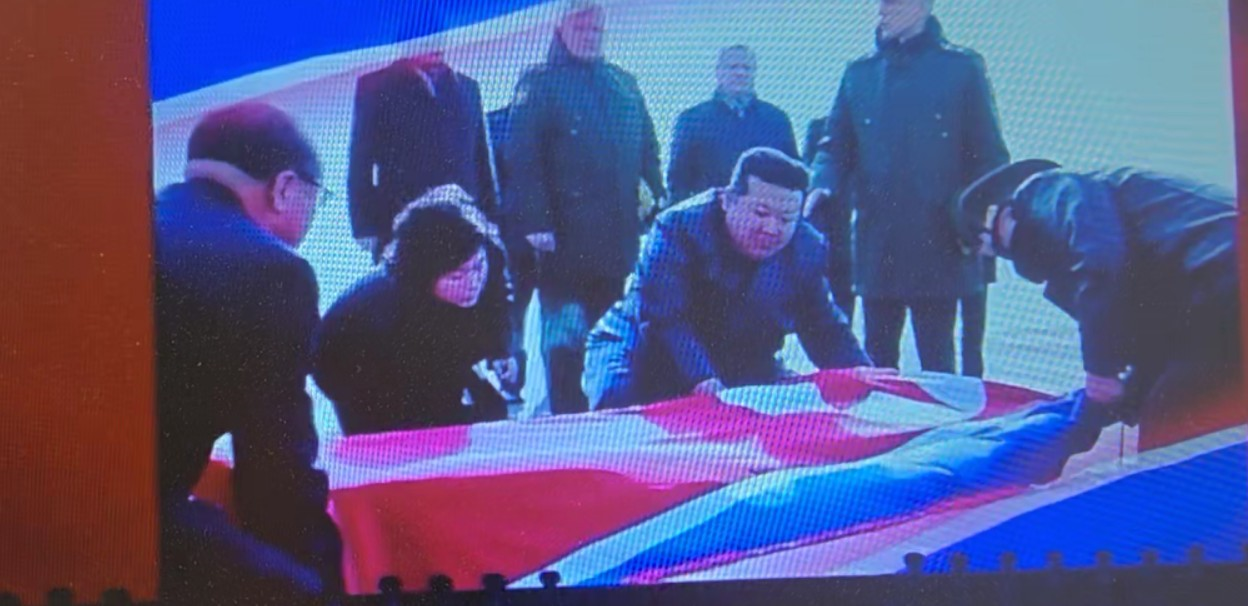
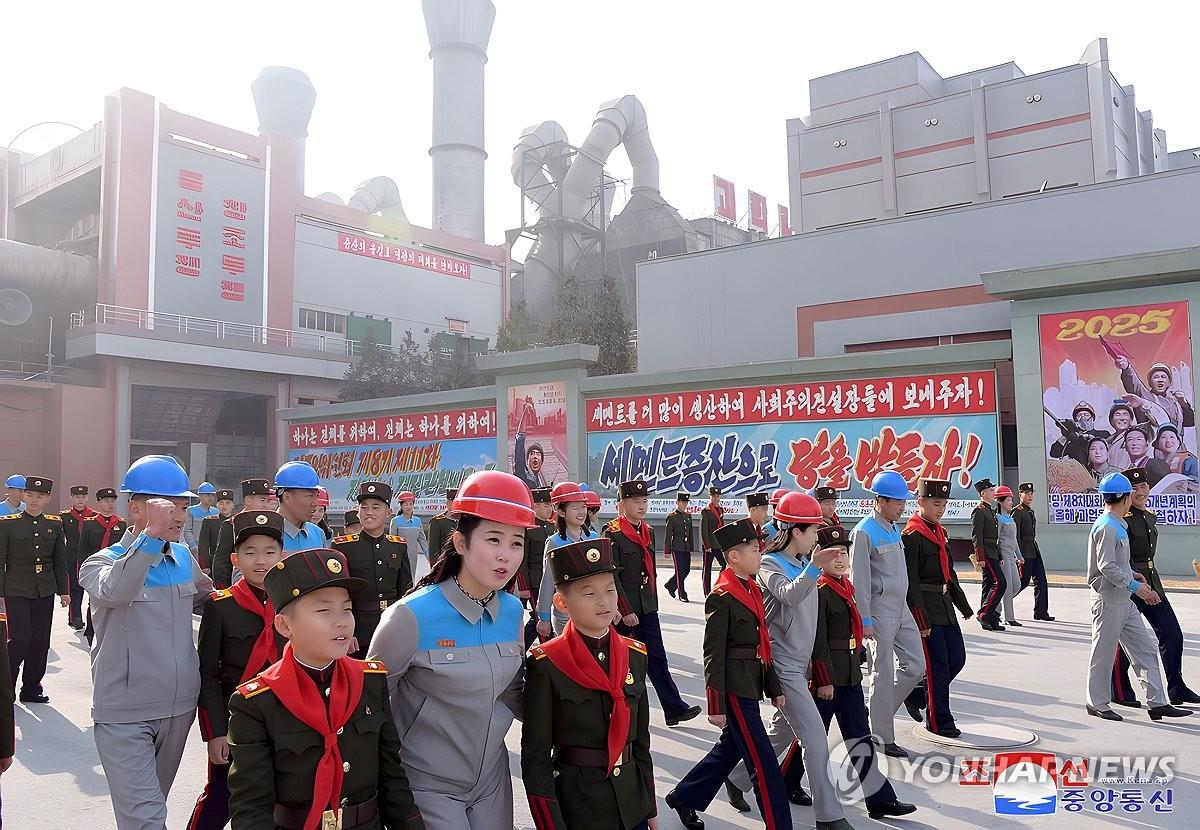
Kim Myongsung’s Inside North Korea· Mangyongdae Revolutionary School Ascends Alongside Kim Ju-ae’s Rise: Toward an Institutionalized Hereditary Elite?· Superstition and Power in the DPRK: Fortune-Telling Among Party Cadres· A Mourning Omitted: North Korea Airs Soldier Repatriation—but Omits It from PrintKim Myong-sungSecretary General of the SAND InstituteMangyongdae Revolutionary School Ascends Alongside Kim Ju-ae’s Rise: Toward an Institutionalized Hereditary Elite?As North Korea intensifies the public elevation of Kim Ju-ae, the daughter of Chairman Kim Jong-un, it is simultaneously placing renewed emphasis on the Mangyongdae Revolutionary School—long regarded as the DPRK’s elite military-political academy. On June 30, the state-run Rodong Sinmun reported that students from the school had conducted an economic propaganda campaign at the Phase IV housing construction site in Pyongyang’s Hwasong District—an unusually prominent appearance for the school’s youth cadets.The regime’s increased visibility of Mangyongdae Revolutionary School is widely interpreted by analysts as part of a broader effort to institutionalize a fourth-generation hereditary succession.Students from the academy have engaged in at least four public activities this year alone. In January, they toured key industrial sites such as the Sangwon Cement Complex and the Pyongyang Thermal Power Plant, encouraging higher output through propaganda efforts.In March, they participated in on-site mobilization for the “20×10 Local Development” campaign. Most recently, in September 2024, they delivered morale performances and frontline messaging in Jagang Province following flood damage.Such activity—reaching beyond the bounds of standard educational programming—suggests a deliberate effort to present the students not merely as pupils, but as symbolic “vanguards of hereditary succession.”Observers note that this campaign coincides with the increasingly public positioning of Kim Ju-ae. In a key 2022 address marking the 75th anniversary of the Mangyongdae and Kang Ban Sok Revolutionary Schools, Kim Jong-un urged students to become “the core training base that guarantees the eternal prosperity of the Juche cause.” This language reinforces the school’s role not only as a tool of elite socialization, but as a foundational institution undergirding the Kim family’s dynastic legitimacy.State media routinely emphasize the historic centrality of the academy to the Kim family. Kim Il-sung is said to have visited the school 116 times, Kim Jong-il over 90 times, and Kim Jong-un himself on multiple occasions for “on-site guidance.”If Kim Ju-ae represents the symbolic continuity of the “Paektu bloodline,” then the Mangyongdae school appears designed to provide the ideological and institutional framework to support and normalize that succession.Founded in 1947 as the Pyongyang Revolutionary School for Martyrs’ Families, the academy initially served the children of anti-Japanese fighters and war dead. It later evolved into a training ground for the offspring of senior military, party, and government officials. Students wear military uniforms, receive intensive indoctrination, and typically enter elite pathways within the security or party apparatus.Superstition and Power in the DPRK: Fortune-Telling Among Party CadresDespite the state’s repeated condemnation of superstition as an “anti-socialist” behavior, practices such as fortune-telling continue to permeate North Korean society—including among high-ranking party officials.An internal 2022 lecture document from the Ministry of Social Security recounts the case of a local party cadre who, during a personnel reshuffle, consulted a fortune-teller to determine which subordinates had “auspicious” or “backstabbing” fates. Based on the reading, the official retained one staff member while orchestrating the reassignment of another.Sources with knowledge of internal conditions describe fortune-tellers in the DPRK as quasi-consultants who are often retained to resolve issues ranging from marriage and employment to family health crises. Fees vary significantly, with officials and wealthy patrons (the so-called donju) often paying several times the standard rate.One defector, Kim (pseudonym), recalled consulting a shaman in his search for a missing son. “The fortune-teller told me he was alive and had crossed a river far away,” he said. “I carried a talisman and fled the country. We reunited in China.”Although North Korean criminal code prohibits superstition—including palm reading, physiognomy, and exorcism rituals—enforcement is inconsistent. Article 305 of the revised 2021 Administrative Litigation Law prescribes up to three months of labor re-education for violators, or longer in serious cases. Notably, enforcement applies to both providers and clients of such services.Nevertheless, insiders report that even security officials—tasked with implementing these laws—quietly consult shamans themselves. Analysts interpret this as symptomatic of broader systemic insecurity. “People turn to fortune-tellers because they have no other way to gain information or agency over their lives,” one defector remarked. “When the state cannot provide certainty, superstition fills the void.”According to researchers, the persistence of such practices—even among elite cadres—reflects both pervasive distrust in the regime and a lack of viable institutional alternatives to address psychological and material insecurity.A Mourning Omitted: North Korea Airs Soldier Repatriation—but Omits It from PrintOn June 30, North Korean state television broadcast rare footage of Kim Jong-un overseeing the repatriation of the remains of DPRK soldiers reportedly killed while serving in Russia. Kim was shown solemnly placing his hands on a flag-draped coffin and observing a moment of silence—an apparent gesture toward honoring the “shared sacrifice” of the North Korea–Russia military partnership.But the Rodong Sinmun and Korean Central News Agency (KCNA) omitted the footage and made no mention of the ceremony in their coverage. While some images of troops holding the DPRK flag were published, Kim's direct participation in the mourning ritual was not included—prompting speculation that Pyongyang is seeking to downplay the scale of casualties.North Korea had earlier announced the deployment of approximately 15,000 troops to Russia, claiming they were assisting in “international military cooperation.” However, sources indicate that nearly 6,000 of these troops have been killed or wounded in combat with Ukrainian forces—raising concerns among the North Korean public.In recent weeks, no official media outlets have directly acknowledged these losses. Instead, Kim’s schedule has highlighted cultural events and inspections unrelated to the Russian front.A short segment aired during a joint North Korea–Russia artistic performance showed Kim participating in the coffin ceremony alongside Foreign Minister Choe Son-hui and other senior officials. However, the footage was brief and may be subject to future edits.Analysts suggest that Kim’s moment of silence was a dual-purpose gesture—intended to reinforce internal cohesion while carefully managing public perception of military losses. “Tears have propaganda value,” one North Korea expert noted, “but if they are perceived as mourning a meaningless sacrifice, they could undermine the very legitimacy they are meant to bolster.”Kim’s silence, in this case, may say more about what the regime is unwilling to admit than about what it seeks to show.
25.07.04 -
 [Analysis and suggestion]
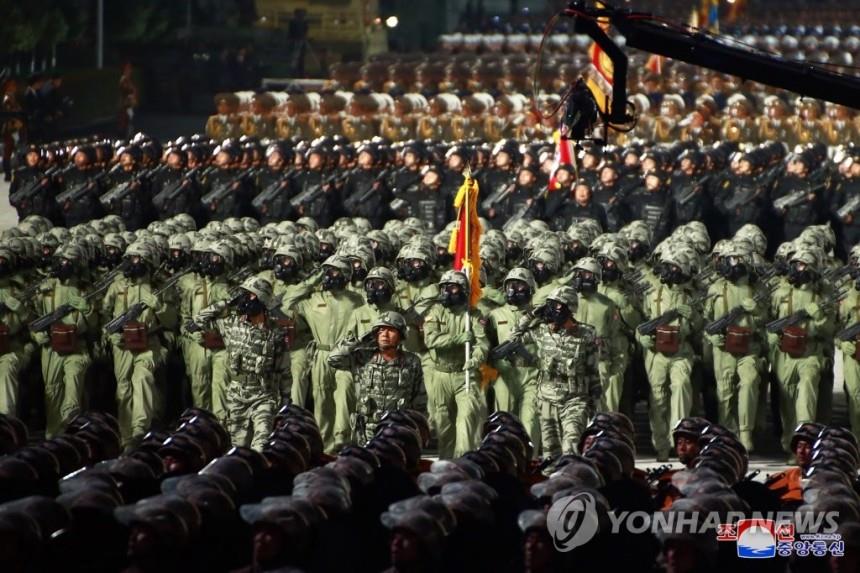
North Korea-Russia Military Ties and the Modernization of Pyongyang’s Defense Industry: North Korea’s Key Activities in May Lee Seung-hyunPh.D in Public Administration(Research Fellow at the SAND Institute)In May, North Korea demonstrated a clear focus on both enhancing its military capabilities and modernizing its defense industry, while also signaling a shift in its diplomatic approach—anchored by closer ties with Russia. Throughout the month, Kim Jong-un’s public activities reflected a strategic pivot, with a strong emphasis on military affairs. Though he made eight public appearances, the same number as in April, the content was distinctly centered on defense-related matters.Kim Jong-un began the month by visiting a key tank factory on May 4, where he declared a “Second Armored Forces Revolution.” He unveiled plans to adopt new armored vehicles with improved mobility and electronic warfare functions. On May 7, he toured a munitions facility to assess artillery production and ordered the simultaneous pursuit of technological upgrades and expanded output—aligning with North Korea’s current focus on preparing for high-tech warfare. Then on May 9, Kim directed a joint strike drill on the eastern front, involving 600mm rocket launchers and the Hwasong-11A tactical missile. This exercise operated under a national nuclear command structure called the “nuclear trigger,” signaling an effort to demonstrate command system readiness. The focus was on validating control stability and rehearsing nuclear retaliation protocols, which was followed by a combined arms drill on May 13 and air force training on May 15—highlighting a sustained push to upgrade military readiness..On May 21, a serious accident took place during the launch of a new destroyer at Chongjin Shipyard, attended by Kim Jong-un. The vessel's stern was damaged, causing it to capsize. Kim denounced the incident as a “political crime” and ordered strict accountability, demanding full restoration by the June Central Committee meeting. His strong response highlighted the regime’s sensitivity to internal failures and exposed ongoing structural and technological weaknesses in North Korea’s defense industry.Diplomatically, the standout moment of the month was Kim Jong-un’s unprecedented visit to the Russian Embassy in Pyongyang on May 9, to mark Russia’s Victory Day. This was his first visit to a foreign diplomatic mission since taking office. In his address, Kim described the North Korea-Russia relationship as a “blood alliance” and “irreversible strategic pact.” He voiced support for Russia’s actions in the Ukraine war and suggested that North Korea might respond militarily if Russia were attacked—strongly implying that bilateral ties had advanced beyond symbolic diplomacy into concrete military cooperation.Domestically, North Korea continued efforts to bolster internal unity and control, highlighted by the “May 21 Architectural Festival” on May 13 and housing updates in the Komdok and Hwasong regions. From May 7 to 8, Pyongyang also hosted the third North Korea-Belarus Economic Cooperation Committee meeting, signaling a push to expand practical ties with Eurasian countries.In summary, North Korea appeared to follow a dual-track strategy in May—intensifying its military build-up while recalibrating its diplomatic direction. Domestically, it focused on reinforcing regime cohesion through enhancements in nuclear command systems and military readiness. On the international front, it sought to strengthen an anti-Western bloc through closer alignment with Russia. Kim’s visit to the Russian Embassy and the public display of tactical nuclear drills suggest a calculated effort to use military strength as leverage in future negotiations. Overall, North Korea seems committed to both internal stability and increased diplomatic clout, advancing a hardline, strength-based strategy.
25.06.20 -
 [News&Issue]
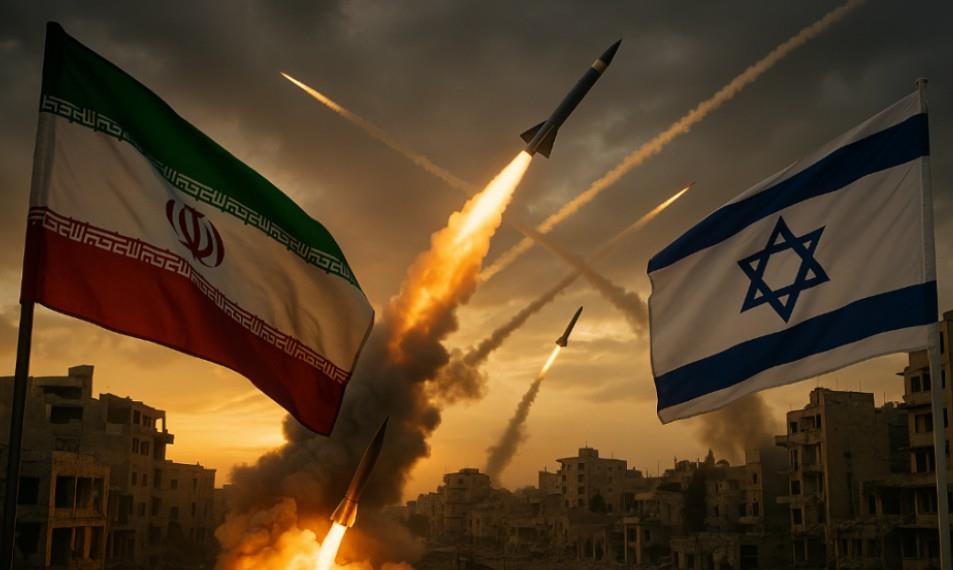
Pyongyang Soft-Pedals Israeli Attack on Iran, Possibly to Avoid Stirring Domestic Anxiety Kim Dong-su,Former North Korean DiplomatOn June 13 (local time), Israel launched a surprise strike on Iran’s nuclear and military facilities, reportedly killing much of its top military leadership. Nearly a week later, North Korea issued a brief and muted report, prompting speculation over its delayed response.In its June 18 edition, Rodong Sinmun, the North’s official newspaper, mentioned “Israel’s military attack and Iran’s retaliation” but avoided reporting the deaths of senior Iranian commanders and key nuclear scientists. Instead, it emphasized civilian casualties and Iran’s response.Interestingly, on June 12—just before the strike—North Korea had highlighted Iran’s warning to retaliate against Israeli nuclear sites. But once the conflict erupted, it remained silent for more than three days.Even as Israel bombed Iran’s strategic sites with drones and jets, and missile exchanges followed, Rodong Sinmun continued to focus solely on civilian suffering in Gaza—widely seen as a deliberate attempt to sidestep the broader conflict.The paper claimed over 240 deaths and 1,270 injuries in the June 13 strike,with more than 90% being civilians, and detailed Iran’s retaliation with guided weapons.The article provided detailed accounts of Iran’s retaliatory strikes using precision-guided weapons but made no mention of the deaths of Iran’s Chief of Staff, his deputy, or key nuclear figures.North Korea and Iran have long been aligned within the anti-Western bloc, especially in nuclear and missile development. Both nations have consistently viewed the U.S. and Israel as common foes, maintaining close military and diplomatic ties. Since the 1980s Iran-Iraq War, North Korea has reportedly supplied arms to Iran and is widely suspected of sharing missile and nuclear technology.Still, North Korea’s minimal coverage of Iran’s losses suggests Pyongyang may have been rattled by the extent of the damage. The destruction of nuclear facilities and the loss of key military and scientific personnel likely raised concerns about the vulnerability of North Korea’s own nuclear infrastructure.A source familiar with North Korean affairs noted that the incident could spark fear among citizens that their own nuclear sites and leaders are just as vulnerable. “Since nuclear weapons are key to regime security,” the source said, “Pyongyang likely withheld details to avoid internal unrest.”Despite Iran’s setback, North Korea continues to maintain close ties. Though it recently exchanged economic delegations with Iran, it appears to be following China and Russia’s lead in keeping official statements minimal and media coverage restricted.
25.06.20 -
 [Kim Myongsung’s Inside North Korea]
Kim Myongsung’s Inside North Korea· North Korea Sees First-Ever Major Data Breach, Exposing 4.7 Million Mobile Users· Iran’s Saturation Assault Overwhelms Iron Dome — A Strategy North Korea Has Long Embraced· Officials Linked to Destroyer Incident Vanish from North Korean Coverage — First Instance Since Jang Song-thaek PurgeKim Myong-sungSecretary General of the SAND InstituteNorth Korea Sees First-Ever Major Data Breach, Exposing 4.7 Million Mobile UsersA vast cache of private data from roughly 4.7 million North Korean mobile users has been leaked and is reportedly being sold on black markets. The information includes full names, phone numbers, birth dates, ID numbers, and home addresses. In some cases, the leak may even include facial images.This breach is anticipated to hit North Korea hard—a country known for hacking foreign systems to steal classified data and financial resources. Now, it faces a cyberattack-like blow from within.A source with insight into North Korean affairs disclosed that complete subscriber databases from Kangsong Net and Koryolink—North Korea’s two major telecoms—have been leaked. These files are reportedly selling for tens of millions of won (roughly $14,000 – $36,000), as mobile subscriptions in North Korea involve real-name and biometric data registration.The breach is believed to have been orchestrated by a senior insider with access to internal telecom systems, rather than an external hacker. North Korean authorities were reportedly unaware until after the leak occurred, and have since launched full-scale audits and emergency measures.North Korea has experienced serious internal data leaks before, including the exposure of a registry of 2.5 million Pyongyang residents and classified files from the military’s 3rd Corps. All cases involved insiders, underscoring weaknesses in the regime’s information control.Whereas earlier breaches focused on military or regional data, this incident is unprecedented—impacting private citizens across the entire nation and amplifying the potential fallout.For years, North Korea’s telecom network has functioned as a core tool of government surveillance and control. Yet repeated leaks of its real-name user data are revealing serious cracks in that system.Signing up for mobile service in North Korea requires submission of full personal details—name, ID number, occupation, address, and photo. This information allows security agencies to monitor calls, messages, and user locations in real time.Observers suggest this isn’t a failure of technology, but a breach stemming from deliberate internal theft—highlighting a human vulnerability in North Korea’s surveillance state.One cybersecurity expert pointed out, “With 4.7 million affected users, this leak likely encompasses the vast majority of North Korea’s mobile phone users. If such data ends up with foreign or anti-regime groups, it would effectively expose the inner workings of North Korean society to the outside world.”Iran’s Saturation Assault Overwhelms Iron Dome — A Strategy North Korea Has Long EmbracedIran’s recent multi-pronged missile and drone attack on Israel has once again showcased the power of saturation warfare. Analysts warn that similar tactics could soon be used on the Korean Peninsula, as North Korea has long been developing this approach with its growing and diversified missile arsenal targeting the South.Reports indicate that Iran’s three-day retaliation exposed major flaws in Israel’s air defense. While the Iron Dome could intercept rockets, it faltered against the mix of medium-range ballistic missiles and drones fired en masse. At least 24 lives were lost and nearly 592 were injured in the attack.Military insiders in South Korea see Iran’s attack as a real-world preview of the threat posed by North Korea’s evolving saturation tactics. Since 2022, Pyongyang has deployed hundreds of maneuverable short-range ballistic missiles like the KN-23, KN-24, and KN-25, alongside massive 600mm rocket launchers. One official said, “North Korea is operating large numbers of launchers capable of firing various missile types from land or sea.”North Korea has tested this tactic in real-world drills. In January 2022 alone, it launched missiles on seven separate occasions—the highest monthly tally under Kim Jong-un—changing altitude, range, and launch sites to probe the limits of South Korea’s interception systems.At the January 2021 8th Party Congress, North Korea unveiled a five-year defense blueprint that includes hypersonic missiles, solid-fuel ICBMs, and submarine-launched variants. Since then, it has conducted multiple hypersonic tests, launched KN-23s from trains, and boosted its cruise missile range to 1,800 km—putting both U.S. bases in South Korea and Japan within potential strike range.On May 8, North Korea fired several short-range ballistic missiles into the East Sea over the span of an hour. Authorities believe the launch used a variety of platforms, including KN-23s and massive rocket artillery. Ranges varied from 200 to 800 kilometers. A defense official remarked, “It’s evident North Korea aimed to avoid early detection and throw off our air defense systems.”Although South Korea asserts that its Korea Air and Missile Defense (KAMD) system can withstand such threats, Iran’s recent attack has raised doubts. If North Korea were to launch a similar large-scale strike, concerns are growing that the defense system could become overwhelmed. Some experts believe North Korea will likely fine-tune this tactic using lessons drawn from Iran’s operation.Officials Linked to Destroyer Incident Vanish from North Korean Coverage — First Instance Since Jang Song-thaek PurgeAfter the recent grounding of North Korea’s new destroyer, the Kang Kon, key officials held responsible have abruptly vanished from state media coverage. It’s the first such disappearance since the 2013 execution of Jang Song-thaek. Analysts believe the penalties may be far harsher than what has been publicly disclosed, possibly including prison terms or even executions.On June 14, NK News reported that Korean Central Television (KCTV) had edited out scenes from a recent re-launch broadcast of the Kang Kon destroyer. Missing from the updated footage were Navy Commander Kim Myong-sik and Chongjin Shipyard Director Hong Kil-ho, both of whom had accompanied Kim Jong-un during a March inspection.Kim Myong-sik and Hong Kil-ho are believed to have borne primary responsibility for the destroyer’s failed launch. Hong was reportedly the first to be questioned after the incident. Though the regime has not confirmed any punishment, the replacement of Kim by Pak Kwang-sop as navy commander at the re-launch strongly suggests disciplinary action. Neither man appeared at the ceremony.The deliberate omission of both men from broadcast footage is widely seen as a sign of severe internal punishment—possibly a purge. NK News noted that this is the first such media erasure since the Jang Song-thaek execution, suggesting the individuals may have been permanently stripped of their positions, imprisoned, or even executed.Interestingly, Kim Myong-sik was seen as recently as May 30, wearing a general’s insignia at a Central Military Commission meeting. However, speculation is growing that he may have been disciplined at or shortly after that event.Although the regime has officially confirmed only five arrests related to the destroyer mishap, many believe the scope of punishment extends further. Notably absent from the latest ceremony was Pak Jong-chon, Director of Military Affairs, who had been front and center at the Choe Hyon destroyer launch in April.Earlier announcements from North Korea included the arrests of four additional figures: Chief Engineer Kang Jong-chol, Hull Assembly Supervisor Han Kyong-hak, and Administrator Kim Yong-hak, along with Hong Kil-ho. However, details on their punishment remain undisclosed.With the regime now systematically removing those linked to the destroyer failure from public view, growing concerns point to a resurgence of Kim Jong-un’s signature fear-driven politics and intensifying purges.
25.06.20 -
 [News&Issue]
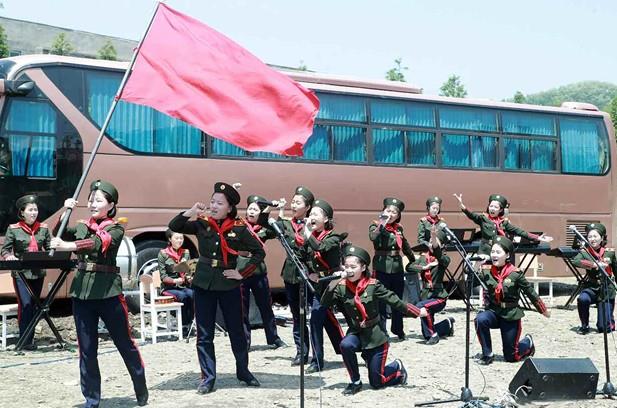
North Korea–Russia Military Ties and Kim Jong-un’s Mention of South Korea- Strategic Messaging and the Risk of Provocation - Lee Seung-hyunPh.D in Public Administration (Research Fellow at the SAND Institute)In recent months, deepening North Korea–Russia ties have brought their military cooperation into sharper and more public focus. Notably, Kim Jong-un spoke of sending troops to support Russia, linking the move to instability on the Korean Peninsula. Given its political and military implications, the statement warrants close examination of the strategic context and potential consequences.Kim Jong-un’s mention of “South Korea” appears to be a calculated move to strengthen solidarity with Russia by framing a common adversary. As Russia contends with Western-backed forces in Ukraine, North Korea finds itself increasingly isolated under growing pressure from the U.S., South Korea, and Japan. By framing Korean Peninsula instability as a reason for military support to Russia, Kim is signaling more than internal propaganda—he is positioning North Korea as a committed and dependable ally to Moscow in a broader strategic alignment.Put simply, Kim Jong-un’s direct reference to South Korea alongside talk of deploying troops underscores a shift in strategy that cannot be dismissed as symbolic posturing. It reflects North Korea’s attempt to recalibrate its role within a newly forming bloc reminiscent of Cold War divisions, with military cooperation between Pyongyang and Moscow becoming a critical axis of that effort.Kim’s reference to South Korea reflects layered motives, chiefly to counter the strengthening security ties among South Korea, the U.S., and Japan. As these alliances bolster their deterrence posture, Pyongyang aims to highlight its partnership with Moscow. Framing South Korea as a hostile threat allows North Korea to justify its alliance with Russia as a defensive move, lending it political and diplomatic legitimacy.North Korea’s follow-up actions have reinforced the seriousness of its rhetoric. The country has reportedly been delivering artillery and missile supplies to Russia, receiving advanced military technologies in return. This exchange seems to be accelerating North Korea’s development of high-end systems such as satellite launch platforms and hypersonic missiles.North Korea has reportedly resumed solid-fuel ICBM testing and is preparing another reconnaissance satellite launch. These moves showcase both the results of its cooperation with Russia and a broader display of military strength. In effect, ongoing arms transfers to Russia appear to be reciprocated with advanced technologies—such as satellite systems, solid-fuel propulsion, and hypersonic missile tech—now evident in North Korea’s latest weapons and test launches.A pressing concern is that these developments may soon manifest as real-world provocations. Kim’s statement could provide the rationale for future weapons tests or targeted military actions. Whether it’s launching another reconnaissance satellite, testing more solid-fuel ICBMs, or instigating skirmishes near the DMZ or maritime boundaries, each of these scenarios fits into a broader strategy to enhance and legitimize North Korea’s strategic arsenal.North Korea’s agenda is becoming increasingly transparent. By invoking external threats, it aims to legitimize its aggressive military path, deepen its alliance with Russia, and leverage its standoff with the South Korea–U.S.–Japan partnership. Whether through immediate provocations or more sustained military demonstrations, rising tensions on the Peninsula appear inevitable. As joint drills and international sanctions continue, North Korea’s provocations are expected to grow in both scale and frequency. The table below outlines the potential forms and likelihood of such actions.In summary, Kim Jong-un’s mention of South Korea in connection with sending troops to Russia is a calculated move driven by strategic, political, and psychological motives. It signals both a response to the South Korea–U.S.–Japan alliance and an effort to deepen military ties with Russia. As this alignment strengthens, North Korea is likely to accelerate its weapons development and provoke more frequently, heightening regional tensions. In response, South Korea must strengthen its defense and cyber posture, and enhance deterrence coordination with allies to ensure credible extended deterrence.
25.06.06 -
 [Kim Myongsung’s Inside North Korea]
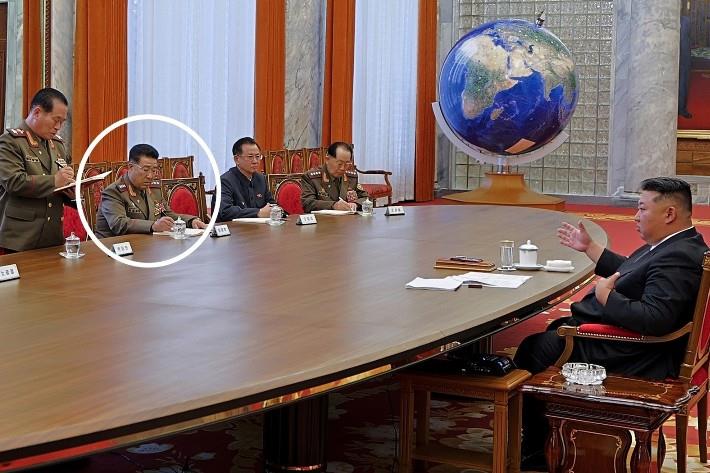
Kim Myongsung’s Inside North Korea· Furious Kim Jong-un Demotes Military Brass — Director of Political Bureau Among Those Penalized· North Korea Sees Sharp Rise in Prices and Exchange Rates — Declining Confidence in the Won Blamed· North Korea Rolls Out ‘Self-Assessment System’ for Party Cadres — Officials Say It Feels Like Standing TrialKim Myong-sungSecretary General of the SAND InstituteFurious Kim Jong-un Demotes Military Brass — Director of Political Bureau Among Those PenalizedNorth Korea has reportedly placed blame for the recent destroyer launch failure on its military, prompting disciplinary reshuffles. Key changes include the demotion of the Director of the General Political Bureau and the replacement of the heads of the Artillery and Defense Security Bureaus.After witnessing the destroyer accident at Chongjin Shipyard, Kim Jong-un condemned it as a disgrace to national pride. Following the arrest of a deputy from the Munitions Industry Department, he’s now targeting senior military leaders to reinforce discipline.On May 30, KCNA reported that Kim led the 8th Enlarged Meeting of the WPK’s 8th Central Military Commission on May 28. Held in Pyongyang at the Central Committee’s headquarters, it was the first such meeting in nearly 22 months.At the meeting, six corps commanders were newly appointed, along with new leaders for the Artillery Bureau and Defense Security Bureau. Several political commissars were also reassigned, though specific names were not disclosed.Jong Kyong-thaek, who oversees the military’s ideological control, was demoted from General to Colonel General. Though he wore a General’s insignia on May 28, photos from the next day’s artillery event showed him in the lower rank.Jo Kyong-chol, head of the Defense Security Bureau since 2009—North Korea’s counterpart to South Korea’s counterintelligence command—was replaced after 16 years. Observers see this as part of Kim’s continued crackdown following the shipyard failure.North Korea Sees Sharp Rise in Prices and Exchange Rates — Declining Confidence in the Won BlamedPrices in North Korea are rising sharply once again, with grain costs and exchange rates hitting record highs. The falling value of the won and soaring prices are reinforcing each other, creating a worsening economic cycle.According to internal sources, as of May 28, a kilogram of rice was trading for 14,000 to 15,000 won in North Korean markets. That’s a 66% jump from 9,000 won on May 10—marking the largest rice price increase ever recorded in Pyongyang.Corn prices have also surged. On May 25, one Pyongyang market recorded corn at 4,000 won per kilogram, an 11.1% rise compared to prices just two weeks earlier, on May 10.The sharpest corn price hike was in Hyesan, Ryanggang Province. There, as of May 25, a kilogram of corn was selling for 4,200 won—up 13.5% from previous levels.In February, pork in Sinuiju City sold for 30,000 to 31,000 won per kilo. Now it’s around 35,000 won. Sources say demand spiked with the conscription season, as pork is given to new military recruits. The surge in demand outpaced supply, driving up prices.While multiple factors have driven up agricultural prices, the biggest cause appears to be declining and unstable crop yields. Harsh weather, poor infrastructure, shortages of seeds and know-how, import restrictions due to sanctions, and inefficiencies in collective farming have all played a part.During peak farming seasons, authorities mobilize all available rural labor, which disrupts the logistics and flow of produce—another factor contributing to the price surge.Rapid increases in exchange rates are also pushing prices up. In North Korea today, foreign currency is preferred over the won for paying production costs and trading farm goods.North Korea’s foreign exchange rate is now at an all-time high. As of May 28, the won-dollar rate was 29,000. Earlier this year, it peaked at 22,200, dipped slightly, and seemed stable around the low 20,000s—until it suddenly surged by nearly 50% in May.The yuan exchange rate also climbed steeply, though less than the dollar. As of May 28, the won-yuan rate reached 4,000—up 33% from 3,010 on May 10.Contributing factors include higher demand for foreign currency after trade resumed post-COVID, along with greater fiscal spending on large projects like the “20x10 Regional Development Policy”—which expanded the money supply.Policy instability and tighter state control over foreign currency also play a role. Authorities have banned private foreign exchange dealings and are cracking down on such transactions.International sanctions remain a key factor. As sanctions make it harder for North Korea to obtain foreign currency, the supply in domestic markets dries up, further fueling the exchange rate surge.North Korea Rolls Out ‘Self-Assessment System’ for Party Cadres — Officials Say It Feels Like Standing TrialNorth Korea has, for the first time, introduced a "self-evaluation system" targeting senior officials within the Central Committee of the Workers’ Party of Korea.A senior source in Pyongyang said the system was developed by the WPK’s Organization and Guidance Department and Central Auditing Commission after Kim Jong-un ordered new measures to "boost official competency" on May 6.The pilot program reportedly began on May 19, targeting department heads and their deputies within the Central Committee for initial implementation.This new format replaces traditional yearly goal-setting and summary reports. Now, officials must submit monthly Q&A-style performance reviews, showing with data how their self-set goals align with Party Plenary policies. They’re required to explain not just achievements but also the policy impact and measurable outcomes.The source explained that each month’s evaluation consists of 10 to 20 rotating questions. Sample questions include the following:What goal did you set this month, and how does it align with Party Plenary directives?What specific initiatives did the department lead to fulfill those directives, and what results were achieved?What proof and documentation link these numbers to real policy outcomes, and what follow-up plans exist?The system reflects Kim Jong-un’s philosophy of "demonstrating loyalty through competence." Reports will be jointly reviewed by the Organization and Guidance Department and the Central Auditing Commission, with results leading to retraining or personnel changes.Those rated poorly will be sent to cadre training institutions for retraining. High performers may be promoted or reassigned based on the “talent-based placement” policy.Still, backlash within the Central Committee is brewing. One official complained, “Are we running the Party like a school homework check? Every word and number now feels like it’s being judged.”Another cadre said, “Policies keep changing overnight—things we never saw under Kim Il-sung or Kim Jong-il. It’s exhausting.” He added, “It’s nerve-wracking knowing you could be humiliated or removed, no matter your rank or seniority.”Some officials suspect Kim Yo-jong, the WPK’s Deputy Director, played a role in introducing the system. Phrases like “Wasn’t this Kim Yo-jong’s idea again?” are reportedly circulating openly.The rollout is being seen as a move to institutionalize cadre inspections ahead of next year’s 9th Party Congress—a signal that a major shake-up in the Party leadership may be on the horizon.
25.06.06 -
 [Feature Article]
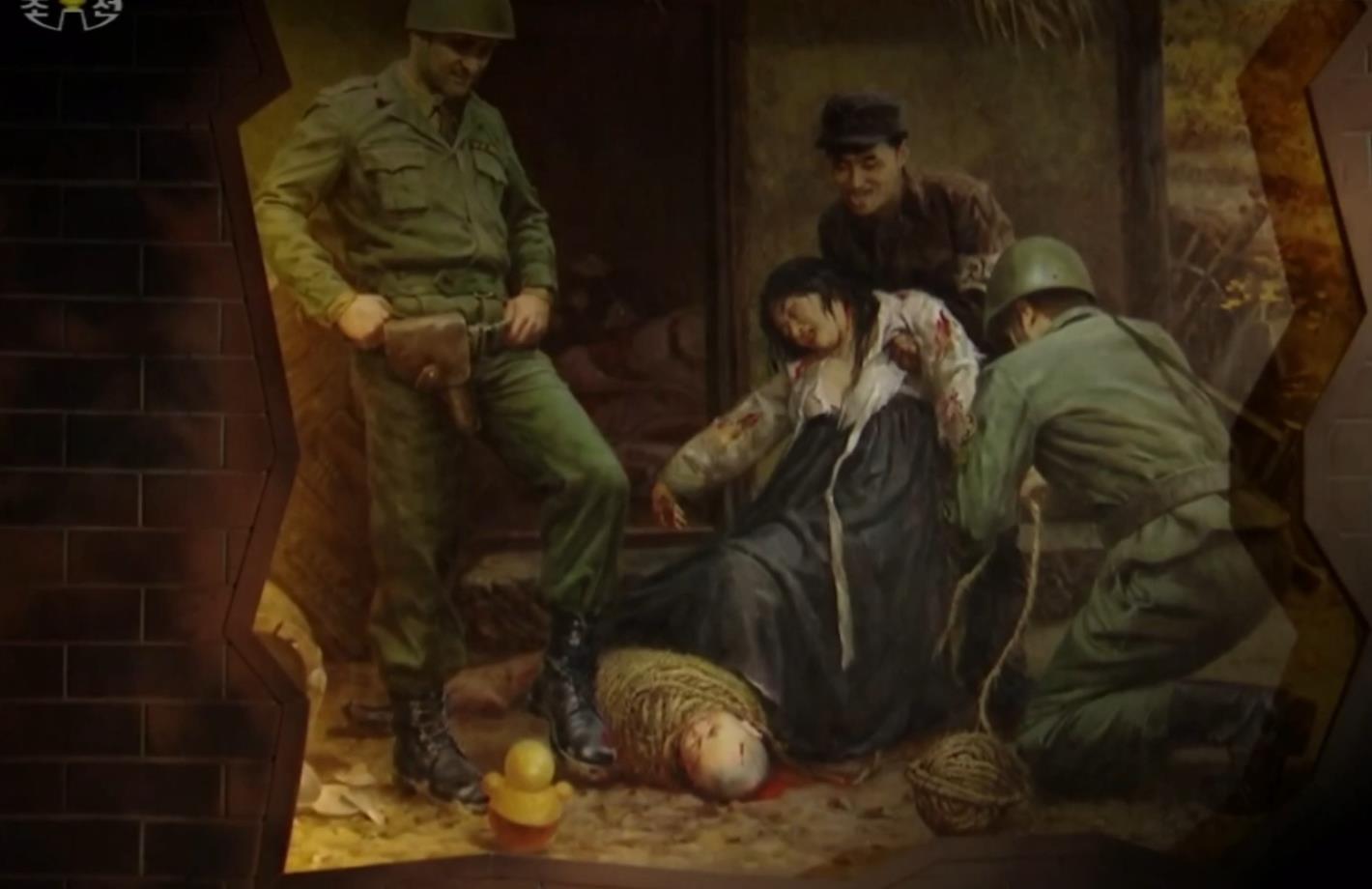
North Korea Labels U.S., Japan, South Korea as Main Enemies— Highlights North-China-Russia vs. U.S.-South Korea-Japan Divide Kim Dong-su,Former North Korean DiplomatNorth Korea has recently ramped up its rhetoric, once again declaring the U.S., Japan, and South Korea as irreconcilable enemies. Even domestic figures accused of disloyalty—those who act one way but think another—are being branded as enemies of the revolution. This approach signals outward openness to diplomacy while reinforcing strict ideological discipline at home, reflecting a clear two-track strategy.In a May 7 article, Minju Joson, North Korea’s newspaper, asserted that “the American imperialists, Japanese reactionaries, and South Korea are our people's main enemies.” It warned that losing clarity about who the enemy is could lead to collapse, cautioning that aligning with hostile forces makes defending socialism impossible.According to Korean Central Television (KCTV), "North Korea, as part of its anti-American propaganda to incite hostility toward the United States, claims that U.S. forces massacred tens of thousands of civilians in Sinchon County, South Hwanghae Province, in November 1950 during the Korean War."This renewed enemy rhetoric comes as North Korea highlights its alliance with China and Russia. Branded as “anti-imperialist solidarity,” it effectively draws a new Cold War line between the North-China-Russia bloc and the South Korea-U.S.-Japan alliance.By pushing this conflict narrative, Pyongyang aims to spotlight external threats and alleged subversion plots, boosting internal tension and reinforcing national unity.Rodong Sinmun echoed this line, citing nations that “lowered the socialist flag without firing a single shot” as cautionary tales, declaring that without a firm understanding of the enemy, both the nation and its people will cease to exist.North Korea’s persistent enemy narrative is also tied to the President Donald Trump’s ongoing calls to resume U.S.-North Korea talks. Even during previous summits, Pyongyang maintained its hardline stance that “the U.S. is the main enemy,” despite outward shows of diplomatic flexibility.Once again, Pyongyang is reopening diplomatic doors while carefully guarding against internal ideological slackening—a textbook example of its recurring dual-track strategy.Kim Jong-un has repeatedly declared that “every citizen and soldier must be a frontline sentinel with a clear sense of the enemy.” This extends beyond hostility toward the U.S. or South Korea—it also signals a warning against internal ideological dissent.Even during inter-Korean or U.S.-North Korea dialogue periods, Pyongyang has remained vigilant about internal ideological drift. On this day, Minju Joson reiterated that anyone harboring resentment toward the regime or feigning loyalty while betraying it behind the scenes are enemies of the revolution.North Korea’s ideological campaign is now squarely targeting its youth. State outlets like Rodong Sinmun have stressed that “while blood is inherited, ideology is not,” calling for urgent reinforcement of class-based indoctrination for young people.This reflects the regime’s concern over growing ideological detachment among young people. Born during the 1990s “Arduous March,” the so-called jangmadang generation has relied on informal markets for survival and often values practicality over Juche ideology or anti-imperialist dogma.Among this generation, a materialistic mindset—summed up by the belief that “money is power”—is gaining ground, alongside a quiet curiosity about South Korean media.The 2020 “Reactionary Ideology and Culture Rejection Law” directly targets these trends. It bans South Korean dramas, music, and even language, with harsh penalties up to execution—highlighting the severity of the threat perceived by Kim Jong-un’s regime.Even when North Korea signals willingness to engage with the outside world, it maintains tight domestic control. This reflects a strategy to remain nimble in negotiations while suppressing any unrest among citizens or elites.Amid sanctions, Kim Jong-un is working to counter their effects by bolstering ties with China and Russia, while tightening ideological control at home ahead of potential U.S. talks.As global dynamics shift, Pyongyang is doubling down on ideology to reinforce regime legitimacy while leveraging diplomatic channels as a potential way to ease sanctions.Kim Jong-un’s strategy of sharpening the knife behind messages of peace will continue to pose one of the toughest diplomatic challenges for the international community.
25.05.16 -
 [Current Affairs Analysis]
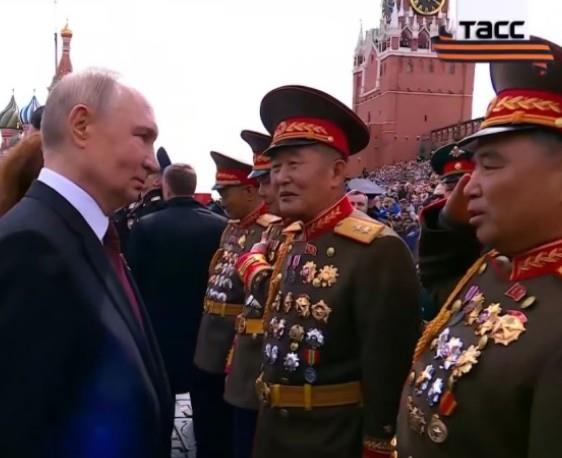
Kim Jong-un Skips Russia’s Victory Day—Will He Meet Putin for North Korea-Russia Pact Anniversary? Kwon Tae-oh,Retired Lieutenant General, Republic of Korea ArmyMay 9 is Victory Day in Russia, marking its World War II triumph. Unlike Europe’s May 8 observance, Russia celebrates a day later as the German surrender was signed after midnight Moscow time. Russians honor veterans with flowers, visit the Tomb of the Unknown Soldier, and join the “Immortal Regiment” march with photos of relatives who served. The day’s highlight is a grand military parade in Red Square.Red Square lies at the heart of Moscow, flanked by historic landmarks like the Kremlin, Saint Basil’s Cathedral, GUM department store, and the State Historical Museum. Walk past the museum opposite Saint Basil’s and turn left, and you’ll encounter the “Eternal Flame” outside the Kremlin walls—a solemn tribute to those who perished in World War II, guarded around the clock by ceremonial troops. Together with the thousands of teardrop-shaped glass beads in the Victory Museum, symbolizing the sorrow of soldiers’ mothers, the scene powerfully reflects Russian patriotism.Major international events organized by states often serve as strategic tools to elevate national prestige and attract worldwide attention. This is why countries pursue hosting the Olympics or World Expos—to showcase national strength and gain diplomatic capital. Similarly, military parades or weapons exhibitions can highlight a country's strategic assets. Russia uses Victory Day not just as a celebration, but as a reminder of its role as a victorious Allied power and a vow to prevent the recurrence of wars that claimed over 20 million lives.This year marked a milestone anniversary—years ending in “5” or “0” tend to be commemorated with larger events. The 2024 ceremony drew leaders from 27 nations, including Chinese President Xi Jinping, and featured military contingents from 13 countries. Although South Korea received an invitation, it ultimately declined to attend after weighing various factors.There was speculation that Kim Jong-un might attend, potentially creating a symbolic moment featuring the leaders of China, Russia, and North Korea together. However, this scenario did not materialize. Instead, North Korea sent a high-level military delegation, including Colonel Generals Kim Yong-bok and Ri Chang-ho, Major General Shin Geum-chul, and Ambassador to Russia Shin Hong-chol—all closely involved in North Korea’s military cooperation with Russia.Instead, Kim Jong-un visited the Russian Embassy in Pyongyang with his daughter Kim Ju-ae and gave a congratulatory speech, emphasizing the “unbreakable alliance” between the two countries. This was a gesture of goodwill in place of an actual visit. His absence from the ceremony, contrary to earlier predictions, appears to stem from several key reasons.First, concerns about Kim’s safety were likely a major factor. Given his reluctance to fly, he would have needed to travel by train, a round trip of more than ten days. Ensuring his security over such a long journey—particularly to a country engaged in an active war—would have been extremely difficult.Second, Kim may be saving his appearance for a more strategic moment—June 19, the first anniversary of the North Korea-Russia “Comprehensive Strategic Partnership.” For Pyongyang, it’s a prime chance to boost its global profile and highlight support for Moscow. A visit now could lessen the impact. A Kremlin aide’s comment about an “upcoming interesting meeting” supports this view.Third, North Korea’s internal situation seems increasingly unstable. On April 27, Rodong Sinmun officially revealed the troop deployment to Russia, likely causing unrest among the population. Soon after, the long-anticipated return of the Pyongyang Spring International Trade Fair was suddenly canceled—reportedly to prevent outside information from entering the country. Then, on May 8, North Korea fired multiple missiles into the East Sea for over an hour. These developments suggest mounting domestic anxiety following the troop dispatch disclosure.Going forward, Russia and North Korea are poised to further strengthen and diversify their relationship. Sanctions aimed at curbing Pyongyang’s nuclear and missile programs have largely lost impact, given active support from Russia and China. Meanwhile, the U.S.’s continued engagement has only elevated North Korea’s global posture. The trade wars initiated under the Trump administration have also fostered tighter anti-American alliances. Judging by the scale and rhetoric of countries attending Russia’s Victory Day, a global anti-U.S. coalition appears to be forming. Closer ties between Moscow and Beijing are clearly to Pyongyang’s benefit, while South Korea finds itself increasingly vulnerable—both economically and in terms of national security.Although upcoming elections in South Korea—held amid the country’s worst political vacuum since the Korean War—may bring unexpected breakthroughs or policy shifts, the severe national security and economic crises currently unfolding show no clear signs of short-term resolution.
25.05.16 -
 [News&Issue]
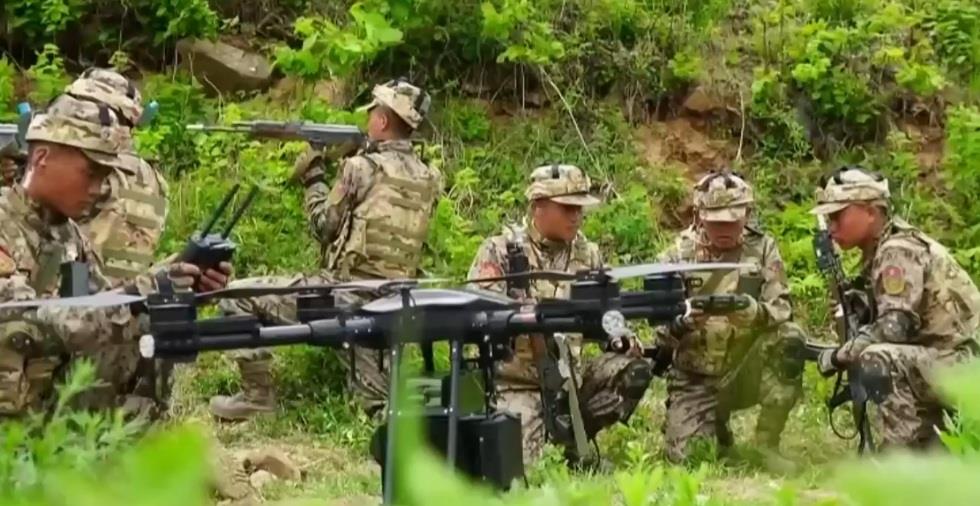
North Korea’s Key Activities in April–May- Stability and International Leverage via the Russia–Ukraine War - Lee Seung-hyunPh.D in Public Administration (Research Fellow at the SAND Institute)From April to May 2025, North Korea took notable steps to bolster its military and reshape foreign policy, signaling a shift in both regional and global security dynamics. During this time, Pyongyang deepened military ties with Russia, highlighted its self-reliant defense capabilities, and reinforced domestic unity.On May 9, Kim Jong-un, joined by his daughter Kim Ju-ae, visited the Russian Embassy in Pyongyang to mark the 80th anniversary of World War II’s Victory Day. He reaffirmed North Korea’s alliance with Russia and stressed continued strategic cooperation. On April 6, North Korea revived the Pyongyang International Marathon after a six-year pause due to the pandemic—likely an effort to boost internal morale and promote a stable national image abroad. Just two days later, on April 8, North Korean troops briefly crossed into the southern side of the eastern DMZ before retreating after warning shots from South Korean forces—an incident that heightened cross-border tensions.The provocation suggests Pyongyang may be prepared to raise the stakes in future encounters to legitimize potential military actions.Further highlighting its military ambitions, North Korea launched the 5,000-ton Choe Hyon-class destroyer on April 25. Equipped with a Vertical Launching System and Phased Array Radar, the warship supports Kim Jong-un’s goal of enhancing long-range naval power. It appears to be part of a broader strategy to assert dominance in regional maritime competition."The Korean Central News Agency (KCNA) reported on the 14th that North Korean troops were engagedin drone training exercises."Toward the end of April, test launches from the vessel included cruise missiles, surface-to-air missiles, and a 127mm naval gun—concrete steps toward improving the country's maritime strike power.In another notable move, North Korea officially confirmed the deployment of about 15,000 troops to Russia’s Kursk region in late April. Kim Jong-un framed the action as “defending a brother nation” and praised the soldiers as national heroes. This marks a clear shift from North Korea’s traditional isolationism toward active involvement in global conflicts.Reports also indicate that Russia has been providing North Korea with satellite, drone, and missile technologies—evidence of deepening strategic ties that are helping advance Pyongyang’s military capabilities.Further reinforcing its military alliance with Russia, North Korea has been ramping up its arms production. In early May, Kim Jong-un inspected the Cheonma-2 tank manufacturing facility, highlighting the regime’s push for modernized armored forces.The Cheonma-2 reportedly blends technology from the U.S. M1A2 Abrams and Russia’s T-14 Armata, featuring advanced defensive systems such as explosive reactive armor and active protection. These innovations represent a major upgrade for North Korea’s tank corps.Kim also visited ammunition factories, praised the doubling of artillery shell production, and called for further increases—moves likely tied to ongoing arms support for Russia and aimed at strengthening North Korea’s defense industry.On May 8, Pyongyang test-launched a short-range ballistic missile from Wonsan into the East Sea, potentially to demonstrate the capabilities of weapons intended for export and to send a pointed message to the international community.Taken together, North Korea’s actions in April and May 2025 reveal a regime pursuing military buildup, diplomatic assertiveness, and internal solidarity in tandem, aiming to solidify its grip on power and expand its global influence.A localized provocation at the eastern DMZ in mid-April escalated tensions with the South, suggesting an effort to normalize military confrontation on the peninsula. This was soon followed by the disclosure of troop deployment to Russia, justified under the banner of fraternal defense, which signals Pyongyang’s readiness to engage in broader geopolitical conflicts.Meanwhile, the unveiling of the Choe Hyon-class destroyer, cruise missile tests, and other demonstrations reflect tangible progress in enhancing North Korea’s naval and precision strike capabilities.In early May, Kim Jong-un reaffirmed his commitment to modernizing ground forces during a visit to the Cheonma-2 tank plant. Simultaneously, expanded munitions production appears aimed at both enhancing wartime readiness and positioning North Korea as a potential arms exporter.The short-range ballistic missile test on May 8 was likely intended to publicly validate the effectiveness of its weapons. The next day, Kim’s visit with his daughter to the Russian Embassy for Victory Day celebrations offered a symbolic gesture of the strengthening strategic alliance with Moscow.Taken together, these actions suggest North Korea is pursuing three parallel goals: advancing military technology, strengthening ties with Russia, and ramping up domestic propaganda. This signals a clear break from past isolationism and the emergence of a more active, multi-pronged survival strategy.
25.05.16 -
 [Kim Myongsung’s Inside North Korea]
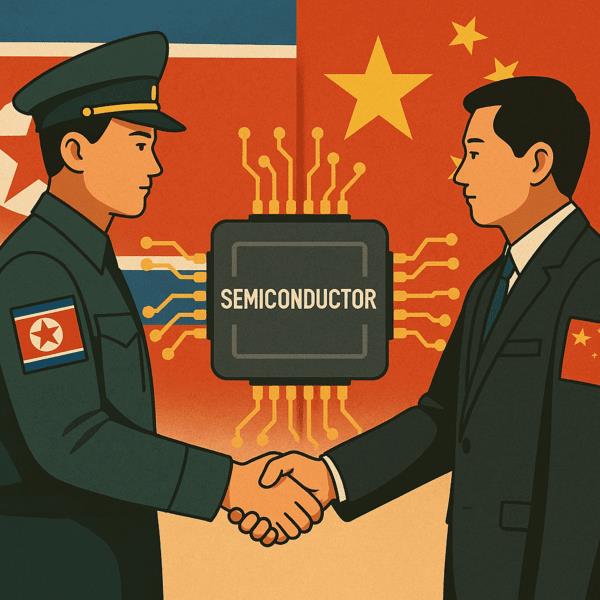
Kim Myongsung’s Inside North Korea· North Korea and China Begin Joint Semiconductor and Battery Projects, Quietly Building an ‘Anti-U.S. Tech Alliance’· North Korean Police Families Outraged Over Shrinking Supplies· “Durian Princess” Kim Ju-ae — Obsessed with Durian Above AllKim Myong-sungSecretary General of the SAND InstituteNorth Korea and China Begin Joint Semiconductor and Battery Projects, Quietly Building an ‘Anti-U.S. Tech Alliance’North Korea and China are reportedly set to launch joint projects in strategic sectors like semiconductors and secondary batteries, following multiple senior-level talks in May via the Chinese Embassy in Pyongyang. The plan includes dispatching young engineers and paving the way for a new phase of “strategic technology cooperation”.A senior Pyongyang official said on May 12 that North Korea has drawn up plans to boost economic and tech cooperation with China since May. These are already underway through confidential exchanges with select Chinese tech institutes, shifting from symbolic diplomacy to practical projects like youth training in batteries and semiconductors.The source said North Korea is planning to send bright young scientists and university students to study in China under the banner of developing modern cities and advancing technological capabilities. This effort is part of a long-term strategy to strengthen its national science and technology talent pool.China is reportedly responding favorably, having offered practical support—including free assistance—and agreeing to temporarily provide semiconductor and battery-related lab equipment to Pyongyang. Joint planning sessions between Chinese researchers and North Korean engineers are already underway, with full-scale collaborative experiments expected to begin by mid-June.North Korea is branding this initiative as a "second golden bridge of friendship" with China—an evolution from one-way assistance to mutual collaboration in strategic industries. A North Korean delegation, officially described as a "technical cooperation envoy," will visit Beijing in mid-May. This group will operate as specialized short-term teams focused on targeted areas of expertise.The collaboration is structured into three technical sectors: battery materials, semiconductor fabrication, and automated control systems. Chinese universities and enterprises will jointly conduct training, research, and equipment sharing. Some anticipate that this could lead to future design support or technology transfer for production lines within North Korea’s state-run factories.Underlying this joint effort is a shared strategic response to rising tensions with the United States. The source explained that both nations believe tighter unity is necessary in light of U.S. pressure on China. They regard this tech partnership as more than industrial—it is a symbolic move asserting their resilience and technological sovereignty amid the ongoing U.S.-China rivalry.North Korean Police Families Outraged Over Shrinking SuppliesIn North Korea, police families are supposed to receive a year’s worth of rations in a single delivery. However, authorities often provide less than promised, citing excuses. Frustrated families complain, “They said 100kg, but we didn’t even get 80kg.” Instead of making up for the shortfall, officials use it as a pretext to reduce the rations further.According to sources on May 12, North Korea’s Ministry of Social Security—its equivalent of a national police force—distributes food rations to police families once a year, between November and December. Local precincts handle the process, transporting rice and corn from assigned farming areas directly to each household.In reality, the rice and corn provided are often raw and high in moisture content. Authorities usethe presence of excess water as a justification to reduce the total weight of the distributed grain.The issue lies in the fact that this method contradicts basic agricultural standards. As grains dry, they naturally lose weight, meaning more—not less—should be allocated when moisture is present. Nonetheless, North Korean authorities insist that the reduction is fair, claiming it accounts for "drying shrinkage.“One source recounted that a police officer’s family in Pyongyang was listed to receive 100kg on official documents, but received only 90kg at the distribution site. Of that, another 10kg was deducted citing drying loss, leaving them with barely over 80kg. This has left many families fuming, with some openly calling the rationing system a scam.Security officials under the Ministry of Social Security or the Ministry of State Security are reportedly allocated 200kg of food per person annually, depending on family size. However, in practice, the actual amount received is often only half that figure.The source added, “It’s hard to believe, but we’re living in an era where police families are paid in grain, not cash. They sell corn at the jangmadang (market) to buy basics like meat, salt, or oil. It’s basically a barter economy now.”As food distributions lose credibility, many officers have resorted to black-market deals or accepting bribes from locals to survive. Among insiders, a grim joke circulates: “These days, asking a vendor for help is more useful than conducting a crackdown.”According to South Korea’s Ministry of Unification, the disparity in food rationing between Pyongyang and the provinces is severe. In many rural areas, not only food but even basic services like healthcare and heating are often unavailable.“Durian Princess” Kim Ju-ae — Obsessed with Durian Above AllIn March, North Korea reportedly brought in dozens of tons of durians through Dandong, China. The shipment was said to be specially arranged for Kim Ju-ae, the daughter of North Korean leader Kim Jong-un, who is known to have a strong fondness for the fruit.Multiple North Korea trade sources reported on April 30 that several trucks carrying durians entered North Korea from Dandong in early March. The durians, transported by freight train, were reportedly top-quality and intended as snacks for Kim Ju-ae.One source noted, “Kim Jong-un is fond of cheese, Kim Ju-ae has an obsession with durian.Among trade insiders, the fruit is casually nicknamed ‘the princess’s fruit.’”Known as the “king of fruits,” durian is a tropical delicacy famous for its pungent smell and rich, sweet flavor. Reports suggest that even Kim Jong-il enjoyed it, illustrating the luxurious tastes of the Kim family.Most of the durians consumed in North Korea originate from Thailand and are routed through China. In 2024, China imported about 1.4 million tons of durian, with 65%—roughly 929,000 tons—coming from Thailand. The durians delivered to North Korea likely followed the same path.The source added that tropical fruits such as durians, pineapples, papayas, and mangoes are distributed through upscale department stores in Pyongyang or exclusive supply networks reserved for senior Central Party officials. Most North Koreans have never even heard of these fruits.These luxury fruits serve purposes beyond fine dining—they are often used as bribes and gifts to signal loyalty among top officials. Another trader based in Dandong explained that many of the tropical fruits imported by North Korean trading companies are handed out as gifts to senior cadres during major holidays.Despite international sanctions, the lavish lifestyle of Kim Jong-un and his family appears unaffected. It’s widely believed that the bulk durian imports were made through special trade channels designed to bypass sanctions.In reality, North Korea relies on Office No. 39 to import luxury goods, food, and pharmaceuticals through a separate logistics system, which feeds into an elite-only “special supply line economy” reserved for Kim Jong-un’s family and inner circle.A researcher at a national think tank remarked that Kim Ju-ae’s “love for durian” symbolizes the structural inequality and entrenched privilege in North Korean society. While ordinary citizens suffer from food insecurity, national logistics and foreign currency are mobilized to satisfy the personal tastes of the elite.
25.05.16 -
 [Current Affairs Analysis]
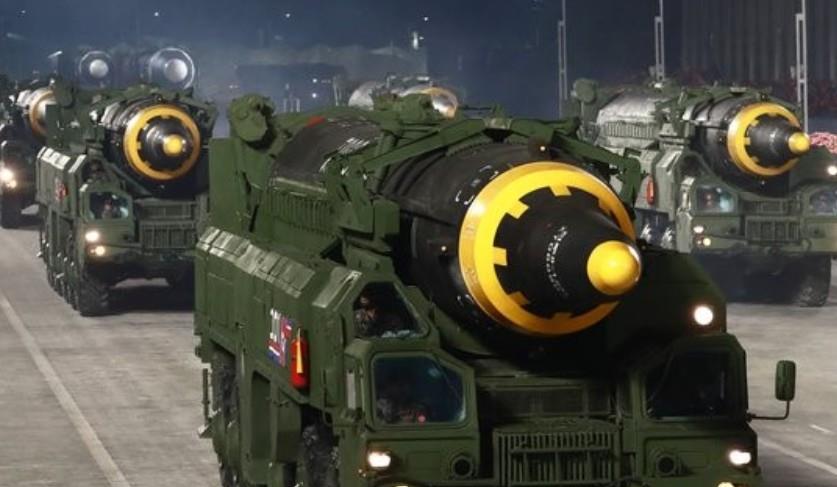
North Korea’s Mid-to-Long-Term Military Buildup Plans and Weapons Development Trends Lee Choong-kooResearch Fellow, Korea Institute for Defense Analyses (KIDA)Since announcing its plan to build a nuclear-powered submarine at the 8th Party Congress in 2021, North Korea has steadily advanced this goal. Though initially met with skepticism, Kim Jong-un’s inspection of a submarine under construction in March 2025 confirmed the shift from rhetoric to implementation.Early in his rule, Kim Jong-un focused on miniaturizing nuclear warheads and developing mobile ICBMs. By 2016–2017, Pyongyang claimed it had completed its nuclear deterrent. After the collapse of U.S.–North Korea denuclearization talks in 2019, it unveiled SLBMs and multiple-warhead ICBMs, marking a shift toward a more assertive strategy.In April 2014, North Korea announced its “four pillars of a strong army” policy and restructured the National Defense Commission into the State Affairs Commission. As part of this overhaul, it expanded the number of independent brigades from 74 to 131, focusing on elite training and flexible, decentralized operations.At the 8th Party Congress in 2021, North Korea formalized these efforts into a “Five-Year Plan for the Development of National Defense Science and Weapons System” prioritizing strategic and tactical nuclear capabilities along with enhanced reconnaissance and intelligence assets.The plan placed particular emphasis on tactical nuclear weapons for limited conflicts and improving real-time surveillance of U.S.–South Korean joint forces.North Korea’s weapons development extends across all military branches—strategic forces, army, navy, and air defense.Within its strategic forces, North Korea has developed eight tactical nuclear systems—including the KN-23, KN-24, KN-25, Hwasong-11D, Hwasal-1 and -2 cruise missiles, the Haeil underwater drone, and a mini SLBM—all of which are either deployed or approaching deployment.The KN-23 and KN-24, modeled after Russia’s Iskander and the U.S. ATACMS, are optimized for maneuverability and defense evasion. The KN-25’s rapid launch capability enables saturation attacks.Hwasal-1 and -2 cruise missiles fly at low altitudes to evade detection, while the Haeil drone and mini SLBM bolster asymmetric naval power.North Korea is also advancing hypersonic weapons. Following the Hwasong-8 test in 2021, it launched the Hwasong-16B in 2024, equipped with a hypersonic glide vehicle.Equipped with solid-fuel ampoulization and two-stage propulsion, these systems greatly reduce launch times and expand North Korea’s options for both preemptive and retaliatory strikes.In its strategic arsenal, North Korea is developing ultra-long-range ICBMs beyond the Hwasong-14 and -15, including the Hwasong-17, 18, and 19. The Hwasong-17 runs on liquid fuel with a range over 15,000 km, while the 18 and 19 use three-stage solid fuel to enable faster launches.These new ICBMs aim to target the entire continental U.S. In tandem, Pyongyang is boosting space surveillance, launching the Malligyong-1 satellite in 2023 and planning more.The ground forces are adopting systems to improve precision strikes and mobility.The M-2018 self-propelled gun now uses guided rounds instead of 122mm shells, and 240mm launchers have been upgraded for better accuracy.North Korea has deployed a new K-11-style hybrid rifle and sniper rifles to elite units. Its armored forces were upgraded with the M-2020 tank and active protection systems on older Chonma-ho models. For anti-tank warfare, it introduced the M-2018 vehicle, modeled on Spike NLOS, and the guided M-2020 and M-2022 tactical rockets.The navy is advancing tactical nuclear submarine capabilities and new surface ships.In September 2023, North Korea revealed the Hero Kim Kun Ok, a modified Golf-class submarine, signaling the start of its push to expand nuclear submarine capabilities. Meanwhile, 3,000-ton warships under construction in Nampo and Chongjin suggest possible technology transfers from Russia.A nuclear-powered submarine estimated at 6,000–7,000 tons is in development. While years from completion, Russian cooperation could speed up construction.To counter aging aircraft, North Korea is boosting drones and air defense. It has unveiled the Saetbyul-4 (reconnaissance) and Saetbyul-9 (attack) drones, and reportedly ramped up suicide drone production following cooperation with Russia.In air defense, North Korea tested the Byeoljji-1-2 in 2024—a two-stage surface-to-air missile that surpasses the Pongae-5. It is also reportedly negotiating for MiG-29 and Su-27 jets from Russia.This military expansion is strongly tied to enhanced cooperation with Russia since 2023, which has provided both financial and technological support for nuclear and conventional modernization.Modernization of the navy and air force, in particular, highlights how Russia–North Korea ties are raising the overall technological level of Pyongyang’s military.In conclusion, North Korea is accelerating a dual-track buildup—enhancing nuclear and conventional capabilities simultaneously. This strategy presents a significant challenge to security on the Korean Peninsula and in Northeast Asia.South Korea and its allies must closely monitor these changes and respond by strengthening layered defense systems and precision strike capabilities.
25.05.02 -
 [News&Issue]
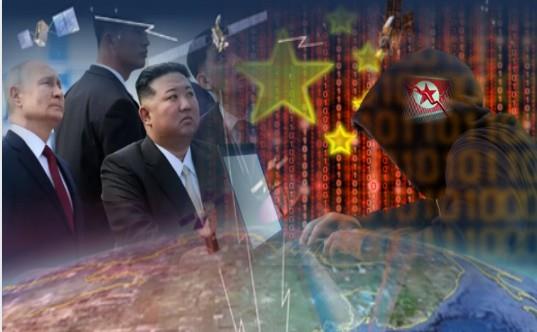
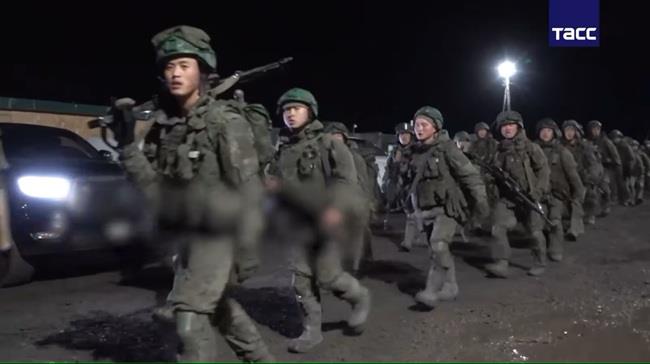
North Korea Confirms Troop Deployment, Flaunts Russia Alliance—Targets China with Cyberattacks Lee Seung-hyunResearch Fellow at the SAND InstituteI. North Korea–Russia Ties Move Beyond Troop Dispatch to Open Military CoordinationSix months after initially deploying troops to Russia, North Korea has officially acknowledged the move and is now actively highlighting its cooperation with Moscow to signal a strengthened military alliance.North Korea’s Rodong Sinmun devoted its April 29 front and second pages to praise from President Putin and comments by Russian defense officials. The KCNA also shared the story with international audiences.Meanwhile, a delegation led by Pak Yong-il of the KPA General Political Bureau departed for Russia to attend the 3rd International Anti-Fascist Congress—underscoring deepening ties.Russia responded enthusiastically, with state TV host Vladimir Solovyov posting Telegram videos of North Korean troops training in Kursk—showing grenade drills, trench maneuvers, and marching while singing military songs.These scenes suggest more than joint exercises; they hint at a real battlefield alliance. Reports indicate North Korean troops are already engaged in combat, signaling direct involvement.With the battlefield tilting in Russia’s favor, Kim Jong-un is likely using the troop deployment as domestic propaganda, framing it as strong leadership against external threats to strengthen internal control and his image.Portraying Kim as a wartime leader could be politically useful amid deepening isolation, economic decline, and public fatigue with hereditary rule—making the troop deployment a bold move to rally domestic unity.Some analysts link the KPA delegation’s visit to Russia’s upcoming Victory Day parade on May 9, speculating that Kim Jong-un may attend or send troops. However, his past avoidance of multilateral events fuels continued skepticism.II. Cyber Espionage Against China: A Silent OffensiveWhile aligning openly with Russia, North Korea appears to be targeting China—its traditional ally—with covert cyberattacks to steal military technology.Some reports say an IT worker from the Workers’ Party’s Munitions Industry Department was arrested in Shenyang while attempting to obtain Chinese military secrets.China’s Foreign Ministry dodged questions, with spokesperson Guo Jiakun citing lack of information. The issue was also omitted from the ministry’s usual press briefing transcript.This suggests China aims to contain the issue quietly. Despite economic reliance on China, North Korea continues bold espionage efforts to enhance its strategic capabilities.At first glance, Pyongyang seems to be balancing ties with both Russia and China. But beneath the surface, it is recalibrating its strategy.Through military aid to Russia, North Korea hopes to secure arms, food, and fuel. Against China, it’s seeking to extract technology to bolster its own defense systems.China likely won’t criticize North Korea publicly, but behind the scenes, it may step up internal monitoring, reflecting growing distrust.By deepening military ties with Russia and targeting China for tech theft, North Korea is playing both sides—redefining its role in the traditional Pyongyang–Beijing–Moscow triangle.
25.05.02 -
 [Kim Myongsung’s Inside North Korea]
Kim Myongsung’s Inside North Korea· North Korea Hails Its Troops as "Heroes of Kursk Liberation," Officially Acknowledges Deployment to Russia· Kim Yo-jong Purges Enemy Research Institute Deputy Director Over Passive Response to South Korean Crisis· Kim Jong-un’s Hallucination Incident: "Potato Flour Looked Like Bone Dust"Kim Myong-sungSecretary General of the SAND InstituteNorth Korea Hails Its Troops as "Heroes of Kursk Liberation," Officially Acknowledges Deployment to RussiaNorth Korea has officially confirmed its troops' involvement in the Russia-Ukraine conflict. On the 28th, state media, including the Rodong Sinmun, reported that the Central Military Commission of the WPK stated North Korean forces fought in Russia's Kursk region and achieved heroic feats during the liberation operation.This is the first time Pyongyang has formally confirmed sending troops to aid Russia. Analysts believe the move seeks to secure tangible rewards from Russia in potential end-of-war talks and signals that the "comprehensive strategic partnership" between the two nations has evolved into a military alliance.North Korea asserted that its military action was legitimate, citing Article 4 of the treaty establishing its comprehensive strategic partnership with Russia. Kim Jong-un personally authorized the deployment as "head of state," praising the troops as “heroes who upheld the nation's honor.”The Rodong Sinmun elaborated, stating that Kim Jong-un determined that the current battlefield conditions invoked Article 4 of the DPRK-Russia treaty. He subsequently decided on troop deployment, informed Moscow of the decision, and instructed North Korean forces, via the Central Military Commission, to cooperate with Russian troops in eradicating "Ukrainian neo-Nazi occupiers" and liberating the Kursk area.North Korea also announced plans to build a memorial in Pyongyang to honor the soldiers' achievements and promised special state benefits to the families of those killed. The Rodong Sinmun highlighted the unity between North Korean and Russian forces, stating, “The armies of Korea and Russia fought shoulder to shoulder in the same trenches, forging a bond of brotherhood through blood.”Before Pyongyang's announcement, Russia had already admitted to North Korean involvement. On the 26th (local time), President Vladimir Putin and Russian Chief of the General Staff Valery Gerasimov acknowledged via video conference that North Korean soldiers played a decisive role in liberating the Kursk region — marking Russia’s first official confirmation after months of denial.Observers interpret the mutual acknowledgment by Pyongyang and Moscow as an effort to bolster the narrative of victory ahead of Russia’s Victory Day celebrations on May 9.Particularly, North Korea’s public recognition of its troop deployment is seen as a strategic move to secure concrete compensation from Russia. With covert contributions insufficient to guarantee reciprocal gains, Pyongyang has opted to openly advertise its role in the conflict.In an editorial, Rodong Sinmun emphasized the legitimacy of their participation, declaring, “Our heroes who fought alongside Russia are warriors who defended world peace,” aiming to win international sympathy.Analysts suggest that growing internal unrest pressured North Korea to abandon its secrecy, with leaked news of troop deployments and casualties prompting the regime to go public to maintain domestic stability.One source with insight into North Korea noted, “Although the regime initially attempted a secret dispatch and gag order, reports of soldier participation and casualties spread internally, causing unease. North Korean soldiers might even join the Victory Day celebrations in Russia, with the event publicized domestically.”Kim Yo-jong Purges Enemy Research Institute Deputy Director Over Passive Response to South Korean CrisisKim Yo-jong, deputy director of the Workers' Party and key figure in North Korea’s South Korea policy, has reportedly purged the deputy head of the Enemy Research Institute (formerly the Institute for National Reunification) for inaction during South Korea’s recent political turmoil, signaling a shift from passive observation to proactive aggression.Sources in Pyongyang say the decision followed a performance review of the Enemy Research Institute’s first-quarter activities, ordered by Kim Yo-jong. The deputy director was purged for failing to capitalize on South Korea's political instability during the presidential impeachment crisis.Sources explain that Kim Yo-jong criticized the Institute’s work harshly, saying, “Despite the puppet regime’s collapse lasting months, no strategy was formulated to exploit the situation," labeling the inaction as an "anti-Party attitude.”The internal inspection of the Institute was reportedly swift and intense, conducted in early April under Kim Yo-jong’s orders, with the final findings submitted directly to Kim Jong-un for approval.According to insiders, the report noted that "since the declaration of martial law by the South Korean president late last year, the Institute made no meaningful progress in assessing developments or offering new strategies, thereby wasting a golden opportunity.“As a result, the deputy director in charge of strategic planning was singled out, expelled from the Party, dismissed from their post, and subjected to "revolutionization" — a harsh ideological re-education measure.An insider explained that the deputy director’s advocacy for a "wait-and-see" approach during internal meetings was the core issue. They suggested delaying action until the outlines of the next South Korean presidential candidates became clearer — a stance Kim Yo-jong reportedly viewed as unacceptable.Kim Yo-jong is said to have insisted that, "in moments when signs of the enemy’s collapse are evident, we must not wait but strike harder to take control." She reportedly added to the report that, "Rather than waiting for a favorable moment, we must sharpen our blade and drive it home to shape the battlefield completely.“Under Kim Jong-un, North Korea declared inter-Korean relations "hostile" and reorganized its South Korean operations, replacing the United Front Department with the Enemy Leadership Department and revamping the Institute for National Reunification into the Enemy Research Institute. Last April, the Institute issued a harsh white paper condemning former South Korean President Yoon Suk-yeol.A South Korean policy expert noted, “The Enemy Research Institute is likely to act as a key base for planning aggressive strategies toward South Korea — including stoking internal conflict, psychological warfare, and propaganda operations — making it essential for Seoul to prepare robust countermeasures.”Kim Jong-un’s Hallucination Incident: "Potato Flour Looked Like Bone Dust"North Korean media reported an unusual confession from Kim Jong-un, who, under severe stress over potato processing issues, said, "The potato flour looked like bone dust." While intended to showcase the leader’s humanity and dedication to his people, the statement inadvertently raised concerns about his mental and emotional stability.On April 23, the Rodong Sinmun reported that during a visit to a potato flour plant in Samjiyon City, Kim remarked, “Perhaps because of my great distress, the potato flour looked like bone dust.”It is highly unusual for North Korean media to reveal signs of psychological strain in their leader, especially in such a personal tone.Dr. A, a psychiatrist interviewed by SAND Times, explained, “Visual distortions like this can occur under extreme psychological stress, suggesting Kim’s mental fatigue has surpassed normal thresholds.”Despite prolonged international sanctions and a global downturn, North Korea has launched multiple large-scale projects this year, the final year of its Five-Year Plan. These include 50,000 new apartments in Pyongyang, the "20x10" Regional Development Policy, rural housing, and defense modernization.Kim’s "all-hands-on" leadership style — micromanaging virtually every aspect of governance — has created a feedback loop that only increases his personal burden.The Rodong Sinmun repeatedly emphasizes Kim finding joy in the people's smiles, especially while overseeing projects like medical centers, nurseries, and resorts.The article underscores Kim’s hands-on role in projects like the Yangdok Hot Spring Resort, Pyongyang Bag Factory, Pyongyang and Ryugyong General Hospitals, and a Jaeryong factory—highlighting his dedication and reinforcing his “superhuman leader” image, even inspecting hospital sites after a missile test.While media frames it as Kim’s dedication, experts see it as a sign of flawed governance, where even minor issues need his oversight.Analysts note that Kim’s hands-on control — spanning everything from school uniforms to missile launches — highlights the systemic dysfunction of the regime.A South Korean think tank official commented, “Kim Jong-un’s isolated, heavy-handed leadership weakens decision-making and severely limits the regime’s adaptability.”While "joy" is the article’s recurring theme, the way it is used paradoxically highlights the contradictions of the North Korean system: a society where the leader’s "joy" is manufactured at the cost of widespread isolation and oppression.
25.05.02 -
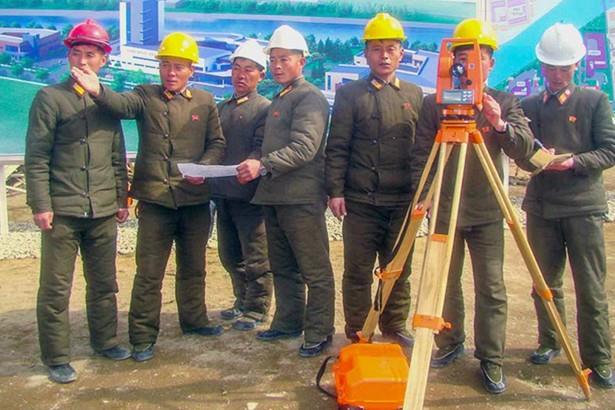 [Current Affairs Analysis]
Strategic Maneuvers: Military Consolidation, Diplomatic Realignment, and Domestic Unity- An Analysis of North Korea’s Activities in March - Lee Seung-hyunPh.D. in Public AdministrationResearch Fellow at the SAND Institutedrharacearthur@gmail.comIn March 2025, North Korean leader Kim Jong-un made eight public appearances, down from ten in February. Notably, half were military-related, reflecting an increased emphasis on defense and power projection. His political, social, and economic activities—two each—were more limited, likely in response to recent U.S.-ROK-Japan joint drills and the deployment of American strategic assets.On March 8, Kim visited a major shipyard and unveiled the construction of a strategic nuclear submarine, or SSBN (Ship Submersible Ballistic Missile Nuclear), highlighting North Korea’s push to equip its navy with nuclear strike capabilities—a central objective of its five-year defense plan. He emphasized the significance of maritime sovereignty and the need for a nuclear deterrent powerful enough to counter what he described as the “encirclement diplomacy” of hostile forces. On March 20, Kim oversaw the test launch of a new surface-to-air missile system, praising its performance after a ground-based missile successfully intercepted a cruise missile—signaling a serious push to strengthen air defenses. That same day, he visited the Nampho shipyard as part of ongoing military inspections. On April 4, he observed tactical drills and small arms competitions at a Korean People’s Army Special Operations Force (KPASOF) training base.During the visit, Kim emphasized KPASOF’s strategic importance and issued directives to strengthen its capabilities—clearly signaling the regime’s defense priorities. On April 8, about ten armed North Korean soldiers briefly crossed the Demilitarized Zone (DMZ) but withdrew after South Korean warning broadcasts and shots. It was the first such incident in nearly a year and may have been intended to test South Korean readiness or provoke a miscalculation.North Korea's heightened military posture was also reflected in its rhetoric. On March 3, Kim Yo-jong condemned the arrival of the U.S. aircraft carrier Carl Vinson in Busan, calling it an extension of hostile policy. She reaffirmed the North's stance on using nuclear force as deterrence. Both the Foreign and Defense Ministries criticized the U.S.-ROK drills as major threats to regional security. Responding to denuclearization calls from the U.S., Japan, and South Korea, Kim Yo-jong declared the North’s nuclear status non-negotiable, warning that outside pressure would only accelerate nuclear development.Diplomatically, North Korea deepened ties with Russia. On March 1, a WPK delegation returned from Russia after meeting President Vladimir Putin and signing a “2025–2027 Party-Level Cooperation Protocol,” reaffirming closer ties. In mid-March, Russian Deputy Foreign Minister Andrey Rudenko visited Pyongyang for talks with Foreign Minister Choe Son-hui, focusing on practical cooperation and international coordination. Their partnership appears to be expanding beyond sanctions evasion toward potential military-technical collaboration.At home, the regime continued efforts to reinforce control and public trust. On March 15, Kim visited the Hwasong Area Phase 3 housing project, promoting a phased plan to ease the capital region’s housing issues—part of a broader push to boost regime legitimacy through livelihood improvements. Similarly, the 3rd Nationwide Meeting of Neighborhood Unit Leaders, held March 16–17, emphasized grassroots unity and tighter surveillance under the 2023 “People’s Unit Organization and Operation Law.” Taken together, North Korea is pursuing a three-pronged strategy—military buildup, diplomatic engagement, and internal cohesion. By modernizing weapons and strengthening air defenses, the regime aims to assert deterrence and create leverage through nuclear brinkmanship. Provocations like the DMZ incursion may be intended to test South Korean responses or justify future military action. Diplomatically, Pyongyang is seeking to escape isolation through closer ties with Moscow. Domestically, it’s reinforcing regime stability via symbolic improvements and grassroots restructuring. Looking ahead, North Korea may intensify military displays under the pretext of countering U.S.-ROK-Japan security cooperation, potentially inciting inter-Korean clashes to gain leverage in talks with Washington. Such actions could further narrow the path to denuclearization negotiations. As North Korea advances its strategy on multiple fronts, close monitoring—especially of its expanding ties with Russia and China—remains essential.
25.04.18
News Letter
We are leading the global communication via Newsletter.
We will deliver the latest information and proven facts on Korean Peninsula status including North Korea situation.