

-
 [Analysis and Prospects]
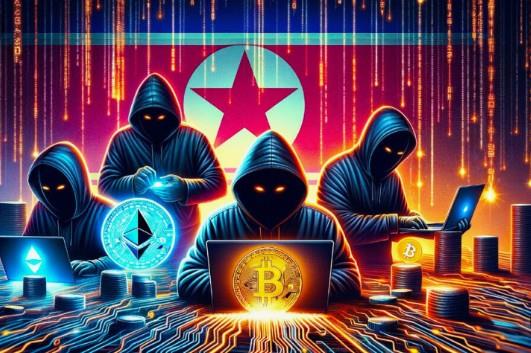
North Korea's Cryptocurrency Theft: The World Must Take ActionYoo Dong-ryulPresident of the Korea Institute of Liberal DemocracyOn January 14 (U.S. local time), the U.S., South Korea, and Japan issued a joint statement on North Korea’s cyber theft of virtual assets. The statement linked North Korea to major heists last year, including $308 million from Japan's DMM Bitcoin, $235 million from India's WazirX, and $50 million each from South Korea’s Upbit and the U.S.'s Radiant Capital. In total, these thefts amounted to $660 million (approximately 960 billion Korean won). This marks the first time the three countries have jointly reported on North Korea's cybercrime activities.The cybercrimes were carried out by well-known hacking groups, such as "Kimsuky" and "Lazarus," which belong to North Korea's elite cyber unit the "Technical Reconnaissance Bureau." The name "Kimsuky" was coined by the Russian cybersecurity firm "Kaspersky Lab" in 2013 while investigating North Korean hacking incidents, not by North Korea itself. This applies to the other group names as well."KimSuky" and "Lazarus" have consistently drawn the attention of international cybersecurity firms. On October 27, 2020, the US-CERT (U.S. Computer Emergency Readiness Team) released an analysis of Kimsuky's activities. Additionally, leading cybersecurity companies such as Symantec, FireEye, and Kaspersky Lab identified the group responsible for the 2014 Sony Pictures hack as "Lazarus."Lazarus then shifted its focus to targeting financial institutions worldwide, successfully stealing $81 million from the Bangladesh central bank in 2016. In March 2022, the popular 'Play-to-Earn' game, Axie Infinity, was hacked, resulting in the theft of $173,000 worth of Ethereum, $25.5 million in USD Coin (USDC), and $625 million (about 812.5 billion KRW) in cryptocurrency, setting the world record for the largest single hack in historyIn fact, North Korea's cyber theft of funds is not a recent development. Since the 2000s, South Korean and U.S. authorities, along with international cybersecurity firms, have consistently issued threat alerts. Currently, North Korea is responsible for 60.9% of global cryptocurrency theft, highlighting the country's exceptional hacking capabilities.Since 2009, the UN Security Council Sanctions Committee on North Korea (active until 2024) issued annual reports on North Korea’s cyber threats. According to the expert panel's April 5, 2023 report, North Korean hackers stole between $630 million (819 billion KRW) and $1 billion (1.3 trillion KRW) in cryptocurrency in 2022 alone.As international sanctions on North Korea have tightened due to its nuclear and missile actions, traditional sources of foreign currency—such as exports, overseas workers, and arms trafficking—have been blocked. In response, North Korea has turned to cyber theft, targeting South Korea and the global community for revenue.The reason North Korea focuses on cyber theft is clear: cyberspace offers a "low-cost, high-efficiency" way to generate revenue once hacking skills are developed. Unlike offline methods, it is hard to pinpoint the origin of attacks, and blockchain technology can be exploited to launder money and avoid detection.During the Moon Jae-in administration, North Korea repeatedly hacked domestic cryptocurrency exchanges, causing over 200 billion KRW in losses. "Bithumb" was hacked four times between 2017 and 2019, losing 84 billion KRW. In 2017, "Youbit" lost 22.5 billion KRW after two hacks, leading to its bankruptcy and the CEO's tragic death. In 2019, "Upbit" lost 58 billion KRW.In February 2023, the government sanctioned four North Korean individuals, including Park Jin-hyuk, and seven institutions, including the Reconnaissance General Bureau, along with eight cryptocurrency wallet addresses linked to the Lazarus hacking group.Last year, in collaboration with the U.S., the government tracked and seized North Korean cryptocurrency accounts and money laundering routes, recovering stolen funds. It has also required cryptocurrency exchanges to adopt Anti-Money Laundering (AML) and Counter-Terrorism Financing (CFT) systems to freeze illegal funds linked to North Korea.Despite international sanctions, North Korea continues to exploit cyberspace as a source of foreign currency Its methods range from cryptocurrency theft to illegal gambling and game program development, running illicit cyber gambling operations, DDoS attack services, and ransomware attacks.Recently, North Korea has been using skilled IT workers, disguised as employees of foreign companies, to earn foreign currency and steal IT information. A related recommendation was included in the recent trilateral joint statement.The international community must consider proactive measures to counter North Korea's increasingly aggressive cyberattacks, including cryptocurrency theft.<Table> Recent Notable Cases of North Korea’s Cryptocurrency and Financial TheftSource: Korea Institute of Liberal Democracy
25.02.07 -
 [Defectors' Podium]
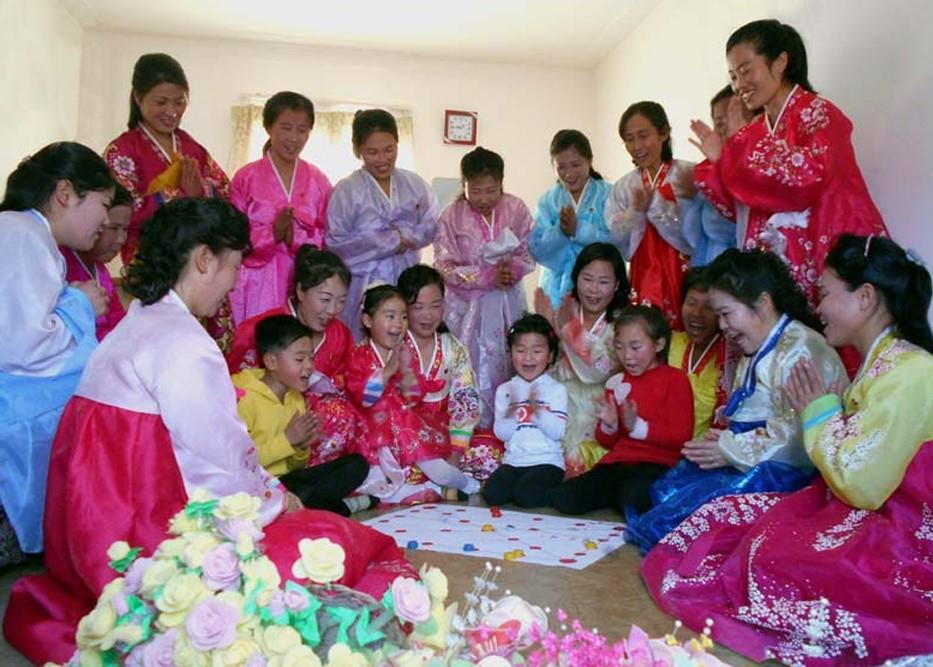
Stress Relief Through Food: Does It Work for North Koreans?Yulseong LeeNorth Korean Defector (Seoul City University Student)Recently, Rodong Sinmun introduced several foods believed to help relieve stress, including peppermint tea, dried fruits, legumes, citrus fruits, and brown rice. These foods are said to support normal serotonin levels and reduce anxiety. It is unusual for North Korean media to use the term "stress." Recently, North Korea has enacted strict laws, such as the Reactionary Ideology and Culture Rejection Law and the Pyongyang Cultural Language Protection Act, banning South Korean terms, dramas, and other elements of K-culture.Stress is not simply a reaction to external events but rather how a person perceives and responds to a situation. It occurs when the demands of a situation surpass an individual's ability to cope, straining their personal resources. This cognitive evaluation of one's environment ultimately triggers stress.Given North Korea's food supply issues, one might question whether these foods are realistic for the average resident’s daily meals. While legumes are relatively accessible for products like tofu and soybean paste, fruit production is regionally uneven, and poor storage and distribution hinder consistent supply nationwide.While peppermint is easy to grow, it requires a temperature of 25-30°C, limiting its cultivation to certain regions in North Korea. With rice production insufficient, North Koreans mainly rely on corn and potatoes. In rural areas I observed, starvation forced people to eat potato skins. Under these conditions, brown rice for health benefits is nearly impossible.The foods mentioned may help with stress relief, but given North Korea’s food shortages and living conditions, their impact would be minimal. Stress isn’t relieved by food alone—it also requires proper nutrition, exercise, rest, and, most importantly, psychological stability.Instead of relieving stress with the foods introduced by Rodong Sinmun, many North Koreans turn to drugs at an alarming rate. Narcotic use raises dopamine levels, often causing hallucinatory effects.High-ranking officials, ordinary citizens, and even teenagers in North Korea are involved in drug use and distribution. Instead of addressing survival needs, the regime focuses on control, driving many to drugs as a coping mechanism.North Korean authorities must do more than recommend certain foods for mental health. Effective policies addressing health, nutrition, and psychological well-being are needed.
25.02.07 -
 [Defectors' Podium]
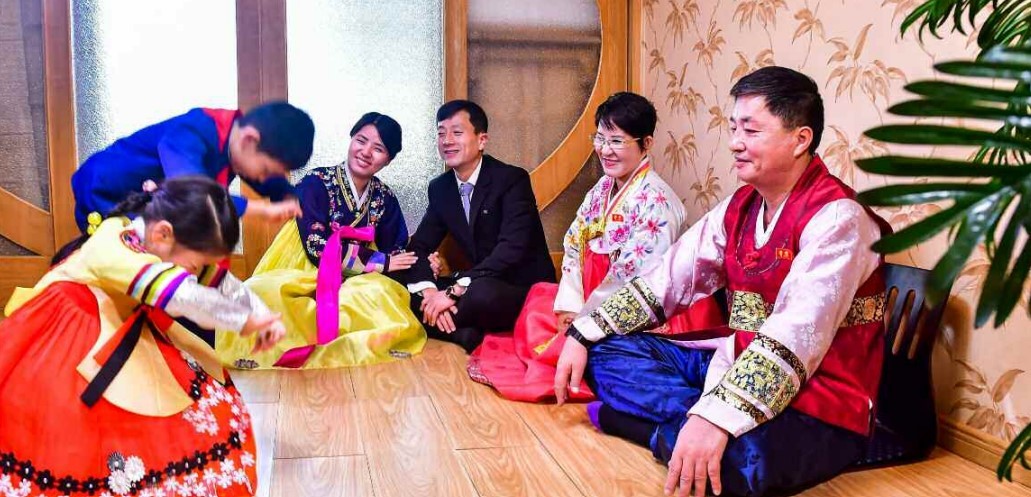
Lunar New Year in Koreas: South Enjoys Travel and Long Holidays, While North Faces Restrict-ed and Short CelebrationsRyu Seong-hyunFormer North Korean Soldier (Defected across the DMZ in 2019)Lunar New Year is a major traditional holiday celebrated across many East Asian countries. In North Korea, the recognition of New Year has changed over time. At one point, they celebrated the start of the calendar year on January 1, while at other times, they observed Lunar New Year. In 2025, January 29 is marked as New Year on the North Korean calendar, reflecting a greater emphasis on Lunar New Year.For a time, North Korea recognized the start of the calendar year as the primary New Year, distanc-ing itself from Lunar New Year due to its connection with China. In North Korea, it is widely known that China celebrates Lunar New Year for 15 days, ending with the Lantern Festival, which marks the first full moon of the lunar year. To assert its independence from Chinese traditions, the Work-ers' Party of Korea (WPK) restricted New Year celebrations to just one day.In North Korea today, New Year’s holidays typically last two to three days. However, the short break and travel restrictions make hometown visits nearly impossible, so people celebrate locally with family and neighbors. Traditionally, the government used to provide holiday foods like soju and pork to enhance the festive spirit, but in recent years, dwindling state provisions have forced families to handle holiday preparations on their own. Food traditions in North Korea vary slightly by region, but dumpling soup with pork broth remains a staple in most households. In areas near South Korea, such as Hwanghae Province, Gangwon Prov-ince, and Kaesong City, some families also prepare rice cake soup. Popular New Year dishes include tofu, sundae (blood sausage), and a variety of rice cakes. Harsh winters make fresh vegetables scarce, apart from cabbage and radishes, so side dishes are often made with dried vegetables pre-served earlier in the year. Growing up in Cheorwon, I fondly remember honoring ancestors, sharing meals with relatives, and visiting teachers' homes as a student, spending time with friends during the holiday.In January last year, a family in Pyongyang, Lunar New Year, received a bow. /The Rodong SinmunFrom my experience, New Year celebrations in North Korea were more exciting and eagerly anticipated than those in South Korea. This was likely because having dumpling soup with rice and meat for a holiday breakfast was a rare and special treat. The holiday offered a welcome break from routine, allowing families to prepare and enjoy festive meals together. Even usually frowned-upon behaviors, like wandering around drunk, were tolerated on this day. Villagers roamed with flushed faces and cheerful spirits, which may be why those memories still hold a special place in my heart.New year celebrations also included activities such as folk games and sports tournaments organized by workplaces or communities. Games like kite flying, ice skating races, jegichagi, and top spinning were especially memorable. I remember skating on frozen rivers and lakes, though with thinner ice in recent years, such activities are becoming harder to enjoy.In contrast, South Korea, despite its shared cultural roots, now celebrates New Year’s holidays quite differently. Since rice and meat are staples in everyday meals, the New Year breakfast in South Korea doesn’t feel particularly special. Instead, the holiday is seen as a chance to relax, much like a weekend, with the addition of some festive dishes and the tradition of visiting hometowns.This year, Lunar New Year falls between weekends, encouraging many South Koreans to plan trips. While North Koreans see eating, sleeping, and enjoying time locally as a fulfilling holiday, South Koreans consider visiting family or traveling long distances essential to the celebration. However, spending hours navigating crowded roads often becomes part of the holiday experience, though it can also make the occasion feel tiring.Time has brought significant changes to life in both North and South Korea. While the North seems frozen in time, the South continues to evolve rapidly, further emphasizing the growing divide between the two. It’s hard to predict how much further apart they may grow, but one thing is certain: despite sharing the same name for the holiday, the cultural and economic gap will only deepen the differences in how Lunar New Year is celebrated in the future.
25.01.24 -
 [Analysis of issues]
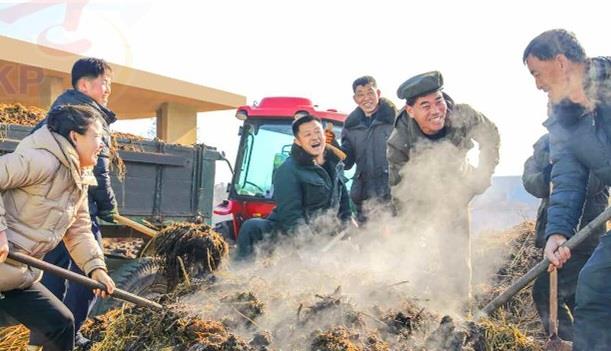
A Tough Year Ahead: North Korea's Economic Challenges in 2025- An Analysis of North Korea's Economic Status and Future Outlook -Son Kwang-sooResearch Fellow, KB Financial Group Research InstituteIn 2024, North Korea's close military cooperation with Russia overshadowed awareness of its economic situation. Key developments included a sharp rise in foreign exchange rates, the domestic impact of the Russia-North Korea alliance, and advancements in establishing an electronic financial system.Among these, the most striking is the significant increase in North Korea's foreign exchange rate. According to DailyNK, a media outlet specializing in North Korea, the exchange rate between the North Korean won and the U.S. dollar, which ranged between 8,100 and 8,400 won in 2023, rose above 8,500 won in early 2024. By March, it hit 8,700 won, and by June, it skyrocketed past 12,000 won.This sharp rise in the exchange rate is particularly notable in Jangmadang, North Korea's local free market, marking the first such surge since the 2009 currency reform. After that reform, the exchange rate briefly spiked but later stabilized between 8,000 and 8,500 won per dollar, providing some economic stability for residents amid chronic hardship. The gap between the official exchange rate (1 USD = 100–106 won) and the Jangmadang rate, which reflects the "real" value of the won, underscores why the stability of 8,000 won per 1 USD from 2010 to 2022 should have been maintained.Several factors contributed to this unprecedented rise. The resumption of trade and smuggling with countries like China after COVID-19 increased the demand for foreign currency. Additionally, the North Korean government’s launch of its "20x10 Regional Development Policy" in early 2024 caused a sharp rise in demand for Chinese yuan. A further spike followed in June when authorities banned the use of foreign currencies, inadvertently driving up the exchange rate.North Korean farmers are loading manure to be sprayed in the fields./ the Rodong SinmunBy September, the dollar exchange rate surged to 16,000 won, reaching 20,000 won by December and 22,000 won by early 2025—a 170% increase compared to the previous year. This dramatic rise, coupled with inflation, has made it even harder for ordinary citizens to afford basic goods like corn and rice.The deepening military relationship between Russia and North Korea is another factor influencing the economy. Assessing the extent of its impact remains challenging due to the lack of transparent data from both nations, especially on military-related goods.In March 2024, Russia ceased its monthly reporting of refined oil exports to North Korea to the United Nations Security Council Sanctions Committee. Meanwhile, U.S. intelligence, relying on commercial satellites and other methods, reported that Russia exceeded the annual 500,000-barrel cap set by UN Security Council Resolution 2397. It is clear that the refined oil and natural gas supplied to North Korea through China and Russia is intended to support military production or stabilize elite groups, rather than address the nation’s broader economic challenges.North Korea made strides in digital finance by enacting an Electronic Commerce Law in November 2024, following its 2021 Electronic Payment Law. Electronic payments, which integrate finance and ICT, offer convenience, accuracy, and speed in regions like China, Southeast Asia, South Korea, and the U.S., while also aiding in anti-money laundering and taxation efforts.Since 2018, North Korean authorities have gradually promoted mobile electronic payments via cell phones. However, their primary focus has been on ensuring the smooth circulation of electronic currency, rather than introducing interest-bearing accounts, financial products, or mobile financial services like delivery. While North Korea could draw inspiration from platforms like China’s WeChat or Southeast Asia’s Grab, which evolved from payments and taxi-hailing to delivery and financial services, no such advancements have been reported within the country.The focus remains on restricting foreign currency use and promoting domestic currency circulation through state-controlled financial policies. The Electronic Commerce Law is primarily designed to reclaim residents’ foreign and domestic currencies via electronic stores and payments. North Korea’s economy in 2025 faces numerous uncertainties. The geopolitical effects of Donald Trump’s second presidency, coupled with U.S.-China trade tensions, could reshape North Korea’s relationships with its neighbors. While the Russia-North Korea alliance has reportedly strained ties with China, potential overtures from Trump to Kim Jong-un might prompt Xi Jinping to strengthen relations with North Korea.Improved North Korea-China relations could stabilize local markets and temporarily ease economic pressures. However, inflation and soaring exchange rates will continue to burden ordinary citizens, despite possible government efforts to stabilize the won.Although authorities have not yet controlled the surge in exchange rates, they may be deliberately refraining to limit foreign currency use and boost domestic consumption. Exchange rates might stabilize in early 2025, but prices are unlikely to return to previous levels. While higher costs may be manageable for the elite, they will remain a severe challenge for ordinary citizens struggling to afford basic meals.China and Russia are expected to provide food and material aid, which may reduce the likelihood of famine-related deaths despite ongoing economic hardships. However, if inflation remains unaddressed, dissatisfaction among North Korean citizens toward the government could intensify.The extended Russia-Ukraine war also plays a critical role. As long as the war persists, North Korea benefits from military supplies or troop deployments. Even after the war ends, Russia is likely to maintain economic support to secure North Korea as an ally.2025 may feel harsh for ordinary people, like enduring a long winter, but it could benefit the elite as they exploit U.S., Russia, and China dynamics. These benefits, however, may pose security threats to South Korea.
25.01.24 -
 [Analysis and Criticism]
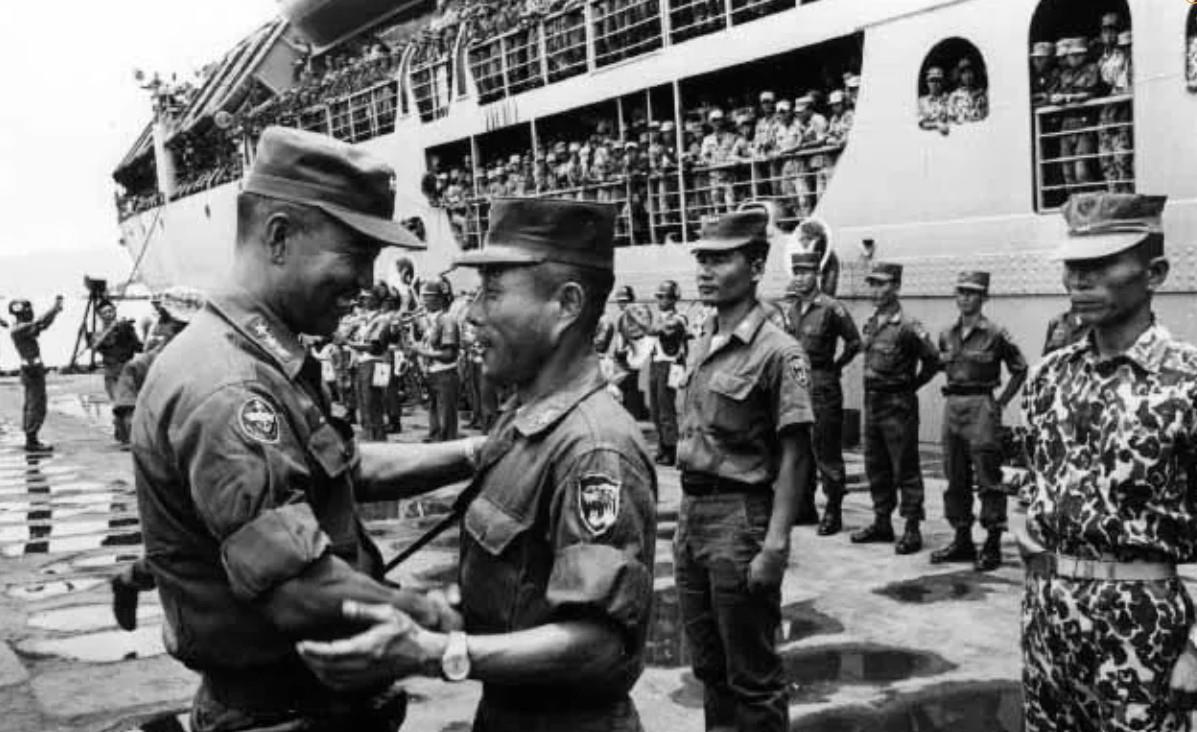
The 'Mercenaries':Comparing South Korea's Troop Dispatch to Vietnam and North Korea's Deployment to RussiaShin JongtaeFormer Professor of Military Science at Chosun UniversityIn October 2024, North Korea deployed more than 10,000 troops to aid Russia in its war in Ukraine.Analysts estimate that the Kim Jong-un regime could earn between $320 million and $1.34 billion annually from this deployment. Some have compared it to South Korea's troop dispatch to Vietnam in the 1960s, calling both acts of "mercenaries." But is this comparison valid?Forces Defending Freedom vs. Forces Supporting AggressionSouth Korea’s participation in the Vietnam War reflected its commitment to supporting allied nations. In 1950, during the Korean War, the nation’s survival depended on the intervention of 16 UN member states, including the United States. Likewise, the Vietnam War in the 1960s was closely tied to South Korea’s security, making the deployment a carefully considered decision for national preservation.South Korean forces leaving for Vietnam in 1965/WikipediaThe key difference is this: South Korean forces in Vietnam operated with a clear mission—to assist allied nations in safeguarding freedom—while maintaining independent command over their operations, distinguishing them from mercenaries. In contrast, North Korea’s involvement in Ukraine lacks valid justification. Although North Korea might cite historical ties with the Soviet Union, modern Russia, reestablished in 1991, is a completely different political entity.Drawing comparisons between North Korea’s troop deployment to Russia and South Korea’s mission in Vietnam is misguided. Russia’s invasion of Ukraine breaches the UN Charter, rendering the war illegal. North Korea’s support for Russia similarly violates international law, irrespective of any agreements between the two nations.North Korean soldiers sent to Russia in October last year receive Russian uniforms to disguise their identity/SPRAVDIOpenly Honorable Deployment vs. Secretive DispatchIn September 1964, South Korea began its involvement in Vietnam by dispatching medical personnel and taekwondo instructors. Over the course of the war, more than 324,864 South Korean troops served. The deployment was broadly supported at home, with many seeing it as a noble effort in the defense of freedom.In stark contrast, North Korea has kept its troop deployment to Russia a closely guarded secret. Families of the dispatched soldiers were forced to sign confidentiality agreements, and the government has not officially acknowledged the deployment. North Korea’s Ministry of State Security actively suppresses news of the dispatch, going as far as punishing citizens who share related information. If North Korea’s deployment to Russia is legitimate, why does the regime conceal it from its citizens?Reports indicate that, to suppress potential criticism of Kim Jong-un, the families of deployed soldiers have been relocated to isolated areas resembling political prison camps.Independent Command vs. Subordinate Obedience During the Vietnam War, South Korean troops maintained independent command, with General Chae Myung-shin securing autonomy through negotiations with U.S. General William Westmoreland. This allowed South Korean forces to minimize casualties while enhancing tactical effectiveness.International law mandates that deployed forces declare their mission, wear national uniforms, and operate under their own flag. However, North Korean troops in Ukraine are under Russian command, wearing Russian uniforms without North Korean insignias, and some have reportedly been issued fake Russian IDs.Even more concerning, North Korea denies the existence of these soldiers, abandoning them both in practice and principle. As Kim Sung-hoon, counselor at South Korea’s UN mission, stated, “These soldiers have been disowned by the very government that sent them to die. They are already forgotten and discarded.”Exploitation and Economic Gains South Korea undeniably benefited economically from its involvement in the Vietnam War. From 1966 to 1970, remittances from soldiers and civilian workers generated $625 million, contributing to the nation’s rapid economic growth of 12% annually.In contrast, the majority of wages earned by North Korean soldiers from their deployment will likely be confiscated by the regime.In the Kaesong Industrial Complex, 90% of wages earned by North Korean workers historically went to WPK, leaving only 10% for the workers in North Korean currency.The estimated monthly wage for a North Korean soldier abroad is $2,000 (2.9 million KRW), a stark contrast to North Korea's 2024 per capita GNI of 132,400 KRW (about $100) per month.These wages are unlikely to reach the soldiers, as North Korean workers abroad typically retain only 10% of their earnings, with the rest sent to WPK as loyalty funds. Experts believe the wages of North Korean soldiers in Russia will primarily strengthen Kim Jong-un’s regime.Merely a Means to Generate Foreign CurrencyNorth Korean troops in Russia operate under Russian command, with Ukraine recognizing them as combatants serving Russia. Captured North Korean soldiers are treated humanely by Ukraine. However, the over 10,000 troops sent to the Ukraine war serve merely as a means for Kim Jong-un to generate foreign currency.The circumstances of South Korea’s deployment to Vietnam and North Korea’s dispatch to Russia differ fundamentally in every way. The plight of young North Korean soldiers, sent to a distant battlefield as pawns in Kim Jong-un’s schemes for hard currency, is deeply tragic.
25.01.24 -
 [Opinion]
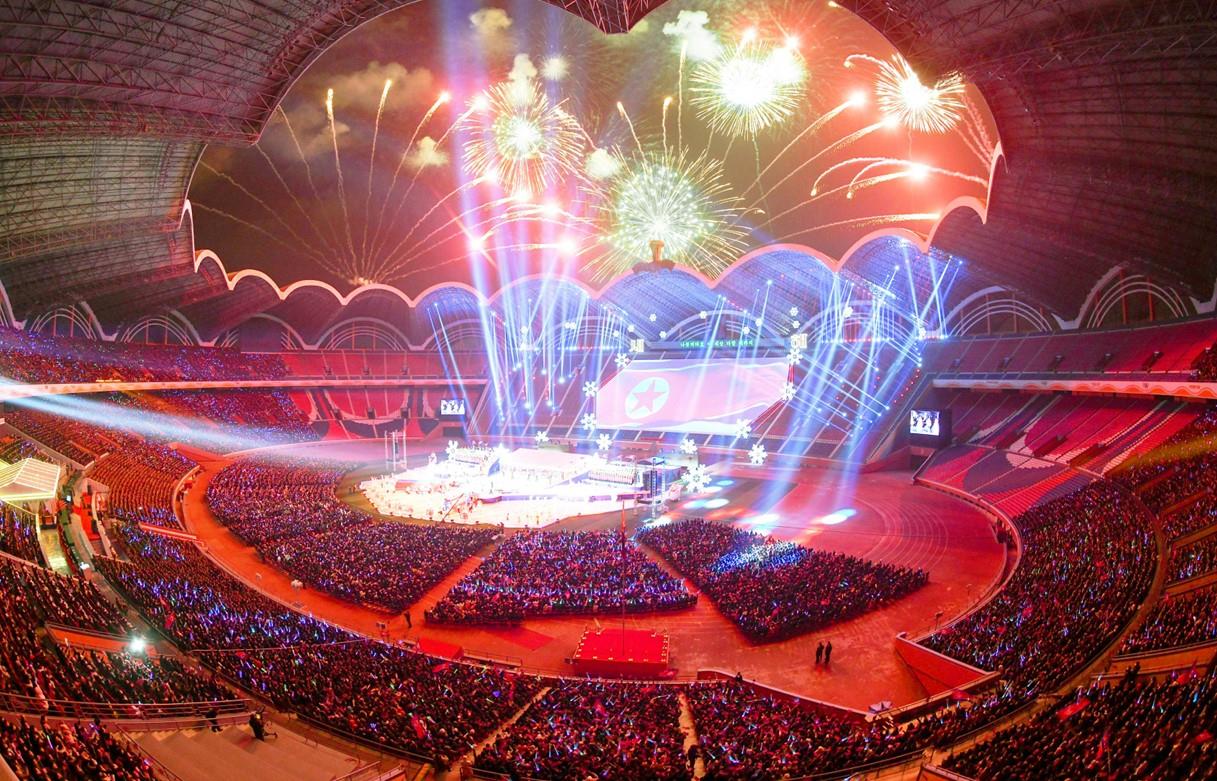
Kim Jong-un's Focus on 'People-First Politics' Stems from Rising Public DiscontentKang DongwanProfessor at Dong-A University Creator of the YouTube Channel 'Kangdongwan TVThe central theme of the recent expanded Plenary Meeting was unmistakably “People-First Politics.” Reviewing 2024’s initiatives, Kim Jong-un proudly declared, “Our Party’s People-First Politics has achieved another unprecedented milestone,” highlighting significant progress across politics, the economy, culture, defense, and diplomacy as transformative achievements.A key highlight was the flood recovery efforts, which Kim prioritized over self-reliant defense advancements. He emphasized relocating flood victims to Pyongyang with stable living conditions and ensuring students’ education continued uninterrupted, framing these actions as proof of the regime’s commitment to education as a top state priority.The emphasis on flood recovery highlights its broader significance beyond economic concerns, touching on socio-cultural efforts to address public sentiment. However, the Plenary Meeting’s review of the socio-cultural sector in 2024 primarily focused on science and sports. In science, Kim emphasized progress in tackling technical challenges to boost productivity in key industries and improve livelihoods.In sports, North Korea celebrated its women’s football victories at the Asian Cup and World Cup, as well as its dominance in international competitions across weightlifting, table tennis, boxing, and taekwondo, securing “Asian and global supremacy.”North Korea's New Year's celebration on the 1st/North Korea Central News AgencyLooking ahead to socio-cultural objectives for 2025, the meeting highlighted the need to strengthen the role of the scientific and cultural sectors. It instructed the scientific community to support the final push toward achieving the goals set by the 8th Party Congress. In 2025, the healthcare sector will prioritize improving medical services, preventive care, and epidemic response systems. Meanwhile, the literature, arts, and media sectors aim to create impactful works, boost propaganda, and secure more sports victories.North Korea has also designated 2025 as a pivotal year, marking the 80th anniversary of WPK and the conclusion of the 8th Central Committee’s activities. Large-scale cultural events, including a grand performance to celebrate the anniversary, are expected to bolster regime solidarity. While the government may highlight improving livelihoods through People-First Politics, the main focus is likely to be public mobilization for commemorative events. The focus on sports achievements aligns with the regime’s strategy to build loyalty through patriotism.Another key point in the socio-cultural agenda is the focus on “labor organizations as dynamic forces for next year’s efforts.” Kim specifically called for the Socialist Patriotic Youth League to prepare its members as the revolution’s true successors. The regime’s persistent emphasis on People-First Politics reflects concerns about rising public dissatisfaction, especially among the “jangmadang (market) generation.” This growing ideological disengagement has led to intensified efforts to control external information and strengthen the role of labor organizations.Despite the 20x10 Regional Development Policy's efforts to address food and necessity shortages through local factories, results have fallen short. For example, during the 2024 inauguration, the facilities were in poor condition. Factories in Songchon County, which Kim personally attended, required manual processes for sealing soy paste and chili paste containers, while bread production involved small-scale hand-kneading. Such underwhelming outcomes highlight the limitations of these initiatives, despite heavy promotion. As 2025 unfolds, dissatisfaction and resistance are likely to grow, exacerbated by the public’s exhaustion from mass mobilization efforts and the failures of regional development policies.
25.01.10 -
 [Current Affairs Analysis]
The Collapse of the Assad Regime in Syria and Implications for Our Country Park HyondoProfessor, The Sogan Euro-MENA Institute, Sogang University, Seoul, KoreaOn December 8, 2024, the Assad regime in Syria collapsed, bringing an end to 54 years of dynastic authoritarian rule. The Assad family, members of the Alawite sect of Shi’ism, came to power when Hafez al-Assad seized control of the Ba’ath Party through a “Corrective Revolution” in 1970 and assumed the presidency in 1971. Upon his death in 2000, power passed to his son Bashar al-Assad, a British-trained ophthalmologist, who initially promised reform but ultimately entrenched dictatorship. The Assad regime’s durability rested on two pillars: an Alawite-dominated military-security apparatus and the secular, pan-Arab nationalist Ba’ath Party. Despite comprising only 10% of Syria’s population, the Alawites controlled an estimated 65% of the military and held dominant positions in the intelligence and political sectors. Their rise, facilitated during the French Mandate and consolidated after independence, allowed the Assad family to wield outsized influence despite widespread Sunni Muslim opposition. The Ba’ath Party, which came to power in 1963, espoused socialism, secularism, and Arab nationalism, aligning closely with the Soviet Union during the Cold War. It clashed repeatedly with the Muslim Brotherhood, the leading Islamist opposition force. This confrontation culminated in the brutal suppression of the 1982 Hama uprising, during which Syrian forces besieged the city for nearly a month, killing between 10,000 and 40,000 civilians—one of the most egregious instances of state violence in modern Middle Eastern history. The 2011 Arab Spring uprisings finally shook the Assad regime. Triggered by the arrest and torture of teenagers in the southern city of Daraa for scrawling anti-government graffiti, nationwide protests rapidly escalated into civil war. Bashar al-Assad’s initial reformist image disintegrated amid state repression, mass arrests, and escalating violence. Geopolitically, Syria occupies a linchpin position in the Middle East. Its collapse reverberated far beyond its borders, drawing in foreign powers and transforming the civil war into a regional proxy conflict. Russia and Iran backed the Assad government; the United States, Turkey, and Arab Gulf monarchies supported various rebel factions. Iran viewed Syria as vital to maintaining its "Shia Crescent" of influence, connecting Tehran to Hezbollah in Lebanon. Meanwhile, Russia’s naval facility at Tartus—the only Russian military foothold in the Mediterranean—remained a strategic priority. On the opposing side, the United States and its allies sought to counter both Iranian expansion and Russian entrenchment. Energy geopolitics also played a role: Assad’s rejection of a proposed Qatari gas pipeline in favor of an Iran-Syria route is widely believed to have influenced external support for the opposition.The Syrian opposition remained fragmented among secularists, Islamists, and Kurdish factions, hindering efforts to unify or effectively govern liberated areas. The war produced one of the world’s worst humanitarian crises, displacing over 4.5 million people externally—3.6 million to Turkey and roughly 1 million to Europe.In 2015, Russia’s direct military intervention turned the tide in favor of Assad. By 2020, government forces had retaken approximately 80% of the country’s territory. However, the outbreak of the Russia–Ukraine war in 2022 and the 2023 Israel–Hamas war shifted regional dynamics. In particular, Israel’s 2024 aerial campaign against Hezbollah supply lines along the Lebanon-Syria border diminished Iranian influence and exposed Assad’s growing isolation.With Russia preoccupied in Ukraine and Iran reluctant to escalate further, the Turkish-backed Islamist group Hay’at Tahrir al-Sham (HTS) seized the strategic city of Aleppo on November 29, 2024, and captured Damascus ten days later. Bashar al-Assad reportedly fled to Russia, marking the definitive collapse of the Assad dynasty.HTS, though claiming to be a reformed Islamist coalition, has deep roots in al-Qaeda and ideological links to ISIS. Its leader, Ahmad al-Shara’a (alias Abu Muhammad al-Julani), was once listed by the U.S. with a $10 million bounty. Although Washington recently lifted HTS’s terrorist designation, concerns persist that the group may evolve into a “second Taliban,” consolidating extremist rule under the guise of national unity.Despite HTS’s claims of preventing broader regional conflict, the security landscape remains highly unstable. U.S.-backed Kurdish forces continue to hold territory in the northeast and are guarding prisons housing ISIS operatives. Turkey, long hostile to Kurdish autonomy, is threatening to intervene militarily—raising fears that any assault could lead to the escape and resurgence of ISIS militants. The United States, aware of this risk, is reportedly deterring Turkish advances.Elsewhere, HTS has imposed visa restrictions on Syrians entering Lebanon and is engaged in skirmishes along the Lebanon-Syria border. Meanwhile, Russia is negotiating to retain access to its Tartus base under HTS control, and Israel is maneuvering to further entrench its hold over the Golan Heights.Amid this geopolitical reshuffling, China has signaled interest in Syrian reconstruction, and HTS is lobbying for the lifting of Western sanctions. Iran remains cautious, and Arab states are recalibrating their positions.For South Korea, the Assad regime’s collapse carries both symbolic and strategic implications. First, it underscores that authoritarian dynasties—particularly those based on hereditary succession—are not immune to collapse, even after decades of coercive rule. This is a critical signal to other regimes, including North Korea.Historically, Syria and North Korea maintained close ties, particularly in the nuclear and military spheres. The most notable case was the al-Kibar nuclear reactor in Syria, destroyed by Israel in 2007. U.S. intelligence later assessed that the reactor, modeled after North Korea’s Yongbyon facility, was constructed with North Korean assistance and intended for weapons-grade plutonium production.Given these past links, any post-Assad transition must be closely monitored to ensure there is no resurgence of nuclear or military cooperation between Syria and North Korea. Despite the end of the Assad dynasty, South Korea should avoid rushing to normalize relations with Damascus. As with the international approach to the Taliban regime in Afghanistan, recognition and engagement should be contingent upon verifiable commitments to stability, denuclearization, and human rights.Going forward, South Korea should coordinate with likeminded partners—including the United States, Japan, and European allies—while engaging constructively with influential regional actors such as Turkey, Qatar, and the UAE. The goal must be to prevent Syria from becoming a renewed epicenter of terrorism or a safe haven for illicit military collaboration with Pyongyang.Ultimately, Syria’s collapse is not just a regional turning point—it is a reminder that even the most entrenched regimes can fall. What replaces them matters just as much.
25.01.10 -
 [Analysis of issues]
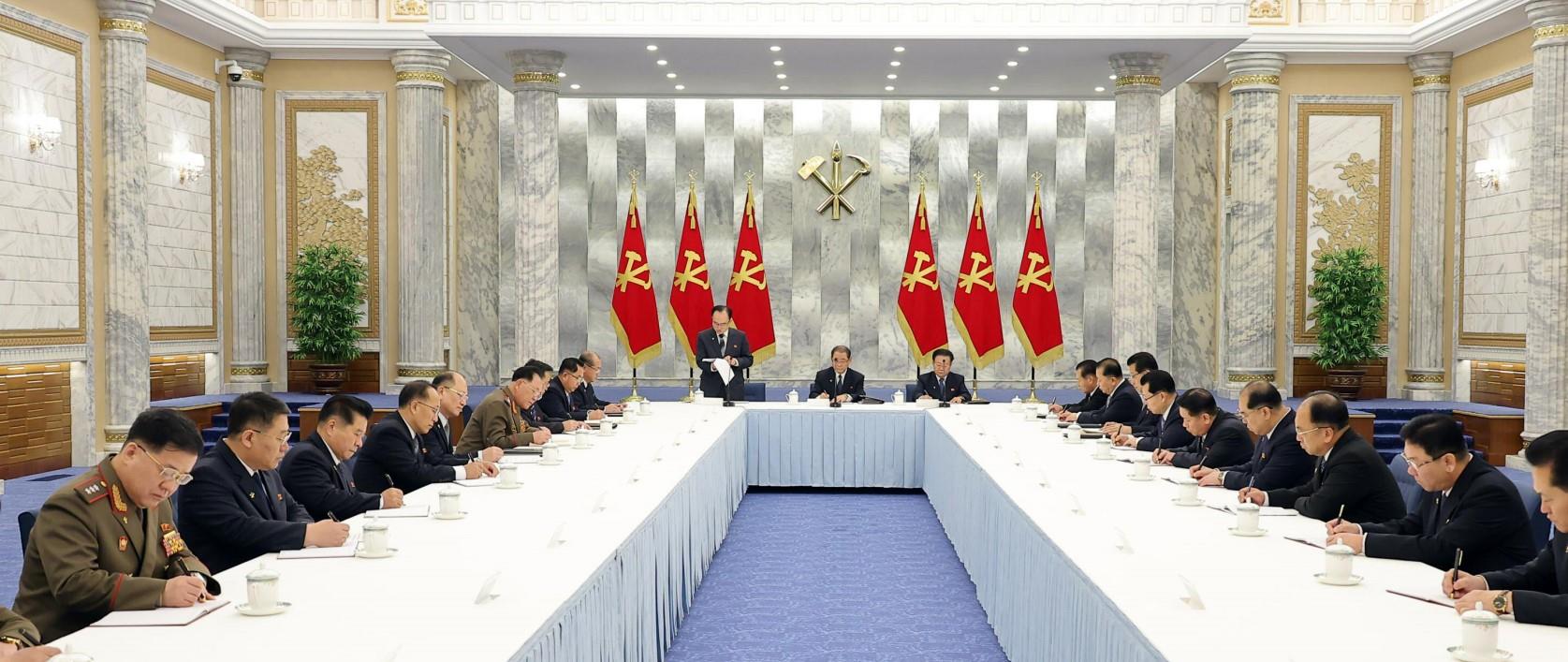
North Korea’s Foreign Policy Outlook for 2025 Through WPK Plenary Meeting:Strategies Toward Four Major Powers and South Korea’s Response Lim Eun-jungProfessor, Division of International Studies, Kongju National UniversityBarry Eichengreen, an economist and professor at the University of California, Berkeley, marked the 40th anniversary of The Age of Uncertainty in 2017—a book by John Kenneth Galbraith, a Harvard professor and former U.S. ambassador to India—with an essay titled The Age of Hyper-Uncertainty. In it, Eichengreen explored the complexities of what he referred to as "The Post-Post-Cold War World."While the post-Cold War era was defined by U.S.-led norms and global order following the ideological victory of the free world over communism—what Francis Fukuyama famously termed “The End of History”—The Post-Post-Cold War World is marked by the relative decline of U.S. dominance, China’s rapid rise as a G2 power, the emergence of a multipolar global order, and rising unpredictability as nations pursue self-reliance.Eichengreen’s essay was published in December 2016, just before the start of Trump’s first term. Now, as Trump’s second term begins in January 2025, the international climate surpasses even his description of “hyper-uncertainty.” Lee Ha-won, foreign affairs editor at The Chosun Ilbo, borrowing Eichengreen’s terminology, has described the current era as one of “super-hyper-uncertainty.”North Korea, too, confronts these uncertain times. Amid a turbulent 2024, the nation held an extended 11th Plenary Meeting of the 8th Central Committee of the Workers' Party of Korea from December 23 to 27. Kim Jong-un lauded recent accomplishments as “significant events ushering in a transformative phase” and stressed the importance of actionable plans for achieving party goals in 2025, the final year of the 8th Central Committee’s term.11th Plenary Session of the 8th North Korean Workers' Party held in Pyongyang on the 29th of last monthAs Kim Jong-un highlighted, 2025 is the final year of the 8th Central Committee and the 80th anniversary of the Workers’ Party of Korea. It also marks Trump’s second term, continued political turmoil in South Korea, the 80th anniversary of Korean liberation, and the 60th anniversary of normalized Korea-Japan relations. These events heighten uncertainty, as North Korea’s foreign policy could significantly impact East Asia’s regional dynamics and global security. This paper examines North Korea’s likely foreign policy in 2025, focusing on its dual approach of strengthening internal cohesion while increasing external pressure. By analyzing its strategies toward the four major powers, the study aims to provide implications and policy directions for South Korea. Russia remains North Korea’s top strategic priority. Throughout 2024, the two nations deepened political, economic, military, and technological cooperation. During the plenary meeting, North Korea showcased its “new strategic deterrence capabilities” and the “unlimited potential of defense science and technology,” though its rhetoric was measured. The promotion of figures like Kim Jong-kwan, a key figure in military collaboration with Russia, to positions such as Deputy Premier, highlights the ongoing importance of this partnership. Russia is expected to remain a top priority for North Korea in 2025.North Korea may also promote tourism exempt from sanctions by attracting Russian visitors. Kim Jong-un is likely to attend Russia’s 80th Victory Day celebrations in May 2025, further strengthening ties.While the outcome of the Russia-Ukraine war and Trump’s role in ending the conflict remain key factors, the existing “comprehensive strategic partnership treaty” suggests that Russia-North Korea relations will likely remain strong, even after the war concludes.North Korea is likely to focus on improving relations with China. While ties with Russia have strengthened, its relationship with China has cooled in recent years. Although 2024 marked the 75th anniversary of diplomatic relations between the two countries, declared a “Year of Friendship,” significant follow-up events were lacking. Aside from an April visit by Zhao Leji, China’s third-ranking official, no major activities occurred, and even North Korean state media removed the dedicated anniversary section from its website.However, with Trump’s second term and potential shifts in the Russia-Ukraine war, North Korea may seek to rebuild ties with China, its most significant economic benefactor and key ally. The plenary meeting’s emphasis on fostering relations with “friendly and amicable nations that respect sovereignty” signals North Korea’s intent to restore its partnership with China.The most uncertain and concerning issue is the potential shift in U.S.-North Korea relations. During the plenary meeting, Rodong Sinmun reported a proclamation of the “strongest hardline response strategy against the U.S. to safeguard national interests and security.” However, no specific measures were disclosed, leading experts to interpret this as a reiteration of the existing “power-for-power” stance. Some also suggest this approach aims to temper domestic expectations for renewed negotiations with the U.S., as seen during the 2018-19 talks.For now, North Korea is expected to closely monitor the uncertainties of Trump’s second term and adopt a flexible strategy toward the new U.S. administration’s policies. The elevation of Foreign Minister Choe Son-hui to a Politburo member is seen as preparation for potential negotiations with the U.S. Changes may also stem from the U.S. In a December 29, 2024, New York Times op-ed titled “Trump-Kim, Part II, Could Shake Up the World,” Dmitri Alperovitch of the Silverado Policy Accelerator and Sergey Radchenko of Johns Hopkins SAIS argued that the growing anti-American bloc of authoritarian states—China, Russia, Iran, and North Korea (CRINKs)—poses the greatest threat to U.S. interests. They proposed weakening this alliance by improving ties with North Korea, viewed as its weakest link.During his campaign, Trump highlighted his personal rapport with Kim Jong-un. If his administration prioritizes negotiations with North Korea over maintaining solidarity with South Korea, a decades-long ally, South Korea may face the challenge of redefining its national security framework. North Korea is expected to maintain a hostile stance toward Japan, criticizing the U.S.-Japan alliance and Japan’s military expansion. This approach aligns with its strategy of emphasizing external threats to consolidate internal regime unity. During the plenary meeting, North Korea denounced the “expansion of the U.S.-Japan-South Korea alliance into an aggressive nuclear military bloc” and described South Korea as “a thorough anti-communist base of the U.S.” This rhetoric suggests that North Korea is unlikely to seek improved bilateral relations with Japan—or South Korea—in the near term.As North Korea strengthens its military ties with Russia and expands its nuclear and missile capabilities, South Korea must prioritize its U.S.-ROK alliance to maintain a robust deterrence posture.In addition, South Korea should enhance its technological defenses to counter North Korea’s cyber threats and asymmetric capabilities. Ensuring continuity and stability in military response systems amid political turbulence is critical. Addressing North Korea’s evolving foreign policy requires international cooperation rather than unilateral measures. Close collaboration with the U.S., Japan, the EU, and Global South nations will be essential for effectively containing North Korea.
25.01.10 -
 [Defectors' Podium]
Present Situation of Korean Peninsula and North Korean Human RightsKim Dong Su(Ph.D)Former North Korean DiplomatRecently, the unification environment is rapidly changing in the Korean peninsula.The current North Korean regime can be summarized as four characteristics: extreme nuclear advancement, extreme economic difficulties, resulting in public sentiment disruption and social unrest, and strengthening of the people's control and oppression system.As most of the national budget is spent on the development of weapons of mass destruction, including nuclear and missile development, the people's livelihood economy is falling into ruin.Moreover, as the so-called "triple difficulties" such as sanctions against North Korea, COVID-19, and natural disasters over the past few years has added to the shortages of food supplies and there have been a series of starvation in recent years.As the result, social unrest is increasing, with public sentiment being alienated, while the 'South Korean Wind' is spreading widely throughout North Korean society.Therefore, the Kim Jong-un regime has been under extreme pressure, strengthening its surveillance of its residents and mercilessly abuses the human rights of North Korean people, enacting various evil laws, including the "Reactionary Ideological and Cultural Disorder Law" and the "Youth Education Act".Over the past decade, many international organizations and countries, including the North Korean Human Rights Investigation Committee(COI), the United Nations, the United States, Japan, and Europe, have interested in North Korean human rights and many NGO groups at home and abroad have carried out strong activities for North Korean human rights.As the result, various human rights abuses, such as, public shootings in North Korea's political prison camps, labor camps, and violations of women's rights, child abuse and child forced labor were investigated and known at home and abroad.In particular, as North Korean defectors have more opportunities to testify about North Korean human rights in the international community, the global interest about North Korean human rights has increased, and North Korea's human rights diplomacy has shrunk considerably.Meanwhile, the Kim Jong-un regime continues to purge and execute in North Korea, and measures to block the inflow of foreign information have been more intensified.From now on, we must develop a strong psychological warfare against North Korea that blows the wind of freedom and truth into the North Korean regime, which stands on the sand castle of the worst fiction and manipulation on the planet.All-round psychological warfare against the highly closed North Korean regime will be a more powerful weapon than the nuclear weapons.We have to notify the international community about the world's worst human rights situation in North Korea, while taking various measures to make North Korean people aware of the dignity of freedom, democracy and human rights so that they can resist the tyrannical regime.I think that, in the future, the Yoon Suk Yeol's government should emphasize the protection of North Koreans' human rights and the improvement of their right to live as the top priority of its policies.North Koreans, who are our people under our Constitution, are actually dying day by day as the slave of the Kim Jong Un's family.Therefore, at this time, any issues of unification, exchange, cooperation, or peace cannot take precedence over the North Korean people's right to live and their human rights.In other words, the policy towards North Korea of turning the blind eyes to the suffering of North Korean people is bound to be hypocrisy whatever it is.If North Korean people are neglected, any related act, and even unification itself, is bound to be hypocritical.This is because the ultimate purpose of the policy towards North Korea or the unification policy is not only to maintain the peace or secure power, but to liberate North Korean people from slavery, first of all.If not, then there is no reason to face by the North Korean people, and there is no need for unification, and you just have to protect yourself.The experience of the past half century and recent times have made it clear that the Kim dynasty can never be changed.In particular, it is also clear that the Kim Dynasty is the source of all evil related to division, including nuclear and missile issues, human rights issues, security instability issues, and inter-South Korean conflicts.In this context, I think that it is necessary to set the basic direction of international cooperation for the promotion of human rights policies towards North Korea as follows.First, it is necessary to raise the North Korean human rights issues more actively through the United Nations.Second, it is important to establish a new regional human rights system at the regional level or to discuss human rights issues with North Korea in earnest within the framework of economic and security cooperation.Third, it is very important to establish a cooperative body with international human rights NGOs and actively support the formation of a network of human rights NGOs, especially North Korean defectors' human rights NGOs.How to deal with North Korean human rights issues at this time is the most important issue that can cause North Koreans to change their consciousness, change their ideology, and even change their system.In order to link North Korea's serious human rights issues to regime change, it is more necessary, than ever before, to target the leadership of North Korea, the middle class who are forced to blindly loyalty, and the lower class who are Kim Jong-un's outsiders.To realize these purposes,We need to bring news and information from South Korea and the international community to North Korea through broadcasting, print, movies, records, and MP3s, as well as information and data on freedom, human rights, democracy, reform and openness.Therefore, they should recognize the anti-people’s nature of Kim Jong-un's dictatorship and influence themselves to become the main agents of liberal democratic unification leading reform and opening up of the North Korean society.
24.12.20 -
 [Feature Article Series]
Ishiba Shigeru’s North Korea Policy and Shifting Japan-North Korea Relations:Rejecting South Korea’s Role in Peninsula Affairs Yoon Suk-jung, Professor, Korea National Diplomatic Academy"The abduction issue is a humanitarian matter with critical time constraints, as victims and their families are aging. It cannot be neglected and remains the administration’s highest priority," declared Prime Minister Ishiba Shigeru in his policy speech after his re-election on November 29, 2024. This stance aligns with Japan's long-held position on North Korea’s abduction of its citizens, previously framed by the Kishida Fumio administration as a "human rights matter requiring urgent resolution due to time constraints."This framing highlights a strategic diplomatic approach that separates the abduction issue from North Korea’s nuclear and missile threats. By presenting it as a distinct humanitarian concern, Japan opens the door for dialogue with North Korea. Ishiba Shigeru’s position demonstrates continuity with the Kishida administration's policy.The abduction issue has been a central topic of public interest in Japan, deeply influencing the government’s North Korea policy. Ishiba Shigeru's administration reflects this societal focus. Kishida Fumio, for instance, emphasized dialogue with North Korea over the abduction issue to strengthen public support for his administration. Similarly, the Ishiba administration likely considers engaging with North Korea—including on the abduction issue—a key strategy for maintaining political stability.Although Ishiba Shigeru’s policy largely aligns with previous Japanese administrations, it also introduces notable distinctions. For instance, during the Liberal Democratic Party’s presidential election in September, Ishiba proposed setting up liaison offices in Tokyo and Pyongyang to advance resolution of the abduction issue. In his October 4 policy speech, he pledged to “return to the principles of the Japan-North Korea Pyongyang Declaration” and pursue the full repatriation of all abductees while addressing other unresolved matters with North Korea.The Declaration, agreed upon in 2002, remains a cornerstone of their bilateral relations, outlining commitments to address nuclear and missile development, abductions, and historical grievances to achieve normalized diplomatic ties. While tangible progress has been limited since the agreement, both nations still regard it as a valid framework. Ishiba’s reference to the Declaration highlights his acknowledgment of its significance in pursuing normalization with North Korea.Ishiba’s North Korea policy seems to go beyond domestic political strategies. As a member of the Parliamentary League for the Promotion of Japan-North Korea Diplomatic Normalization, his statements carry substantial weight. The idea of establishing liaison offices reportedly originated from this league, which includes prominent figures in Ishiba’s administration, such as Moriyama Hiroshi (Liberal Democratic Party Secretary-General), Sakamoto Tetsushi (Diet Affairs Committee Chairman), Iwaya Takeshi (Foreign Minister), and Nakatani Gen (Defense Minister). This indicates a serious commitment among both party and cabinet members to advancing diplomatic normalization with North Korea.The Ishiba administration's North Korea policy reflects structural shifts in Japan-North Korea relations. According to Professor Park Jung-jin, these changes indicate a growing dynamic where Japan and North Korea interact more independently, diminishing South Korea's influence in the process. Despite the unresolved abduction issue remaining a barrier, Japan's engagement with North Korea is driven by necessity, even amid North Korea's ongoing nuclear and missile developments.Historically, the abduction issue has enabled direct Japan-North Korea engagement, leading to two summits and numerous working-level talks, including the 2014 Stockholm Agreement. These interactions demonstrate the issue's persistence in bilateral dialogue.At the same time, inter-Korean relations shifted significantly with South and North Korea’s joint admission to the United Nations, marking mutual recognition—a sharp contrast to the Cold War era of mutual denial. In this context, Japan and North Korea encounter fewer legal and political barriers to rapprochement.North Korea’s "Two Hostile States Theory" is driving shifts in Japan-North Korea relations. In December 2023, leader Kim Jong-un described inter-Korean ties as hostile, no longer based on shared identity or unity. This theory reflects North Korea's rejection of South Korea as a key player in Korean Peninsula affairs, signaling a shift away from using South Korea as a mediator in its negotiations with the United States and other Western nations.The return of a Donald Trump administration in the U.S. has renewed prospects for North Korea-U.S. talks. In this context, North Korea may prioritize its ties with Japan, which has consistently engaged on issues like abductions. Ishiba Shigeru’s North Korea policy reflects this shifting dynamic, making it crucial for South Korea to monitor his approach, as it could reshape the Korean Peninsula's geopolitical landscape.
24.12.20 -
 [Opinion]
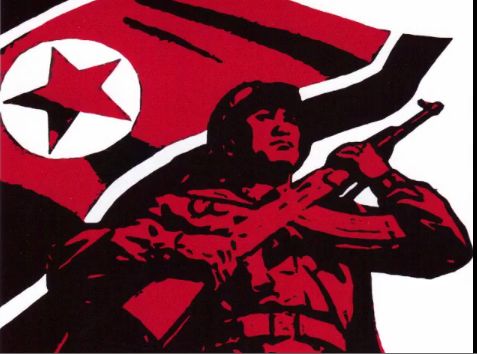
What the Hostile Two-State Theory Really Is and Why It’s Advocated:A Strategy to Escape Korean Ethnic Unity and Justify Nuclear ThreatsKim YeolsooDirector of the Security Strategy Office, Korea Institute for Military AffairsKim Jong-un's Reports at the Central Committee of WPK Meetings and Speeches at the Supreme People's Assembly.Kim Jong-un’s Reports at Key Meetings and Speeches At the 9th Plenary Meeting of the 8th Central Committee of the Workers' Party of Korea held in December 2023, Kim Jong-un defined inter-Korean relations as “a relationship between two hostile, warring nations.” He announced a transition to a “confrontational policy” toward South Korea, stressing the need to prepare for a massive upheaval by mobilizing all available forces, including nuclear capabilities, to seize control of South Korea's entire territory.In January 2024, during a Supreme People's Assembly speech, Kim expanded on this stance, declaring the need to “bring an end to 80 years of inter-Korean relations.” He ordered intensified education to portray South Korea as North Korea’s unchanging and primary enemy. Kim Jong-un added that any intrusion into North Korea's land, airspace, or waters—no matter how minuscule—would be treated as an act of war. He further urged legal preparations to ensure that, in case of war, South Korea would be fully occupied, subdued, and incorporated into North Korean territory. Kim Jong-un’s reports and speeches can be summarized as follows:A denial of Korean ethnic unity, redefining North and South Korea as two hostile nations at war. Plans to occupy South Korea through all means necessary, including nuclear force, and absorb it into North Korea’s territory.Let us explore the measures aligned with this two-state theory and the proposed nuclear strategy.Actions Taken Under the Hostile Two-State TheoryIn his reports and speeches, Kim Jong-un laid out specific measures rooted in the hostile two-state theory. These measures included internal policy shifts and physical severance of inter-Korean connections.North Korea systematically removed terms and symbols linked to Korean ethnic identity and peaceful unification. Expressions like 'Beautiful Land of Korea' (Samcheolli Geumsugangsan), '80 million compatriots,' and phrases such as *---North Korea dismantled several organizations involved in inter-Korean negotiations and dialogue, including the National Committee for the Peaceful Reunification of the Fatherland, the National Economic Cooperation Committee, the Kumgangsan International Tourism Bureau, the National Reconciliation Council, the June 15th South–North Joint Declaration Implementation Committee (North Korean branch), the Pan-Korean Alliance for Reunification (North Korean headquarters), and the Tangun National Reunification Council. However, the United Front Department of the WPK was not dismantled; instead, it was reorganized as the 10th Bureau of the Central Committee of the WPK. Additionally, North Korea shut down its propaganda websites targeting South Korea, such as 'Uriminzokkiri (Among Our People),' 'Echo of Unification,' and 'DPRK Today.'North Korea began highlighting South Korean territory in black on weather reports. The national anthem's title and lyrics were also altered, renaming it to 'Democratic People’s Republic of Korea' and replacing 'My Country, Beautiful Samcheolli' with 'My Country, Beautiful in This World.'The subway station 'Tongil Station (Unification Station)' was renamed 'Moranbong Station.' Furthermore, the 'Monument to the Three-Point Charter for National Reunification,' built in 2001 to honor Kim Il-sung's unification legacy, was dismantled. These actions reflect Kim Jong-un’s complete rejection of the unification policies of Kim Il-sung and Kim Jong-il.To physically sever inter-Korean relations, North Korea began planting large quantities of landmines along the Gyeongui and Donghae Line roads in December 2023. By spring 2024, it had installed landmines, anti-tank barriers, and other structures along the front line, removed streetlights on these roads, and dismantled tracks and sleepers on the corresponding railway lines.On October 15, North Korea demolished sections of the Gyeongui and Donghae Line roads north of the Military Demarcation Line (MDL), creating 5-meter-deep trenches and constructing 11-meter-high earthen mounds and anti-tank obstacles. It also severed power transmission lines supplying electricity to the Kaesong Industrial Region and collapsed the transmission towers. With these actions, North Korea nearly completed its physical severance measures with South Korea. During the Supreme People's Assembly on October 7–8, North Korea appeared to incorporate the Hostile Two-State Theory into its constitution, although specific details remain undisclosed.Plan for the Use of Nuclear Forces to Occupy, Dominate, and Seize Territory from South KoreaKim Jong-un’s conclusion from 80 years of inter-Korean dynamics is that South Korea has always sought North Korea’s collapse and “absorption unification,” regardless of its political identity. He described South Korea as a “colonial puppet of the United States” and declared it a target for military subjugation rather than peaceful dialogue.North Korea has repeatedly threatened South Korea with nuclear force. In September 2022, it enacted its nuclear force policy into law, outlining five conditions for nuclear use, emphasizing arbitrary use and preemptive strikes. Kim Jong-un often stressed nuclear forces must serve a 'secondary mission' of preemptive strikes beyond mere deterrence. In his recent speech, he declared nuclear forces would be used to occupy, pacify, and annex South Korea into North Korean territory—marking a shift from peaceful to forceful unification through nuclear weapons.Reasons for Advocating the Hostile Two-State TheoryKim Jong-un’s support for the Hostile Two-State Theory can be attributed to two main reasons. First, North Korea recognizes the significant power gap between itself and South Korea and views the widespread influence of the Hallyu (Korean Wave) as a threat to its regime’s survival. This led to the introduction of laws such as the “Reactionary Ideology and Culture Rejection Law” in 2020, the “Youth Education Guarantee Law” in 2021, and the “Pyongyang Cultural Language Protection Law” in 2022.Despite these efforts, North Korea struggled to completely block South Korea’s influence. To counter this, Kim Jong-un proposed the Hostile Two-State Theory, severing all ties with South Korea and implementing hostile policies. North Korea believes this approach enables it to strengthen ideological control and prevent regime collapse.The second reason is to redefine Korean ethnicity and justify the use of nuclear weapons. North Korea judged that deploying nuclear weapons against the same ethnic group could cause enduring trauma, even after forced unification. During Kim Jong-il’s rule, the idea of “By Our Nation Itself” prevented such actions. To bypass this, Kim Jong-un replaced the concept of shared ethnicity with the Hostile Two-State Theory, legitimizing nuclear threats against South Korea.ConclusionKim Jong-un refers to North Korea as the "Kim Il-sung nation" and treats South Korea, which he calls the "Republic of Korea," as if it were an entirely separate country. However, no matter what he claims, one ethnic group cannot simply become two different peoples. He’s merely denying the reality. There’s no need to give weight to North Korea’s rhetoric. Instead of acknowledging North Korea’s two-state theory, South Korea should stay committed to its Constitution, which calls for "establishing and pursuing a peaceful unification policy based on liberal democratic principles." At the same time, it’s crucial to address North Korea’s nuclear-backed territorial threats with a strong security response.
24.12.20 -
 [Defectors' Podium]
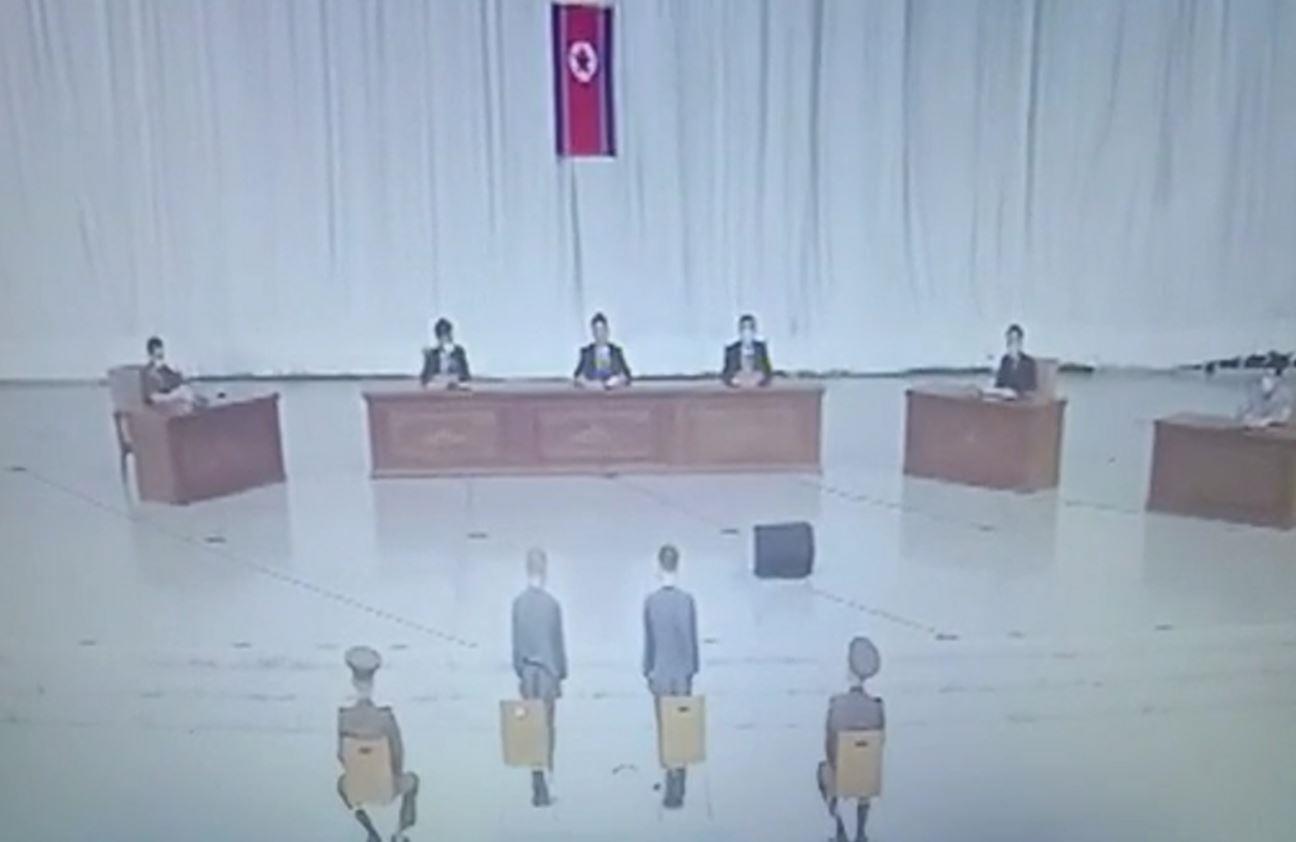
North Korean Officials Criticize Kim Jong-un Over South Korean DramasLee Jong-wooFormer Official in Charge of Judicial and Prosecution Affairs at the Workers' Party of KoreaIn the late 1990s, the Korean Wave (Hallyu) and foreign cultural influences began reshaping North Korean society. South Korean movies and dramas quickly gained popularity, captivating the youth and even influencing government officials.North Korean officials, myself included, were both fascinated and unsettled by South Korean culture, which revealed stark social disparities and unfamiliar sophistication. As a judicial official for the Workers' Party of Korea, I secretly watched South Korean dramas and movies—alone, with family, or trusted colleagues—and often shared them with close judicial peers.We often gathered at my home or a friend’s place—usually someone from the Ministry of State Security—to watch popular South Korean dramas. Afterward, we would summarize the stories, share our thoughts, or playfully mimic the characters’ speech patterns. One colleague was struck by the depiction of pure love and family bonds, saying, “These are stories we can barely imagine in our reality.” Others kept things light by imitating the characters and joking about their mannerisms.A friend from the Ministry of State Security, while watching a South Korean film, was astonished by its advanced production quality, remarking, “It’s incredible that South Korean filmmaking has reached this level. Should we simply treat this as something to ban?” Another judicial official suggested that creating similar dramas might let North Koreans enjoy entertainment without undermining the loyalty.Watching these dramas with our families gave us a chance to experience South Korean culture and values firsthand. Titles, phrases, and expressions from the shows became popular in our households, and before long, South Korean terms found their way into our daily conversations as officials.North Koreans on trial for watching South Korean dramas/SAND newsletter teamFor us, South Korean media was more than entertainment—it offered a glimpse into a freer, more sophisticated world, highlighting the stark contrast with our restrictive regime and sparking dissatisfaction.In some cases, some officials’ loyalty began to falter. Where they once shed tears of devotion at the sight of Kim Jong-un’s image on TV, many now turned off the screen when he appeared. Prolonged economic hardship fueled this discontent, and comparisons with South Korean dramas led to open criticism of Kim’s policies. Some even secretly referred to him by the mocking nickname Jjoman-sae (“shorty”), reflecting their growing disillusionment.The influence of South Korean media extended beyond the public, penetrating North Korea’s power structures. Alarmed, the regime held emergency meetings, with the WPK’s Propaganda and Agitation Department warning that such content was eroding loyalty to Kim Jong-un and the Party. In response, they formed the “109 Grupa,” a task force involving the Ministry of State Security, judicial institutions, the Socialist Patriotic Youth League, and the People’s Committees, to crack down on foreign media consumption.The 109 Grupa’s methods were thorough and invasive. Inspectors visited our homes, checked devices for unauthorized content, and even measured the temperature of video players to detect recent usage. To evade detection, we devised clever strategies, turning these efforts into organized drills. Knowing inspectors checked video player temperatures, we kept two devices: one for show and another for actual use, quickly swapping and hiding the latter under blankets or in closets during inspections. We also practiced cooling recently used players and assigning family roles to act efficiently when inspections were anticipated.We even rehearsed responses for random inspections, practicing lines like “We weren’t watching anything” to make them sound convincing. We prepared hiding spots for CDs or USB drives so they could be quickly retrieved after inspectors left. At home, we ran several drills, pretending inspectors had barged in, swiftly hiding items and staying calm. We also collaborated with neighbors, using discreet signals—like specific sounds or gestures—to warn each other of inspections and buy extra time to conceal restricted materials.We were not immune to these crackdowns. Some of us openly discussed countermeasures during briefings, asking one another, “Is your family also preparing for inspections?” Despite our precautions, the risk of punishment remained severe. Those caught could face arrest, confiscation of property, or even deportation to political prison camps.Yet, the Korean Wave proved resilient. We continued watching South Korean dramas, and they remain popular as people use increasingly sophisticated and covert methods to bypass government scrutiny. The cultural appeal of South Korean content has transcended the regime’s efforts to suppress it, becoming both a symbol of resistance and a harbinger of change.The rise of Hallyu in North Korea is more than a cultural trend—it reveals cracks in the regime’s control. Even under Kim Jong-un, South Korean culture challenges loyalty to the state and sparks hope for freedom. As the saying goes, “The will of the people is the will of heaven.” Despite strict crackdowns and laws like the "Reactionary Ideology and Culture Rejection Law," North Koreans' admiration for South Korean culture and desire for change persist.
24.12.06 -
 [Opinion]
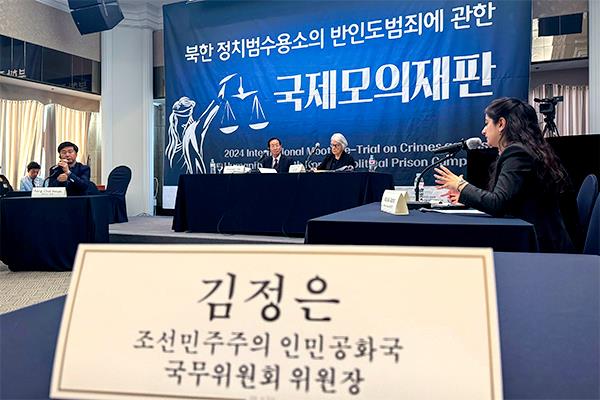
North Korean Defector as Prosecutor Leads Mock Trial Against Kim Jong-un:What ICC Charges Could Mean Lawyer Lee Young-hyun, Corporate Law Firm IREA recent international mock trial in Seoul addressed crimes against humanity in North Korean political prison camps, marking the first event of its kind in the city. Organized to commemorate the 10th anniversary of the 2014 UN COI report, it renewed global calls to hold Kim Jong-un criminally accountable.The tribunal included prominent former international judges, such as Silvia Rose Cartwright of the Extraordinary Chambers in the Courts of Cambodia (ECCC), with prosecutors and defense attorneys from South Korea, the United States, and the United Kingdom. North Korean leader Kim Jong-un was the subject of a pre-trial hearing to assess whether the International Criminal Court (ICC) could proceed with a formal trial for his alleged crimes against humanity.The pre-trial tribunal found substantial evidence implicating Kim Jong-un in crimes such as murder, enslavement, imprisonment, sexual violence, persecution, and enforced disappearances within political prison camps. The case was referred to the trial chamber, although the ruling carries no legal weight, such as res judicata or binding authority.The ICC, established as the first permanent international court to prosecute individuals for serious crimes against humanity, has since the 2000s addressed cases involving political leaders from eight countries, including the Democratic Republic of Congo, Sudan, and Kenya.Judge Joo Kwang-il and Judge Sylvia Rose Cartwright are conducting an international mock trial on the "anti-humanitariancrime in North Korea's political prison camps" at the Press Center in Jung-gu, Seoul on the 26th. /PSCORENotable cases include Sudan’s Omar al-Bashir and Libya’s Abdullah Al-Senussi, referred by UN Security Council resolutions, as well as Kenya’s Mzee Jomo Kenyatta and Côte d'Ivoire’s Laurent Gbagbo, tried through ICC initiatives. In March 2023, the ICC issued an arrest warrant for Russian President Vladimir Putin over alleged war crimes in Ukraine.A decade ago, the UN COI on North Korea concluded that the regime systematically violated human rights on a massive scale, many of which qualified as crimes against humanity under international law. The report urged the UN Security Council to refer these violations to the ICC for action.Bringing Kim Jong-un to trial at the ICC is seen as a powerful mechanism to hold dictatorial regimes accountable for systemic human rights abuses. The potential prosecution of Kim Jong-un serves not only as a call for justice but also as a catalyst for improving North Korea’s dire human rights situation. The implications can be summarized in three key points: First, prosecuting Kim Jong-un would exert immense pressure on the North Korean regime. Since the release of the COI report in 2014, North Korea has displayed subtle yet significant changes. The global strategy of "naming and shaming," which aims to publicly expose and embarrass human rights violators, has shown gradual but discernible impact. While North Korea outwardly responds with a hardline stance, it has secretly reduced public executions, moved them to hidden locations, and made superficial adjustments to its criminal justice system to placate international critics. These reactions highlight the regime’s sensitivity to global scrutiny and demonstrate the effectiveness of persistent pressure. Additionally, whether or not ICC charges materialize, merely bringing the issue to light can create substantial political and psychological pressure on Kim Jong-un. An ICC referral would act as a constant reminder of potential accountability, symbolizing a lifetime burden for him. The prospect of being punished as a criminal would weigh heavily on North Korea’s leadership, where Kim is revered as the "supreme dignity." An indictment could destabilize the regime by creating cracks in its power structure. Under certain circumstances, factions within the regime might even seek to detain Kim and hand him over to international authorities. Second, taking this step would offer hope to North Korean citizens who continue to suffer under systemic human rights abuses. Kim Jong-un holds ultimate responsibility for a regime that has turned the nation into a prison-like society. Political prison camps that lasted 12 years under Adolf Hitler and 32 years under Joseph Stalin dissolved after their deaths, yet North Korea’s camps have endured for over 70 years across three generations of hereditary rule. Without meaningful international intervention, these atrocities are unlikely to cease. As human rights advocate Pierre Rigoulot has noted, referring Kim Jong-un to the ICC might be the only viable way to free North Korea’s people from their dire circumstances. Third, prosecuting Kim Jong-un would strengthen the global consensus that crimes against humanity in North Korea cannot be tolerated, opening the door for more effective UN interventions to address these violations. Greater international focus on North Korea’s human rights abuses and efforts to hold perpetrators accountable, combined with the ICC’s role in collecting evidence for future prosecutions, carry substantial significance. This attention could also increase political and psychological pressure on China and Russia. As global condemnation grows, these nations may find it increasingly difficult to justify vetoing resolutions that refer Kim Jong-un to the ICC. The ICC’s involvement not only underscores the importance of pursuing international justice but also strengthens the broader call for accountability.While prosecuting Kim Jong-un is essential to achieving justice, significant challenges remain. North Korea has not joined the Rome Statute or accepted ICC jurisdiction. Additionally, China and Russia, as North Korea’s key allies and permanent members of the UN Security Council, continue to block efforts to bring North Korea’s crimes before the ICC. At present, obstacles to prosecuting, arresting, and convicting Kim Jong-un are substantial. However, the pursuit of accountability must persist to ensure justice for his crimes against humanity.History has shown that major turning points often arrive unexpectedly. It is crucial to remain prepared for the day when Kim Jong-un and others responsible for North Korea’s atrocities are brought to justice. The recent international mock trial served as a vital step toward this goal, laying the groundwork for future efforts. Sustained initiatives like this, both domestically and internationally, will be key to achieving justice and change.
24.12.06 -
 [Defectors' Podium]
Letter from a Former North Korean Soldier, Dispatched to Russia and Now a Deserter - Part 2Don’t Sacrifice Your Life For Dictators—Choose Freedom InsteadLee Nam-suFormer North Korean Soldier Dispatched to RussiaContinuing from our previous discussion, this is a heartfelt letter from Mr. Lee Nam-su, who was once dispatched as a North Korean soldier to a construction site in Russia. Having defected to South Korea three years ago, he now writes to console North Korean soldiers deployed to the perilous Russian battlefield.Who are the real victims of this war? It is you and your loved ones. Far away in North Korea, your parents endure each day in anguish, shedding tears for you. Reports from North Korea reveal that many parents are becoming ill from worry, and the regime, in an effort to control the narrative, has segregated and closely monitored them. Your parents are yearning for your safe return. Dying on the battlefield is not what they dreamed for you. To them, you are their pride, their beloved child, and their irreplaceable family. Remember their tears and concern for your well-being. Let the depth of their worry for your safety guide you.Your life is invaluable. It should never be sacrificed for the ambitions of a regime or its leaders. This war is not yours to fight—it is merely a stage for the greed and power struggles of dictators. You are being used as pawns in their pursuit of control, at the expense of your precious lives. The weapons of war do not discriminate; bullets and artillery shells strike without warning. Today or tomorrow, your life could be at risk. Modern warfare is no longer about brute strength or mental toughness. It’s fought with precision—drones and artillery targeting key positions with deadly accuracy. Soldiers like you, inexperienced and unprepared, are often the first to be lost. Don’t let your life end in a Russian uniform, far from home, unnoticed and unremembered. North Korea might label you a hero who fought for the party and its leader, but who really gains from such a sacrifice? As the saying goes, “Better to be a live dog than a dead lion.” This is your chance to make a choice. Choose freedom, not death.There is another path. Surrendering is not a sign of weakness—it is a courageous choice. It is a decision to protect your life and strive for a better future. Reflect on what true freedom means, especially after growing up in a system of oppression. The life you deserve is not one wasted fighting for dictators but one where you can live freely and pursue your dreams. Death erases all possibilities. Your life is invaluable, and no one has the right to take it from you. Now is the time to choose life over death. As someone who once stood where you are, I deeply understand the reality you’re facing. Like you, I endured countless injustices under North Korea’s rule and felt trapped with little hope of escaping its oppressive grip. But I made the decision to break free. I chose not to live as a pawn for Kim Jong-un any longer and set out on a journey toward freedom. Every step was difficult, but finding freedom gave me back my humanity and allowed me to live as my own person, no longer a tool under someone else’s control.You have a choice. No matter how difficult your current circumstances may seem, you can still make a decision. Your life is far too precious to be wasted in this senseless war. Kim Jong-un and Vladimir Putin only care about consolidating their power—they have no regard for your life or future.Even now, countless people in North Korea suffer under Kim Jong-un's rule, as you once did. That suffering has only shifted to the battlefield, where your life is at constant risk. But this is your opportunity to end that cycle of pain. It may be the only chance you have in your lifetime. By surrendering, you can escape this war and begin anew. In a free society, you can make your own choices and forge your own path.True freedom awaits. Unlike the oppression of North Korea, democratic nations offer the chance to pursue your dreams, regardless of your background. I sincerely wish for you to save your life and experience the hope that freedom brings. Freedom transforms you from an oppressed individual into someone truly liberated. I walked this path, and I know you can, too. I earnestly hope for your survival and that you will go on to live a free and fulfilling life. Surviving this war is your most important mission—it is the foundation of your future. Your life is yours alone, and the power to protect it rests with you. I pray for your safety and freedom as someone who once shared your struggles and has now found liberation.From Seoul, your former comrade. Stay safe.
24.11.22 -
 [Opinion]
The Reality of Life for North Korean Citizens Under Judicial OppressionLee Jong-wooFormer Official in Charge of Judicial and Prosecution Affairs at the Workers' Party of KoreaNorth Korea’s judicial institutions and their affiliates have faced violent backlash from citizens. During my tenure overseeing judicial and prosecution affairs for the Workers' Party of Korea, I witnessed residents venting their anger over oppressive and unjust practices, targeting not only prosecutors, judges, and state security agents but also their families in acts of revenge.My personal experiences in North Korea included several instances of physical attacks. On one occasion, as I was riding my motorcycle home, I encountered a trap set in an alley—a rope strung at neck height. The sudden impact threw me from my bike, which continued to skid forward. Fortunately, my injuries were minor, but the attack could have been fatal. It was likely orchestrated by a family member of someone I had imprisoned, driven by a desire for vengeance. To prevent a cycle of retribution, I decided against pursuing the perpetrator and chose to let the matter drop.Threats to judicial officials' families are commonplace. It’s not unusual for individuals to attack a judge’s spouse while the judge is at work or even kidnap their children as a form of retaliation.After defecting and settling in South Korea, a nation governed by democracy and the rule of law, I began to understand the circumstances driving North Koreans to such desperate actions. Unlike South Korea, where judicial institutions aim to safeguard human rights, North Korea’s judicial system functions as a tool of repression, forcing citizens into submission. Victims of excessive torture, unfair trials, and draconian policies often lose their families or livelihoods. For them, striking back at the enforcers of such oppression becomes one of the few ways to express their anger and resist.North Korean judicial officials reportedly consider the risk of retaliation when enforcing punishments. In February 2023, the Ministry of Social Security declared that violence against judicial workers or their families would be deemed “anti-Party and counter-revolutionary acts,” punishable with severe penalties. However, such harsh measures are likely to escalate tensions, as widespread dissatisfaction with oppressive policies may only incite further resistance and retaliation.The North Korean regime has relied on an oppressive judicial system and forced law enforcement to maintain control. Yet, these tactics are increasingly backfiring. Public anger, fueled by such repression, is now turning into acts of violence that challenge the very foundation of the regime. The constant fear of retaliation faced by judicial officials starkly reveals the vulnerability of the system.The hostility directed at judicial officials is not simply a matter of personal grievances. It reflects deeper resentment toward the judicial institutions that symbolize the regime’s oppressive nature. This vicious cycle of oppression and revenge will persist unless fundamental reforms are introduced.The violent retribution in North Korea carries significant implications for the international community. As the regime's oppressive practices persist, citizens' anger will continue to erupt, jeopardizing both the regime’s stability and regional security. This issue extends beyond North Korea, posing a pressing challenge for its neighbors and the global community.The international community must take note of the systemic failures and the plight of North Korean citizens. Supporting initiatives that offer alternatives to violent resistance and foster hope for change is essential. The issues of violence and repression within North Korea must not be dismissed as internal matters but addressed as part of a collective effort to uphold human rights and freedom worldwide.Breaking the endless cycle of oppression and retaliation requires comprehensive systemic reform. The acts of vengeance by North Korean citizens are expressions of their despair and anger. Transforming this despair into hope will require the international community to offer viable alternatives to the current judicial system and take responsibility for helping citizens envision a better future.The crisis within North Korea’s judicial system is indicative of broader vulnerabilities within the regime. To prevent further repercussions, it is crucial to hear the voices of the people and take meaningful steps toward lasting change.
24.11.22 -
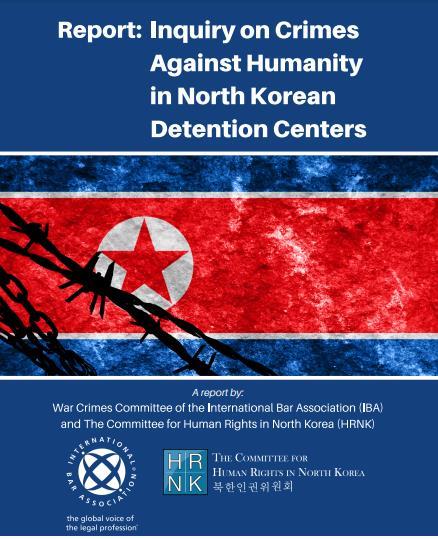 [Column]
Illegal Collaboration Between Russia and North Korea and Kim Jong-un’s International Criminal ResponsibilitySAND ColumnThe Ukraine-Russia war has strengthened the illicit alliance between Russia and North Korea, with North Korea supplying large quantities of lethal weapons and acting as a logistics hub for Russia.Since August 2023, North Korea has reportedly sent over 13,000 containers filled with deadly weapons to Russia through about 70 shipments. These arms have not been limited to military use but have also been employed to deliberately target civilians, ringing alarm bells across the global community.Earlier this year, in February, Ukraine’s Security Service (SBU) revealed that Russia had deployed North Korean-made KN-23 ballistic missiles, killing 24 civilians and injuring more than 100. In August, Ukrainian President Volodymyr Zelensky pointed out that these missiles had claimed civilian lives, including those of children, calling for global attention. Evidence clearly demonstrates that North Korea’s arms are facilitating war crimes.More alarming, however, is the disclosure that North Korea has sent troops to Russia. Recent reports confirm the deployment of roughly 10,000 elite soldiers from North Korea’s “Storm Corps,” who are expected to join the frontlines soon. This development signifies a dangerous shift from providing weapons to direct military intervention, making the Russia-North Korea collaboration a pivotal factor in prolonging and exacerbating the Ukraine conflict.The international community must take decisive action to counter North Korea’s illegal wartime assistance. One potential measure is to refer Kim Jong-un to the International Criminal Court (ICC). The ICC prosecutes individuals for crimes such as war crimes, crimes against humanity, genocide, and aggression. The court has already issued arrest warrants for Russian President Vladimir Putin and key officials for crimes committed in Ukraine. It is now Kim Jong-un’s turn.Given that North Korean-supplied weapons have directly caused civilian casualties, this may constitute a violation under Article 25(3) of the ICC’s Rome Statute, which addresses aiding and abetting crimes. Former ICC President Song Sang-hyun emphasized that North Korea’s arms transfers clearly breach international law and warrant Kim Jong-un’s prosecution for war crimes.Referring Kim Jong-un to the ICC would carry implications beyond mere legal accountability. North Korea’s escalating actions, from arms shipments to troop deployment, pose a direct threat to global peace. The international community and ICC member states must not condone these crimes and must act to defend liberty and peace.The Kim Jong-un regime operates as a one-man dictatorship. Holding Kim accountable could undermine the North Korean system and provide its citizens—long subjected to relentless propaganda—a chance to face reality. Moreover, a unified global response would demonstrate that peace and justice are achievable and worth fighting for.The ICC must swiftly investigate Kim Jong-un’s war crimes to uphold the Rome Statute and reaffirm its purpose. The international community can no longer remain passive—now is the time to act.
24.11.22
News Letter
We are leading the global communication via Newsletter.
We will deliver the latest information and proven facts on Korean Peninsula status including North Korea situation.