

-
 [Feature Article Series]
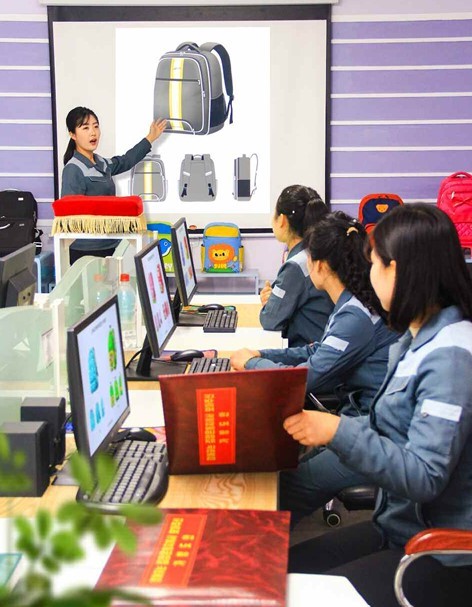
Marketing In North Korea (14)- Dream up a brand that remains in the heart: Brand Marketing in North Korea Jeon Byung-kilSenior Consultant of YESInnovationformer of Secretary General of UniKorea FoundationMarketing, as a concept, did not originally exist in North Korea because the country focused on building a socialist planned economy. Even in other socialist countries, the idea of marketing was only introduced after they adopted capitalist practices through reform and opening-up policies. In North Korea, universities with economics or business administration departments did not initially offer marketing courses.After undergoing several rounds of economic reform, North Korea slowly began accepting foreign influences, including marketing concepts, though only in a limited way. Today, marketing in North Korea is mostly associated with production and sales.In the 1960s, marketing in Western countries focused on "mass marketing," targeting the general public. By the 1970s, more advanced ideas like customer segmentation (dividing customers into specific groups) and customer targeting (focusing on certain customer groups) became popular. However, in North Korea, the idea of mass marketing—focused on production and sales aimed at the public—is only now gaining traction.A bag design conference at a bag factory in North Korea/The Rodong SinmunAs some capitalist ideas have made their way into North Korea, public interest in marketing, branding, and trademarks has grown. North Korean brands mostly emphasize domestic production and often reflect the country’s unique ideology and historical perspective.An example of this can be seen in The Economic Studies Edition of the Journal of Kim Il Sung University (Vol. 3, 2000). It explains the difference between product brands in capitalist and socialist economies. In a capitalist economy, brands are described as “a way to attract consumers with flashy products to maximize profits, exploiting workers in the process.” In contrast, socialist brands are seen as “good brands that demonstrate the legitimacy of the party’s economic policies and inspire workers to take pride in their hard work.”This unique perspective shows how North Korea's approach to marketing and branding differs from the rest of the world, shaped by its distinct ideology and economic system.North Korea’s Lonely ScreamIn 2002, Samsung Electronics in South Korea released a commercial for its mobile phone brand, Anycall. The advertisement starred Cho Myung-ae, a famous North Korean dancer from the Mansudae Art Troupe, alongside South Korean pop singer Lee Hyo-ri. This was a groundbreaking moment because Cho Myung-ae was the first North Korean model to appear in a South Korean advertisement since the Korean War divided the peninsula. The commercial’s slogan was “Digital Exciting – One Resonance,” symbolizing a sense of connection between the two Koreas. This story was later featured in the South Korean film The Spy Gone North (2018), which evoked nostalgia for the collaboration between Cho Myung-ae and Lee Hyo-ri.From the late 1990s to the early 2000s, advertisements became a unique medium for the two Koreas to explore and better understand each other. Many people might assume that advertisements are banned in socialist countries like North Korea. However, advertising has existed in North Korea for over 30 years.One example is Pyongyang Sinmun, a daily newspaper published by the Workers’ Party of Korea. While Rodong Sinmun, the party's main newspaper, and Minju Choson, the Cabinet's official paper, focus on political propaganda, government accomplishments, and Kim Jong-un’s activities, Pyongyang Sinmun includes articles on everyday life. It even features entertainment content like serial novels, cartoons, and, notably, product advertisements—although these make up only a small portion of the paper. Interestingly, Pyongyang Sinmun also has an English version called The Pyongyang Times.Advertisements began appearing in Pyongyang Sinmun in the 1990s. This shift was driven by changes in the global political landscape, such as the collapse of socialist regimes in Eastern Europe and China’s embrace of reform and opening-up policies. These events pushed North Korea to experiment with advertising, which they saw as a key feature of capitalist economies that could help distribute products more efficiently.Later, advertisements were also featured in North Korea’s English-language magazine Foreign Trade of DPRK, and formal advertising regulations were introduced in the Rajin-Sonbong Economic Special Zone in 1993. These efforts were part of the government’s attempt to promote exports and attract foreign investment through advertising.However, these efforts were not as successful as the government had hoped. Advertisements did not significantly boost sales of North Korean products or attract foreign investments. Despite this, the presence of advertising in North Korea highlights an interesting intersection of its socialist ideology with market-driven practices, showcasing the country’s struggles to adapt in a rapidly changing world.North Korean Advertisement On AirAfter the 2000s, North Korea began to adopt a more active approach to advertising. One of the first notable examples was Pyeonghwa Motors, a joint venture between North and South Korea established in 1999. The company produced a car called Hwiparam, based on Italy’s Fiat Siena. At the time, it gained significant attention for using billboard advertisements—a first for North Korea.In 2005, South Korea’s Samsung and Hyundai made history by running advertisements at Kim Il-sung Stadium, marking the first time South Korean companies advertised in North Korea. Then, in 2006, North Korea established its first dedicated advertising agency, the “Choson Advertisement Company.”This company handles product and trade advertisements, taking orders from North Korean enterprises, agencies, and organizations, as well as foreign businesses operating in North Korea. The advertisements it produces are displayed in various locations, including streets, sports stadiums, exhibition halls, and meeting venues. They are also featured in publications and on websites. For example, during the 2018 FIFA World Cup qualification match between North Korea and Uzbekistan, held at Kim Il-sung Stadium, several billboards advertised North Korean companies like Kaesong Korean Ginseng and Pyongyang Construction Company. For North Korean businesses, these ads were a way to showcase their products and services to the international audience gathered for the sporting event.In July and August of 2009, North Korea briefly experimented with television commercials. These ads promoted North Korean products like Taedonggang beer, Kaesong Korean ginseng, hairpins, and quail dishes from the Okryu Restaurant. However, this experiment was short-lived. Then-Chairman Kim Jong-il reportedly saw the commercials and was displeased. According to a report by South Korea’s Chosun Ilbo on November 9, 2009, Kim Jong-il commented that the commercials “resembled Chinese ads from the early days of their economic reforms.” Outraged, he ordered all the commercials to be withdrawn and even dismissed the KCNA Chairman responsible for overseeing the broadcasting system.This brief venture into television advertising highlights the cautious and highly controlled nature of North Korea’s approach to marketing. While the country has made some progress in embracing advertising, it remains deeply tied to its leadership’s preferences and ideological priorities.Taedonggang Beer: North Korea’s Famous BrewOne of North Korea's most talked-about TV commercials aired in 2009, featuring Taedonggang Beer. The beer started production in 2002 when North Korea imported brewing equipment from Ushers Brewery in the UK and drying facilities used for Germany’s Rauchbier. This project followed Kim Jong-il’s directive to “manufacture the best beer in the world.” With such high expectations and state-of-the-art foreign facilities, Taedonggang Beer became a global curiosity, sparking significant interest in the international community.Initially, Taedonggang Beer was only available to party officials and foreigners living in Pyongyang. Today, it is served in approximately 200 pubs across the city. A 500ml glass of the beer costs 60 North Korean won (about 0.60 USD based on the official exchange rate, though black-market prices are much higher). The beer has an alcohol content of 5–5.7% and is made with unique ingredients: underground water from the Taedong River, rice from Jaeryong in North Hwanghae Province, and hops from Yanggang Province. It has less carbonation and a creamy head, giving it a distinct flavor. Some foreign media, like The Economist, even claimed that “North Korea makes better beer than South Korea,” highlighting Taedonggang Beer’s quality.The 2009 TV commercial was notable simply because North Korea, a country known for its isolation, was advertising a beer product. The commercial sparked curiosity worldwide, but its messaging was somewhat unconventional. It ran for 2 minutes and 40 seconds—more like a short documentary than a typical ad. The commercial began by declaring Taedonggang Beer as the “pride of Pyongyang” and then launched into a detailed narration. It praised the beer’s large production scale, modern brewing technology, clean and certified facilities, premium ingredients, and flavorful taste. It even mentioned the locations of beer pubs in Pyongyang, ending with the statement that people would enjoy Taedonggang Beer more as time went on.While South Korean media focused on the tagline “Tastes so cool!” as the highlight of the commercial, the ad actually included many selling points. Interestingly, after the ad aired, the North Korean newspaper Tongil Sinbo reported a significant increase in Taedonggang Beer sales. Despite its success, the commercial was discontinued after just two months, reportedly because Kim Jong-il disapproved of it, feeling it resembled early Chinese commercials during their economic reforms.In 2013, however, North Korea's propaganda channel Uriminzokkiri TV released a promotional video calling Taedonggang Beer “North Korea’s popular soft drink.” The beer continued to be advertised indirectly through events like the Taedonggang Beer Festival, which North Korean media heavily promoted. The beer gained enough fame to inspire a 2019 tourist program where foreigners could learn about the brewing process. In 2020, Taedonggang Beer even made a cameo in the hit South Korean drama Crash Landing on You, showcasing its unique place in North Korea’s culture and international curiosity.Through a mix of bold advertising, indirect promotion, and international intrigue, Taedonggang Beer has grown into one of North Korea’s most recognizable products, offering a glimpse into the country’s brewing craftsmanship and evolving marketing strategies.Evolving Advertisement Methods in North KoreaAs consumer goods and products became more widely available in North Korea due to commercialization, the country began experimenting with indirect advertising methods, such as news-style or documentary-style commercials. These types of ads are subtle, reflecting North Korea’s restrictions on explicit advertising.News-style commercials often appear at the end of daily news programs. They typically feature two or three regional specialties displayed as still images for about 30 seconds, accompanied by background music. These ads don’t include any narration or sound effects and focus on showcasing products in a simple, straightforward way.Documentary-style commercials are longer, usually lasting 5 to 10 minutes, and take the form of promotional videos. They provide detailed information about a product’s features, such as quality or user reviews, and sometimes introduce locations like streets, market stores, or entertainment facilities. Examples include commercials for the Taedonggang Fruit Farm, Rakyon Food Factory, Ryukyong Amusement Arcade, Mirim Riding Club, and Koryo Air. These in-depth reports act as indirect advertisements, a necessary compromise in a country where traditional TV commercials are prohibited, despite growing demand for advertising.In the 2010s, advertising activities in North Korea grew significantly. One notable example is the rapid rise of Koryolink, a cellular service launched in 2008 as a joint venture with Egypt’s Orascom Telecom. As the number of mobile users increased dramatically, advertisements for the service also became more prominent.In April 2016, video panels were installed in the Pyongyang metro to advertise products such as heart medicine and children’s goods. Why these products? The metro is a central mode of transportation for Pyongyang residents, as most people in North Korea don’t own cars. Major institutions like government agencies, schools, and shops are clustered near metro stations, making these areas ideal for targeting large audiences. Additionally, people who use the Pyongyang metro generally enjoy a higher standard of living than the average North Korean. This means they are more likely to invest in products related to health and childcare.Advertising is no longer limited to Pyongyang. Other major cities in North Korea have also seen a rise in advertisements for a variety of products and services, including cosmetics, traditional medicine, electronics, food, medical products, and footwear.While North Korea’s advertising has increasingly focused on consumer goods, it remains accessible to only a small portion of the population. These efforts to modernize advertising reflect the country’s cautious adaptation to changing social and economic dynamics, even as restrictions on explicit ads persist.Future Direction of Advertisement in North KoreaIn August 2013, North Korea introduced the Socialist Corporate Responsibility Management System. This system has played a role in encouraging advertising and marketing activities among North Korean companies and merchants. Its main purpose is to give companies more control over their operations, from planning and production to the disposal of goods and management of profits.The system is significant because it provides factories and enterprises with greater autonomy and incentives, while also allowing the government to officially recognize a mix of planned and market economy elements. Under this system, manufacturers are encouraged to analyze the entire sales process carefully and consider consumer preferences, which is expected to lead to an increase in advertisements.However, there are still many challenges North Korea must address to fully develop its advertising industry. For one, the industry remains underdeveloped due to international sanctions that heavily restrict the country’s economy. Additionally, North Korea needs substantial time and effort to improve the quality of its products and to foster a stronger consumer culture that supports advertising.While the Socialist Corporate Responsibility Management System is a step toward modernization, North Korea's advertising industry is still in its early stages and faces many obstacles before it can grow significantly.
25.01.10 -
 [Feature Article Series]
The 80th Anniversary of the WPK, North Korea's 7th Nuclear Test, and Reconnaissance Satellite Launch- Political and Military Policy Directions for 2025 Through North Korea's Party Plenary Meeting and South Korea's Response Tasks -Kim Ho-hongProfessor at Dongguk University1. Assessment of the WPK Plenary Meeting Key Directions: Strengthening Regime Cohesion, Hardline Stance Toward the U.S. and South Korea, Continued Military Reinforcement North Korean leader Kim Jong-un outlined major policy directions for 2025 at the 11th Plenary Meeting of the 8th Central Committee of the WPK, held from December 23 to 27, 2024. Since 2020, he has replaced traditional New Year’s addresses with plenary speeches, making this the sixth consecutive year. These meetings encapsulate his governance strategy, providing insight into North Korea's domestic and foreign policies. During the session, North Korea lauded 2024 as a “year of great leaps forward marked by achievements despite severe trials.” The regime highlighted the successful progress of key projects outlined at the WPK’s 8th Congress. For 2025, Kim proposed “national prosperity and the improvement of people’s welfare” as policy goals, urging advancement in independence, self-reliance, and self-defense. This emphasis on “self-reliance,” despite UN sanctions, highlights the regime’s steadfast commitment to it.The plenary session outlined three key priorities: strengthening internal unity, maintaining a hardline foreign policy while monitoring global developments—such as the Russia-Ukraine war, a potential second Trump administration, and South Korea's political instability—and advancing military capabilities, particularly nuclear armament.11th Plenary Session of the 8th North Korean Workers' Party held in Pyongyang on the 29th of last monthControlling Public Dissatisfaction to Maintain Regime Unity and Leveraging Major Political EventsThe WPK reaffirmed its “people-first politics,” prioritizing public welfare improvement alongside ideological education. This is likely a calculated move to suppress growing public discontent amid prolonged economic difficulties and to prevent societal unrest. Additionally, North Korea emphasized meticulous preparations for significant political events, including the WPK's 80th anniversary.Of particular note is the upcoming election for the 15th Supreme People's Assembly. The term of the 14th Assembly ended in 2024 without elections being held, suggesting that votes and potential constitutional amendments could take place in early 2025. The 80th-anniversary celebrations of the WPK, designated as a critical milestone year, are expected to feature high-profile events, including invitations to international delegations and a grand military parade, to underscore the stability of Kim Jong-un’s regime.Simultaneously, North Korea aims to finalize the achievements of the 8th Party Congress while ramping up preparations for the 9th Congress in 2026. Efforts will focus on presenting the successful execution of the “Five-Year Economic Development Plan” and the “Five-Year Plan for National Defense Science Development and Weapons Systems” as key accomplishments of Kim Jong-un's leadership. Encouraging Ideological Armament and Emphasizing Modern Warfare CapabilitiesUnlike in 2022, this plenary meeting did not detail specific defense development plans. Instead, it focused on broad directions for strengthening the ideological and technical readiness of the military. The emphasis on ideological armament may stem from concerns about potential backlash over North Korea's involvement in the Ukraine war.Significant emphasis was placed on enhancing warfare capabilities to meet modern conflict demands. Kim Jong-un called for "deepening research on military tactics, modernizing operational command, and refining scientific training methods to counter evolving enemy strategies." He also urged comprehensive civil defense preparations to ensure readiness for unexpected conflicts. This approach appears aimed at preventing accidental clashes or war scenarios between the two Koreas while emphasizing emerging warfare methods, such as drone, cyber, and electronic warfare, as observed in recent conflicts in the Middle East and the Russia-Ukraine war.2. Key Points to Observe in 20252025 could see rising military tensions on the Korean Peninsula, fueled by a new U.S. administration, North Korea's advancements in nuclear capabilities, and the fallout from its troop deployments to Russia. Kim Jong-un’s unwavering commitment to enhancing nuclear capabilities has been evident since he came to power. Over the past 12 years, North Korea's nuclear sophistication has grown significantly. In a speech at the Hwasong-19 missile launch site on November 31 last year, Kim reiterated that the pursuit of nuclear force enhancement would continue under any circumstances. His regime’s nuclear provocations are expected to persist.The first major development to monitor is North Korea’s 7th nuclear test. Following Kim’s September 13 visit to a highly enriched uranium (HEU) production facility, intelligence agencies in South Korea and the U.S. believe that the test is fully prepared, awaiting only Kim’s approval.The second focus is the launch of a military reconnaissance satellite. Although North Korea successfully launched such a satellite in November 2023 and announced plans to launch three more in 2024, a failed attempt in May delayed further progress. North Korea is likely to attempt another launch in the first half of 2025, potentially aided by technical cooperation with Russia.If the Russia-Ukraine war continues, North Korea’s troop deployments could lead to domestic challenges. The disclosure of these deployments may result in dissatisfaction among soldiers’ families, increased draft evasion, desertions, and a rise in defections. These factors could pose significant threats to the regime's stability.
25.01.10 -
 [Feature Article Series]
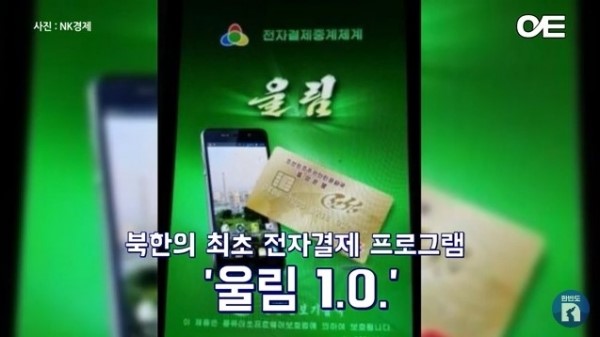
Marketing In North Korea (13)- Digital Revolution in Isolation: The Rise of Electronic Payments in North Korea Jeon Byung-kilSenior Consultant of YESInnovationformer of Secretary General of UniKorea FoundationDo You Know M-Pesa of Kenya?M-Pesa is a mobile money transfer service launched in 2007 by Vodafone Group plc and Safaricom, Kenya's largest mobile network operator. Initially designed to improve convenience for micro-finance borrowers, M-Pesa took advantage of the fact that Africa had limited access to traditional banking infrastructure like bank branches and ATMs. This gap created enormous potential for mobile-based financial transactions, which could save both time and costs for users.Since its launch, M-Pesa has transformed the way people in Kenya manage their money. The platform allows users to deposit, withdraw, and transfer funds, functioning similarly to a credit card. With M-Pesa, users can buy goods, pay tuition fees, enjoy a drink at a café, and even pay for bus fares. By providing this service, Safaricom not only created a new market for low-income families but also supported their livelihoods by facilitating access to vital consumer information.North Korea's first electronic payment program 'Woolim 1.0'/Capture of Korean Peninsula N YouTubeDespite Kenya’s GDP per capita being only about $2,000, M-Pesa is widely used by over 23 million Kenyans—more than 90% of the adult population—who make approximately 30 million transactions daily. M-Pesa has played a key role in helping Kenya become a leader in e-commerce services in the developing world. The service's popularity surged even further during the COVID-19 pandemic, as it provided a safe, contactless payment option.The success of M-Pesa can be attributed to Kenya’s high mobile phone penetration rate. By leveraging mobile technology, M-Pesa disrupted traditional communication infrastructure that relied on telephone poles and wires. Instead, wireless communication and Wi-Fi created new opportunities for countries like Kenya, where access to physical infrastructure was limited.Could a similar model be applied to North Korea? As one of the most isolated countries in the world, North Korea faces significant challenges in infrastructure and communication. Mobile-based solutions like M-Pesa could offer a potential avenue for financial and social innovation in such a context.Payment Services in connection with DonjuIn its 1999 New Year’s speech, North Korea declared, “We have to set up a mosquito net to prevent the penetration of imperialists and be more cautious of attempts by our enemies to cause internal conflicts.” This statement reflected North Korea’s strategy to cautiously open up to foreign capital while erecting strict barriers to block unwanted capitalist ideology. In essence, North Korea sought to attract resources to sustain its regime while resisting external influences it deemed threatening. This dual approach remains central to its political stance today.However, change has gradually made its way into the isolated country. One of the most significant shifts has been the increasing flow of information from the outside world. While in the past only diplomats, traders, and party officials had access to external information, today many North Koreans can access foreign media such as films, TV dramas, and music.Even the development of information technology has reached North Korea. Since the 2000s, the government has promoted computer use and IT education in major cities. The use of mobile phones—referred to as “handphones” by North Koreans—has also grown rapidly. North Korea launched its first mobile phone service in 2002, and in 2009, the Koryolink network, a joint venture between the state-owned Korea Post and Telecommunications Corporation and Egyptian telecommunications company Orascom, introduced 3G services.Over time, mobile devices in North Korea evolved from basic flip phones, designed only for calls and text messages, to smartphone-like devices. While the phones are assembled within North Korea, many parts are imported from China or made under OEM agreements with Chinese manufacturers. By 2018, South Korea’s then-unification minister Cho Myoung-gyon estimated that there were around 6 million mobile phone users in North Korea—about one in every 4.2 people, based on a population of 25.6 million.These mobile phones have transformed the way financial transactions are conducted. In North Korea, payments and money transfers made via mobile phones are added directly to phone bills. At the center of this system are the Donju, or “money masters,” a class of wealthy individuals who act as informal financial institutions. Donju engage in activities like moneylending, currency exchange, and facilitating money transfers.Donju play a crucial intermediary role in cash transactions. For instance, when someone needs to transfer money to another region, the Donju verify the transaction by contacting their counterparts in the recipient's area. Before mobile phones became widespread, this process could take 5 to 10 days. Now, with mobile technology, real-time transfers and payments are possible, streamlining financial transactions across the country.As mobile phone use continues to grow, it has not only modernized communication in North Korea but also revolutionized its informal financial systems. This development hints at the potential for further technological and economic transformation, even in one of the world’s most reclusive nations.The Use of Electronic Payment Cards in North KoreaThe use of electronic payment cards in North Korea began in 2005. At first, most people used basic cash cards, which allowed only deposits and withdrawals, without offering direct payment capabilities. In 2010, the Joseon Trade Bank introduced the Narae debit card, marking a shift toward more widespread adoption of electronic payment cards in the country. The Narae card allowed users to deposit and withdraw foreign currency and make direct payments at foreign-operated stores equipped with electronic card readers.To encourage the use of the Narae card, North Korea implemented policies targeting foreign visitors. For example, travelers arriving at Sunan Airport were encouraged to deposit funds onto the card instead of exchanging their money for local currency. Additionally, the government installed 24-hour cash machines in major cities to facilitate easier access to funds.Following the success of the Narae card, North Korea expanded its electronic payment system to include cards designed for domestic use. Today, there are approximately 20 different types of payment cards in North Korea, such as the Jeonsung card (issued by Chosun Central Bank), Narae card (Chosun Trade Bank), Koryo card (Koryo Bank), Geumgil card (Daesung Bank), and Sunbong card (Golden Triangle Bank). These cards function mainly as prepaid or debit cards, allowing users to load cash onto the card or link it to a bank account.Cardholders can also access North Korea's state-controlled intranet, Kwangmyong, to shop on its e-commerce platforms, such as Manmulsang, Okryu, and Silli, using electronic payments. However, this level of access is limited to a small group of people, primarily in Pyongyang. For most North Koreans, the underdeveloped financial system and unreliable power supply make electronic payment systems largely inaccessible.Interestingly, North Korea’s efforts to develop electronic payment systems mirror trends in other countries. For example, China bypassed traditional credit card systems, moving directly from cash to digital payment platforms like WeChat Pay and AliPay. Similarly, Kenya's M-Pesa system revolutionized financial transactions in a country with limited banking infrastructure. North Korea appears to be studying and benchmarking these innovations in an effort to modernize its own financial systems.Mobile Payment Application: “Ullim”With the increasing use of mobile phones in North Korea, financial payment methods are evolving. In 2017, the Pyongyang Information Technology Bureau (formerly the Pyongyang Information Center) launched Ullim, an electronic payment application modeled after Chinese mobile payment systems like WeChat Pay and AliPay.To use Ullim, users must register a Jeonsung card, a prepaid cash card issued by the Central Bank of the Democratic People's Republic of Korea. The app allows users to make payments and transfer money to other cardholders. Transactions require inputting the card number, transfer amount, card password, and the app login password. Once the user presses the “remittance” button, the money is sent, with a 2% transaction fee applied.Ullim also provides basic mobile banking services, such as card recharging, transaction history management, e-commerce payments, and card payments. A one-time registration fee of 3,000 Korean won is required to access the service. However, compared to similar apps from countries with advanced IT industries, such as South Korea, Ullim has a less user-friendly interface. For example, the large text size on the app’s screen prevents users from accessing all features on a single page, making navigation cumbersome.Interestingly, Ullim can be used for cross-border money transfers, despite North Korea’s strict controls on foreign financial transactions. International sanctions have largely blocked North Korean banks from conducting financial transactions with other countries, and individual foreign remittances are practically prohibited. However, Chinese nationals living in North Korea (known as Jogyos) can use WeChat Pay or AliPay to facilitate these transactions.Here’s how the process works: 1. A sender in a foreign country transfers Chinese yuan to a Jogyo in North Korea using WeChat Pay or AliPay. 2. The Jogyo exchanges the Chinese yuan into North Korean won, using the unofficial Jangmadang (black market) exchange rate. 3. The Jogyo then uses Ullim to remit the equivalent amount in North Korean won to the intended recipient. 4. The recipient can convert the digital funds into cash at a local post office or communications office.This method allows users to send up to 500,000 Korean won to any region in North Korea within about 30 minutes. Since the process involves Donju (wealthy individuals) in both China and North Korea, it operates outside the formal banking system, avoiding government crackdowns.Despite its limitations, Ullim represents a significant step in modernizing North Korea’s financial landscape. It also highlights the growing influence of mobile technology in facilitating financial transactions, even in one of the world’s most isolated countries.The Future of Electronic Payments in North KoreaIn May 2020, North Korea’s English-language newspaper, The Pyongyang Times, introduced Jagangryok, a North Korean web portal designed for technological trade. Notably, the platform adopted an escrow payment system for the first time in the country. An escrow system is a payment protection mechanism where a third party holds the buyer’s payment and only releases it to the seller once the product is delivered successfully. This system, also known as a settlement fund deposit system, connects the user’s credit history and securities with payment services.The introduction of escrows marks a significant step forward for North Korea’s e-commerce industry. However, the success of this system depends heavily on the trust and participation of current and potential users. This is a challenge, given North Korea’s track record with financial reforms.For instance, in 2009, the North Korean government introduced sweeping currency reforms that imposed strict and, many would argue, unreasonable regulations. Under the reforms, the amount of money a household could exchange was limited to 100,000 Korean won, with any remaining money required to be deposited in banks. Since depositing funds in a North Korean bank effectively placed those funds under government control, the policy sparked widespread resentment and backlash. As a result, the 2009 currency reforms were deemed a failure, leaving many North Koreans distrustful of state-controlled financial systems.For North Korea’s electronic payment system to thrive, it is crucial for key stakeholders, such as the Donju (wealthy traders and informal financiers), to trust and freely use the system. However, the memory of the 2009 reforms continues to haunt these individuals. Many fear that large-scale electronic payments might expose their financial conditions to government scrutiny, making them hesitant to adopt the system fully.The North Korean government faces a critical decision: either foster trust by allowing citizens to conduct financial transactions freely or risk repeating the mistakes of the 2009 currency reforms. Building a functional electronic payment system will require balancing state control with economic incentives for users, ultimately determining the future of digital finance in North Korea.
24.12.20 -
 [Analysis of issues]
Strategies for South Korea-China Economic Cooperation in the U.S.-China Rivalry EraChoo Jae-wooKyung Hee UniversityThe 21st century is often seen as an era defined by U.S.-China competition, marked by significant global economic and political shifts. Conflicts between these powers—across trade, technology, and security—have had a profound impact on South Korea's economy. South Korea faces the dual challenge of maintaining strong political ties with the U.S. while fostering robust economic relations with China, making its economic leverage with China increasingly vital. South Korea ranks as one of China’s top trading partners, particularly excelling in critical industries like semiconductors, displays, and petrochemicals. The semiconductor sector plays a pivotal role in supporting China’s advanced manufacturing and IT industries, as South Korea dominates the supply chain for essential components. Similarly, in the display sector, South Korean companies lead in OLED and LCD technologies, supplying high-quality panels crucial for the production of smartphones, TVs, and other consumer goods in China. South Korea plays a critical role in the petrochemical industry, supplying high-value plastics and chemical materials essential to China’s manufacturing sector. This positions South Korea as a major contributor to China’s technological and industrial progress. Furthermore, the enduring popularity of Hallyu (the Korean Wave) and K-brands enhances South Korea’s influence in the Chinese market, promoting cultural exchanges and strengthening ties in the service industry. Together, these elements create a strong foundation for sustaining economic cooperation with China in this competitive era, paving the way for strategic collaboration that maximizes mutual benefits.The Impact of U.S.-China Competition on South Korea-China Economic CooperationSince the "America First" agenda of the Trump administration, the U.S. has intensified its economic rivalry with China, employing measures such as tariffs, technological restrictions, and supply chain reorganization. This dynamic has disrupted South Korea-China economic relations. In response, China has adopted a “dual circulation” strategy to prioritize self-sufficiency and domestic consumption, raising concerns about reduced demand for South Korean goods. Concurrently, South Korea faces U.S. pressures to comply with technology export restrictions and align with supply chain adjustments.The ongoing shifts in global trade and investment have presented significant challenges in relations with China. Since 2022, the trade balance has consistently been in deficit, with a 15-month streak of trade deficits lasting through December 2023. Over this period, the total trade deficit with China reached approximately $47 billion, underscoring the pressing need for structural economic adjustments. Key factors contributing to this trend include a $9.2 billion drop in the semiconductor export surplus and a sharp rise in imports of electric vehicle-related products. Additionally, China’s "dual circulation" policy, aimed at bolstering its domestic economy and achieving technological self-sufficiency, has played a notable role.Investment trends have also declined. In 2023, new investments in China dropped by 78.1% year-on-year to $1.867 billion, reaching early-2000s levels. Semiconductor investments saw the steepest decline, falling by 99.8% to $11 million. China’s share of overseas investments decreased to 2.9%, as funds shifted toward markets like the U.S. and Vietnam. This trend stems from U.S. technology sanctions, the Inflation Reduction Act (IRA), and a less favorable investment climate in China due to rising labor costs and reduced incentives.Despite these challenges, leveraging economic strengths is essential to maintain cooperation with China. Expanding collaboration in emerging sectors such as semiconductors, batteries, and renewable energy is critical, along with exploring opportunities in eco-friendly technologies and cultural content. The intensifying U.S.-China competition has placed businesses in a challenging position. The United States is ramping up supply chain restructuring and imposing stricter controls on technology exports, while China is focusing on creating its own economic bloc and advancing its technological self-reliance. This growing divide directly impacts companies, particularly those in key industries such as semiconductors, batteries, and artificial intelligence. Strengthening ties with the U.S. may require limiting technology exports to China, while heavy reliance on the Chinese market poses risks such as declining revenues.Nevertheless, economic cooperation with China remains essential.Even amid U.S.-China tensions, China continues to be the largest trading partner, accounting for about 25% of exports in 2023. This reflects the critical role China’s domestic market and manufacturing base play in the broader economy. Maintaining economic ties with China is vital for maximizing mutual benefits and sustaining growth.With U.S.-China competition intensifying, there is a clear need to identify new opportunities for economic and industrial collaboration with China. Strengthening partnerships in advanced technologies such as semiconductors, batteries, and renewable energy could yield significant benefits. For instance, joint efforts in carbon-neutral technologies could lead to mutually complementary outcomes. R&D collaborations should be prioritized to drive innovation and enhance global competitiveness. Additionally, advanced technology expertise can be leveraged to provide critical components for China’s manufacturing, fostering deeper interdependence. The green technology and energy sectors also present substantial opportunities. Climate change is a shared priority, offering potential for collaboration in areas like renewable energy, electric vehicle batteries, and hydrogen energy. For example, advanced technologies and equipment could support China’s large-scale solar and wind projects, while China could ensure a stable supply of rare earth elements and other vital resources.Cultural and service industries offer further avenues for strengthening ties. Beyond manufacturing, expanding cooperation in areas like digital content, gaming, and tourism could prove highly beneficial, especially given the continued popularity of cultural content. Moreover, tapping into China’s e-commerce platforms to promote local brands can drive growth and foster stronger cultural connections.Finally, activating channels for economic diplomacy is crucial to sustaining cooperation amid global tensions. Regular economic and industrial forums should be established to enable governments and businesses to foster mutual understanding and identify collaborative opportunities. These platforms can serve as a foundation for long-term cooperation and shared progress. Exit Strategy for Economic Cooperation Between South Korea and China The era of U.S.-China competition presents both challenges and opportunities. Balancing relations with these two global powers is critical, requiring strategic diplomatic and economic approaches. Cooperation with China is particularly vital for long-term growth, with key opportunities in advanced technologies, supply chains, green industries, and service sectors. Strengthening collaboration in these areas, particularly through R&D and technological exchanges, could pave the way for sustainable development.By providing renewable energy technologies to China while ensuring stable access to rare earth resources, competitiveness in global supply chains can be enhanced. Further, leveraging cultural content and digital innovations in partnership with Chinese e-commerce platforms can expand the service sector and foster deeper cultural understanding. Such strategic initiatives will enable effective navigation of U.S.-China competition while reinforcing a strong position in the global economy.
24.12.20 -
 [North Korean military science]
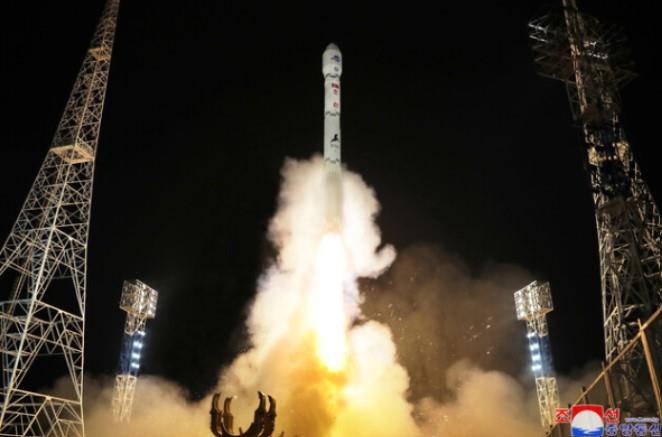
The Truth Behind North Korea's New Satellite Launch Vehiclesand Delayed Reconnaissance MissionsChang Young-keunHead of the Missile Center at the Korea Research Institute for National Strategy,Former Professor at Korea Aerospace UniversityAfter two failed attempts to launch the Chollima-1 satellite launch vehicle in 2023, North Korea successfully placed the Malligyong-1 reconnaissance satellite into a sun-synchronous orbit at 502 km altitude on November 21. North Korea then announced plans to launch three additional reconnaissance satellites by the end of 2024, aiming to operate a cluster of four satellites. This cluster would shorten the revisit time, allowing for more frequent surveillance of the South Korean military, U.S. forces stationed in South Korea, and U.S. military bases in Guam and Japan.However, despite its success, North Korea did not conduct any satellite launches for six months. On May 26, 2024, it informed the Japan Coast Guard of plans to launch another reconnaissance satellite and shared the anticipated drop zones. The next day, North Korean media reported the launch of a new space launch vehicle, which used a combination of cryogenic liquid oxygen and kerosene fuel instead of the storable propellant 'unsymmetrical dimethylhydrazine (UDMH)' and oxidizer 'dinitrogen tetroxide' typically used in the Baekdu engine. Unfortunately, the new launch failed due to a lack of operational reliability. As of now, a year after the successful launch in November 2023, North Korea has yet to place additional reconnaissance satellites into orbit.Reconnaissance Satellite Launched by North Korea in November 2023 'Manly Kyung 1'/Korean Central News AgencyWhy Did North Korea Switch from the Successful Chollima-1?It would have been logical for North Korea to continue using the Chollima-1 launch vehicle, which successfully launched last year, to deploy the three additional reconnaissance satellites as planned. So why did North Korea abruptly opt for a new space launch vehicle powered by kerosene fuel and a cryogenic liquid oxygen oxidizer, despite the Baekdu mountain engine’s proven lower thrust performance in the Hwasong-17 ICBM?With the recent advancements in solid-fueled missile technology, such as the Hwasong-18 and Hwasong-19 ICBMs, North Korea appears to be prioritizing a transition away from liquid-fueled systems. While liquid-propellant ICBMs may still be used for their capacity to carry heavier payloads, the focus on enhancing reliability through storable propellant launch vehicles has diminished. Instead, North Korea seems to be emphasizing the development of propulsion systems using cryogenic oxidizers to achieve greater efficiency and performance. Second, while the Chollima-1 successfully launched the Malligyong-1 into orbit in November 2023, technical limitations may have hindered its continued use, prompting North Korea to develop and switch to a new launch vehicle.Third, redesigning the follow-up Malligyong-1-1 satellite to enhance its performance may have significantly increased its weight. The Chollima-1 might have lacked sufficient thrust to place the heavier satellite into its desired orbit, necessitating the development of an upgraded space launch vehicle.How Did North Korea Acquire the New Space Launch Vehicle?So, how did North Korea manage to develop or obtain the engine for its new space launch vehicle, which operates on kerosene fuel and cryogenic liquid oxygen? There are two possible scenarios: independent development by North Korea or assistance from Russia.The first scenario suggests that North Korea developed the engine independently. The country has previously focused on the Baekdu mountain engine, a storable propellant-based liquid engine used in its ICBMs, leaving unclear when work began on a kerosene fuel and liquid oxygen oxidizer engine. Even if North Korea adapted its existing storable propellant engine, integrating it with a cryogenic oxidizer would have required extensive upgrades to the engine hardware, likely taking a significant amount of time.Key components for cryogenic oxidizers, such as combustion chambers, turbo pumps, and oxidizer tanks, need specialized materials that can endure extreme temperatures below -183°C. Using the Baekdu mountain engine and propellant tank from the Chollima-1 without changes would be impossible. Even modifying the Chollima-1 would demand redesigning at least 50% of its structure and materials, requiring a substantial period. Additionally, software for operating the space launch vehicle would need major updates, raising questions about whether North Korea could achieve these modifications in a short timeframe without external support.The second scenario suggests that North Korea acquired engines from Russia. During a September 2023 summit at the Vostochny Cosmodrome, Kim Jong-un was briefed on the Angara and Soyuz-2 launch vehicles, with Vladimir Putin expressing support for North Korea's space and satellite programs. It is believed that, similar to South Korea's Naro-1 development, North Korea may have sourced the first-stage propulsion system from Russia while integrating a North Korean small rocket for the second stage.The upper-stage (third-stage) rocket could be added based on payload needs but might be unnecessary if Russia supplied a high-thrust first-stage propulsion system. As part of the debated North Korea-Russia space cooperation, Russia may have provided the RD-191 engine for the first stage. The RD-151 engine, supplied to South Korea for the Naro-1 launch vehicle, is a modified version of Russia's RD-191 engine used in the Angara rocket, offering similar performance with adjusted thrust. Given its prior provision to South Korea, Russia could justify supplying it to North Korea without significant controversy.Why Has North Korea Not Resumed Satellite Launches?It remains unclear why North Korea has not attempted a relaunch more than six months after the failure of its new space launch vehicle in late May. In the West, addressing a launch failure typically involves a lengthy process of failure analysis, corrections, and preparations, often taking over a year. However, North Korea has historically resumed launches much faster, as seen with the two Chollima-1 failures last year, where relaunches occurred within weeks.One possibility is that North Korea, if developing the new space launch vehicle independently, has yet to identify the cause of the first-stage engine explosion or find a solution. Alternatively, if they used a first-stage propulsion system acquired from Russia alongside their own second- and third-stage engines—or if Russia supplied the entire launch vehicle—the delay could stem from development setbacks on the Russian side. Since the vehicle is Russian-designed, it’s likely that unresolved technical issues remain, requiring extensive design changes or re-manufacturing, which would take considerable time.If North Korea used Russia's Angara launch vehicle engine, it is puzzling that it notified the Japan Coast Guard of expected drop zones for the first- and second-stage propulsion systems that matched those of the Chollima-1 from the previous year. Even if targeting the same orbit, differences in engine performance and characteristics should result in distinct drop zones, making this notification inconsistent. Ultimately, North Korea's secrecy and the lack of information about additional reconnaissance satellite launch failures make it difficult to pinpoint the cause. If a Russian space launch vehicle was used as part of Russia-North Korea cooperation, the timeline for resuming follow-up launches is unlikely to align with North Korea's plans.Performance and Operational Status of the Malligyong-1 Reconnaissance SatelliteBased on the limited public information available, assessing the performance of North Korea’s Malligyong-1 satellite is challenging. External shape diagrams indicate the satellite is equipped with four deployable solar panels, two star-tracker sensors commonly used for precise attitude control in high-performance observation satellites, and thrusters for periodic orbit and attitude adjustments. These features suggest it was designed to achieve a target resolution of at least 2–3 meters.Since its launch in November 2023, the satellite’s altitude has been adjusted every three months. Its subtle movements over five-day periods suggest the use of very low-thrust electric thrusters. The electro-optical camera seems to feature a dual-telescope design, with each telescope having a diameter of less than 20cm. Internally, the satellite is likely equipped with four reaction wheels, each approximately 15cm in diameter, providing a torque output of 0.2–0.3 Nm. This configuration offers sufficient maneuverability for high-resolution imaging. The satellite’s weight is estimated at around 300 kg. However, due to the lack of verifiable information on electronic systems and flight software, its image storage and transmission capabilities remain uncertain. Without released imagery, estimating the image quality, such as modulation transfer function (MTF), is also impossible.
24.12.20 -
 [Current Affairs Analysis]
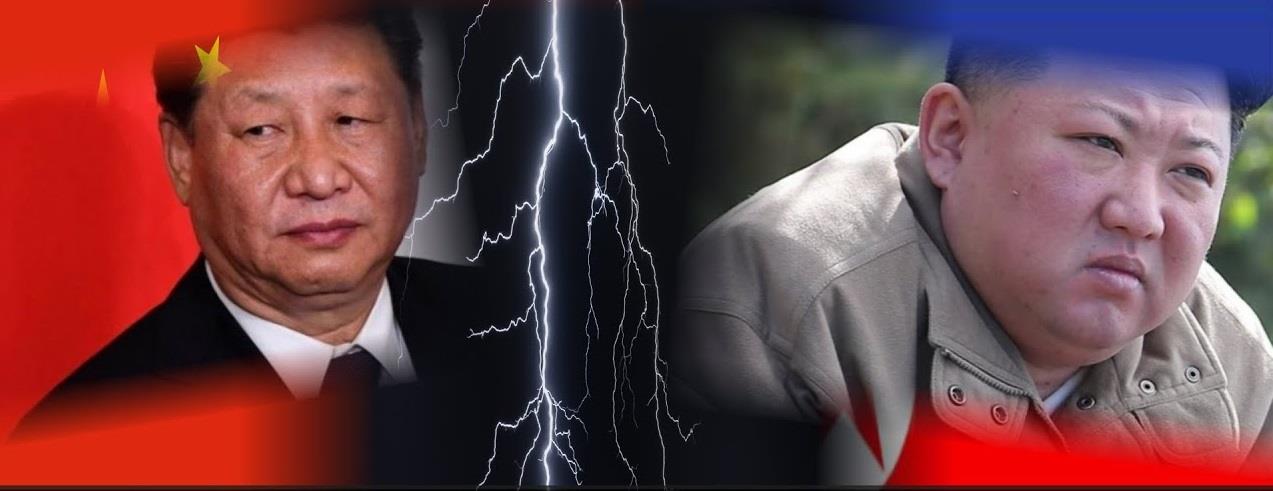
Chilly DPRK-China Ties Mark 75 Years as Closing Ceremony Is ScrappedKim Dong-sooFormer North Korean Diplomat / Ph.D. in Political ScienceThe "Year of DPRK-China Friendship," which began in April, has yet to conclude with its planned closing ceremony as December nears its end. On November 26, a Chinese Foreign Ministry spokesperson sidestepped questions about the event, stating, “If there is any news, we will announce it promptly.” With both nations focused on year-end activities, the ceremony appears to have been quietly shelved.This year, marking the 75th anniversary of DPRK-China diplomatic ties, the "Year of Friendship" began with an April ceremony in Pyongyang. Zhao Leji, China’s third-ranking official, attended and met Kim Jong-un, highlighting their apparent camaraderie.Zhao’s visit was notable, as he was the highest-ranking Chinese official to travel to Pyongyang since North Korea sealed its borders due to the COVID-19 pandemic in 2020. At the time, optimism surged about the potential resumption of exchanges between the two countries. However, since April, there have been no high-level interactions, hinting at continued friction in the bilateral relationship.The absence of Chinese Ambassador Wang Yajun at July’s Korean War Armistice commemoration in Pyongyang was striking. Given China’s historic role in aiding North Korea during the war and signing the armistice, the snub was highly unusual and underscored strained relations.sandDPRK-China relations have experienced turbulence long before Xi Jinping’s presidency. Though often called a “blood alliance,” their ties have fluctuated with political circumstances. While the Korean War solidified their bond during Kim Il-sung’s era, the Cultural Revolution in China caused significant strain before relations were later repaired.Under Kim Jong-il, relations deteriorated again as North Korea distanced itself from China following Beijing’s 1992 diplomatic ties with South Korea. Pyongyang criticized China’s capitalist shift and pursued nuclear weapons, citing growing distrust of its neighbor.Kim Jong-il frequently warned that in the event of war or sudden upheaval on the Korean Peninsula, China would be the first to betray North Korea. He criticized China harshly, claiming it would undermine North Korea with the "capitalist mindset" and urged officials to resist China’s great power chauvinism.He advised his officials to resist China’s influence, even instructing them to avoid meeting Chinese officials when transiting through Beijing. As a result, North Korean delegations often avoided leaving the airport during layovers in China.Kim Jong-un’s era saw further deterioration in relations, especially due to nuclear tests and missile launches. Although Kim and Xi Jinping held an emergency meeting before the 2018 U.S.-North Korea summit, mutual distrust persisted. Publicly, Kim Jong-un emphasized the alliance, but privately, he viewed China as an adversary.This sentiment was echoed in remarks revealed in former U.S. Secretary of State Mike Pompeo’s memoir. According to Pompeo, Kim told Donald Trump, “I don’t trust China, especially Xi Jinping. U.S. forces in South Korea are a vital shield against China’s military influence in Northeast Asia. It’s essential to develop U.S.-North Korea ties to counterbalance China.” Xi Jinping was reportedly furious when he learned of this.In response, Xi allegedly ordered a halt to Chinese aid to North Korea and the repatriation of North Korean workers from China, while prioritizing economic ties with South Korea.The recent deployment of North Korean troops to Russia has only worsened the situation. China views this move as disregarding its security concerns and has expressed its discontent. As a result, the once-vaunted “blood alliance” now appears to have devolved into little more than superficial diplomatic gestures.Under Xi Jinping, DPRK-China relations are likely to remain largely symbolic, confined to formalities like exchanging National Day greetings. Meanwhile, North Korea is focused on internal stability and strengthening ties with Russia, rather than rebuilding its partnership with China.The abandoned closing ceremony for the "Year of DPRK-China Friendship" symbolizes the growing rift between the two nations. It highlights their strained relations and reflects shifting dynamics on the Korean Peninsula, presenting South Korea with both opportunities and challenges in navigating the region's complex geopolitics.
24.12.06 -
 [Feature Article Series]
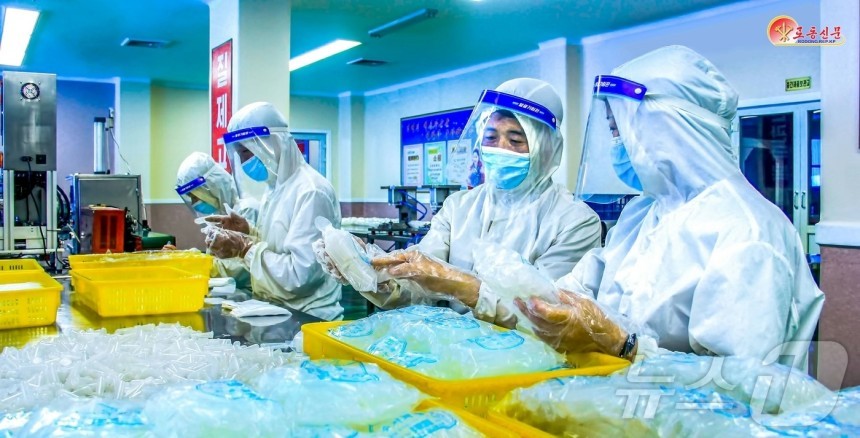
Marketing In North Korea (12)- The Winds of Quality over Quantity Principle Blows to North Korea Jeon Byung-kilSenior Consultant of YESInnovationformer of Secretary General of UniKorea FoundationThe Principle of Quality over Quantity Appears in North Korea’s MediaIn January 2020, the term “quality over quantity principle” first appeared in the North Korean media. Some foreigners who have interests in the country but could not understand the word written in Chinese characters became curious about its meaning. In fact, most South Koreans do not understand the meaning of this word either. The quality over quantity principle simply means “improve the quality of products first before considering the quantity of products.” Ever since the term was first introduced by the North’s Korean Central News Agency (KCNA) on January 1, 2020, it has been frequently mentioned in a number of media outlets. On January 9, 2020, an article titled “The principle of quality over quantity must be kept in every production unit” was published by the North’s newspaper <Rodong Sinmun>. The article says, “the thought of compromising product quality blaming the country’s unfavorable financial conditions is a bad idea,” emphasizing the importance of product quality. The article also argues “focusing only on the product’s quantitative growth and neglecting its quality is not only a short-sighted attitude that lags behind the calling of this era that we should build the most powerful country in the world, but also proves that the philosophy of juche, or self-reliance, has not taken firm root in our society. Products that have failed to meet the qualitative requirements on the excuse of self-reliance have neither use nor demand from consumers. Further, it will be a waste of our efforts, materials and time, not to mention that it will greatly undermine both individual growth and the country’s economic development.”The Rodong Sinmun said on the 1st that July is a "monthly for product quality improvement measures," and asked, "Let the qualityimprovement ethos firmly dominate the economy as a whole." Photograph shows Maebongsan Medical Supplies Factory/News1According to an article from <Rodong Sinmun> published on January 22, 2020, “violation of the quality over quantity principle will result in redundant production and inventories, which will decrease the quality of life for both consumers and producers.” It goes on as follows: “If we, as a nation, make progress in the economic projects and look for practical measures together, we can produce quality products which will be beloved by our people and the international community. This will in turn significantly enhance the welfare of our citizens.” The North’s quality over quantity principle simply means that the country should first work on increasing the quality of products and services before considering the quantitative aspect. Since the launch of Kim Jong-un administration in 2012, North Korea has been devising ways to enhance the quality of its outdated products and services.Quality and Customer SatisfactionQuality is a combination of different quality characteristics. Instead of making a black-and-white choice between “good” and “bad,” quality should be determined based on the understanding of its characteristics on multiple dimensions. The characteristics of quality typically concern the ability of a product or service that fulfills human needs, and such characteristics can be classified into eight categories as follows: performance, features, reliability, conformance, durability, serviceability, aesthetics, and perceived quality. A deep understanding of customer satisfaction is a prerequisite for developing a quality strategy. Customer satisfaction refers to the behavioral intentions of a customer in the process of comparing and evaluating the product. Customer satisfaction is largely determined by comparing customer expectations before purchasing the product or service and perception levels after such a purchase is completed. Therefore, customer satisfaction affects future purchases of products and services the most. On the other hand, customer dissatisfaction happens when the perceived product quality falls behind customer expectations. When dividing product functions into central functions (performance, conformance, reliability, durability) and peripheral functions (features, serviceability, aesthetics, perceived quality), customer satisfaction can be associated with peripheral functions, while customer dissatisfaction can be linked to the lack of central functions. In other words, while central functions are necessary to a certain degree for product quality, peripheral functions are what determine customer satisfaction.On July 2, 2020, North Korea’s Korean Central Television released an 8-minute long video on the quality over quantity principle based on the interview with customers and staff of the Pyongyang Department Store No. 1. In the interview, there are phrases like “the shoes are light-weighted and of good quality,” “foreign cosmetics products had many side effects, but domestic products helped improve my skin conditions,” and “there is growing competition to enhance product quality.” These phrases reflect various characteristics of quality that are based on central functions mentioned above. Quality Differentiation StrategyThen why is North Korea trying to enhance the quality of its products and services? Although many say North Korea is the most reclusive country in the world, many products and services of the outside world are entering the country through various methods. Consequently, North Korean consumers developed an eye for good quality after having compared many domestic and foreign products. A <Rodong Sinmun> article published on March 17, 2020 demanded caution for imported goods, saying “if we fail to guarantee the quality of our products blaming our inferior conditions and environment, what will be the results? In this way, we will never be able to meet the demands of our people for high-quality products and culture, nor can we develop our country’s economy. Also, this will only make people become more dependent on goods made in other countries.” The quality over quantity principle is interpreted as North Korea’s strategic approach that aims to enhance the quality of its products. In other words, the principle is a quality differentiation strategy often discussed in marketing studies. Quality differentiation strategy is a marketing strategy that aims to give a competitive advantage to a product by differentiating its functions and services from those of its competitors in a particular product (including services) market. More importantly, quality differentiation requires at least one or more competitive advantage of the product. Businesses should always keep up with customer trends and focus on key quality characteristics of their products. Also, businesses must ensure that customers perceive the quality characteristics of their products without any distortion. These are the challenges lying ahead of the North Korean economy in pursuit of the quality over quantity principle.If North Korea is to successfully carry out the quality over quantity principle, it is important to choose the right strategy. Resource allocation, capability development, systemic strategy implementation, and passionate attitudes – all these efforts are required in order to successfully realize the principle in North Korea.
24.12.06 -
 [Feature Article Series]
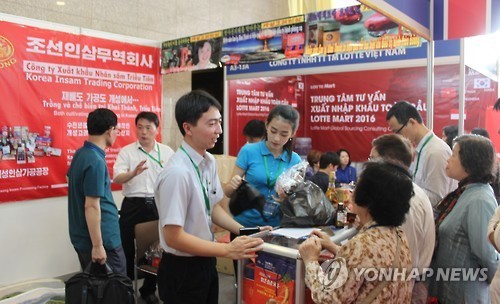
Marketing In North Korea (11)- There are startups in North Korea? It’s surprised Jeon Byung-kilSenior Consultant of YESInnovationformer of Secretary General of UniKorea FoundationInvestors and Entrepreneurs Do Exist in North KoreaCan an individual start a business in North Korea where individual business activities are officially prohibited? A short answer to this question is “yes.” The keyword to understand this answer is “Donju,” the emerging North Korean capitalists in the 1990s when the commercialization took place in North Korea. As the country’s socialist system lost power and the government failed to supply enough daily necessities to its people, Jangmadang – an unofficial market for the residents – was first established. In this process, groups of people who accumulated wealth through commerce activities grew into a new power called Donju, alongside with North Koreans living in Japan and Overseas Chinese. Around 2003, the North Korean government legalized Jangmadang by carrying out comprehensive reforms on the country’s market system. Additionally, the self-employed people grew in number whose businesses were registered as state-owned stores but operated by individuals. Though not in a legitimate way, capital formation and business operation took place through an unofficial system in North Korea.Donju either directly performed manufacturing activities by borrowing state-owned factories that were not in operation or earned foreign currency by engaging in trade businesses. Donju also served as a financial agency lending funds to small enterprises. Many have pointed out that such self-reliance nature of Donju was what kept the North Korean economy afloat despite a series of economic sanctions placed by the international society. Donju are currently playing dual roles as both investor and entrepreneur, albeit in a limited sense. The North Korean version of entrepreneurship is taking place through triangle cooperation among entrepreneurs, agencies (places of business), and Donju. This shows that investments made by Donju serve as priming water for startup business boom in North Korea.Startup Craze in North KoreaIn North Korea, the market is mainly composed of wholesale & retail industry, service industry, and startup businesses run by small business owners. Recently, however, technology-based startups using the country’s intranet are increasing in number. Even though Internet access is blocked in North Korea, various e-commerce activities are taking place via Kwangmyong, the national intranet service. Also, facilities resembling an Internet Café that offers an access to the intranet are under construction in many places. A brief on the North Korean economy published by the IBK Economic Research Institute in 2018 classifies the startups in North Korea into three categories. The first category is street food startups that sell a variety of foods at street vendors, such as the famous “artificial meat rice.” These startups use a niche market strategy built on the country’s food shortage and are widespread in many places. Street food sellers often borrow money from Donju to run business or make transactions with multiple stakeholders to secure ingredients. Joseon-Maranatha Trust, an Australian fund which carried out a microcredit business in North Korea from 2004 to 2010, also granted loans to these street vendors and provided them consulting services.The second category is the transportation business. As the public transit system is not fully developed in North Korea, many people have limited access to transportation. Against this backdrop, the so-called “service-cars” are recently booming in North Korea. Service-cars refer to personally owned vehicles that are registered on the relevant agency or enterprise and operated by owners, directly or indirectly, to transport people and goods. Basically, service-cars are a mixture of personal taxi and delivery system. With the growing number of mobile phone users in North Korea, a similar feature to taxi-calling service has been recently added to service-car, and the number of related business registration has increased as well. Bicycle is another popular transportation means worth noting in North Korea. The popularity of bicycles in North Korea far exceeds that of South Korea. Buying and selling of bicycles, as well as bicycle repair services, are very active. There are even businesses in which people steal bicycles from others and resell them to other cities. All these facts reflect the importance and high demand for bicycles in North Korea as a means of transportation. The third category is knowledge-based businesses. Startups in this category are based on high-tech industries pushed by the government policy that emphasizes scientific capabilities. These startups include startups handling appropriate technology applicable to North Koreans’ daily life and IT-based startups. In particular, there have been attempts to create startups in software and software-related businesses, over which North Korea has a unique strength. Global media outlets have already introduced new businesses in North Korea that specialize in information service and e-commerce areas. Therefore, North Korea’s business applications such as Manmulsang and Okryu may sound quite familiar to people having interests in North Korean issues.Lean Startup for Customized Business DevelopmentIn North Korea, startup education for the public is not yet in full swing. On the contrary, there are many startup support centers in South Korea, and entrepreneurship is even included in the curriculum of universities and social education institutions. Yet, North Korea is still in its infancy in terms of startups and entrepreneurship. People are not well aware of the concept of startup, nor do they know how to actually “start” a business. Choson Exchange, an NGO based in Singapore, has been promoting education on business management and entrepreneurship for around 14 years. The concept of “lean startup” is often brought up when discussing an organization’s project in North Korea. Lean startup is a methodology for increasing a company’s chance of success by developing products in a short time and measure product performance. It was named after the production system of lean manufacturing used by Japan’s Toyota and was developed by American venture entrepreneur Eric Ries. The key process of lean startup is to first manufacture prototype products, release them into the market and modify the products according to market response.The lean startup was developed based on three main principles: first, an entrepreneur should accept the fact that what he or she has is only an “untested hypothesis” and establish the hypothesis before creating a product or business plan. Second, the entrepreneur should engage in customer development, which is a process of verifying the established hypothesis by meeting potential customers in person, instead of having discussions only in the office. Third, the entrepreneur should develop the business by creating a minimum viable product (MVP) according to the agile development methodology, through which he or she repeats the process of solving customer problems and learn from their response. While companies that already have power in the established market focus on project implementation, companies starting new businesses need to discover and test a new market, which requires a startup management system. In North Korea, however, an established market does not exist and the economic system is operated in a completely different way from the traditional capitalist market economy. Therefore, a startup program should be developed that befits the country’s unique environment. One of the possible options is benchmarking the lean startup methodology mentioned above.The Lean Startup Experiment in North Korea and its FutureEver since the Jangmadang system has taken root in North Korea, the perception of North Koreans on startups/startup-related culture and infrastructure has quickly changed. The North Korean government is now encouraging more companies to take responsibility for business performance. A number of startup education and entrepreneurship programs are now available. Choson Exchange has provided management education to more than 2,000 people. These programs led to various business ideas such as develping a North Korean version of WeChat messenger or creating an Internet Café for moms, allowing North Korean women to share their pregnancy and birth experiences. In one program, a participant presented an idea to launch a convenience store chain in North Korea. Upon researching different convenience stores across the country, the participant found out that all stores open and close at the same time. However, the opening hours were after the office-going hours and before the office-closing hours, meaning the stores were not available during the peak rush hours. Thus, the participant thought of an idea to open the stores earlier and close them at a later hour to provide more convenience to the people. The idea was simple yet quite innovative. Lean startup education has become a cornerstone that brings changes to people’s ideas on business and their ways of life. In this way, Choson Exchange produced nearly 20 North Korean startups, all of which primarily handled IT, food, and drug-related businesses.Startup in North Korea is still in its early stage and has a long way to go. In the capitalist economy, startups typically follow the principle of high risk and high return. This means startups carry high risks but also receive high economic returns upon their success in the market. To ensure economic returns for businesses, individual property rights must be guaranteed beforehand. In North Korea, although public awareness on individual rights has improved a lot compared to the past, it is still not enough. Considering the country’s unique characteristics, there is a possibility that the government may seize individual properties at its discretion. In order to create a successful startup environment in North Korea, more autonomy should be given to private companies. Besides, a number of issues need to be addressed, including difficulties with continuous profit generation due to limited market system, communication issues related to the Internet and international call, lack of investment capital and business know-how, as well as bureaucratic corruption based on unofficial transactions.
24.11.22 -
 [Current Affairs Analysis]
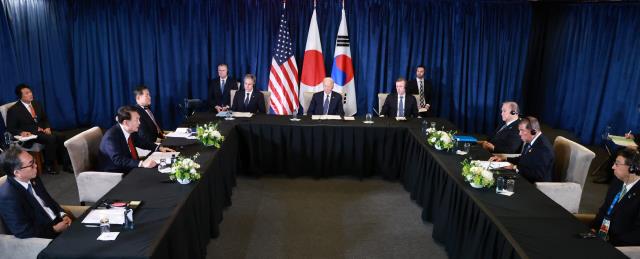
Trilateral security cooperation among South Korea, the US, and Japanis a cornerstone of East Asian stabilityShin Chi-bumProfessor, Department of Military Science and Art, Konyang UniversityThe trilateral security cooperation among South Korea, the US, and Japan serves as a cornerstone of East Asian security. Its importance continues to grow as North Korea's nuclear and missile programs advance and strategic competition between the US and China escalates.This system, a crucial element of South Korea’s security mechanism, was established in the early 1990s during efforts to address the first North Korean nuclear crisis. Over the years, it has developed into a multilayered structure that counters North Korean threats and strengthens security on the Korean Peninsula and in East Asia, ultimately leading to the Camp David Declaration.In the post-Cold War era, North Korea's nuclear ambitions and ballistic missile development introduced new security challenges. To address these, South Korea, the U.S., and Japan aligned their perceptions of the threats and established institutions like the Korean Peninsula Energy Development Organization (KEDO) and the Trilateral Coordination and Oversight Group (TCOG).These initiatives transformed the U.S.-South Korea and U.S.-Japan alliances into a multilayered mechanism. While the alliances focused on containing North Korea externally, the mechanism addressed internal threats through economic engagement. Originating from efforts to resolve the first North Korean nuclear crisis, it has significantly evolved, culminating in milestones like the 2023 Camp David Declaration.President Yoon Suk Yeol, who is visiting Peru to attend the Asia-Pacific Economic Cooperation (APEC) summit, holds a Korea-U.S.-Japan summitwith U.S. President Joe Biden and Japanese Prime Minister Shigeru Ishiba at the Lima Convention Center on the 15th (local time). Lima (Peru)= Yonhap NewsThe genesis of this mechanism can be traced to the Geneva Agreed Framework of 1993, prompted by North Korea’s withdrawal from the Non-Proliferation Treaty (NPT). The creation of KEDO, jointly spearheaded by the three nations, not only strengthened security cooperation but also curtailed North Korea's nuclear ambitions by providing economic incentives such as light-water reactors and heavy fuel oil.KEDO's establishment marked the start of a multilayered trilateral security mechanism, blending external deterrence and containment through military alliances with economic strategies to address internal threats from North Korea. This initiative significantly strengthened security ties among the three nations. In 1998, North Korea’s launch of the Taepodong-1 ballistic missile highlighted the escalating missile threat. In response, the three countries formed TCOG, based on the Perry Process, to tackle ballistic missile challenges comprehensively. This advancement further reinforced the multilayered mechanism, broadening its focus to address North Korean issues across military, economic, and political dimensions.Despite these efforts, conflicts within the trilateral security cooperation among South Korea, the US, and Japan have provided valuable lessons for its future development. Differences in threat perceptions and interests over North Korea’s evolving threats sometimes led to unilateral actions, causing friction within the multilayered mechanism.Nonetheless, the 2023 Camp David Declaration marked a major step in advancing and institutionalizing the mechanism. Today, trilateral cooperation is crucial not only for South Korea's security but also for the stability of Northeast Asia, East Asia, and the global order. It goes beyond military strategies, incorporating political and economic approaches to tackle diverse challenges.Against the backdrop of intensifying U.S.-China strategic competition, this cooperation has become critical in maintaining regional and global stability. For South Korea, it serves as a foundation for national security and peace on the Korean Peninsula.The evolution of the trilateral mechanism—its formation, development, and periods of strain—illustrates the complex dynamics among the three nations. These must be carefully considered as the mechanism continues to advance and solidify as an integral part of regional security.
24.11.22 -
 [Feature Article Series]
Marketing In North Korea (10)- How Jangmadang works behind the scenes Jeon Byung-kilSenior Consultant of YESInnovationformer of Secretary General of UniKorea FoundationThe informal market activity that took place there.The first legal marketplace in North Korea was established in 1958 as a “farmers’ market” that provided daily necessities. The farmers’ market allowed limited transactions of agricultural and livestock products, excluding staple foods like rice and corn. Farmers from collective farms bartered items such as homegrown vegetables and chickens. During the years when North Korea’s economy functioned smoothly, these markets remained relatively unnoticed. However, after the “Arduous March” period in the 1990s, farmers’ markets were permanently established, and black markets proliferated, evolving into what is now known as Jangmadang. Goods in Jangmadang often traded at 80 to 100 times the government-fixed prices. This unique marketplace became instrumental in distributing agricultural products and other essentials, significantly influencing the daily lives and perceptions of North Koreans.As the variety of goods traded at Jangmadang expanded, more farmers began participating in market activities. Currently, between 400 and 500 Jangmadangs operate across North Korea, with foreign goods primarily smuggled in or brought by Chinese merchants and Korean-Chinese traders. In addition to daily necessities, cultural products, including Korean dramas, are traded. Moreover, black markets have even entered the financial sector, with private loans and foreign exchange transactions occurring in various forms.In this evolving marketplace, goods and services are traded through different distribution channels:1. Direct transactions between manufacturers and consumers2. Transactions involving manufacturers, wholesalers, retailers, and consumers3. Transactions between manufacturers, specialty distributors, and consumers4. Transactions involving manufacturers, middlemen, specialty distributors, and consumersNorth Korea’s farmers’ markets align with the first type, typical in agrarian or ancient societies that operate on a barter system. The second type is the most common, with approximately 500 Jangmadangs in North Korea fitting this distribution model.Growth of the Market and MiddlemenMarket expansion is closely tied to the growth of the merchant sector, as well as the distribution business. Middlemen, specifically wholesalers, play an essential role in connecting producers and consumers. In North Korea, the rise of private distribution networks and middlemen began after the suspension of the public distribution system in the mid-1990s. This individual distribution network encompasses both consumer goods produced by local factories and imported products. Following North Korea’s economic reforms on July 1, 2002, local factories actively engaged in barter activities, which resulted in an extended distribution process with a rise in the number of middlemen profiting from increased transaction volumes. Factories and enterprises also began sourcing necessary parts through these intermediaries.Consequently, distributors in North Korea are now segmented into large wholesalers known as chapan-jangsa (truck vendors), smaller wholesalers, and market stall retailers, all of whom supply daily essentials to North Koreans. Wholesale markets have been established nationwide, including in the capital, Pyongyang.the Game “Sunam Jangmadang”Jangmadang is a primary source of livelihood for many North Koreans, yet few fully understand its inner workings. In 2018, the South Korean game company Nolgong developed “Sunam Jangmadang,” a project designed to help players understand North Korea’s Jangmadang marketplace. Modeled on the Sunam Jangmadang in Chongjin City, this virtual marketplace was recreated based on interviews with North Korean defectors who shared their real experiences. The game categorizes eight different roles, each represented as a game character:1. Grasshopper Merchant: Individuals selling goods illegally to avoid government crackdowns. They typically sell in market corners or backstreets and “hop” around to evade authorities.2. Market Manager: Public officials responsible for managing the market, collecting taxes, and conducting inspections to prevent illegal trade.3. Market Stand Merchant: Merchants who operate under market management, selling trendy items obtained at wholesale prices.4. Inter-provincial Wholesaler: Traveling wholesalers who purchase regional specialties and distribute them across the country, contributing to North Korea’s distribution system.5. Running Retailer: Retailers who primarily operate within one region, reselling goods obtained from other areas.6. Donju (New Wealthy Class): North Koreans who accumulated wealth through private financing, now investing in various government projects.7. Carrier: Individuals who provide luggage transportation services at train stations, forming a growing service industry.8. Jangmadang Generation: North Koreans born between the mid-1980s and late 1990s, more familiar with the market economy than government ideology.In the game, players select a character and navigate Jangmadang dynamics. They complete missions by answering questions based on their character’s role, progressing by collecting relevant items, which unlocks new characters and further insights into Jangmadang’s mechanisms.Will Jangmadang lead to changeJangmadang is not only a vital survival tool but also a learning environment where North Koreans experience elements of capitalism. While the government unofficially collects taxes from Jangmadang and officials collaborate with merchants, it remains a channel for information flow about South Korea and anti-government sentiments. Today, North Korea has two distinct generations: one that fully benefited from the state distribution policy and another relying on the Jangmadang system. The latter, referred to as the Jangmadang Generation, is increasingly seen as shaping the country’s future, with a more materialistic perspective replacing traditional ideological values.As North Korea’s marketplace continues to evolve, questions arise: Will the Jangmadang Generation drive future change? How will technological developments reshape the marketplace?Although precise answers are elusive, the resilience of Jangmadang—especially during times of political crisis—underscores its critical role. For many North Koreans, Jangmadang is not just a marketplace but a daily lifeline, bringing about incremental yet impactful change.
24.11.08 -
 [Kang In-deok's North Korean History]
North Korea 30 Years After Kim Il-sung's Death: Past, Present, and Future (8)The Hereditary, Feudal Monarchy Is Bound to CollapseKang In-deokFormer Minister of Unification of the Republic of KoreaWhat about today’s successor, Kim Jong-un? On April 6, 2012, five months after Kim Jong-il’s death, Kim Jong-un delivered his first speech to key officials of the Central Committee of the Workers' Party of Korea. He proclaimed, “The Kim Il-sung-Kim Jong-il ideology is a fully integrated Juche system of thought, theory, and methods, guiding our Juche generation. With it as our compass, we will drive forward party-building, revolutionary work, and construction. Songun(Military-first) is our independence, dignity, and lifeblood… We must constantly strengthen the People’s Army.” How, over his decade in power, have statements like these from Kim Jong-un shaped North Korea?Kim Jong-un has rigorously pursued military-first politics, launching hundreds of ballistic and cruise missiles and large-caliber artillery nearly every year. Global analysts estimate that over 35% of North Korea’s GDP is directed to military spending, reflecting an intensity beyond that of his predecessors. Meanwhile, how effective is his ideological indoctrination work in elevating his personal cult? Following in his father’s footsteps, Kim adopted the "Ten Principles for the Establishment of a Monolithic Leadership System" in 2013, with only slight modifications to the previous version. It’s only natural that he cannot avoid criticism.How has Kim Jong-un handled figures who might threaten his authority? He has upheld his predecessors' ruthlessness, eliminating perceived "dangerous figures." For example, Ri Yong-ho, one of seven officials who carried Kim Jong-il’s casket, was purged as an anti-Party factionalist on July 6, 2012. Later, on December 12, 2013, he ordered the execution of his uncle, Jang Song-thaek, branding him a "traitor attempting to overthrow the state," who was executed by anti-aircraft gun. Kim Jong-un also orchestrated the assassination of his half-brother, Kim Jong-nam, with nerve agent VX at Kuala Lumpur Airport.Beyond this, he conducted extensive purges of officials trusted by his predecessors, labeling them as potential threats to his rule. In his reports at the 7th and 8th Congresses of the Workers' Party, Kim Jong-un openly criticized officials as self-serving, pragmatic, and outdated conservatives. Such actions foster an atmosphere of fear, underscoring the climate of terror under Kim Jong-un’s leadership.Can Kim Jong-un secure regime stability with these methods, as past leaders did? I believe this is unlikely. Over the 30 years since Kim Il-sung’s death, internal and external factors—especially advances in science and technology—have transformed the landscape. North Korea’s younger generation now holds new perspectives, making restrictive laws like the 'Reactionary Ideology and Culture Rejection Law,' the 'Youth Education Guarantee Law,' and the 'Pyongyang Cultural Language Protection Law' ineffective. High culture naturally seeps into societies with restrictive norms, despite containment efforts.Given historical trends, North Korea’s current regime faces a mounting crisis, with increasing political, social, and cultural tensions. The anti-historical, anti-populist nature of North Korea's system leaves it vulnerable. The "People-First Politics" Kim Jong-un emphasizes cannot materialize with 35% of GDP dedicated to military-first policies. Goals like the "construction of 50,000 homes" and the "20×10 regional development policy" remain superficial and likely unachievable. Chinese-style reforms or opening the country would risk social collapse.Can a regime truly rely on a nuclear arsenal for stability? The collapse of the Soviet Union showed that nuclear weapons don’t address hunger or poverty. Even with isolationist policies like 'two-state, two-nation,' resistance among North Koreans will continue to grow. Ultimately, North Korea’s system, like the feudal socialist regimes of Eastern Europe, will collapse. Just as East and West Germany reunited, I believe Korean unification will one day be achieved.
24.11.08 -
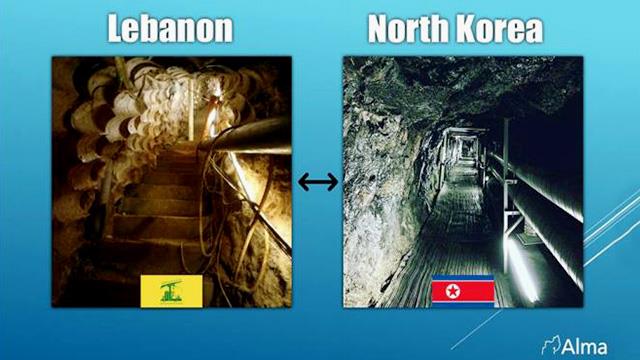 [Analysis of issues]
Israel-Hamas and Israel-Hezbollah Conflicts, with Alleged North Korean Support for Tunnel NetworksKim Kang-sukAssistant Professor, Department of Arabic, Hankuk University of Foreign Studies1. Escalating Instability in the Middle East amid Israel-Hamas and Israel-Hezbollah ConflictsThe Israel-Hamas war, triggered by a surprise Hamas assault on October 7, 2023, has continued despite global diplomatic efforts. Israel has weakened Hamas’s military presence in southern Gaza, targeting figures like Yahya Sinwar, and has expanded its operations northward against Hezbollah. On September 17, 2024, Prime Minister Netanyahu broadened Israel’s objectives to include the return of residents from its northern border with Lebanon, alongside neutralizing Hamas, securing hostages, and reducing Gaza-based threats. These escalated actions intensified clashes with Hezbollah, resulting in the deaths of leader Hassan Nasrallah and his successor, Hashem Safieddine.While the war persists, military conflict between Israel and Iran has also erupted. Israel views its battles with Hamas and Hezbollah as extensions of its ongoing conflict with Iran, leading to escalating tensions. In April 2024, Israel bombed the Iranian consulate in Syria, sparking a series of retaliatory attacks. Iran responded with drone and missile strikes targeting Israel, while Israel countered by striking Isfahan. On October 1, Iran launched about 200 ballistic missiles at Israel, claiming it was retaliation for the deaths of Hamas leader Ismail Haniyeh, Hezbollah leader Hassan Nasrallah, and IRGC deputy commander Abbas Nilforoushan. In response, Israel struck back on October 26, further destabilizing the political situation and intensifying unrest across the Middle East.A recent report by Israel's Alma Research and Education Center, titled "Hezbollah's Land of Tunnels," indicates thatHezbollah has received materials and technical support for tunnel construction from North Korea's arms export company,the Korea Mining and Development Trading Corporation (KOMID). / Alma Research and Education Center2. Israel’s Growing Security Concerns over Hezbollah’s Tunnel NetworksAs tensions across the Middle East escalate, Israel has increased its ground operations against Hezbollah. Israeli forces have reported finding Hezbollah tunnels near a United Nations Interim Force in Lebanon (UNIFIL) base, located along the Blue Line boundary. Israel alleges that Hezbollah uses these tunnels as weapon depots and hideouts and has expressed frustration with UNIFIL's inability to restrain Hezbollah's activities in southern Lebanon. The ongoing skirmishes between Israel and Hezbollah have reportedly led to an attack on a UNIFIL base, injuring peacekeepers and prompting UNIFIL’s leadership to protest to the Israeli government.Israel has deployed ground forces in Lebanon to dismantle Hezbollah's extensive tunnel networks, recognizing that airstrikes alone are insufficient. Concerns over Hezbollah’s tunneling capabilities have grown since Israel's 2000 withdrawal from southern Lebanon, which enabled Hezbollah to bolster its military strength. These concerns intensified during the 2006 conflict, as Hezbollah effectively used its tunnels to resist Israeli airstrikes on its main bases.Following the 2006 conflict, UN Security Council Resolution 1701 was adopted, leading to Israel's military withdrawal, Hezbollah's disarmament, and an expanded UNIFIL deployment. However, tensions between Israel and Hezbollah persisted. At that time, a 120-kilometer Blue Line was established along Israel's northern border with southern Lebanon, marking an official boundary under Resolution 1701. Despite these efforts, conflicts continued, and Israel’s concerns over Hezbollah's tunnels grew. The 2014 Hamas tunnel attacks in the southern Gaza conflict heightened Israeli fears that Hezbollah might use similar tactics in northern regions.3. Allegations of North Korean Support for Hezbollah’s TunnelsIn response to the growing security threat, Israel launched “Operation Northern Shield” in December 2018, aiming to uncover and dismantle Hezbollah’s tunnel networks. Israel claims that Hezbollah, with North Korean assistance, has developed two types of tunnels in southern Lebanon: one for offensive purposes and another for infrastructure support. During Operation Northern Shield in 2018, Israel discovered tunnels large enough to accommodate vehicles and equipped with command centers, storage facilities, and missile launch sites.Israel argues that Hezbollah’s advanced tunnels could not have been constructed without North Korean support, given Lebanon’s rugged terrain and dense bedrock, which demand sophisticated tunneling technology—unlike the more pliable soil in Gaza. Citing North Korea’s longstanding ties with Iran and Syria, Israel is confident that North Korea has aided Hezbollah’s tunneling efforts. Reports from the Alma Research and Education Center indicate that North Korea’s state-owned KOMID has supported Hezbollah in building a 45-kilometer tunnel linking southern Lebanon to the Beqaa Valley.In August 2024, Hezbollah released footage of its large underground complex, “Imad 4,” emphasizing its readiness against Israel. This release intensified suspicions of North Korean involvement in its construction. North Korea has denied these allegations, though claims of its support persist, bolstered by its longstanding alliances with Iran and Syria. With four known infiltration tunnels from North Korea discovered in South Korea—the first in 1974, followed by others in 1975, 1978, and 1990—Israel remains vigilant in monitoring Hezbollah’s underground capabilities and any potential North Korean involvement.
24.11.08 -
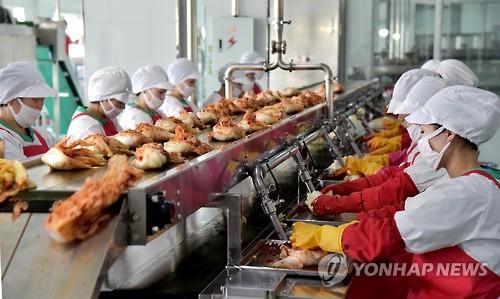 [Feature Article Series]
Marketing In North Korea (9)- Ryugyong Kimchi, A feast of sweet and spicy flavors'Making Kimchi Battle' and 'Kimchium' Jeon Byung-kilSenior Consultant of YESInnovationformer of Secretary General of UniKorea FoundationThe history of kimchi, the signature dish of the Korean people, dates back to the Three Kingdoms period of Korea. Kimchi has been around since the Goryeo and Joseon dynasties. The history of cabbage kimchi, the most popular type of kimchi, is not as long as you might think. Cabbage kimchi began to be eaten in the late Joseon Dynasty, when chili peppers from Japan became common as a condiment and the exotic vegetable "Cabbage" was cultivated.The main ingredient in kimchi, Cabbage, has been classified as "Chinese Cabbage" in the Codex Alimentarius. However, as kimchi has become globalized, it has been pointed out that it is incorrect to call the ingredient Chinese cabbage since Korea is the main producer of kimchi. That's why the Korean cabbage, with its yellowish flesh, has been recognized by the Codex Alimentarius Commission since 2012 under the name Kimchi Cabbage. The power of kimchi has changed the international food classification.Kimchi is also enjoyed in North Korea. North and South Korea may be divided, but the culture of eating kimchi has never been. In North Korea, kimchi isn't just a side dish, it's a staple and food for half the year. Greenhouse cultivation is not common in North Korea, so fresh vegetables are not available in the winter. As a result, the only side dishes on their winter table are three or four types of kimchi, and it can't survive the winter without them. To make kimchi, it usually need 200 kg of cabbage and 50kg of radish per person. Neighbors help each other make kimchi because it's too hard to do alone. That's why North Korea calls it making kimchi warfare.The Ryugyong Kimchi Factory, completed in 2017 / Yonhap News AgencyStoring kimchi is just as important as making it. This is because the flavor of kimchi depends on where it's stored and how it's aged. When kimchi is aged around 7℃, it ferments and tastes better. Koreans have traditionally buried jangdok(jar) in their yards and stored kimchi there to keep it at the right temperature without freezing. In South Korea, the residential culture has shifted toward shared housing, such as apartments, and the number of houses without yards has increased. This made it difficult to achieve and maintain the aged flavor of the kimchi. We ended up with a "kimchi refrigerator" that most closely resembles the way kimchi is stored and fermented in a kimchi jar. Currently, most households in South Korea use kimchi refrigerators.In North Korea, kimchi is stored in a place called Kimchium(Kimchi storage). Each family makes as little as 300Kg and as much as a ton of kimchi. They dig a large pit called a "kimchium" in the yard of their house or apartment and put in large and small kimchi venom. Kimchi has been a staple food in both North and South Korea for many years, so wintertime kimchi making has a similar format and culture.Ryugyong Kimchi Factory... Modernization! Industrialization!Since its establishment in 1948, North Korea has encouraged women to be active in society to compensate for the shortage of labor. To reduce the workload of women in the home, North Korean authorities have created various food production factories to make food. However, the quality of the product and the supply chain was poor. Kimchi has also been produced in factories since the late 1980s, but it has not been well received by residents. The economic crisis of the 1990s led to the collapse of the production-distribution-consumption structure due to inadequate supply of vegetables.In the mid-2010s, Kim Jong-un ordered the construction of a modernized Pyongyang Ryugyong Kimchi factory. It introduced a system to automate the entire production process of the kimchi factory and paid attention to hygiene management. As early as 2000s, North Korea was working on developing vacuum packaging technology and long-term preservation of food. Ryugyong Kimchi Factory produces more than 70 types of products, including cabbage kimchi.Since the completion of Ryugyong Factory, a new scene has emerged in addition to selling kimchi in grocery stores and general markets. Separate kimchi shops have been opened in various locations in Pyongyang, including Pyongyang Station and around Bonghwasan Inn, so that Pyongyang residents can purchase directly from the shops. Pyongyang residents who have used the service are generally satisfied with the taste of the kimchi and the convenience of the store.There are four types of packaged kimchi : 150g, 200g, 500g, and 5kg, but Consumers mostly buy 200g and 500g. In South Korea, consumers buy large quantities of kimchi (3kg to 5kg) from supermarkets or online shopping malls and store it in a kimchi refrigerator. North Korea, on the other hand, has a much lower penetration of refrigerators than South Korea and unreliable electricity, making it difficult to maintain the freshness of kimchi. Therefore, consumers in Pyeongyang buy less kimchi and consume it quickly. For larger 5kg packages of kimchi, buy from a place that has a refrigerator and reliable electricity. It is mainly for high volume demand, such as restaurants and institutions.Quality control and the spread of production plantsRyugyong Kimchi Factory focuses on quality control. The cabbage kimchi made by Ryugyong Kimchi Factory has received ISO 2200, an international certification for food safety, and the December 15 Quality Medal, which is awarded to the best products in North Korea. Prior to this, in 2017, North Korea registered the brand logo of the Ryugyong Kimchi Factory as a trademark with the World Intellectual Property Organization (WIPO) with the global market in mind. The quality control and international trademark registration of Ryugyong Kimchi appears to be a strategic approach by North Korea to capitalize on the growing global interest in Korean culture and the expanding market for kimchi.The quality control and international trademark registration of Ryugyong Kimchi appears to be a strategic approach by North Korea to capitalize on the growing global interest in Korean culture and the expanding market for kimchi. In 2019, seven kimchi factories were established in Sinuiju and Pyeongseong, Haeju and Songlim, Cheongjin and Ganggye, and Nampo City. Kimchi factories have sprung up in the administrative centers of each province, partially fulfilling the demand for kimchi from local residents.However, contrary to the hype, some say it doesn't work as well as expected. On April 3, 2019, the North Korean kimchi factory in Pyongyang, South Pyongan Province, which was built under the direction of Kim Jong-un, was reportedly in trouble due to poor sales, the Radio Free Asia (RFA) reported. "The kimchi factory, which was set up under Kim Jong Un's direction, has been struggling to sell less than half of the kimchi it produces and has been unable to circulate funds since its inception," RFA quoted local sources as saying.The Ryugyong Kimchi Factory in Pyongyang produces 2,000 tons of kimchi, 2,000 tons of pickles, and 200 tons of processed mushrooms annually. The daily production of kimchi is 6 tons, which is enough to feed 50,000 to 60,000 people every day. This is not a lot of production for Pyongyang's population of over 3 million. The demand for kimchi is relatively stable, as it is not only from Pyongyang residents but also from organizations such as hotels and restaurants in the city. Ryugyong Kimchi is also supplied to North Korean restaurants in Dandong, China. There is no better location for a kimchi factory in North Korea than the Ryugyong Kimchi Factory. Ryugyong Kimchi Factory does not only produce kimchi, but also produces pickles and processed mushrooms to diversify its sales.The kimchi factories built in each region are not as well located and have less demand compared to Pyongyang. The local population does not have much purchasing power, and there is a significant lack of large demand sources. In addition, it is more difficult to store kimchi in rural areas due to poor electricity and low penetration of refrigerators. The North Korean media also focuses on the Ryugyong Kimchi factory, while local kimchi factories are not given much coverage. Most North Koreans still eat kimchi stored in kimchiums, where they compete in fierce making kimchi battles over packaged kimchi from modern kimchi factories.A North Korean housewife's dream may be to skip the laborious kimchi making process and buy delicious factory-made packaged kimchi, store it in a kimchi refrigerator, and enjoy it with her family for a long time. This is the kind of everyday happiness that housewives want. The state has a minimal obligation to provide the conditions for that happiness.
24.10.18 -
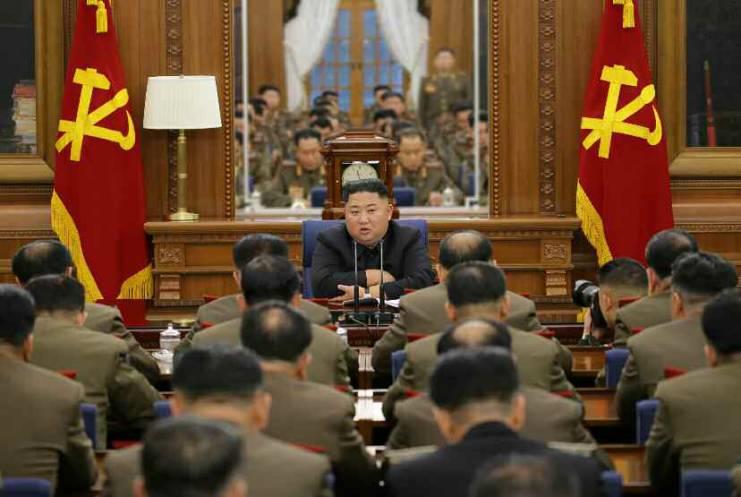 [Kang In-deok's North Korean History]
North Korea 30 Years After Kim Il-sung's Death: Past, Present, and Future (7)Successors Who Inherited Kim Il-sung’s Political TraitsKang In-deokFormer Minister of Unification of the Republic of KoreaWe have briefly reviewed Kim Il-sung’s political journey from when he first came to power in October 1945 to his death in July 1994. In summary, he adopted the authoritarian methods of Joseph Stalin, who installed him as a leader. Kim Il-sung used brutal violence to eliminate not only his rivals but also anyone who posed a potential threat. For this reason, Kim Il-sung can be aptly described as a model Stalinist. Now, what about the political actions of his successors? Like Kim Il-sung, they used ruthless violence to crush any potential opposition. Let’s start by looking at his immediate successor, Kim Jong-il. Upon taking power, he declared:People may betray one another, but a gun never does. It remains the eternal companion and ally of a revolutionary. This is my belief—my 'philosophy of the gun.' Military-first politics is my core political strategy, the universal sword that will lead our revolution to success... Our party, after analyzing the evolving social and class dynamics, was the first in revolutionary history to advocate ‘military-first, labor-second’, placing the People’s Army at the forefront of the revolution. The military is the party, the state, and the people.“From Kim Jong-il’s remarks, it becomes clear that his political vision prioritized the military, creating a regime that promoted "military-first leadership" and established the tradition of "military-first, party-second." Under such a policy, it’s no surprise that the suffering of people enduring extreme poverty and hunger is of no concern to them. His indifference toward the people became more evident during his speech at Kim Il-sung University during the "Arduous March." He stated:North Korean leader Kim Jong-un presides over a high-level military meeting in 2019 / Korean Central News Agency"When I visited the Chollima Steel Complex, I saw people lined up along the road in search of food. The same was true in other regions, where the streets were packed with people looking for food. Today, anarchy reigns because of the food crisis, and the blame lies with the administrative and party officials who failed in their duties. The Central Committee officials did not demonstrate the revolutionary spirit required to handle their responsibilities... In a socialist society, the food problem should be resolved through socialist methods, not left to individuals to handle on their own. If that happens, only markets and merchants will thrive, fostering selfishness among the people and weakening the party's class base. Our Suryong (leader) told me many times during his lifetime never to get involved in economic matters, warning that such involvement would hinder both party and military affairs."How could a leader make such an irresponsible remark while witnessing the starvation of tens of thousands? As the nation's highest authority, shouldn’t he have used even a fraction of his billions to buy food and alleviate their suffering? Instead, Kim Jong-il shifted blame, executing the Deputy Premier responsible for agriculture. In short, he followed his predecessor's brutal tactics to strengthen his own power.
24.10.18 -
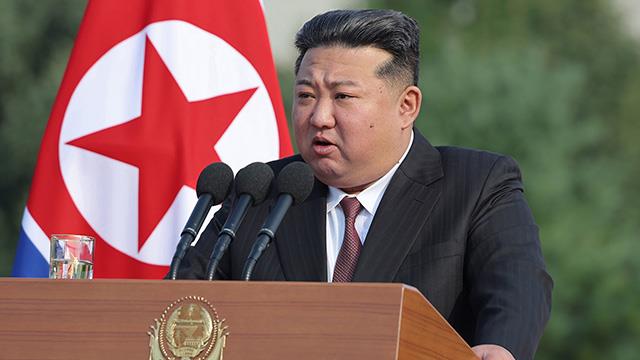 [Analysis of issues]
Kim Jong-un Shifts Focus to South Korea After Hanoi Summit:Remarks on Nuclear Threats and Potential ProvocationsChoi Jin-wookFormer President of the Korea Institute for National UnificationWhat drives North Korea’s nuclear development? Initially, North Korea claimed its nuclear program was to address power shortages, later justifying it as a defense against U.S. hostility. The regime argued that its nuclear weapons were meant to deter U.S. aggression and protect South Korea. However, North Korea now openly identifies South Korea as the primary target of its nuclear arsenal.When the North Korean nuclear crisis began in the early 1990s, Kim Il-sung claimed North Korea neither needed nor had the capability to develop nuclear weapons, asserting its nuclear reactors were only for electricity generation. The crisis, which nearly led to war, was averted in 1994 with the U.S.-North Korea Agreed Framework. North Korea agreed to dismantle its 5 MWe plutonium-producing reactor in exchange for two 1,000 MWe light-water reactors and 500,000 tons of heavy fuel oil annually. However, the deal did not address the plutonium North Korea had already accumulated.In hindsight, North Korea’s nuclear ambitions were clearly aimed at weapon development. However, many initially believed the program was focused on energy shortages, economic aid, securing U.S. guarantees and stabilize the regime. Fears of regime collapse shaped U.S. policy toward non-proliferation and stability, but repeated diplomatic efforts by the U.S. and South Korea failed to recognize North Korea’s true intentions, and attempts at denuclearization consistently fell short.Even after the Agreed Framework, North Korea continued to develop nuclear weapons. When the U.S. confronted them in 2002, North Korea claimed it had no choice but to pursue nuclear arms due to U.S. hostility. It argued that a peace agreement was necessary to transition from a state of war to peace. North Korea’s interpretation of U.S. hostility wasn’t direct aggression but rather Washington’s support for South Korea in the inter-Korean conflict.North Korean leader Kim Jong-un delivers a speech on the 60th anniversary of Kim Jong Un National DefenseUniversity / Korean Central News AgencyEssentially, North Korea warned that if the U.S. continued aiding South Korea, it would face the threat of North Korean nuclear retaliation. To back these threats, North Korea developed medium and long-range missiles capable of targeting not only South Korean ports like Busan, where U.S. forces might land, but also regional U.S. bases, such as Guam, and even the U.S. mainland.The claim of a U.S. "hostile policy" is unfounded. After the Cold War, the U.S. showed little direct interest in North Korea but sought stability in inter-Korean relations, helping sustain the regime with food aid, fuel, and verbal security assurances. After 9/11, U.S. policy shifted to the war on terror, relegating North Korea behind Iraq, Iran, and Syria. As China’s influence grew, North Korea became even less of a priority in U.S.-China relations. North Korea’s ambitions became clear in 2006 with its first successful nuclear test. After Kim Jong-un took power in 2012, the regime further solidified its stance by embedding nuclear weapons in its constitution, declaring them non-negotiable. Since then, North Korea has aggressively expanded its nuclear capabilities.With President Donald Trump's inauguration in 2017, U.S. policy toward North Korea shifted significantly. His "America First" policy and top-down diplomatic approach brought a new era of dialogue between the two nations. The third U.S.-North Korea summit in Hanoi in February 2019 was met with high expectations for a final agreement with Kim Jong-un, but the talks ultimately ended in failure.Trump believed that the U.S.-led liberal world order only benefited China while harming U.S. interests. Instead of bolstering U.S. leadership, Trump pursued a more isolationist policy. He argued that weakening China by distancing North Korea from it would reduce the economic burden of maintaining alliances. This led to an intriguing proposal: North Korea would dismantle its nuclear weapons in exchange for the reduction or withdrawal of U.S. troops from South Korea and a peace agreement between the U.S. and North Korea.North Korea, in turn, offered to permanently shut down all nuclear material production facilities at Yongbyon if the U.S. lifted its economic sanctions. At a midnight press conference following the breakdown of the talks, North Korean Foreign Minister Ri Yong-ho called this the largest step toward denuclearization that North Korea could take at that stage. However, North Korea rejected additional U.S. demands regarding the Kangson uranium enrichment facility, which was believed to have a higher production capacity than Yongbyon. This rejection cast further doubt on North Korea’s sincerity in its offer to denuclearize. The Hanoi summit clarified North Korea’s true intentions. Up until then, North Korea had justified its nuclear weapons as a response to U.S. hostility, insisting a peace agreement was necessary. However, no mention of such an agreement was made at Hanoi. Ri Yong-ho expressed disappointment over the failed talks, suggesting that a better deal might not be possible and that such an opportunity may never return.Following the collapse of the Hanoi summit, North Korea shifted its focus to South Korea, issuing threats and insults. Kim Jong-un stated, “Don’t expect anything from South Korea” and “Even if we starve, we won’t beg,” marking a hardline stance. Officials began making derogatory remarks and resumed missile provocations. In June 2020, North Korea expressed its frustration by demolishing the Kaesong Inter-Korean Joint Liaison Office.After South Korea's conservative government took office in May 2022, North Korea's hostility escalated. Kim Jong-un threatened preemptive nuclear strikes, while Kim Yo-jong stated they would no longer engage with the South. In December 2022, Kim Jong-un ordered a significant expansion of North Korea’s nuclear warhead stockpile at the 6th Plenary Meeting of the 8th Central Committee of WPK. Kim Jong-un officially redefined inter-Korean relations as those between two hostile states. In late 2023, at the 9th Plenary Meeting of the 8th Central Committee, he introduced the "Two States policy" and ordered the restructuring of agencies handling South Korean affairs, including the United Front Department. In January 2024, during the Supreme People's Assembly, Kim called for the removal of concepts like unification, reconciliation, and shared ethnicity from North Korea’s history. He then disbanded the National Committee for the Peaceful Reunification of the Fatherland, the National Economic Cooperation Committee, and the Mount Kumgang Tourist Bureau—agencies responsible for inter-Korean dialogue and cooperation. Additionally, the Monument to the Three-Point Charter for National Reunification, symbolizing Kim Il-sung's unification legacy, was dismantled.In July 2023, Kim Yo-jong's statement marked a shift in North Korea’s rhetoric, referring to South Korea as “the Republic of Korea” for the first time, signaling heightened hostilities. Traditionally, North Korea’s inter-Korean policy centered on shared ethnicity, reconciliation, and unification, aligning with U.S.-supported stability. However, its claim of having nuclear capabilities sufficient to strike the U.S. remains highly doubtful.The most significant shift in North Korea’s strategy after the Hanoi summit was its focus on South Korea over the U.S. By rejecting any notion of shared ethnicity, North Korea justifies its threats of preemptive nuclear strikes and tactical drills. Its recent disclosure of uranium enrichment facilities suggests imminent military provocations, likely aimed at pressuring future U.S.-North Korea negotiations.North Korea’s hostility toward South Korea is mirrored in public sentiment. Over 90% of South Koreans believe North Korea will never give up its nuclear weapons, and more than 80% fear potential provocations. The main motivation for unification is now less about shared ethnicity or becoming a great power, and more about preventing war. As North Korea’s aggression drives shifts in South Korea’s approach, tensions on the Korean Peninsula keep escalating.
24.10.18 -
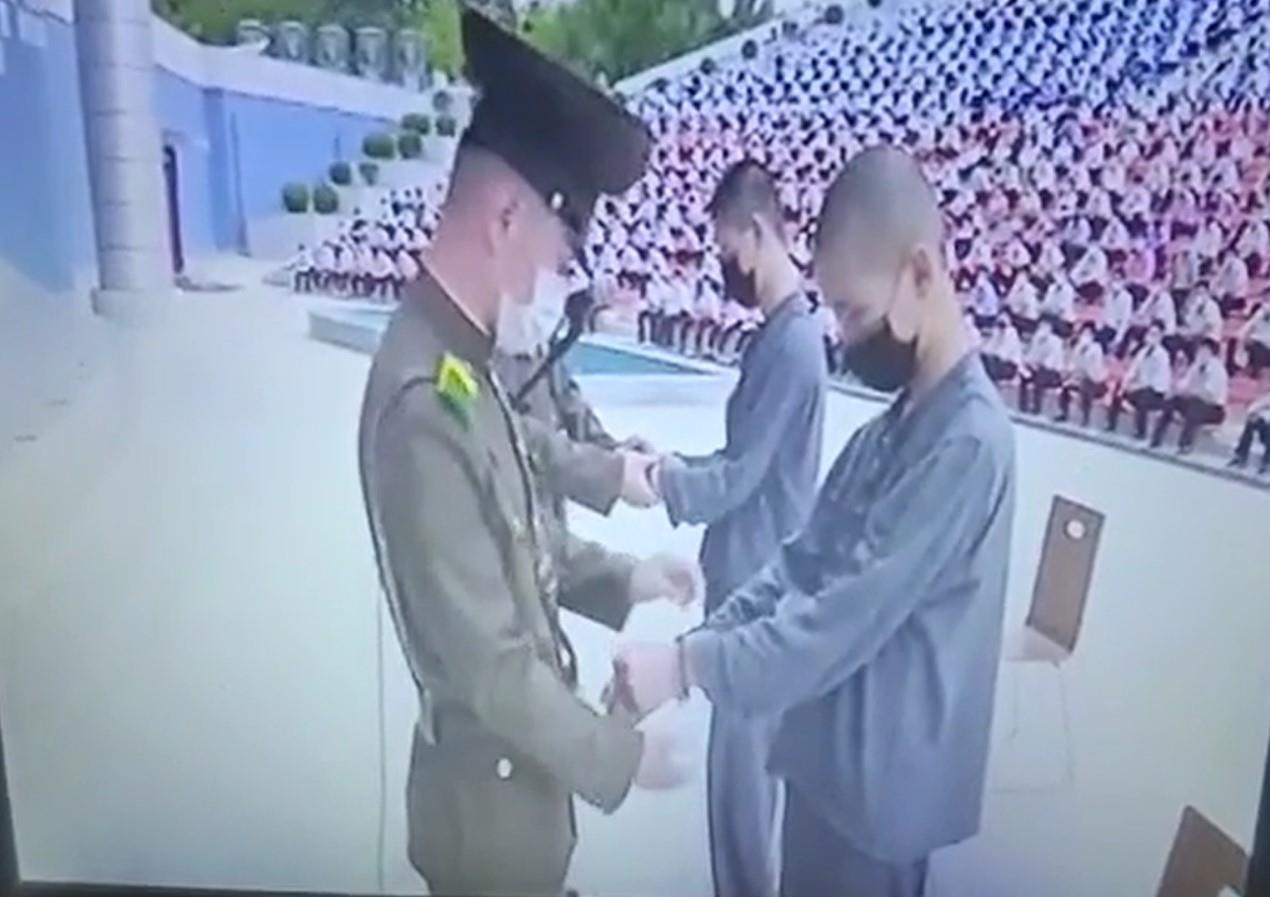 [Current Affairs Analysis]
Analysis and Outlook on North Korea's Social and Cultural ControlKim Ho-hongDirector of the North Korea Strategy Center, Korea Research Institute for National StrategyNorth Korea remains one of the world’s most closed and repressive states. Despite the prolonged suffering of its people due to severe economic hardships and widespread distrust of the regime, the hereditary dictatorship spanning three generations, from Kim Il-sung to Kim Jong-un, endures. The regime's strict policies of isolation and repression are the key reasons for its survival. North Korea has created a comprehensive social and cultural control system designed to monitor and suppress any grievances or non-socialist behavior before they can develop into collective resistance. This system has been central to the regime's long-term survival. From its inception, North Korea has been vigilant in cracking down on non-socialist activities and continues to do so today.North Korea’s Chosunmal Dictionary defines "non-socialism" as "anything unhealthy that goes against socialist principles." This vague definition allows the regime to exploit it as a tool for suppressing the people and violating human rights. Initially, non-socialist behavior was limited to certain individuals or regions. However, with the collapse of the public distribution system and the economic crisis during the 1990s’ Arduous March, and as communication technology opened up more contact with the outside world, non-socialist activities spread across the country. As a result, the regime's control efforts have intensified, particularly under Kim Jong-un, becoming more systematic.In his New Year's speech in 2012, shortly after taking power, Kim Jong-un set the goal of building a "socialist civilized nation." North Korean authorities described this as a country where socialist culture flourishes, with citizens enjoying a high level of creativity and civilization. However, beneath this grand rhetoric was a clear aim: to eliminate the spread of non-socialist influences, especially the so-called "South Korean wave." Kim Jong-un has repeatedly emphasized the importance of ideological struggle to root out these non-socialist elements.Just months after announcing his vision, Kim Jong-un held a rare meeting of prosecution and judicial officials on November 26th 2012, calling for strict legal punishment against those involved in non-socialist activities. This marked the first such meeting in 30 years. At the 9th Congress of the Socialist Patriotic Youth League on August 28th 2016, Kim urged officials to "uproot all non-socialist and foreign influences early on."In 2021, two high school students in Pyongyang were subjected to a public trial for watching and distributingSouth Korean dramas. / SAND Institute English Newsletter TeamAt the Cell Secretaries' Conference on April 8, 2021, and the WPK’s Propaganda Training Session on March 28, 2022, Kim Jong-un expressed concern about the rise of anti-socialist and non-socialist trends in North Korea, urging officials to "intensify and refine ideological offensives" against these influences. For regime survival, he emphasized the need to secure the leader's absolute power and the people's unwavering loyalty. Non-socialist ideologies, promoting individual freedom and human rights, are seen as a serious threat, prompting officials to enhance surveillance and control efforts.Following these directives, North Korea enacted several laws aimed at curbing the influence of South Korean culture. The Reactionary Ideology and Culture Rejection Law (2020), Youth Education Guarantee Law (2021), and Pyongyang Cultural Language Protection Law (2023) impose harsh penalties, including the death penalty, for violations. These laws are specifically designed to target South Korean cultural influences, such as language and media.Recently, the regime has further tightened control by mobilizing grassroots administrative units to eliminate non-socialist influences, including the spread of the "South Korean wind," and cut off potential threats. One key method is through the People’s Units (Inminban), which consist of 20 to 30 households linked to local offices. The People’s Unit leader plays a crucial role in closely monitoring households for signs of deviation or suspicious behavior, reporting directly to the Party, the Ministry of People’s Security, and the Ministry of State Security.In December 2023, the People’s Unit Organization and Operation Law was enacted, enhancing the authority of People’s Unit leaders to ensure that surveillance activities are carried out more systematically and efficiently. Additionally, from April 30 to May 1, 2024, the regime held the National Branch Office Directors' Meeting, emphasizing the need to "strengthen the ideological struggle against anti-socialism and non-socialism." This was the first national meeting of branch offices, the lowest-level police units, since November 23, 2012, Kim Jong-un's first year in power, highlighting the growing ideological instability and weakened discipline due to the spread of non-socialist influences.Kim Jong-un's announcement of the "Two-State Policy" and the abandonment of unification with South Korea, made at last year’s Workers' Party Plenary Meeting and reaffirmed in this year’s Supreme People's Assembly address, reflects efforts to block the influence of the "South Korean wave." By designating South Korea as the "primary enemy," he has enforced policies that deepen hostility, including removing unification-related terms and cutting rail and road links. These actions aim primarily to prevent non-socialist elements from infiltrating North Korea.By emphasizing South Korea's pursuit of unification by absorption and portraying it as a "subordinate colony of the United States," Kim Jong-un aims to heighten hostility toward the South and suppress sentiments that could encourage defection. North Korea’s ongoing launch of "trash balloons" toward the South, though serving various purposes, is also part of its control strategy, primarily aimed at deterring South Korean civic groups from sending anti-regime leaflets into the North.Despite these strict controls, North Korea faces inherent challenges in completely suppressing non-socialist influences, particularly the "South Korean wave." The universal appeal of human freedom and rights, often termed as "soft power," cannot be entirely curbed by legal or institutional means. Many North Koreans have already been exposed to South Korean media and ideas, making it unlikely they will fully comply with the regime’s repressive policies.Additionally, widespread corruption creates blind spots in enforcement, further undermining the regime's control. Capitalist behaviors and language have become so normalized, particularly among the younger generation, that efforts to eliminate them seem increasingly futile.Defections from the regime are on the rise. The North Korean Economic and Social Conditions Awareness Report, based on interviews with 6,351 defectors by the Ministry of Unification in February 2024, shows a steady increase in defectors in their 20s, as well as those from Pyongyang and regime-supporting roles. Notably, there has also been a recent spike in defections among diplomats and military personnel.According to Ri Il-kyu, a former North Korean diplomat who recently defected, Kim Jong-un admitted, "Our country will never collapse due to external invasion or military attacks. The only possibility of collapse lies in internal breakdown." This remark was widely circulated within the Workers' Party, highlighting Kim's awareness that the spread of capitalist thinking and open behaviors within North Korean society poses the greatest threat to the regime's stability.In her report to the 79th United Nations General Assembly in September 2024, Elizabeth Salmon, the UN Special Rapporteur on human rights in North Korea, noted that Kim Jong-un's regime is harshly repressing private commercial activities as "anti-socialist acts" and has reintroduced public executions and trials to tighten its control.Given these circumstances, it seems likely that the Kim regime will continue to strengthen its social and cultural controls to maintain its grip on power. Increasing ideological control over the population, while mobilizing public security, surveillance, and administrative bodies to identify and punish non-socialist elements, will likely become a central focus. These measures are expected to result in even more severe violations of human rights and freedoms for North Korean citizens.At this critical juncture, the international community must focus on the human rights abuses perpetrated by the Kim regime and explore strategies to encourage change within North Korea. It is essential to build a global consensus that Kim’s policies are not just about maintaining order, but about criminal violations of fundamental human rights. By sharing information about these abuses and calling for their cessation, we can help pressure the regime.At the same time, it is essential to help North Koreans understand the value of freedom and human rights. Providing them with accurate information about the outside world will empower them to reclaim their dignity and rights as human beings. Although it seems unlikely that Kim Jong-un’s policies will change in the short term, sustained international attention and effort can prove that change within North Korea is not impossible.
24.10.18
News Letter
We are leading the global communication via Newsletter.
We will deliver the latest information and proven facts on Korean Peninsula status including North Korea situation.