

-
 [North Korea in History]
North Korea 30 Years After Kim Il-sung's Death: Past, Present, and Future (2)The Korean War Justified by National UnificationKang In-deokFormer Minister of Unification of the Republic of KoreaIn February 1948, the United Nations held a general assembly with the objective of unifying Korea and ending its division. They decided to send the 'United Nations Temporary Commission on Korea' to oversee free and democratic elections in areas where it was feasible. However, on April 28, Kim Il-sung's faction convened the Supreme People's Assembly of North Korea and decided to establish the Democratic People's Republic of Korea in response to the formation of the Republic of Korea. Kim Il-sung was appointed as the first Premier. He announced the People's Republic's eight-point program, with the first point being the "reunification of the country by breaking the 38th parallel and annexing South Korea."In February 1949, Kim Il-sung led a significant government delegation to Moscow. On March 5, they engaged in talks with Joseph Stalin and, two days later, signed both the 'Soviet-North Korean Economic and Cultural Agreement' and a secret military agreement.North Korea's Kim Il-sung visited Moscow from March 30 to April 25, 1950, meeting with Joseph Stalin.On April 10, Stalin approved Kim Il-sung's invasion plan. / Public DomainAs per this agreement, the Soviet Union provided $212 million in economic aid and various military supplies, including 240 tanks, to equip the 200,000-strong North Korean People's Army. By October, diplomatic relations were established with the newly formed People's Republic of China. An agreement was also reached to transfer 29,500 Korean-Chinese soldiers from the 166th and 164th divisions, who had combat experience in China's civil war, to North Korea. These soldiers were integrated into two divisions tasked with attacking Seoul before Kim Il-sung's planned invasion.On June 25, 1950, North Korea launched an invasion at dawn, following a strategy devised by 3,000 Soviet military advisors. This invasion led to a catastrophic war that lasted three years, resulting in the deaths of 147,000 South Korean soldiers, 34,000 American soldiers, and 14,000 other UN soldiers (including those missing). Additionally, 520,000 North Korean soldiers and 184,000 Chinese soldiers perished. The war left 2 million military personnel injured, over a million innocent civilians dead, 3.7 million people displaced, 300,000 widows, 100,000 orphans, and 10 million separated families.On June 28, 1950, North Korean infantry followed the 105th Armored Division into downtown Seoul. / History NetDuring this national catastrophe, I must highlight Joseph Stalin's role. Despite the immense suffering of soldiers and civilians, Stalin pursued his own sinister goals. By the fall of 1951, about a year after the war began, there were signs that the Chinese and UN forces were open to negotiating an armistice.It was evident that continuing the war offered no benefit to the involved parties. However, Stalin, who had instigated the conflict, insisted on prolonging the war until his death.He believed that the weakening of the United States, China, and both Korean governments would benefit the Soviet Union's pursuit of global dominance. Consequently, the opportunity to end the war sooner was missed, and the armistice was finally signed on July 27, 1953, four months after Stalin's death on March 5, 1953.On June 9, 1951, a tired girl carrying her sibling passes in front of an M-26 tank near Haengju in Goyang./ National Archives and Records Administration (NARA)We should recognize how Joseph Stalin's imperialist ambitions and Russia's longstanding desire for territorial expansion, especially towards the Pacific, have persisted since the “Tsarist” era and continue to influence their actions today.
24.07.19 -
 [Feature Article]
The United Nations Command: Its Role in the Korean Armistice and Peace DeclarationKim Yeoul-sooDirector of Security Strategy at the Korea Institute for Military AffairsIt has been 71 years since the Korean Armistice Agreement was signed. Despite this, there is little to celebrate. We should be disappointed at our failure to achieve peaceful reunification beyond the armistice system. If North Korea had honored the agreement, reunification through peace declarations and agreements might have been possible. However, North Korea's continuous provocations and breaches have kept even minimal peace under threat. Some believe that declaring the end of the war or signing a peace agreement will bring peace to the peninsula. This article explores the relationship between the Korean Armistice Agreement, the declaration to end the war, and the peace agreement, while also reexamining the role and importance of the United Nations Command in this context.The Korean Armistice Agreement, the Declaration of the End of the War, and the Peace Agreement On July 27, 1953, after over two years and 159 meetings, the Korean Armistice Agreement was signed at Panmunjom. This "Agreement on the Military Armistice in Korea" was made between the United Nations Command, the Korean People's Army, and the Chinese People's Volunteers, containing five articles and 63 clauses aimed at ceasing all hostilities in Korea. The agreement established the United Nations Command Military Armistice Commission (UNCMAC) and the Neutral Nations Supervisory Commission (NNSC), which included Switzerland, Sweden, Czechoslovakia, and Poland, to ensure compliance.U.S. Army Lt. Gen. William Harrison (left table) and General Nam Il (right table) of the communist armysign the Korean War Armistice Agreementat Panmunjom, July 27, 1953./VOAOver the past 71 years, North Korea violated the Korean Armistice Agreement around 430,000 times in efforts to undermine it. In April 1993, North Korea withdrew from the UNCMAC and later withdrew the Czechoslovak representatives after the country's division. In 1994, North Korea created the "Korean People's Army Panmunjom Representative Office" in Kaesong and removed Chinese representatives from the UNCMAC, believing these steps would lead to a peace agreement with the United States.Since 2007, North Korea has been pushing for a peace agreement involving either three parties (South Korea–North Korea–the U.S.) or four parties (South Korea–North Korea–the U.S.–China). Initially, North Korea aimed to sideline South Korea and sign a peace agreement directly with the U.S. When this didn't happen, they shifted to demanding a three-party or four-party agreement. The 2018 Panmunjom Declaration stated, "We will actively promote three-party or four-party meetings of South Korea–North Korea–the U.S., or South Korea–North Korea–the U.S.– China, to declare the end of the war and convert the Korean Armistice Agreement into a peace agreement this year." During the North Korea-U.S. summit in Singapore in 2018, a joint statement was issued declaring, "The two countries will work together to build a lasting and stable peace regime on the Korean Peninsula."Deputy Commander of the United Nations Command Wayne Eyre speaks about the declaration ofthe end of the war and the role of the United Nations Command during a seminarat the Carnegie Endowment for International Peace in Washington, DC, U.S., Oct. 5, 2018./Yonhap NewsDeclaring the end of the war by multiple parties was expected to lead to a peace agreement. However, six years later, this declaration still hasn't been made. An armistice is a military act to stop hostilities, while ending the war is a political act to conclude the conflict. North Korea's military actions, like nuclear tests, continue to threaten regional peace. Simply declaring the end of the war without addressing these threats will not bring peace.A peace agreement is more than just declaring the end of the war; it is a written commitment to mutual recognition and cooperation between the Koreas. Although these declarations and agreements are necessary for future peace, they are ineffective without adherence to the armistice. Hastily signed accords, like the Paris Peace Accords, led to adverse outcomes. South and North Korea have already signed agreements akin to a peace agreement, such as the Inter-Korean Basic Agreement and the Joint Declaration on Denuclearization.These agreements have not brought peace to the Korean Peninsula, and North Korea is advancing towards nuclear armament. Maintaining the armistice system is essential before discussing a lasting peace regime. Without adhering to existing agreements, declarations and peace agreements are merely symbolic. North Korea's pursuit of these agreements aims to dissolve the UNC and the ROK-US Combined Forces Command, ultimately leading to the withdrawal of U.S. forces from Korea.Establishment, Evolution, and Mission of the UNC When North Korea invaded, the United States immediately called for an urgent United Nations Security Council (UNSC) meeting. The UNSC quickly adopted Resolution 82, demanding an end to hostilities and North Korea's withdrawal. Subsequently, Resolution 83 recommended that UN member states provide necessary assistance to repel the attack and restore peace. Resolution 84 established a unified command under the U.S., authorized the use of the UN flag, and appointed General Douglas MacArthur as the Commander-in-Chief of the United Nations Command (UNC).General MacArthur set up the UNC in Tokyo, combining Far East Command staff with the new UNC staff. This allowed UN member states to join the Korean War effort. Sixteen countries sent combat troops, five sent medical units, and 39 provided material support. This was the first time collective security under Chapter VII, Article 42 of the UN Charter was implemented on the Korean Peninsula. By signing the Korean Armistice Agreement, the UNC became a key player in the armistice system.In 1957, the UNC moved from Tokyo to Seoul, taking on the role of defender and armistice manager on the Korean Peninsula. However, with the establishment of the ROK-US Combined Forces Command (CFC) in 1978, the UNC transferred its defense duties to the CFC. Currently, the UNC maintains a supportive and cooperative relationship with the ROK-US CFC. It oversees seven UNC rear bases in Japan (four on the mainland and three in Okinawa), exercises operational control over the Joint Security Area (JSA) and honor guard, monitors the implementation of the Korean Armistice Agreement, and supports the ROK-US CFC by integrating and accommodating forces from UNC member states.The UNC is made up of 17 sending states that provide military forces. This includes 14 of the 16 countries that sent combat troops and three of the five that sent medical units. With Germany joining as a sending state this year, the total number of UNC member states will increase to 18.When the armistice was signed, representatives of 16 countries pledged to rejoin the conflict if it resumed, known as the "Joint Policy Declaration Concerning the Korean Armistice." UNC member states still uphold this commitment, affirming their readiness to support South Korea in an emergency.To mark the 70th anniversary of the armistice in 2023, South Korea hosted a meeting of defense ministers from South Korea and UNC member states, reaffirming the "Washington Declaration" of 1953. A joint statement was adopted, pledging collective response to any threats against South Korea's security.UNC and South Korea’s SecurityPrioritizing the management of the armistice system is crucial, with the United Nations Command (UNC) at its core, over declarations or peace agreements. The UNC not only oversees the armistice but also integrates forces from member states to support the ROK-US Combined Forces Command (CFC) in emergencies. Given today's security climate, expecting a new Security Council resolution in case of renewed conflict is unrealistic. UNC rear bases act as crucial hubs for deploying forces to the Korean Peninsula, providing significant strategic value. The current UNC system must be maintained until stable peace is achieved.Given Kim Jong-un's ambitions to unify Korea by force, the UNC's role is critical. The UNC not only ensures peace on the peninsula but also contributes to regional stability. South Korea should recognize the UNC as vital to its security and strengthen ties with member states, developing the UNC into a multilateral consultative body for both military and diplomatic efforts.
24.07.19 -
 [Issue Brief]
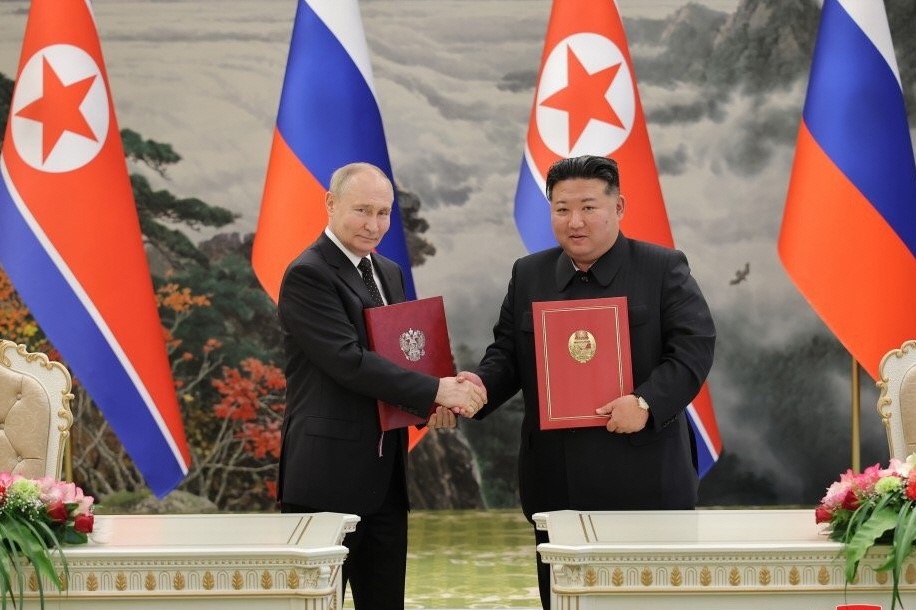
ROK-U.S. Nuclear Policy after the New Russia-DPRK Alliance TreatyDr. Taewoo Kim,Head of Nuclear Security Study, Korea Institute for Military Affairs (KIMA)The North Korea-Russia Comprehensive Strategic Partnership Treaty signed by President Vladimir Putin and Kim Jong Un on 19 June was, as feared, a revival of an alliance. Through 23 articles, the treaty agrees on a wide range of cooperation in military, economic, technological, and other fields. The most notable part includes Article 3, which stipulates that "cooperation will be discussed without delay in the event of a threat," Article 4, which states that "if either side is in a state of war, military and other assistance will be provided without delay," Article 5, which states that "neither side will enter into agreements with third countries that violate the rights of the other side," and Articles 9, 10, and 18, which agree to cooperate in the fields of science and technology and information and communication and to jointly combat threats. In short, the North Korea-Russia treaty is a reincarnation of the 1961 DPRK-USSR Treaty which promised extensive cooperation and ‘automatic military intervention.’ Its security implications seem grave.At the global level, Putin, who is nostalgic for the superpower Soviet Union, clarifies his intention to expand military alliances in the future. Perhaps he dreams of recreating the Warsaw Pact organization. At the Northeast Asian level, it signals a deepening strategic imbalance between the China-Russia-DPRK northern triangle and the ROK-U.S.-Japa southern triangle. While in the south, the U.S. manages the alliance by providing a nuclear umbrella while discouraging South Korea and Japan from becoming nuclear-armed, and security cooperation between South Korea and Japan is barely off the ground, the northern triangle is a nuclear alliance of the largest nuclear power and two outlaw states that are indiscriminately building up their nuclear arsenals. At the Korean Peninsula level, the treaty signals Russia's withdrawal from the Security Council's sanctions against the DPRK’s nuclear weapons and its pledge to exchange military assistance with Pyongyang. In fact, since the 2017 resolution 2397, China and Russia have vetoed all sanction resolutions against North Korea. This is highly irresponsible behavior for permanent members of the Security Council, but that is the UN impotence brought about by the neo-Cold War. South Korea should keep in mind that Russian technological assistance will quickly strengthen the North’s nuclear prowess. The North Korea-Russia treaty is a reminder of two huge nuclear challenges for the ROK-U.S. alliance.Russian President Vladimir Putin (left) and North Korean leader Kim Jong-un pose after signing a musual defense pactin Pyongyang, North Korea, on the 19th. / Korean Central News AgencyFirst, the U.S. and South Korea should no longer be under the illusion that they can persuade Russia and China to take the lead in North Korea's nuclear abandonment. The treaty is an ample reaffirmation that the South Korean and US governments have been under that delusion for decades. Of course, there are some analyses both in Seoul and Washington that downplay the situation by arguing that "China is uncomfortable with DPRK-Russia military ties," or that "once the war in Ukraine is over, the North Korea-Russia honeymoon will end." But these analyses are misreading the larger trends of the New Cold War by getting mired in fringe and marginal phenomena. To be clear, the Sino-Russian-North Korean internal rivalry will hardly lead to the collapse of the Northern Triangle's common front against the United States. Nor will China and Russia roll up their sleeves to persuade North Korea to give up its nuclear weapons for the sake of ‘stability in the global nuclear order’ or ‘peace on the Korean peninsula.’ Nor will China stop using wolf warrior diplomacy and demanding vertical order from its neighbors for the sake of "stability in Northeast Asia.Second, on the North Korean nuclear issue, the current stance of both Seoul and Washington, which has emphasized only 'strengthening extended deterrence', is unlikely to lead to a solution, while the United States should not repeat the same old phrases, such as “we oppose the nuclearization of South Korea” or “we oppose redeployment of tactical nuclear weapons,” thus disregarding the rapid changes in the security environment. It is time for the two allies to work together to bring North Korea to the negotiating table through ‘inter-Korean nuclear parity’ rather than ‘nuclear asymmetry.’ The two nations should now put all options on the table, including a dramatic expansion of extended deterrence, the redeployment of US tactical nukes to the Korean Peninsula or neighboring regions, and South Korea's own nuclear arsenal.Moreover, the North Korea-Russia treaty presents South Korea with the additional challenge of ‘reimagining its Russia policy.’ South Korea must lead the way in ensuring that Russia, a strong state located behind the primary threat, functions as a deterrent rather than a provocateur of war on the Korean Peninsula. Unlike in Europe, in Asia the United States may feel the need to work with Russia in some areas to contain its primary threat, China, and it is in its strategic interest to deter war on the Korean Peninsula. South Korea should capitalize on this and find its own space for diplomacy toward Russia. Of course, this should be done within the framework of an "alliance-centered" foreign policy.
24.07.19 -
 [Defectors' Podium]
The Limits of North Korea’s Policy to Encourage Youth Residency in Rural Areas Amid ExodusKim HyukSenior Researcher at the Korea Rural Community Corporation's Research InstituteDespite Kim Jong-un's efforts through various agricultural reform policies, North Korea's food production has not seen substantial improvement. For over a decade, the country's annual food output has lingered in the mid-4 million tons range without significant growth.To address these challenges, North Korea launched the ‘New Era Socialist Rural Revolution Principles’ in December 2021. This initiative aims to boost food production and improve rural living conditions by increasing agricultural productivity and building housing. Additionally, the ‘City and County Development Law,’ enacted in September 2021, aims to bridge the urban-rural gap.Controlling Rural Areas and Their Poor Agricultural ConditionsWhy is rural revitalization such a priority for North Korea? The push to create more livable rural areas underscores the severe challenges these regions face. Since the 1970s, they have struggled with a rigid class structure, poor living conditions, harsh work environments, restricted mobility, and stagnant incomes. The emphasis on heavy and chemical industries has further hindered agricultural and rural development, making rural revitalization essential.Farmers planting rice at Wonhua Farm in Pyeongwon-gun, Pyongannam-do, North Korea in May/Rodong SinmunRecent efforts to improve rural living conditions include housing construction under the Five-year Economic Development Plan (2021-2025). North Korean authorities are also promoting youth involvement in challenging sectors through extensive campaigns in the Central Daily Rodong Sinmun and the Korean Central Broadcasting Committee, encouraging young people to work in mines, coal mines, construction sites, and agricultural cooperatives.Why are rural areas considered harsh environments, and why is there a strong push for youth to work there? The answer lies in structural challenges related to population and industry. As of 2022, North Korea's urban population was 62.9%, while the rural population was 37.1%. Excessive population movement and difficult agricultural conditions have led the government to encourage young people to move to rural areas.To prevent rural population decline, North Korea restricts farmers from moving to cities. Typically, children born to farmers must remain in rural areas, preventing upward class mobility from peasant to worker. Conversely, moving from worker to peasant is encouraged, reflecting a discriminatory class system.The control over class mobility began to address labor shortages in agriculture. With machinery operation rates significantly lower than the mechanization rate (60%) due to fuel shortages, young labor in rural areas is critically needed. Despite these needs, the rural population continues to shrink due to youth exodus. In response, North Korea permits workers to move to rural areas and change their class to peasant, actively encouraging youth relocation to the countryside.The Reality of Rural Areas and the Exodus of YouthWhy are young people fleeing rural areas? Poor working conditions due to low mechanization, enforced lifetime farm work, and stark urban-rural living standards differences are key reasons. North Korean agriculture demands year-round labor without any off-season. Children born to farm workers must live their entire lives in harsh agricultural environments as permanent members of the peasant class. Urbanization and market-driven changes in cities create a sense of relative deprivation and a longing for urban life.If agricultural work isn't done on time, it can ruin the entire year's harvest and lead to food shortages. In North Korea, farming activities are relentless: spring planting and rice planting from April to June, more rice planting from July to August, autumn harvesting and wheat and barley planting from September to October, and river maintenance and manure collection from late October to March. With a constant labor shortage, the government mobilizes everyone, from children to adults, during key farming seasons. These harsh working conditions, reliant on manual labor, drive young people to avoid rural assignments, leading to a continued exodus from rural areas.The strict control over class mobility to prevent rural population decline is a major factor in the exodus. Once someone becomes a farmer, they are forced to remain in that role for life, and their children are also bound to the same fate. This class control perpetuates through the rural landscape, causing farmers, especially those in large agricultural areas, to aspire to urban worker lives.Another driver of rural exodus is the lack of ownership rights over production, preventing improvement in living conditions. Since the early 2010s, North Korean farmers have operated under a 6:4 system (6 for the state, 4 for the farmers), shifting to a 7:3 system with the 2016-2020 economic strategy due to pre-purchase and post-distribution practices. In the 2020s, excess production regulation through the field responsibility system further stagnated farmers' lives as excess production reverts to the state.Income disparity between rural and urban areas and the appeal of urban lifestyles are also significant factors in youth leaving rural areas. Unlike stagnant rural regions, cities with higher urbanization and population density have developed markets and expanded economic opportunities, resulting in rising wages for urban workers. The proliferation of market capital in cities has influenced urban development, leading to a longing for city life among farmers and driving rural exodus.The Outlook of Policies Encouraging Youth Entry into Rural AreasDespite North Korean authorities' efforts, the rural population continues to decline, particularly among young people, highlighting the limitations of long-term control policies. Data from Statistics Korea's North Korean population statistics show that despite efforts to control the rural population since the 1970s, outflows have continued: 0.9% from 1975 to 1984, 1.4% from 1985 to 1994, 0.8% from 1995 to 2004, 1.5% from 2005 to 2014, and 1.6% from 2015 to 2022. Except for the period from the mid-1990s to the mid-2000s, when economic crises drove people to rural areas for survival, the rural population outflow has increased to around 1.5%, indicating clear policy limitations.The prospects for North Korea's rural revitalization policy remain bleak despite ongoing agricultural development strategies and rural housing construction. Problems such as forced peasant class succession, the state's focus on production quotas, poor rural living conditions compared to urban areas, and the individualism of the Jangmadang, Millennial, and Gen Z generations make it difficult for these policies to succeed. In summary, the top-down approach of encouraging youth to move to rural areas, without addressing the underlying issues, is unlikely to be effective due to the structural limitations of collectivism.
24.07.05 -
 [Feature Article Series]
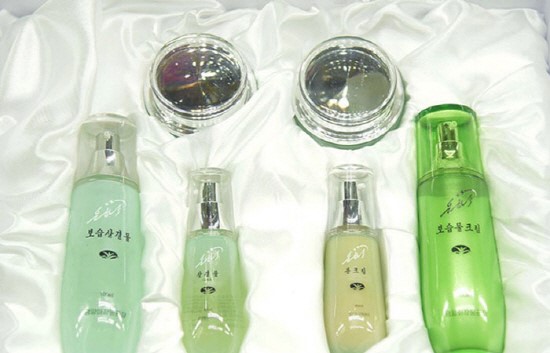
Marketing In North Korea (4)- Cosmetics Rivalry, 'Pomhyanggi' Vs 'Unhasu' Jeon Byung-kilSenior Consultant of YESInnovationformer of Secretary General of UniKorea FoundationSinuiju Cosmetics FactoryIn the early 1900s, during the Russo-Japanese War, Japan built the Honor Line between Seoul and Sinuiju in North Pyongan Province. A station was built at the point connecting Dandong, China, to the Korean Peninsula across the Yalu River and named Sinuiju Station. With the opening of the railroad station, the Sinuihi area experienced rapid growth. Trade developed, government offices and businesses moved in, and schools were established. Sinuiju Station served as a stopover point between the peninsula and mainland China."Pomhyanggi"Cosmetics Set Produced at Shinuiju Cosmetics Factory in North Korea/Today of JoseonIn the late 1930s, a hydroelectric power plant was built on the banks of the Yalu River in Sakju, North Pyongan Province, near Sinuiju. An industrial zone was established around Sinuiju using electricity from the plant. At the time, the main reason for building the plant was to provide reliable industrial electricity to Northeast China and the Korean peninsula. Before the liberation from Japan, Sinuiju had factories producing cloth, pulp, paper, hosiery, underwear, matches, shoes, alcohol, etc.After liberation in 1945, the Japanese-built factories in the Sinuiju area were forcibly interned by the North Korean communist regime. In September 1949, the Sinuiju Cosmetics Factory opened, making soap and other beauty products. In the early years of Kim Il-sung's regime, North Korea prioritized heavy industry while simultaneously promoting a complementary policy of light industry focused on consumer goods. One of the complements was to create a cosmetics factory in a city with a strong industrial base in light manufacturing. The Sinuiju Cosmetics Factory produces facial soap, toothpaste, makeup cream, hair oil, perfume, and other products used by North Korean women. However, North Korean cosmetics are not of the highest quality, as is typical of products produced in socialist countries. Most of the products are basic cosmetics, and color cosmetics and other products are much lower quality than those in developed countries. Cosmetics experts rate North Korean cosmetics at the level of South Korea's 1980s and 1990s.North Korea's top cosmetics brand 'Pomhyanggi''Unhasu'Cosmetics Set Produced at Pyongyang Cosmetics Factory in North Korea/Joseon's TodayNorth Korea began to pay attention to cosmetics in the 2000s. Sinuiju Cosmetics Factory uses sterile spring water instead of synthetic emulsifiers to make natural cosmetics with various medicinal ingredients that have great anti-aging and whitening effects.In 2003, the factory launched its own brand, Pomhyanggi. The name "Pomhyanggi" is the Korean word for "Chunhyang," the protagonist of the novel Chunhyangjeon, meaning that youth is like the scent of spring. Chunhyangjeon is a classic story popular not only in South Korea but also in North Korea.The launch of Pomhyanggi was an initiative to rebrand North Korea's cosmetics industry, which is characterized by low-quality products. In 2005, North Korea even made a promotional film, "Pomhyanggi," about the product development process at Sinuiju Cosmetic Factory.The promotional film "Pomhyanggi" is based on Kim Jong Il's visit to the Sinuiju Cosmetics Factory and tells the story of Young Jun, a discharged soldier who is hired as a new process engineer at the factory, and his search for "sterile water," an ingredient needed to make good cosmetics. The film reveals the North Korean leader's interest in the modernization of the cosmetics production process and the 'Pomhyanggi' product. The fact that North Korea has even made a movie to promote its cosmetics shows the urgent need for quality improvement.Pomhyanggi cosmetics come in a variety of formulations, including skin, lotions, and scalp nourishers, and are categorized into two types: for domestic use in North Korea and for export. Domestic products are labeled as Sinuiju Cosmetics Factory, a reference to the company's pride in being the largest and oldest cosmetics factory in North Korea. For export, the product descriptions are in English.Challenger ‘Pyongyang Cosmetics Factory’The Sinuiju Cosmetics Factory, which produces Pomhyanggi cosmetics, is the oldest and most recognizable in North Korea. However, there are several other cosmetics factories in North Korea that compete with it. Pyongyang Cosmetics Factory is one of them. It can't compete alone, it need an opponent. In sports, in dramas, and in real life, there are rivals. Rivalry is usually represented in a 1:1 structure. There can be multiple competitors, but usually the representative of the competition is the second runner-up, competing against the first runner-up at the top. Competition strategies for second and third place are often quite different. Rivals are both competitors and collaborators. In North Korea's cosmetics industry, Sinuiju Cosmetics Factory and Pyongyang Cosmetics Factory have such a relationship.Founded in 1957, the Pyongyang Cosmetics Factory produces a variety of cosmetics under the Unhasu brand using natural ingredients such as ginseng, wormwood, and aloe. Kim Jong-il and Kim Jong-un have visited the factory several times, emphasizing the need to improve people's lives and enter the global market. In particular, in 2003, Kim Jong Il is said to have said that 'Pomhyanggi' and 'Unhasu' should compete to improve the quality of their products. This was the first time the North Korean leader mentioned quality and brand competition between cosmetics rivals.The rivalry between 'Pomhyanggi' and 'Unhasu' has created several episodes before. According to an October 23, 2010 report in the Chosun Sinbo, "When it was announced that Sinuiju Cosmetic Factory's newly developed products would be exhibited, Pyongyang Cosmetic Factory decided to exhibit better functional cosmetics than planned, so Sinuiju Cosmetic Factory transported the cosmetics with better packaging and quality by train and placed them on display the night before the exhibition began."Where does the future of 'Pomhyanggi' and 'Unhasu' lie?In North Korea, new cosmetics are being launched as women are recognized as the main consumers. In nature, everyone seeks beauty. The desire for beauty is almost instinctual. Women, in particular, worry about how to look more beautiful or younger. The desire for beauty is endless. Recognizing this desire, cosmetics companies introduce products that provide solutions to these desires. And they express their values through trademarks.However, North Korea emphasizes that trademarks should contain ideological and cultural values. Unlike the capitalist system, where consumer desires are emphasized, trademarks in North Korea must reflect the ideas the state wants to instill. 'Pomhyanggi' and 'Unhasu' are two trademarks that exemplify this ideology.The influx of South Korean videos into North Korea since the revitalization of Jangmadang has indirectly led to a growing preference for South Korean cosmetics. As a result, South Korean cosmetics, which are smuggled in unofficially through the Chinese border, are popular in North Korea. Although North Korea talks about "Pomhyanggi" and "Unhasu" through official media, North Korean consumers have already seen South Korean dramas and used South Korean actors' cosmetics in their minds. The future of 'Pomhyanggi' and 'Unhasu' is here. It needs to make people more beautiful than the characters in South Korean dramas. And it continue to read the minds of consumers and reflect the trend of the times. That's the way forward for 'Pomhyanggi' and 'Unhasu,' both competitors and collaborators.Furthermore, 'Pomhyanggi' should dream of shooting a CF in Namwon, Jeollabuk-do, South Korea, the hometown of 'Chunhyang', the brand's etymology. And 'Unhasu' can imagine a 'cosmetics x cell phone' promotion with Samsung cell phones, which have the 'Galaxy' brand, which means 'Unhasu' in English. That is the future path to the world beyond North Korea.
24.07.05 -
 [North Korea in History]
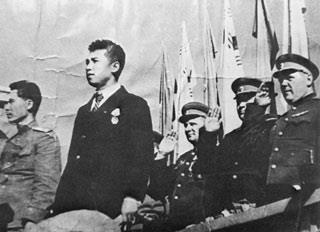
North Korea 30 Years After Kim Il-sung's Death: Past, Present, and Future (1)North Korea's Soviet Beginnings: Kim Il-sung's Execution of StalinismKang In-deokFormer Minister of Unification of the Republic of KoreaIt's been 30 years since Kim Il-sung's death. For 80 years, we've viewed inter-Korean relations as a "special relationship aimed at reunification." We've examined his political legacy and prepared for reunification. Now, it's time to question this approach. We aim to review his 49 years of political actions, see how they've been inherited, and forecast North Korea's future.Kim Il-sung: Appointed North Korea's Leader by Joseph StalinKim Il-sung wasn't well-known right after liberation. He didn't play a significant role in the Korean independence movement during Japanese colonial rule or in the communist movement of the 1920s. His sudden rise as an anti-Japanese hero two months after liberation was orchestrated by the Soviet Union, which had taken control of Manchuria and northern Korea after World War II. Joseph Stalin saw this as a chance to fulfill Russia's long-held goal of securing an ice-free port in the Far East and dominating the Asia-Pacific region.At the Moscow Conference in September 1945, held in London to discuss post-war compensation, Soviet Foreign Minister Vyacheslav Molotov requested "half of Hokkaido and participation in the military administration of Japan." Recognizing Stalin's ambitions, the United States and the United Kingdom immediately rejected this. In response, Stalin ordered Terenty Fomich Shtykov, the political commissar of the Soviet 25th Army headquarters in Pyongyang and the first Soviet ambassador to North Korea, to establish a Soviet satellite state in North Korea.Kim Il-sung at the "Pyongyang Mass Rally to Welcome the Soviet Liberation Army" on October 14, 1945.This Soviet-directed event was his first introduction to the citizens of Pyongyang. /Media Korean StudiesOn September 19, Shtykov, part of the 88th Special Brigade under the Soviet Far East Commandarrived at Wonsan Harbor on the freighter 'Vochakovo' on September 19. He then gathered Kim Il-sung and his entourage of about 60, who had been involved in anti-Japanese intelligence operations, along with 400 Soviet Koreans who had come as civil administration officials, to begin executing Joseph Stalin's orders.The Soviet strategy for establishing a satellite state was based on the "Theses on Revolutionary Movements in Colonies and Semi-Colonies," adopted at the 6th Congress of the Communist International (Comintern) founded by Vladimir Lenin in July and September 1928. This plan aimed to create a satellite state led by Koreans, using methods similar to those in Eastern Europe for establishing people's governments.Starting on October 10, they held a three-day "Conference of Korean Communist Party North Korean Responsible Persons and Enthusiastic Party Members" to reorganize the Communist Party and pursue a "bourgeois democratic revolution." After confirming the party organization, Shtykov introduced Kim Il-sung (real name Kim Sung-ju) as the hero of the anti-Japanese struggle at the "Pyongyang Mass Rally to Welcome the Soviet Liberation Army" on October 14 at Pyongyang Moranbong Stadium. Kim then delivered a speech expressing his beliefs, written by Soviet Koreans affiliated with the occupation forces, marking the first time Pyongyang citizens learned of Kim Il-sung's existence.On October 28, the Soviet army established the North Korean Administrative Committee as a transitional united front government with local communists to seize power. In November, they set up the "railroad guards" and a "security training center" under Soviet command. On November 1, they founded the "Pyongyang Institute" under the 88th Separate Rifle Brigade to train Communist Party cadres and future military commanders. However, the North Korean people and youth, angered by the Soviet army's brutality and their Korean communist collaborators, fiercely resisted. This resistance included the Yongampo Student Incident in Pyonganbuk-do on November 18, 1945, and the Sinuiju Incident, which saw 35,000 participants on November 23. The Soviet army and communists crushed these protests using aircraft and tanks, resulting in 23 deaths and over 700 injuries. This crackdown extended to church ministers and nationalist-democratic figures, with many young protesters being exiled to Siberia.To make matters worse, when news arrived that the Moscow Conference held on December 27, 1945, by the United States, the United Kingdom, and the Soviet Union, had decided on a four-year trusteeship over Korea, fierce opposition arose from nationalist forces led by Cho Man-sik. As a result, Cho Man-sik was imprisoned, and other democratic figures fled to South Korea, leading to the collapse of anti-communist democratic forces in North Korea.On February 8, 1946, Kim Il-sung and his group, following the Kremlin's strategy, organized the Soviet puppet regime 'Provisional People's Committee of North Korea,' formally led by Koreans. On the same day, the Korean People's Army, the Communist Party's armed force, was established. Under the name of this People's Committee, Kim Il-sung announced several laws, including the land reform law (March 5), labor law (June 24), gender equality law (July 30), and nationalization of industry law (August 10), to strengthen the Communist Party's power base. On November 3, they held "elections for people's committees of provinces, cities, and counties" and established a legislative body.The following year, on February 17, 1947, the 'Provisional People's Committee of North Korea' became the 'North Korea People's Committee,' the highest governing body, with Kim Il-sung as chairman. As Stalin's loyal follower, Kim Il-sung relentlessly carried out anti-national and oppressive actions, implementing the Kremlin's strategies for Soviet domination in East Asia.
24.07.05 -
 [Current Affairs Analysis]
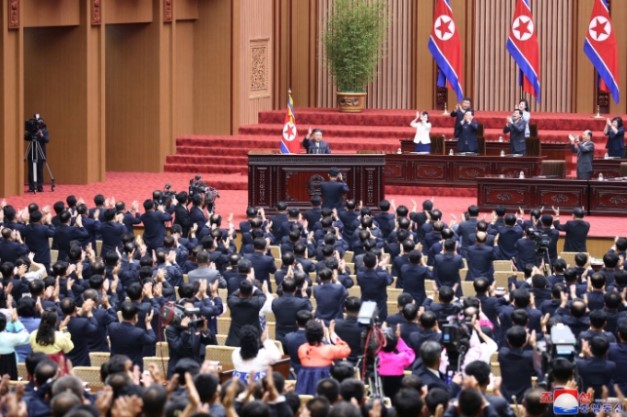
Driving Forces of Pyongyang’s Military and Diplomatic AssertivenessKyung Suk Lee (Incheon National University)Why did Pyongyang adopt assertive nuclear postures indicating a preemptive use of nuclear weapons? What was the underlying rationale that Kim Jung Un called South Korea as a primary foe? Overall how can we fathom Pyongyang’s mounting military and diplomatic assertiveness? Answering these questions are important to contemplate North Korea’s possible military provocations and prevent costly military conflicts on the Korean peninsula. Over the past couple of years, after Hanoi Summit and Russia’s invasion on Ukraine, it is strikingly obvious that North Korea has become more belligerent and aggressive. One notable example is North Korea’s Nuclear Forces Policy Law that was adopted in September 2022. North Korea initially pursued the atomic weapons as a defensive objective. The longstanding Washington’s antagonistic security policy towards Pyongyang pushed North Korea to nuclearize. In the face of security threats, the Kim family needed the bomb for regime survival. As stipulated in the 2013 country’s Law on Consolidating the Position of Nuclear Weapons, North Korea’s nuclear doctrine was designed as defensive. The use of nuclear weapons primarily aims to deter and repel invasion and attack from hostile forces.Kim Jong-un declares North Korea will never abandon its nuclear weapons at the 7th Plenary Meeting of the 14th Supreme People's Assemblyin Pyongyang on September 8, 2022, following the unanimous passage of the nuclear force policy. / Korean Central News AgencyHowever, the 2022 Nuclear Forces Policy Law lowered the threshold of nuclear use. It specifies five conditions under which North Korea can use the atomic weapons. This is a remarkable change compared to the 2013 Law implying North Korea can employ nuclear weapons more aggressively. In line with new conditions, North Korea not only established the state nuclear forces command organization with more belligerent nuclear command and control system, but also publicly showcased tactical nuclear warhead, Hwasan-31, with eight different delivery capabilities. The second noteworthy example is that, in January 2024, Kim Jung Un insisted that the constitution should be amend to renounce the traditional One Korea policy and stipulate South Korea as a primary foe and invariable principal enemy. The North Korean leader also publicly announced the abolition of three organizations - the Committee for the Peaceful Reunification of the Fatherland, the National Economic Cooperation Bureau and the Mount Kumgang International Tourism Administration – that have played roles to enhance inter-Korean relations. He stressed that expressions such as “kinship”, “reconciliation” and “unification” should be no longer used to set up the relationship with South Korea. The key take from the North Korean supreme leader’s speech is that Pyongyang will adopt a fundamental shift in inter-Korean relations and the basic principle would be confrontation and competition. Given North Korea’s changes in military and diplomatic strategies, we need to carefully analyze what propels North Korea’s assertiveness. First, after the fiasco of Hanoi summit, North Korea has been facing hawkish Yoon administration in South Korea and uncompromisable Biden administration. Under the Yoon government South Korea has implemented a hardline policy toward North Korea, so called “peace through strength”. A big turnaround from the previous Moon administration that focused on easing military tensions through improving inter-Korean relations. The Yoon administration instead has strengthened the South Korea-US extended deterrence posture and expanded the military cooperation with Japan to press North Korea. Moreover, although the Biden administration is open to a negotiation talk without preconditions, the Biden national security team has more conservative and uncompromisable standpoint in dealing with the North Korean nuclear issue. In this regard the most realistic policies that Kim Jung Un could adopt is intensifying the nuclear posture to deter external military aggression. Second, the changes in assertive military and diplomatic policies offered Pyongyang more strategic benefits in the context of global geopolitical groupings. Under the flagship of United States, U.S. key allies in the Indo-Pacific and European regions formed the democratic bloc. On the other hand, led by China and Russia, North Korea, Iran and other autocratic countries forged the authoritarian bloc. Countries that do not align with either the democratic or authoritarian axis formed the Global South bloc. In the rising confrontations between democratic and authoritarian blocs, North Korea has evidently aligned itself with the authoritarian axis to advance its national interests. Particularly, North Korea has benefited significantly by emerging as a crucial security partner for Russia. Pyongyang has provided substantial artillery shells, military supplies, and ballistic missile to Moscow bolstering Russia's war in Ukraine. In exchange, North Korea stabilizes its economy with substantial support from Russia. Furthermore, it is likely that Moscow has provided North Korea sensitive military technologies such as nuclear submarine and ballistic missile technologies as a reward of Pyongyang’s unwavering military assistances.Third, assertive military and diplomatic approaches are needed for Kim Jung Un to effectively strengthen internal control. Due to prevalent economic deprivations caused by ongoing economic sanctions, discontents against the Kim Jong Un regime continues to accumulate within North Korea. Although economic aids from Russia and China are reliefs for the North Korean economy, dissatisfactions are deeply embedded in the society. It is widely known that designating palpable external enemies and escalating tensions with them reinforce internal unity. By taking “us” and “them” framework, Kim Jung Un can divert the domestic discontents to the outsiders and justify why the regime should ramp up its nuclear and military capabilities. Additionally, the North Korean leader recognize that the spread of South Korean culture within North Korea poses a serious threat to the regime's survival. The majority of North Korean people have been already exposed to South Korean dramas and pop music. North Korea’s assertive standpoints toward South Korea aims to block the influence of South Korean culture and solidify Kim Jung Un’s political tenure. In sum, confrontations and competition between the two Koreas will continue. South Korea, under Yoon government, is likely to stick to its hard-line policy toward North Korea and North Korea is unlikely to back down. The action-reaction dynamic would spiral up the military tensions on the Korean peninsula. A primary concern is that a trivial clash can easily escalate to uncontrolled military situations. To forestall worst-case scenarios, it might not an easy task to restore the direct communication channels between two Koreas. However the two parties need to agree on minimum conflict management frameworks to prevent any costly conflicts.
24.06.21 -
 [Feature Article Series]
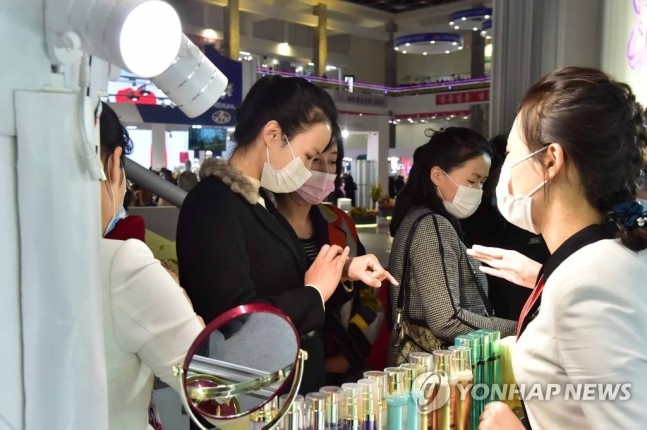
Marketing In North Korea (3)- Do women only mean flowers? Jeon Byung-kilSenior Consultant of YESInnovationformer of Secretary General of UniKorea FoundationThings that liberated womenIn the spring of 2009, L'Osservatore Romano, the Vatican's official newspaper, announced that the greatest contribution to women's liberation in the 20th century was neither the pill nor the right to work, but the washing machine. In addition, according to a survey conducted by MBC and the Korean Sociological Association on the 60th anniversary of the establishment of South Korean government in 2008, the washing machine was ranked first as the object that has changed women's lives the most over the past 60 years. The washing machine has contributed to women's empowerment because they can put their laundry in the machine instead of washing it by hand, relieve themselves of physical housework while running, and use the extra time for themselves.A North Korean woman tries on cosmetics from the Nari Cosmetics Factory at the '2022 Women's Clothing Exhibition'in Pyongyang, held from October to November 2022. / Yonhap News AgencyThe 20th century began to revolutionize women's lives with the popularization of sanitary napkins, contraceptives, and washing machines. More women entered the workforce and became economically independent. Women became new agents of production and consumption. They have a stronger social influence than before.But what about the women of North Korea? In 2012, a North Korean defector media outlet surveyed defectors about what they most wanted to send to their families in North Korea, and the number one item was ramen noodles, followed by feminine hygiene products. North Korea produces its own sanitary napkins, but they are still in short supply and expensive. According to an August 2019 survey of North Korean defectors conducted by The Institute for Peace and Unification Studies at Seoul National University, 69% of North Korean households have an electric rice cooker, 31% have a refrigerator, and 18% have a washing machine. North Korean women still have a long way to go to achieve the convenient living conditions they desire.On March 2, 2021, North Korean media 'DPRK Today' reported the rising popularity of 'Kumgangsan Cosmetics.'Workers are seen packing skincare products, BB cream, and mascara. / Yonhap News Agency'Women are flowers ?'There's a song in North Korean music called "Women are Flowers”. The song, written in 1993, emphasizes the importance of women's roles in life, emphasizing them as helpers to men. 1. Women are Flowers, Flowers of LifeA flower that takes care of the home.Without you, my dear wife and sisterA place in my life would be emptyWomen are flowers, flowers of life2. Women are flowers. Flowers of happiness.A flower that grows sons and daughters into heroesWithout you, my dear wife and sister.A place of happiness is emptyA woman is a flower, a flower of happinessThe view of women in this song is also how North Korea has traditionally viewed women. North Korea has actively promoted gender equality policies aftercommunist forces came to power in 1945. North Korean authorities wanted to encourage women's participation in society and draw them into the labor force. From this point on, North Korean women were employed in factories and coal mines. At home, they were expected to be mothers raising revolutionary warriors. The image of women as militant in the outside world and obedient in the home was established.But after the hardships of the 1990s, North Korean women's lives have changed. They are now more active in the economy than ever before. Women are the mainstay of the Jangmadang economy. While men are tied to the military and organizations, women are less controlled by them, so they sell at the market to support their families. Through the market, North Korean women are experiencing more choices, expanding their range of activities, and thinking about how to better engage with reality.The collapse of the rationing system and the subsequent dependence of male heads of households on female breadwinners has led to a shift in women's consciousness. Many of North Korea's emerging wealthy, known as "donju," money changers and wholesalers, are women. North Korean women have expanded their networks through involvement in marketplaces, and younger women in particular have become more aware of the outside world and the lives of women in China and South Korea, which has increased their awareness of women's rights and equal rights.Marketing strategies to win the hearts and minds of womenEvery year on March 8, around International Women's Day. North Korean media reports on people buying souvenirs at cosmetics stores. North Korea has a unique way of celebrating International Women's Day. First of all, men are expected to do household chores on this day. Workplaces and villages organize feasts for women. Men also profess their love on this day by giving cosmetics and other gifts to their wives if they are married, and to their crushes if they are single.Tae Yong-ho, a former North Korean diplomat who defected to South Korea in 2016, described International Women's Day in the March 16, 2019 edition of Chosun Ilbo."On International Women's Day, women are a little tired from all the political events, such as the commemorative reporting conferences, but they secretly look forward to it. For North Korean men, International Women's Day is a day to impress their female colleagues. Men who work in centralized organizations in Pyongyang buy gourmet meals for their female colleagues. Higher-ranking bosses are expected to bring nice gifts for their female subordinates. Restaurants prepare special menus for women's favorite dishes, and stores offer cosmetic gift sets for International Women's Day, including expensive foreign cosmetic sets. The day after International Women's Day, the talk among female employees is about what gifts their bosses gave them and what restaurants they ate at."In North Korean culture, it's perfectly normal to report news about cosmetics stores on International Women's Day, when women in North Korea receive the most gifts.On March 8, 2021, North Korea's propaganda outlet Rodong Sinmun noted the importance of International Women's Day marketing for cosmetics sales, saying"When International Women's Day comes around, people think about what to give their women first, and cosmetics are probably the most common gift, because we want our women, the flower of society and the flower of the home, to be more beautiful and younger. Therefore, we put a lot of effort into preparing souvenirs to make it more convenient for visitors. We have cosmetics and other health products made with ginseng as the main ingredient, such as vitamin and collagen cosmetics that add youthfulness to women, which are very popular."The constant development and production of cosmetics in North Korea means that the demand for them is growing. It's not just cosmetics, either: there are an increasing number of products targeted at women, including clothes, bags, and shoes. This shows that North Korean women are an important part of the country's consumer culture.Toward sustainable lives for women in North KoreaNorth Korea's young women are showing signs of change. They are no longer as uniform as they once were. It's not uncommon to see North Korean women wearing skirts that go above the knee and outfits that match their personalities, including matching bags and shoes. This is due in large part to a shift in the mindset of young North Korean women. Whereas the older generation of women prepared for marriage by earning money, young North Korean women are now investing in themselves. They haven't received many benefits from the state, so they are very dependent on the market and long for the outside world.Young North Korean women use consumption to make a statement and differentiate themselves from others. While this is not the case in all parts of North Korea, it has taken hold among young women in the capital, Pyongyang, and other major cities.Young North Korean women hope for change. However North Korean society's male-dominated culture remains strong. More and more women are refusing to marry or have children because they believe that marriage will bring hardship. A clear indicator of this is the declining birth rate. After the end of the "Arduous March," the North Korean government began a policy of encouraging births. According to the 1993-2008 North Korean census and the 2014 joint survey by the UN Population Fund and the North Korean Central Statistical Office, the total fertility rate for married women (aged 15-49) in North Korea has been declining: 2.13 children per capita in 1993, 2.01 in 2008, and 1.89 in 2014."Until the mid-2000s, the decline in births was driven by livelihood issues, but since the 2010s, women have been avoiding childbirth for a better life, and the decline in births among urban, highly educated women has been pronounced, as they realize that they should take care of their lives and have fewer children so that they can raise them well and not be like the South”, North Korean social experts say. In both North and South Korea, the crisis of childbirth avoidance and declining birthrates is being foreshadowed.International Women's Day, which is celebrated in North Korea as a day for women, began on March 8, 1908, when female workers in the United States protested for better working conditions and suffrage. The women's movement was born out of desperation for basic rights at a time when women's basic rights were not guaranteed.What basic rights do women need in North Korea today? Women in Pyongyang and women in rural areas are equally guaranteed the same basic rights. It is not only in the political sphere, but also in the economic sphere, i.e. production, distribution, and consumption. We need to analyze the consumption trends of young women in Pyongyang and think of ways to support senior women consumers in rural Hamgyong Province to promote their basic consumption needs.Trends aren't just for young women living in big cities. Sustainable efforts to improve the lives of North Korean women can also be a trend.
24.06.21 -
 [Issue Brief]
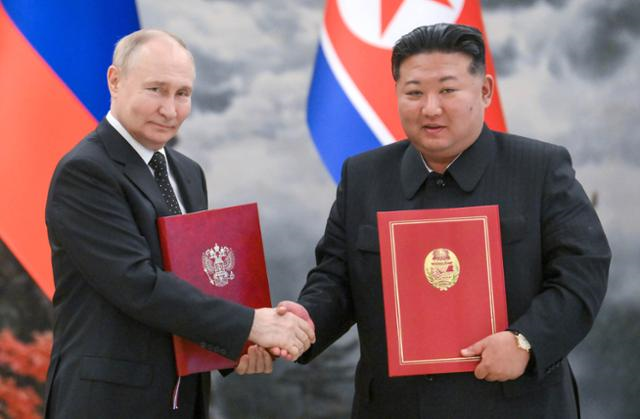
'Dangerous Deal': Kim Jong-un and Vladimir Putin's Pactfor Immediate Military AssistanceNorth Korea and Russia have agreed to provide "immediate military assistance" if either faces a military invasion. This is viewed as a revival of the "automatic military intervention" clause, transforming their relationship into a "military alliance." Concerns arise that Kim Jong-un and Vladimir Putin, pressured by international sanctions over Ukraine and illegal nuclear activities, have made a "dangerous deal" to counteract Western pressure.Russian President Vladimir Putin (left) and North Korean leader Kim Jong-un pose after signing a musual defense pactin Pyongyang, North Korea, on the 19th. /Reuters·Yonhap News AgencyNorth Korea's Korean Central News Agency reported on the 20th that Kim Jong-un and Vladimir Putin signed a "comprehensive strategic partnership agreement" in Pyongyang the previous day, marking a major advancement in their relationship.Article 4 of the treaty states that "if either party is in a state of war due to military aggression by another country, the other party will provide military and other assistance using all means at its disposal without delay, in accordance with Article 51 of the UN Charter and the laws of North Korea and Russia." Article 51 allows UN member states the right to individual or collective self-defense if attacked.The automatic military intervention clause was first included in the 1961 "North Korea-Soviet Union Treaty of Friendship, Cooperation, and Mutual Assistance," ensuring immediate support if either side was attacked. This treaty ended after the Soviet Union dissolved in 1991, and Russia announced in 1996 that it would not extend it. The 2000 "North Korea-Russia Treaty of Friendship, Good-Neighborliness, and Cooperation" excluded this clause but added an "immediate contact" clause.Russian President Vladimir Putin (left) and Kim Jong-un hold a press conference after their meetingin Pyongyang, North Korea, on the 19th. /Reuters·Yonhap News AgencyThe upgrade of North Korea-Russia relations to a "comprehensive strategic partnership" from a "friendly and good-neighborly" relationship, along with "immediate military support," indicates their relationship is now at a "military alliance" level. Kim Jong-un emphasized this during a press conference after the summit, using "alliance" three times.This agreement is seen as stronger than the US-South Korea Mutual Defense Treaty, forming a military alliance while recognizing North Korea's nuclear capabilities. Article 5 prevents either party from making agreements with third countries that infringe on their core interests, blocking improved South Korea-Russia relations, which North Korea considers hostile.Article 16 states that "both parties oppose extraterritorial measures, including unilateral coercive actions, and consider them illegal and contrary to the UN Charter and international legal norms." This rejects the legitimacy of UNSC resolutions on sanctions against North Korea, similar to the 1961 North Korea-Soviet Union alliance treaty.A welcoming ceremony at Kim Il-sung Square in Pyongyang on the 19th, attended by Russian President Vladimir Putinduring his visit to North Korea. /Tass·Yonhap News AgencyThere are concerns that the new treaty will accelerate military cooperation between North Korea and Russia, including arms trade, defying international sanctions against North Korea's nuclear provocations. Vladimir Putin suggested revising "US-led UNSC sanctions against North Korea," signaling an intent to challenge these sanctions.Vladimir Putin announced that Russia and North Korea would enhance military cooperation under the new agreement, potentially including military technical collaboration. While details were not disclosed, Ukrainian authorities reported that North Korea supplied Russia with 1.8 million rounds of 122mm rocket artillery shells and 152mm self-propelled artillery shells. Additionally, North Korea is said to be providing short-range ballistic missiles and parts for repairing Russian vehicles and tanks. There is also speculation that North Korea might supply Russia with 240mm rocket artillery shells with a range of 40km, suggesting related discussions.During their private meeting, Vladimir Putin likely reassured high-level cooperation in developing North Korea's reconnaissance satellites. On the 27th of last month, North Korea's attempt to launch its second reconnaissance satellite with a new rocket failed due to an explosion.Economic cooperation between North Korea and Russia is expected to expand. They announced an agreement to build a bridge over the Tuman River. Kim Jong-un appears to prefer expanding economic exchanges with Russia rather than relying on China, which has been cautious due to UN sanctions.A new financial system not controlled by the international community is anticipated. In a Rodong Sinmun article on the 18th, Vladimir Putin stated, "We will develop a trade and mutual settlement system not controlled by the West and jointly oppose unilateral, illegal restrictive measures." This suggests that Russia and North Korea aim to establish their own trade and settlement system to bypass the US-dominated international financial system and the dollar.
24.06.21 -
 [Opinion]
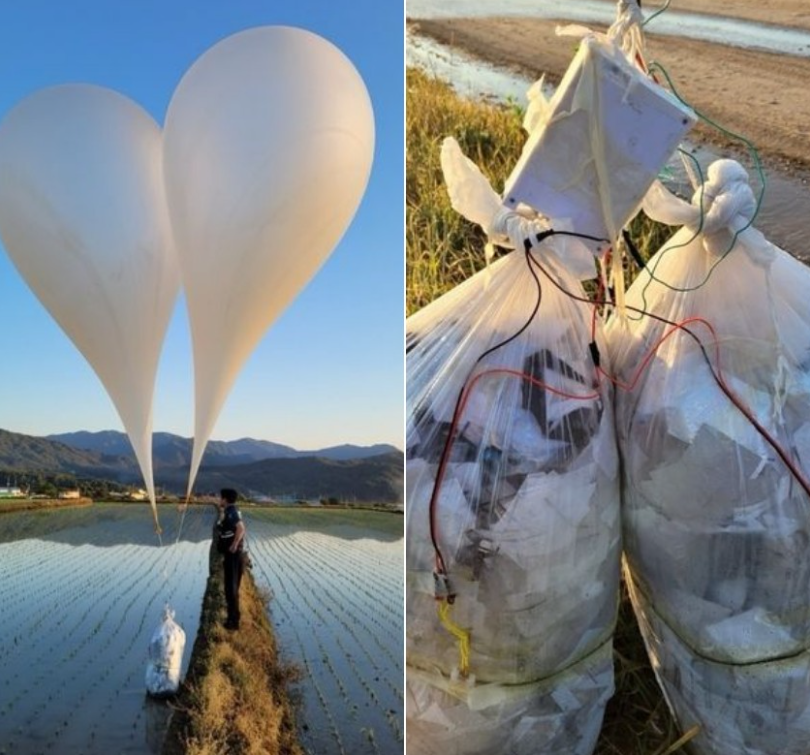
South Korea’s Response to North Korea's 'Trash Terror': Festina LenteKwak Gil-sup, President of One Korea CenterSince May 28, North Korea has sent trash into South Korean airspace four times (as of June 14). While North Korea's abnormal behavior is not a recent occurrence, this provocation marks a new low in the history of leaflet distribution.North Korea sends over 200 propaganda leaflets and trash balloons across South Korea,criticized for "violation of international law" (Photo: Military Community on Facebook)Neither passively enduring nor overreacting is the best response. If the government fails to unite domestic and international public opinion, it could lead to a loss of national dignity and pride, leaving us vulnerable to further provocations and tactics aimed at creating internal conflicts.It's Not Trash “Balloons” but Trash “Terror”Media reports have been describing the trash stuff as "trash balloons" since the first incident. The government and military have also used this term uncritically. However, this does not accurately reflect the situation. "Trash terror" is a more precise term.Soldiers inspect remains of trash balloons with mine detectors in front of Incheon weather stationin Jeondong, Jung-gu, Incheon (Photo: Yonhap News Agency)Media reports have been referring to the incidents as "trash balloons" since they began. The government and military have also adopted this term without much scrutiny. However, this term doesn't accurately capture the severity of the situation. "Trash terror" is a more precise and fitting description. Suspected North Korean trash balloons landed in the parking lot of an apartment complexin Danwon-gu, Ansan, Gyeonggi-do at 10:22 AM on the 2nd (Photo: Gyeonggi Nambu Provincial Police Agency)The large amount of trash has insulted and instilled fear in the South Korean public. In some areas, trash has damaged windshields and disrupted operations at Incheon International Airport. Although the damage was not severe this time, the potential for a major accident remains. In the worst-case scenario, we could imagine North Korea deploying biological or chemical weapons in such balloons, which is terrifying. Therefore, it is crucial to accurately name the issue from the start. It is not "trash balloons" but "trash terror." The Background of North Korea's Choice of 'Trash Terror' ProvocationNorth Korea claimed that its first trash terror at the end of May was in response to the leaflet distribution by the North Korean defector group Fighters for a Free North Korea on May 10. However, this is actually a calculated multi-purpose psychological warfare, also serving as a test of hybrid warfare applied to the Korean Peninsula, a tactic recently highlighted in the Israel-Hamas conflict.I assume North Korea's recent trash terror has the following motives:In the long term, it is an extension of the ‘power-for-power’ strategy pursued since the diplomatic disaster in Hanoi in February 2019; In the short term, it is a practical step towards Kim Jong-un's "two-Korea policy" declared at the end of the year.More directly, it is part of the follow-up actions to the decisions made at the Politburo meeting chaired by Kim Jong-un on May 24.Kim Jong-un orchestrated two significant events during the Politburo of the Workers' Party of Korea meeting in late May. First, he decided to hold the "10th Plenary Meeting of the 8th Central Committee of the WPK" in late June. This plenary meeting to be held just before the Supreme People's Assembly, will formalize new borders in the constitution.Second, after hearing reports on military issues from the General Staff Department, he issued related, undisclosed orders. The content of these orders can be inferred from the statement by North Korea's vice defense minister Kim Kang-il on May 25, which warned of strong responses to South Korea-U.S. joint military exercises, civilian leaflet distributions, and South Korean Navy's Northern Limit Line (NLL) violations.Since then, North Korea has engaged in various provocations, including launching a reconnaissance satellite, trash terror against South Korea, testing the 600mm super-large multiple launch rocket system (MLRS), GPS jamming in the West Sea, violating the military demarcation line, and reinstalling loudspeaker broadcasting along the demilitarized zone. These actions indicate calculated psychological warfare and simulated attack training. Additionally, the conditional suspension announced by Kim Kang-il on June 2 ("100-fold response if leaflets are distributed again") and Kim Yo-jong's retaliation warning on June 9 ("new response to leaflet distribution and loudspeaker broadcasts") are typical hit-and-run tactics aimed at blaming South Korea for heightened tensions, characterized by low-cost, high-efficiency fear-inducing strategies.Based on current developments, North Korea is likely to continue provoking South Korea with aggressive rhetoric and various actions. These provocations aim to create internal debates about 'war or peace' and instill fear of conflict. By the late June Plenary Meeting and the July Supreme People's Assembly, North Korea is expected to finalize and announce new borders, marking a significant step in their "two-Korea policy“.North Korea will likely exploit South Korea's political landscape, characterized by intense conflicts and opposition, as well as the anti-American struggle period (June 25 to July 27) and the South Korea-U.S. joint nuclear exercises in August. This includes launching reconnaissance satellites, testing strategic weapons, and possibly conducting a seventh nuclear test. These maneuvers aim to dominate the Korean Peninsula situation and set the stage for new negotiations after the U.S. presidential election and the Ukraine war.Was South Korea's Response Appropriate?North Korea's recent provocation was somewhat anticipated, given its "two-state Korea" policy and the developments following the Workers' Party Politburo meeting, including the General Staff Department report. South Korean security officials have stated that they reviewed over 100 scenarios for North Korean provocations and prepared accordingly.However, the government seemed unprepared for "North Korea sending trash into the air." Consequently, the initial response was neither swift nor well-coordinated. The National Security Council (NSC) Standing Committee convened only on June 2, and the military issued a basic statement calling it a "violation of international law." This prompted Kim Yo-jong to sarcastically remark, "'Freedom of expression' and 'international law' have nothing to do with the balloons."It must be clear that the leaflets sent by South Korean civic groups are based on constitutional values, using a few items to convey outside information to North Korean residents. In contrast, North Korea scattered contaminated materials on a large scale, causing significant harm. The term "freedom of expression" cannot be applied equally to both situations. Yet, the government responded with simple criticism of North Korea instead of providing a reasonable explanation to both North Korea and the South Korean public. The initial response should have been better. If the government had responded with "Leaflets are acceptable, but trash is not," it could have justified the civilian leaflet campaigns and stirred public criticism of North Korea's actions.Following the exchange of accusations, the South Korean government took steps: suspending the September 19 Military Agreement, putting the military on high alert, and resuming loudspeaker broadcasts. These actions aim to manage the situation and advance North Korean liberalization.Outlook and Direction of ResponseKim Jong-un has pushed an anti-nationalistic, anti-unification "two-Korea policy" this year, unlike his predecessors. Over the past five months, he likely weighed the pros and cons and decided the benefits outweighed the costs, erasing traces of national cooperation. The recent trash terror operation is part of this strategy. It's assumed North Korea anticipated South Korea's countermeasures, such as resuming psychological warfare.The recent provocations, including trash terror, are part of North Korea's strategy to solidify its "two Korea policy." After unsettling South Korea internally from late May to early June, North Korea is expected to adjust its tactics before Vladimir Putin's visit and the late June Party Plenary Meeting. Following the constitutional amendment at the July Supreme People's Assembly (stipulating territorial regulations), North Korea will likely intensify its offensive across all domains.The Yoon administration should approach Kim Jong-un cautiously, avoiding complacency, and employing creative diplomacy with neighboring countries to effectively manage the Korean Peninsula crisis. Embracing this challenge as an opportunity, the government should strive to bring about fundamental transformation in the North Korean regime.In conclusion, Kim Jong-un's objectives are threefold: to solidify his dictatorship, amplify internal conflicts within South Korea, and secure nuclear-armed status for favorable arms negotiations. The government must address these issues with comprehensive security policies and active communication with political and media leaders. History shows that unity is crucial in facing the enemy, and the strength to confront North Korea effectively comes from the people.
24.06.21 -
 [NK Focus]
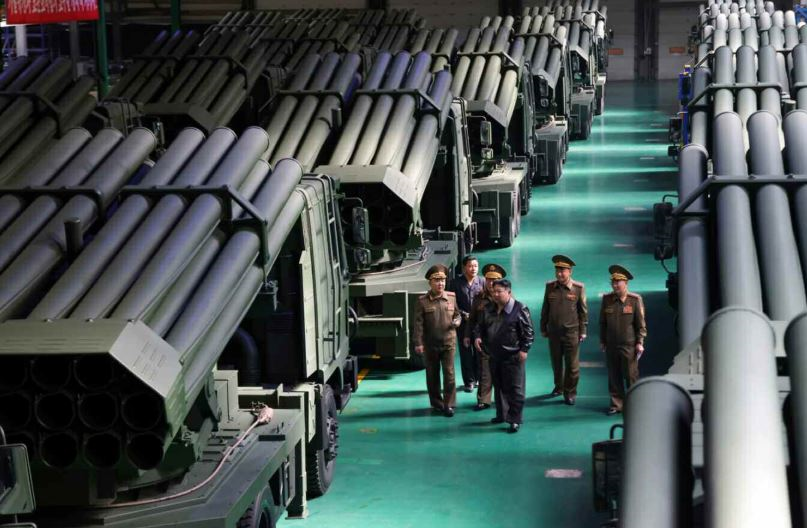
Kim Jong-un's May Inspections of Weapon Production Facilities: A Move Towards Increased Exports? Lee Seung-hyunResearch Fellow at SAND Institute / Ph.D. in Public AdministrationIn May, North Korean leader Kim Jong-un observed the firing of multiple rocket launchers and ballistic missiles and conducted consecutive inspections of weapon production facilities. Out of his 12 public activities that month, six were military-related, highlighting his focus on showcasing North Korea's weapon production capabilities. Analysts speculate that this move is aimed at increasing threats against South Korea while potentially targeting additional weapon exports to Russia.Kim Jong-un is inspecting a military factory producing 240mm Transporter Erector Launchers (TEL) from May 11 to 12./ Korean Central News AgencyAccording to North Korean media, on May 10, Kim Jong-un observed the test firing of an upgraded 240mm rocket weapon system and guided rocket projectiles. The Korean Central News Agency (KCNA) reported that this confirmed the 'superiority and destructive power' of the new weapon system.Kim Jong-un is inspecting a new tactical missile weapon system to be deployed to the North Korean militaryon the 14th of last month. / Korean Central News AgencyFrom May 11 to 12, Kim inspected key defense industry enterprises under the Second Economic Committee, which oversees weapon production. He encouraged production at these enterprises, which focus on advanced precision military supplies, major sniper weapons, and 240mm TELs.On May 14, Kim reviewed the production status of major weaponry equipment, including a tactical missile weapon system intended for missile units. He expressed satisfaction with the first half-year's production performance and ordered that the “2024 military production plans be executed without fail, to bring about a revolutionary change in war preparations.”On May 17, Kim Jong-un observed the test firing of a tactical ballistic missile with new guidance technology and oversaw key defense industry production activities. North Korea highlighted its independent development and successful implementation of a guided navigation system, asserting that the test firing was a routine activity for advancing weapon technology. Kim Jong-un is inspecting an intercontinental ballistic missile produced at a key defense industry enterprise on the 17th of last month./ Korean Central News AgencyThe KCNA reported that Kim Jong-un expressed satisfaction with the first half-year production performance and the annual military production plan's prospects. He emphasized enhancing nuclear war deterrence due to enemy maneuvers and highlighted the defense sector's role in maintaining national stability. He stated that completing the military production plan by 2025 would lead to significant changes in nuclear capabilities and strategic status.On May 30, Kim Jong-un observed the power firing of the Super-large Multiple Launch Rocket System. Analysis of his activities suggests he aims to create tension on the Korean Peninsula and foster discord in the South through test firings of new solid-fuel missiles and guidance at military production facilities. Given US interest and influence, especially related to the presidential election and US-China relations, he is expected to continue escalating threats and tensions.Despite North Korea's claims that its weapon development targets the South and its denial of reports that it aims to export weapons to Russia, Kim Jong-un's consecutive visits to weapon production facilities indicate he is showcasing the defense industry's advancements with overseas weapon exports in mind. This suggests that amid worsening economic conditions, North Korea intends to continue earning foreign currency through weapon exports.Kim Jong-un's emphasis on 'significant changes in nuclear capabilities and strategic status next year' during his visits to key defense industry enterprises is seen as an effort to enhance both the technological completeness and mass production capabilities of nuclear weapons, aiming to officially gain recognition as a nuclear-armed state.It is expected that North Korea will continue provocations, citing excuses such as the leaflet distribution by defector groups and the South Korean government's temporary suspension of the 9.19 Inter-Korean Military Agreement.
24.06.07 -
 [Feature Article Series]
Marketing In North Korea (2)- Their way of treating the flower of capitalism Jeon Byung-kilSenior Consultant of YESInnovationformer of Secretary General of UniKorea FoundationBrand Marketing in North KoreaNorth Korea is officially a socialist planned economy. Therefore, the concept of marketing did not exist. If you look at other socialist countries that have transitioned, the concept of marketing was introduced after reform and opening up.With the implementation of various economic reform measures, North Korea has begun to introduce the concept of marketing, albeit on a limited scale. Today, the concept of marketing in North Korea is at the basic level of production and sales. In Western societies, marketing in the 1960s meant marketing to the masses, and from the 1970s onward, segmentation, the categorization of consumers, and targeting of specific consumer groups, became active. The marketing that is slowly taking place in North Korea today is typical marketing to the masses.North Korean dancer Cho Myung-ae, selected as the model for South Korea's Samsung Electronics' 'Anycall' mobile phonein May 2005, being interviewed by the press after a dance performance / The Hankook IlboSince the partial introduction of capitalism, North Korean society has become increasingly interested in marketing, brands, and trademarks which called the capitalist flower. Until now, North Korean brands have largely reflected the North Korean way of thinking and history. The Kim Il Sung University Academic Bulletin Economics (No. 3, 2000) distinguishes between capitalist and socialist brands. It evaluates capitalist brands as a means to "exploit workers, wrap goods in luxury, lure buyers, and make maximum profits. North Korea, on the other hand, describes socialist brands as a way to show the people the legitimacy of economic policies and to make workers feel proud of their products.North Korea's lone echoIn 2002, South Korea's Samsung Electronics cast North Korean dancer Cho Myong Ae, a part of the Mansudae Arts Troupe, as the face of a commercial for its cell phone AnyCall, alongside South Korean singer Lee Hyori. Since the division, Cho garnered attention by becoming the first North Korean to appear in a South Korean broadcast commercial. The ad's copy reads, "Digital Exciting - One Sound. It was also featured in The Spy Gone North, released in August 2018, once again bringing North Korea's Cho Myong Ae and South Korea's Lee Hyori to consumers. The late 1990s and early 2000s were also a time for North and South Korea to explore each other through advertising.A North Korean man advertising Taedong River beer in May 2017 / Korean Central TelevisionIt's easy to think of "advertising" as forbidden territory in a socialist regime. But North Korea has been partially practicing advertising for more than 30 years. The Pyongyang Sinmun, published by the Pyongyang City Committee of the Workers' Party of North Korea, is one of the country's most prominent daily newspapers, along with the Rodong Sinmun, the organ of the Workers' Party, and the Minju Choson, the organ of the cabinet. Rodong Sinmun and Minju Choson are mainly devoted to sympathizing with Supreme Leader Kim Jong Un, propagating political ideas, and reporting on the country's activities and accomplishments in fulfilling economic tasks. On the other hand, the Pyongyang Sinmun is a smaller newspaper, but it contains serialized novels, cartoons, product advertisements, and other news. In the 1990s, advertisements began to appear in the Pyongyang Sinmun. At a time when the socialist camps in Eastern Europe were collapsing and the Chinese economy was accelerating its reform and opening up, North Korea was forced to start advertising, at least partially, as a spearhead of its capitalist economy and a lubricant for the distribution of goods. Commercial advertisements were also published in the Foreign Trade of DPRK, the country's foreign trade publication. And in the Rajin-Seonbong Special Economic Zone, established in 1993, advertising regulations were created. The purpose of advertising, in the eyes of the North Korean authorities, was to attract foreign exports and investment capital. Of course, the advertisements did not lead to the promotion of North Korean goods or foreign capital investment as the North Korean authorities had hoped.North Korea Ads On AirFrom the 2000s onwards, the country became more open to the acceptance of 'advertising' than before. Pyeonghwa Motors, a joint venture between North and South Korea established in 1999, imported FIAT's Siena in 2002 to produce and sell the Hwiparam. At this time, the company first utilized outdoor billboards for publicity, attracting great attention. In 2005, South Korean Samsung and Hyundai advertisements debuted at the Kim Il Sung Stadium in Pyongyang, and in 2006, North Korea's first advertising company, the Korean Advertising Corporation, was established. Established to handle product and trade advertising, the Korean Advertising Corporation receives orders from North Korean institutions, businesses, and organizations to produce and install advertisements.The company also accepts advertising orders from foreign companies and organizations operating in North Korea. The advertisements produced by the Korean Advertising Corporation are displayed on the streets, in sports stadiums, exhibition centers, and rallies, as well as in publications and on the Internet. A case in point is the North Korea-Uzbekistan 2018 World Cup qualifying match at the Kim Il Sung Stadium in Pyongyang in June 2015. The match featured a number of never-before-seen billboards for ginseng, building materials, and other products. North Korean companies were able to capitalize on the international attention generated by the sporting event in their own way.For two months in July-August 2009, TV commercials appeared on KC TV in North Korea, albeit temporarily. The commercials advertised beer, ginseng, hairpins, and quail dishes, but had to be canceled at the behest of North Korean leader Kim Jong Il. According to a November 9, 2009 report in the Chosun Ilbo, then North Korean leader Kim Jong-il was watching TV and saw the ads and angrily said, "Such ads were the first thing China did when it started reforming and opening up," and fired the person in charge of North Korea's broadcasting.Ah! Cool - Taedonggang BeerThe most talked-about North Korean TV commercial that ran for two months in 2009 was for Taedonggang Beer. Taedonggang Beer' is a beer brand that has been produced in North Korea since 2002 after the North Korean authorities brought beer equipment from the closed Ushers brewery in the United Kingdom and drying equipment from Rauschmann in Germany to North Korea in response to Kim Jong Il's order to make the world's finest beer.Taedonggang Beer has been the subject of much international gossip since its inception, which began with the attention of North Korea's supreme leader and the importation of production equipment from abroad. In the beginning, the beer was only available to party cadres and foreigners in Pyongyang, but now it is supplied to more than 200 beer bars in Pyongyang every day. A typical Taedonggang Brewery is said to sell around 2,000 500-milliliter glasses a day. 'A 500-milliliter glass costs 60 North Korean won ($1 = around 100 North Korean won), but on the black market, it costs dozens of times more. The alcohol content is 5-5.7%. It uses local ingredients such as purified groundwater from the upper reaches of the Taedong River, barley from Jeryong in Hwanghae Province, and hops from Yanggang Province. Taedonggang Beer is relatively low in carbonation and rich in bubbles, giving it a unique flavor.Taedonggang Beer has been reported by foreign media such as the Economist as "more delicious than South Korean beer," putting South Korean beer to shame.The ad for Taedonggang Beer from 2009 is also notable because North Korea is advertising beer, regardless of its message. The fact that beer is a familiar product and comes from a country of seclusion and isolation added to the curiosity. The "Taedonggang Beer" ad at the time was vague about its target audience and the appeal point of its message. In short, it lists all the benefits that Taedonggang Beer can bring. It begins by stating that Taedonggang Beer is "the pride of Pyongyang," and then mentions its largest, most advanced, hygienic, and internationally certified production facility, as well as its ingredients: white rice and Taedong River water. It also included a part about the taste - refreshing, cool, and flavorful - and a friendly explanation that it would be more familiar to people's lives in the capital city of Pyongyang, where it was distributed. It feels like watching a short promotional documentary video of 2 minutes and 40 seconds rather than an advertisement familiar in capitalist society. Of course, various media reported 'Ah! Cool' as the appealing point of the ad, but it was just one of the many mentions in the ad video.But North Koreans had a different reaction. North Korea's Reunification News reported that sales of Taedonggang Beer spiked after the TV ad. Although Taedonggang Beer disappeared from North Korean TV ads within two months, in 2013, North Korea's propaganda website Uriminzokkiri TV began running a promotional video for the rumored soft drink, Taedonggang Beer. And while not an advertisement, North Korean media outlets have continued to promote Taedonggang Beer in the form of news and in-depth reports, as well as through indirect advertising, such as the Taedonggang Beer Festival. In 2019, there was even a North Korean beer tourism program for foreigners. Taedonggang Beer was even featured in the 2020 South Korean drama "Love Crash Landing," which featured several scenes of Taedonggang Beer being consumed.'Ads' Not 'Ads', Evolving 'Ads'In North Korea, the marketization trend has led to the distribution of goods, especially consumer goods, and indirect product TV commercials in the form of news and documentaries have emerged. News-style TV commercials are one still image with no voiceover. At the end of North Korean news programs, two to three products are advertised in the 'introduction of good products' section, which is a 30-second still image and music. The products range from everyday consumer goods such as herbal medicine, cosmetics, and food to home appliances such as computers and TVs. Documentary-style TV commercials are 5-10 minute promotional programs that focus on the products of distribution or service-related companies or consumer goods factories. The content is mainly quality-oriented, introducing product characteristics or product experiences. Food factories, leisure facilities, horse riding stables, aviation and transportation services, and shops in various streets and markets have been featured in these programs. This form of indirect advertising in the form of in-depth reporting is also an aspect of the North Korean media that is not allowed to air TV commercials separately, despite the high demand for and need for advertising.As the 2010s progressed, advertising activities in North Korea increased and a culture that emphasizes advertising was established in the society as a whole. In late 2008, North Korea launched Koryo Link, a mobile phone service in partnership with Egypt's Orascom, and the number of subscribers has grown rapidly every year since then, which has naturally led to an increase in advertising. In April 2016, new video panel ads appeared in the Pyongyang subway in North Korea. The video panel advertisements regularly feature heart medication and children's products. But why heart medication and children's products among many others? The subway is an important form of transportation in Pyongyang. The area around Pyongyang subway stations is densely populated with government offices, schools, and shops, with a lot of foot traffic. People who use the subway enjoy a higher standard of living than the average North Korean. As a result, they naturally care about their health and child-rearing and can afford to invest in them. North Korean companies have recognized this need and started advertising to Pyongyang.In Pyongyang and other major North Korean cities, there is an increasing number of advertisements for all kinds of products and services. These include cosmetics, herbal medicine, electronics, groceries, healthcare, and shoes. North Korean advertising is becoming increasingly centered on mass consumer goods. Of course, not many people are able to enjoy this consumer culture.Where are North Korean ads going?The Socialist Enterprise Responsibility Management System (SERMS), which has been in place since August 2013, has served as a catalyst for aggressive advertising and marketing by North Korean businesses and merchants. SERMS is a decentralization of management authority to the local level, with the goal of expanding the authority of enterprises from planning to production and the disposition of products and profits. The significance of this system is that it gives autonomy and incentives to factories and enterprises, while legalizing to a large extent the informal coexistence of planning and the market. Under such a system, producers are forced to think more about sales and consider the consumer's perspective. Commercial advertising is motivated to expand.However, North Korea has a long way to go to develop its advertising. Under sanctions, North Korea's advertising is rudimentary, and it will take time and effort to improve both the quality of the products it promotes and its consumer culture.
24.06.07 -
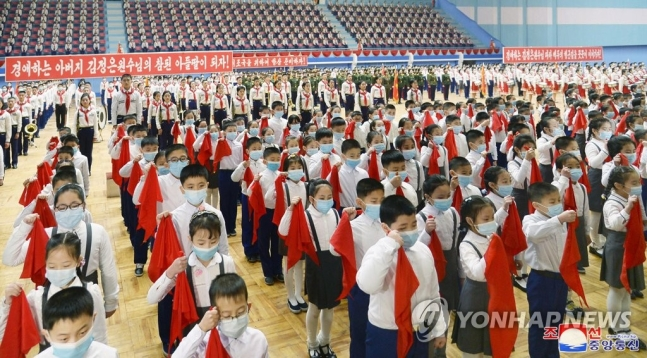 [Feature article]
North Korea's Korean Children's Union Foundation Day vershadowedby National Violations of Children's Rights Won Jae-chunU.S. Attorney, Professor at Handong Global University's School of Law; Director of the Center for International Law Studies; Chair of the Human Rights and Humanitarian Affairs Subcommittee of the Ministry of Unification's Future Planning Committee and Advisory Member of the International Humanitarian Law Institute of the Korean Red CrossNorth Korea celebrates June 6 as the foundation day of the Korean Children's Union with elaborate ceremonies, similar to a "Children's Day." This state-controlled children's organization is for kids aged 7 to 16. Boys wear red neckties and girls wear red scarves as members, performing unique salutes and chanting "Always Ready." This organization is modeled directly after the Soviet Union's "pioneer movement." Members receive ideological education, participate in self-criticism sessions, and undergo marching, camping, and quasi-military training after school or on Saturdays. Since the 2000s, with the collapse of North Korea's welfare and distribution systems, these children are often exploited for labor, raising rabbits and pigs at schools or homes.Sadly, the nutritional status of North Korean children is extremely poor. The UNICEF report estimates that 16.8% of children under five, about 285,000, suffer from stunted growth, which is ten times higher than South Korea's rate of 1.7% (26,800 children). Malnutrition causes stunted growth, impacting brain development, height, physical health, and immune system strength. The health of North Korean children is comparable to those in the Democratic Republic of Congo. Experts highlight that strict COVID-19 border closures and the exit of international aid workers have worsened nutrition shortages, further endangering children's health and survival.North Korean Students Joining the Korean Boys' Union/2022.02 / Chosun Central News Agency = Yonhap NewsNorth Korea also enacted three harsh laws to control youth ideology: the "Reactionary Ideology and Culture Rejection Law," the "Youth Education Guarantee Law," and the "Pyongyang Cultural Language Protection Law." These laws severely restrict basic rights like access to information and freedom of religion and thought. For example, the "Reactionary Ideology and Culture Rejection Law" bans and punishes access to foreign information and media, labeling them as threats that paralyze revolutionary and class consciousness.North Korea imposes severe penalties, including the death penalty, for those who import, watch, or distribute "Reactionary Ideology and Culture." Recently, in a public trial, two 16-year-olds were sentenced to 12 years of labor reform for possessing and distributing South Korean dramas. In some areas, teenagers have been executed for similar offenses. These measures seriously violate the youth's right to information and freedom to see, hear, and know.North Korea joined several significant UN human rights treaties, including the International Covenants on Civil and Political Rights and Economic, Social, and Cultural Rights, the Convention on the Elimination of All Forms of Discrimination Against Women, the Convention on the Rights of the Child (CRC), and the Convention on the Rights of Persons with Disabilities. North Korea must comply with these treaties and protect its citizens' rights. The CRC, which North Korea joined in 1990, requires policies for children to be based on non-discrimination, respect for life, prioritizing children's best interests, and child participation. North Korea's discriminatory policies based on political and social status violate these principles, despite its propaganda of being a "paradise for children."North Korea needs to transform its discriminatory social system into an equal society. It currently maintains a rigid class society with a feudal-like status system, making social mobility nearly impossible. The entire population is divided into three classes and 51 categories, with treatment based on this classification.For example, Pyongyang is home to those most loyal to the Kim family, while those with lower social status live in impoverished rural areas. A child's future, including their place of residence, schools, career, military service, and marriage, is determined by their parents' status. While Pyongyang has modern children's cultural facilities and hospitals, rural and remote areas lack such amenities. In North Korea, children born in rural areas become farm workers, and those born in mining areas become mine workers, much like serfs bound to the land in medieval Europe.Women and children continue to suffer in political prison camps and other detention facilities in North Korea. Children who are imprisoned due to the "crime" of being related to political prisoners, along with those born in these facilities, should be immediately released. The archaic practice of "collective punishment" must be abolished. It is imperative that North Korea ends its state-led discriminatory policies and reforms its human rights and social welfare policies to align with global standards.At the very least, North Korean authorities should inform children of their rights under the CRC. They should also engage in exchanges and cooperation with international organizations like the World Health Organization (WHO), the International Committee of the Red Cross (ICRC), the United Nations Children's Fund (UNICEF), and various UN countries, as well as South Korea, to enhance the welfare of children and persons with disabilities. Collaboration with non-profit organizations like World Vision and Save the Children is also crucial to improve North Korean children's well-being in line with global standards.Recently, North Korean Central Television (KCTV) reported that the most popular toy among Pyongyang children is a firework designed to resemble the Hwasong-17 intercontinental ballistic missile (ICBM), capable of striking the U.S. Exposing children to such weapons of mass destruction as toys is a form of violent ideological indoctrination that blatantly violates children's rights. The North Korean regime's anxiety and trauma over its survival trace back to the atrocities it committed during the Korean War. North Korea's aim of reunification through armed communism is inhumane and would be catastrophic for its people. Denuclearization of the Korean Peninsula and sustainable peace are fundamental human rights essential for both North and South Korean children.A unified Korea will be built on the principles of liberal democracy, the rule of law, human rights, and an open market economy. It will lead Asia in promoting "human rights and respect," and will stand as a beacon of "freedom, democracy, and justice.“When that day arrives, children from North and South Korea will hold hands, laugh, and play together. The youth will pursue their dreams and ambitions, embracing opportunities worldwide. A nation without dreams and visions for the future cannot flourish.We envision a unified Korea as the "top country in the world for children to grow and prosper."
24.06.07 -
 [Feature Article Series]
Marketing In North Korea (1) - To kick off the series Jeon Byung-kilSenior Consultant of YESInnovationformer of Secretary General of UniKorea FoundationNorth Korea has operated several social media accounts for public relations purposes, including a YouTube account featuring female university students in Pyongyang. Videos posted on the account show them introducing new ice cream flavors at an ice cream parlor, going to an amusement park and jogging along the Taedong River.They also eat hamburgers, go to beauty salons to get their hair done, and go to stores to shop for various goods. Looking at the products on display in the stores, it seems that there is a wider variety of manufactured goods produced in North Korea than before, and the packaging is more sophisticated. Although it is still a very small number of people, they are gradually getting used to brands and marketing, which is the flower of capitalism.North Korean YouTuber YuMi visits the Rungna People's Pleasure Park in Pyongyang, North Korea, in a video uploaded on September 1, 2022. Olivia Natasha-YuMi Space DPRK daily/YouTubeThe lives of the young women whose stories appear on North Korea's public relations social media accounts are actually those of a small group of young women living in Pyongyang. It is a privilege in North Korea to be able to raise children in Pyongyang, where the entire family lives and both parents work.In my future posts, you will often see shops in Pyongyang and the products they sell. This is not to speak for North Korea's privileged class or to promote the regime. It's about analyzing the marketing that's emerging in North Korea. North Korea is one of the world's poorest countries with limited political freedom and human rights, so there are a limited number of people who can experience or expand their minimal brand presence. The people who have these basic requirements are the residents of Pyongyang.First and foremost, ‘North Korea’ and ‘brand’ don't go together. There's a certain pressure to attach a brand to North Korea. Especially when it means 'brand within North Korea'. When I mention the combination to people, they often ask me how free enterprise is possible in a system that shares elements of socialism and totalitarianism, and whether brands, marketing, and advertising, which are the flower of capitalism, are realistic in North Korea.North Korea is a closed country, but there is a clear interest and will to improve its internal economic system. It wants to increase production through technological innovation, reduce resource waste, and make distribution more efficient. It also wants to win the hearts and minds of consumers through sophisticated design, and it wants to understand their needs.It's not the kind of radical transformation that the outside world is looking for, but the North Korean authorities want to keep the regime in place and improve it in part to their liking. To that end, the country has introduced business studies in some universities and entrepreneurship programs for young people and women, although not much people have benefited from them. Quality improvement training and distance learning (e-learning) programs are being implemented at major North Korean production sites. It is producing more consumer goods than ever before, has introduced online shopping malls and digital payment services, and is paying attention to brand intellectual property, product packing and design.North Korea is keen on registering its trademarks with the international community to promote its overseas presence and exports, and it registers five to 10 trademarks with the World Intellectual Property Organization (WIPO) every year. Moreover, North Korea, and by extension, South Korea, has the task of fostering North Korean brands and cooperating with South Korean brands in preparation for the upcoming unification era.What I'll be writing about is not a list of hard theories. First, It will analyze cases based on various stories and then will look at what might happen in the future based on imagination, which is the ability to see the unseen.
24.05.17 -
 [Current Affairs Analysis]
Recent China-Japan Relations and Prospects: Building Cooperation and Managing Conflicts in the Post-Covid Era Oh Seung-heeResearch Professor at the Institute for Japanese Studies, SNUThe first China-Japan-South Korea summit since the Covid-19 pandemic is scheduled for May 26-27, 2024, almost four and a half years after the previous summit in China in 2019. Although there were attempts to hold a summit in 2023, it did not come to fruition. Instead, the China-Japan-South Korea Foreign Ministers' Meeting took place in Busan in November 2023 for the first time in over four years. This paper explores the potential for cooperation among the three countries in the post-Covid era, particularly in light of the ongoing US-China power struggle, with a focus on China-Japan relations.Chinese President Xi Jinping meets with Japanese Prime Minister Fumio Kishida in San Francisco, the United States, Nov. 16, 2023./(Xinhua)In 2018, amid the early US-China trade conflict, China-Japan relations began improving. The Xi Jinping and Abe Shinzo administrations sought a new chapter, marking the 40th anniversary of the Treaty of Peace and Friendship. With the US exiting the TPP and heightening protectionism, China and Japan emphasized their historical ties and bolstered strategic cooperation. In June 2017, Abe expressed Japan's intent to join China's Belt and Road Initiative and in September, during the 45th anniversary of diplomatic normalization, he proposed mutual visits between the leaders of both nations at the Chinese Embassy in Japan. In May 2018, Chinese Premier Li Keqiang visited Japan, and in October, Prime Minister Abe Shinzo visited Beijing, meeting President Xi Jinping, marking the first visit by a Japanese Prime Minister to China in seven years. Accompanied by 500 Japanese business leaders, they discussed resuming the China-Japan currency swap and collaborating on third-country infrastructure projects. President Xi attended the G20 summit in Osaka in 2019 and was invited to visit Japan in April 2020 during the cherry blossom season. At the end of 2019, Abe visited China for the China-Japan-South Korea summit, actively promoting Xi's visit and ushering in a "new spring" in China-Japan relations.There were high hopes for a "fifth political document" to build on the four key agreements symbolizing China-Japan cooperation: the 1972 Japan-China Joint Communique, the 1978 Treaty of Peace and Friendship, the 1998 Joint Declaration on Friendship and Cooperation, and the 2008 Joint Statement on Strategic Relations. The Japanese government, eager for President Xi's visit, implemented travel restrictions from China later than other countries when Covid-19 first emerged. However, the pandemic halted active exchanges between the two nations, and the anticipated fifth political document never materialized.As US-China competition persisted, the supply chain crisis revealed by the pandemic led to stronger economic security measures worldwide. The race for scientific and technological advancements accelerated, prompting the US to restructure global supply chains and impose stricter restrictions on China. Taiwan's strategic importance grew due to its semiconductor production, and tensions in the Taiwan Strait rose following US Speaker Nancy Pelosi's visit in August 2022. Taiwan's TSMC is building semiconductor factories in Arizona and Kumamoto, forging a technological alliance. Frequent US-Japan-Taiwan interactions challenge China's 'One China' principle, prompting strong reactions. After the China-Japan summit in November 2022, Prime Minister Kishida Fumio and President Xi Jinping met again in San Francisco during the APEC meeting on November 16, 2023. They acknowledged that the international community is at a 'historic turning point' with intertwined opposition and cooperation. Marking the 45th anniversary of their Peace and Friendship Treaty, both nations agreed to work together for global peace and prosperity. China and Japan reaffirmed their commitment to a 'strategic and mutually beneficial relationship' by adhering to the principles of their four key political documents. They confirmed their goal of establishing a 'constructive and stable relationship' to usher in a new era of China-Japan relations. Emphasizing the Taiwan Strait's peace and stability as crucial, Japan's position on Taiwan remains unchanged as stated in their 1972 Joint Communique. Both countries agreed to maintain close communication at all levels.The 2024 Japanese Diplomatic Bluebook highlights concerns and perceives threats from China while stressing the importance of improving China-Japan relations. It describes recent Chinese foreign policies and military activities as 'serious concerns' for Japan and the international community, labeling China as Japan's 'biggest strategic challenge.' Japan's primary response is to coordinate with allies and like-minded nations. Notably, the bluebook reintroduces the term 'strategic and mutually beneficial relationship,' first used in the 2008 joint statement, after a five-year hiatus. This underscores the shared responsibility for peace and stability in the Asia-Pacific and globally, emphasizing cooperation for peace and friendship as the only viable path. The bluebook also calls for enhancing dialogue and collaboration on common challenges to build a constructive and stable China-Japan relationship Despite existing conflicts, the need to meet and discuss cooperation and conflict resolution remains crucial. China and Japan agreed to seek solutions through constructive dialogue while acknowledging their differences. They plan to promote cooperation in environmental protection, energy conservation, and healthcare, including the green economy. They also discussed international issues such as North Korea, the Middle East, and Ukraine, as well as the issue of Japanese abductions, committing to close communication on global affairs. Managing conflict factors is crucial. During the 2023 China-Japan summit, issues causing friction between China and Japan were discussed. The Japanese side demanded the swift release of Japanese detainees under China's counter-espionage law. Additionally, Japan strongly reiterated its request for a calm, scientifically-based response to the release of ALPS-treated water into the ocean, which China strongly opposes, and called for the immediate removal of China's import restrictions on Japanese food products.Conflicts between China and Japan are expected to increase. On April 27, 2024, five Japanese lawmakers, including the acting secretary-general of the Liberal Democratic Party, visited the waters around the Senkaku Islands, signaling rising tensions. Additionally, for the first time, Chinese 'comfort women' filed a lawsuit against the Japanese government in China. Eighteen family members sued in Shanxi Province, seeking 2 million yuan each for damages from wartime detention and assault, totaling 36 million yuan. Previous lawsuits in Japanese courts were dismissed based on the 1972 Japan-China Joint Communique, which forfeited individual war reparations claims.The upcoming China-Japan-South Korea summit, scheduled before the US elections in November, is significant as these nations come together despite strained China-Japan relations. Conflicts should not deter meetings; instead, establishing a systematic foundation for managing conflict agendas is essential. It is hoped that these summits will become regular events, fostering cooperation in an era marked by conflicts and setting examples for future collaboration.
24.05.17 -
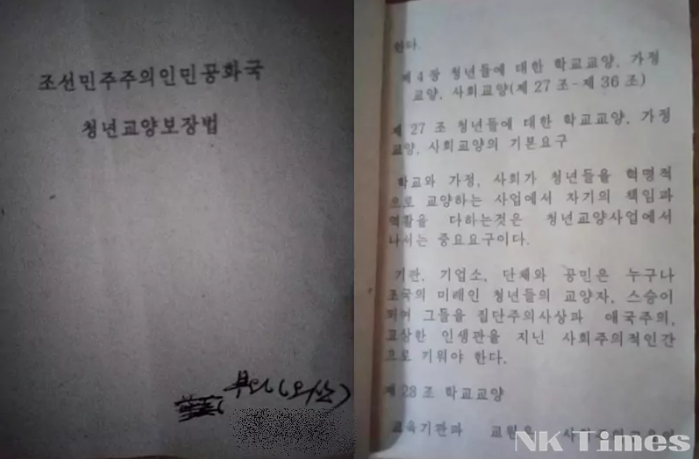 [Academic Article]
Exploring South Korea's Response to North Korea's "Two-State" Policy: Vision for New Peninsula Unification and Creative Engagement (Part 2)What are North Korea's Strategies and Intentions? Kim PhiloAssociate Professor at the Institute for Peace and Unification Studies (IPUS),Seoul National UniversityBlocking System Threats from South KoreaMost directly, North Korea's actions can be seen as measures to block the negative effects on regime cohesion stemming from the economic disparity with South Korea. Considering the economic gap between the two Koreas, there's an underlying sense of frustration that North Korea will not be able to catch up with South Korea even after 30 or 50 years. As Kim Jong-un stated, "In the provinces, even basic necessities cannot be provided smoothly... it’s a very poor state." There is absolutely no way to overcome the more than 50-fold economic disparity with South Korea through normal means. Even maintaining an annual growth rate of over 10% for 30 years would not be enough. The mere proximity of South Korea as a partner for exchange and cooperation, and as a target for unification, poses a systemic threat. Moreover, the shared ethnicity and comparisons with South Korea, along with issues regarding human rights and nuclear matters, pose significant burdens on the regime. The influence of South Korean culture on North Korean youth is one of the three major internal conflicts within North Korea. A survey by the Institute for Peace and Unification Studies at Seoul National University found that 43.1% of North Koreans frequently encounter South Korean music, broadcasts, and dramas. This interest in the 'Korean Wave' is particularly strong among the younger generation and weakens support for Juche ideology and the leadership. To counter this trend, North Korea has enacted laws such as the Reactionary Ideology and Culture Rejection Law (December 2020), the Youth Education Guarantee Law (September 2021), and the Pyongyang Cultural Language Protection Law (January 2023) to control youth movements.This law was adopted as Decree No. 11 of the Supreme People’s Assembly held on September 29, 2021, and consists of a total of 5 chapters and 45 articles.(NK Times)There is also a resolute will to attempt a new competition for legitimacy, assuming the separation of the North and South and blocking the influence of South Korea. Since the economy has already failed in competition, the plan is to compete for legitimacy using military power, politics, and culture, with military strength bolstered by nuclear weapons. Kim Jong-un has continued his extreme criticism in his speeches, stating, "The politics of South Korea are completely missing, society as a whole is muddled with Yankee culture, and national defense and security are utterly dependent on the United States, making it nothing more than a crippled, colonial vassal state." Politically, recent changes have been made to the electoral system to allow for the nomination of multiple candidates, similar to Vietnam and China. In this context, Kim Jong-un's declaration of a strategic shift toward the South signifies the start of a life-and-death national competition between North and South Korea.Amplifying Nuclear Threats Using the New Cold War DynamicsThe second reason behind North Korea's strategy is to amplify its nuclear threat by exploiting the new Cold War order. Amid renewed Cold War tensions and wartime conditions, North Korea is aligning closely with China and Russia to ensure regime survival. Following the Russia-Ukraine war, North Korea is strengthening its economic and military ties with Russia. The shift in its hostile stance towards South Korea is based on the belief that the escalating U.S.-China conflict is diminishing U.S. influence while the North Korea-China-Russia camp gains the upper hand. Believing it has the advantage, North Korea has declared a head-on, tit-for-tat struggle against the United States. With the possibility of a Russian victory in the Russia-Ukraine war being discussed, and no signs of an end to the wars in the Middle East, North Korea finds itself with some breathing room. If a military conflict were to erupt in the Taiwan Strait amidst these ongoing wars, the likelihood of a military conflict on the Korean Peninsula would increase significantly. After suffering a significant political blow from the breakdown of the Hanoi U.S.-North Korea Summit in February 2019, Kim Jong-un seems to have found an opportunity for a reversal, using the current international dynamics to justify the failure of improving relations with the U.S. North Korea has decided to sever relations with the U.S. and the West, focusing instead on developing relations with socialist countries like China and Russia. While improving relations with the U.S. has not been easy, this choice was inevitable for North Korea and has, in fact, provided a justification. With Russia's assistance, North Korea is accelerating its development of nuclear weapons and long-range missiles and has vowed to launch three reconnaissance satellites in 2024. If a military conflict occurs, North Korea has solemnly declared that it "will not hesitate to take significant action," pulling out the nuclear card, and has even threatened to "completely occupy, subdue, and reclaim South Korea and incorporate it into the territory of the Republic.“How Millennials and Gen Z Perceive Kim Jong-un and Kim Yo-jongThirdly, the shift in strategy towards South Korea stems from 30 years of post-Cold War strengthening of national identity in both North and South Korea and the changing consciousness of the Millennial and Gen Z generations. Over these 30 years, the 'national identity' of both Koreas has distinctly strengthened. Both the DPRK and the ROK were internationally recognized as nation-states upon joining the United Nations in September 1991, and a heightened national consciousness has also developed internally. Amid these changes, North Korea's leader Kim Jong-un has emphasized 'Statism' since taking power in 2012, moving away from the previous 'A Theory of the Korean Nation as Number One' to champion 'Statism' as a priority. Kim Yo-jong's use of 'Republic of Korea' instead of 'South Korea' is noteworthy. Though she sometimes uses cynical phrases like 'things from the Republic of Korea', she essentially views North-South relations as those between two separate states. This highlights that if there is a Republic of Korea in the South, there is a Democratic People's Republic of Korea in the North. Kim Jong-un has voiced his frustration with the Western world's tendency to label North Korea as a 'rogue state' rather than a 'normal country'. In August 2022, Kim Yo-jong expressed a strong desire to "live without being conscious of each other," advocating for normal competition with the 'Republic of Korea' as a foreign country, rather than viewing it as a kin 'South Korea'.Most importantly, the perception of Kim Jong-un and Kim Yo-jong by people in their 30s is completely different from that of older generations. In South Korea, only about 30% of people in their 20s and 30s support unification, nearly 50% view North Korea as an enemy or threat, and most consider it 'another country'. The belief that 'unification is impossible' is also high in South Korea (33.3%) and North Korea (55.7%). The 'Statism' mindset and the use of 'Republic of Korea' by Kim Jong-un and Kim Yo-jong are possible because they are part of this younger generation. Like South Korea's Millennial and Gen Z generations, they have almost no memory of the division and lack a tangible sense of the need for unification. To them, North and South Korea are no longer the same nation or people; they are different countries.
24.05.17
News Letter
We are leading the global communication via Newsletter.
We will deliver the latest information and proven facts on Korean Peninsula status including North Korea situation.