

-
 [Analysis and suggestion]
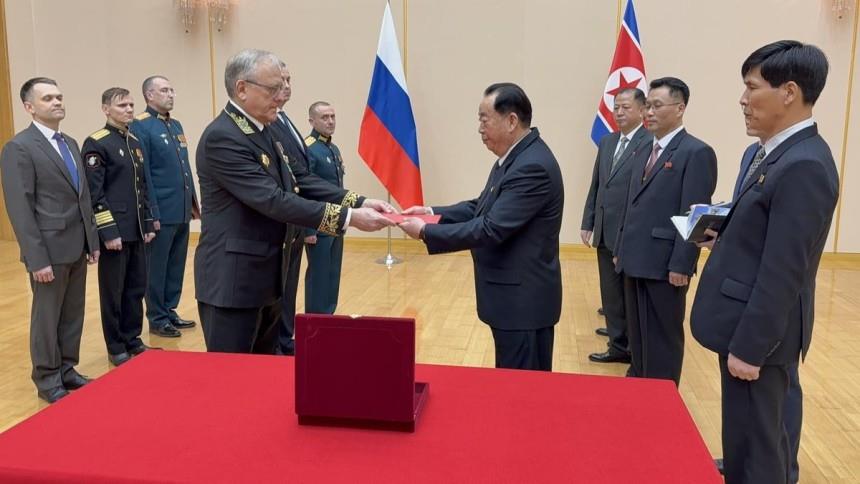
Ukraine Ceasefire Negotiations and Russia–North Korea Relations:Prospects and ResponsesKim Ho-hongProfessor at Dongguk UniversityThe Ceasefire Talks: Significance and Future OutlookSince President Donald Trump’s inauguration, ceasefire negotiations in the Russia–Ukraine war have gained momentum. The war, sparked by Russia’s invasion in February 2022, has dragged on for over three years, causing severe human and material losses. Around 20% of Ukraine’s territory is under Russian control, with nearly 80,000 civilian and military deaths.The extensive damage necessitates an estimated $480 billion for recovery and reconstruction over the next decade. Beyond the immediate region, the war has destabilized global peace and security, intensifying international tensions and contributing to a "new Cold War" atmosphere characterized by confrontation rather than cooperation. Notably, the deepening military collaboration between Russia and North Korea—including arms sales and troop deployments—poses direct security concerns for the Korean Peninsula. In this context, the Trump administration's initiatives offer a potential pathway to ending the conflict.On March 18, Presidents Trump and Putin engaged in a phone conversation, resulting in an agreement on a 30-day "limited ceasefire" focusing on halting attacks on energy infrastructure. While differences remain on specific terms, this development signifies meaningful progress toward ending hostilities. Subsequent working-level discussions took place in Saudi Arabia from March 23 to 25, aiming to solidify more detailed agreements.On March 26, the U.S. announced that the parties had agreed to ensure safe navigation in the Black Sea, refrain from using force, and prevent the militarization of commercial vessels. The Kremlin echoed this statement, adding that Russia would implement measures to monitor and prevent the military use of commercial ships. Ukraine also endorsed the agreement, emphasizing collective commitment to these principles.The ceasefire negotiations carry major implications for both global politics and Korean Peninsula security, with the potential to reshape international power dynamics. Presidents Trump and Putin aim to end the war through direct talks between major powers. Although Ukraine’s exclusion has drawn criticism, it reflects the realpolitik nature of global diplomacy. Some analysts warn this could mark the rise of a “neo-imperialist era,” where great powers dictate the international order. The alignment of U.S. and Russian interests in these talks is particularly noteworthy.President Trump, following his involvement in the Middle East, appears eager to end the Ukraine war under his leadership—strengthening his image as a global peace broker and boosting his chances for a Nobel Peace Prize. For President Putin, a favorable outcome would cement Russia’s strategic standing and position him as a central figure in shaping a new world order alongside Trump. Having long trailed China since the Soviet collapse, Putin is now pushing to elevate Russia’s status by steering the talks in his favor. These shared political ambitions may help drive the negotiations toward a conclusion.Still, major obstacles remain. Russia has set firm conditions for ending the war: Ukraine must be denied NATO membership, Russia’s hold over occupied eastern territories must be acknowledged, ethnic Russians in Ukraine must be protected, and President Zelenskyy must step down. The key sticking points are likely to be the status of occupied regions and future security guarantees for Ukraine—issues that are both politically sensitive and difficult for President Trump to accept. So, while U.S.–Russia talks may align in principle on ending the war, resolving the specifics is likely to prove much harder.Impact of Ceasefire Negotiations on Russia–North Korea RelationsRussia and North Korea continue to showcase their close relationship, seemingly unaffected by the ongoing ceasefire talks. On March 21, Russian Security Council Secretary Sergei Shoigu visited Pyongyang and met with North Korean leader Kim Jong-un. During their meeting, Kim referred to Russia's actions in Ukraine as a "special military operation" and expressed unwavering support for Russia's efforts. Shoigu's visit underscores the resilience of Russia–North Korea ties amid broader geopolitical shifts.North Korean media emphasized the commitment to fully implement the “Comprehensive Strategic Partnership Treaty” signed in June 2024. Shoigu’s visit likely included briefings on the ceasefire talks, discussions on compensation for North Korea’s military support, and handling of North Korean POWs. It’s also believed that Kim Jong-un’s planned visit to Moscow was coordinated at this time, following President Putin’s invitation during his June trip to Pyongyang. The visit is expected to take place around Russia’s Victory Day on May 9. Kremlin spokesperson Dmitry Peskov, speaking on March 24, confirmed that Kim has a valid invitation. The schedule, he added, will be finalized through diplomatic channels.Given these developments, it is anticipated that the close Russia–North Korea relationship will persist during and after the ceasefire negotiations, driven by mutual strategic interests. Since 2023, North Korea has supplied Russia with weapons and, in October 2024, deployed over 10,000 troops to support Russian operations in Ukraine.This collaboration led to the signing of the Comprehensive Strategic Partnership Treaty, encompassing military support provisions. Through this treaty, North Korea stands to gain access to advanced Russian military technology and potential economic benefits from participating in post-war reconstruction efforts. North Korea is reportedly selecting skilled workers to be sent in phases to support Russia’s reconstruction efforts. Intelligence suggests that troops from the Korean People’s Army 8th Bureau—a construction-focused unit—have already entered Russia, and some North Korean soldiers on the frontlines may soon be reassigned to post-war rebuilding. For Russia, North Korea remains strategically useful. Maintaining influence over a nuclear-armed Pyongyang helps counter the U.S. Indo-Pacific strategy and could offer Moscow leverage in any future U.S.–North Korea talks.Still, the end of the Ukraine war is likely to reshape the Russia–North Korea relationship. Their recent closeness has been largely wartime-driven. As the conflict dragged on, Russia offset some of its military losses with North Korean weapons and manpower. In return, Pyongyang—despite its own economic struggles—gained Russian economic support and relief from sanctions pressure. It also gained access to advanced military technology and high-grade weaponry essential for its nuclear ambitions.In short, the two countries grew closer because they shared a common adversary: Ukraine. But once the war concludes, their strategic value to one another will likely decline, making it difficult to sustain this level of closeness. Russia, with little to gain from North Korea in peacetime, may shift its priorities and place less importance on relations with Pyongyang. This would leave North Korea, one of the war’s biggest beneficiaries, searching for new ways to ease its economic crisis. It may try to restore ties with China or even pursue nuclear talks with the incoming Trump administration.South Korea’s Strategic TasksThe Ukraine war has deepened a “new Cold War” divide—South Korea, the U.S., and Japan versus North Korea, China, and Russia. Within this split, Seoul’s ties with Moscow have cooled. Still, Russia has downplayed its alliance with Pyongyang as a threat to South Korea, noting Seoul’s restraint in not supplying lethal aid to Ukraine. This suggests Moscow may seek to reengage both Koreas as part of a postwar regional strategy.Amid a limited ceasefire and ongoing negotiations, South Korea must reassess its diplomatic approach, which has focused on supporting Ukraine while keeping its distance from Russia. Restoring ties with Moscow should now be a priority. Relations have deteriorated since Russia’s invasion, with Seoul joining Western sanctions and Moscow labeling South Korea an “unfriendly nation” while strengthening its ties with North Korea.However, if U.S.–Russia ties improve and the ceasefire talks yield meaningful progress, it could create an opening to restore South Korea–Russia relations. Since Moscow appears unwilling to let those ties deteriorate further, Seoul should take the initiative with proactive steps to rebuild trust. Strengthening relations with Russia could, in turn, weaken its alignment with North Korea—an opportunity South Korea must seize to reduce security risks on the peninsula.Relations with Ukraine also matter. South Korea should demonstrate diplomatic leadership by playing an active role in post-war recovery. This would not only create economic opportunities but also elevate its global standing and signal support for the ceasefire effort to President Donald Trump. In that context, Seoul should engage actively in the Multi-agency Donor Coordination Platform for Ukraine (MDCP) and the Ukraine Recovery Conference (URC). Another key issue is how North Korean prisoners of war in Ukraine are handled. South Korea should help ensure they are dealt with according to humanitarian standards and offered viable options.South Korea must also remain vigilant about North Korea’s growing military capabilities, boosted by its involvement in the Ukraine war and deepening ties with Russia. A comprehensive strategy is needed to monitor their defense cooperation, prevent the transfer of advanced Russian technology, and counter related threats through sustained, all-around efforts.
25.04.04 -
 [Current Affairs Analysis]
Analysis and Outlook on the Article "Inheritance of Ownership and Possession" Published in North Korea's Rodong Sinmun Woo Mee-yun, Attorney1. IntroductionOn February 15, 2025, North Korea's Rodong Sinmun published an article titled "How the State Protects Citizens' Ownership Rights." The article emphasized that it is not enough to regard socialist laws as theoretically beneficial but that people must recognize how they directly impact daily life. This is a rare move, considering the extremely limited legal accessibility for North Korean citizens.In North Korea, legal texts are difficult to access and understand for ordinary citizens. Most residents remain unaware of their legal rights. The fact that this article specifically addressed ownership and inheritance suggests an effort to raise internal awareness of legal matters. Whether this will lead to more active use of ownership rights is uncertain, but the mere act of publicly discussing legal concepts is noteworthy.2. North Korea’s Individual Ownership and Inheritance Rights: A Comparison with South Korean Law1) Individual Ownership and Inheritance Rights under North Korea’s Socialist ConstitutionThe Socialist Constitution of the Democratic People's Republic of Korea (amended in September 2023) recognizes individual ownership under Article 24, but only for personal consumption. This includes property acquired through labor-based distribution, state-provided benefits, small-scale private economic activities, and legally obtained assets such as purchases, inheritances, and gifts. The same article also addresses inheritance rights, with further details specified in North Korea’s Civil Law, Family Law, Inheritance Law, and Housing Law.2) Ownership and Inheritance Rights under North Korea’s Civil Law, Family Law, and Inheritance LawNorth Korea’s Civil Law (amended in 2007) serves as a framework to sustain the socialist economy while simultaneously guaranteeing limited property rights. However, personal ownership is highly restricted, covering only residential homes, essential household goods, some personal belongings, passenger cars, and livestock. Land and means of production remain strictly state-owned.North Korean law classifies property as either household or individual. Household property, shared by family members, cannot be inherited, while only individual property qualifies for inheritance. This differs from South Korea’s Civil Act, which assumes marital property is jointly owned. Under Article 60 of North Korea’s Civil Law, individuals can use and dispose of property but only within socialist consumption norms.The Inheritance Law (enacted in 2002) allows both statutory and testamentary inheritance. The first-priority heirs are spouses, children, and parents, similar to South Korean law. However, if an heir renounces their inheritance, the property is absorbed by the state treasury. Additionally, debts are inherited, but liability is limited to the value of the inherited assets, a rule also seen in South Korea.3. The Limits of Ownership and Inheritance Rights in North KoreaThe Rodong Sinmun article asserts that North Korea guarantees citizens’ ownership and inheritance rights, but in reality, these rights are extremely limited. Articles 19 and 21 of the Socialist Constitution emphasize socialist production and state ownership, preventing individuals from owning means of production. Even if private ownership is legally acknowledged, the inability to accumulate productive assets renders real property rights meaningless.Furthermore, North Korea’s inconsistent legal application and ever-changing state policies undermine the reliability of legal protections. While Article 6 of the Civil Law declares that laws are designed to enhance citizens' welfare, this remains a superficial statement subordinate to party directives rather than an affirmation of legal stability.4. Legal Formality and Contradictions in the North Korean SystemThe Rodong Sinmun article claims that "socialist law fully guarantees and protects citizens' rights" and stresses that following the law is a sacred duty. However, in reality, laws in North Korea often serve as propaganda tools to enforce obedience rather than to protect individual rights.The preamble of the Socialist Constitution states that it codifies the thoughts of Kim Il-sung and Kim Jong-il. This shows that the law prioritizes regime stability over individual rights. In North Korea, laws exist not to ensure freedom but to reinforce state control, making real legal protections meaningless.The experiences of many defectors, who had to break North Korean laws to survive, raise a fundamental question: what does obeying the law truly mean for its citizens? Likewise, Article 4 of the Socialist Constitution, declaring that "sovereignty belongs to the working people," and Article 6 of the Civil Law, stating that the state "cares for the people’s lives," remain dubious in their real-world application.5. ConclusionThe Rodong Sinmun article on ownership and inheritance seems to be an attempt to raise awareness of legal concepts within North Korea. However, given the severe restrictions on private ownership and the law’s role as a tool for regime control, this initiative is more likely aimed at reinforcing state authority rather than genuinely protecting citizens’ rights.It is unlikely that North Korea will develop laws to genuinely protect rights. However, the emergence of legal discourse is still meaningful. If North Koreans begin to recognize and exercise their rights, even in small ways, it could be a step toward change.
25.03.21 -
 [Feature Article Series]
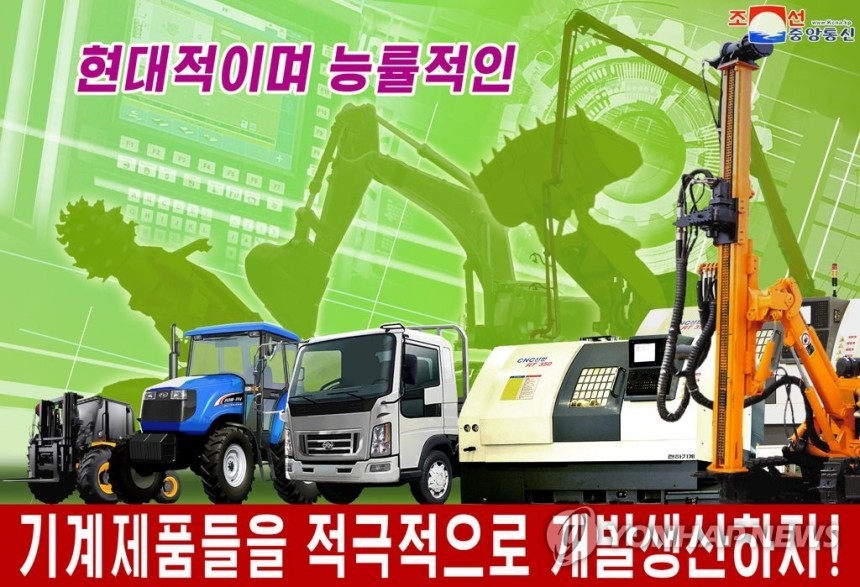
Marketing In North Korea (19)North Korea’s Brand Imitation: A Peek into a Copycat Economy Jeon Byung-kilSenior Consultant of YESInnovationformer of Secretary General of UniKorea FoundationThe Curious Case of North Korean BrandsAll around the world, companies work hard to create unique brands that consumers love. But in reality, only a few succeed, and many end up copying successful brands instead. North Korea is no exception.For over 80 years, North Korea has been isolated from capitalist economies due to its political and social system. As a result, most of its products were made only for local use, and the country has never developed a globally successful brand. Lacking experience in international branding, North Korean companies often take a shortcut—they imitate well-known global brands. This trend isn’t unique to North Korea; many developing countries follow a similar pattern. Without the resources or expertise to create strong brands from scratch, businesses in these nations frequently copy successful ones to gain consumer trust.Why Does North Korea Copy Famous Brands?North Korea’s economy has undergone significant changes since the 1990s. During a severe economic crisis, people turned to informal markets to survive, leading to a more competitive business environment. By 2014, the government introduced the Socialist Corporate Responsibility Management System, granting state-run businesses more freedom to operate like private companies.With this newfound economic flexibility, businesses needed to attract customers. But without experience in the global market, North Korean companies struggled to develop original brands. Instead, they opted for a more familiar strategy—copying foreign designs and logos for domestic sales. Since consumers tend to trust recognizable packaging and branding, this approach made sense for businesses trying to survive in a competitive market.How North Korea Imitates Famous BrandsIn today’s globalized world, branding is a powerful tool. A logo, mascot, or packaging design can instantly remind consumers of a trusted company. However, in North Korea, where international trade and access to global markets are limited, businesses have found creative ways to imitate well-known brands. Their tactics range from subtle tweaks to near-identical copies. Here are four key strategies North Korean businesses use to mimic global brands.1. Copying Logos and SymbolsLogos are one of the most recognizable elements of a brand, and North Korean businesses often make slight modifications to famous designs while keeping them familiar. For instance: • Ryuwon, a North Korean sportswear brand, incorporates elements from Nike’s swoosh, Adidas’ three stripes, and Asics’ designs. • Some North Korean handbag brands feature patterns strikingly similar to Burberry’s checkered design or even Chanel’s iconic “C” logo.These changes may be just enough to avoid direct copyright infringement, but they still create an association with internationally known brands.2. Using Familiar Cartoon MascotsMascots play a significant role in marketing, and North Korean brands have borrowed characters that bear an uncanny resemblance to international favorites. Examples include: • A Hello Kitty-like character used for the Unhasu candy brand. • A bear resembling Winnie the Pooh, seen on banana-flavored snacks. • A fire-breathing chicken, almost identical to Samyang’s Buldak Ramen mascot, appearing on North Korean spicy noodles.By using these characters, North Korean companies make their products more appealing, especially to younger consumers.3. Mimicking Packaging DesignsPackaging can make or break a product’s appeal, and North Korean brands have taken inspiration from popular designs. Some examples include: • Dumangang’s beef-flavored instant noodles, which strongly resemble South Korea’s Shin Ramyun. • Gyeongheung’s spicy noodles, which use packaging almost identical to Samyang’s Buldak Ramen. • North Korean soft drinks, such as “Coca-Cola Carbonated Sweet Water,” which closely mimic Coca-Cola’s branding. • Chocolate snacks that look nearly identical to Orion’s Choco Pie, a South Korean favorite.These similarities can make it difficult to distinguish between authentic international brands and their North Korean counterparts at first glance.4. Slightly Altering Brand NamesInstead of directly copying brand names, North Korean businesses often make small changes that still hint at the original product. Some examples include: • “Spicy Chicken Fried Noodles,” an obvious imitation of Buldak Ramen. • “Beef-Flavored Fried Noodles,” which closely resemble South Korea’s Sogokimyun. • “Coca-Cola Carbonated Sweet Water,” a clear reference to Coca-Cola.These minor tweaks help North Korean companies create products that seem familiar while avoiding outright trademark infringement.Why Does This Continue?Why do North Korean businesses copy instead of creating their own ideas? The main reasons come from North Korea’s isolated economy and government policies.First, they lack branding experience. North Korea has been cut off from global marketing trends for decades. Because of this, many businesses don’t know how to build strong, original brands. Instead, copying well-known brands is an easier option.Second, consumer trust plays a role. People tend to trust familiar packaging and designs. South Korean and global brands are seen as high quality, so copying them makes North Korean products look more reliable. If a product looks like a famous brand, people are more likely to buy it.Third, foreign products are hard to find. Due to international sanctions, real foreign products are scarce in North Korea. This makes copies an easy alternative. If consumers can’t buy the original, they might be happy with something that looks similar.Lastly, government policies allow this to happen. While North Korea encourages businesses to create brands, it doesn’t strictly enforce intellectual property laws. This means companies can copy foreign brands without getting into legal trouble. Since there are no serious consequences, businesses continue to do it.What Are the Effects of Brand Imitation?North Korea’s habit of copying well-known brands has both good and bad effects. While it helps businesses in some ways, it also creates problems that could hurt them in the long run.The Positive Effects. First, imitation helps local businesses create products that look attractive and marketable. Since people trust familiar designs, copying popular brands can make North Korean products seem more appealing to buyers.Second, it encourages some level of competition and product improvement. Even if companies are not creating original brands, they still have to make their copies look and feel high quality.Third, it shows a shift toward a more consumer-driven economy. If businesses care about what customers want, they may eventually develop better products.The Negative Effects. However, there are also major downsides. First, copying prevents North Korean companies from developing their own strong brands. Instead of becoming leaders in the market, they stay stuck in a cycle of imitation.Second, if North Korea ever tries to expand trade with other countries, these imitations could lead to legal trouble. Many countries have strict intellectual property laws, and selling copied products could result in lawsuits or trade restrictions.Finally, relying on imitation keeps North Korean businesses from learning how to innovate. Instead of creating new ideas and improving products, they remain dependent on copying others. In the long run, this limits their ability to grow and compete globally.Brand imitation may provide short-term benefits, but real success comes from originality and innovation. If North Korea wants a stronger economy, it will need to shift from copying to creating its own unique brands.From Copycats to Creators?Despite its isolation, North Korea’s imitation brands reveal an interesting shift. The fact that branding and competition are becoming important suggests that a more market-driven economy is taking shape. However, if North Korean businesses want long-term success—especially in international markets—they will eventually need to transition from imitation to innovation.For now, North Korea’s branding strategy is more about imitation than originality. But if its businesses want to compete beyond their borders, they’ll have to step up their game.
25.03.21 -
 [Feature article]
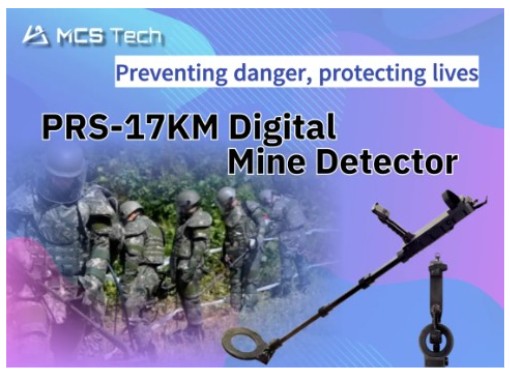
South Korean Portable Mine Detector PRS-17KM Detects Both Metal and Non-Metal MinesNext-Generation Mine Detector PRS-17KM Gains Recognition for Cutting-Edge TechnologyAs global conflicts escalate, the need for effective mine clearance has never been greater. South Korea’s advanced defense technology is stepping up, with the PRS-17KM portable mine detector drawing international attention.This cutting-edge device leverages electromagnetic wave-based detection, surpassing the limitations of traditional models. Unlike conventional detectors that focus on metal-based mines, the PRS-17KM can also identify non-metallic explosives, including North Korea’s wooden-box mines and Russia’s butterfly mines.Revolutionary Detection Capabilities and Enhanced Operational EfficiencyDeveloped by MCS Tech under the leadership of CEO Park Sang-sik, the PRS-17KM is a next-generation portable mine detector that dramatically improves accuracy using cutting-edge electromagnetic wave technology.In a 2024 test at the ROK Army Engineer School, the PRS-17KM showcased exceptional reliability with a 100% detection rate, earning the trust of experts in South Korea and beyond.Weighing just 2.5kg (including its battery), the PRS-17KM is approximately 40% lighter than its predecessor, the PRS-17K. This reduced weight helps minimize user fatigue while allowing for uninterrupted operation for up to 24 hours.Designed for versatility, the PRS-17KM can detect mines up to 1 meter underwater. Its rugged build ensures reliable performance in extreme temperatures from –30°C to 60°C, making it ideal for operations in harsh conditions.User-Friendly Interface and Versatile ApplicationsEngineered for ease of use, the PRS-17KM is suitable for military personnel, NGOs, recovery teams, and civilians alike. Its intuitive interface and simple operation enable quick deployment with minimal training.This accessibility makes it an invaluable tool for a wide range of users, particularly those engaged in urgent mine clearance and disaster recovery efforts in high-risk areas.Expanding Global Reach for South Korean TechnologyMCS Tech is actively working to introduce the PRS-17KM to global markets, engaging in discussions with countries such as Ukraine, Poland, and nations in Southeast Asia and the Middle East. Several governments are already considering its adoption.As post-war reconstruction fuels demand for mine detectors, the PRS-17KM is set to become a vital tool globally. Showcasing South Korea’s advanced defense technology, it helps eliminate hidden threats and create safer, mine-free environments.Looking ahead, South Korea’s defense industry is expected to further strengthen its global presence, leading international mine-clearing efforts and enhancing safety worldwide.http://mcstech.co.kr/bbs/board.php?bo_table=s2_1_eng&wr_id=2
25.03.07 -
 [News & Issues]
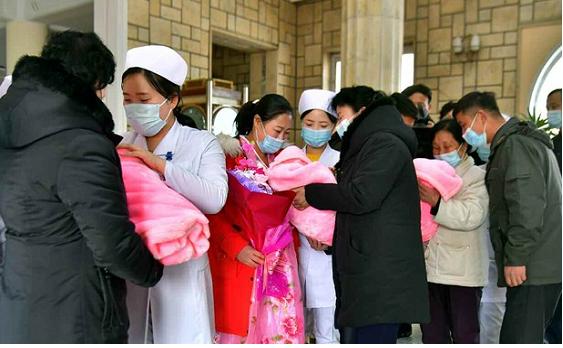
A Look Back at the Human Rights Situation of North Korean Womenon International Women's DayIhn JiyeonAttorney-at-Law (Washinton D.C. Bar), President of the NANKEvery year on March 8th, International Women's Day celebrates the political, economic, and social achievements and rights of women around the world. International Women's Day was proposed in 1910 and officially recognized by the United Nations in 1975. While the day celebrates the progress made in many countries to advance women's equality and human rights, it also serves as a reminder of the inequality and discrimination that still exists. However, not all women around the world have experienced this progress equally. In particular, the human rights realities for women in North Korea is a far cry from the ideals of International Women's Day. The Double Whammy North Korean Women FaceIn addition to the human rights violations experienced by all North Koreans under the state-controlled system, North Korean women are exposed to additional discrimination and oppression based on their gender. This is the “double whammy” that North Korean women face. Officially, North Korean regime claims to be a gender-equal country, with women's rights guaranteed in its constitution. There is the Equal Rights of Men and Women Decree, adopted in 1946, and the Women's Rights Guarantee Act, enacted in 2010, but the reality on the ground is very different. Patriarchal Social Structure and Entrenched Gender RolesStrong patriarchal traditions and Confucian values are deeply rooted in North Korean society. North Korea's political ideology, based on the “Revolutionary Leader View” and “Socialist Big Family Theory,” reinforces a patriarchal system, with the leader as the “father,” the party as the “mother,” and the people as the "children."In this society, women are primarily emphasized in their roles as “flowers of the revolution,” “loyal daughters-in-law,” and “wise mothers." Women's participation in the society is encouraged, but it is largely limited to their role as "revolutionary comrades" loyal to the party and state.Economic Burden and Survival Responsibilities Since the “Arduous March (North Korean Famine)" of the 1990s, North Korean women have become the primary breadwinners for their families. With the collapse of the state rationing system, women became responsible for the survival of their families through small-scale commercial activities in the marketplaces. Paradoxically, this shift in economic roles has given North Korean women limited economic autonomy, but at the same time, the responsibilities of domestic labor and child care still fall completely on women, creating a “double burden.” In addition, their market activities expose them to various forms of human rights abuses, including crackdowns by public security agencies, bribe demands, and sexual harassment. Sexual Violence and Human Trafficking One of the most serious human rights violations North Korean women face is sexual violence and human trafficking. Sexual violence, especially by men in positions of power, is widespread, but perpetrators are rarely punished. Rather, when victimized women do speak up, they are often blamed for being "steeped in bourgeois culture." The situation is even more serious and appalling in the borderlands with China. Trafficking in North Korean women has long been a serious problem here. There is a long and tragic history of North Korean women being sold by brokers as “brides” to men in rural China. In urban China, North Korean women are locked in small rooms, exposing their bodies and selling their sexual images online. They have no legal status and are at risk of forced repatriation, leaving them vulnerable to ongoing human rights abuses. Suppressing Freedom of ExpressionNot only men but also women are unable to express their opinions freely, and those who voice dissent or opposition are severely punished. In her March 2023 report to the United Nations Human Rights Council (UNHRC), the UN Special Rapporteur on Human Rights in North Korea, Elizabeth Salmon, cited testimonies from North Korean defectors who said, “Women are called ‘flowers,’ and their appearance, clothing, hair and makeup are controlled by the state.”Limited Political Participation North Korea's Supreme People's Assembly has about 20% female representation, but this is only symbolic. Women are underrepresented in the Central Committee or Politburo of the Workers' Party of Korea holding real power. In the era of Kim Jong-un, a female leader such as Kim Yo-jong has emerged, but this is an extremely rare exception based on personal kinship in the third-generation dictatorship. International Community's Role and TasksOn the occasion of International Women's Day, the international community's organized attention and support for the human rights situation of North Korean women is even more urgent. As the UN Security Council Resolution 1325 emphasizes, the protection of women in conflict situations and their participation in peace processes is very crucial on the international agenda. The international community's efforts to improve women's human rights in North Korea should proceed as follows. First, an accurate picture of the situation is needed. There is a need for systematic research and consistent documentation of the human rights situation of women in North Korea. Second, there must be practical support for North Korean women who have fled the country. There must be real protection and support for North Korean women who are in third countries, especially China, and who are victims of serious human rights violations. Such a protection is currently almost non-existent.Third, we must continue to raise the issue. In the international community, the issue of North Korean women's human rights must be raised consistently and uninterruptedly in formal meetings of the United Nations. Fourth, the role of civil society must be strengthened. Domestic and international civil society organizations must continue their efforts to improve women's rights in North Korea, and they need policy support from the international community. Persistent Journey to Realizing True Human Rights International Women's Day is a day of global solidarity for gender equality. It is a day to recognize the vast disparity in women's rights between South and North Korea, and to call for our efforts to ensure that women in North Korea enjoy the same human dignity and rights as other women in the international community. Improving the human rights of North Korean women will be a long and arduous journey that cannot be accomplished in a short period of time, but it is my fervent hope that with the continued attention and support of the international community, as well as changes within North Korean society, they will at some point be able to enjoy true freedom and human rights together.
25.03.07 -
 [Opinion]
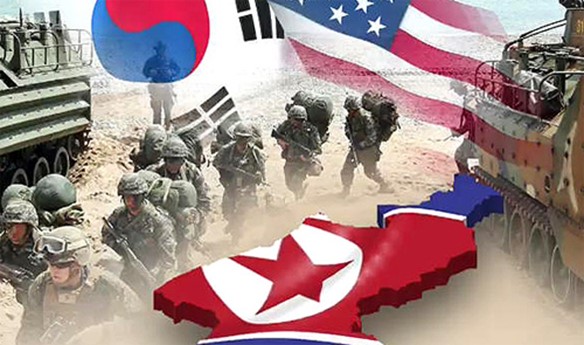
US-ROK Relations Under President Trump: Strengthening an Enduring Alliance Amid Uneasy ChangeDr. Roland B. WilsonPeace and Conflict Studies Center Asia (PACSC Asia) Director, and Conflict Analysis andResolution Program CoordinatorWith President Donald J. Trump beginning his second term, the US-ROK alliance faces growing challenges and opportunities. A cornerstone of Northeast Asian peace and stability, this partnership now must navigate South Korea’s political turmoil and shifting US Foreign Policy priorities based on the Trump administration’s focus on “American First” and “Transactional Leadership.” Despite these challenges and uncertainties, a renewed commitment to peace and security, democratic values, and economic cooperation based on a shared history, security, and a desire for continued prosperity can reinforce the alliance's importance in the region.Navigating South Korea's Political CrisisSouth Korea is experiencing significant political upheaval following President Yoon Suk-yeol’s declaration of martial law in December 2024, widespread protests, impeachment, and impending criminal trial. These events highlight deep divisions within the nation’s political system, making strong US engagement at all levels crucial in ensuring continued stability and policy continuity.The US Political Landscape under TrumpDomestically, President Trump’s second term brings renewed focus on national security, economic protectionism, and recalibrating alliances. His administration’s transactional approach to foreign relations underscores the expectation for allies to contribute more to defense costs and trade reciprocity. While critics argue that this could strain traditional partnerships, proponents believe it fosters fairer and more sustainable international cooperation while strengthening and preparing countries and alliances for contingencies in the 21st century. The evolving US political landscape will inevitably shape Washington’s engagement with South Korea and the broader Indo-Pacific Region.Reaffirming Security CommitmentsFor decades, the US-ROK alliance has been the bedrock of regional security. Under Trump, renewed emphasis on deterrence, military preparedness, and burden-sharing is expected, pushing South Korea to take on greater security responsibilities while maintaining robust US military and political support. Engagement with North Korea will likely balance pressure with diplomatic opportunities, ensuring a proactive defense posture. Strengthening joint military exercises and missile defense cooperation will further reinforce stability.Enhancing Trade and Economic CooperationEconomic collaboration remains vital. The US-Korea Free Trade Agreement (KORUS FTA) has boosted trade. Still, Trump's "America First" approach may prompt renegotiations to address trade imbalances and expand South Korean investment in its security, as well as US industries, particularly semiconductors and emerging technologies. Strengthening economic ties through open markets, fair trade, and technological cooperation, including the development and use of AI, can help ensure a robust economic partnership despite domestic and regional uncertainties.Countering Regional ChallengesChina’s growing economic and military influence in the Indo-Pacific Region demands closer US-ROK coordination. Strengthened naval cooperation, cybersecurity measures, and trilateral collaboration with Japan and Australia will be critical. South Korea’s political uncertainty complicates its regional role, making sustained and consistent US engagement essential in maintaining relations and security commitments and addressing emerging threats.Addressing the North Korea-Russia NexusNorth Korea’s expanding military ties with Russia pose new security risks. The transfer of military technology and resources between Pyongyang and Moscow and the recent deployment of North Korean troops to Ukraine threaten regional stability. The US and South Korea must counter these challenges through enhanced intelligence-sharing, bolstered military readiness, and deeper engagement with regional partners like Japan and Australia, and larger international organizations such as NATO.Forging a Resilient Path ForwardDespite political turbulence and a changing world, the US-ROK alliance remains a pillar of stability and economic growth in the Indo-Pacific Region. Both nations can navigate uncertainties and emerge as a stronger alliance by focusing on shared democratic values, security objectives, balanced trade, and regional cooperation. A steadfast commitment to mutual defense, economic innovation, and strategic partnerships will strengthen this enduring alliance and ensure its resilience and prosperity in an evolving global landscape.Dr. Roland B. WilsonProgram Coordinator and Professor of Conflict Analysis and ResolutionDirector, Peace and Conflict Studies Center Asia (PACSC Asia)George Mason University Korea
25.03.07 -
 [Feature Article]
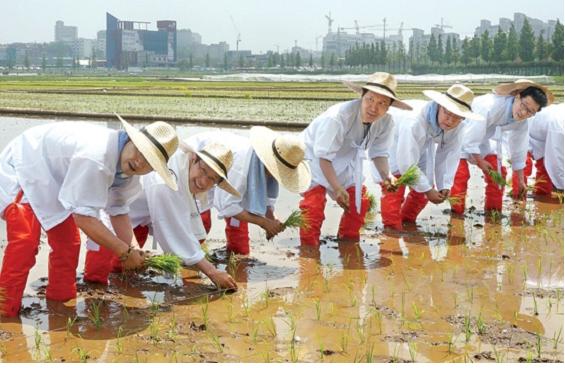
Land Reforms of Rhee Syng-man and Kim Il-sung: Shaping the Two Koreas' DevelopmentPark Sang-bongDirector of the German Unification Information Center,Former President of the National Institute for Unification EducationA defining theme of modern Korean history is division, reflected in ongoing conflicts over values, political systems, and ideologies that persisted throughout history. The post-liberation period following Japan’s defeat marked the beginning of this struggle, leading to social chaos and an intensified ideological rivalry between the U.S. and the Soviet Union."While the U.S. military government promoted anti-communist democracy in the South, Soviet forces established a socialist regime in the North to spread communism across the Korean Peninsula. Having just gained independence from Japan, many Koreans were drawn to socialist ideals and admired North Korea. Some intellectuals, like Song Yu-kyong—the father of Song Hye-rim, Kim Jong-nam’s mother—migrated north. However, others, horrified by North Korea’s brutality, fled to the South.As ideological conflict deepened, both Koreas sought public support, with land reform becoming the first battleground. North Korea saw redistribution as revolutionary, seizing land from landlords and pro-Japanese figures to give to farmers for free. Those labeled as collaborators were punished and expelled by party-controlled authorities.South Korea introduced agrarian reform to counter North Korea’s policies, opting to buy land from landlords and sell it to farmers through a payment plan. Beyond redistribution, these reforms reflected a choice between competing political and economic systems, marking Korea’s true division.On June 25, 1950, North Korea invaded South Korea to impose communist unification but was stopped by U.S. and allied intervention. The war further entrenched division, pulling the peninsula into Cold War turmoil.By 2025, 75 years after the division, South Korea has achieved remarkable growth, known as the "Miracle on the Han River," while North Korea remains a hereditary dictatorship plagued by poverty. But still, they seek reunification under communism and engages in hybrid warfare.North Korea’s Land Reform: Confiscation Without Compensation, Redistribution Without CostWith Soviet backing, Kim Il-sung established the North Korea People's Committee in February 1946, effectively acting as the government. This committee launched radical land reform while purging so-called "national traitors." On March 5, it announced the Land Reform Act, with rural committees mobilizing villagers to implement the policy. These committees branded landlords as traitors, confiscated their land and assets, and redistributed them to farmers at no cost.Landowners lost everything overnight, including livestock and homes, and many fled to South Korea or were forcibly relocated to other cities in North. Meanwhile, grateful farmers received land without payment, some even praising Kim Il-sung.However, the reform was largely a Communist Party propaganda tool. Article 5 of the Land Reform Act promised permanent land grants to farmers, yet Article 10 banned them from selling, leasing, or mortgaging their land.In reality, farmers received only cultivation rights, not true ownership, and had to pay 25% of their harvest as an agricultural tax. This effectively replaced landlords with state control, as farmland was nationalized and the Communist Party became the new "landlord," collecting rent through taxation.North Korea’s land reform was a socialist revolution rooted in class struggle. It eliminated landlords, redistributed land to farmers, and reinforced the socialist economic system.South Korea’s Agrarian Reform: Compensated Land Purchase, Distributed with PaymentIn response to North Korea’s land policies, South Korea saw an urgent need for agrarian reform. By late 1945, 2.06 million farm households existed, with 1.01 million (48.9%) as tenant farmers. Including small landowners who also rented land, tenant farmers made up 83.5% of all households.<Table 1> Status of Owner-Farmers and Tenant Farmers in South Korea (Unit: Households, %)Source: National Institute of Korean History, Korean History, Vol. 52: The Establishment of the Republic of Korea, 2002, p. 243.After liberation, the U.S. military government capped tenant rent at one-third of the harvest, down from 50–80%. It also confiscated Japanese-owned land, selling it to Korean tenant farmers at a fair price. Farmland was valued at three times the annual harvest, with farmers gaining ownership by paying 20% of their yield annually over 15 years.After the establishment of the South Korean government in 1948, President Rhee Syng-man pushed agrarian reform but faced resistance from the landlord-backed Korean Democratic Party. Despite this, the 1950 Land Reform Act enabled the government to buy and redistribute land at a set price.The new system involved the government purchasing land from landlords and reselling it. Land was priced at 1.5 times the annual harvest, with farmers repaying in installments over five years to gain full ownership. Unlike North Korea’s state-controlled system, South Korea’s reform created independent landowners, supporting a free-market economy.President Rhee Syng-man firmly ordered, "Overcome all obstacles and carry out the agrarian reform." His decisive leadership ensured its completion before the Korean War. This reform laid the foundation for industrial growth, eliminating the feudal landlord class and creating a new class of equal citizens.The Miracle on the Han River vs. A Totalitarian Impoverished StateFollowing the Korean War, the ideological and economic divide between South and North Korea intensified. Today, 75 years later, South Korea stands as a model of industrialization and democratization, while North Korea remains mired in extreme poverty under its hereditary dictatorship. The world recognizes South Korea for achieving the "Miracle on the Han River," while North Korea is seen as one of the most impoverished states, with Kim Jong-un prioritizing nuclear missile development over the well-being of his people.European media outlets have openly criticized Kim Jong-un. The Swiss newspaper Neue Zürcher Zeitung referred to him as a "criminal against humanity," while Germany’s progressive daily Taz described him as "a hostage-taker holding his people captive." Recent reports highlight North Korea's involvement in cybercrime, stealing funds from international institutions and cryptocurrency exchanges to finance its weapons programs.The sharp contrast between North and South Korea stems directly from their post-liberation land policies—Kim Il-sung’s socialist reform and Rhee Syng-man’s agrarian reform. This is further supported by a report from the German Economic Institute (IW).<Table 2> Comparison of Economic and Social Indicators Between South and North KoreaSource: Südkorea: Der Entwicklungsstar, in: iwd der Informationsdienst des Institutes der deutschen Wirtschaft,February 9, 2018.
25.03.07 -
 [Feature Article Series]
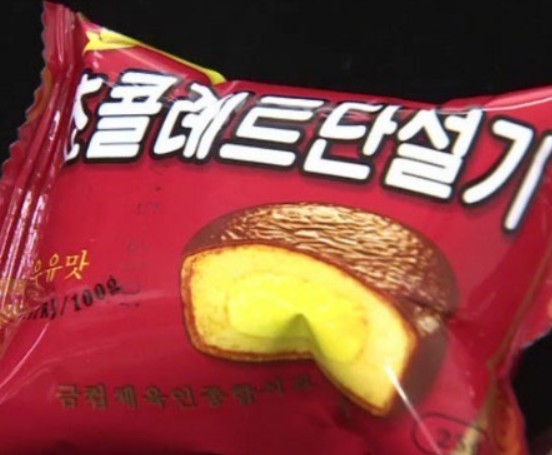
Marketing In North Korea (18)- Can Sweetness Be Imitated? - North Korea’s Chocolate Sweet Cake Jeon Byung-kilSenior Consultant of YESInnovationformer of Secretary General of UniKorea FoundationWho Am I? ● Year of Birth: 1974 ● Weight: 35 grams ● Ingredients: Flour, white sugar, water malt, egg, cocoa powder, etc. ● Calories: 155 kcal (for comparison, a bowl of rice is about 300 kcal) ● First impression: Sweetness ● Biggest fans: South Korean soldiers ● If I could trade myself for something, it would be: A blood donation ● One word to describe me: AffectionMost South Koreans already know the answer—Choco Pie. Choco Pie has been a beloved snack for people of all ages, from kindergarteners to seniors. It has been a staple at countless events, from tea parties and school trips to sports competitions. For many, a Choco Pie with a glass of milk has even served as a quick meal substitute.Almost every South Korean has at least one memory linked to Choco Pie. Some remember celebrating a friend’s birthday at school by sticking a candle into a Choco Pie, while others recall enjoying Choco Pies received from churches during their military service. Over time, Choco Pie has become more than just a snack—it’s a part of everyday life and nostalgia.The story of Choco Pie’s invention is quite unexpected. In the early 1970s, a researcher from Orion Confectionery was traveling in Europe when he discovered chocolate-coated snacks commonly paired with milk. Inspired by their sweet and rich flavor, he decided to create something similar in Korea. After more than two years of research and development, the first Choco Pie was released in April 1974. A combination of biscuit, chocolate, and soft cake, Choco Pie quickly became famous as a high-protein, high-calorie snack. It was an instant hit.Choco Pie and AffectionIn the late 1980s, Orion’s Choco Pie was growing in popularity, but the company faced a challenge. Sales growth was slowing, and consumers were becoming too familiar with the product. At the same time, copycat brands were emerging, creating competition. To overcome this, Orion decided to add something special to Choco Pie—not just a flavor, but a feeling: affection. By linking Choco Pie with emotions that Koreans could deeply relate to, Orion set its product apart from the competition.In 1989, the company launched the "Affection of Choco Pie" commercial. It focused on heartwarming moments of family and community life that modern society was beginning to forget—such as moving day, a soldier’s farewell, or visiting grandma’s house. Soon, people naturally associated Choco Pie with warmth and affection. Thanks to this "Affection" campaign in the 1990s, Orion Choco Pie regained momentum, maintained steady sales, and remained the top-selling chocolate pie in Korea. After its comeback in the domestic market, Choco Pie expanded internationally, reaching China, Japan, Vietnam, and Russia.Choco Pie also became a symbol of connection between people. It appeared in movies and dramas, often playing a key role in scenes of reconciliation, forgiveness, and communication. Over time, Orion’s message of affection transformed into something bigger—a universal symbol of warmth and human connection.North Korea and Choco Pie: A Story of ImaginationOne of the most memorable moments where Choco Pie is used to connect people appears in the movie JSA (Joint Security Area). This film is based on Park Sang-yeon’s novel DMZ and tells the story of North and South Korean soldiers stationed at Panmunjom in the Demilitarized Zone. In the movie, Choco Pie becomes a symbol of connection between the soldiers from both sides.A Scene from JSA (Joint Security Area)Kyung-pil (North Korean soldier): (happily holding a Choco Pie) “Why can’t we make this in North Korea, huh?”(Kyung-pil opens the wrapper and takes a bite of the Choco Pie.)Soo-hyuk (South Korean soldier): (to Kyung-pil) “Bro, I’m not asking for much… Do you want to come to South Korea with me? We can eat as many Choco Pies as we want. Ah, never mind.”(Kyung-pil frowns, spits out the Choco Pie into his palm, and looks at Soo-hyuk.)Kyung-pil: “Listen, Soo-hyuk, I’m only going to say this once, so pay attention. My dream is that one day, North Korea will make sweets even better than the ones in South Korea, got it? Until then, I can’t help but miss this Choco Pie.”In this scene, Soo-hyuk tries to persuade Kyung-pil to defect to the South by offering him Choco Pie. At the same time, Kyung-pil uses Choco Pie to explain why he must stay in North Korea. For Soo-hyuk, the Choco Pie represents South Korea’s economic prosperity, while for Kyung-pil, it symbolizes North Korea’s ambition to grow stronger.In JSA, director Park Chan-wook imagines a unique connection between Choco Pie and North Korea. By showing North Korean soldiers tasting Choco Pie and wondering, “Why don’t we have this?”, he uses the snack as a metaphor for the allure of capitalism. Before this movie, no one had thought of linking Choco Pie to North Korea in such a way.Released in fall 2000, JSA came out at a time when the first-ever inter-Korean summit had sparked new hope for peace between North and South Korea. The film received more attention than expected because it aligned with this growing spirit of reconciliation. Initially, some doubted its success due to ongoing tensions between the two countries, but JSA ended up making history in Korean cinema about national division.At the heart of JSA’s success is the imaginative story of two soldiers from opposite sides sharing their thoughts and emotions through a simple snack—Choco Pie. Though fictional, this scene captured the hopes and struggles of a divided Korea in a way that resonated deeply with audiences.North Koreans Eating Choco Pie: A Movie Becomes RealityIn the movie JSA, North Korean soldiers taste Choco Pie for the first time—but what seemed like fiction later became reality. This time, the setting wasn't Panmunjom but the Kaesong Industrial Complex, a special economic zone in North Korea where South Korean capital and technology combined with North Korean labor to promote economic cooperation between the two Koreas.When the Kaesong Industrial Complex became fully operational in 2004, South Korean companies working there provided Choco Pies as snacks for North Korean workers. At the time, over 42,000 North Korean workers were employed by more than 200 South Korean businesses. Each worker received two to three Choco Pies per day as an incentive. Instead of receiving cash rewards for outstanding performance, workers were often given extra Choco Pies—a system so common that a local joke in Kaesong said that a company’s success could be measured by the number of Choco Pies it handed out. At its peak, the Kaesong factories distributed about 2.5 million Choco Pies per month.Despite more than 100,000 Choco Pies being handed out daily, almost none of the wrappers were found inside the factories. This was because workers didn’t eat them at work—instead, they secretly took them home. Over time, Choco Pies became a way for North Korean workers to get a small taste of South Korea and its capitalist lifestyle.The Birth of 'Chocolate Sweet Cake'In North Korea, Choco Pie was nicknamed "Kaesong bread" because it came from the Kaesong Industrial Complex. At first, North Korean workers brought home their Choco Pies to share with their families, especially their young children. But soon, Choco Pies began to spread beyond Kaesong, appearing in markets in major cities like Hamhung, Wonsan, Sinuiju, and Chongjin.However, in May 2014, the distribution of Choco Pies was suddenly stopped when North Korean authorities requested that South Korean companies provide generic, unbranded snacks instead. The growing popularity of Choco Pies—and the international attention they attracted—likely made the North Korean government uneasy.Rather than accepting the South Korean treat, North Korea decided to create its own version. In May 2015, the Khumcup Food Factory released the Chocolate Sweet Cake, a product that closely resembled Choco Pie in shape, packaging, and appearance. However, despite looking similar, its taste was nowhere near the original.Imitation is the Mother of CreationWhen news broke that North Korea was copying South Korean and foreign products, many South Korean netizens reacted with sarcasm and ridicule. However, if we look back at how South Korea’s confectionery industry developed in the 1970s and 1980s, it becomes clear that North Korea’s actions are not so unusual. At that time, South Korea modeled its confectionery industry after Japan.Throughout history, imitation has been a natural part of progress. Countries with more advanced technology and culture have always been copied by others. Japan copied American products, South Korea copied Japan, and China copied South Korea. Now, North Korea is copying South Korea. This cycle continues—whenever a country produces something better, others replicate and refine it.As Aristotle once said, "Imitation is the mother of creation." True opportunity comes when imitation goes beyond simple copying—when it leads to improvement, innovation, and something entirely new.
25.03.07 -
 [Current Affairs Analysis]
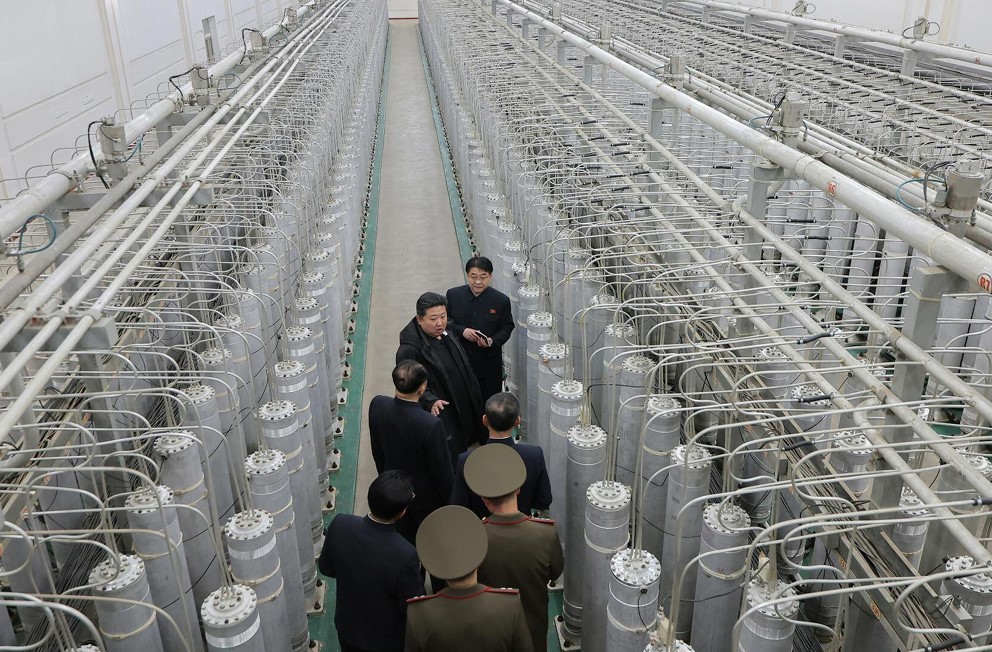
Acknowledge but Not Authorize North Korea's Nuclear WeaponTaewoo KimHead of Nuclear Security Study, Korea Inst. for Military Affairs (KIMA)President Trump's comments on North Korea have been a hot topic in Seoul. “North Korea is a nuclear power,” he said right after his return to the White House, indicating his willingness to resume nuclear negotiations with Pyongyang. It was not surprising that some South Koreans reacted by asking, “Does he accept and authorize North Korea's possession of nuclear weapons?” However, if one looks at it calmly, it's not something to be upset about, but rather an opportunity for South Korea to realize the correct nuclear policy that it has been ignoring until now.In general, a country must cross two thresholds, technical and political, to become an authorized nuclear-weapon state. The first threshold is crossed when a country develops and shows nuclear weapons, and the second one is crossed when it is treated as a normal state not subject to diplomatic or economic sanctions for having nuclear weapons. Five nuclear powers - the United States, Russia, the United Kingdom, France, and China - are authorized nuclear-weapon states under the Nuclear Non-Proliferation Treaty (NPT), while Israel, India, and Pakistan developed nukes outside the NPT but later gained de facto authorization by gaining U.S. acquiescence.North Korea has not crossed the second threshold as it is subject to U.S. and international sanctions. As long as it remains a “rogue state” threatening the stability of the Korean Peninsula and the region, it will not be let cross the political threshold. President Trump's comments only acknowledged the existence of North Korea and signaled his intention to negotiate to reduce the nuclear threat, not authorize it, and as reaffirmed at the February 7 U.S.-Japan summit, the “complete denuclearization of North Korea” remains the ultimate goal for both the U.S. and South Korea.Then, there is no reason for South Korea to view resumption of the U.S.-North Korea nuclear talks negatively. If the negotiations result in a reduction, freeze, or slowdown in North Korea's nuclear weapon program, it would be good for South Korean security. Even if the United States concentrates on reducing North Korea's long-range nuclear missiles like ICBMs, South Koreans need not complain that “the U.S. only cares about its own security.” South Korea should consider that when the U.S. mainland is vulnerable to North Korean nuclear attack, it can shake up the ROK-U.S. alliance and undermine the credibility of extended deterrence. In other words, the more North Korea's ability to use nuclear weapons against the United States is constrained, the stronger the alliance is and the safer South Korea is. Given that North Korea is unlikely to dismantle all of its nuclear weapons anytime soon, South Korea's opposition to U.S.-North Korea nuclear dialogue on the grounds that “the complete denuclearization of North Korea in our only goal” would be not only pointless, but could be construed as complacency, meaning that South Korea is willing to live with the North Korean bombs on its doorstep.South Korea's such complacency and lip service to “complete denuclearization of North Korea” is not the right way to achieve a nuclear weapon-free Korean Peninsula. Nuclear arms control negotiations can only be initiated in a log-rolling situation, where if one side falls into the water, the other side is bound to fall with it. Numerous nuclear arms control treaties, including the 1963 Test Ban Treaty (PTBT), the 1970 Nuclear Non-Proliferation Treaty (NPT), the 1972 Sea-Bed Treaty (SBACT), the 1991 U.S.-Soviet Strategic Nuclear Reduction Treaty (START) etc. were concluded because both sides shared the burden of nuclear competition. It was for the same reason that Brazil and Argentina abandoned mutual nuclear weapon development competition through the establishment of the Agency for the Monitoring and Control of Nuclear Material (ABACC) in 1991. On the Korean Peninsula, however, South Korea has undressed itself and asked North Koreans to take off their clothes. This way did not and will not bring North Korea to a real nuclear negotiating table.Therefore, if the U.S. and North Korea enter into nuclear negotiations, South Korea should use separate channels of dialogue with the U.S. to ensure that the U.S.-DPRK negotiations do not proceed in a way that undermines South Korean security, rather than jumping up and down and saying, “Are you bypassing us to authorize the North’s nukes?” In doing so, it should convince Washington States that pursuing an “inter-Korean nuclear parity” is a starting point for true denuclearization of the Korean Peninsula. With this in mind, Washington should make it clear that Pyongyang be offered a carrot in return if it shows progress in reducing its nuclear threat while it will be punished accordingly if it insists on nuclear buildup. This means that to increase the likelihood of a successful negotiation the U.S. needs to offer both the carrot and the stick and that the stick includes possibility of redeployment of U.S. tactical nukes, ROK-U.S. nuclear sharing or nuclear alliance.
25.02.21 -
 [Feature Article Series]
Marketing In North Korea (17)- The Smiling Faces of Socialism: North Korea’s Brand Characters Why Is Brand Character Important? Jeon Byung-kilSenior Consultant of YESInnovationformer of Secretary General of UniKorea FoundationWhat do KFC, Pringles, Duracell, Michelin, Coca-Cola, and Jinro have in common? They all use mascots to connect with people. KFC has Colonel Sanders, Pringles has Mr. P (the guy with the mustache), Duracell has the pink bunny, Michelin has the white, puffy Michelin Man, Coca-Cola has the polar bear, and Jinro has the toad. These mascots instantly remind us of their brands—no need for a long explanation.A brand character (or mascot) is a fictional person, animal, or even an object that represents a brand. It doesn’t have to be a real person or creature, but it’s usually designed with human-like features so people can relate to it. Since a brand’s values and identity can be hard to explain in words, a fun and recognizable mascot makes it easier for consumers to connect with the brand.Marketing is all about building connections. But words and flashy designs can only do so much. A character is simple and visual, which makes it more powerful. Instead of reading a long explanation, people can instantly understand a brand’s message just by seeing its mascot. This makes the brand feel more like a familiar friend.Brand mascots also create emotions. They can make people feel happy, nostalgic, excited, or comforted. Their expressions, poses, and movements bring the brand to life. Over time, people start to see the mascot as a reflection of the brand itself, forming a strong emotional connection.North Korea's Brand CharactersTo create a successful product, several factors matter—design, usefulness, uniqueness, and affordability. Since Kim Jong-un took power in 2012, North Korea has been focusing more on design. Since the 2000s, it has copied foreign products and their brand mascots. For example, it has made products featuring Japan’s Hello Kitty, children’s clothing with "Lots-o'-Huggin' Bear" (the pink bear from Toy Story 3), and sweets with a character resembling Winnie the Pooh.However, North Korea has not just copied foreign brands; it has also developed its own. Some of these brands have even been registered internationally with the World Intellectual Property Organization (WIPO). Among them, five feature mascot-like characters: ● Samjiyon Potato Powder Production Factory ● Rhyukyong Mushroom Factory ● Rhyukyong Kimchi Factory ● Taesongsan Ice Cream Factory ● ‘Konmangul’, Pyongyang Children's Foodstuff FactorySamjiyon Potato Powder Production FactoryThis factory, located in Samjiyon, Ryanggang Province, specializes in potato flour. The region is known for its high-quality potatoes. The brand’s mascot is a potato-shaped character wearing a sanitary cap, tossing potatoes in the air and giving a thumbs-up.Rhyukyong Mushroom FactoryThis brand features an anthropomorphic mushroom character holding another mushroom in its hand. North Korea actively promotes mushroom farming, considering mushrooms a key agricultural product alongside ginseng. Mushrooms are seen as a luxury food item in North Korea.Rhyukyong Kimchi FactoryLocated in Pyongyang, this factory produces not just kimchi but also pickles and processed mushrooms. Its products are especially popular among housewives in Pyongyang. The factory’s mascot represents the main ingredients of kimchi—Kimchi cabbage and radish—personified into a friendly character.Taesongsan Ice Cream FactoryThis company produces ice cream and uses a simple, recognizable logo: an ice cream cone with the word Taesongsan wrapped around it. North Korea registered this trademark with WIPO before launching production in 2023.‘Konmangul’, Pyongyang Children's Foodstuff FactoryThis factory produces baby food, including soy milk and powdered milk, which are popular among Pyongyang parents. The factory’s logo is a flower, representing childhood innocence and joy. The mascot’s name, Konmangul, means "flower bud.""Clever Raccoon Dog" as a Children's Product MascotSince Kim Jong-un took power, North Korea has started using animated characters on children's products. One of the most popular is Clever Raccoon Dog, a character from a well-known North Korean animated series.Clever Raccoon Dog first aired in 1987 and has over 60 episodes. The main character is a smart raccoon with a big belly and short legs. He is joined by his friends—a clueless but lovable bear and a cute cat.The show helps children learn about subjects like math, physics, chemistry, and biology in a fun way. In each episode, the raccoon uses scientific knowledge to solve problems while playing or competing with his friends. Because of its popularity, Clever Raccoon Dog has been featured on various children's products, including backpacks, notebooks, and soy milk packaging.Despite economic difficulties, North Korean authorities are working to provide basic school supplies and nutritious snacks. To make these products more appealing to kids, they have put Clever Raccoon Dog on them.North Korean Brand Characters: Going GlobalRight now, North Korea’s brand characters are mostly copies of foreign ones or used on a limited number of products. However, to build a strong brand identity, North Korea needs a more strategic approach. Instead of just promoting products, unique characters should be developed to create emotional connections with consumers and reflect North Korean culture and values.To achieve this, storytelling is key. A good story helps consumers naturally connect with a brand’s identity and values. The design should also blend tradition with modern elements to make the characters more appealing. Additionally, these characters should be adapted for digital and global markets. Most importantly, they should provide a friendly and emotional brand experience that people can relate to.For a North Korean brand character to succeed, it must become more than just a marketing tool—it should represent the brand’s identity. By using characters to tell compelling stories and build long-term relationships with consumers, North Korean brand characters can gain greater influence both at home and abroad.
25.02.21 -
 [Feature Article Series]
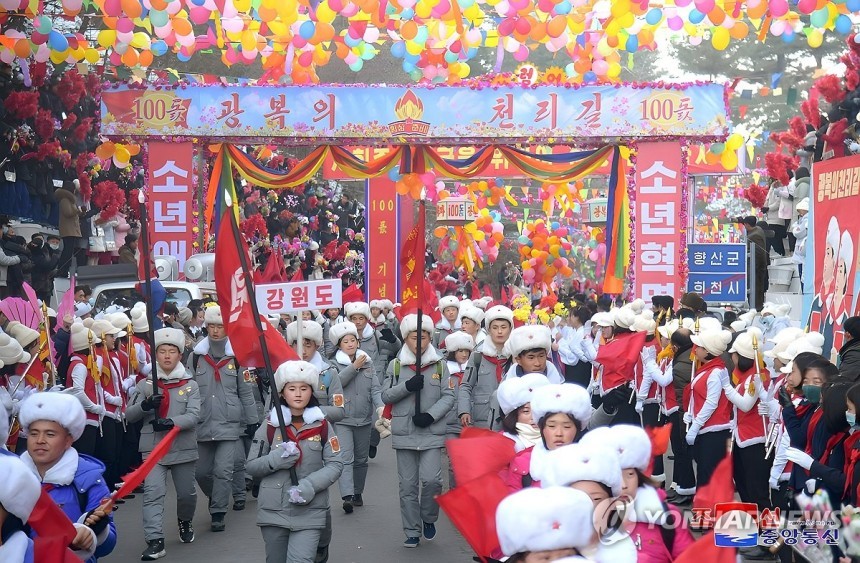
Marketing In North Korea (16)- 'Kangwon Spirit', Spring Breeze on the East Coast Jeon Byung-kilSenior Consultant of YESInnovationformer of Secretary General of UniKorea FoundationA Land of HardshipKangwon is the only province in Korean peninsula that remains divided between North and South. Both South Korea and North Korea have their own Kangwon Province. In South Korea, this region is known for its beautiful natural scenery but also struggles with a weaker local economy. But what image does Kangwon Province have in North Korea?On January 24, 2017, Rodong Sinmun, the official newspaper of North Korea’s Workers' Party, published an editorial emphasizing the "Kangwon Spirit." According to the newspaper, the Kangwon Spirit represents the idea of overcoming hardships through strong belief and self-reliance.This follows North Korea’s common propaganda style, which links ideological messages to place names. In North Korea, the government often glorifies the most impoverished regions, presenting them as symbols of resilience and loyalty. One example is the "Kanggye Spirit," named after Kanggye, a city in Jakang Province. First mentioned in 1998, the Kanggye Spirit symbolized economic recovery efforts after North Korea’s economic crisis in the late 1990s.Both Kangwon and Jakang Provinces are mountainous regions with a long history of food shortages. During the 1990s famine, known as the Arduous March, these areas suffered severe hunger. A Rodong Sinmun article from January 29, 2020, described Kangwon Province as "the region with the harshest conditions for development in North Korea. It has few natural resources, a weak industrial base, and poor climate and land conditions. It also borders the enemy (South Korea) and suffered the most destruction during the Korean War."'Self-Reliance', The Core of the 'Kangwon Spirit' Since Kim Jong-un came to power in 2012, North Korea has promoted Kangwon Province as an example of success. North Korean media often highlight achievements linked to the "Kangwon Spirit," mainly focusing on the construction of essential infrastructure like power plants, steel production, reforestation, and livestock farms. They also mention improvements in factories that produce bottled spring water, cement, and various goods.Additionally, Kangwon Province is reported to produce lithium-gel batteries, artificial turf, heat-reflective glass, bathtubs, and toilets. These developments reflect North Korea’s goal of solving long-standing economic problems—such as energy shortages, food scarcity, and lack of basic goods—through self-reliance.In December 2019, North Korea opened an exhibition hall in Wonsan, Kangwon Province, to showcase local industries. The hall displays thousands of products from over 700 different categories, most of which are made from raw materials sourced within the province. North Korean propaganda presents this as proof that Kangwon Province has achieved economic success entirely on its own. Other regions in North Korea are now encouraged to follow the "Kangwon Spirit," reinforcing the idea of self-reliance as a national goal.Another 'Kangwon Spirit': The Wonsan-Mt. Kumgang International Tourist ZoneNorth Korea officially defines the "Kangwon Spirit" as self-reliance, but in reality, it aims to attract foreign investment and generate economic profits from Kangwon Province. One example of economic cooperation between North and South Korea was the Mt. Kumgang tourism project, which operated from 1998 to 2008. This project was made possible by Chung Ju-yung, a South Korean businessman originally from Tongcheon, near Mt. Kumgang. It became a key inter-Korean cooperation effort, connecting South Korea’s Kangwon Province with North Korea’s Kangwon Province.After gaining experience in tourism from the Mt. Kumgang project, North Korea expanded its tourism industry under Kim Jong-un’s leadership. Since 2012, it has developed the Masikryong Ski Resort, modernized Wonsan Airport, and upgraded Songdowon Internation Children’s Camp. Tourism is an attractive industry for North Korea because it can bring in foreign currency with relatively little investment by using its natural scenery. It is also less affected by international sanctions compared to other industries. North Korea sees tourism as a key driver for economic recovery.In 2014, the North Korean Supreme People’s Assembly announced the creation of the Wonsan-Mt. Kumgang International Tourist Zone. Since then, North Korea has actively sought foreign investment by holding promotional events domestically and internationally. To attract investors, it established the Wonsan Zone Development Corporation under the Ministry of External Economic Relations. North Korea has even presented specific financial projections, such as an internal rate of return (IRR) of 16.3% and a net present value (NPV) of 13% for the planned construction of the Songdo One Hotel and Haesang Hotel in Wonsan.Wonsan, the central city of Kangwon Province in North Korea, is a port city with a population of about 350,000 and an area of 320 square kilometers. It was first opened to foreign trade in the late 19th century during the Joseon Dynasty. With the opening of the Gyeongwon railway line connecting Seoul and Wonsan in the early 20th century, it became an important city in the northeastern Korean Peninsula.The Wonsan-Mt. Kumgang International Tourist Zone covers 440 square kilometers and is planned to include six main areas: Wonsan, Masikryong Ski Resort, Ulim Falls, Mt. Kumgang, Tongcheon, and Seokwangsa Temple. North Korea’s goal is to create a world-class tourist destination with nature-based attractions, year-round tourism, and international cultural and economic exchanges. Wonsan itself is set to become an international tourism hub with various leisure and cultural facilities, while the surrounding areas will focus on eco-tourism, historical sites, and wellness retreats.This region has a strategic location, within a three-hour flight of over 40 major cities, including Beijing, Shanghai, Shenyang, Seoul, Busan, Tokyo, and Osaka. However, development has faced challenges due to sanctions related to North Korea’s nuclear program. The Wonsan-Kalma coastal tourism project was initially scheduled for completion by April 2018, but delays caused by sanctions and the COVID-19 pandemic pushed the expected completion date to the second half of 2025.How to Market the Region?The Wonsan-Mt. Kumgang International Tourist Zone has a higher chance of success than other regions in North Korea, mainly because Mt. Kumgang has already hosted South Korean tourists in the past. In late 2024, North Korean leader Kim Jong-un visited the area, subtly signaling its importance to the international community. Then, in January 2025, former U.S. President Donald Trump, who had a friendly relationship with Kim during his first term, mentioned a "coastal condo" in the Wonsan-Kalma area. If tensions with North Korea ease, global investment in this region could naturally increase.Tourism is more than just an economic industry—it also encourages openness and cooperation with neighboring countries. However, several fundamental challenges must be addressed first. These include resolving the North Korean nuclear issue, easing international sanctions, creating legal and institutional frameworks, and ensuring a level of economic autonomy that meets global standards.North Korea’s tourism industry faces many obstacles. Tourism is typically associated with freedom of movement and speech, but in North Korea, strict rules and potential risks can make visitors uneasy. There is also no clear system to handle disputes or unexpected issues, making it difficult for tourists to feel safe. To ensure the future success of the Wonsan-Mt. Kumgang International Tourist Zone, it is essential to develop a strong regional branding and marketing strategy.Another crucial step is training tourism professionals in Wonsan and Mt. Kumgang. Under Kim Jong-un’s leadership, North Korea has established a Department of Tourism Economics at Wonsan Chong Jun Taek University of Economics and a Department of Hotel Management and Service at Chang Chol-gu Pyongyang University of Commerce to train tour guides and hospitality workers. The introduction of these programs is significant because, in the past, North Korean universities mainly taught Marxist economics, and tourism was viewed as simply visiting historical or cultural sites. The concept of leisure was not well understood, and entertainment was often associated with capitalist decadence.For North Korea, which seeks both economic survival and regime stability, traditional tourism without ideological messaging is no longer attractive. The success of the tourism industry depends on the availability of well-trained, specialized professionals. In the long run, cooperation with South Korean universities in tourism education could be mutually beneficial. South Korean universities, currently facing a decline in student enrollment due to low birth rates, could find new growth opportunities through such partnerships.Lastly, global marketing efforts must be strengthened. One effective strategy is to develop various tourism products and promote them through international tourism fairs. A strong regional brand will make Wonsan and Mt. Kumgang more appealing to foreign visitors. This branding effort should go beyond the "Kangwon Spirit" of self-reliance and instead position the region as an attractive, world-class tourism destination.
25.02.07 -
 [Analysis and Criticism]
Why Trump's push for a U.S.-North Korea nuclear deal could accelerate deterioration in North Korea-China relations? Kim DongchanAssistant Professor, Graduate School of International Studies, Yonsei University China Revamped Its North Korea Policy due to the 2018 U.S.-North Korea Talks North Korea-China relations have fluctuated with changing international dynamics. Although many view their ties as a “blood alliance”, the two nations had notable differences in their war objectives during the Korean War. Notably, the normalization of ties between South Korea and China in 1992 dealt a severe diplomatic blow to North Korea, which it perceived as a betrayal. After the Cold War, China’s strategic interest in North Korea waned, with some even suggesting their relationship had become more like that of regular states. North Korea’s nuclear development was not something China advocated. And Beijing sought a stable regional environment for economic growth and modernization. Therefore, North Korea’s continued military provocations put a strain on China. Consequently, following the normalization of ties between South Korea and China, North Korea-China relations remained tense. Specifically, from Xi Jinping’s rise to power in 2012 until the May 2018 summit, the relationship was severely strained. In 2018, when President Trump sought to address the North Korean nuclear issue through direct talks with Kim Jong-un, China was prompted to revise its policy toward North Korea. One of China’s key goals toward the Korean Peninsula is to maintain its influence on North Korea. And historically China sees the northern part of Korean Peninsula as a crucial area for its national security. When the Trump-Kim summit was confirmed for June 2018 in Singapore, China focused on the potential for a breakthrough in U.S.-North Korea talks. It recognized that a successful negotiation on the nuclear issue could lead to improved U.S.-North Korea relations. In the context of the ongoing U.S.-China strategic competition, improving relations between the U.S. and North Korea would not only negatively impact China’s influence over North Korea but also pose a significant strategic challenge to China. In response, China swiftly invited Kim Jong-un, with President Xi Jinping personally offering the 'Three Unchanging Guarantees,' assuring that China’s strategic support for North Korea would remain firm despite international or regional changes. China also fully revised its North Korea policy to strengthen bilateral relations. The Root Cause of Recent North Korea-China Tensions: Diverging Strategic Goals Just five years after China significantly shifted its policy to improve relations with North Korea in 2018, tensions have resurfaced. Recent reports in both domestic and international media have highlighted signs of a growing rift between the two countries. China recently removed the commemorative plaque from the 2018 Xi-Kim summit in Dalian. Reports also revealed that Chinese authorities seized North Korean contraband, and despite North Korea’s request to return the items for Kim Jong-un, China ignored it and auctioned them off. Additionally, there was a news that China demanded the repatriation of all North Korean workers. Despite 2024 being the "Year of China-North Korea Friendship," exchanges between the two countries remained limited. Meanwhile, North Korea’s deepening ties with Russia, highlighted by stronger military cooperation and the signing of a strategic partnership treaty, fueled speculation about a rift between Beijing and Pyeongyang. Then, what are the root causes of the recent deterioration in North Korea-China relations? Experts, both domestic and international, cite several possible reasons for the worsening ties between North Korea and China, including China’s dissatisfaction with the 2024 North Korea-Russia treaty and increased military cooperation, as well as China's limited economic support for North Korea. These factors are certainly key contributors to the recent deterioration in North Korea-China relations. However, the root cause seems to lie in the significant mismatch between the strategic goals pursued by both countries. China aims to prevent intensifying U.S.-China strategic competition from escalating into military confrontation, where it is at a disadvantage, or causing severe economic consequences, particularly by avoiding decoupling from the U.S.-led global economic system. Avoiding competition in areas where it perceives a disadvantage is a logical strategy for China to strengthen its position in the broader strategic rivalry. In contrast, North Korea views a new Cold War structure in Northeast Asia—aligning with China and Russia against the U.S., South Korea, and Japan—as favorable. This is why it asserts that 'the world has entered a new Cold War' while pursuing a regional security dynamic that China seeks to avoid. Moreover, North Korea is actively working to promote the formation of a new Cold War structure in Northeast Asia through military cooperation with Russia. Trump's Second Term Nuclear Talks Likely to Worsen North Korea-China Relations On his first day in office, President Trump called North Korea a "nuclear power" and highlighted his good relationship with Kim Jong-un. This has raised the possibility that, in his second term, he may push for another summit to address the nuclear issue. On January 28, 2025, White House National Security Council spokesperson Brian Hugues stated, "President Trump will pursue the complete denuclearization of North Korea, just as he did during his first term.“ However, skepticism grew in the U.S. over the feasibility of complete denuclearization of North Korea. Meanwhile, in South Korea, concerns have emerged that the second Trump administration might pursue a 'small deal'—one that tacitly acknowledges North Korea’s nuclear arsenal while focusing on arms control or freezing its ICBM program. President Trump's attempt to restart nuclear talks with North Korea could pose a dilemma for China’s North Korea policy and aggravate North Korea-China relations. If the talks succeed, China may once again worry about the negative consequences of closer U.S.-North Korea ties, as it did in 2018. Conversely, if U.S.-North Korea nuclear talks fail, North Korea will likely double down its push for a fixed new Cold War structure and try to provoke military tensions between the U.S. and China, which China seeks to avoid. In either case, the significant gap between China’s and North Korea’s strategic goals will remain a key factor in exacerbating existing bilateral tensions.
25.02.07 -
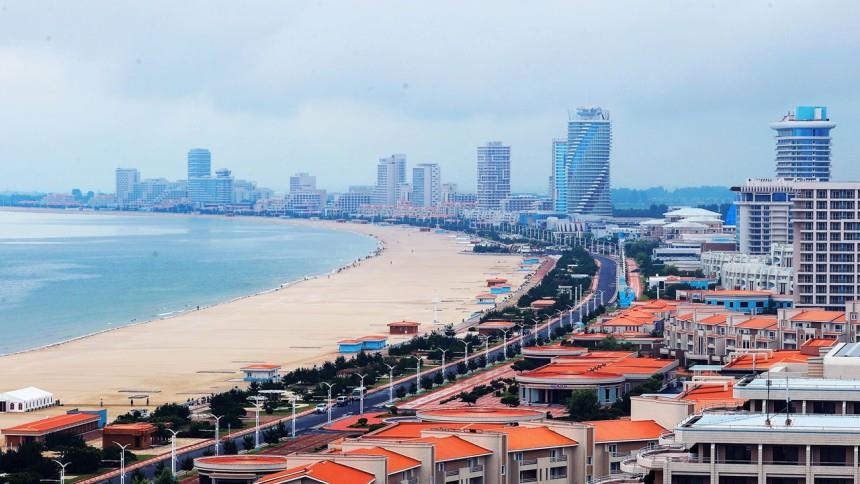 [Analysis of issues]
Prospects for U.S.-North Korea Collaboration as Trump Returns to OfficeHwang Joo-heeAssociate Research Fellow, North Korean Research Division, Korea Institute for National Unification (KINU)In January 2025, U.S. President Donald Trump highlighted his friendly ties with North Korea’s Kim Jong-un, mentioning the country’s "condo development capabilities" and coastal areas.1) Now in his second term, is the U.S. exploring tourism cooperation with North Korea? This article examines North Korea’s tourism potential and U.S.-North Korea collaboration prospects.North Korea's International Tourism Zone: Kalma Coastal Tourist Area Trump’s reference to North Korea’s coast and condos likely points to the Kalma Coastal Tourist Area, a key project in the country’s economic development plan. At the 12th session of the 14th Supreme People’s Assembly last January, North Korea reaffirmed its commitment to developing the Kalma Coastal Tourist Area.In Kim Jong-un’s early years, North Korea established special economic zones (SEZs) in each province to attract foreign investment based on regional characteristics. In 2013, it enacted the Special Economic Zones Law, designating 13 SEZs nationwide. North Korea stated their purpose was to promote regional economic balance, secure foreign currency, acquire advanced technologies, and improve living conditions.In 2019, North Korea announced it had 27 special economic zones, including two international tourism zones: Wonsan-Mt. Kumgang and the Mount Kumgang Tourist Region. However, weak foreign investment led to operational challenges. In response, North Korea prioritized tourism zone development to strengthen foreign economic ties, but progress stalled after 2016 due to increasing sanctions and the COVID-19 pandemic in 2020.The Wonsan-Kalma Coastal Tourist Area, launched in 2018, has yet to be completed. However, in 2024, Kim Jong Un visited the site to personally oversee the project, signaling renewed efforts to develop the international tourism zone centered around the Kalma district.In other words, international tourism cooperation is one of the key focuses for North Korea, reflecting its need for foreign investment. In this context, Trump also hinted at the potential for tourism cooperation between the U.S. and North Korea by mentioning "condos" and "coasts."Sanctions Relief Needs to Come First for U.S.-North Korea Tourism CooperationWhy did Trump hint at tourism cooperation? Sanctions remain the key issue in North Korea relations. In 2017, his administration imposed tough measures, including a 'secondary boycott' on foreign entities dealing with North Korea, alongside UN sanctions, under the North Korea Sanctions and Policy Enhancement Act of 2016 (Executive Order 13810).In Trump’s second term, U.S. policy on North Korea must account for sanctions. U.S. sanctions, which prohibit most economic activities with North Korea, classify tourism infrastructure—such as hotels, casinos, and resorts—as sources of foreign currency. Therefore, without easing sanctions, investments in the North Korean tourism sector are effectively impossible.Is tourism to North Korea possible? Following the death of U.S. student Otto Warmbier, who was detained in North Korea, the Trump administration banned U.S. passport holders from traveling to North Korea in September 2017. The ban has been extended annually, with the seventh extension in effect, valid until August 31, 2025.Therefore, the U.S. travel ban to North Korea may change depending on the Trump administration's decisions. If tourism becomes a key topic in U.S.-North Korea talks, the most likely short-term outcome would be the lifting of the travel ban and the resumption of tourism.North Korea Tourism Cooperation: A Persistent Challenge However, North Korea has shown little response to Trump's willingness to engage, remaining focused on nuclear development, as seen in its January visits to nuclear sites and weapons research facilities.North Korea has stated that "only nuclear-armed countries have not faced military invasions" while promoting policies like Economic Development Zones and international tourism zones. It emphasized that changes in the investment environment would depend on peace being guaranteed as a nuclear-armed nation.In contrast, the second term of the Trump administration reiterated its commitment to North Korea's "complete denuclearization," reaffirming its stance of not being willing to compromise on this issue.Given the significant differences between the U.S. and North Korea, there is a high chance of repeating past failures, like the stalled agreement on dismantling the Nyongbon facility and lifting sanctions. Even if dialogue resumes during Trump's second term, numerous challenges will need to be resolved before meaningful economic cooperation can occur.
25.02.07 -
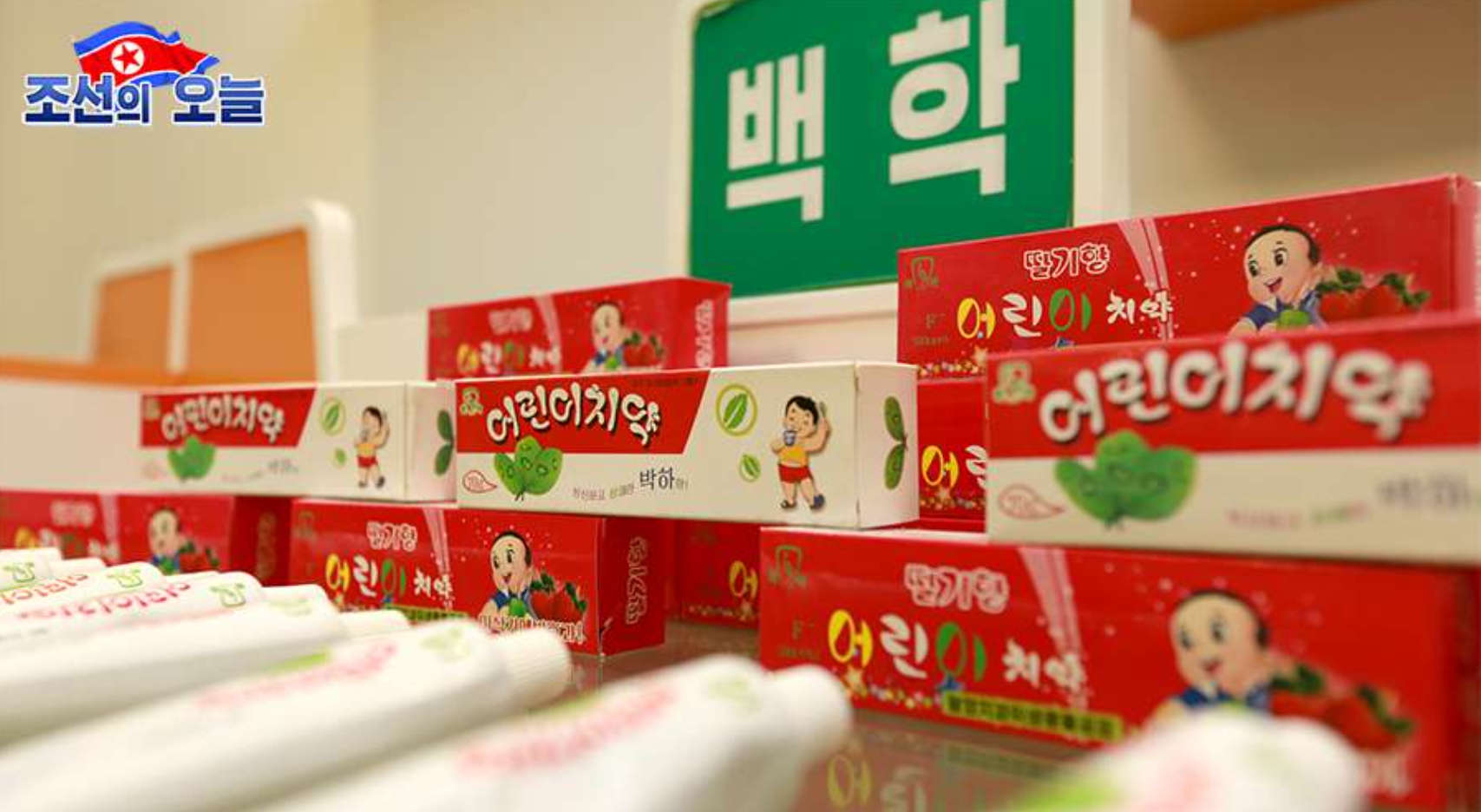 [Feature Article Series]
Marketing In North Korea (15)- Inside Brand-driven Lifestyle of a College Student in Pyongyang Jeon Byung-kilSenior Consultant of YESInnovationformer of Secretary General of UniKorea FoundationThis is the story of a fictional 19-year-old college girl from Pyongyang, living a brand-driven lifestyle. Through her and the people around her, the narrative delves into capitalism, marketing, trademarks, brands, and the influence of the Korean Wave in North Korea.Inside Brand-driven Lifestyle of a College Student in PyongyangHi! My name is Kim Yoo-kyong(fictional character). I'm 19 years old, and I’m a sophomore at Jangcholgu Pyongyang University of Commerce. I live with my family on Kwangbok Street in Pyongyang. My family has four members: my father, who teaches at a high school, my mother, who works at the Rakrang Market (Old Unification Market), and my younger brother, who is also a high school student.Start of the dayAs a college student, my day starts at 6 a.m. I usually wake up to the sound of my cell phone alarm. My phone has access to the national internal communication network named Kwangmyong, which only works inside the country. The first thing I do in the morning is check the latest news. Even though I’m not very interested in politics, I read articles from the Rodong Sinmun newspaper to prepare for next week’s political thought exam.This morning, I stayed in bed for a while before my mom finally got me to wash my face. I brushed my teeth with a Soriggot (means Frost Flower) Toothbrush and Baikhak (means White Crane) Toothpaste. After that, I put on some basic makeup using Pomhyanggi (means Spring Scent), a popular cosmetic brand. Some of my friends prefer Unhsasu (means Milky Way), but I like Pomhyanggi better. The other day, a friend secretly gave me some colorful South Korean cosmetics, but I decided not to use them today since my school might notice.At 7 a.m., my family gathers for breakfast. We usually eat rice, kimchi, and seasoned vegetables (namul). For kimchi, we buy packaged ones (500 grams) from the Ryugyong Kimchi Store. It’s a relatively new habit for us. Buying kimchi has made my mom’s life a lot easier, but in rural areas, North Korean people still make their own kimchi at home. Pyongyang’s economy is stronger than the countryside, but even here, people make large batches of kimchi in the fall to prepare for the winter when side dishes are limited.For breakfast, we often eat "hatban" (instant cooked rice) made by a South Korean food company. My mom, who works at the Rakrang Market, has better access to South Korean products than most people. Honestly, I feel a little guilty about using them, but they make life so much easier! Whether it’s instant noodles, canned food, cosmetics, or rice cookers, everyone agrees once they try them—South Korean products are hard to beat.After breakfast at 7:30 a.m., I get ready to leave for school. On my way out, I always debate what shoes to wear—ladies' shoes Maebongsan or sneakers Ryuwon. Today, I choose sneakers because I know I'll be walking a lot.I take the subway from my home in Kwangbok Street, located in the Mangyongdae District, to Pyeongcheon District, where my school is. Pyongyang only has two subway lines, and it’s not as crowded as you might imagine. I usually arrive at school around 8:30 a.m.Morning on campusBefore class, my friends and I chat about the latest Korean drama we secretly watched. Although the government has been cracking down harder on South Korean dramas and songs, people find new, secret ways to watch them. We talk about South Korean actors, girl groups, the stories in the dramas, and other things about South Korean culture. Everyone loves these conversations, but deep down, we are also scared. Watching South Korean entertainment could bring trouble to our families or friends.My father, who is a teacher at a high school, was very strict about these things when I was younger. He always warned us about the dangers of "rotten capitalism," but I think he was more worried about protecting our family. Growing up, the only South Korean videos allowed at home were English lectures from EBS (a South Korean educational channel). However, now that I’m in college, he doesn’t restrict me as much. My younger brother, who is still in high school, isn’t as lucky—my parents are still very strict with him about watching South Korean entertainment.Today is Friday, so I have morning classes at school and an afternoon session outside the school. My major is Department of Tourism Management. It’s a popular program because it offers good job prospects. When I graduated from advanced middle school, people expected me to go to prestigious universities like Kim Il Sung University or Kimchaek University of Technology because of my good grades. However, my parents encouraged me to choose a practical major where I could learn English, earn money, and have opportunities to work abroad. Looking back, I’m happy with my choice.This morning’s class was about "Global Outreach," where we learned about the services offered by foreign hotels. It’s fascinating to hear about places I’ve never been to or even heard of before.Friday afternoon satellite coursesAfter my theory class ended at 11 a.m., I had a long break before my 3 p.m. afternoon session. To pass the time, I went to the Pyongyang No. 1 Department Store near the Foreign Affairs Ministry. A National Commodity Fair was being held there, so I decided to go with my friends. At this fair, you can buy government-produced goods at low prices and see products inspired by foreign brands.As a public service major, I often come across foreign products, and I’ve seen many luxury items through South Korean dramas. At fairs like this, I see local versions of foreign cosmetics, bags, and shoes. South Korean dramas sometimes talk about fake products, but to me, they seem impressive—we can make similar products ourselves. At 3 p.m., I attended an online class at the Ministry of Foreign Affairs. The class was held in a satellite classroom, where we learned from experts in international service management. This online system started after the border closures in 2020. Today, we learned about the Michelin Guide, a famous guidebook that evaluates and ranks restaurants worldwide. I was surprised to learn how much restaurants around the globe want to be featured in this guide.The instructor spoke in English, and then their words were translated into Korean. Listening to the English lecture reminded me of the EBS English classes I used to watch in high school. It made me realize that my English skills aren’t bad, but I still need to improve my conversational skills.Grab a beer with friends and acquaintancesAfter the two-hour class, I went with my classmates and some tourism industry workers to a nearby Taedonggang beer restaurant to celebrate the end of the week. While enjoying the refreshing beer, we talked about the Wonsan Kalma District located on the eastern coast , a large tourism project soon to be open. They said that once the resort is complete, it will need young workers who speak English and learn the latest industry knowledge. The Wonsan Kalma District is part of a government project to attract foreign tourists, along with the Masikryong Ski Resort.I’m not sure if I’ll work there one day, but it’s a possibility. However, I do wonder if I’ll adjust well to working in the countryside. Leaving Pyongyang can be challenging. Since I still have a few years before starting work, I decided not to worry about it just yet.Cozy nights with the familyBy 8 p.m., I was back home after a fun evening. My father and brother were already home, so we gathered in the dining room. We turned on our new digital TV and flipped through the channels, but nothing interesting was on. For my parents, who enjoy music, I played some classical music from a USB drive a friend had given me.As we listened to the music, we snacked on fruit wine and fresh fruit from the Taedongang Fruit Processing General Factory, sweets from the Kumkhop General Food Factory for Sportspeople, and ice cream from the Taesongsan Ice Cream Factory. We talked about our day and shared our thoughts.My father, who teaches at a high school, talked about the current state of education and advised my brother and me to always be careful about what we say and do. My mother, who works at the Rakrang Market, shared her frustrations about government rationing, the growing class divide, and the corruption that often involves bribery. She also highlighted the differences between life in Pyongyang and other regions of North Korea. Above all, she reminded us to prioritize our family’s safety.My younger brother, who is going through puberty, has been quieter lately. I’ve noticed that his friends are watching more South Korean dramas these days, and it seems like he might have a crush on someone. I hope he navigates these moments without any trouble.As I mentioned before, my day is often about studying and thinking about my future career. My interests in international trade, services, and Korean dramas have made me curious about trademarks and branding from different countries.At day’s endAt the end of our family conversation tonight, my father asked me to order some gifts for his colleagues from two online shopping platforms, Manmulsang and Okryu. After I finished paying online and was about to head to my room, my father called my brother and me back. Once again, he reminded us to stay quiet and cautious. "Remember," he said, "someone is always watching."It didn’t sound like much at first, but his words stayed with me. It was a subtle but important reminder to be careful in everything I do.When I finally went to my room, I took out a USB drive containing the latest South Korean drama. A friend from school had secretly given it to me earlier in the day. I plugged it into my hard-earned video playback device, something I saved up for and bought myself. Before settling in to watch, I grabbed a yogurt from the Oil General Health Drink Factory A Glimpse into North Korea's Consumer CultureKim Yoo-kyong, the fictional college student in Pyongyang, represents a life that only the top 10% of North Koreans can afford. Living in Pyongyang with both parents employed in the city and raising children who attend college or high school is a privilege few in North Korea experience.This story is not meant to speak for the privileged class in North Korea or to promote the government. Instead, It created Kim Yoo-kyong’s persona—a young woman studying at a university in Pyongyang—to explore the marketing potential for brands in North Korea and to imagine future possibilities for cooperation between North and South Korea.In South Korea, personas for research can be created based on diverse factors such as region, gender, profession, hobbies, or religion. However, North Korea’s limited political and economic environment makes its persona options much narrower. As one of the poorest countries in the world, where political freedoms and human rights are severely restricted, only a small segment of the population has the opportunity to engage with or influence consumer brands in their daily lives. Kim Yoo-kyong’s fictionalized story is based on these minimal qualifications.Outside Pyongyang, young women in their 20s live in cities near the borders, such as Sinuiju in North Pyongan Province or Hyesan in Yanggang Province. Others live in cities along the east coast, like Wonsan and Chongjin, or in various interior provinces. Compared to Pyongyang residents, their economic situation is much worse, and their standard of living is significantly lower.So why focus on Kim Yoo-kyong’s “brand driven life style”? It’s because her persona represents an early adopter in North Korea’s emerging consumer market. Early adopters are people who quickly embrace new trends and technologies. They are curious, enthusiastic, and willing to try new products or innovations before others. Typically, early adopters are young consumers in their 20s and 30s.In North Korea, the early adopters are mainly young people in Pyongyang in their 20s and 30s. Their influence as consumers is likely to grow in the future, making them a key group to watch as the North Korean market develops.
25.01.24 -
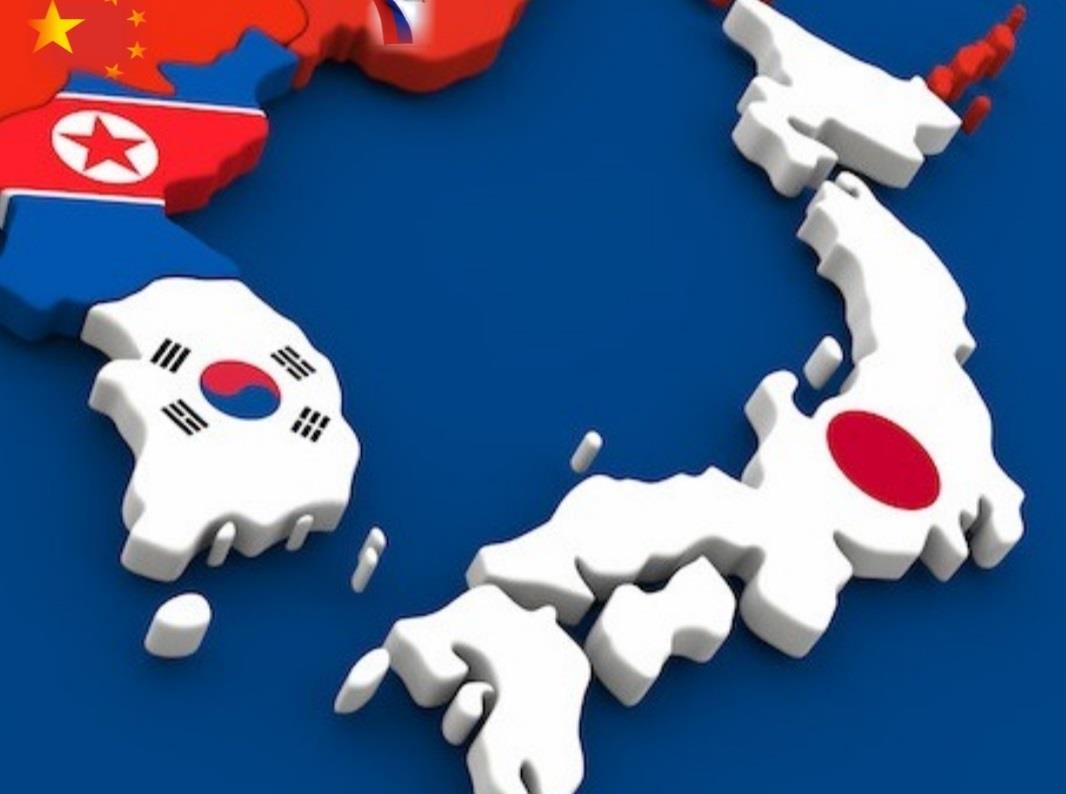 [Analysis and Prospects]
60 Years of Korea-Japan Relations: South Korea’s Role in Advancing Japan’s Approach to North KoreaLee Ki-taeSenior Research Fellow, Sejong InstituteDuring the 11th Plenary Meeting of the 8th Central Committee of the Workers' Party of Korea convened from December 26 to 28, 2024, North Korea criticized the U.S.-Japan-South Korea alliance as an "aggressive nuclear military bloc" and labeled South Korea an "anti-communist outpost" for the U.S." Despite these criticisms, North Korea indicated a willingness to engage diplomatically with Japan and the U.S.The year 2025 marks the 60th anniversary of the 1965 Treaty on Basic Relations Between Japan and South Korea. Examining North Korea-Japan relations in the context of this historic agreement highlights the impact of international dynamics and South Korea's role in shaping their trajectory.Japan has traditionally taken a "reactive diplomacy" approach to North Korea, responding to shifts in global politics and U.S. policies. While ties have long been stalled over issues like North Korea's nuclear program and the abduction of Japanese citizens, recent developments hint at subtle changes in Japan’s stance.In May 2019, Prime Minister Abe Shinzo proposed an "unconditional meeting" with Kim Jong-un, a sentiment echoed by the Suga Yoshihide and Kishida Fumio administrations. However, the two sides remain divided on the meaning of "unconditional," particularly concerning the abduction issue.North Korea claims that the abduction issue was resolved during the 2002 North Korea-Japan summit, when Kim Jong-il apologized and disclosed information on abductees. Japan, however, insists on the return of all surviving abductees, leaving the issue unresolved.On May 27, 2023, Prime Minister Kishida expressed his willingness to advance high-level discussions under his direct supervision. Reports from The Asahi Shimbun on September 29, 2023, indicated that secret contacts between North Korea and Japan had occurred twice in March and May in major Southeast Asian cities. Kishida’s statement is presumed to reflect positive outcomes from these secret meetings.In January 2024, Japan experienced a devastating earthquake in Ishikawa Prefecture. In a rare gesture, Kim Jong-un sent a letter of condolence to Kishida, addressing him as "Your Excellency." In February, Kim Yo-jong suggested the possibility of Kishida visiting Pyongyang, marking a brief window for potential dialogue.On March 25, Japanese Chief Cabinet Secretary Hayashi Yoshimasa rejected North Korea's claim that the abduction issue was resolved, emphasizing the "non-exclusion of the abduction issue." In response, Kim Yo-jong announced North Korea's "rejection of contact" the following day, and on March 29, Foreign Minister Choe Son-hui declared further contact impossible.Despite North Korea's public refusal to engage with Japan, reports (JoongAng Ilbo, June 13, 2024) indicated that a Japanese politician from a prominent family met with three North Korean officials near Ulaanbaatar, Mongolia, in mid-May. The North Korean delegation reportedly included members of the Reconnaissance General Bureau and foreign currency officials. The Japanese government merely stated, "We refrain from commenting," suggesting informal contacts between the two countries continue in third-party locations.Before taking office in October, Prime Minister Ishiba Shigeru expressed in media interviews the need for Japan and North Korea to establish liaison offices in Tokyo and Pyongyang to officially verify the status of abduction victims. He opposed sudden summits, like Prime Minister Koizumi Junichiro’s 2002 visit to Pyongyang, favoring a gradual approach through liaison offices.However, Japan’s conservative factions and the Association of Families of Abduction Victims opposed his proposal, fearing it would let North Korea control the narrative and delay resolution.Despite the transition from Kishida Fumio to Ishiba Shigeru in 2024, North Korea-Japan relations remain stagnant. Both sides advocate for "unconditional meetings" while holding informal contacts in third countries. However, sharp disagreements over the abduction issue—North Korea's claim of resolution versus Japan's demand for all abductees' return—maintain the stalemate.Major changes in Japan-North Korea relations are unlikely in 2025, with the Ishiba administration expected to continue pursuing "unconditional meetings" while addressing the concerns of the Association of Families of Abduction Victims.Domestically, the Ishiba administration lacks the political flexibility to engage with North Korea due to the LDP-Komeito coalition's failure to secure a majority in the House of Representatives election. Externally, Japan is expected to prioritize bolstering the U.S.-Japan alliance, trilateral cooperation with the U.S. and South Korea, and its own defense capabilities in response to North Korea’s support for Russia and its closer ties with Russia and China.South Korea’s Role in North Korea-Japan RelationsSouth Korea's proactive role is key to fostering rapprochement between North Korea and Japan. Strengthening the South Korea-U.S.-Japan trilateral framework and South Korea-Japan relations could create opportunities for dialogue. Feeling diplomatically isolated, North Korea might seek engagement with Japan, potentially for support or as an alternative channel for dialogue with the U.S.Japan and North Korea can also engage when improved inter-Korean relations are supported by South Korea's active mediation. South Korea should recognize its potential to facilitate breakthroughs in North Korea-Japan relations and shape its foreign policy accordingly.South Korea should enhance its mediation to support North Korea-Japan normalization, promoting denuclearization and peace, while collaborating with Japan on human rights and economic aid discussions.
25.01.24 -
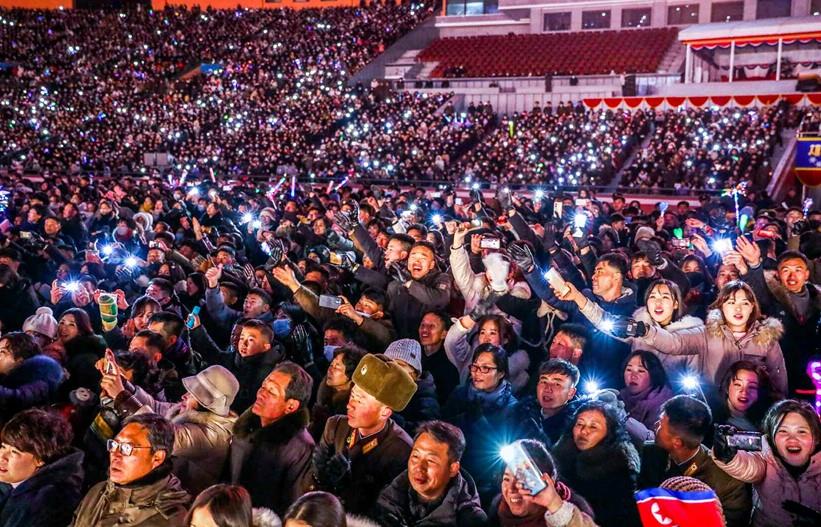 [Issue Brief]
Prospects for Inter-Korean Relations in 2025: A Pivotal Moment of Crisis and OpportunityJung Yoo-sukResearch Fellow at the Korea Institute for National Unification (KINU)The year 2024 was a time of significant turmoil and uncertainty for both South and North Korea.At the end of the previous year, North Korea declared the two Koreas to be “two hostile states at war,” removed "unification" from its agenda, and cut all communication with South Korea. This hostile stance is likely to continue, with sporadic military provocations remaining possible. Since last year, North Korea has referred to South Korea as the “Republic of Korea,” rejecting ethnic unity and framing it as a “third country.” This approach aims to block ideological influence among its citizens and strengthen regime stability.Despite ongoing economic struggles, North Korea has sought to justify its nuclear ambitions, declaring "complete territorial integrity" and enshrining its nuclear policy into its constitution. Additionally, it has used the Russia-Ukraine war as a diplomatic tool, deepening its alliance with Russia. This partnership has escalated to the point of North Korea supplying weapons and deploying troops, leading to the signing of a "Comprehensive Strategic Partnership Treaty" between the two nations. Such developments highlight a significant pivot in North Korea's domestic and foreign policy starting in 2024.North Koreans at the New Year's celebration/North Korea Central News AgencySouth Korea has also faced challenges. The "Audacious Initiative," intended as a roadmap for denuclearization, failed to secure North Korea's cooperation. In response, the Yoon Suk-yeol administration introduced the "August 15 Unification Doctrine" on the 79th Liberation Day, presenting a vision for unification focused on freedom, cooperation, and progress. It emphasizes that true liberation will come when South Korea's freedoms extend to the North, envisioning a unified state founded on liberal democracy.At its core, the doctrine aims to extend the universal values of freedom and human rights to the North, envisioning a "unified nation based on liberal democracy." It also reinterprets and expands South Korea’s 30-year-old "Reunification Plan for the National Community," presenting a new milestone. The "August 15 Unification Doctrine" declares a clear vision for "a free and unified Korea" amidst worsening global crises, prolonged division, North Korea’s nuclear ambitions, and its anti-unification stance. This message targets South Koreans, North Koreans, and the global community, outlining a strategic path toward unification in a complex geopolitical landscape.The path to unification remains fraught with obstacles. The unification environment, shaped by domestic and international complexities, is far from favorable. In 2025, several pivotal events could serve as turning points for inter-Korean relations.One factor is the United States' North Korea policy under the Trump administration and potential shifts on the Korean Peninsula. While direct dialogue between Donald Trump and Kim Jong-un is conceivable, six years of significant global security changes since the 2019 U.S.-North Korea summit, coupled with declining international focus on North Korea, make rapid progress unlikely. Additionally, Kim Jong-un, wary of repeating past failures, is expected to proceed cautiously to avoid stirring unrest among his citizens.North Korea is also expected to bolster its military capabilities through deeper ties with Russia, its newly formalized ally, while maintaining its relationship with China. This strategy poses heightened security risks to the Korean Peninsula, East Asia, and the international community. Should provocations escalate to approach the “red line,” sudden and significant shifts may occur.Lastly, concerns are growing over the fading awareness of unification due to North Korea’s persistent hostility toward the South. Kim Jong-un has abandoned the ideals of "unification" and "ethnic solidarity" embraced by his predecessors, redefining inter-Korean relations as those of “two hostile states.” This reflects a retreat from regime competition and fear of cultural influence. Yet, unification may still be a source of hope for North Koreans.If North Korea continues its path of isolation, internal unrest could escalate, potentially destabilizing the regime. Meanwhile, in South Korea, the need for unification is increasingly questioned. In reaction to North Korea’s “two hostile states” narrative, some now argue for permanent division, weakening nationalist discourse and spreading negative views of unification.Younger generations, especially, find it difficult to relate to unification and often see it as an economic burden. Beyond generational divides, debates and internal conflicts over unification could hinder societal growth. Even with improved inter-Korean relations, gaining public support for cooperation with North Korea will likely remain a major challenge.In 2025, North Korea’s willingness to adopt a more sincere stance will be critical to advancing inter-Korean relations. With a systematic and phased recalibration of its North Korea policy, South Korea has the opportunity to establish a major milestone in addressing the challenges of inter-Korean relations.
25.01.10
News Letter
We are leading the global communication via Newsletter.
We will deliver the latest information and proven facts on Korean Peninsula status including North Korea situation.